Take an 360° Interactive Tour Inside the Great Pyramid of Giza

You can’t take it with you if you’ve got noth­ing to take with you.

Once upon a time, the now-emp­ty Great Pyra­mid of Giza was sump­tu­ous­ly appoint­ed inside and out, to ensure that Pharaoh Khu­fu, or Cheops as he was known to the Ancient Greeks, would be well received in the after­life.

Bling was a seri­ous thing.

Thou­sand of years fur­ther on, cin­e­mat­ic por­tray­als have us con­vinced that tomb raiders were greedy 19th- and 20th-cen­tu­ry cura­tors, eager­ly fill­ing their vit­rines with stolen arti­facts.

There’s some truth to that, but mod­ern Egyp­tol­o­gists are fair­ly con­vinced that Khufu’s pyra­mid was loot­ed short­ly after his reign, by oppor­tunists look­ing to grab some good­ies for their jour­ney to the after­life.

At any rate, it’s been picked clean.

Per­haps one day, we 21st-cen­tu­ry cit­i­zens can opt in to a pyra­mid expe­ri­ence akin to Rome Reborn, a dig­i­tal crutch for our fee­ble imag­i­na­tion to help us past the emp­ty sar­coph­a­gus and bare walls that have defined the world’s old­est tourist attraction’s inte­ri­ors for … well, not quite ever, but cer­tain­ly for FlaubertMark Twain, and 12th-cen­tu­ry schol­ar Abd al-Latif.

Fast for­ward­ing to 2017, the BBC’s Rajan Datar host­ed “Secrets of the Great Pyra­mid,” a pod­cast episode fea­tur­ing Egyp­tol­o­gist Sal­i­ma Ikram, space archae­ol­o­gist Dr Sarah Par­cak, and archae­ol­o­gist, Dr Joyce Tyldes­ley.

The experts were keen to clear up a major mis­con­cep­tion that the 4600-year-old pyra­mid was built by aliens or enslaved labor­ers, rather than a per­ma­nent staff of archi­tects and engi­neers, aid­ed by Egypt­ian civil­ians eager to barter their labor for meat, fish, beer, and tax abate­ment.

Datar’s ques­tion about a scan­ning project that would bring fur­ther insight into the Pyra­mid of Giza­’s con­struc­tion and lay­out was met with excite­ment.

This attrac­tion, old as it is, has plen­ty of new secrets to be dis­cov­ered.

We’re hap­py to share with you, read­ers, that 3 years after that episode was taped, the future is here.

The scan­ning is com­plete.

Wit­ness the BBC’s 360° tour inside the Great Pyra­mid of Giza.

Use your mouse to crane your neck, if you like.

As of this writ­ing, you could tour the pyra­mid in per­son, should you wish—the usu­al touris­tic hoards are def­i­nite­ly dialed down.

But, giv­en the con­ta­gion, per­haps bet­ter to tour the King’s Cham­ber, the Queen’s Cham­ber, and the Grand Gallery vir­tu­al­ly, above.

(An inter­est­ing tid­bit: the pyra­mid was more dis­tant to the ancient Romans than the Colos­se­um is to us.)

Lis­ten to the BBC’s “Secrets of the Great Pyra­mid” episode here.

Tour the Great Pyra­mid of Giza here.

Relat­ed Con­tent:

What the Great Pyra­mid of Giza Would’ve Looked Like When First Built: It Was Gleam­ing, Reflec­tive White

How the Egypt­ian Pyra­mids Were Built: A New The­o­ry in 3D Ani­ma­tion

The Met Dig­i­tal­ly Restores the Col­ors of an Ancient Egypt­ian Tem­ple, Using Pro­jec­tion Map­ping Tech­nol­o­gy

Ayun Hal­l­i­day is an author, illus­tra­tor, the­ater mak­er and Chief Pri­ma­tol­o­gist of the East Vil­lage Inky zine.  Fol­low her @AyunHalliday.

Watch Metropolis’ Cinematically Innovative Dance Scene, Restored as Fritz Lang Intended It to Be Seen (1927)

When it came out in 1927, Fritz Lang’s Metrop­o­lis showed audi­ences the kind of whol­ly invent­ed real­i­ty, hith­er­to beyond imag­i­na­tion, that could be real­ized in motion pic­tures. Its vision of a soci­ety bisect­ed into colos­sal sky­scrap­ers and under­ground war­rens, an indus­tri­al Art Deco dystopia, con­tin­ues to influ­ence film­mak­ers today. This despite — or per­haps because of — the sim­ple sto­ry it tells, in which Fred­er, the scion of the city of Metrop­o­lis, rebels against his father after fol­low­ing Maria, a good-heart­ed maid­en from the under­class, into the infer­nal low­er depths.

In the role of Maria was a then-unknown 18-year-old actress named Brigitte Helm. “For all the steam and spe­cial effects,” writes Robert McG. Thomas Jr. in Helm’s New York Times obit­u­ary, “for many who have seen the movie in its var­i­ous incar­na­tions, includ­ing a tint­ed ver­sion and one accom­pa­nied by music, the most com­pelling lin­ger­ing image is nei­ther the tow­ers above nor the hell­ish fac­to­ries below. It is the star­tling trans­for­ma­tion of Ms. Helm from an ide­al­is­tic young woman into a bare­ly clad crea­ture per­form­ing a las­civ­i­ous dance in a broth­el.”

Halfway through the film, Maria gets kid­napped by the vil­lain­ous inven­tor Rot­wang and cloned as a robot. It is this robot, not the real Maria, who takes the stage in the scene in ques­tion, prac­ti­cal­ly nude by the stan­dards of silent-era cin­e­ma. Lang used the sequence to push not just the bounds of pro­pri­ety, but the aes­thet­ic capa­bil­i­ties of his art form: view­ers would nev­er have seen any­thing like the frame-fill­ing field of eye­balls into which the slaver­ing crowd of tuxe­doed men dis­solve. Here we have a medi­um demon­strat­ing deci­sive­ly and pow­er­ful­ly what sets it apart from all oth­ers, in just one of the scenes restored only recent­ly to its orig­i­nal form.

When Thomas allud­ed to the many extant cuts of Metrop­o­lis in his 1996 obit­u­ary for Helm, the now-defin­i­tive ver­sion of the pic­ture that made her a star still lay in the future. 2010’s The Com­plete Metrop­o­lis includes mate­r­i­al redis­cov­ered just two years before, on a 16-mil­lime­ter reduc­tion neg­a­tive stored at Buenos Aires’ Museo del Cine and long for­got­ten there­after. Now, just as Lang intend­ed us to, we can behold his cin­e­mat­ic vision of rulers employ­ing the high­est tech­nol­o­gy to keep even the elite mes­mer­ized by tit­il­lat­ing spec­ta­cles — a fan­tas­ti­cal sce­nario that has noth­ing at all to do, of course, with the future as it actu­al­ly turned out.

Relat­ed Con­tent:

Metrop­o­lis: Watch a Restored Ver­sion of Fritz Lang’s Mas­ter­piece (1927)

Read the Orig­i­nal 32-Page Pro­gram for Fritz Lang’s Metrop­o­lis (1927)

Fritz Lang Invents the Video Phone in Metrop­o­lis (1927)

H.G. Wells Pans Fritz Lang’s Metrop­o­lis in a 1927 Movie Review: It’s “the Sil­li­est Film”

10 Great Ger­man Expres­sion­ist Films: From Nos­fer­atu to The Cab­i­net of Dr. Cali­gari

Watch After the Ball, the 1897 “Adult” Film by Pio­neer­ing Direc­tor Georges Méliès (Almost NSFW)

Based in Seoul, Col­in Mar­shall writes and broad­casts on cities, lan­guage, and cul­ture. His projects include the book The State­less City: a Walk through 21st-Cen­tu­ry Los Ange­les and the video series The City in Cin­e­ma. Fol­low him on Twit­ter at @colinmarshall, on Face­book, or on Insta­gram.

The Story Behind the Iconic Black Power Salute Photo at the 1968 Olympics in Mexico City

You may know his name, and you def­i­nite­ly know the icon­ic pho­to of him stand­ing next to Tom­mie Smith and Peter Nor­man on the medals podi­um at the 1968 Olympics in Mex­i­co City, his black-gloved fist raised next to Smith’s in defi­ance of racial injus­tice. But you may know lit­tle more about John Car­los. Many of us learned about him the same way stu­dents at a South­ern Cal­i­for­nia high school, where he worked as a coun­selor after retir­ing from run­ning, did: “Man, we see this pic­ture in the his­to­ry book and they don’t have any sto­ry about it,” he remem­bers some kids telling him. “It’s just a two-lin­er with the people’s names.”

The Vox Dark­room video above packs more than a cap­tion ver­sion of his his­to­ry in just under 10 min­utes. The silent protest, we learn, fol­lowed a threat­ened boy­cott from the ath­letes ear­li­er in the year, sup­port­ed by Mar­tin Luther King, Jr., who appears in a clip. Instead, they went on to win medal after medal. We also learn much more about how all three run­ners on the podi­um, includ­ing Sil­ver-win­ning Aussie Peter Nor­man, par­tic­i­pat­ed by wear­ing but­tons sup­port­ing the Olympic Project for Human Rights. Found­ed by for­mer ath­lete and activist Har­ry Edwards, the orga­ni­za­tion aimed to strate­gi­cal­ly dis­rupt U.S. Olympic suc­cess by “opt­ing out of the games,” refus­ing to give Black ath­letes’ labor to sports that refused to com­bat racism.

Twen­ty years before these actions, Black ath­letes became potent sym­bols of the boot­strap­ping Amer­i­can suc­cess sto­ry for the media, long before the end of legal seg­re­ga­tion. As his­to­ry pro­fes­sor Dex­ter Black­man says in the video, the mes­sage became, “if Jack­ie Robin­son can make it, then why can’t oth­er Blacks make it?” This “myth of racial progress” could not sur­vive the 1960s. By the time of Smith and Car­los’ arrival in Mex­i­co City in Octo­ber of 1968, Mar­tin Luther King had been assas­si­nat­ed. Cities around the coun­try were erupt­ing as frus­tra­tion over failed Civ­il Rights efforts boiled over. Nei­ther Car­los nor Smith wear shoes in their podi­um pho­to, in protest of the pover­ty that per­sist­ed in Black com­mu­ni­ties.

The three paid a price for their state­ment. The protest was called “a delib­er­ate and vio­lent breach of the fun­da­men­tal prin­ci­ples of the Olympic spir­it” by the IOC pres­i­dent, who had not object­ed to Nazi salutes when he had been an Olympic offi­cial in 1936. Nor­man, who seems com­plete­ly obliv­i­ous at first glance in the pho­to­graph, “returned home to Aus­tralia a pari­ah,” CNN writes, “suf­fer­ing unof­fi­cial sanc­tion and ridicule as the Black Pow­er salute’s for­got­ten man. He nev­er ran in the Olympics again.” Smith fared bet­ter, though he was sus­pend­ed with Car­los from the Olympic team. He left run­ning, played NFL foot­ball, won sev­er­al awards and com­men­da­tions, and became a track coach and soci­ol­o­gy pro­fes­sor at Ober­lin.

In an essay at Vox, Car­los describes how “the mood in the sta­di­um went straight to ven­om” after the two raised their fists. “The first 10 years after those Olympics were hell for me. A lot of peo­ple walked away from me…. they were afraid. What they saw hap­pen­ing to me, they didn’t want it to hap­pen to them and theirs.” His kids, he said “were tor­ment­ed,” his mar­riage “crum­bled.” Still, he would do it again. Car­los embod­ies the same uncom­pro­mis­ing atti­tude, one that refus­es to silent­ly accept racism, even while stand­ing (or kneel­ing) in silence. “If you’re famous and you’re black,” he writes, “you have to be an activist. That’s what I’ve tried to do my whole life.”

Relat­ed Con­tent:

Muham­mad Ali Gives a Dra­mat­ic Read­ing of His Poem on the Atti­ca Prison Upris­ing

Great Cul­tur­al Icons Talk Civ­il Rights: James Bald­win, Mar­lon Bran­do, Har­ry Bela­fonte & Sid­ney Poiti­er (1963)

How Jazz Helped Fuel the 1960s Civ­il Rights Move­ment

Josh Jones is a writer and musi­cian based in Durham, NC. Fol­low him at @jdmagness

Historic Mexican Recipes Are Now Available as Free Digital Cookbooks: Get Started With Dessert

There are too many com­pet­ing sto­ries to tell about the pan­dem­ic for any one to take the spot­light for long, which makes com­ing to terms with the moment espe­cial­ly chal­leng­ing. Every­thing seems in upheaval—especially in parts of the world where ram­pant cor­rup­tion, inep­ti­tude, and author­i­tar­i­an abuse have wors­ened and pro­longed an already bad sit­u­a­tion. But if there’s a lens that might be wide enough to take it all in, I’d wager it’s the sto­ry of food, from man­u­fac­ture, to sup­ply chains, to the table.

The abil­i­ty to dine out serves as a barom­e­ter of social health. Restau­rants are essen­tial to nor­mal­cy and neigh­bor­hood coher­ence, as well as hubs of local com­merce. They now strug­gle to adapt or close their doors. Food ser­vice staff rep­re­sent some of the most pre­car­i­ous of work­ers. Mean­while, every­one has to eat. “Some of the world’s best restau­rants have gone from fine din­ing to curb­side pick­ups,” writes Rico Tor­res, Chef and Co-own­er of Mixtli. “At home, a renewed sense of self-reliance has led to a resur­gence of the home cook.”

Some, ama­teurs and pro­fes­sion­als both, have returned their skills to the com­mu­ni­ty, cook­ing for pro­tes­tors on the streets, for exam­ple. Oth­ers have turned a new­found pas­sion for cook­ing on their fam­i­lies. What­ev­er the case, they are all doing impor­tant work, not only by feed­ing hun­gry bel­lies but by engag­ing with and trans­form­ing culi­nary tra­di­tions. Despite its essen­tial ephemer­al­i­ty, food pre­serves mem­o­ry, through the most mem­o­ry-inten­sive of our sens­es, and through recipes passed down for gen­er­a­tions.

Recipe col­lec­tions are also sites of cul­tur­al exchange and con­flict. Such has been the case in the long strug­gle to define the essence of authen­tic Mex­i­can food. You can learn more about that argu­ment in our pre­vi­ous post on a col­lec­tion of tra­di­tion­al (and some not-so-tra­di­tion­al) Mex­i­can cook­books which are being dig­i­tized and put online by researchers at the Uni­ver­si­ty of Texas San Anto­nio (UTSA). Their col­lec­tion of over 2,000 titles dates from 1789 to the present and rep­re­sents a vast repos­i­to­ry of knowl­edge for schol­ars of Mex­i­can cui­sine.

But let’s be hon­est, what most of us want, and need, is a good meal. It just so hap­pens, as chefs now serv­ing curb­side will tell you, that the best cook­ing (and bak­ing) learns from the cook­ing of the past. In obser­vance of the times we live in, the UTSA Libraries Spe­cial Col­lec­tions has curat­ed many of the his­toric Mex­i­can recipes in their col­lec­tion as what they call “a series of mini-cook­books” titled “Rec­etas: Cocin­dan­do en los Tiem­pos del Coro­n­avirus.”

Because many in our com­mu­ni­ties have found them­selves in the kitchen dur­ing the COVID-19 pan­dem­ic dur­ing stay-at-home orders, we hope to share the col­lec­tion and make it even more acces­si­ble to those look­ing to explore Mex­i­can cui­sine.

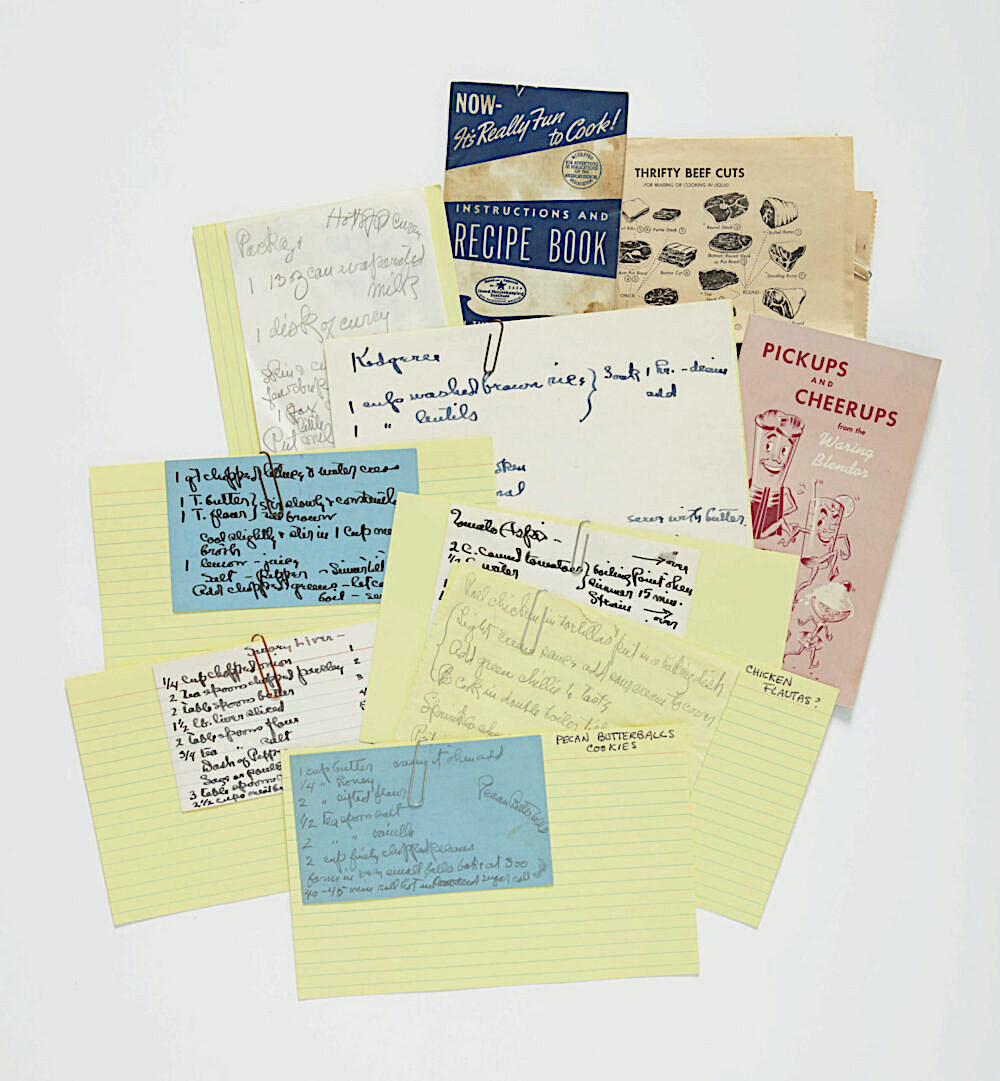
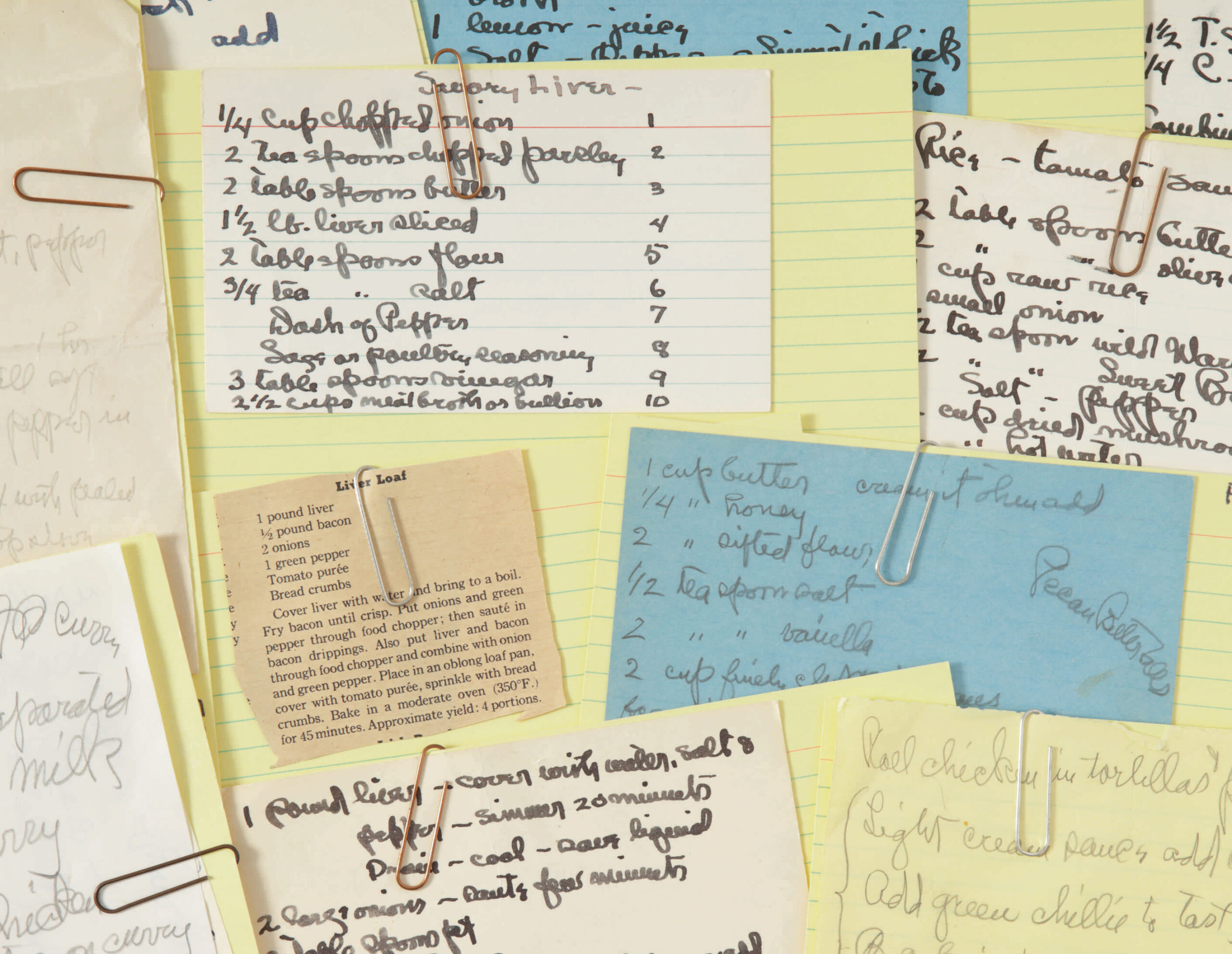
These recipes, now being made avail­able as e‑cookbooks, have been tran­scribed and trans­lat­ed from hand­writ­ten man­u­scripts by archivists who are pas­sion­ate about this food. Per­haps in hon­or of Lau­ra Esquivel’s Like Water for Choco­late—whose nov­el “paints a nar­ra­tive of fam­i­ly and tra­di­tion using Mexico’s deep con­nec­tion to cuisine”—the col­lec­tion has “saved the best for first” and begun with the dessert cook­book. They’ll con­tin­ue the reverse order with Vol­ume 2, main cours­es, and Vol­ume 3, appe­tiz­ers & drinks.

Endorsed by Chef Tor­res, the first mini-cook­book mod­ern­izes and trans­lates the orig­i­nal Span­ish into Eng­lish, and is avail­able in pdf or epub. It does not mod­ern­ize more tra­di­tion­al ways of cook­ing. As the Pref­ace points out, “many of the man­u­script cook­books of the ear­ly 19th cen­tu­ry assume read­ers to be expe­ri­enced cooks.” (It was not an occu­pa­tion under­tak­en light­ly.) As such, the recipes are “often light on details” like ingre­di­ent lists and step-by-step instruc­tions. As Atlas Obscu­ra notes, the recipe above for “ ‘Petra’s cook­ies’ calls for “‘one cup not quite full of milk.’ ”

“We encour­age you to view these instruc­tions as oppor­tu­ni­ties to acquire an intu­itive feel for your food,” the archive writes. It’s good to learn new habits. What­ev­er else it is now—community ser­vice, chore, an exer­cise in self-reliance, self-improve­ment, or stress relief—cooking is also cre­at­ing new ways of remem­ber­ing and con­nect­ing across new dis­tances of time and space, work­ing with the raw mate­ri­als we have at hand. Down­load the first Vol­ume of the UTSA cook­book series, Postres: Guardan­do Lo Mejor Para el Prin­ci­pio, here and look for more “Cook­ing in the Time of Coro­n­avirus” recipes com­ing soon.

via Atlas Obscu­ra

Relat­ed Con­tent:

An Archive of Hand­writ­ten Tra­di­tion­al Mex­i­can Cook­books Is Now Online

An Archive of 3,000 Vin­tage Cook­books Lets You Trav­el Back Through Culi­nary Time

82 Vin­tage Cook­books, Free to Down­load, Offer a Fas­ci­nat­ing Illus­trat­ed Look at Culi­nary and Cul­tur­al His­to­ry

Josh Jones is a writer and musi­cian based in Durham, NC. Fol­low him at @jdmagness

Rick and Morty as Absurdist Humor, Yet Legitimate Sci-Fi with Family Drama (Pretty Much Pop: A Culture Podcast #54)

Mark Lin­sen­may­er, Eri­ca Spyres, and Bri­an Hirt address the 4‑season 2013 Adult Swim show, which cur­rent­ly has a 94% crit­ics’ rat­ing on Rot­ten Toma­toes. What kind of humor is it, and how are we sup­posed to take its sci-fi and fam­i­ly dra­ma ele­ments? While its con­cepts start as par­o­dy, with an any­thing-goes style of ani­ma­tion, they’re cre­ative and ground­ed enough to actu­al­ly con­tribute to mul­ti­ple gen­res. How smart is the show, exact­ly? And its fans? Is Rick a super hero, or maybe essen­tial­ly Dr. Who? What might this very seri­al­ized sit-com look like in longevi­ty?

We also touch on oth­er adult car­toons like South Park, Solar Oppo­sites, The Simp­sons, Fam­i­ly Guy, plus Com­mu­ni­ty, Scrubs, and more.

Hear the inter­view we refer to with the show’s cre­ators. Watch the video we men­tion about its direc­tors. Vis­it the Rick and Morty wiki for episode descrip­tions and oth­er things.

Some arti­cles that we bring up or oth­er­wise fueled our dis­cus­sion include:

Also, do you want a Plumbus?

Learn more at prettymuchpop.com. This episode includes bonus dis­cus­sion that you can only hear by sup­port­ing the pod­cast at patreon.com/prettymuchpop. This pod­cast is part of the Par­tial­ly Exam­ined Life pod­cast net­work.

Pret­ty Much Pop: A Cul­ture Pod­cast is the first pod­cast curat­ed by Open Cul­ture. Browse all Pret­ty Much Pop posts.

The Rise & Fall of Silver Apples: The 1960s Electronic Band That Built Their Own Synthesizer, Produced Two Pioneering Albums, and Then Faded into Obscurity

In the late 70s and ear­ly 80s, a hand­ful of musi­cal duos emerged who would have tremen­dous impact on post-punk, alter­na­tive, new wave, and exper­i­men­tal elec­tron­ic music. Bands like Sui­cide, NEU!, and the Pet Shop Boys made far big­ger sounds than their size would sug­gest. Before them all came Sil­ver Apples, a duo who should right­ly get cred­it as pio­neers of elec­tron­ic exper­i­men­ta­tion in pop song form. Like many a pio­neer, Sil­ver Apples had no idea what they were doing. They also suf­fered from a string of some of the worst luck a band could have, dis­ap­pear­ing after their sec­ond album in 1969 until a mid-90s redis­cov­ery and brief return.

Band­mem­bers Sime­on Coxe and Dan­ny Tay­lor formed the band in 1967 from the ruins of a rock group called The Over­land Stage Elec­tric Band, which fell apart when Coxe began exper­i­ment­ing with old oscil­la­tors onstage. All of the mem­bers quit except Tay­lor, and Coxe set about build­ing his own syn­the­siz­er, “a machine nick­named ‘the Sime­on,’” Daniel Dylan Wray writes at The Guardian, “which grew to con­sist of nine audio oscil­la­tors with 86 man­u­al controls—including tele­graph keys—to con­trol lead, rhythm and bass puls­es with the user’s hands, feet and elbows.”

Coxe was the only per­son who could play the Sime­on, and he sang as he did so, his weird, war­bly voice com­ple­ment­ing his machine, as Tay­lor played pro­to-Krautrock beats behind him. “I had heard the word syn­the­siz­er,” he says, “but I had no idea what it was. We were dirt poor and used what we had, which was often dis­card­ed world war two gear.” They were essen­tial­ly mak­ing up elec­tron­ic pop music as they went along, iso­lat­ed from par­al­lel devel­op­ments hap­pen­ing at the same time. They named the project after a line by William But­ler Yeats (many of their lyrics were writ­ten by poet Stan­ley War­ren). Around the same time, com­pos­er Mor­ton Sub­ot­nick released his ground­break­ing all-elec­tron­ic album, titled—after Yeats—Sil­ver Apples of the Moon.

It was Sil­ver Apples’ fate to be over­shad­owed by oth­er releas­es that came out imme­di­ate­ly after their 1968 self-titled debut, such as Wendy Car­los’ Switched on Bach and Ger­shon Kingsley’s hit “Pop­corn,” both of which pop­u­lar­ized Robert Moog’s mod­u­lar syn­the­siz­ers. Moog him­self became so fas­ci­nat­ed with Coxe’s sin­gu­lar cre­ation that he vis­it­ed the Sil­ver Apples stu­dio to see it for him­self. The band’s man­ag­er scored them their very first gig play­ing for 30,000 peo­ple in Cen­tral Park, “pro­vid­ing a live sound­track to the Apol­lo moon landing—broadcast on enor­mous screens beside them,” writes Cian Traynor at Huck mag­a­zine, “as peo­ple took their clothes off in the rain.”

This mag­i­cal experience—and oth­er brush­es with fame, such as a one-off record­ing ses­sion with Jimi Hendrix—was no indi­ca­tion of a bright future for the band. For their sec­ond album, they were allowed to pho­to­graph them­selves inside the cock­pit of a Pan Am jet. The inclu­sion of drug para­pher­na­lia in the pho­to, and of a crashed air­plane on the back, prompt­ed a law­suit from the air­line. The album was pulled from the shelves, the band shut out of the indus­try, and a third album, The Gar­den, remained unre­leased until 1998.

For a look at how musi­cal­ly for­ward-think­ing Sil­ver Apples were, see the short doc­u­men­tary about their rise and fall above. They end­ed up influ­enc­ing neo-psy­che­del­ic elec­tron­ic bands like Stere­o­lab and 90s duo Por­tishead, whose Geoff Bar­row says, “for peo­ple like us, they are the per­fect band…. They should def­i­nite­ly be up there with the pio­neers of elec­tron­ic music.” Tay­lor sad­ly died in 2005, just after Coxe had par­tial­ly recov­ered from a bro­ken neck suf­fered the year of their 90s resur­gence. But Sil­ver Apples music is immor­tal, and immor­tal­ly oth­er­world­ly and strange, even if its cre­ators nev­er quite under­stood why. “To me and Dan­ny,” says Coxe, “it sound­ed per­fect­ly nor­mal and was a nor­mal pro­gres­sion into the areas we were try­ing to go.”

As so much exper­i­men­tal elec­tron­ic pop music that emerged around the same time proves, Coxe was more right than he knew. What Sil­ver Apples did turned out to be a “nor­mal” musi­cal devel­op­ment, though they had no idea that it was hap­pen­ing when they made their aston­ish­ing­ly groovy, spaced-out records.

Relat­ed Con­tent:

Daphne Oram Cre­at­ed the BBC’s First-Ever Piece of Elec­tron­ic Music (1957)

The His­to­ry of Elec­tron­ic Music in 476 Tracks (1937–2001)

Pio­neer­ing Elec­tron­ic Com­pos­er Karl­heinz Stock­hausen Presents “Four Cri­te­ria of Elec­tron­ic Music” & Oth­er Lec­tures in Eng­lish (1972)

Josh Jones is a writer and musi­cian based in Durham, NC. Fol­low him at @jdmagness

Tony Hawk & Architectural Historian Iain Borden Tell the Story of How Skateboarding Found a New Use for Cities & Architecture

Would­n’t we enjoy see­ing our cities like an archi­tec­tur­al his­to­ri­an, in com­mand of deep knowl­edge about the tech­nol­o­gy, ide­ol­o­gy, and aes­thet­ics of the build­ings we pass by every day? For most of us, this would huge­ly enrich our expe­ri­ence of the urban envi­ron­ment. But then so, less obvi­ous­ly, would see­ing our cities like a skate­board­er, in com­mand of deep knowl­edge about how to glide, jump, and bounce along the streets, the build­ings, and all the myr­i­ad pieces of infra­struc­ture as a surfer rides the waves. The archi­tec­tur­al his­to­ri­an learns the city with his mind; the skater learns the city, no less painstak­ing­ly, with his body.

The Vox video above brings mind and body come togeth­er in the per­sons of Iain Bor­den, author of Skate­board­ing and the City: A Com­plete His­to­ry, and Tony Hawk, to whom even those whol­ly igno­rant of skate­board­ing need no intro­duc­tion. Their com­ple­men­tary inter­views reveal the his­to­ry of mod­ern skate­board­ing through the sport’s “leg­endary spots”: pub­lic-school cam­pus­es, aban­doned swim­ming pools, dry drainage ditch­es, for­got­ten sec­tions of con­crete pipe. In the main this selec­tion reflects the high­ly sub­ur­ban­ized 1970s in which skate­boards first came to pop­u­lar­i­ty in the Unit­ed States. But at its out­er lim­its, such as the Mt. Baldy pipeline in north­ern Cal­i­for­nia, it also shows how far skaters will go in search of the ide­al place to ride.

Though pur­pose-build skate parks do exist (their num­bers kept low by for­mi­da­ble insur­ance chal­lenges), seri­ous skaters pre­fer spaces not express­ly designed for skat­ing. This is thanks in large part to the inno­va­tions of a skater with less wider-world name recog­ni­tion than Hawk, but no less influ­ence with­in the sport: Natas Kau­pas. Hawk remem­bers the thoughts trig­gered by footage of the young Kau­pas skat­ing mas­ter­ful­ly through his neigh­bor­hood in the 1987 film Wheels of Fire: “Wow, you can skate curbs like that? You can skate bench­es? You can skate fire hydrants? The whole world is a skate park now.” Sud­den­ly, Bor­den adds, “you did­n’t need to be in Cal­i­for­nia, or in the Ari­zona desert, or in Flori­da any­more. You could be any­where.”

Review­ing Bor­den’s Skate­board­ing and the City, Jack Lay­ton in Urban Stud­ies high­lights its his­to­ry of “how the assem­blage of mate­ri­als that makes up cities has been – in count­less ways – re-imag­ined by the skate­board­er to cre­ate accel­er­a­tion, rota­tion, fric­tion and flow.” It’s easy to for­get, Lay­ton writes, that “along with facil­i­tat­ing com­merce, trans­port and habi­ta­tion, cities can be spaces that facil­i­tate play, exhil­a­ra­tion and plea­sure.” Despite often hav­ing been regard­ed as pub­lic nui­sances, skate­board­ers are “a con­stant reminder that our cities are cre­ative and rich places,” says Bor­den. With the excep­tion of the skate parks secret­ly con­struct­ed in hid­den urban spaces across the world, skaters, of course, don’t build the city — but they do show us some of its untapped poten­tial.

Relat­ed Con­tent:

Ful­ly Flared

3 Icon­ic Paint­ings by Fri­da Kahlo Get Reborn as Vans Skate Shoes

Sax­o­phon­ist Plays into Large Gas Pipes & Then Uses the Echo to Accom­pa­ny Him­self

Every­thing You Ever Want­ed to Know About the Beau­ty of Bru­tal­ist Archi­tec­ture: An Intro­duc­tion in Six Videos

Based in Seoul, Col­in Mar­shall writes and broad­casts on cities, lan­guage, and cul­ture. His projects include the book The State­less City: a Walk through 21st-Cen­tu­ry Los Ange­les and the video series The City in Cin­e­ma. Fol­low him on Twit­ter at @colinmarshall, on Face­book, or on Insta­gram.

New Digital Archive Opens Access to Thousands of Digitized African American Funeral Programs (1886–2019)

Funer­al rites, buri­als, and oth­er rit­u­als are held near-uni­ver­sal­ly sacred, not only due to reli­gious and cul­tur­al beliefs about death: We pre­serve our con­nec­tion to our ances­tors through the records of their births and deaths. For many Black Amer­i­cans in the U.S. south, grief and loss have been com­pound­ed by cen­turies of vio­lence and tragedy, but funer­als have still tend­ed to be “cel­e­bra­tions of life” rather than mourn­ful events, says Derek Mosley, archivist at the Auburn Avenue Research Library on African Amer­i­can Cul­ture and His­to­ry.” African Amer­i­can “funer­al pro­grams tend to reflect that,” and there­fore offer a wealth of infor­ma­tion for his­to­ri­ans and geneal­o­gists as well as fam­i­ly mem­bers.

Mosley is a con­trib­u­tor to a new dig­i­tal archive that “cur­rent­ly boasts more than 11,500 dig­i­tized pages and is expect­ed to grow as more pro­grams are con­tributed.” These his­tor­i­cal doc­u­ments date from between 1886 to 2019, though “most of the pro­grams are from ser­vices dur­ing the late twen­ti­eth and ear­ly twen­ty-first cen­turies,” notes the Dig­i­tal Library of Geor­gia, who hous­es the col­lec­tion. “A major­i­ty of the pro­grams are from church­es in the Atlanta, Geor­gia area, with a few pro­grams from oth­er states such as South Car­oli­na, Ten­nessee, Flori­da, Michi­gan, New Jer­sey, and New York, among oth­ers.”

The archive offers an incred­i­ble resource for peo­ple look­ing for infor­ma­tion about rel­a­tives. For researchers “these doc­u­ments also rep­re­sent a gold mine of archival infor­ma­tion,” Nora McGreevy writes at Smith­son­ian, includ­ing “birth and death dates, pho­tos, lists of rel­a­tives, nick­names, maid­en names, res­i­dences, church names, and oth­er clues that can help reveal the sto­ries of the deceased.”

In many cas­es, those sto­ries were lost when Jim Crow, pover­ty, and rede­vel­op­ment dis­placed fam­i­lies and erased bur­ial sites. The col­lec­tion, says Mosley, offers “a pub­lic space for lega­cy.”

It is a way for local his­to­ri­ans to recov­er impor­tant com­mu­ni­ty fig­ures. One pro­gram, for Dr. J.W.E. Lin­der, “who died in 1939,” Atlas Obscu­ra’s Matthew Taub writes, “and whose memo­r­i­al ser­vice was held in 1940” informs us that the deceased was the son of “Con­gress­man George W. Lin­der, of the Geor­gia House of Rep­re­sen­ta­tives dur­ing the Recon­struc­tion Peri­od.” In the pro­gram for Judge Austin Thomas Walden, who died in 1965, we learn that he served as the first munic­i­pal judge in Geor­gia since Recon­struc­tion. His bene­dic­tion was deliv­ered by the Rev­erend Mar­tin Luther King Sr. and he received trib­utes from the May­or of Atlanta, the Pres­i­dent of More­house Col­lege, and the office of Pres­i­dent John­son.

Such pil­lars of the com­mu­ni­ty can be found among a host of pro­grams memo­ri­al­iz­ing ordi­nary, every­day peo­ple. The descrip­tions in the funer­al lit­er­a­ture open fas­ci­nat­ing win­dows onto their lives and their extend­ed fam­i­ly con­nec­tions. Mrs. Julia Burton’s pro­gram from 1960, for exam­ple, tells us she was born on the plan­ta­tion where her par­ents were like­ly enslaved. Her obit­u­ary not only describes her many clubs and her char­ac­ter as “a well-informed per­son in many areas,” but also lists the names of her hus­band and son, three grand­daugh­ters, two grand­sons, two sis­ters, and two brothers—invaluable infor­ma­tion for peo­ple search­ing for rel­a­tives.

“The chal­lenge for African Amer­i­can geneal­o­gy and fam­i­ly research con­tin­ues to be the lack of free access to his­tor­i­cal infor­ma­tion that can enable us to the tell the sto­ries of those who have come before us,” remarks Tam­my Ozi­er, pres­i­dent of the Atlanta Chap­ter of the Afro-Amer­i­can His­tor­i­cal and Genealog­i­cal Soci­ety. “This mon­u­men­tal col­lec­tion helps to close the gap.” As it grows, it will like­ly come to rep­re­sent greater geo­graph­i­cal areas around the coun­try. For now, the rough­ly 3300 dig­i­tized funer­al pro­grams, some a sin­gle page, some elab­o­rate, full-col­or pro­duc­tions, focus on an area to which thou­sands of fam­i­lies around the coun­try can trace their lin­eage, and to which many may find their way back through pub­lic archives like this one.

via Atlas Obscu­ra

Relat­ed Con­tent:

Mas­sive New Data­base Will Final­ly Allow Us to Iden­ti­fy Enslaved Peo­ples and Their Descen­dants in the Amer­i­c­as

The Names of 1.8 Mil­lion Eman­ci­pat­ed Slaves Are Now Search­able in the World’s Largest Genealog­i­cal Data­base, Help­ing African Amer­i­cans Find Lost Ances­tors

Take Free Cours­es on African-Amer­i­can His­to­ry from Yale and Stan­ford: From Eman­ci­pa­tion, to the Civ­il Rights Move­ment, and Beyond

Josh Jones is a writer and musi­cian based in Durham, NC. Fol­low him at @jdmagness

Behold 19th-Century Japanese Firemen’s Coats, Richly Decorated with Mythical Heroes & Symbols

Some fire­men today may com­plain about the bore­dom of all the time spent doing noth­ing at the sta­tion between calls, but when the hour comes to do bat­tle with a seri­ous blaze, no one can say they have it easy. Fire­fight­ing has, of course, nev­er been a par­tic­u­lar­ly relaxed gig, espe­cial­ly back in the days before not just water can­non-equipped heli­copters, and not just fire engines, but fire hoses as we know them today. Putting out urban con­fla­gra­tions with­out much water at hand is one thing, but imag­ine hav­ing to do it every day in a dense­ly packed, high­ly flam­ma­ble city like Tokyo — or rather Edo, as it was known between the ear­ly 17th and mid-19th cen­turies.

“Fires were fre­quent dur­ing this peri­od because of crowd­ed liv­ing con­di­tions and wood­en build­ings, and the fire­fight­ers’ objec­tive was to pre­vent a burn­ing house from spread­ing its flames to the neigh­bor­ing res­i­dences,” writes Antique Trader’s Kris Man­ty. With only weak water pumps at their dis­pos­al, Edo fire­men “did not save the home, but rather tore down the burn­ing struc­ture and extin­guished the fire. They did this by using long poles and oth­er fire imple­ments to demol­ish the blaz­ing house and once the fire was doused, the sur­round­ing homes were once again safe.” In peace­time they “emerged as lat­ter-day samu­rai heroes, with the mot­to, ‘duty, sym­pa­thy and endurance’ ” — and bedecked in tru­ly glo­ri­ous hand­made coats.

“Each fire­fight­er in a giv­en brigade was out­fit­ted with a spe­cial reversible coat (hikeshi ban­ten), plain but for the name of the brigade on one side and dec­o­rat­ed with rich­ly sym­bol­ic imagery on the oth­er,” says the Pub­lic Domain Review, where you can behold a gallery of such gar­ments.

“These coats would be worn plain-side out and thor­ough­ly soaked in water before the fire­fight­ers entered the scene of the blaze. No doubt the men wore them this way round to pro­tect the dyed images from dam­age, but they were prob­a­bly also con­cerned with pro­tect­ing them­selves, as they went about their dan­ger­ous work, through direct con­tact with the heroes and crea­tures rep­re­sent­ed on the insides of these beau­ti­ful gar­ments.”

At the top of the post appears an exam­ple of an Edo fire­man’s coat held by the Philadel­phia Muse­um of Art, one embla­zoned with imagery from per­haps the best-known Japan­ese fable of all. “The cen­ter of this coat shows Momo­taro, a leg­endary boy born from a peach, stomp­ing on an ogre,” says the muse­um’s web site. “The smoke bil­low­ing behind him reminds us of the use of this coat, as does the fire­man’s hook pic­tured on the left sleeve. After their duty, fire­men reversed their coats to dis­play the bold and inspir­ing designs.” As with many promi­nent fig­ures of the age, Edo fire­fight­ers were also immor­tal­ized, coats and all, in ukiyo-e wood­block prints.

The noble image is not least thanks to the fact, writes Artelino’s Dieter Wanczu­ra, that “the great mas­ter Hiroshige I was the son of a fire war­den in the ser­vice of the shogu­nate,” and indeed a fire­fight­er him­self, keep­ing the job years into his print­mak­ing career. The prints fea­tured there include one depict­ing an 1805 clash “between sumo wrestlers and fire-fight­ers at Shin­mei shrine,” not an entire­ly unex­pect­ed occur­rence giv­en the row­dy pub­lic image of the kind of men who joined fire brigades. But “the aver­age Japan­ese always cher­ished a lik­ing for what they con­sid­ered to be hon­or­able ban­dits and out­casts” — and who today, any­where in the world, could argue with their style?

via the Pub­lic Domain Review

Relat­ed Con­tent:

Hand-Col­ored Pho­tographs from 19th Cen­tu­ry Japan: 110 Images Cap­ture the Wan­ing Days of Tra­di­tion­al Japan­ese Soci­ety

Hand-Col­ored 1860s Pho­tographs Reveal the Last Days of Samu­rai Japan

1850s Japan Comes to Life in 3D, Col­or Pho­tos: See the Stereo­scop­ic Pho­tog­ra­phy of T. Ena­mi

Female Samu­rai War­riors Immor­tal­ized in 19th Cen­tu­ry Japan­ese Pho­tos

Down­load Hun­dreds of 19th-Cen­tu­ry Japan­ese Wood­block Prints by Mas­ters of the Tra­di­tion

Hun­dreds of Won­der­ful Japan­ese Fire­work Designs from the Ear­ly-1900s: Dig­i­tized and Free to Down­load

Based in Seoul, Col­in Mar­shall writes and broad­casts on cities, lan­guage, and cul­ture. His projects include the book The State­less City: a Walk through 21st-Cen­tu­ry Los Ange­les and the video series The City in Cin­e­ma. Fol­low him on Twit­ter at @colinmarshall, on Face­book, or on Insta­gram.

Édith Piaf’s Moving Performance of ‘La Vie en Rose’ on French Television (1954)

Édith Piaf’s life was any­thing but rosy. Born in a Parisian slum, she was aban­doned by her moth­er and lived for awhile in a broth­el run by her grand­moth­er. As a teenag­er she sang on the streets for mon­ey. She was addict­ed to alco­hol and drugs for much of her life, and her lat­er years were marred by chron­ic pain. Through it all, Piaf man­aged to hold onto a basi­cal­ly opti­mistic view of life. She sang with a lyri­cal aban­don that seemed to tran­scend the pain and sor­row of liv­ing.

On April 3, 1954 Piaf was the guest of hon­or on the French TV show La Joie de Vivre. She was 38 years old but looked much old­er. She had recent­ly under­gone a gru­el­ing series of “aver­sion ther­a­py” treat­ments for alco­holism, and was by that time in the habit of tak­ing mor­phine before going onstage. Cor­ti­sone treat­ments for arthri­tis made the usu­al­ly wire-thin singer look puffy. But when Piaf launch­es into her sig­na­ture song, “La Vie en Rose” (see above), all of that is left behind.

Nine years after this per­for­mance, when Piaf died, her friend Jean Cocteau said of her: “Like all those who live on courage, she did­n’t think about death–she defied it. Only her voice remains, that splen­did voice like black vel­vet.”

Note: An ear­li­er ver­sion of this post orig­i­nal­ly appeared on our site in Feb­ru­ary 2013.

If you would like to sign up for Open Culture’s free email newslet­ter, please find it here. It’s a great way to see our new posts, all bun­dled in one email, each day.

If you would like to sup­port the mis­sion of Open Cul­ture, con­sid­er mak­ing a dona­tion to our site. It’s hard to rely 100% on ads, and your con­tri­bu­tions will help us con­tin­ue pro­vid­ing the best free cul­tur­al and edu­ca­tion­al mate­ri­als to learn­ers every­where. You can con­tribute through Pay­Pal, Patre­on, and Ven­mo (@openculture). Thanks!

Relat­ed Con­tent:

Iggy Pop Sings Edith Piaf’s “La Vie En Rose” in an Art­ful­ly Ani­mat­ed Video

Serge Gains­bourg & Brigitte Bar­dot Per­form Out­law-Inspired Love Song, ‘Bon­nie and Clyde’ (1968)

French Cou­ple Sings an Aching­ly Charm­ing Ver­sion of VU’s “Femme Fatale”

Comedians Speaking Truth to Power: Lenny Bruce, George Carlin & Richard Pryor (NSFW)

No mat­ter how stren­u­ous­ly peo­ple claim to sup­port free speech, hard­ly any­one believes we should get to say what­ev­er we want, how­ev­er we want, wher­ev­er we want. We all just draw the lines dif­fer­ent­ly between speech we find tol­er­a­ble and that we find beyond the pale. There are rea­son­able argu­ments for estab­lish­ing legal bound­aries, but comedy—goes one line of thought—should nev­er be sub­ject to con­straints. Any­thing goes in stand-up, since the comic’s role is to say the unsayable, to shock and sur­prise, to speak truth to pow­er, etc.

Ris­ing com­ic John Ear­ly (“the left’s fun­ni­est come­di­an,” The Nation pro­claims) finds all this grav­i­tas a lit­tle absurd. “It’s just a weird, weird, time to be a come­di­an,” he says in a recent inter­view. “I feel there’s no greater tes­ta­ment to the fact that our pub­lic insti­tu­tions have failed us than the fact that come­di­ans are some­how moral author­i­ties of this moment. We give so much pow­er to come­di­ans and their plat­forms, and I’m absolute­ly hor­ri­fied by it.” To expect peo­ple who tell jokes for a liv­ing to have the best han­dle on what pow­er needs to hear may be expect­ing too much. “Please don’t ever lis­ten to me,” says Ear­ly.

Anoth­er argu­ment goes that since come­di­ans are just enter­tain­ers, they can say what­ev­er they want, no mat­ter how vicious or demean­ing, because it’s “just a joke.” What­ev­er the mer­its of this posi­tion, when we look back to the great­est comics who shocked, sur­prised, spoke truths, etc., we see that they took jokes seriously—and that the tar­gets of their humor were insti­tu­tions that actu­al­ly held pow­er. This was maybe a pre­req­ui­site for how endur­ing­ly fun­ny they still are, and how rel­e­vant, even if some spe­cif­ic ref­er­ences are lost on us now.

Before Ear­ly, Lenny Bruce went on TV to tell view­ers of his 1959 jazz spe­cial that all enter­tain­ers, him­self includ­ed, are liars. It’s just the nature of the busi­ness, he says, then goes through a bit where he shows—with real news­pa­per head­lines all print­ed on the same day—how news media also exag­ger­ates, embell­ish­es, and lies to sen­sa­tion­al­ize crime. In under two min­utes he rips through the cher­ished illu­sion of jour­nal­is­tic objec­tiv­i­ty; just as Car­lin, who also built a career on say­ing the unsayable, tears up the U.S.’s most cher­ished beliefs, above.

The Amer­i­can Dream is a scam, Car­lin says. Argue over free speech all you like, but pol­i­tics is a dis­trac­tion. “For­get the politi­cians. The politi­cians are put there to give you the idea that you have free­dom of choice. You don’t.” (One is remind­ed of Devo.) In a scathing rant, Car­lin goes after the biggest game, the cor­po­rate own­ers who con­trol the politi­cians, the land, and “all the big media com­pa­nies, so they con­trol just about all of the news and infor­ma­tion you get to hear.” He deliv­ers his most famous line: “It’s a big club, and you ain’t in it,” and the audi­ence applauds with recog­ni­tion of a truth they already know.

Leave it to Richard Pry­or, the com­e­dy stan­dard of speak­ing shock­ing truths to pow­er, to bring these obser­va­tions togeth­er in the inter­view clip above that takes digs at his own integri­ty as a TV enter­tain­er, the slip­pery nature of tele­vi­sion exec­u­tives, and why they feared the kinds of truths he had to tell. “What do you think [they’re] afraid you’re going to do to Amer­i­ca?” he’s asked (mean­ing specif­i­cal­ly white Amer­i­ca). He responds in all seri­ous­ness, “prob­a­bly stop some racism.” If peo­ple can laugh at hard truths, they can rec­og­nize and talk about them. This is a prob­lem for those in pow­er.

“If peo­ple don’t hate each oth­er, and start talk­ing to each oth­er, they find out who’s the prob­lem,” Pry­or says. “Greedy peo­ple.” Racism is a strat­e­gy, like sen­sa­tion­al­ist crime head­lines or promis­es of a bet­ter life, to keep peo­ple dis­tract­ed and divid­ed. Those who pro­mote it don’t need per­son­al rea­sons to do so. “It’s part of cap­i­tal­ism to pro­mote racism,” Pry­or says. It’s how the sys­tem works. “That sep­a­rates peo­ple. And if you keep peo­ple sep­a­rat­ed it keeps them from think­ing about the real prob­lem.” Maybe we are free to say what we want, but Pry­or has a warn­ing for those who emu­late peo­ple in pow­er, even if they think they have the best of inten­tions. The inter­view seg­ment ends with the sounds of duel­ing cesspools.

Relat­ed Con­tent:

George Car­lin Per­forms His “Sev­en Dirty Words” Rou­tine: His­toric and Com­plete­ly NSFW

New Dig­i­tal Archive, “Richard Pryor’s Peo­ria,” Takes You Inside the Dark, Live­ly World That Shaped the Pio­neer­ing Come­di­an

Lenny Bruce: Hear the Per­for­mances That Got Him Arrest­ed (NSFW)

Josh Jones is a writer and musi­cian based in Durham, NC. Fol­low him at @jdmagness


  • Great Lectures

  • Sign up for Newsletter

  • About Us

    Open Culture scours the web for the best educational media. We find the free courses and audio books you need, the language lessons & educational videos you want, and plenty of enlightenment in between.


    Advertise With Us

  • Archives

  • Search

  • Quantcast