The Serial Killer Who Loved Jazz: The Infamous Story of the Axeman of New Orleans (1919)

If you are a fan of “Amer­i­can Hor­ror Sto­ry” you might remem­ber a char­ac­ter in Sea­son Three (“Coven”) played by Dan­ny Hus­ton, broth­er of actress Anjel­i­ca, son of direc­tor John. He was called The Axe­man, and if you were not par­tic­u­lar­ly steeped in New Orleans lore or ser­i­al killer his­to­ry, that par­tic­u­lar ref­er­ence might have flown right past.

But denizens of the city know him full well, because of his bru­tal killing meth­ods, his weapon of choice, his ran­dom attacks…and his love of jazz. Oh, and the fact that he was nev­er caught.

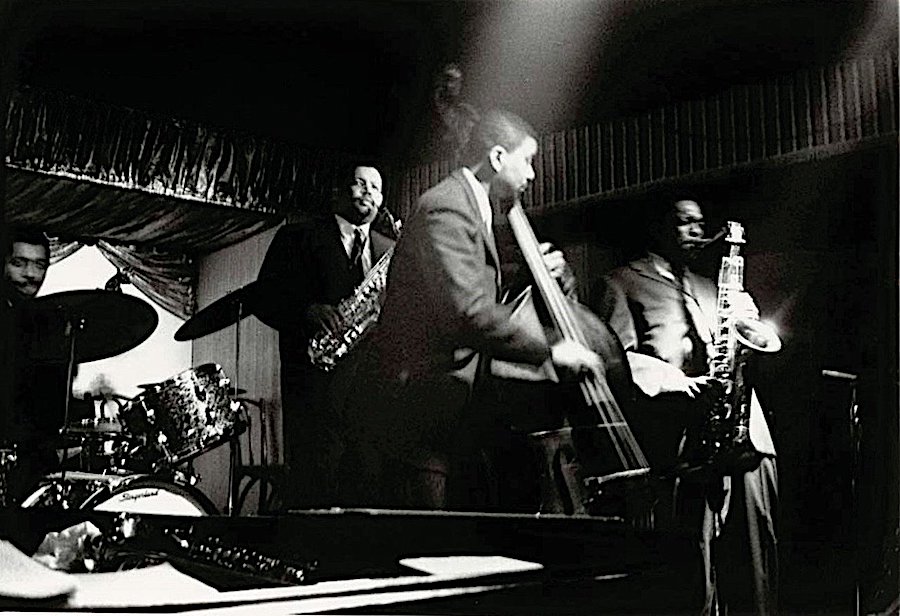
Let’s talk about that jazz, though. At the time of his attacks, between 1918 and 1919, jazz was in its infan­cy and rapid­ly evolv­ing in this south­ern port city, which was new­ly unseg­re­gat­ed in the years after the Civ­il War. It was a mix of African-Amer­i­cans, Jews, Cre­ole, whites, and every­body else, and jazz was the sound of a young gen­er­a­tion ready to par­ty. (Need­less to say, old­er gen­er­a­tions hat­ed this music.)

At first the killer was not known as the Axe­man, but a mys­te­ri­ous intrud­er who had chis­eled open front doors, hacked own­ers (and their wives) to death with his axe, and dis­ap­peared, leav­ing behind his sig­na­ture weapon (which, it turned out, usu­al­ly belonged to the home own­er). The news­pa­pers at the time report­ed on every lurid detail and sent the city into a state of fear dur­ing the sum­mer of 1918.

His vic­tims were all Ital­ian shop­keep­ers, but that wasn’t enough to add his name to the his­to­ry books. But on March 14, 1919, that changed, when the New Orleans Times-Picayune pub­lished an infa­mous let­ter from the hand of the killer him­self:

Esteemed Mor­tal of New Orleans:

They have nev­er caught me and they nev­er will. They have nev­er seen me, for I am invis­i­ble, even as the ether that sur­rounds your earth. I am not a human being, but a spir­it and a demon from the hottest hell. I am what you Orlea­ni­ans and your fool­ish police call the Axe­man.

When I see fit, I shall come and claim oth­er vic­tims. I alone know whom they shall be. I shall leave no clue except my bloody axe, besmeared with blood and brains of he whom I have sent below to keep me com­pa­ny.

If you wish you may tell the police to be care­ful not to rile me. Of course, I am a rea­son­able spir­it. I take no offense at the way they have con­duct­ed their inves­ti­ga­tions in the past. In fact, they have been so utter­ly stu­pid as to not only amuse me, but His Satan­ic Majesty, Fran­cis Josef, etc. But tell them to beware. Let them not try to dis­cov­er what I am, for it were bet­ter that they were nev­er born than to incur the wrath of the Axe­man. I don’t think there is any need of such a warn­ing, for I feel sure the police will always dodge me, as they have in the past. They are wise and know how to keep away from all harm.

Undoubt­ed­ly, you Orlea­ni­ans think of me as a most hor­ri­ble mur­der­er, which I am, but I could be much worse if I want­ed to. If I wished, I could pay a vis­it to your city every night. At will I could slay thou­sands of your best cit­i­zens (and the worst), for I am in close rela­tion­ship with the Angel of Death.

Now, to be exact, at 12:15 (earth­ly time) on next Tues­day night, I am going to pass over New Orleans. In my infi­nite mer­cy, I am going to make a lit­tle propo­si­tion to you peo­ple. Here it is: I am very fond of jazz music, and I swear by all the dev­ils in the nether regions that every per­son shall be spared in whose home a jazz band is in full swing at the time I have just men­tioned. If every­one has a jazz band going, well, then, so much the bet­ter for you peo­ple. One thing is cer­tain and that is that some of your peo­ple who do not jazz it out on that spe­cif­ic Tues­day night (if there be any) will get the axe.

Well, as I am cold and crave the warmth of my native Tar­tarus, and it is about time I leave your earth­ly home, I will cease my dis­course. Hop­ing that thou wilt pub­lish this, that it may go well with thee, I have been, am and will be the worst spir­it that ever exist­ed either in fact or realm of fan­cy.

–The Axe­man

Did you note the part in bold (our empha­sis)? Read­ers in 1919 cer­tain­ly did.

That Tues­day, the musi­cal city was even more live­ly than usu­al. If you had a record play­er, it played all night and loud­ly. If you had a piano, you were bang­ing away at the keys. And if you had a jazz club near­by, it was stand­ing room only. It might have been the biggest night of jazz in his­to­ry. And indeed, nobody got the chop that evening.

The Axe­man struck four more times that year, with only one vic­tim suc­cumb­ing to his wounds. And after that The Axe­man dis­ap­peared. With no fin­ger­prints, sus­pects, or descrip­tions of the killer, the case was nev­er solved.

His­to­ri­ans haven’t done well in uncov­er­ing his iden­ti­ty either, but one thing they agree on: the killer prob­a­bly didn’t write the let­ter.

His­to­ri­an Miri­am Davis has a the­o­ry that it was one John Joseph Dávi­la, a musi­cian and a jazz com­pos­er. Right after the pub­li­ca­tion of the Axe­man let­ter, he pub­lished a sheet-music tie-in called “The Mys­te­ri­ous Axeman’s Jazz (Don’t Scare Me Papa)”, and made a bun­dle of mon­ey from it.

Cash­ing in on a mur­der­ous event and pub­lic hys­te­ria? Now that’s quin­tes­sen­tial­ly Amer­i­can, my friends, just like jazz.

For more on this sto­ry, read Miri­am Davis’ book, The Axe­man of New Orleans: The True Sto­ry.

Relat­ed Con­tent:

A New Series About A Young Crime-Fight­ing Sig­mund Freud Is Com­ing to Net­flix

Some Joy for Your Ears: New Orleans Brass Band Plays Life-Affirm­ing Cov­er of Mar­vin Gaye’s “Sex­u­al Heal­ing”
Guns N’ Ros­es “Sweet Child O’ Mine” Retooled as 1920s New Orleans Jazz

Ted Mills is a free­lance writer on the arts who cur­rent­ly hosts the artist inter­view-based FunkZone Pod­cast and is the pro­duc­er of KCR­W’s Curi­ous Coast. You can also fol­low him on Twit­ter at @tedmills, read his oth­er arts writ­ing at tedmills.com and/or watch his films here.

Twerking, Moonwalking AI Robots–They’re Now Here

In a study released last year, Kat­ja Grace at Oxford’s Future of Human­i­ty Insti­tute “sur­veyed the world’s lead­ing researchers in arti­fi­cial intel­li­gence by ask­ing them when they think intel­li­gent machines will bet­ter humans in a wide range of tasks.” After inter­view­ing 1,634 experts, they found that they “believe there is a 50% chance of AI out­per­form­ing humans in all tasks in 45 years and of automat­ing all human jobs in 120 years.” That includes every­thing from dri­ving trucks, run­ning cash reg­is­ters, to per­form­ing surgery, and writ­ing New York Times best­sellers. These sober­ing pre­dic­tions have prompt­ed aca­d­e­mics, like North­east­ern Uni­ver­si­ty pres­i­dent Joseph Aoun, to write books along the lines of Robot-Proof: High­er Edu­ca­tion in the Age of Arti­fi­cial Intel­li­gence which asks the ques­tion, How can uni­ver­si­ties “edu­cate the next gen­er­a­tion of col­lege stu­dents to invent, to cre­ate, and to discover—filling needs that even the most sophis­ti­cat­ed robot can­not”? It’s a good ques­tion. But a chal­leng­ing one too. Because it assumes we under­stand what robots can, and can­not, do. Case in point, Boston Dynam­ics released a video this week of its Spot­Mi­ni robot danc­ing to Bruno Mars’s “Uptown Funk.” It can moon­walk. It can twerk. Did the dance depart­ments see that com­ing? Doubt it.

If you would like to sign up for Open Culture’s free email newslet­ter, please find it here. It’s a great way to see our new posts, all bun­dled in one email, each day.

If you would like to sup­port the mis­sion of Open Cul­ture, con­sid­er mak­ing a dona­tion to our site. It’s hard to rely 100% on ads, and your con­tri­bu­tions will help us con­tin­ue pro­vid­ing the best free cul­tur­al and edu­ca­tion­al mate­ri­als to learn­ers every­where. You can con­tribute through Pay­Pal, Patre­on, and Ven­mo (@openculture). Thanks!

Relat­ed Con­tent:

The Robots of Your Dystopi­an Future Are Already Here: Two Chill­ing Videos Dri­ve It All Home

Experts Pre­dict When Arti­fi­cial Intel­li­gence Will Take Our Jobs: From Writ­ing Essays, Books & Songs, to Per­form­ing Surgery and Dri­ving Trucks

Arti­fi­cial Intel­li­gence: A Free Online Course from MIT

Philosophers Name the Best Philosophy Books: From Stoicism and Existentialism, to Metaphysics & Ethics for Artificial Intelligence

As an Eng­lish major under­grad in the 90s, I had a keen side inter­est in read­ing phi­los­o­phy of all kinds. But I had lit­tle sense of what I should be read­ing. I browsed the library shelves, pick­ing out what caught my atten­tion. Not a bad way to make unusu­al dis­cov­er­ies, but if you want to get a focused, not to men­tion cur­rent, view of a par­tic­u­lar field, you need to have a knowl­edge­able guide.

Back in those days, the inter­net was, as they say, in its infan­cy. How much bet­ter I would have fared if some­thing like Five Books had exist­ed! The site’s gen­er­al idea, as it trum­pets on its home­page, is to rec­om­mend “the best books on every­thing.” Argue amongst your­selves about whether any one resource can deliv­er on that promise, but let’s keep our focus on the excel­lent space of their Phi­los­o­phy sec­tion, curat­ed by free­lance philoso­pher-at-large Nigel War­bur­ton.

You may know Dr. War­bur­ton from his many for­ays in pub­lic phi­los­o­phy. Whether it’s the Phi­los­o­phy Bites pod­cast, or its spin-offs Free Speech Bites and Ethics Bites, or his work on the BBC’s ani­mat­ed his­to­ry of ideas series, or any one of his books, he has a rare knack for bring­ing the obscure and often dif­fi­cult con­cepts of aca­d­e­m­ic phi­los­o­phy to light with both con­ver­sa­tion­al good humor and intel­lec­tu­al rig­or. Most of that work takes place in dia­logue, the orig­i­nal form of clas­si­cal phi­los­o­phy.

The Five Books forum is no excep­tion. In the lat­est post, War­bur­ton inter­views Uni­ver­si­ty of Sheffield’s Kei­th Frank­ish on the five best books on Phi­los­o­phy of Mind. What is “Phi­los­o­phy of Mind”? Read Frankish’s answer to that ques­tion here. What are his five picks? See below:

  1. A Mate­ri­al­ist The­o­ry of the Mind, by D.M. Arm­strong
  2. Con­scious­ness Explained, by Daniel C. Den­nett
  3. Vari­eties of Mean­ing: The 2002 Jean Nicod Lec­tures, by Ruth Gar­rett Milikan
  4. The Archi­tec­ture of the Mind, by Peter Car­ruthers
  5. Super­siz­ing the Mind: Embod­i­ment, Action, and Cog­ni­tive Exten­sion, by Andy Clark

What about the best books on Ethics for Arti­fi­cial Intel­li­gence? It’s a far more press­ing ques­tion than it was when Arthur C. Clarke pub­lished 2001: A Space Odyssey, which hap­pens to be one of the books on Oxford aca­d­e­m­ic Paula Boddington’s list. In his inter­view with Bod­ding­ton, War­bur­ton asks for, and receives, a clar­i­fi­ca­tion of the phrase “ethics for arti­fi­cial intel­li­gence.” In her choice of books, Bod­ding­ton rec­om­mends those below. You may not find some of them shelved in phi­los­o­phy sec­tions, but when it comes to our sci-fi present, it seems, we may need to expand our cat­e­gories of thought.

  1. Hearti­fi­cial Intel­li­gence: Embrac­ing Our Human­i­ty to Max­i­mize Machines, by John Havens
  2. The Tech­no­log­i­cal Sin­gu­lar­i­ty, by Mur­ray Shana­han
  3. Weapons of Math Destruc­tion: How Big Data Increas­es Inequal­i­ty and Threat­ens Democ­ra­cy, by Cathy O’Neil
  4. Moral Machines: Teach­ing Robots Right from Wrong, by Wen­dell Wal­lach and Col­in Allen
  5. 2001: A Space Odyssey, by Arthur C. Clarke

There are dozens more enlight­en­ing inter­views and lists of five best books—on Niet­zsche, Marx, and Hegel, on Exis­ten­tial­ism, Sto­icism, Con­scious­ness, Chi­nese Phi­los­o­phy…. Too many to direct­ly quote here. There are lists from War­bur­ton him­self, on the best phi­los­o­phy books from 2017, and best intro­duc­tions to phi­los­o­phy. The whole expe­ri­ence is a lit­tle like vis­it­ing, vir­tu­al­ly, a cou­ple dozen or so high­ly-regard­ed philoso­phers in every field, lis­ten­ing in on an infor­ma­tive chat, and get­ting a book­list from every one. You’ve still got to find and buy the books your­self (and read and talk about them), but this kind of guid­ance from liv­ing philoso­phers cur­rent­ly work­ing in the field has nev­er before been so wide­ly and freely avail­able out­side of acad­e­mia.

Relat­ed Con­tent:

170+ Free Online Phi­los­o­phy Cours­es

Emi­nent Philoso­phers Name the 43 Most Impor­tant Phi­los­o­phy Books Writ­ten Between 1950–2000: Wittgen­stein, Fou­cault, Rawls & More

28 Impor­tant Philoso­phers List the Books That Influ­enced Them Most Dur­ing Their Col­lege Days

48 Ani­mat­ed Videos Explain the His­to­ry of Ideas: From Aris­to­tle to Sartre

Josh Jones is a writer and musi­cian based in Durham, NC. Fol­low him at @jdmagness

Watch Richard Linklater’s Anti-Ted Cruz Political Ads: The Texas Director Versus the Texas Senator

If you think of Texas film­mak­ers, Richard Lin­klater sure­ly comes to mind right away. Despite the suc­cess and acclaim he has steadi­ly gar­nered over the past three decades, the direc­tor of Slack­er, Dazed and Con­fused, Boy­hood, and the Before tril­o­gy remains res­olute­ly based in Austin, and even con­tin­ues to set many of his movies in his home state. If you think of Texas politi­cians, can you pos­si­bly keep Ted Cruz from com­ing to mind? The state’s junior sen­a­tor has remained a fix­ture on the high­est-pro­file Amer­i­can polit­i­cal scene since at least his can­di­da­cy in the Repub­li­can pres­i­den­tial pri­maries of 2016. Lin­klater and Cruz’s fan bases might not over­lap much, and giv­en Texas’ famous­ly enor­mous size, the men them­selves may nev­er have run into each oth­er before. But now, in the form of polit­i­cal adver­tise­ments, their worlds have col­lid­ed.

Since his rise to promi­nence, Cruz has suf­fered some­thing of an image prob­lem. (“Cruz may be unique among politi­cians any­where in that every men­tion of his name is always accom­pa­nied by remarks on his loathe­some­ness,” as essay­ist Eliot Wein­berg­er puts it.) His cam­paign in the run-up to the 2018 midterm elec­tions has attempt­ed to cor­rect that prob­lem with the slo­gan “Tough as Texas,” but not every Tex­an has accept­ed its por­tray­al of the can­di­date as a macho, no-non­sense son of the Lone Star State.

Cer­tain­ly Lin­klater seems to have had trou­ble swal­low­ing it, see­ing as he’s direct­ed a cou­ple of video ads for the unam­bigu­ous­ly named polit­i­cal action com­mit­tee Fire Ted Cruz. Both fea­ture actor Son­ny Carl Davis, seem­ing­ly stay­ing in the char­ac­ter he played in Bernie, one of Lin­klater’s most thor­ough­ly Tex­an pic­tures. In them he airs the kind of crit­i­cisms of Cruz one might imag­ine com­ing from the mouth of the straight-talk­ing and some­what ornery Texas every­man.

In Lin­klater’s first anti-Cruz spot, Davis ques­tions whether some­one who so pub­licly allies him­self with a pres­i­dent who insult­ed him so vicious­ly dur­ing the last elec­tion has tru­ly demon­strat­ed a Texas-grade tough­ness (not that he puts it quite that way). The sec­ond moves on to a ter­ri­to­ry even more suit­ed to fight­in’ words: cheese­burg­ers. It seems that Cruz recent­ly called his elec­tion rival Beto O’Rourke a “Triple Meat Whataburg­er lib­er­al who is out of touch with Texas val­ues.” But to the mind of Davis’ char­ac­ter, such a tone-deaf insult to as beloved a Texas insti­tu­tion as Whataburg­er — espe­cial­ly from a man who has also praised the “lit­tle burg­ers” of White Cas­tle — can­not stand. Can the pow­er of such ridicule, har­nessed to the pow­er of cin­e­ma, unseat a sen­a­tor? We’ll have to wait until Novem­ber to find out, but if I were Cruz, I would­n’t exact­ly be look­ing for­ward to what Lin­klater comes up with next.

Relat­ed Con­tent:

How Richard Lin­klater (Slack­er, Dazed and Con­fused, Boy­hood) Tells Sto­ries with Time: Six Video Essays

Scenes from Wak­ing Life, Richard Linklater’s Philo­soph­i­cal, Fea­ture-Length Ani­mat­ed Film (2001)

Archive of 35,000 TV Polit­i­cal Ads Launched, Cre­at­ing a Bad­ly Need­ed Way to Hold Politi­cians Account­able

Based in Seoul, Col­in Mar­shall writes and broad­casts on cities, lan­guage, and cul­ture. His projects include the book The State­less City: a Walk through 21st-Cen­tu­ry Los Ange­les and the video series The City in Cin­e­ma. Fol­low him on Twit­ter at @colinmarshall or on Face­book.

Meet Berea College, the Innovative College That Charges No Tuition & Gives Students a Chance to Graduate Debt-Free

“The loom­ing stu­dent loan default cri­sis is worse than we thought,” writes Pro­fes­sor of Eco­nom­ics Judith Scott-Clay­ton at Brook­ings. I’ll leave it to you to parse the report, but to sum up… it looks bad. Sub­prime mort­gage cri­sis bad. Maybe… there’s anoth­er way? Work­ing mod­els of ful­ly sub­si­dized high­er ed sys­tems in oth­er countries—like ful­ly sub­si­dized health­care systems—strongly sug­gest as much. Some high-end pro­grams in the U.S., like NYU’s new­ly free med­ical school, have tak­en an ear­ly lead, hop­ing to solve the prob­lem of doc­tor short­ages.

But there’s an ear­li­er, hum­bler, more pro­gres­sive mod­el of free col­lege in the States, Kentucky’s lit­tle-known Berea Col­lege, found­ed in 1855 by an abo­li­tion­ist Pres­by­ter­ian min­is­ter John Gregg Fee as the first inte­grat­ed, co-edu­ca­tion­al col­lege in the Amer­i­can South. “It has not charged stu­dents tuition since 1892,” Adam Har­ris reports at The Atlantic. “Every stu­dent on cam­pus works, and its labor pro­gram is like work-study on steroids. The work includes every­day tasks such as jan­i­to­r­i­al ser­vices, but old­er stu­dents are often assigned jobs aligned to their vol­un­teer pro­grams.”

Rather than work­ing to pay off tuition, “stu­dents receive a phys­i­cal check for their labor that can go toward hous­ing and liv­ing expens­es.” Near­ly half of the school’s grad­u­ates leave with no debt, with the remain­ing car­ry­ing an aver­age of less than $7,000 from room and board expens­es. Com­pare that to a nation­al aver­age of $37,172 in loan debt per stu­dent for the class of 2016. How does Berea do it? It funds tuition with its large endow­ment of 1.2 bil­lion dol­lars.

Through a per­verse his­tor­i­cal irony, as Har­ris describes, the same racist hatred that ran Berea’s founder out of town in 1859, and forced the school to seg­re­gate in 1904, made cer­tain that its fund­ing mod­el would sus­tain it far into its (re)integrated future. After Kentucky’s pas­sage of the so-called “Day Law,” bar­ring black stu­dents from attend­ing, mon­ey began to pour in.

The prospect of edu­cat­ing poor white peo­ple from Appalachia for no tuition was some­thing that the com­mu­ni­ty could get behind. And near­ly 100 years ago, on Octo­ber 20, 1920, the board made sure that the col­lege would be able to do so for a long time. Accord­ing to Jeff Amburgey, the school’s chief finan­cial offi­cer, “The board essen­tial­ly said, for Berea to sus­tain its fund­ing mod­el,” any unre­strict­ed bequests—essentially mon­ey that some­one leaves the insti­tu­tion after they have passed away, that is not tagged for a spe­cif­ic purpose—could not be spent right away. Instead, he says, the mon­ey was expect­ed to be treat­ed as part of the endow­ment, and only the return on that invest­ment could be spent.

Berea could not, as some oth­er schools do, spend mil­lions on foot­ball sta­di­ums instead of invest­ing in its stu­dents. In the 50s, the school rein­te­grat­ed, but the process was very slow, as it was every­where in the coun­try. “The com­mu­ni­ty was gone,” says Berea his­to­ry pro­fes­sor Alices­tyne Tur­ley, refer­ring to the Recon­struc­tion-era com­mu­ni­ty that had a stu­dent body mix of 50–50 black and white stu­dents.

The school had to relearn its found­ing prin­ci­ples, as expressed in its founder’s cho­sen mot­to, from the Book of Acts: “God has made of one blood all peo­ples of the earth.” Now most of the enrollees, low-income white and black stu­dents most­ly from Appalachia, qual­i­fy for Pell grants. 10 per­cent of the bud­get comes from char­i­ta­ble gifts. But the school pays the bulk of the tuition, $39,400 per stu­dent, from its endow­ment.

Is this sus­tain­able? Time will tell. Though a 1937 pro­mo­tion­al film, above, from the college’s seg­re­gat­ed past decries “the false glit­ter of easy pros­per­i­ty,” its cur­rent pres­i­dent tells Har­ris “we’re not the kind of insti­tu­tion that holds the world of finance in dis­dain. We are depen­dent on it.” A stock mar­ket crash could bank­rupt Berea, and no bailouts would be forth­com­ing. But for now, the col­lege thrives, with very impres­sive rank­ing num­bers in the U.S. News Best Col­leges report (it comes in a #4 in Best Under­grad­u­ate Teach­ing and #3 in Most Inno­v­a­tive Schools).

The school hosts bell hooks as a pro­fes­sor in res­i­dence and boasts as an alum­nus Carter G. Wood­son, the “father of black his­to­ry,” with a cen­ter named for him whose mis­sion is “to assert the kin­ship of all peo­ple and pro­vide inter­ra­cial edu­ca­tion with a par­tic­u­lar empha­sis on under­stand­ing and equal­i­ty among blacks and whites as a foun­da­tion for build­ing com­mu­ni­ty among all peo­ples of the earth.”

Maybe if there were a way to, say, fund Berea, and col­leges and uni­ver­si­ties nation­wide, through some kind of, say, tax­a­tion on, say, the most prof­itable com­pa­nies on the plan­et, or some such… just imag­ine.…

via The Atlantic

Relat­ed Con­tent:

A Mas­ter List of 1,300 Free Cours­es From Top Uni­ver­si­ties: 45,000 Hours of Audio/Video Lec­tures

How Fin­land Cre­at­ed One of the Best Edu­ca­tion­al Sys­tems in the World (by Doing the Oppo­site of U.S.)

In Japan­ese Schools, Lunch Is As Much About Learn­ing As It’s About Eat­ing

Josh Jones is a writer and musi­cian based in Durham, NC. Fol­low him at @jdmagness

A 16th Century Book That Opens Six Different Ways, Revealing Six Different Books in One

Tech­nol­o­gy has come so far that we con­sid­er it no great achieve­ment when a device the size of a sin­gle paper book can con­tain hun­dreds, even thou­sands, of dif­fer­ent texts. But 21st-cen­tu­ry human­i­ty did­n’t come up with the idea of putting mul­ti­ple books in one, nor did we first bring that idea into being — not by a long shot. Medieval book his­to­ri­an Erik Kwakkel points, for exam­ple, to the “dos-à-dos” (back to back) bind­ing of the 16th and 17th cen­turies, which made for books “like Siamese twins in that they present two dif­fer­ent enti­ties joined at their backs: each part has one board for itself, while a third is shared between the two,” so “read­ing the one text you can flip the ‘book’ to con­sult the oth­er.”

Not long there­after, Kwakkel post­ed an arti­fact that blows the dos-à-dos out of the water: a 16th-cen­tu­ry book that con­tains no few­er than six dif­fer­ent books in a sin­gle bind­ing. “They are all devo­tion­al texts print­ed in Ger­many dur­ing the 1550s and 1570s (includ­ing Mar­tin Luther, Der kleine Cat­e­chis­mus) and each one is closed with its own tiny clasp,” he writes.

“While it may have been dif­fi­cult to keep track of a par­tic­u­lar text’s loca­tion, a book you can open in six dif­fer­ent ways is quite the dis­play of crafts­man­ship.” You can admire it — and try to fig­ure it out — from a vari­ety of dif­fer­ent angles at the Flickr account of the Nation­al Library of Swe­den, where it cur­rent­ly resides in the archives of the Roy­al Library.

Four or five cen­turies ago, a book like this would no doubt have impressed its behold­ers as much as or even more than the most advanced piece of hand­held con­sumer elec­tron­ics impress­es us today. But when the inter­net dis­cov­ered Kwakkel’s post, it became clear that this six-in-one devo­tion­al cap­ti­vates us in much the same way as a brand-new, nev­er-before-seen dig­i­tal device. “With a lit­er­a­cy rate hov­er­ing around an esti­mat­ed 5 to 10 per­cent of the pop­u­la­tion dur­ing the Mid­dle Ages, only a select few of soci­ety’s upper ech­e­lons and reli­gious castes had use for books,” Andrew Taran­to­la reminds us. “So who would have use for a sex­tu­plet of sto­ries bound by a sin­gle, mul­ti-hinged cov­er like this? Some seri­ous­ly busy schol­ar.” And he writes that not on a site for enthu­si­asts of old books, Medieval his­to­ry, or reli­gious schol­ar­ship, but at the tem­ple of tech wor­ship known as Giz­mo­do.

Relat­ed Con­tent:

Won­der­ful­ly Weird & Inge­nious Medieval Books

Napoleon’s Kin­dle: See the Minia­tur­ized Trav­el­ing Library He Took on Mil­i­tary Cam­paigns

Wear­able Books: In Medieval Times, They Took Old Man­u­scripts & Turned Them into Clothes

Europe’s Old­est Intact Book Was Pre­served and Found in the Cof­fin of a Saint

Behold the “Book Wheel”: The Renais­sance Inven­tion Cre­at­ed to Make Books Portable & Help Schol­ars Study (1588)

The Assassin’s Cab­i­net: A Hol­lowed Out Book, Con­tain­ing Secret Cab­i­nets Full of Poi­son Plants, Made in 1682

Based in Seoul, Col­in Mar­shall writes and broad­casts on cities, lan­guage, and cul­ture. His projects include the book The State­less City: a Walk through 21st-Cen­tu­ry Los Ange­les and the video series The City in Cin­e­ma. Fol­low him on Twit­ter at @colinmarshall or on Face­book.

The Library of Congress Launches the National Screening Room, Putting Online Hundreds of Historic Films

Pub­lic domain fans, pull your noses out of those musty old books on Project Guten­berg, but keep your eyes glued to the screen!

The Library of Con­gress just cut the rib­bon on the Nation­al Screen­ing Room, an online trove of cin­e­mat­ic good­ies, free for the stream­ing.

Giv­en that the col­lec­tion spans more than 100 years of cin­e­ma his­to­ry, from 1890–1999, not all of the fea­tured films are in the pub­lic domain, but most are, and those are free to down­load as well as watch.

Archivist Mike Mashon, who heads the Library’s Mov­ing Image Sec­tion, iden­ti­fies the project’s goal as pro­vid­ing the pub­lic with a “broad range of his­tor­i­cal and cul­tur­al audio-visu­al mate­ri­als that will enrich edu­ca­tion, schol­ar­ship and life­long learn­ing.”

Can’t argue with that. Those seek­ing to become bet­ter versed in the art of con­sen­su­al kiss­ing whilst mus­ta­chioed will find sev­er­al valu­able take­aways in the above clip.

Per­son­al expe­ri­ence, how­ev­er, com­pels me to expand upon Mashon’s stat­ed goal: artists, the­ater­mak­ers, filmmakers—use those down­load­able pub­lic domain films in your cre­ative projects! (Prop­er­ly attrib­uted, of course.)

You can edu­cate your­self about a par­tic­u­lar clip’s rights and the gen­er­al ins and outs of motion pic­ture copy­rights by scrolling past the clip’s call num­ber to click on “Rights & Access.”

The Library does empha­size that rights assess­ment is the individual’s respon­si­bil­i­ty. Few artists con­ceive of this as the fun part, but do it, or risk the sort of cre­ative heart­break ani­ma­tor Nina Paley set her­self up for when inte­grat­ing inad­e­quate­ly checked out vin­tage record­ings into her fea­ture-length Sita Sings the Blues, hav­ing “decid­ed (she) was just going to use this music, and let the chips fall where they may.”

A hypo­thet­i­cal exam­ple: Liza Min­nel­li’s 2nd or 3rd birth­day par­ty at her god­fa­ther Ira Gershwin’s Bev­er­ly Hills estate?

It’s adorable to the point of irre­sistible, but alas “for edu­ca­tion­al pur­pos­es only,” a des­ig­na­tion that applies to all the Gersh­win home movies.

(Watch em, any­way! You nev­er know when you may be called upon to throw an opu­lent 1940’s‑style tod­dler par­ty. Fore­warned is fore­armed! Insta­gram’s gonna LOVE you.)

Copy­right-wise, a good way to hedge your bets is to look for mate­r­i­al filmed before 1922, like The New­ly­weds, DW Griffith’s meet-cute silent short, star­ring America’s Sweet­heart, Mary Pick­ford. Look to the lead­ing ladies of that era, if you want to find some wor­thy tales (and footage) to shoe­horn into your #metoo doc­u­men­tary.

Sounds like you’ve got a lot of research ahead of you, friend. But wait, there’s more!

Recharge your bat­ter­ies with a vis­it to Peking’s For­bid­den City cir­ca 1903.

Would­n’t that make a fine back­drop to your band’s next music video!

And dibs on the fabled div­ing horse of Coney Island, whose feats of der­ring-do were filmed by Thomas Edi­son.

I could watch that horse dive all day! And so could the audi­ence of that 8‑hour pup­pet opera I may wind up writ­ing one of these days. It’s set in Coney Island….

Read­ers, have a rum­mage and report back. What’s your favorite find in the Nation­al Screen­ing Room? Any plans for future use, real or imag­i­nary? Let us know.

If you’re not imme­di­ate­ly inspired, don’t despair. Just check back. New con­tent will be uploaded month­ly. There are also plans afoot to cre­ate edu­ca­tor les­son plans on his­tor­i­cal and social top­ics doc­u­ment­ed in the col­lec­tion. Teach­ers, imag­ine what your stu­dents might cre­ate with this class­room tool.…

Begin your vis­it to the Nation­al Screen­ing Room here.

Relat­ed Con­tent:

4,000+ Free Movies Online: Great Clas­sics, Indies, Noir, West­erns, Doc­u­men­taries & More

Down­load 6600 Free Films from The Prelinger Archives and Use Them How­ev­er You Like

The Library of Con­gress Makes 25 Mil­lion Records From Its Cat­a­log Free to Down­load

Library of Con­gress Releas­es Audio Archive of Inter­views with Rock ‘n’ Roll Icons

Ayun Hal­l­i­day is an author, illus­tra­tor, the­ater mak­er and Chief Pri­ma­tol­o­gist of the East Vil­lage Inky zine.  Join her in NYC on Mon­day, Octo­ber 15 for anoth­er month­ly install­ment of her book-based vari­ety show, Necro­mancers of the Pub­lic Domain. Fol­low her @AyunHalliday.

A 26-Hour Playlist Featuring Music from Haruki Murakami’s Latest Novel, Killing Commendatore

We know well the role music plays in the work of pro­lif­ic Japan­ese nov­el­ist Haru­ki Muraka­mi. We’ve pre­vi­ous­ly fea­tured his pas­sion for jazz, his first love. He began as a jazz club own­er in Tokyo, and he has writ­ten two col­lec­tions of essays titled Por­trait in Jazz and Por­trait in Jazz 2. But Muraka­mi is no less a fan of clas­si­cal music and rock and roll—all three forms inter­twine in his nov­els and sto­ries, pro­vid­ing recur­ring motifs, sound­tracks, and back­drops. Music is more than the­mat­ic; it defines his lit­er­ary style, as he told lis­ten­ers on “Muraka­mi Radio,” his stint as a DJ on Tokyo FM.

“Rather than learn­ing sto­ry­telling tech­nique from some­one,” the nov­el­ist explained, “I’ve tak­en a musi­cal approach, while being very con­scious about rhythms, har­mo­ny and impro­vi­sa­tion.” Per­haps this approach explains the won­der­ful­ly evoca­tive qual­i­ty of his prose.

Read­ing his books, “you feel sad with­out know­ing why,” writes Charles Finch at The Inde­pen­dent, in a review of Murakami’s lat­est, Killing Com­menda­tore, “and yet, with­in that sad­ness glows a small ember of hap­pi­ness, because to feel sad is at least to feel hon­est­ly.” We could say some­thing sim­i­lar about the feel­ings evoked by an aria, a blues, or a Dylan song—music helps us access emo­tions for which we don’t have ready words.

Muraka­mi trans­lates that “inef­fa­ble yearn­ing” into writ­ing. “The obscure­ly lone­ly domes­tic images that run through his novels—rain, swim­ming, pas­ta, jazz, a par­tic­u­lar sort of warm, imper­son­al sex—root that yearn­ing in the truth of every­day life.” His newest nov­el brings in a third art, paint­ing; its pro­tag­o­nist, seek­ing to rein­vent his life and work, comes to dis­cov­er an impor­tant mes­sage through a series of mag­i­cal events. It’s famil­iar ter­ri­to­ry for Muraka­mi, but don’t ask him to explain any of it. As he told Sarah Lyall at The New York Times, “I can­not explain any­thing at all… you just have to accept the form. A book is a metaphor.”

Bet­ter to get him talk­ing about music, which he is hap­py to do, mov­ing smooth­ly between styles with the same imag­i­na­tive leaps he makes on the page. Above, some fine soul has put togeth­er a playlist (listen to it on Spo­ti­fy here) for Killing Com­menda­tore and it is clas­sic Muraka­mi, a col­lec­tion of music from Sheryl Crow, Puc­ci­ni, the Mod­ern Jazz Quar­tet, Mozart, Thelo­nious Monk, Ver­di, Dylan, The Doors, Beethoven, Bruce Spring­steen, Rober­ta Flack, The Bea­t­les, The Beach Boys, and more. How do all of these artists fit togeth­er? Like the strange hap­pen­ings in Murakami’s world, you have to stop try­ing to make sense of things and just go with it.

Relat­ed Con­tent:

Haru­ki Muraka­mi Became a DJ on a Japan­ese Radio Sta­tion for One Night: Hear the Music He Played for Delight­ed Lis­ten­ers

A 3,350-Song Playlist of Music from Haru­ki Murakami’s Per­son­al Record Col­lec­tion

A 96-Song Playlist of Music in Haru­ki Murakami’s Nov­els: Miles Davis, Glenn Gould, the Beach Boys & More

Haru­ki Murakami’s Pas­sion for Jazz: Dis­cov­er the Novelist’s Jazz Playlist, Jazz Essay & Jazz Bar

Haru­ki Muraka­mi Reads in Eng­lish from The Wind-Up Bird Chron­i­cle in a Rare Pub­lic Read­ing (1998)

An Intro­duc­tion to the World of Haru­ki Muraka­mi Through Doc­u­men­taries, Sto­ries, Ani­ma­tion, Music Playlists & More

Josh Jones is a writer and musi­cian based in Durham, NC. Fol­low him at @jdmagness

How Do You Help a Grieving Friend? Acknowledge Their Pain and Skip the Platitudes & Facile Advice

“What does it mean to protest suf­fer­ing, as dis­tinct from acknowl­edg­ing it?” writes Susan Son­tag in Regard­ing the Pain of Oth­ersAcknowl­edg­ment, the recog­ni­tion of unimag­in­able pain and loss, is cen­tral, it turns out, to heal­ing. Grief expert Alan Wolfelt lists “acknowl­edg­ing the full real­i­ty of the loss” as the first in his “Six Needs of Mourn­ing.” But he also notes what so many in his field are quick to point out about con­tem­po­rary cul­ture: “Nor­mal thoughts and feel­ings con­nect­ed to loss are typ­i­cal­ly seen as unnec­es­sary and even shame­ful.”

The impor­tant work of griev­ing gets bypassed not only by our own inter­nal­ized shame, but by the unhelp­ful inter­ven­tions of oth­ers. Megan Devine—author of It’s OK That You’re Not OK: Meet­ing Grief and Loss in a Cul­ture That Doesn’t Under­stand—explains the cen­tral role of acknowl­edg­ment, sim­ply being with oth­ers in the full scope of their pain, in the short ani­mat­ed video above. Many of us are taught to do any­thing but, to throw out advice and plat­i­tudes instead. (Illus­trat­ed here by an ani­mat­ed bun­ny toss­ing out rain­bows.)

Our motives may not be “nefar­i­ous,” she says, but—to use Sontag’s phrase—trying to fix someone’s suf­fer­ing amounts to a form of protest against it. And it only makes things worse. Devine is a psy­chother­a­pist and bereaved per­son her­self. Her book, notes Jane Brody at The New York Times, “grew out of the trag­ic loss of her beloved part­ner, who drowned at age 39 while the cou­ple was on vaca­tion.” She speaks not in the jar­gon of a clin­i­cian but in the frank lan­guage of a fel­low suf­fer­er and sur­vivor.

“You don’t need plat­i­tudes,” she writes on her web­site, “You don’t need cheer­lead­ing. You don’t need to be told this all hap­pened for a rea­son. You cer­tain­ly don’t need to be told that you need­ed your pain in order to learn some­thing about life. Some things can­not be fixed. They can only be car­ried.”

Being with some­one in their grief is “a rad­i­cal act,” says Devine. “In order to real­ly sup­port you, I have to acknowl­edge that things real­ly are as bad as they feel to you.” Offers of cheer or advice cre­ate defen­sive bar­ri­ers. Turn­ing toward someone’s suf­fer­ing gives them what they need the most: “Being heard helps. It’s the best med­i­cine we have. It makes things bet­ter, even when they can’t be made right.”

via Laugh­ing Squid

Relat­ed Con­tent:

Depres­sion & Melan­choly: Ani­mat­ed Videos Explain the Cru­cial Dif­fer­ence Between Every­day Sad­ness and Clin­i­cal Depres­sion

Stephen Fry on Cop­ing with Depres­sion: It’s Rain­ing, But the Sun Will Come Out Again

How Stress Can Change Your Brain: An Ani­mat­ed Intro­duc­tion

Josh Jones is a writer and musi­cian based in Durham, NC. Fol­low him at @jdmagness

130,000 Photographs by Andy Warhol Are Now Available Online, Courtesy of Stanford University

(Image cred­it: © The Andy Warhol Foun­da­tion for the Visu­al Arts, Inc.)

It’s tak­en for grant­ed that every brand or ris­ing star must estab­lish and main­tain a con­stant pres­ence on var­i­ous social net­works. Indeed, the social media star—an enti­ty famous sole­ly for col­lect­ing fol­low­ers and post­ing glam­orous pho­tos with themed commentary—may seem like a phe­nom­e­non that could only exist in the inter­net age, though writ­ers like J.G. Bal­lard saw such things com­ing decades ago.

But before obses­sive pho­tog­ra­phy sat­u­rat­ed the dig­i­tal envi­ron­ment, Andy Warhol grasped the medium’s cen­tral impor­tance in the doc­u­men­ta­tion of every­day life. It just so hap­pened that his every­day life was filled with celebri­ty actors, mod­els, artists, and musi­cians.

Warhol, writes James D. Ellis at Light Stalk­ing, “was the pro­to-hip­ster,” a rest­less moth always on the hunt for a flame. “Much like our con­tem­po­rary cul­ture, Warhol found it dif­fi­cult to sit and do noth­ing. He had to leave his house or Fac­to­ry and expe­ri­ence his imme­di­ate sur­round­ings.”

(Image cred­it: © The Andy Warhol Foun­da­tion for the Visu­al Arts, Inc.)

And he had to pho­to­graph every one of those expe­ri­ences. Warhol used his Polaroids and 35mm the way we use iPhones. A court case in the ear­ly nineties once took up the ques­tion of whether Warhol’s pho­tographs could be con­sid­ered fine art, but the artist him­self, writes Pati­na Lee at Wide­walls, “was obvi­ous­ly unde­cid­ed about their val­ue and mean­ing,” say­ing “A pic­ture means I know where I was every minute. That’s why I take pic­tures. It’s a visu­al diary.”

Warhol, Lee writes, “took his cam­era with him wher­ev­er he went, doc­u­ment­ing prac­ti­cal­ly every­thing, the high­est high class and the low­est trash (lit­er­al­ly, he took pho­tos of trash cans and of what they con­tained)…. This inclu­sive­ness is what made his pho­to­graph­ic under­tak­ings bor­der between art and mere obses­sive col­lect­ing, or as peo­ple like to cyn­i­cal­ly notice, con­sum­ing the life around him.” His con­sump­tion, and pho­tographs of trash, comes to us as trea­sure, an exten­sive record of Warhol’s New York in the sev­en­ties and eight­ies.

(Image cred­it: © The Andy Warhol Foun­da­tion for the Visu­al Arts, Inc.)

Stan­ford University’s Can­tor Arts Cen­ter and Stan­ford Libraries have col­lab­o­rat­ed to make their Warhol pho­to archives avail­able to the pub­lic—pho­tos snapped “at dis­cos, din­ner par­ties, flea mar­kets, and wrestling match­es. Friends, boyfriends, busi­ness asso­ciates, socialites, celebri­ties, and passers­by.” This “trove of 3,600 con­tact sheets fea­tur­ing 130,000 pho­to­graph­ic expo­sures” doc­u­ments Warhol’s dai­ly life from 1976 until his death in 1987 and includes can­did pho­tos of Jean-Michel Basquiat, Tru­man Capote, Bian­ca Jag­ger, Jim­my Carter, Martha Gra­ham, Kei­th Har­ing, Deb­bie Har­ry, Grace Jones, Jack­ie Kennedy, Liza Minel­li, Dol­ly Par­ton, Eliz­a­beth Tay­lor, and more.

The archive, writes San­dra Fed­er for Stan­ford News, “is the most com­plete col­lec­tion of the artist’s black-and-white pho­tog­ra­phy ever made avail­able to the pub­lic.” It was acquired by the Can­tor in 2014 from the Andy Warhol Foun­da­tion for the Visu­al Arts. Giv­en that these are all con­tact sheets, nav­i­gat­ing the col­lect­ing can be a lit­tle bewil­der­ing. The Can­tor has pro­vid­ed a num­ber of tools to help. Click on Con­tact Sheets here to explore all 3,600+ con­tact sheets. Click Neg­a­tives to see indi­vid­ual frames, like those of Kei­th Har­ing, Warhol, and Jean-Michel Basquiat at the top, Lou Reed fur­ther up, and Annie Lei­bovitz above. Or start brows­ing through pic­tures orga­nized by theme here.

(Image cred­it: © The Andy Warhol Foun­da­tion for the Visu­al Arts, Inc.)

Dig deep, and you’ll find the odd­est things, like Andy Warhol run­ning in Cen­tral Park for char­i­ty with Grace Jones and pho­tog­ra­ph­er Gor­don Parks. What­ev­er Andy did, who­ev­er he hap­pened to do it with—and a stranger cast of char­ac­ters you will not find—it’s all in this huge pho­to archive some­where.

If you would like to sign up for Open Culture’s free email newslet­ter, please find it here. It’s a great way to see our new posts, all bun­dled in one email, each day.

If you would like to sup­port the mis­sion of Open Cul­ture, con­sid­er mak­ing a dona­tion to our site. It’s hard to rely 100% on ads, and your con­tri­bu­tions will help us con­tin­ue pro­vid­ing the best free cul­tur­al and edu­ca­tion­al mate­ri­als to learn­ers every­where. You can con­tribute through Pay­Pal, Patre­on, and Ven­mo (@openculture). Thanks!

Relat­ed Con­tent:

The Case for Andy Warhol in Three Min­utes

Short Film Takes You Inside the Recov­ery of Andy Warhol’s Lost Com­put­er Art

Roy Licht­en­stein and Andy Warhol Demys­ti­fy Their Pop Art in Vin­tage 1966 Film

Watch Andy Warhol’s Screen Tests of Three Female Mus­es: Nico, Edie Sedg­wick & Mary Woronov

Josh Jones is a writer and musi­cian based in Durham, NC. Fol­low him at @jdmagness

Haruki Murakami Became a DJ on a Japanese Radio Station for One Night: Hear the Music He Played for Delighted Listeners

In his native Japan, Haru­ki Muraka­mi has pub­lished not just fic­tion but all sorts of essays deal­ing with a vari­ety of sub­jects, from trav­el to music to writ­ing itself. One col­lec­tion of these pieces came out under the title Muraka­mi Radio, a pos­si­ble inspi­ra­tion for a broad­cast of the same name this past sum­mer on Tokyo FM. For its 55-minute dura­tion, Muraka­mi took the DJ’s seat and spun records (or rather, files from sev­er­al of his music-filled iPods) from his famous­ly vast per­son­al library, includ­ing The Beach Boys’ “Surfin’ USA,” Joey Ramone’s ver­sion of “What a Won­der­ful World,” Eric Bur­don and The Ani­mals’ “Sky Pilot,” and Daryl Hall and John Oates’ ver­sion of “Love Train.” You can lis­ten to all his selec­tions in the Youtube Playlist above.

“It has been my hob­by to col­lect records and CDs since my child­hood, and thanks to that, my house is inun­dat­ed with such things,” wrote Muraka­mi in a mes­sage post­ed by Tokyo FM. “How­ev­er, I have often felt a sense of guilt toward the world while lis­ten­ing to such amaz­ing music and hav­ing a good time alone. I thought it may be good to share such good times with oth­er peo­ple while chat­ting over a glass of wine or a cup of cof­fee.”

He also chat­ted a bit him­self between songs, answer­ing lis­ten­er ques­tions and explain­ing the rela­tion­ship between the music he loves and the books he writes“Rather than learn­ing sto­ry­telling tech­nique from some­one, I’ve tak­en a musi­cal approach, while being very con­scious about rhythms, har­mo­ny and impro­vi­sa­tion,” he said on-air. “It’s like writ­ing as I dance, even though I don’t actu­al­ly dance.”

For many of Murakami’s fans, Muraka­mi Radio (full record­ings of which do exist on the inter­net) marks the first time they’ve ever heard his actu­al voice, and it turns out to have a thing or two in com­mon with his autho­r­i­al one: take, for instance, his use of boku, the infor­mal per­son­al pro­noun favored by most of his nar­ra­tors. With the broad­cast ini­tial­ly announced as a one-off, it might also have seemed like the last chance to hear Muraka­mi speak, but the offi­cial Muraka­mi Radio site recent­ly announced two more edi­tions. The next one, sched­uled for Octo­ber 19th, will deal with not just music but anoth­er of Murakami’s pas­sions, run­ning. Any­one who’s read Murakami’s 1979 debut nov­el Hear the Wind Sing will remem­ber the talk­a­tive Sat­ur­day-night radio DJ who makes occa­sion­al appear­ances in the text — and may won­der if, near­ly 40 years lat­er, Muraka­mi chan­nels him again when he gets behind the micro­phone him­self.

via The Vinyl Fac­to­ry

Relat­ed Con­tent:

David Bowie Becomes a DJ on BBC Radio in 1979, Intro­duces Lis­ten­ers to The Vel­vet Under­ground
Talk­ing Heads, Blondie & More

A 3,350-Song Playlist of Music from Haru­ki Murakami’s Per­son­al Record Col­lec­tion

A 96-Song Playlist of Music in Haru­ki Murakami’s Nov­els: Miles Davis, Glenn Gould, the Beach Boys & More

Haru­ki Murakami’s Pas­sion for Jazz: Dis­cov­er the Novelist’s Jazz Playlist, Jazz Essay & Jazz Bar

Haru­ki Muraka­mi Reads in Eng­lish from The Wind-Up Bird Chron­i­cle in a Rare Pub­lic Read­ing (1998)

An Intro­duc­tion to the World of Haru­ki Muraka­mi Through Doc­u­men­taries, Sto­ries, Ani­ma­tion, Music Playlists & More

Based in Seoul, Col­in Mar­shall writes and broad­casts on cities, lan­guage, and cul­ture. His projects include the book The State­less City: a Walk through 21st-Cen­tu­ry Los Ange­les and the video series The City in Cin­e­ma. Fol­low him on Twit­ter at @colinmarshall or on Face­book.


  • Great Lectures

  • Sign up for Newsletter

  • About Us

    Open Culture scours the web for the best educational media. We find the free courses and audio books you need, the language lessons & educational videos you want, and plenty of enlightenment in between.


    Advertise With Us

  • Archives

  • Search

  • Quantcast