Woody: A Prize-Winning Short Animation About a Wooden Man’s Dream of Becoming a Concert Pianist

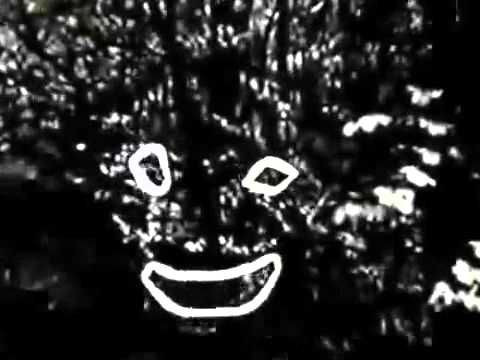
“Ever since he was a child, Woody has dreamt of play­ing piano. The prob­lem is that he only has wood­en pad­dles for hands. Stuck in a job he doesn’t want, Woody spends his days dream­ing of being a con­cert pianist. His dreams are big…but they’re about to get out of hand.”

That’s how ani­ma­tor Stu­art Bowen sets up the short ani­mat­ed film, sim­ply called “Woody.”

Bowen shot the film on a pret­ty tight bud­get, with mon­ey raised large­ly through crowd­fund­ing. The direc­tor notes: “We built the sets out of paper, foam-core, & card­board so we could achieve an ‘in-cam­era’ look while keep­ing costs down. We shot black and white because coloured ink was too expen­sive. We sourced hun­dreds of Bar­bie clothes through Face­book to dress the crowd and were extreme­ly for­tu­nate to have a large group of vol­un­teers keen to help make the film.”

Screened at count­less film fes­ti­vals in 2013 and 2014, “Woody” won the award for best ani­mat­ed short at the Seat­tle Film Fes­ti­val and received an AACTA award for best short ani­ma­tion (among oth­er acco­lades).

You can find many oth­er cre­ative ani­ma­tions in our col­lec­tion, 4,000+ Free Movies Online: Great Clas­sics, Indies, Noir, West­erns, Doc­u­men­taries & More.

If you would like to sup­port the mis­sion of Open Cul­ture, con­sid­er mak­ing a dona­tion to our site. It’s hard to rely 100% on ads, and your con­tri­bu­tions will help us con­tin­ue pro­vid­ing the best free cul­tur­al and edu­ca­tion­al mate­ri­als to learn­ers every­where. You can con­tribute through Pay­Pal, Patre­on, and Ven­mo (@openculture). Thanks!

Relat­ed Con­tent:

Why You Can Nev­er Tune a Piano

Hear Friedrich Nietzsche’s Clas­si­cal Piano Com­po­si­tions: They’re Apho­ris­tic Like His Phi­los­o­phy

The Mak­ing of a Stein­way Grand Piano, From Start to Fin­ish


Medieval Doodler Draws a “Rockstar Lady” in a Manuscript of Boethius’ The Consolation of Philosophy (Circa 1500)

Sloane 554 f 53

By the ear­ly 6th cen­tu­ry, the West­ern Roman Empire had effec­tive­ly come to an end after the depo­si­tion of the final emper­or and the instal­la­tion of Ger­man­ic kings. Under the sec­ond such ruler, Theodor­ic the Great, emerged one of the most influ­en­tial works of lit­er­a­ture of the Euro­pean Mid­dle Ages: The Con­so­la­tion of Phi­los­o­phy. Its author, sen­a­tor and philoso­pher Boethius, wrote the text while impris­oned and await­ing exe­cu­tion.

A con­ver­sa­tion the despon­dent author has with his muse, Lady Phi­los­o­phy, the book seeks the nature of hap­pi­ness and the nature of God, in the midst of great loss, dis­grace, and tyran­ny. The Con­so­la­tion of Phi­los­o­phy belongs to a long tra­di­tion of prison lit­er­a­ture that extends to Don Quixote, “Civ­il Dis­obe­di­ence,” and “Let­ter from a Birm­ing­ham Jail.” Almost a thou­sand years after Boethius’s 524 exe­cu­tion, one late Medieval read­er of his book—perhaps inspired by the text, or not—left the draw­ing you see above on the last page of a 15th cen­tu­ry Eng­lish illu­mi­nat­ed man­u­script.

medieval-rocker-2

Such doo­dling was com­mon prac­tice at the time, notes Medieval book his­to­ri­an Erik Kwakkel. Blank pages in man­u­scripts “often filled up with pen tri­als, notes, doo­dles, or draw­ings.” But this par­tic­u­lar doo­dle “is not what you’d expect: a full-on draw­ing of a maid­en play­ing the lute, which she holds just like a gui­tar.” Boethius may have dis­missed poet­ry in his search for hap­pi­ness in the midst of despair, but his lit­er­ary efforts might put us in mind of poet Berthold Brecht, who famous­ly wrote while in exile from Ger­many in the 1930s, “In the dark times/Will there also be singing? Yes, there will also be singing/About the dark times.”

As if to remind us of the neces­si­ty not only of phi­los­o­phy, but also of song in dark times, our anony­mous read­er drew a “rock­star lady,” whose pose con­notes noth­ing but pure joy. We could jux­ta­pose her with the joy­ful gui­tar pos­es of any num­ber of mod­ern blues and rock stars, who have played through any num­ber of dark times. The draw­ing appears in a trans­la­tion by John Wal­ton dat­ing from between 1410 and 1500, a cen­tu­ry in Europe with no short­age of its own polit­i­cal crises and tyran­ni­cal rulers. “Even in the dark­est of times,” wrote Han­nah Arendt in her essay col­lec­tion pro­fil­ing artists and writ­ers like Boethius and Brecht, “we have the right to expect some illu­mi­na­tion,” whether from phi­los­o­phy or poet­ry. We also have the right—the medieval doo­dler in Boethius’ book seemed to sug­gest some 500-odd years ago—to rock out.

via Erik Kwakkel

Relat­ed Con­tent:

Wear­able Books: In Medieval Times, They Took Old Man­u­scripts & Turned Them into Clothes

Medieval Cats Behav­ing Bad­ly: Kit­ties That Left Paw Prints … and Peed … on 15th Cen­tu­ry Man­u­scripts

Won­der­ful­ly Weird & Inge­nious Medieval Books

Josh Jones is a writer and musi­cian based in Durham, NC. Fol­low him at @jdmagness

Italian Pianist Ludovico Einaudi Plays a Grand Piano While Floating in the Middle of the Arctic Ocean

Above, watch Ital­ian pianist and com­pos­er Ludovi­co Ein­au­di per­form an orig­i­nal com­po­si­tion, “Ele­gy for the Arc­tic,” on a grand piano, float­ing right in the mid­dle of the Arc­tic Ocean. In one of his most chal­leng­ing per­for­mances, Ein­au­di played “Ele­gy for the Arc­tic” for the very first time–a piece ded­i­cat­ed to the preser­va­tion of the Arc­tic. The home of endan­gered wildlife, the region also helps reg­u­late our frag­ile cli­mate. And our future depends part­ly on whether we keep it intact.

To pull off this pro­duc­tion, a Green­peace ship trans­port­ed Ein­au­di and his grand piano to the seas north of Nor­way, and put them on a large plat­form. Says Green­peace:

The mas­sive ear­ly retreat of sea ice due to the effects of cli­mate change allowed the con­struc­tion of a 2.6 x 10 metre arti­fi­cial ice­berg, made from more than 300 tri­an­gles of wood attached togeth­er and weigh­ing a total of near­ly two tonnes. A grand piano was then placed on top of the plat­form.

You can see Ein­au­di per­form­ing right in front of a large glac­i­er, while ice sheets fall aways as he plays. It’s a sight to behold.

If you would like to help pro­tect the Arc­tic, you can donate to Green­peace here.

If you would like to sup­port the mis­sion of Open Cul­ture, con­sid­er mak­ing a dona­tion to our site. It’s hard to rely 100% on ads, and your con­tri­bu­tions will help us con­tin­ue pro­vid­ing the best free cul­tur­al and edu­ca­tion­al mate­ri­als to learn­ers every­where. You can con­tribute through Pay­Pal, Patre­on, and Ven­mo (@openculture). Thanks!

Relat­ed Con­tent:

Glob­al Warm­ing: A Free Course from UChica­go Explains Cli­mate Change

A Beau­ti­ful Drone’s Eye View of Antarc­ti­ca

The Arc­tic Light

The Mak­ing of a Stein­way Grand Piano, From Start to Fin­ish

by | Permalink | Make a Comment ( 7 ) |

How To Understand a Picasso Painting: A Video Primer

night-fishing-picasso

Some­times it’s hard for the untrained eye to fig­ure out what exact­ly is going on in a Picas­so.

For­tu­nate­ly, the artist leaned toward infor­ma­tive, work­man­like titles.

Had he titled “Night Fish­ing at Antibes,” below, some­thing a bit more opaque—“Untitled No. 2,” say—the une­d­u­cat­ed eye might well per­ceive the nar­ra­tive as some­thing clos­er to “Drunk­en Night in a Con­vey­er Belt Sushi Joint.”

Even know­ing the cor­rect title, my gut still argues that the boomerang-head­ed lady with boobs like lips is singing karaoke…

But after watch­ing the above video by Evan Puschak, aka The Nerd­writer, I’m will­ing to con­cede that she’s stand­ing on a jet­ty, a like­ly amal­ga­ma­tion of two of Picas­so’s lovers.

(The less volup­tuous crea­ture stand­ing next to her is his wife, and my gut is eager to know why it looks like she’s top­less, a point on which Pushak is frus­trat­ing­ly mum.)

His process for under­stand­ing a Picas­so takes the gut response into account, but then flesh­es things out with four addi­tion­al steps. You can apply them to many oth­er artists’ work too.

  1. First reac­tion
  2. Con­tent
  3. Form
  4. His­tor­i­cal con­text
  5. Per­son­al con­text

It’s cer­tain­ly help­ful to know that the paint­ing was made in 1939.

You prob­a­bly don’t need the Inter­net to guess what world events were like­ly a source of pre­oc­cu­pa­tion for the artist, whose “Guer­ni­ca” was com­plet­ed just two years ear­li­er.

Con­tent-wise, Puschak truf­fles up some inter­est­ing geo­graph­i­cal ref­er­ences that elude most online analy­sis of the work. For instance, those pur­ple blocks in the upper left cor­ner now house the Musée Picas­so.

There may well be a sixth step. Ear­li­er, when a fan of the Nerdwriter’s week­ly video essay series asked Puschak how to under­stand art, he respond­ed:

All good art is try­ing to tell you some­thing about your life. Your life… specif­i­cal­ly. So under­stand­ing art is a process of under­stand­ing your­self, and vice ver­sa. In both cas­es, you only learn by engag­ing. Watch­ing isn’t enough, nei­ther is read­ing or lis­ten­ing or think­ing for that mat­ter. From my per­spec­tive, engage­ment means writ­ing. An idea that’s been snaking around in my videos for a long time is that we learn by say­ing, not think­ing. You know some­thing when you can artic­u­late it, and for that you need words and sen­tences and para­graphs. So intro­spect, write down what your mind is doing. And when you watch a movie or look at a paint­ing, write down how you feel about it. You’ll be amazed how one informs the oth­er, and before long you’ll see some beau­ti­ful sparks. 

Below are some of the resources Puschak cred­its with inform­ing this Nerd­writer episode:

Rudolf Arn­heim, “Picas­so’s Night Fish­ing at Antibes” The Jour­nal of Aes­thet­ics and Art Crit­i­cism — Vol. 22, No. 2 (Win­ter, 1963), pp. 165–167

Dou­glas N. Mor­gan, “Picas­so’s Peo­ple: A Les­son in Mak­ing Sense” The Jour­nal of Aes­thet­ics and Art Crit­i­cism Vol. 22, No. 2 (Win­ter, 1963), pp. 167–171

Nina Coraz­zo, “Picas­so’s ‘Night Fish­ing at Antibes’: A New Source” The Burling­ton Mag­a­zine Vol. 132, No. 1043 (Feb., 1990), pp. 99–101

Mark Rosen­thal, “Picas­so’s Night Fish­ing at Antibes: A Med­i­ta­tion on Death” The Art Bul­letin Vol. 65, No. 4 (Dec., 1983), pp. 649–658

Albert Boime, “Picas­so’s “Night Fish­ing at Antibes”: One More Try” The Jour­nal of Aes­thet­ics and Art Crit­i­cism Vol. 29, No. 2 (Win­ter, 1970), pp. 223–226

Tim­o­thy Anglin Bur­gard, “Picas­so’s Night Fish­ing at Antibes: Auto­bi­og­ra­phy, Apoc­a­lypse, and the Span­ish Civ­il War” The Art Bul­letin Vol. 68, No. 4 (Dec., 1986), pp. 657–672

Lawrence D. Steefel, Jr., “Body Imagery in Picas­so’s “Night Fish­ing at Antibes” Art Jour­nal Vol. 25, No. 4 (Sum­mer, 1966), pp. 356–363+376

You can view the Nerdwriter’s oth­er videos on his web­site or sub­scribe to his YouTube chan­nel where a new video is pub­lished every Wednes­day.

Relat­ed Con­tent:

Watch Picas­so Cre­ate Entire Paint­ings in Mag­nif­i­cent Time-Lapse Film (1956)

The Mys­tery of Picas­so: Land­mark Film of a Leg­endary Artist at Work, by Hen­ri-Georges Clouzot

How to Look at Art: A Short Visu­al Guide by Car­toon­ist Lyn­da Bar­ry

Ayun Hal­l­i­day is an author, illus­tra­tor, the­ater mak­er and Chief Pri­ma­tol­o­gist of the East Vil­lage Inky zine.  Her play Zam­boni Godot is open­ing in New York City in March 2017. Fol­low her @AyunHalliday.

Discover Lincos, the Language a Dutch Mathematician Invented Just to Talk to Extraterrestrials (1960)

lincos

The recent hit film Arrival took on a ques­tion that has, in recent decades, deeply con­cerned those involved in the search for intel­li­gent life else­where in the uni­verse. Say we locate that intel­li­gent life. Say we decide what we want to say. On what basis, then, do we fig­ure out how to say it? Aliens, while they may well have evolved cer­tain qual­i­ties in com­mon with us humans, prob­a­bly haven’t hap­pened to come up with any of the same spo­ken or writ­ten lan­guages we have.

In 1960, the Dutch math­e­mati­cian Hans Freuden­thal came up with a solu­tion: why not cre­ate a lan­guage they could learn? The efforts came pub­lished in the book Lin­cos: Design of a Lan­guage for Cos­mic Inter­course. In it, writes The Atlantic’s Daniel Ober­haus, “Freuden­thal announced that his pri­ma­ry pur­pose ‘is to design a lan­guage that can be under­stood by a per­son not acquaint­ed with any of our nat­ur­al lan­guages, or even their syn­tac­tic struc­tures … The mes­sages com­mu­ni­cat­ed by means of this lan­guage [con­tain] not only math­e­mat­ics, but in prin­ci­ple the whole bulk of our knowl­edge.’ ”

Freuden­thal cre­at­ed Lin­cos as a kind of spo­ken lan­guage “made up of unmod­u­lat­ed radio waves of vary­ing length and dura­tion, encod­ed with a hodge­podge of sym­bols bor­rowed from math­e­mat­ics, sci­ence, sym­bol­ic log­ic, and Latin. In their var­i­ous com­bi­na­tions, these waves can be used to com­mu­ni­cate any­thing from basic math­e­mat­i­cal equa­tions to expla­na­tions for abstract con­cepts like death and love.” You can read Lin­cos: Design of a Lan­guage for Cos­mic Inter­course (PDF), over at Mono­skop, and even though it con­sti­tutes only the first of a planned series of books Freuden­thal nev­er fin­ished, you can still learn the basics of Lin­cos from it.

Be warned, how­ev­er, of the intel­lec­tu­al chal­lenge ahead: Freuden­thal just plows ahead with­out even defin­ing many of the con­cepts, which read­ers with­out a back­ground in math­e­mat­ics or log­ic will like­ly need explained, and Ober­haus quotes even one astro­physi­cist as call­ing Freuden­thal’s book “the most bor­ing I have ever read. Log­a­rithm tables are cool com­pared to it.” Still, 56 years on from its cre­ation, this inter­galac­tic Esperan­to has had a kind of influ­ence: Freuden­thal demon­strat­ed the idea of includ­ing an intu­itive­ly under­stand­able dic­tio­nary in the space­ward-sent mes­sage itself, an idea Carl Sagan went on to use in his nov­el Con­tact, in which extrater­res­tri­al intel­li­gence-seek­ing astronomers receive a sig­nal from else­where that con­sid­er­ate­ly does the same.

Con­tact became a major motion pic­ture, some­thing of the Arrival of its day, in 1997. Two years lat­er, a cou­ple of Cana­di­an Defense Research Estab­lish­ment astro­physi­cists used a radio tele­scope to beam out a Lin­cos-encod­ed mes­sage toward a few close stars. Like any enthu­si­as­tic mem­ber of their pro­fes­sion would, they sent out infor­ma­tion about math, physics, and astron­o­my. They have yet to hear back from any res­i­dents, fel­low astro­physi­cists or oth­er­wise, of those dis­tant neigh­bor­hoods. But if any extrater­res­tri­als did hear the mes­sage, and even if they have yet to ful­ly grasp Lin­cos, I have to believe they feel at least a lit­tle grate­ful that, unlike some humans attempt­ing to com­mu­ni­cate with oth­ers unlike them here on Earth, we did­n’t just start yam­mer­ing in Eng­lish and hope for the best.

via Mono­skop

Relat­ed Con­tent:

Free NASA eBook The­o­rizes How We Will Com­mu­ni­cate with Aliens

An Ani­mat­ed Carl Sagan Talks with Studs Terkel About Find­ing Extrater­res­tri­al Life (1985)

Ani­mat­ed Video Explores the Invent­ed Lan­guages of Lord of the Rings, Game of Thrones & Star Trek

Klin­gon for Eng­lish Speak­ers: Sign Up for a Free Course Com­ing Soon

Based in Seoul, Col­in Mar­shall writes and broad­casts on cities and cul­ture. He’s at work on a book about Los Ange­les, A Los Ange­les Primer, the video series The City in Cin­e­ma, the crowd­fund­ed jour­nal­ism project Where Is the City of the Future?, and the Los Ange­les Review of Books’ Korea Blog. Fol­low him on Twit­ter at @colinmarshall or on Face­book.

Techie Working at Home Creates Bigger Archive of Historical Newspapers (37 Million Pages) Than the Library of Congress

“Real news, fake news, who cares, it’s all the same, am I right?”

… Not to make light of an exis­ten­tial cri­sis in jour­nal­ism and the pub­lic trust—a dis­turb­ing devel­op­ment. Cyn­i­cism threat­ens to erode the very foun­da­tions of… well, ring your own alarm bell. Per­haps it’s time we (re)drew some hard lines around what we mean by the word “news.”

How to do that? I leave it to the experts—professors of jour­nal­ism, reporters and archivists and his­to­ri­ans who do the hard work of con­struct­ing genealo­gies and tax­onomies of news, dis­cov­er­ing its muta­tions and dead ends.

Jour­nal­ism libraries around the coun­try ful­fill the needs of these schol­ars, as does the Library of Con­gress. But if you real­ly want to dig into a com­pre­hen­sive collection—one that bests even the august Fed­er­al gov­ern­ment library (sort of)—you’ll need to vis­it the web­site of one Tom Trynis­ki, pri­vate cit­i­zen, retired “com­put­er expert,” writes Jim Epstein at Rea­son, and ded­i­cat­ed ama­teur, “work­ing alone.”

This being Rea­son, the pre­serve of “free minds and free mar­kets,” you can expect a good bit of crow­ing about the entre­pre­neur­ial spir­it of Tryniski’s accom­plish­ment—an archive of 37,439,000 his­toric news­pa­per pages from the U.S. and Cana­da, “orders of mag­ni­tude big­ger and more pop­u­lar than one cre­at­ed by a fed­er­al bureau­cra­cy with mil­lions of dol­lars to spend.” The video above says it suc­cinct­ly in a tagline: “Ama­teur beats gov’t at dig­i­tiz­ing news­pa­pers.”

Should you take an inter­est in what Tryniski—the sole employ­ee of Old Ful­ton New York Post­cards—spends, Epstein pro­vides a full account­ing of the site’s impres­sive­ly mea­ger oper­at­ing bud­get. Should you won­der where the LoC’s mon­ey goes, and why it uses so many more resources than one retiree, you may wish to do your own com­par­i­son between Tryniski’s site and the Feds’ online news archive, Chron­i­cling Amer­i­ca. (And maybe pay their place a vis­it in the flesh.) There’s more to a library than num­bers of pages and views.

port-chester-journal

In some ways, it’s not a fair com­par­i­son. Trynis­ki may be a com­put­er expert, but he’s not a web design­er (or he’s an ornery, old-school purist). His site (last updat­ed in 2014), with its frames and heavy use of Flash and GIFs, reflects the web’s anar­chic 90s hey­day. And where the LoC’s site chron­i­cles all of Amer­i­ca, Tryniski’s most­ly sticks to New York, with local papers like The Port Chester Jour­nal (above) rep­re­sent­ed heav­i­ly.

That said, the site’s search func­tions are much cool­er than those of glossier com­peti­tors, with options for “fuzzy search­ing,” “phon­ic search­ing” (for those of us who can’t spell), “and “user-defined syn­onyms.” Trynis­ki also knows his way around micro­film and a micro­film scan­ner, despite (we’re express­ly told for some rea­son in the video and Epstein’s arti­cle) his being “a high school grad­u­ate.”

In this tri­umph of the every­man sto­ry, how­ev­er, Trynis­ki does not intro­duce his own col­lec­tion with ful­mi­na­tions of the “old man shakes fist at” vari­ety. Instead he describes his col­lec­tion as a means of time trav­el. “It’s the day-to-day life,” he says, “that you could not imag­ine today. Read­ing the actu­al news­pa­per seems to bring it back into cur­rent con­text. Peo­ple… sit there and it’s like, they move back into that time, and it’s like they’re liv­ing in the same time as their grand­par­ents and great-grand­par­ents.”

Nobody needs to fix jour­nal­ism, libraries, or fed­er­al spend­ing to have this expe­ri­ence, and it’s one every­one should have—whether by trav­el­ing through the pages of old news­pa­pers or a fam­i­ly trove of pho­tos and let­ters. His­to­ry can seem like lit­tle more than a sto­ry we tell our­selves about the past, but the pri­ma­ry doc­u­ments have tales to tell that we could nev­er imag­ine.

Learn more about Tryniski’s col­lec­tion at Rea­son, and vis­it the quirky, decep­tive­ly ful­some Old Ful­ton NY Post Cards (named as such because the site began as a scanned col­lec­tion of post­cards from Tryniski’s home­town of Ful­ton, NY). You’ll find in its charm­ing­ly clunky envi­rons a fas­ci­nat­ing repos­i­to­ry of vin­tage news and pho­tos. And remem­ber, “If you did not read about it on Old Ful­ton NY Post Cards, IT DID NOT HAPPEN!!!”

Relat­ed Con­tent:

From the Annals of Opti­mism: The News­pa­per Indus­try in 1981 Imag­ines its Dig­i­tal Future

“Titan­ic Sink­ing; No Lives Lost” and Oth­er Ter­ri­bly Innacu­rate News Reports from April 15, 1912

Archive of Hemingway’s News­pa­per Report­ing Reveals Nov­el­ist in the Mak­ing

Josh Jones is a writer and musi­cian based in Durham, NC. Fol­low him at @jdmagness

Patti Smith Sings Bob Dylan’s “A Hard Rains Gonna Fall” at Nobel Prize Ceremony & Gets a Case of the Nerves

Bob Dylan did­n’t make the trip to Stock­holm to accept his Nobel Prize in Lit­er­a­ture. Instead, Pat­ti Smith went on his behalf and per­formed a cov­er of his 1963 clas­sic, “A Hard Rain’s A‑Gonna Fall.” And mid­way through a beau­ti­ful per­for­mance, she sim­ply for­got the words, paused, and said, “I apol­o­gize. I’m sor­ry, I’m so ner­vous,” and asked to start the sec­tion of the song again. Which she did.

The lyrics for “A Hard Rain’s A‑Gonna Fall” are dif­fi­cult, by no means easy to remem­ber. Add a case of nerves (which can beset even the most expe­ri­enced musi­cian) and you have the mak­ings for a very human moment. Watch the video the whole way through. It’s touch­ing on many lev­els.

You can read the text of Bob Dylan’s accep­tance speech, pre­sent­ed by the US Ambas­sador to Swe­den, here. And if you’re won­der­ing why Dylan won the Nobel Prize in Lit­er­a­ture in the first place, you can pick up his hand­some, new book, The Lyrics: 1961–2012.

If you would like to sup­port the mis­sion of Open Cul­ture, con­sid­er mak­ing a dona­tion to our site. It’s hard to rely 100% on ads, and your con­tri­bu­tions will help us con­tin­ue pro­vid­ing the best free cul­tur­al and edu­ca­tion­al mate­ri­als to learn­ers every­where. You can con­tribute through Pay­Pal, Patre­on, and Ven­mo (@openculture). Thanks!

Relat­ed Con­tent:

Pat­ti Smith’s List of Favorite Books: Camus, Shake­speare, Woolf, Wilde & More

Pat­ti Smith’s Cov­er of Nirvana’s “Smells Like Teen Spir­it” Strips the Song Down to its Heart

Watch Pat­ti Smith Read from Vir­ginia Woolf, and Hear the Only Sur­viv­ing Record­ing of Woolf’s Voice

Pat­ti Smith Reads Her Final Words to Robert Map­plethor­pe

by | Permalink | Make a Comment ( 20 ) |

200,000 Years of Staggering Human Population Growth Shown in an Animated Map

Last night, dur­ing a talk on his new book Rais­ing the Floor, long­time labor leader and cur­rent senior fel­low at Colum­bia Uni­ver­si­ty Andy Stern told the sto­ry of a king and a chess­mas­ter engaged in pitched bat­tle. “If you win,” said the over­con­fi­dent king, “you may have any­thing you desire.” Lo, the chess­mas­ter wins the game, but being a hum­ble man asks the king only to pro­vide him with some rice. The king smug­ly agrees to his eccen­tric con­di­tions: he must place a grain of rice on the first square of the chess­board, then dou­ble the amount of each suc­ces­sive square. Once he reach­es the mid­dle, the king stops and has the chess­mas­ter exe­cut­ed. The request would have cost him his entire king­dom and more.

Stern used the sto­ry to illus­trate the expo­nen­tial growth of tech­nol­o­gy, which now advances at a rate we can nei­ther con­fi­dent­ly pre­dict nor con­trol. Some­thing very sim­i­lar has hap­pened to the human pop­u­la­tion in the past two-hun­dred years, as you can see illus­trat­ed in the video above from the Amer­i­can Muse­um of Nat­ur­al His­to­ry.

Evolv­ing some 200,000 years ago in Sub-Saha­ran Africa, and migrat­ing across the globe some 100,000 years ago, mod­ern humans remained rel­a­tive­ly few in num­ber for sev­er­al thou­sand years. That is, until the tech­no­log­i­cal break­through of agri­cul­ture. “By AD 1,” the video text tells us, “world pop­u­la­tion reached approx­i­mate­ly 170 mil­lion peo­ple.”

After a very rapid expan­sion, the num­bers rose and fell slow­ly in the ensu­ing cen­turies as wars, dis­ease, and famines dec­i­mat­ed pop­u­la­tions. World pop­u­la­tion reached only 180 mil­lion by the year 200 AD, then dwin­dled through the Mid­dle Ages, only pick­ing up again slow­ly around 700. Through­out this his­to­ri­o­graph­ic mod­el of pop­u­la­tion growth, the video info­graph­ic pro­vides help­ful sym­bols and leg­ends that chart his­toric cen­ters like the Roman Empire and Han Dynasty, and show major world events like the Bubon­ic plague.

Then we reach the world-shak­ing dis­rup­tions that were the birth of Cap­i­tal­ism, the Atlantic slave trade, and the Sci­en­tif­ic and Indus­tri­al Rev­o­lu­tions, when “mod­ern tech­nol­o­gy and med­i­cine bring faster growth.”

That’s quite the under­state­ment. The growth, like the grains of rice on the chess­board, pro­ceed­ed expo­nen­tial­ly, reach­ing 1 bil­lion peo­ple around 1800, then explod­ing to over 7 bil­lion today. As the yel­low dots—each rep­re­sent­ing a node of 1 mil­lion people—take over the map, the video quick­ly becomes an alarm­ing call to action. While the num­bers are lev­el­ing off, and fer­til­i­ty has dropped, “if cur­rent trends con­tin­ue,” we’re told, “glob­al pop­u­la­tion will peak at 11 bil­lion around 2100.” Peak num­bers could be low­er, or sub­stan­tial­ly high­er, depend­ing on the pre­dic­tive val­ue of the mod­els and any num­ber of unknow­able vari­ables.

Andy Stern’s research has focused on how we build economies that sup­port our mas­sive glob­al population—as machines stand poised in the next decade or so to edge mil­lions of blue and white col­lar work­ers out of an already pre­car­i­ous labor mar­ket. The Amer­i­can Muse­um of Nat­ur­al His­to­ry asks some dif­fer­ent, but no less urgent ques­tions that take us even far­ther into the future. How can the planet’s finite, and dwin­dling, resources, with our cur­rent abuse and mis­use of them, sup­port such large and grow­ing num­bers of peo­ple?

It may take anoth­er tech­no­log­i­cal break­through to mit­i­gate the dam­age caused by pre­vi­ous tech­no­log­i­cal break­throughs. Or it may take an enor­mous, rev­o­lu­tion­ary polit­i­cal shift. In either case, the “choic­es we make today” about fam­i­ly plan­ning, con­sump­tion, envi­ron­men­tal reg­u­la­tion, and con­ser­va­tion “affect the future of our species—and all life on Earth.”

Relat­ed Con­tent:

Crowd­ed House: How the World’s Pop­u­la­tion Grew to 7 Bil­lion Peo­ple

Hans Rosling Uses Ikea Props to Explain World of 7 Bil­lion Peo­ple

The Birth Con­trol Hand­book: The Under­ground Stu­dent Pub­li­ca­tion That Let Women Take Con­trol of Their Bod­ies (1968)

Josh Jones is a writer and musi­cian based in Durham, NC. Fol­low him at @jdmagness

Organization Guru Marie Kondo’s Tips for Dealing with Your Massive Piles of Unread Books (or What They Call in Japan “Tsundoku”)

Eats, Shoots, and Leaves is Britain’s num­ber-one best sell­er at the moment, and it’s about punc­tu­a­tion, and no, I don’t get it either,” writes Nick Horn­by in his Feb­ru­ary 2004 “Stuff I’ve Been Read­ing” col­umn for the Believ­er. What explains how Lynne Truss’ guide to the prop­er use of com­mas, semi­colons, and dash­es became such a pub­lish­ing phe­nom­e­non those thir­teen hol­i­day sea­sons ago? Horn­by the­o­rizes that every­one had some­one in mind to give a copy, whether a punc­tu­a­tion pedant them­selves or some­one whose skills in the area could use a sharp­en­ing, ulti­mate­ly pre­dict­ing that “in the end the book will sell a quar­ter-mil­lion copies, but only two hun­dred peo­ple will own them.”

Some­thing sim­i­lar may have hap­pened with Marie Kon­do’s book The Life-Chang­ing Mag­ic of Tidy­ing Up, first pub­lished in Japan in 2011 and in Eng­lish in 2014. Now peo­ple all over the world have read it to learn the sim­ple secrets of Kon­do’s “Kon­Mari method” of declut­ter­ing — or have giv­en it to friends and rel­a­tives they see as bad­ly in need of such a method. Still, all but the most ascetic of us occa­sion­al­ly bend to the hoard­er’s instinct in cer­tain areas of life, and it would sure­ly sur­prise none of us to find out that Open Cul­ture read­ers have, on occa­sion, been known to let their book­shelves run over.

Hence the pop­u­lar­i­ty of Jonathan Crow’s post on tsun­doku, the Japan­ese word for the unread books that pile up unread in our homes. Japan, a land of small domes­tic spaces but a great deal of stuff, has paid spe­cial atten­tion to the prob­lem of hoard­ers and the gomi yashi­ki (or “trash man­sions”) in which they some­times end up. Some observers, like pho­tog­ra­ph­er Kyoichi Tsuzu­ki, cel­e­brate the ever-present threat of total dis­or­der; oth­ers, like Kon­do, go on not just to attain guru sta­tus by sell­ing books, but then to show fans how to tidy up all those books they’ve accu­mu­lat­ed.

“Many peo­ple say that books are one thing they just can’t part with regard­less of whether they are avid read­ers or not,” Kon­do writes, “but the real prob­lem is actu­al­ly the way in which they part with them.” The way she offers requires adher­ence to cer­tain prac­tices and beliefs, includ­ing the fol­low­ing:

Take your books off the shelves. Kon­do recommends–often against the objec­tions of her clients–first de-shelv­ing all their books and pil­ing them on the floor (that is, the books that haven’t spent their entire lives in such a state). “Like clothes or any oth­er belong­ings, books that have been left untouched on the shelf for a long time are dor­mant. Or per­haps I should say that they’re ‘invis­i­ble.’ ” Pos­si­bly draw­ing on what she learned from five years spent as an atten­dant maid­en at a Shin­to shrine, she ren­ders them vis­i­ble again, as you can see in the video above, “by phys­i­cal­ly mov­ing them, expos­ing them to air and mak­ing them ‘con­scious.’ ”

Make sure to touch each one. Only with your books con­scious can you “take them in your hand one by one and decide whether you want to keep or dis­card each one. The cri­te­ri­on is, of course, whether or not it gives you a thrill of plea­sure when you touch it.” Not when you read it (start­ing to read or even open­ing any of them can, she warns, derail the entire project) but when you touch it.

“Some­time” means “nev­er.” We all own books we tell our­selves we’ll get around to one day (a habit which must have led Horn­by to rig­or­ous­ly sep­a­rate “Books Read” from mere “Books Bought” in his col­umn), but Kon­do sug­gests that the accu­mu­la­tion of books with only an intent to read them in the non-imme­di­ate future lessens the impact of the books you do read. “Tim­ing is every­thing,” she writes. “The moment you first encounter a book is the right time to read it. To avoid miss­ing that moment, I rec­om­mend you keep your col­lec­tion small.”

Lithub’s Sum­mer Bren­nan recent­ly wrote up her own expe­ri­ence of weed­ing out her per­son­al library the Kon­Mari way. Bren­nan breaks the do-not-open rule and finds let­ters, lists, tick­ets (both flight and traf­fic), pho­tos, bills, receipts, and even a high-school hall pass stuffed between their pages. Con­tra Kon­do, she argues that our books “are not imper­son­al units of knowl­edge, inter­change­able and replace­able, but rather recep­ta­cles for the moments of our lives, whose pages have sopped up morn­ing hopes and late-night sor­rows, car­ried in hon­ey­moon suit­cas­es or clutched to bro­ken hearts. They are memen­tos, which [Kon­do] cau­tions read­ers not to even attempt to con­tem­plate get­ting rid of until the very last.”

Some of the books we own may spark joy, in oth­er words, but almost all of them spark a range of oth­er feel­ings besides. Even so, the hol­i­day sea­son hav­ing come upon us again, we’ve got no choice but to make at least a lit­tle room on our shelves — or our floors — to accom­mo­date the new books we’ll no doubt receive as gifts. Farewell, then, to all those extra copies of best­selling punc­tu­a­tion guides. Only after they’ve gone will we see about breath­ing some life into the vol­umes to which we’ve grown more deeply attached. After all, a year’s end, as many a writer knows, pro­vides the ide­al time for reflec­tion.

Relat­ed Con­tent:

“Tsun­doku,” the Japan­ese Word for the New Books That Pile Up on Our Shelves, Should Enter the Eng­lish Lan­guage

Change Your Life! Learn the Japan­ese Art of Declut­ter­ing, Orga­niz­ing & Tidy­ing Things Up

7 Tips for Read­ing More Books in a Year

What’s the Fastest Way to Alpha­bet­ize Your Book­shelf?

Based in Seoul, Col­in Mar­shall writes and broad­casts on cities and cul­ture. He’s at work on a book about Los Ange­les, A Los Ange­les Primer, the video series The City in Cin­e­ma, the crowd­fund­ed jour­nal­ism project Where Is the City of the Future?, and the Los Ange­les Review of Books’ Korea Blog. Fol­low him on Twit­ter at @colinmarshall or on Face­book.

Truman Capote Narrates “A Christmas Memory,” a 1966 TV Adaptation of His Autobiographical Story

It’s fruit­cake weath­er, so bust out your han­kies.

You’ll need them by the end of this 1966 tele­vi­sion adap­ta­tion of Tru­man Capote’s auto­bi­o­graph­i­cal 1956 sto­ry, “A Christ­mas Mem­o­ry,” above.

As hol­i­day spe­cials go, it’s bless­ed­ly free of raz­zle daz­zle. Capote’s Depres­sion-era Christ­mases in rur­al Alaba­ma were short on tin­sel and long on wind­fall pecans.

Com­bined with flour, sug­ar, dried fruit, and some hard-pur­chased whiskey, these gifts of nature yield­ed deli­cious cakes the main char­ac­ters send to a long list of recip­i­ents rang­ing from FDR to a young man whose car broke down in front of their house, who snapped the only pho­to­graph of the two of them togeth­er.

The nos­tal­gia may feel a bit thick at times. Both the sto­ry and the hour-long adap­ta­tion are a love let­ter to an eccen­tric, much old­er cousin, Nan­ny Rum­b­ley Faulk, known as Sook. She was part of the house­hold of dis­tant rela­tions where Capote’s moth­er, Lil­lie Mae, spent a por­tion of her child­hood, and on whom she lat­er dumped the 3‑year-old Tru­man.

Sook was “the only sta­ble per­son” in his life, Capote told Peo­ple mag­a­zine thir­ty years after her death.

And accord­ing to Capote’s aunt, Marie Rud­is­ill, “the only per­son that Sook ever cared any­thing about was Tru­man.”

Her inter­ests, while not in keep­ing with those of a lady of her time, place, race, and class, held enor­mous appeal for a lone­ly lit­tle boy with few play­mates his own age. Believ­ing in ghosts, tam­ing hum­ming­birds and cur­ing warts with an “old-time Indi­an cure” are just a few of Sook’s hob­bies he men­tions in the sto­ry, where­in her only name is “my friend.” She is:

small and spright­ly, like a ban­tam hen; but due to a long youth­ful ill­ness, her shoul­ders are piti­ful­ly hunched. Her face is remarkable–not unlike Lin­col­n’s, crag­gy like that, and tint­ed by sun and wind; but it is del­i­cate too, fine­ly boned, and her eyes are sher­ry-col­ored and timid.

Actress Geral­dine Page, then 43 and a favorite of Capote’s con­tem­po­rary, play­wright Ten­nessee Williams, imbued the “six­ty-some­thing” Sook with wide eyes and wild hair.

But the real star of the show is Capote him­self as nar­ra­tor. That famous nasal whine sets his “Christ­mas Mem­o­ry” apart from more gold­en-throat­ed hol­i­day voiceover work by Burl Ives, Greer Gar­son, and Fred Astaire. It also cuts through the trea­cle, as Bart Simp­son would say.

You can find “A Christ­mas Mem­o­ry” in this col­lec­tion.

Relat­ed Con­tent:

John Waters Makes Hand­made Christ­mas Cards, Says the “Whole Pur­pose of Life is Christ­mas”

Bob Dylan Reads “‘Twas the Night Before Christ­mas” On His Hol­i­day Radio Show (2006)

Ayun Hal­l­i­day is an author, illus­tra­tor, the­ater mak­er and Chief Pri­ma­tol­o­gist of the East Vil­lage Inky zine.  Her play Zam­boni Godot is open­ing in New York City in March 2017. Fol­low her @AyunHalliday.

Noam Chomsky & Harry Belafonte Speak on Stage for the First Time Together: Talk Trump, Klan & Having a Rebellious Heart

Noam Chom­sky, now 88 years old, made his career study­ing lin­guis­tics at MITHar­ry Bela­fonte, 89, became the “King of Calyp­so,” pop­u­lar­iz­ing Caribbean music in the 1950s. Yes, the two men come from dif­fer­ent worlds, but they share some­thing impor­tant in common–a long com­mit­ment to social jus­tice and activism. Bela­fonte used his fame to cham­pi­on the Civ­il Rights move­ment and Mar­tin Luther King Jr., and also helped orga­nize the March on Wash­ing­ton in 1963. Chom­sky protest­ed against the Viet­nam War, putting his career on the line, and has since become one of Amer­i­ca’s lead­ing voic­es of polit­i­cal dis­sent.

On Mon­day, these two fig­ures appeared onstage for the first time togeth­er. Speak­ing at River­side Church in NYC, before a crowd of 2,000 peo­ple, Chom­sky and Bela­fonte took stock of where Amer­i­ca stands after the elec­tion of Don­ald Trump. Nat­u­ral­ly, nei­ther man looks for­ward to what Trump has to bring. But they’re not as glum about the future as many oth­er vot­ers on the left. Chom­sky espe­cial­ly reminds us that Amer­i­ca has made great strides since 1960. The Unit­ed States is a far more civ­i­lized coun­try over­all. And it’s much easier–not to men­tion less dangerous–to effect change today than a half cen­tu­ry ago. It’s just a mat­ter of get­ting out there and putting in the hard work. Mean­while, Bela­fonte urges us to have a “rebel­lious heart” and leaves with this spir­it­ed reminder, “there’s still some ass kick­ing to be done!”

via @JohnCusack

Relat­ed Con­tent:

Great Cul­tur­al Icons Talk Civ­il Rights: James Bald­win, Mar­lon Bran­do, Har­ry Bela­fonte & Sid­ney Poiti­er (1963)

Noam Chom­sky vs. William F. Buck­ley, 1969

Noam Chomsky’s Wide-Rang­ing Inter­view on a Don­ald Trump Pres­i­den­cy: “The Most Pre­dictable Aspect of Trump Is Unpre­dictabil­i­ty”

by | Permalink | Make a Comment ( 1 ) |


  • Great Lectures

  • About Us

    Open Culture scours the web for the best educational media. We find the free courses and audio books you need, the language lessons & educational videos you want, and plenty of enlightenment in between.


    Advertise With Us

  • Archives

  • Search

  • Quantcast