Watch Suddenly: Frank Sinatra Stars in a 1954 Noir Film

sinatra suddenly3

For Frank Sina­tra’s 100 birth­day today, we’re bring­ing back to the top a post from our archive that high­lights the 1954 noir film, “Sud­den­ly.” In this pub­lic domain flick, Sina­tra played the role of a psy­chopath. And he played the role con­vinc­ing­ly, get­ting some very fine reviews from The New York Times. Enjoy the film and our orig­i­nal post from 2012 below:

Tricky busi­ness, cast­ing a world-famous musi­cian in a movie’s star­ring role: it seems you must either craft the part to per­fect­ly match their per­sona, or to run per­fect­ly against it. Nico­las Roeg, that inim­itable employ­er of singers to his own semi-fath­omable cin­e­mat­ic ends, has rig­or­ous­ly explored this range of pos­si­bil­i­ties. David Bowie seemed the only pos­si­ble choice for the ter­mi­nal­ly lone­ly alien of The Man Who Fell to Earth, just as Art Gar­funkel seemed the last pos­si­ble choice for the psy­cho­sex­u­al tor­men­tor of Bad Tim­ing.

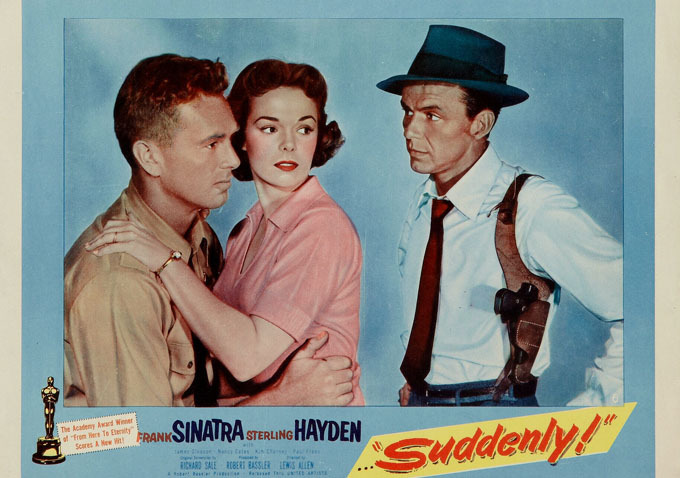
I per­son­al­ly regret that Roeg nev­er got to work with Frank Sina­tra, used to such strik­ing effect by John Franken­heimer in The Manchuri­an Can­di­date and Otto Pre­minger in The Man with the Gold­en Arm. To hold those pic­tures up against, say, the Rat Pack free-for-all of Ocean’s Eleven is to under­stand that cast­ing against per­sona, though on aver­age the riski­er option, pro­duces more fas­ci­nat­ing­ly con­tra­dic­to­ry per­for­mances. In the 1954 noir Sud­den­ly, avail­able free on Archive.org, you can watch an ear­ly exam­ple of this in Sina­tra’s career, when direc­tor Lewis Allen turns him into a psy­chopath bent on assas­si­nat­ing none oth­er than the Pres­i­dent of the Unit­ed States.

Giv­en the pro­jec­t’s unques­tioned B‑movie con­text, crit­ics regard­ed Sina­tra as hav­ing made a rea­son­ably rich meal of this vil­lain­ous part. “Mr. Sina­tra deserves a spe­cial chunk of praise,” wrote the New York Times’ Bosley Crowther. “In Sud­den­ly he proves a melo­dra­mat­ic tour de force.” Vari­ety also looked favor­ably upon him: “Thesp inserts plen­ty of men­ace into a psy­cho char­ac­ter, nev­er too heav­i­ly done, and gets good back­ing from his costar, Ster­ling Hay­den, as sher­iff, in a less showy role but just as author­i­ta­tive­ly han­dled.” Yes, you read that right: this movie pits Frank Sina­tra against Ster­ling Hay­den. Sina­tra and his crew of killers take over a small-town hill­top fam­i­ly home, the ide­al van­tage point from which to shoot the pass­ing Pres­i­dent. Then Hay­den, the town’s sher­iff, turns up to check things out. How will this clash of titan­ic per­son­al­i­ties resolve? Hit play and find out whether “the num­ber-one man in the nation,” as Sud­den­ly’s sen­sa­tion­al­is­tic poster puts it, falls vic­tim to this “kill-hun­gry hood­lum.”

You will find Sud­den­ly list­ed in our col­lec­tion of Free Noir Films and also our larg­er list 4,000+ Free Movies Online: Great Clas­sics, Indies, Noir, West­erns, Doc­u­men­taries & More.

Col­in Mar­shall hosts and pro­duces Note­book on Cities and Cul­ture. Fol­low him on Twit­ter at @colinmarshall.


Harry Taylor Brings 150-Year-Old Craft of Tintype Photography into the Modern Day

Award-win­ning film­mak­er Matt Mor­ris appre­ci­ates craft, hard work and peo­ple who just show up for each oth­er.

His Emmy-nom­i­nat­ed film Pickin’ and Trim­min’ fol­lows the men who cut hair and play blue­grass music togeth­er at Drexel’s bar­ber­shop in North Car­oli­na. In Mr. Hap­py Man, an 88-year-old man talks about the hours he spends every morn­ing greet­ing Bermuda’s com­muters as they endure traf­fic.

The sub­ject of his most recent work came to him in a round-about way, but fea­tures the same care­ful, affec­tion­ate film­mak­ing of his oth­er films. Amer­i­can Tin­type chron­i­cles the process of pho­tog­ra­ph­er Har­ry Tay­lor, who dis­cov­ered a pas­sion for the Civ­il War-era “wet plate” pho­tog­ra­phy.

Tay­lor, based in Wilm­ing­ton, North Car­oli­na, spe­cial­izes in tin­types and ambrotypes. He makes them with the same big cam­eras and messy chem­i­cals used dur­ing the late 1800s. At that time, the process pro­duced a whole new lay­er of detail than ear­li­er tech­niques had done, and allowed for an infi­nite num­ber of prints to be made.

Time con­sum­ing, labo­ri­ous and unpre­dictable, the process requires the pho­tog­ra­ph­er to use a portable dark room when shoot­ing out­side of the stu­dio. Tin pho­to­graph­ic plates are coat­ed with col­lo­di­on emul­sion. (The tech­nique is also called col­lo­di­on process. There’s a nice tuto­r­i­al here.) The plate must be coat­ed, exposed and devel­oped with­in fif­teen min­utes, before the col­lo­di­on los­es its sen­si­tiv­i­ty. It’s an incon­ve­nient sys­tem, espe­cial­ly by today’s stan­dards, but it pleas­es Tay­lor immense­ly as it forces both him and his sub­jects to slow down. You can view some of Tay­lor’s images here.

Mor­ris allows Tay­lor to speak for him­self in the four-minute doc­u­men­tary, let­ting the cam­era linger on Taylor’s wood and met­al equip­ment, the dreami­ness of his images and on Taylor’s own obser­va­tions about how long-expo­sure pho­tog­ra­phy reveals more of the subject’s thoughts. Even the flaws are inter­est­ing.

Make a point to notice the music. Mor­ris approached com­pos­er Hanan Town­shend, known for the scores he com­posed for direc­tor Ter­rence Mal­ick. Mor­ris blogs about the process of record­ing Amer­i­can Tin­type’s sound­track at Marin County’s Sky­walk­er Sound—a fun lit­tle peek behind the scenes.

Kate Rix writes about dig­i­tal media and edu­ca­tion. Read more of her work at and thenifty.blogspot.com.

Great Big Ideas: Free Course Features Top Thinkers Tackling the World’s Most Important Ideas in 12 Lectures

Begun in 2011 by Big Think and the Jack Park­er Cor­po­ra­tion, The Float­ing Uni­ver­si­ty is an online edu­ca­tion­al ini­tia­tive that debuted at Har­vard, Yale, and Bard Col­lege. The pur­pose of The Float­ing Uni­ver­si­ty, accord­ing to its site, is to “democ­ra­tize access to the world’s best thinkers” by pro­vid­ing free, approx­i­mate­ly one hour-long cours­es on a wide range of top­ics, taught at a uni­ver­si­ty lev­el by experts and pro­fes­sors in the var­i­ous fields. The inau­gur­al course, the most favored at the three uni­ver­si­ties, is Great Big Ideas, and it more or less does what it says: tack­les some of the largest, most per­plex­ing ques­tions in digestible intro­duc­tions that also man­age to be rig­or­ous, infor­ma­tive, and thought-pro­vok­ing.

In the lec­ture above, for exam­ple, Har­vard cog­ni­tive psy­chol­o­gist and lin­guist Steven Pinker presents an “eSem­i­nar” in lin­guis­tics, address­ing dogged ques­tions in the field over whether or not humans have an innate, uni­ver­sal gram­mar (as Noam Chom­sky has famous­ly argued); why lan­guage is so fun­da­men­tal to our social rela­tion­ships; and how lan­guage evolved.

Pinker, who describes human lan­guage in broad terms as a “mir­a­cle” and a “win­dow into the human mind,” also gets into the spe­cif­ic sub­fields of lin­guis­tics, dis­cussing them in terms that any layper­son can under­stand with­out much dilut­ing the fas­ci­nat­ing philo­soph­i­cal and sci­en­tif­ic debates around what Dar­win called our “instinc­tive ten­den­cy to speak” to one anoth­er, from infan­cy onward, all over the world, in some 6000 dif­fer­ent lan­guages.

The Great Big Ideas (now added to our list of 1200 Free Online Cours­es) lec­ture series con­sists of twelve lec­tures total, includ­ing Pinker’s. The oth­er eleven are:

Josh Jones is a doc­tor­al can­di­date in Eng­lish at Ford­ham Uni­ver­si­ty and a co-founder and for­mer man­ag­ing edi­tor of Guer­ni­ca / A Mag­a­zine of Arts and Pol­i­tics.

The Normandy Invasion Captured on 16 mm Kodachrome Film (1944)

The Nor­mandy Inva­sion, oth­er­wise known as “Oper­a­tion Over­lord,” was launched by the Allies on June 6, 1944. On that day — D‑Day — Amer­i­can, British and Cana­di­an troops land­ed on five sep­a­rate beach­heads in Nor­mandy, on the west­ern shores of France. By the end of August 1944, the Allies had lib­er­at­ed all of north­ern France and start­ed march­ing towards Nazi Ger­many.

At the time, the film­mak­er George Stevens (1904–1975) was a lieu­tenant colonel in the U.S. Army’s Sig­nal Corps. Dwight D. Eisen­how­er, tasked with plan­ning and car­ry­ing out the Allied inva­sion of Nor­mandy, want­ed film crews present at the inva­sion to pro­vide footage for a doc­u­men­tary film. Stevens took charge of the Spe­cial Motion Pic­tures Unit and gath­ered a group of cam­era­men and writ­ers dubbed the “Stevens Irreg­u­lars”. They used the stan­dard Army motion pic­ture stock, 35 mm black and white news­reel film. But they also brought along a hand-held cam­era and some 16 mm Kodachrome col­or film. Stevens shot sev­er­al hours’ worth of col­or footage from France, Bel­gium and Ger­many. The scenes from the lib­er­a­tion of Dachau con­cen­tra­tion camp are par­tic­u­lar­ly shock­ing and left their mark on the lives of the cam­era­men. In 1994, Stevens’ son used this film footage to assem­ble the doc­u­men­tary George Stevens: D‑Day to Berlin.

Bonus mate­r­i­al:

By pro­fes­sion, Matthias Rasch­er teach­es Eng­lish and His­to­ry at a High School in north­ern Bavaria, Ger­many. In his free time he scours the web for good links and posts the best finds on Twit­ter.

‘The Needle and the Damage Done’: Neil Young Plays on The Johnny Cash Show, 1971

Here’s a scene from a clas­sic episode of The John­ny Cash Show, with Neil Young singing a deeply per­son­al song that he had only recent­ly writ­ten.

“John­ny Cash on Cam­pus” was a spe­cial edi­tion that aired on Feb­ru­ary 17, 1971.  Cash and his crew vis­it­ed Van­der­bilt Uni­ver­si­ty in Nashville to talk with stu­dents. In the pro­gram, one of them rais­es the sub­ject of drugs in the music indus­try, and Cash speaks briefly about his own prob­lem with drugs before intro­duc­ing Young, who sings “The Nee­dle and the Dam­age Done” in front of an all-stu­dent audi­ence at the Ryman Audi­to­ri­um. Young then puts down his gui­tar and moves to a piano to play “Jour­ney Through the Past.”

It was a busy time for Young. While he was in Nashville to appear on the show he was per­suad­ed by a local record pro­duc­er to record his next album there. He began work almost imme­di­ate­ly on what would become his mas­ter­piece, Har­vest. On the night of the John­ny Cash Show Young invit­ed two oth­er guests that night, Lin­da Ron­stadt and James Tay­lor, to go back to the stu­dio with him after­ward. Togeth­er the three sang the back­ing vocals on “Heart of Gold” and “Old Man,” and Tay­lor played the dis­tinc­tive ban­jo gui­tar part on “Old Man.”

The Feb­ru­ary 17, 1971 episode of The John­ny Cash Show is also notable for being the first time Cash per­formed “Man in Black.” He got the idea for the song from his dis­cus­sions with the stu­dents at Van­der­bilt, and fin­ished writ­ing the lyrics on the day of the show. The song was so new he need­ed cue cards to sing the words.

Relat­ed con­tent:

Neil Young Busk­ing in Glas­gow, 1976: The Sto­ry Behind the Footage

Neil Young Reveals the New Killer Gad­get That Will Save Music

Google Revisits the Fall of the Iron Curtain in New Online Exhibition

I like to col­lect sounds while trav­el­ing. A few favorites that come to mind include the whine of scoot­ers buzzing down the streets of Paris, the calm female voice announc­ing the next stop on the Prague Metro and the clink clink of peo­ple chip­ping away chunks of the Berlin Wall.

That was 1990, just a few months after mil­lions of Germans—from both sides of the wall—succeeded in end­ing the East Ger­man regime through street protests.

The Google Cul­tur­al Insti­tute cap­tures this amaz­ing peri­od of recent his­to­ry with The Fall of the Iron Cur­tain, a new col­lec­tion of his­tor­i­cal doc­u­ments, videos and pho­tos curat­ed by Niall Fer­gu­son, an emi­nent Har­vard his­to­ri­an.

The 1980s saw the Cold War come to an end with a wave of cit­i­zen protests that swept across Europe. Google’s col­lec­tion includes 13 exhibits that begin with Poland’s Sol­i­dar­i­ty Move­ment but then con­sid­ers the his­to­ry and sig­nif­i­cance of the Berlin Wall.

Google part­nered with major Ger­man and Pol­ish muse­ums to cre­ate the exhibits so the expe­ri­ence is rich with con­text, includ­ing inter­views with his­to­ri­ans and images from the pop­u­lar cul­ture of the time.

Fol­low the riv­et­ing events of Decem­ber 14, 1989 as Roman­ian cit­i­zens crowd­ed Maria Plaza in Timisoara call­ing for lead­ers Nico­lae and Ele­na Ceauces­cu to step down. By evening the crowd filled all of the roads off the plaza and the mil­i­tary opened fire, killing 62 peo­ple. The peri­od of the Ceauces­cu tri­al and exe­cu­tion is brought to life in anoth­er exhib­it with images and inter­views.

The exhibits con­clude with the rapid accel­er­a­tion of events that led to the fall of the Berlin Wall itself.

Each exhib­it is rich and com­plete with anec­dotes, includ­ing a diary of life dur­ing Ger­man reuni­fi­ca­tion.

Speak­ing of col­lect­ing sounds while trav­el­ing, check out the Pink Floyd’s live per­for­mance we brought you of The Wall in east­ern Berlin, a mere eight months after the Wall had come down.

Kate Rix writes about dig­i­tal media and edu­ca­tion. You can con­tact her and find more of her work at and thenifty.blogspot.com.

The Creators Project Presents the Future of Art and Design, Brought to You by Intel and Vice Magazine

The Cre­ators Project, a col­lab­o­ra­tion between Intel and Vice Mag­a­zine, pro­duces behind-the-scenes short films with con­tem­po­rary artists, musi­cians, and film­mak­ers. Call­ing itself “a glob­al cel­e­bra­tion of art and tech­nol­o­gy,” the three-year-old project offers per­haps the best way to keep up with incred­i­ble advances in visu­al and audio tech­nol­o­gy in the arts. The project also spon­sors new work (from, for exam­ple, visu­al artists Mick Rock and Bar­ney Clay and musi­cians J. Space­man and Karen O) and hosts glob­al events and meet-ups.

I per­son­al­ly check in with the project’s YouTube chan­nel on a semi-dai­ly basis, and I nev­er fail to find some­thing cap­ti­vat­ing, whether an intro­duc­tion to a new artist or new work from an old favorite (if you pre­fer Vimeo, they’ve got you cov­ered there too). Most recent­ly I’ve dis­cov­ered the aston­ish­ing work of a per­for­mance artist/photographer from Bei­jing, Li Wei, whose work involves Buster Keaton-style stunts—or, more pre­cise­ly, Kung Fu-film high-wire action—captured on cam­era in ver­ti­go-induc­ing images of impos­si­bil­i­ty. In the short film above, Li Wei walks us through his process and his phi­los­o­phy, which begins with the unset­tling notion, “We are all con­trolled by some­one else. Our thoughts and actions are con­trolled by unseen forces.” His work is a high-tech attempt to out­wit one of those forces for brief moments, ren­dered time­less by pho­tog­ra­phy and the mag­ic of Pho­to­shop.

In the video below, a for­mer aero­space engi­neer for NASA, James Pow­der­ly, now occu­pies strange ter­ri­to­ry between design and engi­neer­ing. Inspired by anoth­er cor­po­rate engi­neer­ing dropout, Pow­der­ley left aero­space engi­neer­ing for a res­i­den­cy at New York art and tech­nol­o­gy cen­ter Eye­beam to refine his visu­al aes­thet­ic, which he’s tak­en all over the world.

Final­ly, in the short video below, The Cre­ators Project vis­it­ed Min­Suk Cho, founder of futur­is­tic Seoul archi­tec­ture firm Mass Stud­ies. Cho describes the vision and pur­pose of Mass Stud­ies over a mind-blow­ing series of images of archi­tec­tur­al designs from worlds you’ve nev­er seen before but (if you’re like me) always hoped exist­ed some­where.

http://vimeo.com/44749711

Josh Jones is a doc­tor­al can­di­date in Eng­lish at Ford­ham Uni­ver­si­ty and a co-founder and for­mer man­ag­ing edi­tor of Guer­ni­ca / A Mag­a­zine of Arts and Pol­i­tics.

Reefer Madness, 1936’s Most Unintentionally Hilarious “Anti-Drug” Exploitation Film, Free Online

reefermadness

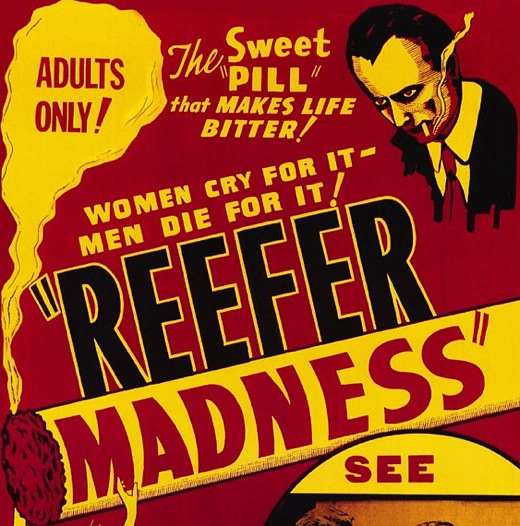
The motion pic­ture you are about to wit­ness may star­tle you. It would not have been pos­si­ble, oth­er­wise, to suf­fi­cient­ly empha­size the fright­ful toll of the new drug men­ace which is destroy­ing the youth of Amer­i­ca in alarm­ing­ly increas­ing num­bers. Mar­i­hua­na is that drug — a vio­lent nar­cot­ic — an unspeak­able scourge — The Real Pub­lic Ene­my Num­ber One! Or at least that’s how the open­ing crawl of Reefer Mad­ness tells it.

Also known, in oth­er forms, as Tell Your Chil­dren, The Burn­ing Ques­tion, Dope Addict, Doped Youth and Love Mad­ness, the film has spent the past forty years accru­ing cult cred­i­bil­i­ty on the (high­ly over­lap­ping) mid­night-movie and cannabis-cul­ture cir­cuits. That pecu­liar spelling of what we know as mar­i­jua­na reveals only a whiff of its dis­tinc­tive blend of hand-wring­ing sala­cious­ness, aggres­sive square­ness, and sheer igno­rance. Kei­th Stroup, founder of the Nation­al Orga­ni­za­tion for the Reform of Mar­i­jua­na Laws, spot­ted the movie’s unin­tend­ed comedic poten­tial back in 1971, when he bought a print and began col­lege-cam­pus screen­ings. It today draws more pro­longed, dis­be­liev­ing guf­faws and chor­tles than ever before.


Since Reefer Mad­ness has fall­en into the pub­lic domain, you can hold your own mid­night screen­ing near­ly with­out effort by watch­ing it online. Behold the deeply askew motion pic­ture that began as a church-fund­ed moral­i­ty play, got into the hands of ear­ly exploita­tion-film icon Dwain Esper (he of 1934’s Mani­ac, 1937’s How to Undress in Front of Your Hus­band, and 1938’s Sex Mad­ness), and wound up as an uproar­i­ous main­stay of hazy uni­ver­si­ty audi­to­ria. While the film clear­ly knows noth­ing of mar­i­jua­na or its real effects — or, seem­ing­ly, of the real effects of any nar­cot­ic — that does­n’t stop its script from yield­ing a host of res­o­nant lines. These run from the “straight­for­ward ques­tion” of whether “you have, per­haps unwill­ing­ly, acquired a cer­tain habit through asso­ci­a­tion with cer­tain unde­sir­able peo­ple” to the rec­ol­lec­tion of hav­ing been “high enough to take over the marines and the navy” to that immor­tal imper­a­tive, “Bring me some reefers!” Laugh if you must, but bear in mind the final words from the solemn Dr. Car­roll: “The next tragedy may be that of your daugh­ter’s… or your son’s… or yours… or yours… or yours!”

You can always find Reefer Mad­ness in our col­lec­tion, 4,000+ Free Movies Online: Great Clas­sics, Indies, Noir, West­erns, Doc­u­men­taries & More.

Relat­ed con­tent:

This is What Oliv­er Sacks Learned on LSD and Amphet­a­mines

Bela Lugosi Dis­cuss­es His Drug Habit as He Leaves the Hos­pi­tal in 1955

Beyond Tim­o­thy Leary: 2002 Film Revis­its His­to­ry of LSD

Col­in Mar­shall hosts and pro­duces Note­book on Cities and Cul­ture. Fol­low him on Twit­ter at @colinmarshall.

Monsterpiece Theater Presents Waiting for Elmo, Calls BS on Samuel Beckett

Through­out the years, Sesame Street aired 37 episodes of Mon­ster­piece The­ater, a fun-lov­ing par­o­dy of PBS’s long-run­ning dra­ma series Mas­ter­piece The­atre. In this par­tic­u­lar episode, the host Alis­tair Cook­ie (aka Cook­ie Mon­ster) intro­duces “a mod­ern mas­ter­piece, a play so mod­ern and so bril­liant that it makes absolute­ly no sense to any­body.” Yes, we’re talk­ing about Wait­ing for Elmo, a two-minute clip that lam­poons — or dare I say polite­ly calls bull$hit on — Samuel Beck­et­t’s absur­dist 1953 play, Wait­ing for Godot. If you’ve nev­er expe­ri­enced the orig­i­nal play, you can watch a stag­ing that Beck­ett direct­ed in 1985 or read the orig­i­nal play here.

In the mean­time, it unfor­tu­nate­ly looks like we’re all going to be wait­ing for Elmo a bit longer … or, then again, maybe not.

via Bib­liok­lept

by | Permalink | Make a Comment ( 2 ) |

Venice is Way Under Water…

Venice is made up of 124 islands, 183 canals and 438 bridges, with water con­stant­ly flow­ing in and around it. As the video below explains, the city has his­tor­i­cal­ly devel­oped an elab­o­rate way of defend­ing itself against the seas. But occa­sion­al­ly moth­er nature wins out, and floods take their toll on the city. This year it’s par­tic­u­lar­ly bad. Heavy rains and strong winds have left Venice 70% sub­merged, with water lev­els reach­ing 60 inch­es. It marks the sixth worst flood record­ed in the past 150 years. You can find footage above, and a pret­ty remark­able pho­to gallery over at The Atlantic. And then anoth­er  com­pelling set at Boston.com.

via @eugenephoto

by | Permalink | Make a Comment ( 2 ) |

Meryl Streep Shrooms Her Way Through Modern Alice in Wonderland

Beware the Jub­jub bird…

Beware post-70s the­atri­cal exper­i­men­ta­tion…

Beware a chil­dren’s clas­sic — Alice in Won­der­land, in a mod­ern musi­cal update …

Beware a grown woman cast as a lit­tle girl…

On the oth­er hand, what if we’re talk­ing about Meryl Streep? Specif­i­cal­ly the Deer Hunter / Kramer vs. Kramer-era Streep, star­ring in Alice in Con­cert, play­wright Eliz­a­beth Swa­dos and direc­tor Joe Pap­p’s 1981 adap­ta­tion of Lewis Car­rol­l’s orig­i­nal trip­py tale. If Alice at the Palace, a slight­ly restaged for tele­vi­sion ver­sion, is any evi­dence, Amer­i­ca’s Most Seri­ous Actress had a blast, bound­ing around in bag­gy over­alls, doing every­thing in her con­sid­er­able pow­er to upend the pris­sy pinafore-sport­ing Dis­ney stan­dard. She jigged. She pout­ed. She slew the Jab­ber­wock and almost imme­di­ate­ly regret­ted it.

Not sur­pris­ing­ly, giv­en the con­text, she also got to play stoned. Her spacey mean­der­ings ush­ered in the most fan­tas­ti­cal­ly para­noid inter­pre­ta­tion of the Jab­ber­wocky you’re ever like­ly to hear, cour­tesy of a sup­port­ing ensem­ble that includ­ed Mark Linn-Bak­er and the late Michael Jeter. Sud­den­ly, that which has long proved mad­den­ing starts to make sense.

It’s  a feat all around.

Relat­ed Con­tent:

Pho­to: The Real Alice in Won­der­land Cir­ca 1862

Alice in Won­der­land: The 1903 Orig­i­nal Film

Lewis Car­rol­l’s Alice in Won­der­land avail­able in our Free Audio Books and Free eBooks col­lec­tions.


  • Great Lectures

  • About Us

    Open Culture scours the web for the best educational media. We find the free courses and audio books you need, the language lessons & educational videos you want, and plenty of enlightenment in between.


    Advertise With Us

  • Archives

  • Search

  • Quantcast