Great Movie Directors During Wartime: Alfred Hitchcock, Frank Capra, John Huston, Billy Wilder & Their World War II Films

Frank Capra, Alfred Hitch­cock, Howard Hawks, John Ford and John Hus­ton. They were some of the most impor­tant film­mak­ers dur­ing Hol­ly­wood’s Gold­en Age. And they were also part of “The Great­est Gen­er­a­tion,” the gen­er­a­tion that scraped and strug­gled to bring vic­to­ry to the Allies dur­ing World War II. Like many oth­ers, these direc­tors put com­mer­cial aspi­ra­tions aside for a while, and worked with the gov­ern­ment to pro­duce pro­pa­gan­da films that gal­va­nized sup­port for the war at home. You can find these films host­ed at the Inter­net Archive with­in the Cin­emoc­ra­cy sec­tion, and below we have high­light­ed some of the more impor­tant ones. For many more clas­sic films, don’t for­get to see our long list of Free Movies Online:

  • Frank Capra brought us some of Amer­i­ca’s great feel good films: It Hap­pened One Night (1934), Mr. Smith Goes to Wash­ing­ton (1939), and It’s a Won­der­ful Life (1946). But, once WW II broke out, he was com­mis­sioned by the US gov­ern­ment to direct a sev­en episode series of films called “Why We Fight.” This includ­ed Pre­lude to War, The Nazis Strike, War Comes to Amer­i­ca and oth­ers.
  • John Hus­ton — The Mal­tese Fal­con (1941), The Trea­sure of the Sier­ra Madre (1948), Key Largo (1948) — served in the U.S. Army Sig­nal Corps in 1943 and direct­ed an Acad­e­my Award win­ning doc­u­men­tary, Report from the Aleu­tians. The film, which Hus­ton helped nar­rate, fol­lows the dai­ly lives of Amer­i­can sol­diers serv­ing in the Aleut­ian Islands (off the shores of Alas­ka). Hus­ton also direct­ed anoth­er wartime film, The Bat­tle of San Pietro (1945).
  • John Ford, famous for his west­erns Stage­coach (1939) and The Searchers (1956) and for his adap­ta­tion of Stein­beck­’s The Grapes of Wrath (1940), also got into the act of shoot­ing wartime films, direct­ing The Bat­tle of Mid­way, an account of the Japan­ese attack on Amer­i­can ships at Mid­way. The film uses most­ly authen­tic footage from the bat­tle and is nar­rat­ed by Hen­ry Fon­da (who starred in The Grapes of Wrath). The oth­er notable pro­duc­tion was Decem­ber 7th, a film doc­u­ment­ing the Japan­ese attack on Pearl Har­bor.

Of course, it was­n’t just Amer­i­can direc­tors who made these pro­pa­gan­da films. The great Alfred Hitch­cock was the force behind Bon Voy­age and L’aven­ture Mal­gache (1944), two French lan­guage films backed by the British Min­istry of Infor­ma­tion. Both were trib­utes to the French resis­tance move­ment. And then there’s Death Mills (1945), the dis­turb­ing Ger­man-lan­guage doc­u­men­tary direct­ed by Bil­ly Wilder (Dou­ble Indem­ni­ty, Sun­set Boule­vard and Some Like it Hot) that showed Ger­many the hor­rors the Allies encoun­tered when they lib­er­at­ed Nazi exter­mi­na­tion camps. Some of these films can be found in our col­lec­tion of Free Movies Online.

If you would like to sign up for Open Culture’s free email newslet­ter, please find it here. It’s a great way to see our new posts, all bun­dled in one email, each day.

If you would like to sup­port the mis­sion of Open Cul­ture, con­sid­er mak­ing a dona­tion to our site. It’s hard to rely 100% on ads, and your con­tri­bu­tions will help us con­tin­ue pro­vid­ing the best free cul­tur­al and edu­ca­tion­al mate­ri­als to learn­ers every­where. You can con­tribute through Pay­Pal, Patre­on, and Ven­mo (@openculture). Thanks!

by | Permalink | Make a Comment ( 1 ) |

Hear John Lennon’s 3‑Hour Interview with Rolling Stone Magazine, 1970

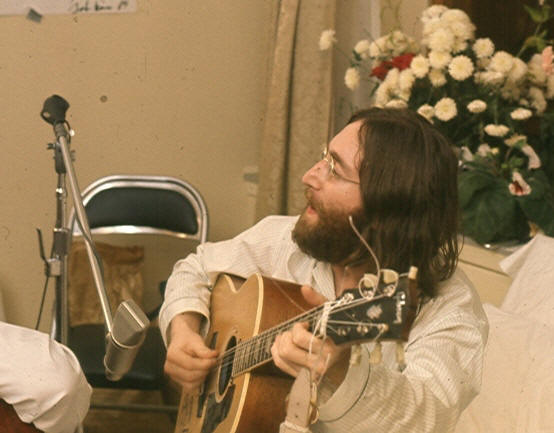
Lie_In_15_--_John_rehearses_Give_Peace_A_Chance

Image by Roy Ker­wood, via Wiki­me­dia Com­mons

The anniver­sary of John Lennon’s death jogged my mem­o­ry, remind­ing me of this lengthy 1970 inter­view. Con­duct­ed by Jann Wen­ner, the founder of Rolling Stone mag­a­zine, this impor­tant con­ver­sa­tion was record­ed short­ly after The Bea­t­les’ bit­ter breakup.

Run­ning over 3 hours, it is one of Lennon’s most exten­sive inter­views, touch­ing not just on the breakup, but also on art and pol­i­tics, drugs, Yoko, pri­mal ther­a­py and more. It’s not always flat­ter­ing, but it gives you a good feel for the man and the great artist.

If you would like to sign up for Open Culture’s free email newslet­ter, please find it here. It’s a great way to see our new posts, all bun­dled in one email, each day.

If you would like to sup­port the mis­sion of Open Cul­ture, con­sid­er mak­ing a dona­tion to our site. It’s hard to rely 100% on ads, and your con­tri­bu­tions will help us con­tin­ue pro­vid­ing the best free cul­tur­al and edu­ca­tion­al mate­ri­als to learn­ers every­where. You can con­tribute through Pay­Pal, Patre­on, and Ven­mo (@openculture). Thanks!

by | Permalink | Make a Comment ( 2 ) |

New David Foster Wallace in The New Yorker

Appear­ing in The New York­er this week is an excerpt from David Fos­ter Wal­lace’s unfin­ished nov­el, The Pale King. It begins:

Once when I was a lit­tle boy I received as a gift a toy cement mix­er. It was made of wood except for its wheels—axles—which, as I remem­ber, were thin met­al rods. I’m nine­ty per cent sure it was a Christ­mas gift. I liked it the same way a boy that age likes toy dump trucks, ambu­lances, trac­tor-trail­ers, and what­not. There are lit­tle boys who like trains and lit­tle boys who like vehicles—I liked the lat­ter.

Con­tin­ue read­ing the rest here. Also see this oth­er  pre­vi­ous­ly pub­lished excerpt and some pages from DWF’s actu­al man­u­script.

via Kottke.org

PS Is any­one hav­ing prob­lems post­ing com­ments? If so, please shoot me a note at the email address above. I appre­ci­ate your help.

Herta Müller’s Nobel Lecture: Text Here

A quick note: Her­ta Müller, who won the Nobel Prize in Lit­er­a­ture, deliv­ered her lec­ture in Stock­holm yes­ter­day. You can now read the full text online; the video should be com­ing soon.

My grand­fa­ther had been a sol­dier in the First World War. He knew what he was talk­ing about when he said, often and embit­tered, in ref­er­ence to his son Matz: When the flags start to flut­ter, com­mon sense slides right into the trum­pet. This warn­ing also applied to the fol­low­ing dic­ta­tor­ship, which I expe­ri­enced. Every day you could see the com­mon sense of the prof­i­teers, both big and lit­tle, slid­ing right into the trum­pet. The trum­pet I decid­ed not to blow.

Would You Pay $3.99 for a Short Story?

The Atlantic Month­ly and Amazon/Kindle are hop­ing so

PS Note that the “Best­sellers in Kin­dle” (look in the right col­umn of linked page) all cur­rent­ly cost $0.00.

by | Permalink | Make a Comment ( 1 ) |

The World’s Smallest Writing Ever. Going Subatomic at Stanford.

Vis­it Stan­ford’s YouTube Chan­nel here.

Learning, Memory and the Brain: A Primer

The Teach­ing Com­pa­ny has post­ed online a free video lec­ture that focus­es on what hap­pens in our brain when we learn — some­thing that should pique the inter­est of pret­ty much any read­er here. (Just what hap­pens with those synaps­es when you come here every day?) The lec­ture (watch here) comes from a larg­er course called Under­stand­ing the Brain and is pre­sent­ed by Jeanette Nor­den, a pro­fes­sor in Cell and Devel­op­men­tal Biol­o­gy at Van­der­bilt Uni­ver­si­ty.

Side Note: The Teach­ing Com­pa­ny is also offer­ing free access to anoth­er lec­ture (this one in audio) that sur­veys the “Mas­ter­pieces of Clas­si­cal Hol­i­day Music,” includ­ing Bach’s Christ­mas Ora­to­rio of 1734, Handel’s Mes­si­ah of 1741; and Tchaikovsky’s Nut­crack­er Suite of 1892. Lis­ten or down­load here.

Google to Provide Virtual Tours of 19 World Heritage Sites

On Fri­day, I men­tioned that you can now vis­it the Roman ruins at Pom­peii, Stone­henge and Ver­sailles via Google Street View. What I did­n’t real­ize is that this looks to be part of a larg­er ini­tia­tive, a larg­er attempt to pro­vide dig­i­tal tours of impor­tant world her­itage sites. Accord­ing to this UNESCO announce­ment, 19 his­tor­i­cal sites will be includ­ed, and I’ve list­ed them below. The video above offers more details.

“Spain: San­ti­a­go de Com­postela (Old Town); Old Town of Cáceres; His­toric Walled Town of Cuen­ca; Old City of Sala­man­ca; Old Town of Ávi­la with its Extra-Muros Church­es; Old Town of Segovia and its Aque­duct; His­toric City of Tole­do France: Palace and Park of Ver­sailles; Paris, Banks of the Seine Italy: Archae­o­log­i­cal Areas of Pom­pei, Her­cu­la­neum and Torre Annun­zi­a­ta; His­toric Cen­tre of Siena; His­toric Cen­tre of Urbino; His­toric Cen­tre of San Gimignano Nether­lands: Mill Net­work at Kinderdijk-Elshout Czech Repub­lic: Holy Trin­i­ty Col­umn in Olo­mouc; His­toric Cen­tre of Český Krumlov; His­toric Cen­tre of Prague Unit­ed King­dom: Stone­henge, Ave­bury and Asso­ci­at­ed Sites; Roy­al Botan­ic Gar­dens, Kew”

by | Permalink | Make a Comment ( 2 ) |

Visit Pompeii (also Stonehenge & Versailles) with Google Street View

pompeiigoogleThe sto­ry of Pom­peii is well known. Back in 79 AD, Mount Vesu­vius erupt­ed and cov­ered the neigh­bor­ing Roman city with 60 feet of ash over the course of two days. The city was wiped out and then entombed for cen­turies, until archae­ol­o­gists start­ed unearthing the ruins in the 18th and 19th cen­turies, offer­ing the mod­ern world an amaz­ing win­dow into the fin­er details of ancient Roman life. (Just for the record, dig­ging con­tin­ues there today, and I even got to do some this past sum­mer.) Today, Google is help­ing deep­en the mod­ern con­nec­tion to the ancient world. Using Google Street view, you can tour Pom­peii in 3D from the com­fort of your own home. To begin walk­ing through the ancient city, just click here.

As a side note, this isn’t the first time Google has used Street View in such a way. You can also find tours of Stone­henge and Louis XIV’s Ver­sailles. Plus, you can also use Google Earth, anoth­er Google pro­gram, to tour the ancient city of Rome.

Final­ly, to dig deep­er into ancient his­to­ry, I’d rec­om­mend look­ing through our pre­vi­ous post, Learn­ing Ancient His­to­ry for Free. This will point you to some of the best free cours­es avail­able on the web.

via Mash­able and the Nation­al Post

U. Michigan iPhone Orchestra

The Uni­ver­si­ty of Michi­gan now offers a course designed to help stu­dents turn their iPhones into musi­cal instru­ments. The video above shows footage from one of their prac­tice ses­sions held in Novem­ber. A final con­cert will be held on Decem­ber 9. You can read more about this project here. Also see Stan­ford stu­dents play­ing the iPhone here.

via TUAW.com

Magnetic Fields Made Visible

What do nat­ur­al mag­net­ic fields look like? This extra­or­di­nary footage from NASA’s Space Sci­ences Lab­o­ra­to­ry (UC Berke­ley) gives you a glimpse and reveals their “chaot­ic, ever-chang­ing geome­tries.”

by | Permalink | Make a Comment ( 2 ) |


  • Great Lectures

  • Sign up for Newsletter

  • About Us

    Open Culture scours the web for the best educational media. We find the free courses and audio books you need, the language lessons & educational videos you want, and plenty of enlightenment in between.


    Advertise With Us

  • Archives

  • Search

  • Quantcast