Three Huge Volumes of Stoic Writings by Seneca Now Free Online, Thanks to Tim Ferriss

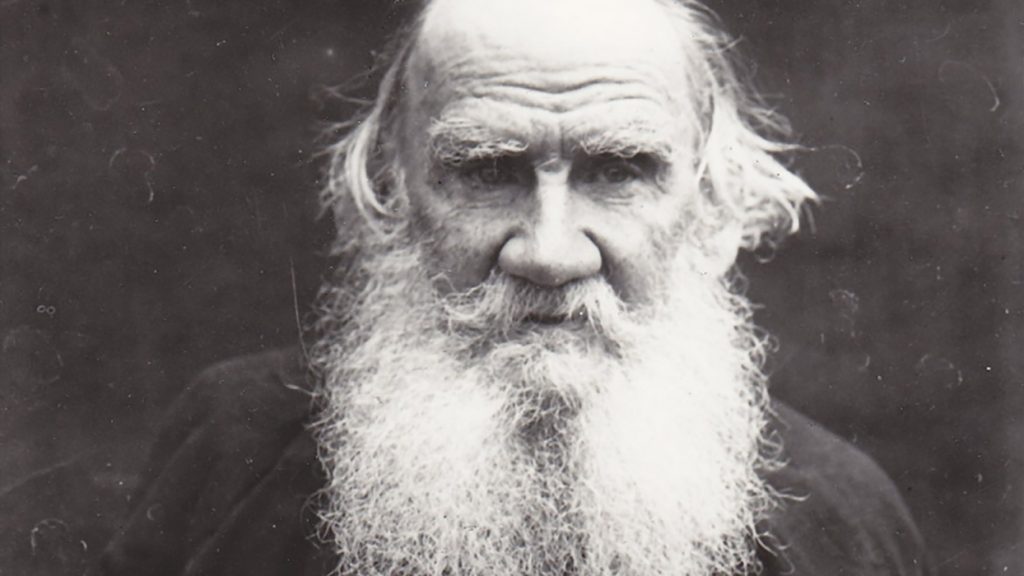
“The great­est obsta­cle to liv­ing is expectan­cy, which hangs upon tomor­row and los­es today,” wrote Lucius Annaeus Seneca the Younger. “You are arrang­ing what is in For­tune’s con­trol and aban­don­ing what lies in yours.” That still much-quot­ed obser­va­tion from the first-cen­tu­ry Roman philoso­pher and states­man, best known sim­ply as Seneca, has a place in a much larg­er body of work. Seneca’s writ­ings stand, along with those of Zeno, Epicte­tus, and Mar­cus Aure­lius, as a pil­lar of Sto­ic phi­los­o­phy, a sys­tem of think­ing which empha­sizes the pri­ma­cy of per­son­al virtue and the impor­tance of observ­ing one­self objec­tive­ly and mas­ter­ing, instead of being mas­tered by, one’s own emo­tions.

The Sto­ics found their way of life ben­e­fi­cial indeed in the harsh real­i­ty of more than 2,000 years ago, but Sto­icism los­es none of its val­ue when prac­ticed by those of us liv­ing today.

“At its core, it teach­es you how to sep­a­rate what you can con­trol from what you can­not, and it trains you to focus exclu­sive­ly on the for­mer,” writes self-improve­ment maven Tim Fer­riss in his intro­duc­tion to The Tao of Seneca, the three-vol­ume col­lec­tion of Seneca’s let­ters, illus­tra­tion and lined mod­ern com­men­tary, that he’s just pub­lished free on the inter­net. (For instruc­tions on how to upload them to your Kin­dle, see this page.)

Of all the Sto­ics, he con­tin­ues, “Seneca stands out as easy to read, mem­o­rable, and sur­pris­ing­ly prac­ti­cal. He cov­ers specifics rang­ing from han­dling slan­der and back­stab­bing, to fast­ing, exer­cise, wealth, and death.” (Fer­riss has also cre­at­ed audio­book ver­sions of the texts, which you can buy through Audi­ble. Or get a cou­ple for free by sign­ing up for Audi­ble’s 30-day free tri­al pro­gram.)

Fer­ris sug­gests mak­ing Seneca “part of your dai­ly rou­tine. Set aside 10–15 min­utes a day and read one let­ter. Whether over cof­fee in the morn­ing, right before bed, or some­where in between, digest one let­ter.” He also adds that “Sto­icism has spread like wild­fire through­out Sil­i­con Val­ley and the NFL in the last five years, becom­ing a men­tal tough­ness train­ing sys­tem for CEOs, founders, coach­es, and play­ers alike,” evi­denc­ing a results-ori­ent­ed approach that may divide Sto­icism enthu­si­asts, many of whom believe that the true Sto­ic should nev­er con­sid­er the prod­uct, which will always lie out­side one’s realm of con­trol, but only the process. But even the ancients would sure­ly agree that any prompt to action is worth tak­ing, espe­cial­ly when it asks the cost of not a sin­gle coin — drach­ma, denar­ius, pen­ny, or bit.

The Tao of Seneca will be added to our col­lec­tion, 800 Free eBooks for iPad, Kin­dle & Oth­er Devices.

(via /r/stoicism)

Relat­ed Con­tent:

An Ani­mat­ed Intro­duc­tion to Sto­icism, the Ancient Greek Phi­los­o­phy That Lets You Lead a Hap­py, Ful­fill­ing Life

Alain de Botton’s School of Life Presents Ani­mat­ed Intro­duc­tions to Hei­deg­ger, The Sto­ics & Epi­cu­rus

A Guide to Hap­pi­ness: Alain de Botton’s Doc­u­men­tary Shows How Niet­zsche, Socrates & 4 Oth­er Philoso­phers Can Change Your Life

1,000 Free Audio Books: Down­load Great Books for Free

135 Free Phi­los­o­phy eBooks

Based in Seoul, Col­in Mar­shall writes and broad­casts on cities and cul­ture. His projects include the book The State­less City: a Walk through 21st-Cen­tu­ry Los Ange­les and the video series The City in Cin­e­ma. Fol­low him on Twit­ter at @colinmarshall or on Face­book.

The Colors of Mister Rogers’ Hand-Knit Sweaters from 1979 to 2001: A Visual Graph Created with Data Science

Writer Owen Phillips may be a sol­id data ana­lyst, but I sus­pect he’s not much of a knit­ter.

The soft­ware he used to run a sci­en­tif­ic analy­sis of 22 years worth of Fred Rogers’ sweaters ulti­mate­ly reduces the beloved children’s tele­vi­sion host’s homey zip-front cardi­gans to a slick graph­ic of col­or­ful bars.

A knit­ter would no doubt pri­or­i­tize oth­er types of pat­terns — stitch num­bers, wool weight, cable variations…the sort of infor­ma­tion Mis­ter Rogers’ moth­er, Nan­cy, would have had at her fin­ger­tips.

As Mis­ter Rogers reveals in the sto­ry of his sweaters, his mom was the knit­ter behind many of the on-air sweaters Phillips crunched with R code. Whether their sub­tly shift­ing palette reflects an adven­tur­ous spir­it on the part of the mak­er or the recipient’s evolv­ing taste is not for us to know.

After Mrs. Rogers’ death, pro­duc­ers had to resort to buy­ing sim­i­lar mod­els. Many of her orig­i­nals had worn through or been donat­ed to char­i­ty events.

“Not an easy chal­lenge in the 80’s and 90s,” Mar­gy Whit­mer, a pro­duc­er of Mis­ter Rogers’ Neigh­bor­hood told Rewire. “It cer­tain­ly wasn’t in style! But we found a com­pa­ny who made cot­ton ones that were sim­i­lar, so we bought a bunch and dyed them.”

(A moment of silent grat­i­tude that no one tried to shoe­horn Fred Rogers into a Cos­by Show sweater…)

It would be inter­est­ing to see what Phillips’ code could do with faulty view­er mem­o­ries.

His input for the Mis­ter Rogers’ Cardi­gans of Many Col­ors project was a chart on super fan Tim Lybarger’s Neigh­bor­hood Archive detail­ing the hue of every sweater Mis­ter Rogers changed into on-cam­era from 1979 to 2001.

With­out sam­ples of the actu­al sweaters, Lybarger’s col­or chart could only be approx­i­mate, but unlike view­ers’ fad­ing mem­o­ries, it’s root­ed in his own visu­al obser­va­tions of dis­tinct episodes. Aging fans tend to jet­ti­son Rogers’ spec­tral real­i­ty in favor of a sin­gle shade, the bright red in which he greet­ed Wicked Witch of the West Mar­garet Hamil­ton in 1975, say, or the pleas­ant mouse-col­ored num­ber he sport­ed for a 1985 break­danc­ing ses­sion with a vis­it­ing 12-year-old.

For those who’d rather code than purl, Phillips shares MrRogers.R, the pro­gram he used to scrape the Neigh­bor­hood Archive for Mis­ter Rogers dai­ly sweater col­ors.

Then have a look at Rogers’ sweaters as ren­dered by Phillips’ fel­low data geek, Alan Joyce, who tin­kered with Phillips’ code to pro­duce a gra­di­ent image.

via Kot­tke

Relat­ed Con­tent:

Mr. Rogers Takes Break­danc­ing Lessons from a 12-Year-Old (1985)

Mr. Rogers Intro­duces Kids to Exper­i­men­tal Elec­tron­ic Music by Bruce Haack & Esther Nel­son (1968)

Mis­ter Rogers Turns Kids On to Jazz with Help of a Young Wyn­ton Marsalis and Oth­er Jazz Leg­ends (1986)

Ayun Hal­l­i­day is an author, illus­tra­tor, the­ater mak­er and Chief Pri­ma­tol­o­gist of the East Vil­lage Inky zine.  Her cur­rent project is The­ater of the Apes Sub-Adult Division’s fast approach­ing pro­duc­tion of Ani­mal Farm at the Tank in New York City.  Fol­low her @AyunHalliday.

2,800 JFK Assassination Documents Just Released by the National Archives

Moments ago, the Nation­al Archives released a trove of 2,800 doc­u­ments that will shed more light on the assas­si­na­tion of John F. Kennedy. Accord­ing to the Archives, the release includes “FBI, CIA, and oth­er agency doc­u­ments (both for­mer­ly with­held in part and for­mer­ly with­held in full) iden­ti­fied by the Assas­si­na­tion Records Review Board as assas­si­na­tion records.” You can find the doc­u­ments here.

This data dump was meant to include even more doc­u­ments. But, accord­ing to The New York Times, Don­ald Trump “bowed to protests by the C.I.A. and F.B.I. by with­hold­ing thou­sands of addi­tion­al papers pend­ing six more months of review.” If those ever see the light of day, we’ll let you know.

by | Permalink | Make a Comment ( 3 ) |

Where Did the English Language Come From?: An Animated Introduction

If you’ve ever delib­er­ate­ly stud­ied the Eng­lish lan­guage — or, even worse, taught it — you know that bot­tom­less aggra­va­tion awaits any­one fool­ish enough to try to explain its “rules.” What makes Eng­lish so appar­ent­ly strange and dif­fer­ent from oth­er lan­guages, and how could such a lan­guage go on to get so much trac­tion all over the world? Whether you speak Eng­lish native­ly (and thus haven’t had much occa­sion to give the mat­ter thought) or learned it as a sec­ond lan­guage, the five-minute TED-Ed les­son above, writ­ten by Yale lin­guis­tics pro­fes­sor Claire Bow­ern and ani­mat­ed by Patrick Smith, will give you a sol­id start on under­stand­ing the answer to those ques­tions and oth­ers.

“When we talk about ‘Eng­lish,’ we often think of it as a sin­gle lan­guage,” says the lesson’s nar­ra­tor, “but what do the dialects spo­ken in dozens of coun­tries around the world have in com­mon with each oth­er, or with the writ­ings of Chaucer? And how are any of them relat­ed to the strange words in Beowulf?”

The answer involves Eng­lish’s dis­tinc­tive evo­lu­tion­ary path through gen­er­a­tions and gen­er­a­tions of speak­ers, expand­ing and chang­ing all the while. Along the way, it’s picked up words from Latin-derived Romance lan­guages like French and Span­ish, a process that began with the Nor­man inva­sion of Eng­land in 1066. So also emerged Old Eng­lish, a mem­ber of — you guessed it — the Ger­man­ic lan­guage fam­i­ly, one brought to the British isles in the fifth and sixth cen­turies. Then, of course, you’ve got the Viking invaders bring­ing in their Old Norse from the eighth to the eleventh cen­turies.

Eng­lish thus came to its char­ac­ter­is­ti­cal­ly rich (and often con­fus­ing) mix­ture of words drawn from all over the place quite some time ago, leav­ing mod­ern lin­guists to per­form the qua­si-archae­o­log­i­cal task of trac­ing each word back to its ori­gins through its sound and usage. Go far enough and you get to the tongues we call “Pro­to-Ger­man­ic,” spo­ken cir­ca 500 BC, and “Pro­to-Indo-Euro­pean,” which had its hey­day six mil­len­nia ago in mod­ern-day Ukraine and Rus­sia. Eng­lish now often gets labeled, right­ly or wrong­ly, a “glob­al lan­guage,” but a look into its com­pli­cat­ed his­to­ry — and thus the his­to­ry of all Euro­pean lan­guages — reveals some­thing more impres­sive: “Near­ly three bil­lion peo­ple around the world, many of whom can­not under­stand each oth­er, are nev­er­the­less speak­ing the same words, shaped by 6,000 years of his­to­ry.”

Relat­ed Con­tent:

Free Eng­lish Lessons

The His­to­ry of the Eng­lish Lan­guage in Ten Ani­mat­ed Min­utes

The Largest His­tor­i­cal Dic­tio­nary of Eng­lish Slang Now Free Online: Cov­ers 500 Years of the “Vul­gar Tongue”

Based in Seoul, Col­in Mar­shall writes and broad­casts on cities and cul­ture. His projects include the book The State­less City: a Walk through 21st-Cen­tu­ry Los Ange­les and the video series The City in Cin­e­ma. Fol­low him on Twit­ter at @colinmarshall or on Face­book.

6,000 Letters by Marcel Proust to Be Digitized & Put Online

Quick fyi: Next year, an archive of 6,000 let­ters by Mar­cel Proust will be dig­i­tized and made freely avail­able online. The let­ters come from the col­lec­tion of Philip Kolb, a Proust schol­ar from the Uni­ver­si­ty of Illi­nois at Urbana Cham­paign. Accord­ing to The New York Times, “the first tranche of the let­ters, sev­er­al hun­dred relat­ed to the First World War, are expect­ed to be pub­lished online by Nov. 11, 2018, to coin­cide with the 100th anniver­sary of the end of the war.” We’ll update you when the let­ters actu­al­ly appear online.

Relat­ed Con­tent:

The First Known Footage of Mar­cel Proust Dis­cov­ered: Watch It Online

An Intro­duc­tion to the Lit­er­ary Phi­los­o­phy of Mar­cel Proust, Pre­sent­ed in a Mon­ty Python-Style Ani­ma­tion

When James Joyce & Mar­cel Proust Met in 1922, and Total­ly Bored Each Oth­er

16-Year-Old Mar­cel Proust Tells His Grand­fa­ther About His Mis­guid­ed Adven­tures at the Local Broth­el

Mar­cel Proust Fills Out a Ques­tion­naire in 1890: The Man­u­script of the ‘Proust Ques­tion­naire’

The Social Lives of Trees: Science Reveals How Trees Mysteriously Talk to Each Other, Work Together & Form Nurturing Families

In addi­tion to its ham-hand­ed exe­cu­tion, maybe one of the rea­sons M. Night Shyamalan’s The Hap­pen­ing failed with crit­ics is that its premise seemed inher­ent­ly pre­pos­ter­ous. Who could sus­pend dis­be­lief? Trees don’t talk to each oth­er, act in groups, make cal­cu­la­tions, how fool­ish! But they do, forester Suzanne Simard aims to con­vince us in the TED video above.

Trees aren’t just trees. They are the vis­i­ble man­i­fes­ta­tions of “this oth­er world” under­ground, “a world of infi­nite bio­log­i­cal path­ways that con­nect trees and allow them to com­mu­ni­cate, and allow the for­est to behave as if it’s a sin­gle organ­ism. It might remind you of a sort of intel­li­gence.” One shared not only by trees but by all of the beings that live in and among them. Forests are alive, though per­haps they are not plot­ting their revenge on us, even if we’ve earned it.

Simard tells the sto­ry of grow­ing up in British Colum­bia among the inland rain­forests. Old wet tem­per­ate forests crawl­ing with ancient ferns like giant green hands; cities of mush­rooms grow­ing around cen­turies-old fall­en trees; whole planes of bird and insect exis­tence in the canopies, Amer­i­can megafau­na, the elk, the bear…. On a recent hike deep into the Olympia Nation­al For­est in Wash­ing­ton, I found myself think­ing some sim­i­lar thoughts. It’s not that unusu­al to imag­ine, in the throes of “for­est bathing,” that “trees are nature’s inter­net,” as Simard says in a Seat­tle TED talk.

The dif­fer­ence is that Simard has had these thoughts all her life, devot­ed 30 years of research to test­ing her hypothe­ses, and used radioac­tive car­bon iso­topes to find two-way com­mu­ni­ca­tion between dif­fer­ent species of tree while being chased by angry griz­zly bears. Like­wise, most of us have not­ed the glar­ing sci­en­tif­ic absur­di­ties in the book of Gen­e­sis, but few may see the prob­lem with Noah’s Ark that Ital­ian botanist Ste­fano Man­cu­so does in his talk above. No one thought to bring any plants? God some­how neglect­ed to men­tion that all those ani­mals would need ecosys­tems, and fast? We laugh about an old man lit­er­al­ly load­ing repro­duc­ing pairs of every ani­mal on a boat… imag­ine him try­ing to fit entire forests….

Mancuso’s charm­ing accent and self-dep­re­cat­ing humor make his obser­va­tions seem light­heart­ed, but no less dev­as­tat­ing to our idea of our­selves as self-suf­fi­cient alpha crea­tures and of plants as bare­ly alive, inan­i­mate stuff scat­tered around us like nature’s fur­ni­ture, one step above the foun­da­tion­al rocks and stones. The idea is not lim­it­ed to the Bible; it has “accom­pa­nied human­i­ty” he says. Yet, just as pro­fes­sors do not belong at the top of a hier­ar­chy of life—as medieval schol­ars liked to imagine—plants do not belong at the bot­tom. Let Man­cu­so con­vince you that plants exhib­it “won­der­ful and com­plex behav­ior that can be con­sid­ered intel­li­gence.”

Isn’t this all a lit­tle pre­sump­tu­ous? Does any­one, after all, speak for the trees? Might their lan­guage be for­ev­er alien to us? Can we talk about “what plants talk about,” as ecol­o­gist J.C. Cahill asserts? Can we make soap opera spec­u­la­tions about “the hid­den life of trees,” as the title of Ger­man forester Peter Wohlleben’s book promis­es? Per­haps human lan­guage is nec­es­sar­i­ly anthropomorphic—we insist on see­ing our­selves at the cen­ter of every­thing. Maybe we need to think of trees as peo­ple to con­nect to them—as near­ly every ancient human civ­i­liza­tion has talked to nature through the inter­me­di­aries of spir­its, gods, devas, sprites, nymphs, ances­tors, etc.

As a forester with a lum­ber com­pa­ny, Wohlleben says, he “knew about as much about the hid­den life of trees as a butch­er knows about the emo­tion­al life of ani­mals.” They were already dead to him. Until he began to wake up to the silent com­mu­ni­ca­tion all around him. Trees can count, can learn, can remem­ber, he found. Trees have fam­i­lies. They nurse their chil­dren. As he says in the inter­view above, “I don’t claim this, that is actu­al research. But the sci­en­tists nor­mal­ly use lan­guage than can­not be under­stood. So I trans­lat­ed this, and sur­prise, sur­prise! Trees are liv­ing beings, trees are social, trees have feel­ings.” For most peo­ple, says Wohh­leben, this real­ly does come as a sur­prise.

Relat­ed Con­tent:

This 392-Year-Old Bon­sai Tree Sur­vived the Hiroshi­ma Atom­ic Blast & Still Flour­ish­es Today: The Pow­er of Resilience

Graph­ic Shows the House Plants That Nat­u­ral­ly Clean the Air in Your Home, Accord­ing to a NASA Study

Shel Silverstein’s The Giv­ing Tree: The Ani­mat­ed Film Nar­rat­ed by Shel Him­self (1973)

Josh Jones is a writer and musi­cian based in Durham, NC. Fol­low him at @jdmagness

Every Academy Award Winner for Best Cinematography in One Supercut: From 1927’s Sunrise to 2016’s La La Land

A list of chrono­log­i­cal Oscar win­ners often tells you more about the state of the cul­ture than the state of the art. That is very true when it comes to Best Pic­ture, with musi­cals and epics tak­ing home the Acad­e­my Award dur­ing one decade, but being large­ly for­got­ten the next. So too is the award for Best Cin­e­matog­ra­phy, as seen in the sev­en-minute super­cut above. Show­ing every Acad­e­my Award win­ning cin­e­matog­ra­ph­er and their films, the super­cut’s choic­es for the one or two shots that sum up a bril­liant­ly lit pic­ture do make the Academy’s deci­sion at least jus­ti­fied. But it is sur­pris­ing how quick­ly so many of these films have slipped from the public’s con­scious­ness. (Like 2003’s Mas­ter and Com­man­der–when’s the last time you thought about that film?)

When the Acad­e­my first start­ed giv­ing awards for cin­e­matog­ra­phy, it went to the per­son first, not the pic­ture and the per­son involved. So when Karl Struss and Charles Rosh­er were nom­i­nat­ed for–ostensibly–their work on F.W. Murnau’s clas­sic Sun­rise–they also got cred­it­ed for the five oth­er films they had shot that year.

The cur­rent sys­tem was worked out in 1931, although up to 1967 awards went–and I think right­ly so!–to col­or and black and white sep­a­rate­ly. (And, to fur­ther com­pli­cate things, the col­or award was con­sid­ered a “spe­cial achieve­ment” award for a while until Gone with the Wind pret­ty much neces­si­tat­ed a change in pri­or­i­ties.) After 1967, the only black and white film to win was Schindler’s List.

Some­body with way more view­ing expe­ri­ence should weigh in on what makes a lot of these films Oscar-wor­thy in their cin­e­matog­ra­phy, but it does seem that at least through the 1960s, the Acad­e­my loved bold use of sat­u­rat­ed col­ors for one cat­e­go­ry, and an almost abstract use of high con­trast shad­ow and light for the oth­er.

Oth­er nota­bles: Alfred Hitch­cock­’s To Catch a Thief (a rather minor work) and Rebec­ca (a much bet­ter one) were his only two films to get the nod, with awards going to Robert Burks (but not for his work on Ver­ti­go, Rear Win­dow, North by North­west) and George Barnes respec­tive­ly. Stan­ley Kubrick has had two of his films win, with Rus­sell Met­ty for Spar­ta­cus and John Alcott for Bar­ry Lyn­don. (But not Gilbert Tay­lor for Dr. Strangelove!)

Stan­ley Kubrick has done slight­ly bet­ter, with Rus­sell Met­ty for Spar­ta­cus and John Alcott for Bar­ry Lyn­don. (But not Gilbert Tay­lor for Dr. Strangelove!) Mar­tin Scorsese’s Hugo and The Avi­a­tor both earned stat­ues for Robert Richard­son (who also won for Oliv­er Stone’s JFK). Roger Deakins has nev­er won, though he’s been nom­i­nat­ed 13 times, twice in 2007 for both No Coun­try for Old Men and The Assas­si­na­tion of Jesse James by the Cow­ard Robert Ford.

And the most award­ed cin­e­matog­ra­ph­er? That’s a tie at four Oscars each for Leon Sham­roy (The Black Swan, Wil­son, Leave Her to Heav­en, and the stu­dio-destroy­ing bomb Cleopa­tra); and Joseph Rut­ten­berg (The Great Waltz, Mrs. Miniv­er, Some­body Up There Likes Me, and Gigi).

Make of this list what you will. (And feel free to do so in the com­ments!)

via Indiewire

Relat­ed Con­tent:

100 Years of Cin­e­ma: New Doc­u­men­tary Series Explores the His­to­ry of Cin­e­ma by Ana­lyz­ing One Film Per Year, Start­ing in 1915

Sig­na­ture Shots from the Films of Stan­ley Kubrick: One-Point Per­spec­tive

The His­to­ry of the Movie Cam­era in Four Min­utes: From the Lumiere Broth­ers to Google Glass

Ted Mills is a free­lance writer on the arts who cur­rent­ly hosts the artist inter­view-based FunkZone Pod­cast and is the pro­duc­er of KCR­W’s Curi­ous Coast. You can also fol­low him on Twit­ter at @tedmills, read his oth­er arts writ­ing at tedmills.com and/or watch his films here.

Albert Einstein’s Elegant Theory of Happiness: It Just Sold for $1.6 Million at Auction, But You Can Use It for Free

Albert Ein­stein had a the­o­ry of gen­er­al rel­a­tiv­i­ty. Turns out, he had a the­o­ry of hap­pi­ness, too.

While trav­el­ing in Japan in 1922, Ein­stein learned that he had won the Nobel Prize. Sud­den­ly the object of unwant­ed pub­lic­i­ty, he seclud­ed him­self inside the Impe­r­i­al Hotel in Tokyo. And while there, explains NPR, “a couri­er came to the door to make a deliv­ery.” In lieu of giv­ing the couri­er a small tip, Ein­stein hand­ed the couri­er two hand­writ­ten notes, one of which read: “A calm and mod­est life brings more hap­pi­ness than the pur­suit of suc­cess com­bined with con­stant rest­less­ness.“ ‘

Ein­stein also gave the bell­hop anoth­er use­ful piece of advice: Don’t lose those hand­writ­ten notes. They might be worth some­thing some­day.

Sure enough, Ein­stein’s scrawled the­o­ry of hap­pi­ness sold for $1.6 mil­lion at an auc­tion on Tues­day.

If you would like to sign up for Open Culture’s free email newslet­ter, please find it here. It’s a great way to see our new posts, all bun­dled in one email, each day.

If you would like to sup­port the mis­sion of Open Cul­ture, con­sid­er mak­ing a dona­tion to our site. It’s hard to rely 100% on ads, and your con­tri­bu­tions will help us con­tin­ue pro­vid­ing the best free cul­tur­al and edu­ca­tion­al mate­ri­als to learn­ers every­where. You can con­tribute through Pay­Pal, Patre­on, and Ven­mo (@openculture). Thanks!

Relat­ed Con­tent:

Albert Ein­stein Tells His Son The Key to Learn­ing & Hap­pi­ness is Los­ing Your­self in Cre­ativ­i­ty (or “Find­ing Flow”)

The Musi­cal Mind of Albert Ein­stein: Great Physi­cist, Ama­teur Vio­lin­ist and Devo­tee of Mozart

Albert Ein­stein on Indi­vid­ual Lib­er­ty, With­out Which There Would Be ‘No Shake­speare, No Goethe, No New­ton’

Lis­ten as Albert Ein­stein Calls for Peace and Social Jus­tice in 1945

Albert Ein­stein Reads ‘The Com­mon Lan­guage of Sci­ence’ (1941)

Free Online Psy­chol­o­gy Cours­es

Illustrations Of J. R. R. Tolkien’s The Hobbit from the Soviet Union (1976)

Until I read J. R. R. Tolkien’s The Lord of The Rings, my favorite book grow­ing up was, by far, The Hob­bit. Grow­ing up in Rus­sia, how­ev­er, meant that instead of Tolkien’s Eng­lish ver­sion, my par­ents read me a Russ­ian trans­la­tion. To me, the trans­la­tion eas­i­ly matched the pace and won­der of Tolkien’s orig­i­nal. Look­ing back, The Hob­bit prob­a­bly made such an indeli­ble impres­sion on me because Tolkien’s tale was alto­geth­er dif­fer­ent than the Russ­ian fairy tales and children’s sto­ries that I had pre­vi­ous­ly been exposed to. There were no child­ish hijinks, no young pro­tag­o­nists, no par­ents to res­cue you when you got into trou­ble. I con­sid­ered it an epic in the truest lit­er­ary sense.

As with many Russ­ian trans­la­tions dur­ing the Cold War, the book came with a com­plete­ly dif­fer­ent set of illus­tra­tions. Mine, I remem­ber regret­ting slight­ly, lacked pic­tures alto­geth­er. A friend’s edi­tion, how­ev­er, was illus­trat­ed in the typ­i­cal Russ­ian style: much more tra­di­tion­al­ly styl­ized than Tolkien’s own draw­ings, they were more angu­lar, friend­lier, almost car­toon­ish.

In this post, we include a num­ber of these images from the 1976 print­ing. The cov­er, above, depicts a grin­ning Bil­bo Bag­gins hold­ing a gem. Below, Gan­dalf, an osten­si­bly harm­less soul, pays Bil­bo a vis­it.

Next, we have the three trolls, argu­ing about their var­i­ous eat­ing arrange­ments, with Bil­bo hid­ing to the side.

Here, Gol­lum, née Smeagol, pad­dles his raft in the depths of the moun­tains.

Final­ly, here’s Bil­bo, ful­fill­ing his role as a bur­glar in Smaug’s lair.

For more of the Sovi­et illus­tra­tions of The Hob­bit, head on over to Mash­able.

Note: An ear­li­er ver­sion of this post appeared on our site in March, 2015

Ilia Blin­d­er­man is a Mon­tre­al-based cul­ture and sci­ence writer. Fol­low him at @iliablinderman, or read more of his writ­ing at the Huff­in­g­ton Post.

Relat­ed Con­tent:

The Largest J.R.R. Tolkien Exhib­it in Gen­er­a­tions Is Com­ing to the U.S.: Orig­i­nal Draw­ings, Man­u­scripts, Maps & More

Hear J.R.R. Tolkien Read from The Lord of the Rings and The Hob­bit in Vin­tage Record­ings from the Ear­ly 1950s

Down­load a Free Course on The Hob­bit by “The Tolkien Pro­fes­sor,” Corey Olsen

Dis­cov­er J.R.R. Tolkien’s Per­son­al Book Cov­er Designs for The Lord of the Rings Tril­o­gy

The Only Draw­ing from Mau­rice Sendak’s Short-Lived Attempt to Illus­trate The Hob­bit

by | Permalink | Make a Comment ( 2 ) |

The Art of Explaining Hard Ideas: Scientists Try to Explain Gene Editing & Brain Mapping to Young Kids & Students

If you’ve seen Bong Joon-ho’s film Okja, about an Agribusi­ness-engi­neered gar­gan­tu­an mutant pig and her young Kore­an girl side­kick, you may have some very spe­cif­ic ideas about CRISPR, the sci­ence used to edit and manip­u­late genes. In fact, the mad­cap fic­tion­al adventure’s world may not be too far off, though the sci­ence seems to be mov­ing in the oth­er direc­tion. Just recent­ly, Chi­nese sci­en­tists have report­ed the cre­ation of 12 pigs with 24 per­cent less body fat than the ordi­nary vari­ety. It may not be front-page news yet, but the achieve­ment is “a big issue for the pig indus­try,” says the lead researcher.

There’s much more to CRISPR than bio­engi­neer­ing lean bacon. But what is it and how does it work? I couldn’t begin to tell you. Let biol­o­gist Neville San­jana explain. In the Wired video above, he under­takes the ulti­mate chal­lenge for sci­ence communicators—explaining the most cut­ting-edge sci­ence to five dif­fer­ent peo­ple: a 7‑year-old, 14-year-old, col­lege stu­dent, grad stu­dent, and—to real­ly put him on the spot—a CRISPR expert. CRISPR is “a new area of bio­med­ical sci­ence that enables gene edit­ing,” San­jana begins in his short intro for view­ers, “and it’s help­ing us under­stand the basis of many genet­ic dis­eases like autism and can­cer.”

That’s all well and good, but does he have any­thing to say about the pig busi­ness? Watch and find out, begin­ning with the adorable 7‑year-old Teigen Riv­er, who may or may not have been primed with per­fect respons­es. Play it for your own kids and let us know how well the expla­na­tion works. San­jara runs quick­ly through his oth­er stu­dents to arrive, halfway through the video, at Dr. Matthew Can­ver, CRISPR expert.

From there on out you may wish to refer to oth­er quick ref­er­ences, such as the Har­vard and MIT Broad Institute’s short guide and video intro above from mol­e­c­u­lar biol­o­gist Feng Zhang, who explains that CRISPR, or “Clus­tered Reg­u­lar­ly Inter­sperced Short Palin­dromic Repeats,” is actu­al­ly the name of DNA sequences in bac­te­ria. The gene edit­ing tech­nol­o­gy itself is called CRISPR-Cas9. Just so you know how the sausage is made.

Enough of pig puns. Let’s talk about brains, with neu­ro­sci­en­tist Dr. Bob­by Kasthuri of the Argonne Nation­al Lab­o­ra­to­ry. He faces a sim­i­lar chal­lenge above—this time explain­ing high con­cept sci­ence to a 5‑year-old, 13-year-old, col­lege stu­dent, grad stu­dent, and a “Con­nec­tome entre­pre­neur.” A what? Con­nec­tome is the prod­uct of the NIH’s Human Con­nec­tome Project, which set out to “pro­vide an unpar­al­leled com­pi­la­tion of neur­al data” and “achieve nev­er before real­ized con­clu­sions about the liv­ing human brain.” This brain-map­ping sci­ence has many objec­tives, one of which, in the 5‑year-old ver­sion, is “to know where every cell in your brain is, and how it can talk to every oth­er cell.”

To this aston­ish­ing expla­na­tion you may reply like Daniel Dod­son, 5‑year-old, with a stunned “Oh.” And then you may think of Philip K. Dick, or Black Mir­ror’s “San Junipero” episode. Espe­cial­ly after hear­ing from “Con­nec­tome Entre­pre­neur” Rus­sell Han­son, founder and CEO of a com­pa­ny called Brain Back­ups, or after lis­ten­ing to Sebas­t­ian Seung—“leader in the field of connectomics”—give his TED talk, “I am my con­nec­tome.” Want anoth­er short, but grown-up focused, expla­na­tion of the total­ly sci­ence-fic­tion but also com­plete­ly real Con­nec­tome? See Kasthuri’s 2‑minute ani­mat­ed video above from Boston Uni­ver­si­ty.

Relat­ed Video:

Real­i­ty Is Noth­ing But a Hal­lu­ci­na­tion: A Mind-Bend­ing Crash Course on the Neu­ro­science of Con­scious­ness

Richard Feyn­man Cre­ates a Sim­ple Method for Telling Sci­ence From Pseu­do­science (1966)

125 Great Sci­ence Videos: From Astron­o­my to Physics & Psy­chol­o­gy 

Josh Jones is a writer and musi­cian based in Durham, NC. Fol­low him at @jdmagness

Why Should You Read James Joyce’s Ulysses?: A New TED-ED Animation Makes the Case

There may be innu­mer­able moral and philo­soph­i­cal rea­sons why we should read cer­tain books, hear cer­tain sym­phonies, see cer­tain paint­ings…. Those rea­sons are most­ly intan­gi­ble, which makes them nobler, I sup­pose, than the rea­sons we should buy a lux­u­ry car or vaca­tion home. Nev­er­the­less, the sales­man­ship of high cul­ture can some­times feel of a piece, mak­ing sub­tle, or not so sub­tle, appeals to safe­ty, sta­tus, and invest­ment val­ue. What of pure enjoy­ment? The immer­sion in a work of art because it sim­ply feels good? To allow for plea­sure alone to guide our aes­thet­ic tastes, some might feel, would be amoral; would cheap­en cul­ture and ele­vate some sup­pos­ed­ly vul­gar prod­ucts to the sta­tus of high art. Can’t have that.

Of course, how much high art was once con­sid­ered a haz­ard to good taste and pub­lic moral­i­ty? Mod­ernism puffs out its chest with pride for hav­ing fos­tered many cre­ative works that shocked and tit­il­lat­ed their first mass audi­ences. James Joyce’s Ulysses ranks quite high­ly upon that list. The novel’s ini­tial rep­u­ta­tion as high­brow smut seems at odds with Sam Slote’s char­ac­ter­i­za­tion of it in the TED-Ed video above as “both a lit­er­ary mas­ter­piece and one of the hard­est works of lit­er­a­ture to read.” But it can be all those things and more. Inside the dense exper­i­men­tal epic is a charm­ing­ly detailed trav­el­ogue of Dublin, a the­o­log­i­cal trea­tise on heresy, a series of Freudi­an jokes with the kinds of sopho­moric punch­lines “state­ly, plump Buck Mul­li­gan” would appre­ci­ate….

Not for noth­ing has Joyce inspired a cult fol­low­ing, if not some­thing of a down­right cult, whose mem­bers gath­er all over the world on June 16th for “Blooms­day”—the sin­gle day on which the nov­el takes place, and on which Joyce met his life­long part­ner Nora Bar­na­cle in 1904. Dressed in peri­od cos­tume, Joyce fans read the nov­el aloud, and hun­dreds make the pil­grim­age to Dublin to fol­low the per­am­bu­la­tions of pro­tag­o­nists Leopold Bloom and Stephen Dedalus. “What is it,” asks Slote, an Asso­ciate Pro­fes­sor at Trin­i­ty Col­lege Dublin’s School of Eng­lish, “about this famous­ly dif­fi­cult nov­el that inspires so many peo­ple?” Pro­fes­sor Slote is no dilet­tante but an expert who has pub­lished six books on Joyce and an anno­tat­ed edi­tion of Ulysses. He admits “there’s no one sim­ple answer to that ques­tion.”

Nev­er­the­less, the answers Slote does pro­vide in the six-minute ani­mat­ed intro to Ulysses relate not to the novel’s moral, social, psy­cho­log­i­cal, or polit­i­cal virtues, but to those qual­i­ties that give read­ers enjoy­ment. Each chap­ter is writ­ten in a dif­fer­ent style,” a play, a “cheesy romance nov­el,” an imi­ta­tion of music. Ulysses is a mod­ern par­o­dy of Homer’s Odyssey and a vir­tu­oso med­ley of tech­ni­cal per­for­mances, includ­ing a chap­ter which “repro­duces the evo­lu­tion of Eng­lish lit­er­ary prose style, from its begin­nings in Anglo Sax­on right up to the 20th cen­tu­ry.” The final chap­ter, Mol­ly Bloom’s stream-of-con­scious­ness solil­o­quy, is a tour-de-force, cap­ping off the “nar­ra­tive gym­nas­tic rou­tines.” The shift­ing styles are aug­ment­ed by “some of the most imag­i­na­tive uses of lan­guage you’ll find any­where.”

As for the novel’s fre­quent pas­sages of “impen­e­tra­ble” den­si­ty? Well, Slote admits that “it’s up to the read­er to let their eyes skim over them or grab a shov­el and dig in.” In the remain­ing few min­utes, he may have you con­vinced that the plea­sure is worth the effort.

Relat­ed Con­tent: 

James Joyce: An Ani­mat­ed Intro­duc­tion to His Life and Lit­er­ary Works

The First Blooms­day: See Dublin’s Literati Cel­e­brate James Joyce’s Ulysses in Drunk­en Fash­ion (1954)

James Joyce Reads From Ulysses and Finnegans Wake In His Only Two Record­ings (1924/1929)

Read Joyce’s Ulysses Line by Line, for the Next 22 Years, with Frank Delaney’s Pod­cast

Josh Jones is a writer and musi­cian based in Durham, NC. Fol­low him at @jdmagness


  • Great Lectures

  • Sign up for Newsletter

  • About Us

    Open Culture scours the web for the best educational media. We find the free courses and audio books you need, the language lessons & educational videos you want, and plenty of enlightenment in between.


    Advertise With Us

  • Archives

  • Search

  • Quantcast