The 120 Minutes Archive Compiles Clips & Playlists from 956 Episodes of MTV’s Alternative Music Show (1986–2013)

In the first cou­ple years after MTV’s 1981 debut, the fledg­ling cable net­work more or less repro­duced the 70’s album-ori­ent­ed rock radio for­mat with video accom­pa­ni­ment, to the exclu­sion of a num­ber of emerg­ing pop­u­lar artists (a fact David Bowie bemoaned in ’83). In the mid-80s, the net­work diver­si­fied: Michael Jackson’s “Bil­lie Jean” broke the col­or bar­ri­er in 1984, and in the fol­low­ing years, the net­work moved toward edgi­er music with shows like Headbanger’s Ball in ’85 (orig­i­nal­ly Heavy Met­al Mania) and, a few years lat­er, Yo! MTV Raps.

In 1986, anoth­er show appeared that solid­i­fied MTV’s status—for a few years at least—as a gen­uine source for new, “alter­na­tive” music, before that term became an emp­ty mar­ket­ing word. Tucked away in a mid­night to 2 A.M. slot, 120 Min­utes ini­tial­ly “guid­ed view­ers through the late ‘80s col­lege rock land­scape, which was large­ly inspired by trends hap­pen­ing in the UK at the time.”

So writes Tyler at Tylerc.com, who hosts the huge­ly impres­sive 120 Min­utes Archive, a recre­ation of the 27-year run of the two-hour music video, news, and inter­view show that broke many an “alter­na­tive” artist in the U.S. and gave many more a plat­form to pro­mote their music, caus­es, and per­son­al­i­ties. Enter the archive here.

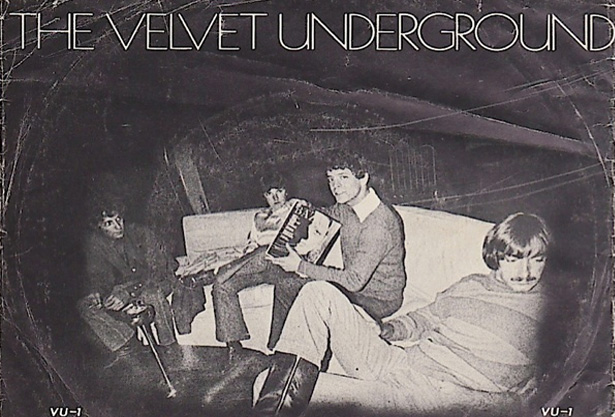
I well remem­ber stay­ing up late, the vol­ume turned down as low as pos­si­ble so as not to wake the fam­i­ly, and catch­ing videos for the Pix­ies’ “Here Comes Your Man” (above) and R.E.M.’s “It’s the End of the World (As We Know It),” among so many oth­er bands art-pop, new wave, post-punk, indus­tri­al, etc. The show was like a video ana­logue to Trouser Press—and brows­ing the online data­base of that “’bible’ of alter­na­tive rock” will give you a good sense of 120 Min­utes’ breadth. Though it fea­tured a very healthy mix of hard­core, elec­tron­ic, and new wave music from both sides of the pond, the show often seemed to be dom­i­nat­ed by British bands like the Cure (whose Robert Smith once guest host­ed), Depeche Mode, the Psy­che­del­ic Furs, and (sec­ond from top) Big Audio Dyna­mite, Mick Jones’ post-Clash project, which Lou Reed dis­cuss­es briefly in the clip at the top from his 1986 stint as a guest host. (See sev­er­al more clips of his host­ing here.)

In the 90s, 120 Min­utes became a show­case for much more home­grown prod­uct as the “blender of post-punk, goth, indus­tri­al, and jan­gle-rock gave way… to a coa­lesced grunge move­ment” after the seis­mic debut of Nirvana’s “Smells Like Teen Spir­it” in 1991, with the likes of Mud­honey, Soundgar­den, the Dandy Warhols, and the Smash­ing Pump­kins tak­ing over for much of the British new wave. Those who came of age in the 90s will remem­ber the show’s host Matt Pin­field­’s obses­sive, rock critic’s approach to “the rise and fall of alter­na­tive rock.” Soon, the show became a heav­i­ly eclec­tic mix: Brit pop arrived (along with the bag­gy Mad­ch­ester of the Hap­py Mon­days, Stone Ros­es, etc.), and “post-grunge bands, left of cen­ter singer-song­writ­ers, west coast ska-inspired bands, and alter­na­tive hip hop acts” joined the playlist.

The mid-nineties seem like gold­en years in ret­ro­spect. Flush with cash, record com­pa­nies threw mon­ey at any­thing vague­ly Nir­vana-shaped, which enabled a num­ber of excel­lent bands and artists to break out of their local scenes and into larg­er stu­dios and stages like the trav­el­ing cir­cus of Lol­la­palooza. (The sit­u­a­tion also pro­duced a drag of deriv­a­tive, dumb­ed-down awful­ness.) Scroll through the playlists Tyler C has com­piled for 1994, for exam­ple, a year I fond­ly, most­ly, remem­ber, to get a sense of the range of artists and gen­res the show embraced by this time—from the ham­mer­ing indus­tri­al-met­al of Min­istry (above) to the hazy, ethe­re­al psych-folk of Mazzy Star (below). Post-Nir­vana “alter­na­tive rock” went so main­stream that the net­work even­tu­al­ly ran a com­pan­ion show every week­night called Alter­na­tive Nation, so named despite the fact that “alter­na­tive” came to mean pre­cise­ly the oppo­site of the out­sider sta­tus it had once described.

The boom times couldn’t last. As the mil­len­ni­um waned, so did the hey­day of alt-rock music videos. Real­i­ty TV and bub­blegum pop took over. “In the era of TRL,” writes Tyler C, “the future of 120 Min­utes on MTV was uncer­tain.” As MTV rel­e­gat­ed music videos—once its rai­son d’e­tre—to the mar­gins, 120 Min­utes became MTV’s “de fac­to rock show,” then moved to MTV 2, then off the air alto­geth­er in 2003 after a 17-year run. Then, as indie rock ascend­ed to pop­u­lar­i­ty, the show was revived for a 2003–2011 run as Sub­ter­ranean and again as 120 Min­utes until 2013.

Though Tyler C’s exhaus­tive archive con­tains few actu­al clips from the show, it does doc­u­ment 120 Min­utes’ entire his­to­ry, from its under­ground late 80s incep­tion, through the main­stream 90s, and into the sub­dued 2000’s, with playlists from each episode and, writes Buz­zfeed, “his­to­ries of what bands played, descrip­tions of tours the show appeared on, and anec­dotes where pos­si­ble.” You can watch full episodes of the show’s last cou­ple years with Matt Pin­field on MTV Hive (Many, like this one, broad­cast from New York’s Cake Shop).

The archive, Tyler told Buz­zfeed, res­onates with Gen X’ers because “it’s all about nostalgia”—and I can cer­tain­ly tes­ti­fy to that effect—and appeals to younger peo­ple “because that era of music in the ’90s was so impor­tant. It was the age of EVERYTHING alter­na­tive.” For those of us who lived through the decade, and who aged out of MTV’s demo­graph­ic around the time that Tyler aged in, it’s also an oppor­tu­ni­ty to catch up with lat­er sea­sons of the show we prob­a­bly missed. They may be as essen­tial someday—in their own way—as the ones we so wist­ful­ly recall.

via Dan­ger­ous Minds

Relat­ed Con­tent:

The First Live Per­for­mance of Nirvana’s “Smells Like Teen Spir­it” (1991)

Jim Jarmusch’s Anti-MTV Music Videos for Talk­ing Heads, Neil Young, Tom Waits & Big Audio Dyna­mite

The First 10 Videos Played on MTV: Rewind the Video­tape to August 1, 1981

Josh Jones is a writer and musi­cian based in Durham, NC. Fol­low him at @jdmagness

Download Two Harry Potter Audio Books for Free (and Get the Rest of the Series for Cheap)

harry potter free audible

FYI: If you’re look­ing to down­load the Har­ry Pot­ter series as audio books, here’s a way to get two books in the series for free, and the rest at a steep dis­count.

In recent months, Audi­ble (the audio books com­pa­ny owned by Ama­zon) began mak­ing Har­ry Pot­ter books avail­able for down­load. Now here’s what you need to know: If you sign up for Audible’s 30-Day Free Tri­al Pro­gram, you can down­load two audio books for free, includ­ing two books from the Har­ry Pot­ter series. Then, once the free tri­al is over, you can decide whether you want to become an ongo­ing Audi­ble sub­scriber or not. Regard­less of what deci­sion you make, you can keep the two free audio books.

If you remain an Audi­ble sub­scriber (like I have), you can down­load addi­tion­al books at a rate of $14.95 each. That means you can get the remain­ing 5 books in the Har­ry Pot­ter series for $74.75 in total—which is sig­nif­i­cant­ly cheap­er than pay­ing $242.94, the price that Pot­ter­more cur­rent­ly charges for the set.

To get start­ed, you can go to this page, sign up for Audible’s 30-Day Free Tri­al Pro­gram, and then down­load your first two Har­ry Pot­ter books for free.

NB: Audi­ble is an Amazon.com sub­sidiary, and we’re a mem­ber of their affil­i­ate pro­gram.

Relat­ed Con­tent:

1,000 Free Audio Books: Down­load Great Books for Free

Down­load a Free Course from “The Great Cours­es” Through Audible.com’s Free Tri­al Pro­gram

How J.K. Rowl­ing Plot­ted Har­ry Pot­ter with a Hand-Drawn Spread­sheet

J.K. Rowl­ing Tells Har­vard Grads Why Suc­cess Begins with Fail­ure

Twi­light Series: How to Get Free Audio Books

Free Audio: Down­load the Com­plete Chron­i­cles of Nar­nia by C.S. Lewis

by | Permalink | Make a Comment ( 4 ) |

What Gravitational Waves Sound Like: New Audio of Black Holes Colliding Confirms Predictions Einstein Made 100 Years Ago

On Thurs­day, sci­en­tists announced that they had record­ed the sound of two black holes col­lid­ing a bil­lion light years away, pro­vid­ing the first real proof that grav­i­ta­tion­al waves actu­al­ly exist–something Albert Ein­stein pre­dict­ed 100 years ago in his famous paper on gen­er­al rel­a­tiv­i­ty. If you would like an intro­duc­tion to the whole con­cept of grav­i­ta­tion­al waves, I’d rec­om­mend watch­ing the ani­ma­tion below, cre­at­ed by PhD Comics–the same folks who cre­at­ed a handy ani­ma­tion explain­ing the Hig­gs Boson when it was con­firmed back in 2012.

But, for the moment, I’d real­ly like you to lis­ten to the “Grav­i­ta­tion­al Wave Chirp,” the audio record­ing unveiled by sci­en­tists this week. (Hear it up top.) As The New York Times describes it, the chirp ris­es to “the note of mid­dle C before abrupt­ly stop­ping,” And it’s like­ly to “take its place among the great sound bites of sci­ence,” rank­ing up there with Alexan­der Gra­ham Bell’s “Mr. Wat­son — come here” and Sputnik’s first beeps from orbit.” Decades from now, you can tell your grand­kids you heard it here first.

Relat­ed Con­tent:

The Hig­gs Boson, AKA the God Par­ti­cle, Explained with Ani­ma­tion

Free Online Physics Cours­es, part of our larg­er col­lec­tion, 1,700 Free Online Cours­es from Top Uni­ver­si­ties

Grav­i­ty Visu­al­ized by High School Teacher in an Amaz­ing­ly Ele­gant & Sim­ple Way

by | Permalink | Make a Comment ( 4 ) |

Music in the Brain: Scientists Finally Reveal the Parts of Our Brain That Are Dedicated to Music

The late neu­rol­o­gist and writer Oliv­er Sacks had a big hit back in 2007 with his book Musi­cophil­ia: Tales of Music and the Brain, address­ing as it did from Sacks’ unquench­ably brain- and music-curi­ous per­spec­tive a con­nec­tion almost all of us feel instinc­tive­ly. We know we love music, and we know that love must have some­thing to do with how our brains work, but for most of human his­to­ry we haven’t had many cred­i­ble expla­na­tions for what’s going on. But sci­ence has dis­cov­ered more about the rela­tion­ship between music and the brain, and we’ve post­ed about some of those fas­ci­nat­ing dis­cov­er­ies as they come out. (Have a look at all the relat­ed posts below.)

But now, a study from MIT’s McGov­ern Insti­tute for Brain Research has revealed exact­ly which parts of our brains respond specif­i­cal­ly to music. They’ve put out a brief video of this research, which you can watch above, explain­ing their process, which involved putting sub­jects into an MRI and play­ing them var­i­ous sounds, then study­ing how their brains respond­ed dif­fer­ent­ly to music than to, say, the spo­ken word or a flush­ing toi­let. Not look­ing to test any hypoth­e­sis in par­tic­u­lar, the research team found “strik­ing selec­tiv­i­ty” in which regions of the brain lit up, in their spe­cial­ly designed ana­lyt­i­cal mod­el, in response to music.

“Why do we have music?” asks the McGov­ern Insti­tute’s Dr. Nan­cy Kan­wish­er in a New York Times arti­cle on the research by Natal­ie Ang­i­er. “Why do we enjoy it so much and want to dance when we hear it? How ear­ly in devel­op­ment can we see this sen­si­tiv­i­ty to music, and is it tun­able with expe­ri­ence? These are the real­ly cool first-order ques­tions we can begin to address.” The piece also quotes Josef Rauscheck­er, direc­tor of the Lab­o­ra­to­ry of Inte­gra­tive Neu­ro­science and Cog­ni­tion at George­town Uni­ver­si­ty, cit­ing “the­o­ries that music is old­er than speech or lan­guage,” and that “some even argue that speech evolved from music,” which “works as a group cohe­sive. Music-mak­ing with oth­er peo­ple in your tribe is a very ancient, human thing to do.” Which all, of course, goes to sup­port the bold hypoth­e­sis put forth by the late Tow­er Records: No Music, No Life.

Relat­ed Con­tent:

The Neu­ro­science of Bass: New Study Explains Why Bass Instru­ments Are Fun­da­men­tal to Music

The Neu­ro­science of Drum­ming: Researchers Dis­cov­er the Secrets of Drum­ming & The Human Brain

Play­ing an Instru­ment Is a Great Work­out For Your Brain: New Ani­ma­tion Explains Why

New Research Shows How Music Lessons Dur­ing Child­hood Ben­e­fit the Brain for a Life­time

Why We Love Rep­e­ti­tion in Music: Explained in a New TED-Ed Ani­ma­tion

This is Your Brain on Jazz Impro­vi­sa­tion: The Neu­ro­science of Cre­ativ­i­ty

Free Online Psy­chol­o­gy & Neu­ro­science Cours­es

Based in Seoul, Col­in Mar­shall writes and broad­casts on cities, lan­guage, and style. He’s at work on a book about Los Ange­les, A Los Ange­les Primer, the video series The City in Cin­e­ma, the crowd­fund­ed jour­nal­ism project Where Is the City of the Future?, and the Los Ange­les Review of Books’ Korea Blog. Fol­low him on Twit­ter at @colinmarshall or on Face­book.

LIFE Magazine’s Guide to Kissing, Circa 1942

Once upon a time, in the mid­dle of World War II, there was a right way to do it. And a wrong way to do it. Are there rules in 2016? And what would they look like? That’s your home­work assign­ment for this Valen­tine’s Day week­end.

Relat­ed Con­tent:

Broke­back Before Broke­back: The First Same-Sex Kiss in Cin­e­ma (1927)

The Sto­ry Behind Rodin’s ‘The Kiss’

Three “Anti-Films” by Andy Warhol: Sleep, Eat & Kiss

by | Permalink | Make a Comment ( 2 ) |

Celebrate Valentine’s Day with a Charming Stop Motion Animation of an E.E. Cummings’ Love Poem

Valentine’s Day draws nigh, and we can only assume our read­ers are des­per­ate­ly won­der­ing how to declaim love poet­ry with­out look­ing like a total prat.

Set it to music?

Go for it, but let’s not for­get the fate of that soul­ful young fel­low on the stairs of Ani­mal House when his sweet airs fell upon the ears of John Belushi.

Sarah Huff, a young and relent­less­ly crafty blog­ger, hit upon a much bet­ter solu­tion when ani­mat­ing E.E. Cum­mings’ 1952 poem [i car­ry your heart with me(i car­ry it in] for an Amer­i­can Lit­er­a­ture class’ final project at Sin­clair Com­mu­ni­ty Col­lege.

Her con­struc­tion paper cutouts are charm­ing, but what real­ly makes her ren­der­ing sing is the way she takes the pres­sure off by set­ting it to an entire­ly dif­fer­ent love song. (Echoes of Cum­mings’ goat-foot­ed bal­loon man in Ter­ra Schnei­der’s Bal­loon (a.k.a. The Begin­ning)?)

Released from the poten­tial per­ils of a too sonorous inter­pre­ta­tion, the poet’s lines gam­bol play­ful­ly through­out the pro­ceed­ings, spelled out in util­i­tar­i­an alpha­bet stick­ers.

It’s pret­ty pud­dle-won­der­ful.

Watch it with your Valen­tine, and leave the read aloud to the punc­tu­a­tion-averse Cum­mings, below.

[i car­ry your heart with me(i car­ry it in]

i car­ry your heart with me(i car­ry it in

my heart)i am nev­er with­out it(anywhere

i go you go,my dear;and what­ev­er is done

by only me is your doing,my dar­ling)

                                                      i fear

no fate(for you are my fate,my sweet)i want

no world(for beau­ti­ful you are my world,my true)

and it’s you are what­ev­er a moon has always meant

and what­ev­er a sun will always sing is you

here is the deep­est secret nobody knows

(here is the root of the root and the bud of the bud

and the sky of the sky of a tree called life;which grows

high­er than soul can hope or mind can hide)

and this is the won­der that’s keep­ing the stars apart

i car­ry your heart(i car­ry it in my heart

Relat­ed Con­tent:

E.E. Cum­mings Recites ‘Any­one Lived in a Pret­ty How Town,’ 1953

Famous Writ­ers’ Report Cards: Ernest Hem­ing­way, William Faulkn­er, Nor­man Mail­er, E.E. Cum­mings & Anne Sex­ton

The Mys­ti­cal Poet­ry of Rumi Read By Til­da Swin­ton, Madon­na, Robert Bly & Cole­man Barks

This is Your Brain in Love: The Stanford Love Competition Shows What Love Looks Like on an MRI

We hear it so often it’s almost a cliché, one I’m sure I’ve repeat­ed with­out giv­ing it much thought: You can’t mea­sure love in a lab­o­ra­to­ry. But we prob­a­bly can, in fact. Or at least neu­ro­sci­en­tists can. Last year, one joint Chi­nese and Amer­i­can team of neu­ro­sci­en­tists did just that, defin­ing the feel­ing we call love as “a moti­va­tion­al state asso­ci­at­ed with a desire to enter or main­tain a close rela­tion­ship with a spe­cif­ic oth­er per­son.” This doesn’t cov­er the love of pets, food, or sun­sets, but it gets at what we cel­e­brate with can­dy and red tchotchkes every year around this time, as well as the love we have for friends or fam­i­ly.

Using fMRI scans of three groups of 100 men and women, the researchers found that an “in-love group had more increased activ­i­ty across sev­er­al brain regions involved in reward, moti­va­tion, emo­tion, and social func­tion­ing,” reports Med­ical Dai­ly. The longer peo­ple had been “in love,” the greater the brain activ­i­ty in these regions. Whether the brain states cause the emo­tion, or the emo­tion caus­es the brain states, or they are one in the same, I can’t say, but the fact remains: love can be quan­tifi­ably mea­sured.

Mean­while, Brent Hoff sep­a­rate­ly decid­ed to exploit this fact for what he calls a “Love Com­pe­ti­tion.” With the help of Stanford’s Cen­ter for Cog­ni­tive Neu­ro­bi­o­log­i­cal Imag­ing (CNI), Hoff enlist­ed sev­en con­tes­tants of vary­ing ages—from 10 to 75—and gen­ders to enter an fMRI machine and “love some­one as hard as they can” for five min­utes. Who­ev­er gen­er­ates the most activ­i­ty in regions “pro­duc­ing the neu­ro­chem­i­cal expe­ri­ence of love” wins. Gives you the warm fuzzies, right?

While “the idea that love can be mea­sured may seem deeply unro­man­tic,” writes Aeon mag­a­zine, “the results were any­thing but.” The con­tes­tants were not restrict­ed to roman­tic love. Ten-year-old Milo gives his love to a new baby cousin, because “she’s very cute.” Dr. Bob Dougher­ty of CNI pre­dicts ear­ly on that an “old­er guy” like him­self might win because expe­ri­ence would bet­ter help him con­trol the emo­tion. But at the begin­ning, it’s any­one’s game. Watch the com­pe­ti­tion above and find out who wins.

Giv­en that this is billed as the “1st Annu­al Love Com­pe­ti­tion,” might we expect anoth­er this year?

Relat­ed Con­tent:

What is Love? BBC Phi­los­o­phy Ani­ma­tions Fea­ture Sartre, Freud, Aristo­phanes, Dawkins & More

This Is Your Brain on Jane Austen: The Neu­ro­science of Read­ing Great Lit­er­a­ture

Steven Pinker Explains the Neu­ro­science of Swear­ing (NSFW)

Josh Jones is a writer and musi­cian based in Durham, NC. Fol­low him at @jdmagness

Hear Gabriel García Márquez’s Extraordinary Nobel Prize Acceptance Speech, “The Solitude Of Latin America,” in English & Spanish (1982)

From the very begin­ning of Europe’s incur­sions into the so-called New World, the ecol­o­gy, the peo­ple, and the civ­i­liza­tions of the Amer­i­c­as became trans­mut­ed into leg­end and fan­ta­sy. Ear­ly explor­ers imag­ined the land­scape they encoun­tered as filled with marvels—creatures that arose from their own uncon­scious and from a lit­er­ary his­to­ry of exot­ic myths dat­ing back to antiq­ui­ty. And as the native peo­ple assumed the char­ac­ter of giants and mon­sters, sav­ages and demons in trav­el accounts, their cities became repos­i­to­ries of unimag­in­able wealth, ripe for the tak­ing.

Fore­most among these leg­ends was the city of El Dora­do. Sought by the Span­ish, Ital­ians, and Por­tuguese through­out the 15th and 16th cen­turies and by Wal­ter Raleigh in the 17th, “El Dora­do,” says folk­lorist Jim Grif­fith, “shift­ed geo­graph­i­cal loca­tions until final­ly it sim­ply meant a source of untold rich­es some­where in the Amer­i­c­as.” A cou­ple hun­dred years after Raleigh’s last ill-fat­ed expe­di­tion, Edgar Allan Poe sug­gest­ed the loca­tion of this city: “Over the Moun­tains of the Moon, down the Val­ley of the Shad­ow, ride, bold­ly ride… if you seek for El Dora­do.”

These colo­nial encoun­ters, and the fever­ish accounts they pro­duced, “con­tained the seeds,” says Gabriel Gar­cía Márquez in his 1982 Nobel Prize accep­tance speech, “of our present-day nov­els.” El Dora­do, “our so avid­ly sought and illu­so­ry land,” remained on imag­i­nary maps of explor­ers well past the age of explo­ration: “As late as the last cen­tu­ry, a Ger­man mis­sion appoint­ed to study the con­struc­tion of an inte­ro­cean­ic rail­road… con­clud­ed that the project was fea­si­ble” only if the rails were made of gold.

As Márquez’s work has often recount­ed, espe­cial­ly his epic One Hun­dred Years of Soli­tude, oth­er com­modi­ties suf­ficed when the gold didn’t mate­ri­al­ize, and the strug­gle between con­querors, adven­tur­ers, mer­ce­nar­ies, dic­ta­tors, and oppor­tunists on the one hand, and peo­ple fierce­ly deter­mined to sur­vive on the oth­er has made “Latin Amer­i­ca… a bound­less realm of haunt­ed men and his­toric women, whose unend­ing obsti­na­cy blurs into leg­end. We have not had a moment’s rest.”

Márquez’s speech, “The Soli­tude of Latin Amer­i­ca,” weaves togeth­er the region’s found­ing his­to­ry, its lit­er­a­ture, and its bloody civ­il wars, mil­i­tary coups, and “the first Latin Amer­i­can eth­no­cide of our time” into an accu­mu­lat­ing account of “immea­sur­able vio­lence and pain,” the result of “age-old inequities and untold bit­ter­ness… oppres­sion, plun­der­ing and aban­don­ment.” To this cat­a­logue, “we respond with life,” says Márquez, while “the most pros­per­ous coun­tries have suc­ceed­ed in accu­mu­lat­ing pow­ers of destruc­tion such as to anni­hi­late, a hun­dred times over… the total­i­ty of all liv­ing beings that have ever drawn breath on this plan­et of mis­for­tune.”

From the utopi­an dream of cities of gold and end­less wealth, we arrive at a dystopi­an world bent on destroy­ing itself. And yet,“faced with this awe­some real­i­ty,” Márquez refus­es to despair. He quotes from his lit­er­ary hero William Faulkner’s Nobel speech—“I decline to accept the end of man”—then artic­u­lates anoth­er vision:

We, the inven­tors of tales, who will believe any­thing, feel enti­tled to believe that it is not yet too late to engage in the cre­ation of the oppo­site utopia. A new and sweep­ing utopia of life, where no one will be able to decide for oth­ers how they die, where love will prove true and hap­pi­ness be pos­si­ble, and where the races con­demned to one hun­dred years of soli­tude will have, at last and for­ev­er, a sec­ond oppor­tu­ni­ty on earth.

You can hear all of Márquez’s extra­or­di­nary speech read in Eng­lish at the top of the post, and in Span­ish by Márquez him­self below that. The lat­ter was made avail­able by Maria Popo­va, and you can read a full tran­script of the speech in Eng­lish at Brain Pick­ings.

via Brain Pick­ings

Relat­ed Con­tent:

Read 10 Short Sto­ries by Gabriel Gar­cía Márquez Free Online (Plus More Essays & Inter­views)

Gabriel Gar­cía Márquez Describes the Cul­tur­al Mer­its of Soap Operas, and Even Wrote a Script for One

William Faulkn­er Reads His Nobel Prize Speech

Josh Jones is a writer and musi­cian based in Durham, NC. Fol­low him at @jdmagness

Neil Gaiman Presents “How Stories Last,” an Insightful Lecture on How Stories Change, Evolve & Endure Through the Centuries

gaiman how stories last

Image by Thier­ry Ehrmann, via Flickr Com­mons

Every­body knows Neil Gaiman, but they all know him best for dif­fer­ent work: writ­ing com­ic books like Sand­man, nov­els like Amer­i­can Gods, tele­vi­sion series like Nev­er­where, movies like Mir­ror­Mask, an ear­ly biog­ra­phy of Duran Duran. What does all that — and every­thing else in the man’s pro­lif­ic career — have in com­mon? Sto­ries. Every piece of work Gaiman does involves him telling a sto­ry of one kind or anoth­er, and so his pro­file in the cul­ture has risen to great heights as, sim­ply, a sto­ry­teller. That made him just the right man for the job when the Long Now Foun­da­tion, with its mis­sion of think­ing far back into the past and far for­ward into the future, need­ed some­one to talk about how cer­tain sto­ries sur­vive through both those time frames and beyond.

“Do sto­ries grow?” Gaiman asks his years-in-the-mak­ing Long Now lec­ture, lis­ten­able on Sound­cloud right below or view­able as a video here. “Pret­ty obvi­ous­ly — any­body who has ever heard a joke being passed on from one per­son to anoth­er knows that they can grow, they can change. Can sto­ries repro­duce? Well, yes. Not spon­ta­neous­ly, obvi­ous­ly — they tend to need peo­ple as vec­tors. We are the media in which they repro­duce; we are their petri dish­es.” He goes on to bring out exam­ples from cave paint­ings, to secret retellings of Gone with the Wind in a Nazi con­cen­tra­tion camp, to a warn­ing to future gen­er­a­tions not to dig into nuclear waste sites — designed for pas­sage into the minds of pos­ter­i­ty as a robust­ly craft­ed sto­ry.

Sto­ries, writes the Long Now Foun­da­tion founder Stew­art Brand, “out­com­pete oth­er sto­ries by hang­ing over time. They make it from medi­um to medi­um — from oral to writ­ten to film and beyond. They lose unin­ter­est­ing ele­ments but hold on to the most com­pelling bits or even add some.” He knows that, Gaiman knows that, and I think that all of us who have told sto­ries sense its truth on an instinc­tive lev­el: “The most pop­u­lar ver­sion of the Cin­derel­la sto­ry (which may have orig­i­nat­ed long ago in Chi­na) has kept the glo­ri­ous­ly unlike­ly glass slip­per intro­duced by a care­less French telling.”

Anoth­er beloved British teller of tales, Dou­glas Adams, also had thoughts on the almost bio­log­i­cal nature of lit­er­a­ture. “We were talk­ing about The Hitchhiker’s Guide to the Galaxy,” Gaiman recalled else­where, “which was some­thing which resem­bled an iPad, long before it appeared. And I said when some­thing like that hap­pens, it’s going to be the death of the book. Dou­glas said no. Books are sharks.” And what did he mean by that? “Sharks have been around for a very long time. There were sharks before there were dinosaurs, and the rea­son sharks are still in the ocean is that noth­ing is bet­ter at being a shark than a shark.” So not only do the best sto­ries evolve to last the longest, so do the forms they take.

You can find 18 sto­ries by Neil Gaiman (all free) in this col­lec­tion.

Relat­ed Con­tent:

George Saun­ders Demys­ti­fies the Art of Sto­ry­telling in a Short Ani­mat­ed Doc­u­men­tary

48 Hours of Joseph Camp­bell Lec­tures Free Online: The Pow­er of Myth & Sto­ry­telling

Neil Gaiman Reads “The Man Who For­got Ray Brad­bury”

Where Do Great Ideas Come From? Neil Gaiman Explains

Aman­da Palmer Ani­mates & Nar­rates Hus­band Neil Gaiman’s Uncon­scious Mus­ings

Based in Seoul, Col­in Mar­shall writes and broad­casts on cities and cul­ture. He’s at work on a book about Los Ange­les, A Los Ange­les Primer, the video series The City in Cin­e­ma, the crowd­fund­ed jour­nal­ism project Where Is the City of the Future?, and the Los Ange­les Review of Books’ Korea Blog. Fol­low him on Twit­ter at @colinmarshall or on Face­book.

Take a Free Online Course on Making Animations from Pixar & Khan Academy

It’s a good month for nur­tur­ing your cre­ativ­i­ty: the Cal­i­for­nia Col­lege of the Arts just launched a free course on mak­ing comics. And now comes anoth­er free course that will teach you the basics of ani­ma­tion. Pixar and Khan Acad­e­my have teamed up to cre­ate “Pixar in a Box,” a free online cur­ricu­lum that shows how Pixar artists use com­put­er sci­ence and math con­cepts to cre­ate their inno­v­a­tive films. Top­ic include Rig­ging (how char­ac­ters are brought to life with con­trols), Ren­der­ing (how pix­els are paint­ed using alge­bra ), Char­ac­ter Mod­el­ing (how clay mod­els are trans­formed into dig­i­tal char­ac­ters using weight­ed aver­ages) and more. Enter the self-paced series of lessons, each filled with instruc­tive videos, here.

If you would like to sign up for Open Culture’s free email newslet­ter, please find it here. It’s a great way to see our new posts, all bun­dled in one email, each day.

If you would like to sup­port the mis­sion of Open Cul­ture, con­sid­er mak­ing a dona­tion to our site. It’s hard to rely 100% on ads, and your con­tri­bu­tions will help us con­tin­ue pro­vid­ing the best free cul­tur­al and edu­ca­tion­al mate­ri­als to learn­ers every­where. You can con­tribute through Pay­Pal, Patre­on, and Ven­mo (@openculture). Thanks!

via Make

Relat­ed Con­tent:

Pixar’s 22 Rules of Sto­ry­telling … Makes for an Addic­tive Par­lor Game

Take a Free Online Course on Mak­ing Com­ic Books, Com­pli­ments of the Cal­i­for­nia Col­lege of the Arts

Lyn­da Barry’s Illus­trat­ed Syl­labus & Home­work Assign­ments from Her New UW-Madi­son Course, “Mak­ing Comics”

Down­load 15,000+ Free Gold­en Age Comics from the Dig­i­tal Com­ic Muse­um

1150 Free Online Cours­es from Top Uni­ver­si­ties

by | Permalink | Make a Comment ( 52 ) |

Download Hundreds of Van Gogh Paintings, Sketches & Letters in High Resolution

VG Self Portrait 1887

As a cal­low young art stu­dent in high school, I dear­ly want­ed, and tried, to see the world with the same furi­ous inten­si­ty as Vin­cent van Gogh, and to cap­ture that kind of vision on paper and can­vas. I lat­er real­ized with cha­grin as I stood in a line sev­er­al blocks long for a wild­ly pop­u­lar exhib­it (Van Gogh’s Van Goghs at the Nation­al Gallery of Art) that I was but one of mil­lions who want­ed to see the world through Van Gogh’s eyes.

After wait­ing for what seemed like for­ev­er, not only could I bare­ly get a glimpse of any of the paint­ings through the scrum of tourists and gawk­ers, but I felt—in my pro­tec­tive bub­ble of Van Gogh veneration—that these peo­ple couldn’t pos­si­bly get Van Gogh the way I got Van Gogh.

VG Portrait of Theo

Well, every­body has their own ver­sion of Van Gogh, per­haps, but one I’ve out­grown is the mad, mag­i­cal genius whose men­tal ill­ness act­ed as a trag­ic but nec­es­sary con­di­tion for his tran­scen­dent­ly pas­sion­ate work. Maybe it’s age and some famil­iar­i­ty with life’s hard­ship, but I no longer roman­ti­cize Van Gogh’s suf­fer­ing. And per­haps a more real­is­tic view of what was like­ly debil­i­tat­ing bipo­lar dis­or­der has giv­en me an even greater appre­ci­a­tion for his accom­plish­ments. Dur­ing the brief 10-year peri­od that Van Gogh pur­sued his art, he was as ded­i­cat­ed as it’s pos­si­ble to be—producing near­ly 900 can­vas­es and over 1,100 works on paper, and alter­ing the way we see the world, all while expe­ri­enc­ing severe­ly crip­pling bouts of depres­sion, anx­i­ety, and self doubt; hav­ing his neigh­bors ostra­cize and evict him from his home; and spend­ing most of his final year in an insti­tu­tion.

VG Head of a Skeleton

Sad­ly, he felt him­self a medi­oc­rity at best, a fail­ure at worst. As the Met­ro­pol­i­tan Muse­um of Art writes, “in 1890,” the final year of his life, “he mod­est­ly assessed his artis­tic lega­cy as of ‘very sec­ondary’ impor­tance.” (This despite the appre­ci­a­tion he’d begun to receive from sev­er­al gallery show­ings.) The posthu­mous recep­tion of his work—ubiquitously repro­duced and admired by count­less throngs in exhib­it after exhibit—can do noth­ing now to lift his spir­its, but sure­ly vin­di­cates his prodi­gious effort. Van Gogh’s fame has had the unfor­tu­nate side effect of crowd­ing out many stu­dents of his art from gallery exhi­bi­tions. Yet this dif­fi­cul­ty need not now pre­vent them from sur­vey­ing and see­ing up close his huge body of work in dig­i­tal archives like that of the Van Gogh Muse­um in Ams­ter­dam, the largest Van Gogh col­lec­tion in the world.

VG Letter to Theo with Willow

By enter­ing the col­lec­tion, you can see, for exam­ple, Self Por­trait with Straw Hat, at the top, from 1887, or the strik­ing­ly sim­i­lar por­trait of his broth­er and staunch sup­port­er Theo from the same year, just below it. Fur­ther down is the dark­ly humor­ous Head of a Skele­ton With a Burn­ing Cig­a­rette from 1886, and just above, see an 1882 let­ter to Theo, with a beau­ti­ful sketch of a Pol­lard Wil­low, an image he com­mit­ted to can­vas that year. Just below, see an inter­est­ing exam­ple of the very begin­nings of Van Gogh’s posthu­mous canonization—an 1891 cov­er sketch and short trib­ute arti­cle in the French satir­i­cal mag­a­zine Les hommes D’Aujourd’hui.

VG Les Hommes cover

You can search or browse the col­lec­tion, and down­load and view these images, and many hun­dreds more paint­ings, sketch­es, draw­ings, let­ters, and much more, in res­o­lu­tion high enough to zoom in to every indi­vid­ual brush­stroke and ink pen flour­ish. Miss­ing from the expe­ri­ence is the three-dimen­sion­al­i­ty of Van Gogh’s heav­i­ly tex­tur­al paint­ing, but nowhere else will you have this lev­el of acces­si­bil­i­ty to so much of his work and life.

VG Head of a Woman

Note: An ear­li­er ver­sion of this post appeared on our site in 2016.

Relat­ed Con­tent:

Vin­cent Van Gogh’s “The Star­ry Night”: Why It’s a Great Paint­ing in 15 Min­utes

Dis­cov­er the Only Paint­ing Van Gogh Ever Sold Dur­ing His Life­time

Vin­cent Van Gogh’s Final Paint­ing: Dis­cov­er Tree Roots, the Last Cre­ative Act of the Dutch Painter (1890)

Down­load Vin­cent van Gogh’s Col­lec­tion of 500 Japan­ese Prints, Which Inspired Him to Cre­ate “the Art of the Future”

Josh Jones is a writer and musi­cian based in Durham, NC.


  • Great Lectures

  • Sign up for Newsletter

  • About Us

    Open Culture scours the web for the best educational media. We find the free courses and audio books you need, the language lessons & educational videos you want, and plenty of enlightenment in between.


    Advertise With Us

  • Archives

  • Search

  • Quantcast