George Orwell Blasts American Fashion Magazines (1946)

Vogue-1940s

While the print mag­a­zine indus­try as a whole has seen bet­ter days, pub­li­ca­tions ded­i­cat­ed to wom­en’s fash­ion still go sur­pris­ing­ly strong. Per­haps as a result, they’ve con­tin­ued to attract crit­i­cism, not least for their high­ly spe­cif­ic, often high­ly altered visions of the sup­pos­ed­ly ide­al body image embla­zoned across their cov­ers. One crit­ic called it an “over­bred, exhaust­ed, even deca­dent style of beau­ty,” with near­ly all of the women on dis­play “immense­ly elon­gat­ed” with nar­row hips and “slen­der, non-pre­hen­sile hands like those of a lizard.”

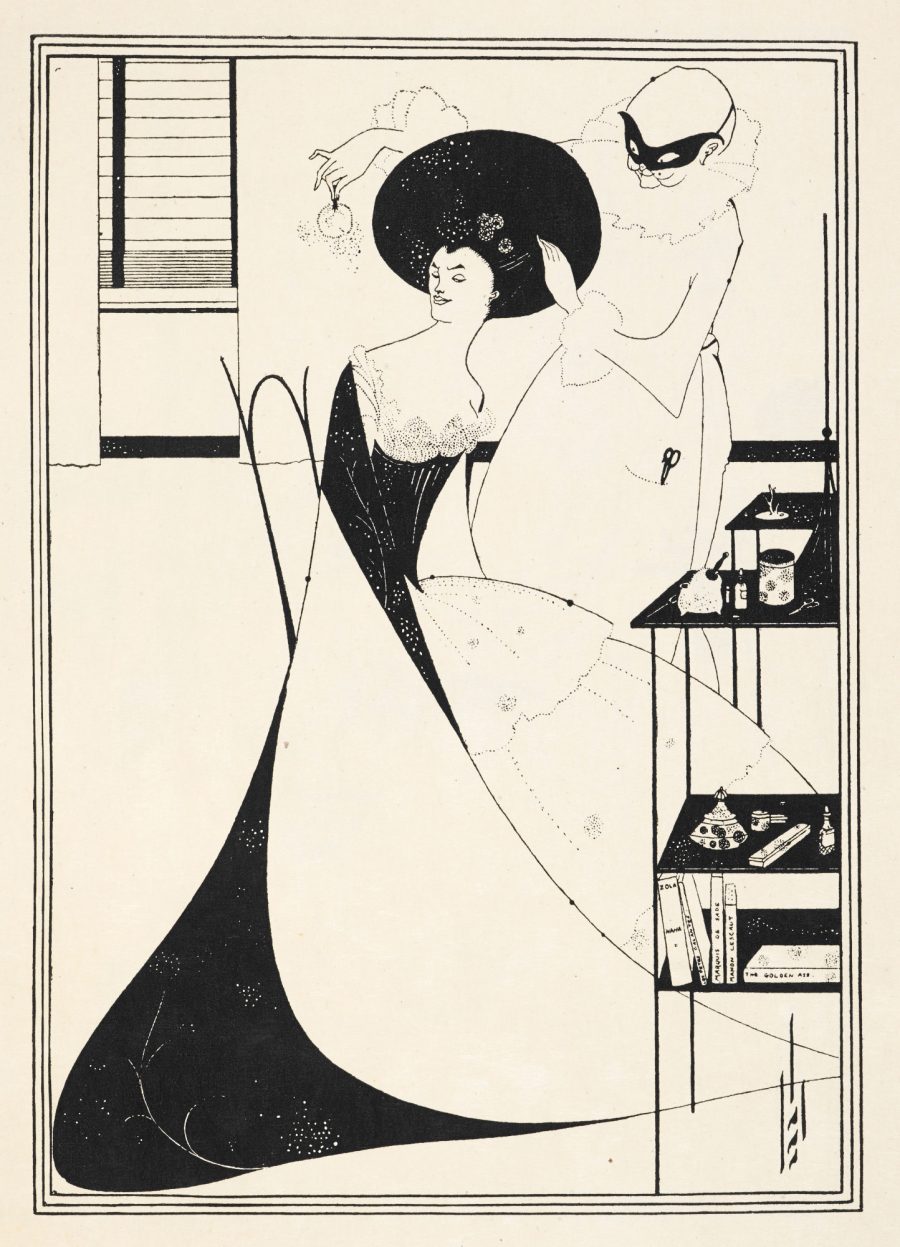
This hard­ly counts as a recent phe­nom­e­non; that par­tic­u­lar crit­i­cism comes from 1946, the crit­ic none oth­er than Ani­mal Farm and 1984 author George Orwell. He lodged his com­plaint against an “Amer­i­can fash­ion mag­a­zine which shall be name­less” in his “As I Please” col­umn for the British Tri­buneThe New Repub­lic, which sub­se­quent­ly ran Orwell’s broad­side state­side, re-pub­lished it on their web site last year. On the mag­a­zine’s cov­er Orwell sees a pho­to­graph of “the usu­al ele­gant female, stand­ing on a chair while a gray-haired, spec­ta­cled, crushed-look­ing man in shirt­sleeves kneels at her feet” — a tai­lor about to take a mea­sure­ment. “But to a casu­al glance he looks as though he were kiss­ing the hem of the woman’s garment—not a bad sym­bol­i­cal pic­ture of Amer­i­can civ­i­liza­tion.”

But this would­n’t count as an Orwellian indict­ment of the state of West­ern soci­ety with­out a harsh assess­ment of the lan­guage used, and the author of “Pol­i­tics and the Eng­lish Lan­guage” does­n’t neglect to make one here. In the fash­ion mag­a­zine Orwell finds “an extra­or­di­nary mix­ture of sheer lush­ness with clipped and some­times very expen­sive tech­ni­cal jar­gon. Words like suave-man­nered, cus­tom-fin­ished, con­tour-con­form­ing, mitt-back, inner-sole, back­dip, midriff, swoosh, swash, cur­va­ceous, slen­der­ize and pet-smooth are flung about with evi­dent full expec­ta­tion that the read­er will under­stand them at a glance. Here are a few sam­ple sen­tences tak­en at ran­dom”:

“A new Shim­mer Sheen col­or that sets your hands and his head in a whirl.” “Bared and beau­ti­ful­ly bosomy.” “Feath­ery-light Mil­liken Fleece to keep her kit­ten-snug!” “Oth­ers see you through a veil of sheer beau­ty, and they won­der why!” “An excla­ma­tion point of a dress that depends on flu­id fab­ric for much of its dra­ma.” “The mir­a­cle of fig­ure flat­tery!” “Molds your bosom into proud fem­i­nine lines.” “Isn’t it won­der­ful to know that Corsets wash and wear and whit­tle you down… even though they weigh only four ounces!” “The dis­tilled witch­ery of one woman who was for­ev­er desir­able… for­ev­er beloved… For­ev­er Amber.” And so on and so on and so on.

From what I can tell by the fash­ion mag­a­zines of 2015 my girl­friend leaves around the house, while the spe­cif­ic ter­mi­nol­o­gy might have changed, the brand-strewn over­all word­scape of mean­ing­less­ness and obscu­ran­tism remains. Orwell sure­ly did­n’t fore­see that lam­en­ta­ble lin­guis­tic and aes­thet­ic sit­u­a­tion chang­ing any time soon — though it might sur­prise him that, despite it all, Amer­i­can civ­i­liza­tion itself, in its char­ac­ter­is­ti­cal­ly unsleek, inel­e­gant, and pro­vi­sion­al way, has con­tin­ued lum­ber­ing on.

You can read Orwell’s short essay on Fash­ion here.

Relat­ed Con­tent:

George Orwell Reviews Mein Kampf (1940)

The Only Known Footage of George Orwell (Cir­ca 1921)

George Orwell and Dou­glas Adams Explain How to Make a Prop­er Cup of Tea

For 95 Min­utes, the BBC Brings George Orwell to Life

George Orwell’s Final Warn­ing: Don’t Let This Night­mare Sit­u­a­tion Hap­pen. It Depends on You!

Col­in Mar­shall writes on cities, lan­guage, Asia, and men’s style. He’s at work on a book about Los Ange­les, A Los Ange­les Primer, and the video series The City in Cin­e­ma. Fol­low him on Twit­ter at @colinmarshall or on Face­book.

Dr. Seuss’ World War II Propaganda Films: Your Job in Germany (1945) and Our Job in Japan (1946)

Most of us come to know the work of Theodor “Dr. Seuss” Geisel through his chil­dren’s books (I, for instance, remem­ber Hop on Pop as the first book I could read whole), and while he remains most famous as a pro­lif­ic teller and illus­tra­tor of sur­re­al­ly didac­tic tales for young­sters, his pro­duc­tiv­i­ty entered oth­er cul­tur­al areas as well. Per­haps the most sur­pris­ing chap­ter of his career hap­pened dur­ing the Sec­ond World War, when Seuss, who had already demon­strat­ed his strong anti-Hitler, anti-Mus­soli­ni, and pro-Roo­sevelt sen­ti­ments in polit­i­cal car­toons, went to work script­ing pro­pa­gan­da films.

Hav­ing joined the U.S. Army in 1943 as a Cap­tain, Seuss went on to take charge of the Ani­ma­tion Depart­ment of the Air Force’s First Motion Pic­ture Unit. Work­ing under Frank Capra toward the end of the war, he wrote the short films Your Job in Ger­many and Our Job in Japan, both intend­ed to get Amer­i­can sol­diers into the right mind­set for the occu­pa­tions of those defeat­ed coun­tries. “With your con­duct and atti­tude while inside Ger­many, you can lay the ground­work of a peace that could last for­ev­er,” says the nar­ra­tor of the for­mer, “Or just the oppo­site.”

Unlike the sim­i­lar­ly G.I.-targeted Pri­vate Sna­fu car­toons we fea­tured last year, noth­ing of Seuss’ fan­ci­ful style comes through in these films, which use all-too-real footage to illus­trate to “our boys” as vivid­ly as pos­si­ble what could go wrong if they let their guard down in these only-just-for­mer ene­my ter­ri­to­ries. “The Ger­man lust for con­quest is not dead,” the nar­ra­tor warns, “it’s mere­ly gone under­cov­er.”  The Ger­man peo­ple, he insists, “must prove they have been cured beyond the shad­ow of a doubt before they ever again are allowed to take their place among respectable nations.”

Our Job in Japan also holds out the prospect of a pro­longed peace — “peace, if we can solve the prob­lem of 70 mil­lion Japan­ese peo­ple.” But this short does­n’t have quite as damn­ing a tone as Your Job in Ger­many; instead, it focus­es on how best to reha­bil­i­tate an “old, back­ward, super­sti­tious coun­try” full of impres­sion­able peo­ple “trained to fol­low blind­ly wher­ev­er their lead­ers led them.” Accord­ing to the script, the emi­nent­ly teach­able and adapt­able “Japan­ese brain” just hap­pened to fall under the sway of war­lords who decid­ed it could “be hopped up to fight with fanat­i­cal fury.” Patron­iz­ing, cer­tain­ly, but a far cry from the pop­u­lar con­cep­tion in the west at the time of the Japan­ese as a cru­el, pow­er-mad race inher­ent­ly bent on blood­shed.

Seuss him­self had a his­to­ry of anti-Japan­ese car­toon­ing (also fea­tured on our site), but it seems his views had already begun to turn by the time of Our Job in Japan, which argues only for set­ting an exam­ple demon­strat­ing that “what we like to call the Amer­i­can Way, or democ­ra­cy, or just plain old Gold­en Rule com­mon sense is a pret­ty good way to live.” As a result, no less a play­er in the Pacif­ic the­ater than Dou­glas MacArthur found the film exces­sive­ly sym­pa­thet­ic to the Japan­ese and tried to have it sup­pressed, a kind of con­tro­ver­sy that nev­er erupt­ed around the likes of Hop on Pop. But as far as the actu­al win­ning of Japan­ese hearts and minds goes, I sus­pect Seuss’ chil­dren’s books have done a bet­ter job.

Relat­ed Con­tent:

New Archive Show­cas­es Dr. Seuss’s Ear­ly Work as an Adver­tis­ing Illus­tra­tor and Polit­i­cal Car­toon­ist

Pri­vate Sna­fu: The World War II Pro­pa­gan­da Car­toons Cre­at­ed by Dr. Seuss, Frank Capra & Mel Blanc

Dr. Seuss Draws Anti-Japan­ese Car­toons Dur­ing WWII, Then Atones with Hor­ton Hears a Who!

Don­ald Duck’s Bad Nazi Dream and Four Oth­er Dis­ney Pro­pa­gan­da Car­toons from World War II

“The Duck­ta­tors”: Loony Tunes Turns Ani­ma­tion into Wartime Pro­pa­gan­da (1942)

200 Ansel Adams Pho­tographs Expose the Rig­ors of Life in Japan­ese Intern­ment Camps Dur­ing WW II

Col­in Mar­shall writes on cities, lan­guage, Asia, and men’s style. He’s at work on a book about Los Ange­les, A Los Ange­les Primer, and the video series The City in Cin­e­ma. Fol­low him on Twit­ter at @colinmarshall or on Face­book.

Free: Listen to John Rawls’ Course on “Modern Political Philosophy” (Recorded at Harvard, 1984)

Some of the most-ref­er­enced West­ern polit­i­cal thinkers—like Thomas Hobbes, John Locke, and Thomas Jef­fer­son—have tak­en hier­ar­chies of class, race, or both, for grant­ed. Not so some of their more rad­i­cal con­tem­po­raries, like Jean-Jacques Rousseau and Thomas Paine, who made force­ful argu­ments against inequal­i­ty. A strain of utopi­anism runs through more egal­i­tar­i­an posi­tions, and a cal­cu­lat­ing prag­ma­tism through more lib­er­tar­i­an. Rarely have these two threads woven neat­ly togeth­er.

In the work of 20th cen­tu­ry polit­i­cal philoso­pher John Rawls, they do, with maybe a knot or a kink here and there, in a unique phi­los­o­phy first artic­u­lat­ed in his 1971 book A The­o­ry of Jus­tice, a nov­el attempt at rec­on­cil­ing abstract prin­ci­ples of lib­er­ty and equal­i­ty (recent­ly turned into a musi­cal.)

Like the Enlight­en­ment philoso­phers before him, Rawls’ sys­tem of dis­trib­u­tive jus­tice invokes a thought exper­i­ment as the ground of his phi­los­o­phy, but it is not an orig­i­nal myth, like the state of nature in near­ly every ear­ly mod­ern thinker, but an orig­i­nal posi­tion, as he calls it, of a soci­ety that lives behind a “veil of igno­rance.” In this con­di­tion, wrote Rawls:

No one knows his place in soci­ety, his class posi­tion or social sta­tus, nor does any­one know his for­tune in the dis­tri­b­u­tion of nat­ur­al assets and abil­i­ties, his intel­li­gence, strength, and the like. I shall even assume that the par­ties do not know their con­cep­tions of the good or their spe­cial psy­cho­log­i­cal propen­si­ties. The prin­ci­ples of jus­tice are cho­sen behind a veil of igno­rance.

Clear­ly, then, this idea pre­sup­pos­es the oppo­site of a mer­i­toc­ra­cy built on labor, con­quest, or nat­ur­al supe­ri­or­i­ty. In fact, some of Rawls’ crit­ics sug­gest­ed, the “orig­i­nal posi­tion” pre­sup­pos­es a kind of noth­ing­ness, a state of inco­her­ent nonex­is­tence. What does it mean, after all, to exist with­out his­to­ries, dif­fer­ences, attrib­ut­es, or aspi­ra­tions? And how can we visu­al­ize an equal­i­ty of con­di­tions when no one expe­ri­ences any­thing like it? What kind of posi­tion can pos­si­bly be “orig­i­nal”?

To clar­i­fy his the­o­ry and answer rea­son­able objec­tions, Rawls fol­lowed A The­o­ry of Jus­tice with a 1985 essay called “Jus­tice as Fair­ness: Polit­i­cal not Meta­phys­i­cal.” This rethink­ing coin­cid­ed with a series of lec­ture class­es he taught at Har­vard in the 80s, which were even­tu­al­ly pub­lished in a 2001 book also titled Jus­tice as Fair­ness, a promised “restate­ment” of the orig­i­nal posi­tion.

Now we can hear these lec­tures, or most of them, with the rest to come, on Youtube. Get start­ed with the first lec­ture in his 1984 sem­i­nar “Phi­los­o­phy 171: Mod­ern Polit­i­cal Phi­los­o­phy,” at the top, with lec­tures two and three above and below. There are six addi­tion­al class­es on the Har­vard Phi­los­o­phy Department’s Youtube chan­nel, with a final two more to fol­low. (Get them all here.)

In these talks, Rawls explains and expands on his core prin­ci­ples: equal­i­ty of oppor­tu­ni­ty and the “dif­fer­ence prin­ci­ple,” which states that any and all inequal­i­ty should ben­e­fit the least well-off mem­bers of a soci­ety. Rawls’ brand of polit­i­cal lib­er­al­ism (also a title of one of his books) has influ­enced pres­i­dents, judges, and leg­is­la­tors with argu­ments direct­ly con­trary to some of the right’s ide­o­log­i­cal archi­tects, many of whom in fact wrote in reac­tion to Rawls. We are free to accept his claims or not, but Rawls’ sig­nif­i­cant con­tri­bu­tion to the terms of mod­ern polit­i­cal dis­course is inar­guable.

This set of lec­tures will be added to our col­lec­tion of 140 Free Online Phi­los­o­phy Cours­es, a sub­set of our meta col­lec­tion: 1,700 Free Online Cours­es from Top Uni­ver­si­ties.

via Dai­ly Nous

Relat­ed Con­tent:

A The­o­ry of Jus­tice, the Musi­cal Imag­ines Philoso­pher John Rawls as a Time-Trav­el­ing Adven­tur­er

6 Polit­i­cal The­o­rists Intro­duced in Ani­mat­ed “School of Life” Videos: Marx, Smith, Rawls & More

An Intro­duc­tion to the Polit­i­cal Phi­los­o­phy of Isa­iah Berlin Through His Free Writ­ings & Audio Lec­tures

Jus­tice: Putting a Price Tag on Life & How to Mea­sure Plea­sure

Josh Jones is a writer and musi­cian based in Durham, NC. Fol­low him at @jdmagness


Watch Glass Walls, Paul McCartney’s Case for Going Vegetarian

Paul McCart­ney became a veg­e­tar­i­an in 1975, thanks to his wife Lin­da, who cam­paigned for ani­mal rights before it became fash­ion­able, and lat­er wrote inter­na­tion­al­ly best­selling veg­e­tar­i­an cook­books. Decades lat­er, Sir Paul still remains com­mit­ted to the cause, encour­ag­ing peo­ple to skip eat­ing meat once a week — see his Meat­less Mon­days web site — and per­suad­ing fig­ures like the Dalai Lama to walk the walk. Above you can watch the Paul McCart­ney-nar­rat­ed film, Glass Walls. It works on his the­o­ry that “if slaugh­ter­hous­es had glass walls, every­one would be veg­e­tar­i­an.” That is, if you saw how most every car­niv­o­rous meal starts with absurd amounts of suf­fer­ing suf­fer­ing, you might ques­tion whether you per­son­al­ly want to sup­port this.

Glass Walls will be added to our list of Free Doc­u­men­taries, a sub­set of our col­lec­tion, 4,000+ Free Movies Online: Great Clas­sics, Indies, Noir, West­erns, Doc­u­men­taries & More.

Fol­low us on Face­book, Twit­ter, Google Plus and LinkedIn and  share intel­li­gent media with your friends. Or bet­ter yet, sign up for our dai­ly email and get a dai­ly dose of Open Cul­ture in your inbox.

by | Permalink | Make a Comment ( 3 ) |

Artist Turns 24-Volume Encyclopedia Britannica Set into a Beautifully Carved Landscape

Not too long ago, an old­er rel­a­tive tried to donate the Funk & Wag­nalls ency­clo­pe­dia he’d owned since boy­hood to a local char­i­ty shop, but they refused to take it.

What an igno­min­ious end to an insti­tu­tion that had fol­lowed him for sev­en decades and twice as many moves. Like many such weighty pos­ses­sions, its prove­nance was sen­ti­men­tal, a grad­u­a­tion gift I believe, bestowed all at once, rather than pur­chased piece­meal from a trav­el­ing ency­clo­pe­dia sales­man.

By the time I came along, its func­tion had been reduced to the pri­mar­i­ly dec­o­ra­tive. Every now and then, he’d find some pre­text to pull one of its many vol­umes from the shelf.

Did I know that Tan­za­nia was once called Tan­ganyi­ka?

And Thai­land was once Siam!

The vin­tage Funk & Wag­nalls’ many facts, maps, and illus­tra­tions were not the only aspects in need of an update. Its pre-Women’s Lib, pre-Civ­il Rights atti­tudes were shock­ing to the point of camp. There was unin­ten­tion­al com­ic gold in those pages. A col­lage artist could’ve had a ball. Wit­ness the suc­cess of the Ency­clo­pe­dia Show, an ongo­ing per­for­mance event in Chica­go.

encyc brit carved

Mul­ti­dis­ci­pli­nary artist Guy Laramée takes a much more sober approach, above. Adieu, his sculp­tur­al repur­pos­ing of a 24-vol­ume Ency­clo­pe­dia Bri­tan­ni­ca feels like a memen­to mori for a dim­ly recalled ances­tor of the infor­ma­tion age.

Quoth the artist:

I carve land­scapes out of books and I paint roman­tic land­scapes. Moun­tains of dis­used knowl­edge return to what they real­ly are: moun­tains. They erode a bit more and they become hills. Then they flat­ten and become fields where appar­ent­ly noth­ing is hap­pen­ing. Piles of obso­lete ency­clo­pe­dias return to that which does not need to say any­thing, that which sim­ply IS. Fogs and clouds erase every­thing we know, every­thing we think we are.

An ene­my of 3D print­ing and oth­er 21st-cen­tu­ry tech­no­log­i­cal advances, Laramée employs old fash­ioned pow­er tools to accom­plish his beau­ti­ful, destruc­tive vision. What’s left is a delib­er­ate waste­land.

Kudos to film­mak­er Sébastien Ven­tu­ra for tran­scend­ing mere doc­u­men­ta­tion to deliv­er the befit­ting ele­gy at the top of the page. He presents us with a beau­ti­ful ruin. What­ev­er hap­pened there, nature will reclaim it.

You can see more of Laramée’s work at This Is Colos­sal.

Relat­ed Con­tent:

Artist Takes Old Books and Gives Them New Life as Intri­cate Sculp­tures

The Sketch­book Project Presents Online 17,000 Sketch­books, Cre­at­ed by Artists from 135 Coun­tries

The Met­ro­pol­i­tan Muse­um of Art Puts 400,000 High-Res Images Online & Makes Them Free to Use

Ayun Hal­l­i­day is an author, illus­tra­tor, and Chief Pri­ma­tol­o­gist of the East Vil­lage Inky zine. Fol­low her @AyunHalliday

Fritz Lang Invents the Video Phone in Metropolis (1927)

On Mon­day, we brought you evi­dence that Stan­ley Kubrick invent­ed the tablet com­put­er in 1968’s 2001: A Space Odyssey. Today, we go back forty years fur­ther into cin­e­mat­ic his­to­ry to ask whether Fritz Lang invent­ed the video phone in 1927’s Metrop­o­lis. In the clip above, you can watch a scene set in the home of Joh Fred­er­sen, stern mas­ter of the vast, futur­is­tic, tit­u­lar indus­tri­al city of 2026. In order to best rule all he sur­veys — and to com­plete the image of a 20th-cen­tu­ry dystopia — he lives high above the infer­nal roil of Metrop­o­lis, safe­ly ensconced in one of its ver­tig­i­nous tow­ers and equipped with the lat­est hulk­ing, wall-mount­ed, inex­plic­a­bly paper-spout­ing video phone tech­nol­o­gy.

Fred­er­sen, writes Joe Malia in his notes on video phones in film, “appears to use four sep­a­rate dials to arrive at the cor­rect fre­quen­cy for the call. Two assign the cor­rect call loca­tion and two small­er ones pro­vide fine video tun­ing. He then picks up a phone receiv­er with one hand and uses the oth­er to tap a rhythm on a pan­el that is relayed to the oth­er phone and dis­played as flash­es of light to attract atten­tion.”

Not con­tent to infer the mechan­ics of these imag­i­nary devices, Malia would go on to cre­ate the super­cut below, a sur­vey of video phones through­out the his­to­ry of film and tele­vi­sion, from Metrop­o­lis onward, includ­ing a stop at 2001:

The super­cut also includes a clip from Rid­ley Scot­t’s Blade Run­ner, whose (on the whole, aston­ish­ing­ly time­less) design I called out for using video phones in a video essay of my own. In real­i­ty, con­trary to all these 20th-cen­tu­ry visions of the far-flung future, video phone tech­nol­o­gy did­n’t devel­op quite as rapid­ly as pre­dict­ed, and when it did devel­op, it did­n’t spread in quite the same way as pre­dict­ed. Even the rich world of 2015 lacks bulky video phone box­es in every home and on every street cor­ner, but with voice over inter­net pro­to­col ser­vices like Skype, many in even the poor­est parts of the world can effec­tive­ly make bet­ter video phone calls than these grand-scale sci-fi pro­duc­tions dared imag­ine — then again, they do often make them on tablets more or less straight out of 2001.

Relat­ed Con­tent:

Did Stan­ley Kubrick Invent the iPad in 2001: A Space Odyssey?

A 1947 French Film Accu­rate­ly Pre­dict­ed Our 21st-Cen­tu­ry Addic­tion to Smart­phones

Niko­la Tes­la Accu­rate­ly Pre­dict­ed the Rise of the Inter­net & Smart Phone in 1926

Col­in Mar­shall writes on cities, lan­guage, Asia, and men’s style. He’s at work on a book about Los Ange­les, A Los Ange­les Primer, and the video series The City in Cin­e­ma. Fol­low him on Twit­ter at @colinmarshall or on Face­book.

Watch President Obama Sing “Amazing Grace” at the Funeral of Clementa Pinckney

It was quite a week for Pres­i­dent Oba­ma. On Mon­day, we all got to hear the reveal­ing inter­view Oba­ma record­ed in the Los Ange­les garage of come­di­an Marc Maron. Mid­week, the Supreme Court reject­ed the lat­est legal chal­lenge to the Afford­able Health­care Act, his sig­na­ture piece of leg­is­la­tion. Now on Fri­day — the same day that Oba­ma wel­comed the court’s land­mark deci­sion on gay mar­riage — the Pres­i­dent solemn­ly presided over the funer­al of Clemen­ta Pinck­ney, one of the nine African-Amer­i­cans mur­dered in a Charleston church last week.

You can watch his eulo­gy above in its entire­ty, but we’re fast for­ward­ing to the end, when, rather unex­pect­ed­ly, the pres­i­dent led the con­gre­ga­tion in singing Amaz­ing Grace, a Chris­t­ian hymn writ­ten in 1779 by John New­ton. In an iron­ic his­toric foot­note, New­ton was the cap­tain of Eng­lish slave ships and wrote the spir­i­tu­al song when his ship, buf­fet­ed by a storm, near­ly met its demise. This marked the begin­ning of a spir­i­tu­al con­ver­sion for New­ton, dur­ing which he remained active in the slave trade. Only years lat­er did he repent and focus his ener­gy on abol­ish­ing slav­ery. He would write ‘Thoughts upon the African Slave Trade,’ an influ­en­tial tract that “described the hor­rors of the Slave Trade and his role in it.”

Like many things, the descen­dants of slaves took the good from “Amaz­ing Grace” and made it their own.

Note: the singing starts at the 35:20 mark if you real­ly need to move things along.

Fol­low us on Face­book, Twit­ter, Google Plus and LinkedIn and  share intel­li­gent media with your friends. Or bet­ter yet, sign up for our dai­ly email and get a dai­ly dose of Open Cul­ture in your inbox.

via Moth­er Jones

Relat­ed Con­tent:

1.5 Mil­lion Slav­ery Era Doc­u­ments Will Be Dig­i­tized, Help­ing African Amer­i­cans to Learn About Their Lost Ances­tors

Pres­i­dent Oba­ma Chats with David Simon About Drugs, The Wire & Omar

Visu­al­iz­ing Slav­ery: The Map Abra­ham Lin­coln Spent Hours Study­ing Dur­ing the Civ­il War

Free Online His­to­ry Cours­es

Hear Johnny Cash Deliver Lincoln’s Gettysburg Address

Four score and sev­en years ago…

It goes on from there.

If you’re a bit rusty on Abra­ham Lincoln’s Get­tys­burg Address, lis­ten to singer John­ny Cash recite the famous­ly brief speech in its entire­ty, above, from his Amer­i­ca: A 200-Year Salute in Sto­ry and Song album. (The acoustic gui­tar accom­pa­ni­ment is by long time Cash col­lab­o­ra­tor, Nor­man Blake.)

A lit­tle back­ground for those in need of a refresh­er: Lin­coln deliv­ered the speech in Novem­ber 1863, at the ded­i­ca­tion of the Nation­al Ceme­tery in Get­tys­burg, Penn­syl­va­nia.

Four months ear­li­er, rough­ly 10,000 Con­fed­er­ate and Union sol­diers perished—and anoth­er 30,000 were wounded—during three days of fight­ing in the area. The Bat­tle of Get­tys­burg end­ed in a major vic­to­ry for the North, though Lin­coln was frus­trat­ed that Gen­er­al George Meade failed to pur­sue Robert E. Lee’s retreat­ing forces. (Whether or not such a move could have short­ened the war is a mat­ter of some debate.)

Lin­coln wel­comed the invi­ta­tion to the cemetery’s ded­i­ca­tion as a chance to frame the sig­nif­i­cance of the war in terms of the Dec­la­ra­tion of Inde­pen­dence. Slave own­ers fre­quent­ly cit­ed the con­sti­tu­tion­al­i­ty of their actions, for unlike the Dec­la­ra­tion, the Con­sti­tu­tion did not hold that all men were cre­at­ed equal.

The day’s oth­er speak­er, for­mer Har­vard Pres­i­dent and Sec­re­tary of State Edward Everett, praised  the “elo­quent sim­plic­i­ty & appro­pri­ate­ness” of the pres­i­den­t’s two minute speech, per­haps blush­ing a bit, giv­en that he him­self had held the podi­um for two hours.

A year and a half lat­er, when Lin­coln was assas­si­nat­ed, Sen­a­tor Charles Sum­n­er of Mass­a­chu­setts summed it up:

That speech, uttered at the field of Gettysburg…and now sanc­ti­fied by the mar­tyr­dom of its author, is a mon­u­men­tal act. In the mod­esty of his nature he said “the world will lit­tle note, nor long remem­ber what we say here; but it can nev­er for­get what they did here.” He was mis­tak­en. The world at once not­ed what he said, and will nev­er cease to remem­ber it.

(How sor­ry those gen­tle­man would be to learn just how lit­tle most Amer­i­cans today know of the  the Bat­tle of Get­tys­burg. Fear not, though. A restored ver­sion of Ken Burns’ Civ­il War doc­u­men­tary is com­ing to PBS this fall.)

Please note that Lincoln’s brief remarks were care­ful­ly pre­pared, and not scrib­bled on the back of an enve­lope dur­ing the train ride that took him to Get­tys­burg. As a nation, we love folksy ori­gin sto­ries, and depend­ing on the size of one’s pen­man­ship, it is indeed pos­si­ble to fit 272 words on an enve­lope, but it’s a myth… no mat­ter what John­ny Cash may say in his intro­duc­tion.

PS — If you would like to com­mit the Get­tys­burg Address to mem­o­ry, try singing it to the tune of “I’m Yours” by Jason Mraz. No doubt Pro­fes­sor Lyn­da Bar­ry would approve.

Relat­ed Con­tent:

The Poet­ry of Abra­ham Lin­coln

Res­ur­rect­ing the Sounds of Abra­ham Lin­coln in Steven Spielberg’s New Biopic

Ani­mat­ed Video: John­ny Cash Explains Why Music Became a Reli­gious Call­ing

Ayun Hal­l­i­day is an author, illus­tra­tor, and Chief Pri­ma­tol­o­gist of the East Vil­lage Inky zine. Fol­low her @AyunHalliday

Commuters Can Download Free eBooks of Russian Classics While Riding the Moscow Metro

Dostoyevskaya

Image by Zig­urds Zakis

They say that Mus­solin­i’s brand of fas­cism made Italy’s trains run on time. Mean­while, it looks like Com­mu­nists and Post-Com­mu­nist auto­crats made the morn­ing sub­way ride in Rus­sia some­thing of a cul­tur­al expe­ri­ence.

As you can see below, the Sovi­ets designed the Moscow sub­way sta­tions as under­ground palaces, adorned withhigh ceil­ings, stained glass, mosaics and chan­de­liers.” (Check out a gallery of pho­tos here.) In more recent times, city plan­ners opened the Dos­toyevskaya sub­way sta­tion, a more aus­tere sta­tion where you can see black and white mosaics of scenes from Fyo­dor Dos­to­evsky’s nov­els — Crime and Pun­ish­ment, The Idiot and The Broth­ers Kara­ma­zov. Some­what con­tro­ver­sial­ly, the mosaics depict fair­ly vio­lent scenes. On one wall, The Inde­pen­dent writes, “Raskol­nikov from Crime and Pun­ish­ment bran­dish­es an axe over the elder­ly pawn­bro­ker Aly­ona Ivanov­na and her sis­ter, his mur­der vic­tims in the nov­el. Near by, a char­ac­ter from Demons holds a pis­tol to his tem­ple.” Noth­ing like con­fronting mur­der and sui­cide on the morn­ing com­mute.

If these gloomy scenes don’t sound famil­iar, don’t fret. Late last year, the Moscow sub­way sys­tem launched a pilot where Moscow sub­way com­muters, car­ry­ing smart­phones and tablets, can down­load over 100 clas­sic Russ­ian works, for free. As they shut­tle from one sta­tion to anoth­er, rid­ing on sub­way cars equipped with free wifi, straphang­ers can read texts by Dos­to­evsky, Tol­stoy, Chekhov, Pushkin, Bul­gakov, Ler­mon­tov, Gogol and more. Per­haps that takes the sting out of the soar­ing infla­tion.

Relat­ed Con­tent:

The Dig­i­tal Dos­to­evsky: Down­load Free eBooks & Audio Books of the Russ­ian Novelist’s Major Works

The Com­plete Works of Leo Tol­stoy Online: New Archive Will Present 90 Vol­umes for Free (in Russ­ian)

Stephen Fry Pro­files Six Russ­ian Writ­ers in the New Doc­u­men­tary Russia’s Open Book

by | Permalink | Make a Comment ( 5 ) |

How Leonard Cohen’s Stint As a Buddhist Monk Can Help You Live an Enlightened Life

There is a cer­tain kind of think­ing that the Bud­dha called “mon­key mind,” a state in which our ner­vous habits become com­pul­sions, haul­ing us around this way and that, forc­ing us to jump and shriek at every sound. It was exact­ly this neu­rot­ic state of mind that Leonard Cohen sought to quell when in 1994 he joined Mt. Baldy Zen Cen­ter in Los Ange­les and became a monk: “I was inter­est­ed in sur­ren­der­ing to that kind of rou­tine,” Cohen told The Guardian in 2001, “If you sur­ren­der to the sched­ule, and get used to its demands, it is a great lux­u­ry not to have to think about what you are doing next.”

There at Mt. Baldy the jour­nal­ist and cos­mopoli­tan racon­teur Pico Iyer met Cohen, unaware at first that it was even him. In his short Bac­calau­re­ate speech above to the 2015 grad­u­at­ing class of the Uni­ver­si­ty of South­ern Cal­i­for­nia, Iyer describes the meet­ing: After show­ing him fond hos­pi­tal­i­ty and set­tling him into the com­mu­ni­ty, Iyer says, Cohen told him that “just sit­ting still, being unplugged, look­ing after his friends was… the real deep enter­tain­ment that the world had to offer.”

At the time, Iyer was dis­ap­point­ed. He had admired Cohen for exact­ly the oppo­site qualities—for trav­el­ing the world, being plugged into the cul­ture, and liv­ing a rock star life of self-indul­gence. It was this out­ward man­i­fes­ta­tion of Cohen that Iyer found allur­ing, but the poet and song­writer’s inward life, what Iyer calls the “invis­i­ble ledger on which we tab­u­late our lives,” was giv­en to some­thing else, some­thing that even­tu­al­ly brought Cohen out of a life­long depres­sion. Iyer’s the­sis, drawn from his encounter with Leonard Cohen, Zen monk, is that “it is real­ly on the mind that our hap­pi­ness depends.”

Iyer refers not to that per­pet­u­al­ly wheel­ing mon­key mind but what Zen teacher Suzu­ki Roshi called “begin­ner’s mind” or “big mind.” In such a med­i­ta­tive­ly absorbed state, we for­get our­selves, “which to me,” Iyer says, “is almost the def­i­n­i­tion of hap­pi­ness.” Cohen said as much of his own per­son­al enlight­en­ment: “When you stop think­ing about your­self all the time, a cer­tain sense of repose over­takes you.” After his time at Mt. Baldy, he says, “there was just a cer­tain sweet­ness to dai­ly life that began assert­ing itself.” Iyer’s short speech, filled with exam­ple after exam­ple, gives us and his new­ly grad­u­at­ing audi­ence sev­er­al ways to think about how we might find that sense of repose—in the midst of busy, demand­ing lives—through lit­tle more than “just sit­ting still, being unplugged” and look­ing after each oth­er.

Note: You can watch a Euro­pean doc­u­men­tary on Cohen’s stint as a bud­dhist monk here.

via Boing­Bo­ing

Relat­ed Con­tent:

Ladies and Gen­tle­men… Mr. Leonard Cohen: The Poet-Musi­cian Fea­tured in a 1965 Doc­u­men­tary

Young Leonard Cohen Reads His Poet­ry in 1966 (Before His Days as a Musi­cian Began)

Leonard Cohen Nar­rates Film on The Tibetan Book of the Dead, Fea­tur­ing the Dalai Lama (1994)

Josh Jones is a writer and musi­cian based in Durham, NC. Fol­low him at @jdmagness

Hear John Malkovich Read From Breakfast of Champions, Then Hear Kurt Vonnegut Do the Same

breakfastofchampionscover2
In high school when I was try­ing to write sur­re­al­is­tic short sto­ries in the vein of Richard Brauti­gan, despite not real­ly under­stand­ing 90 per­cent of Richard Brauti­gan, my Eng­lish teacher rec­om­mend­ed I start read­ing Kurt Von­negut, so lat­er that day I went down to our city’s sci-fi book/comic book store and bought on her rec­om­men­da­tion Break­fast of Cham­pi­ons. A com­ic nov­el, it was breezy and fun, and by gum, had car­toons in it! (One was of a cat’s but­t­hole, the effect of which on a high schooler’s mind can­not be over­stat­ed.)

But, I admit, I haven’t read it since–the world and my tsun­doku is too big for rereadings–and maybe you haven’t read it at all, or per­haps it’s your favorite book. It was the nov­el Von­negut pub­lished four years after his best known work Slaugh­ter­house Five. When he grad­ed his nov­els in his 1981 “Auto­bi­o­graph­i­cal Col­lage” Palm Sun­day he gave Break­fast a C. It’s cer­tain­ly one of his most ram­bling nov­els, where he brings back Slaugh­ter­house Five’s sci-fi author Kil­go­re Trout and pairs him with the delu­sion­al Dwayne Hoover, and unpacks all the dark parts of Amer­i­can his­to­ry, from racism to cap­i­tal­ism to envi­ron­men­tal degra­da­tion in pas­sages both sober and bleak­ly com­ic.

John Malkovich does­n’t seem like the obvi­ous choice to read Von­negut for this audio­book, a short excerpt of which can be heard above. (Note: you can down­load the com­plete Malkovich read­ing for free via Audi­ble’s Free Tri­al pro­gram.) But the pas­sage is key in that it intro­duces the mar­ti­ni cock­tail lounge ori­gins of the book’s title, and Malkovich brings out the droll irony of Vonnegut’s writ­ing, espe­cial­ly the way he rolls the word “schiz­o­phre­nia” off his tongue. There’s a bit of the schizoid in every author, let­ting a world of char­ac­ters speak through them like a medi­um.

For com­par­i­son, check out this ear­li­er Open Cul­ture post about Von­negut read­ing a long sec­tion from Break­fast of Cham­pi­ons in 1970. The author chuck­les at some of his more com­ic pas­sages, and the audi­ence roars along. The tim­ing is that of a standup rou­tine, but this opening—one assumes its the opening—would go on to be furi­ous­ly rewrit­ten, drop­ping the first per­son style. It’s an alter­na­tive uni­verse Break­fast that can only leave one to won­der how the rest of the nov­el might have been han­dled.

h/t Ayun

Relat­ed con­tent:

Richard Brautigan’s Sto­ry, ‘One After­noon in 1939,’ Read From a Wood­en Spool

Kurt Vonnegut’s 8 Tips on How to Write a Good Short Sto­ry

22-Year-Old P.O.W. Kurt Von­negut Writes Home from World War II: “I’ll Be Damned If It Was Worth It”

Ted Mills is a free­lance writer on the arts who cur­rent­ly hosts the FunkZone Pod­cast. You can also fol­low him on Twit­ter at @tedmills, read his oth­er arts writ­ing at tedmills.com and/or watch his films here.


  • Great Lectures

  • Sign up for Newsletter

  • About Us

    Open Culture scours the web for the best educational media. We find the free courses and audio books you need, the language lessons & educational videos you want, and plenty of enlightenment in between.


    Advertise With Us

  • Archives

  • Search

  • Quantcast