Pink Floyd Films a Concert in an Empty Auditorium, Still Trying to Break Into the U.S. Charts (1970)

It’s hard to imag­ine that in the late 60s, the band who would become the most famous of the psy­che­del­ic era was still an obscu­ri­ty to most U.S. lis­ten­ers. Nowa­days “Pink Floyd may be the only rock band that can cred­i­bly be com­pared to both the Bea­t­les and Spinal Tap,” writes Bill Wyman in a Vul­ture ret­ro­spec­tive of their entire cat­a­logue. Indeed, it’s pos­si­ble their sta­di­um-sized pop­u­lar­i­ty has been under­es­ti­mat­ed. Accord­ing to the data, they’ve actu­al­ly sold more albums world­wide than the Fab Four.

But they had to pay dues in the States. “In the last week of April 1973,” notes KQED’s Richie Unter­berg­er, Dark Side of the Moon “reached No. 1 on the Amer­i­can charts. In the last week of April 1970, though, they had yet to crack the U.S. Top 50 after three years of record­ing and per­form­ing.”

Their first singer/songwriter, and lat­er trag­ic muse, Syd Bar­rett, had come and gone after their debut album, The Piper at the Gates of Dawn. They were already well into what Wyman describes as the sec­ond phase of “four, or arguably five, Pink Floyds.”

This ver­sion “was one of the founders of pro­gres­sive rock, a psy­che­del­ic, space-rock­‑y, qua­si-impro­vi­sa­tion­al ensem­ble.” They were excel­lent live musi­cians and mas­ters of mood and atmos­phere. But their exper­i­men­tal direc­tion didn’t sell. “At that point, they were real­ly anx­ious to have what­ev­er pub­lic­i­ty they could,” says Jim Far­ber, who co-pro­duced the hour-long TV con­cert film above for KQED, San Francisco’s pub­lic tele­vi­sion sta­tion.

We did not have much of a bud­get. Pink Floyd did the per­for­mance and offered the rights for a cer­tain num­ber of air­ings for prac­ti­cal­ly noth­ing. My mem­o­ry is we paid them $200.

The band played in the emp­ty Fill­more Audi­to­ri­um for a film crew. The venue wasn’t emp­ty because no one showed up. They could draw a crowd and had already played the Fill­more West and toured the U.S. three times. But, “for as strong an under­ground fol­low­ing as they were build­ing in the Unit­ed States,” writes Unter­berg­er, they “were so eager for an Amer­i­can audi­ence that they played a free con­cert at UCLA a week lat­er” after the KQED tap­ing.

The sta­tion, which in 1970 “was more known for Sesame Street than psy­che­del­ic rock,” had already begun to move into con­cert films. “Local icons” like “Big Broth­er & the Hold­ing Com­pa­ny, Jef­fer­son Air­plane, and Quick­sil­ver Mes­sen­ger Ser­vice all got air­time.” But Pink Floyd was some­thing dif­fer­ent indeed. The film, broad­cast in Jan­u­ary of ’71, “got an incred­i­bly pos­i­tive response when we aired it in San Fran­cis­co,” says Far­ber. “After that, it had two nation­al broad­casts on PBS.”

You can watch the full “Hour with Pink Floyd,” as the pro­gram was called, just above. At the top, see the band play “Astron­o­my Domine” in footage cut from the orig­i­nal broad­cast. Fur­ther up, see the six­teen minute “Atom Heart Moth­er,” a tes­ta­ment to how far out Pink Floyd could go, and how much a local pub­lic tele­vi­sion sta­tion was will­ing to go with them. The track opens with five min­utes of aer­i­al footage of the San Joaquin Val­ley, the band nowhere in sight. When Pink Floyd final­ly arrives onscreen, the desert vis­tas con­tin­ue to weave in and out.

In “Grantch­ester Mead­ows,” below, for­est sounds and images intro­duce the song. The effect was to trans­late the mys­tique British lis­ten­ers asso­ci­at­ed with Pink Floyd to U.S. audi­ences just on the verge of being blown away by a very dif­fer­ent-sound­ing band who released Dark Side of the Moon three years lat­er.

via Laugh­ing Squid

Relat­ed Con­tent:

An Hour-Long Col­lec­tion of Live Footage Doc­u­ments the Ear­ly Days of Pink Floyd (1967–1972)

Hear Lost Record­ing of Pink Floyd Play­ing with Jazz Vio­lin­ist Stéphane Grap­pel­li on “Wish You Were Here”

How Pink Floyd’s “Com­fort­ably Numb” Was Born From an Argu­ment Between Roger Waters & David Gilmour

Josh Jones is a writer and musi­cian based in Durham, NC. Fol­low him at @jdmagness

Watch Peluca, the Student Film That Became the Cultural Phenomenon Napoleon Dynamite (2002)

You could say that Jared and Jerusha Hess got lucky. When first the hus­band-and-wife team got the chance to make a fea­ture, it turned out to be Napoleon Dyna­mite, the movie that launched a mil­lion “VOTE FOR PEDRO” shirts. But that visu­al­ly, nar­ra­tive­ly, and cul­tur­al­ly askew tale did­n’t emerge ful­ly formed into the the­aters. Nor did its title char­ac­ter, an extrav­a­gant­ly nerdy and sav­age­ly defen­sive high-school stu­dent in small-town Ida­ho. Napoleon Dyna­mite has a pre­de­ces­sor in Pelu­ca, the short film Jared Hess made for an assign­ment at Brigham Young Uni­ver­si­ty’s film school. Napoleon Dyna­mite him­self has a pre­de­ces­sor in Seth, whose curly hair, enor­mous spec­ta­cles, severe awk­ward­ness, and pen­chant for thrift­ing and faux curs­ing will look famil­iar indeed.

Pelu­ca appears to have much the same to rela­tion­ship to Napoleon Dyna­mite as Wes Ander­son­’s Bot­tle Rock­et short has to the fea­ture ver­sion. Both were shot in black-and-white in locales their film­mak­ers clear­ly know well, both are mem­o­rably scored (Ander­son uses jazz, Hess uses Burt Bacharach), and both tell in a basic form sto­ries that would lat­er unfold to their full cin­e­mat­ic length.

Just as Bot­tle Rock­et, the short, stars Owen and Luke Wil­son, who would go on to reprise their roles and gain fame there­after, Jon Hed­er played Seth in Pelu­ca before play­ing Napoleon Dyna­mite. And just as there’s lit­tle obvi­ous dif­fer­ence between the two ver­sions of the char­ac­ter besides their names, the dis­tinc­tive­ness of Hess’ cin­e­mat­ic sen­si­bil­i­ty shows through in Pelu­ca just as it would, to a much wider audi­ence, in Napoleon Dyna­mite.

The Hess­es once drew fre­quent com­par­isons to Ander­son, though the past decade and a half has exposed their cin­e­mat­ic enter­pris­es as entire­ly dif­fer­ent. Their sec­ond fea­ture Nacho Libre, a Mex­i­can wrestling com­e­dy star­ring Jack Black, fit com­fort­ably enough into the Hol­ly­wood zone of ado­les­cent goofi­ness. But New York­er film crit­ic Richard Brody saw some­thing deep­er, call­ing it “the strangest Amer­i­can reli­gious film since The Last Temp­ta­tion of Christ,” one that “presents a case for noth­ing less than Catholic-Protes­tant rec­on­cil­i­a­tion.” The Hess­es’ third fea­ture Gen­tle­men Bron­cos, the sto­ry of a young aspir­ing sci­ence-fic­tion writer in north­ern Utah, went almost com­plete­ly ignored, but Brody deemed it an “even more ecsta­t­ic and per­son­al explo­ration — in loopy, gross-out com­ic form — of the essence of faith in cos­mic reli­gious vision itself, and the ease with which those visions can be per­vert­ed to world­ly ends.”

Brody con­tin­ues to speak for the cinephiles who’ve paid to the work of Jared and Jerusha Hess ever more atten­tion, not less, since Napoleon Dyna­mite. 2015’s Don Verdean, about a crooked Bib­li­cal archae­ol­o­gist, is “a pur­er, stranger, and more dan­ger­ous reli­gious vision than the three films that pre­ced­ed it.” 2016’s Mas­ter­minds, a Hes­s­ian treat­ment of a real-life North Car­oli­na heist gone wrong due to sheer incom­pe­tence, “has the reli­gious inten­si­ty and spir­i­tu­al res­o­nance that marks all of Hess’s oth­er films” and “extends his vision into dark­er cor­ners of exis­tence than he had for­mer­ly con­tem­plat­ed.” Con­sid­er­ing that pic­ture, Brody sees “a wide-eyed frontal­i­ty to Hess’s film­mak­ing, includ­ing face-to-face set pieces and action scenes done in wide and sta­t­ic tableaux that sug­gest a kin­ship with the tran­scen­den­tal cin­e­ma of Robert Bres­son and Carl Theodor Drey­er.” And from the right crit­i­cal per­spec­tive, we can see it in Pelu­ca as well.

Relat­ed Con­tent:

Wes Anderson’s First Short Film: The Black-and-White, Jazz-Scored Bot­tle Rock­et (1992)

The First Films of Great Direc­tors: Kubrick, Cop­po­la, Scors­ese, Taran­ti­no & Truf­faut

Doo­dle­bug, Christo­pher Nolan’s First Short: What Came Before The Dark Night, Memen­to & Incep­tion (1997)

Tim Burton’s Ear­ly Stu­dent Films: King and Octo­pus & Stalk of the Cel­ery Mon­ster

The Art of Sci-Fi Book Cov­ers: From the Fan­tas­ti­cal 1920s to the Psy­che­del­ic 1960s & Beyond

Based in Seoul, Col­in Mar­shall writes and broad­casts on cities, lan­guage, and cul­ture. His projects include the book The State­less City: a Walk through 21st-Cen­tu­ry Los Ange­les and the video series The City in Cin­e­ma. Fol­low him on Twit­ter at @colinmarshall or on Face­book.

A Brief History of John Baldessari (RIP) Narrated by Tom Waits: A Tribute to the Late “Godfather of Conceptual Art”

All mod­ern art is con­cep­tu­al in some way, bound to aes­thet­ic the­o­ries and com­bat­ive man­i­festoes against com­pla­cen­cy. But only in the move­ment known as cap­i­tal “C” Con­cep­tu­al Art do the ideas become more impor­tant than the objects. Con­cep­tu­al Art traces its his­to­ry to Mar­cel Duchamp and the Sur­re­al­ists who declared war on the bour­geois cul­tur­al sta­tus quo.

Lat­er exper­i­men­tal artists did the same by ele­vat­ing mass cul­ture to the sta­tus of high art: adver­tis­ing, com­ic books, Hol­ly­wood spec­ta­cle, and—in the past twen­ty-five years or so—the Inter­net: Pop Art fore­ground­ed con­cepts over objects by means of pas­tiche and meta­com­men­tary. The work of L.A. artist Ed Ruscha, for exam­ple, cen­ters slo­gans and clichés over ambigu­ous images that some­times look like stock desk­top back­grounds.

Both Duchamp and Ruscha were influ­ences on Amer­i­can Con­cep­tu­al­ist John Baldessari, who passed away yes­ter­day at age 88, leav­ing behind a lega­cy as “arguably America’s most influ­en­tial Con­cep­tu­al artist,” accord­ing to L.A. Times crit­ic Christo­pher Knight. Born of Euro­pean par­ents and raised in South­ern Cal­i­for­nia, Baldessari incor­po­rat­ed humor, satire, and Pop Art ele­ments into his work.

He did not begin his career, how­ev­er, as part of a move­ment, and he nev­er expect­ed to have much of an audi­ence. In the ear­ly six­ties, he was teach­ing high school art in San Diego and felt “total­ly iso­lat­ed,” he says in the inter­view with Knight below. Baldessari resigned him­self to a “nor­mal life,” paint­ing when he could on the week­ends. These con­di­tions inspired him to “try to fig­ure out what art meant for me, what was the bot­tom line.”

Baldessari answers the ques­tion, to laughs from the audi­ence, with typ­i­cal lacon­ic wit: “any­thing you put on can­vas is art.” Baldessari reversed Duchamp’s for­mu­la. Put a cin­derblock in a muse­um, he says, and it becomes art through con­text, but put a can­vas on the street and it doesn’t become some­thing else. It always retains its sta­tus as an art object. Such objects, for Baldessari, served main­ly as mate­r­i­al plat­forms for ideas.

“Pic­tures are not enough, Baldessari seems to sug­gest,” writes Alex Green­berg­er in an ART­news trib­ute. “Con­cepts mat­ter equal­ly, if not even more.” Baldessari has been called “the god­fa­ther of Con­cep­tu­al Art” for this insight, says Tom Waits says in his nar­ra­tion of “A Brief His­to­ry of John Baldessari” at the top. He’s also been called a “mas­ter of appro­pri­a­tion” and “Sur­re­al­ist for the dig­i­tal age.” He nev­er lim­it­ed him­self to just can­vas but worked in almost every medi­um of visu­al and tex­tu­al art.

Those media includ­ed cred­it card and iPhone app design. Art isn’t only mate­r­i­al: it is vir­tu­al, ephemer­al, and dis­pos­able. Baldessari demon­strat­ed his own com­mit­ment to destroy­ing the past when, in 1970, he burned all of the work he had made between 1953 and 1966 for a con­cep­tu­al piece called The Cre­ma­tion Project. But he wasn’t an art world anar­chist. As he toyed with and chal­lenged tra­di­tion, he also helped instill it.

Baldessari become famous enough to have war­rant­ed a guest spot on The Simp­sons (and was award­ed a Nation­al Medal of Arts). He became wealthy enough by far to quit his day job. But he nev­er stopped teach­ing, from high school to posts at CalArts, UCLA, and UC San Diego. “I’ve taught all my life,” he said in 2003, “Every­thing from grade school to col­lege to juve­nile delin­quents.”

We might be inclined to see in his teach­ing phi­los­o­phy a key to under­stand­ing his con­cep­tu­al uni­verse: “I set out to right all the things wrong with my own art edu­ca­tion. But I found that you can’t real­ly teach art, you can just sort of set the stage for it.”

Relat­ed Con­tent:

Hear Mar­cel Duchamp Read “The Cre­ative Act,” A Short Lec­ture on What Makes Great Art, Great

Roy Licht­en­stein and Andy Warhol Demys­ti­fy Their Pop Art in Vin­tage 1966 Film

When Bri­an Eno & Oth­er Artists Peed in Mar­cel Duchamp’s Famous Uri­nal

Josh Jones is a writer and musi­cian based in Durham, NC. Fol­low him at @jdmagness

Peter Singer’s The Life You Can Save Available as a Free AudioBook and eBook: Features Narrations by Paul Simon, Kristen Bell & Stephen Fry

In 2009, Prince­ton philoso­pher Peter Singer pub­lished his prac­ti­cal handbook/manifesto The Life You Can Save: How to Do Your Part to End World Pover­ty. Bill and Melin­da Gates called it “a per­sua­sive and inspir­ing work that will change the way you think about philanthropy”–a book that “shows us we can make a pro­found dif­fer­ence in the lives of the world’s poor­est.”

Now, on its tenth anniver­sary, Singer has released an updat­ed ver­sion of The Life You Can Save. And he’s made it avail­able as a free ebook, and also as a free audio­book fea­tur­ing nar­ra­tions by Kris­ten Bell, Stephen Fry, Paul Simon and Natalia Vodi­ano­va, among oth­ers. You can get the down­loads here.

Singer’s web­site fea­tures a page where you can find the best char­i­ties that address glob­al pover­ty. Each char­i­ty has been “rig­or­ous­ly eval­u­at­ed to help you make the biggest impact per dol­lar.” If you are look­ing for an effi­cient approach, you can also make one sin­gle dona­tion to sup­port all of the char­i­ties vet­ted and rec­om­mend­ed by Singer’s orga­ni­za­tion.

The audio ver­sion of The Life You Can Save will be added to our meta col­lec­tion, 1,000 Free Audio Books: Down­load Great Books for Free.

Relat­ed Con­tent:

The Life You Can Save in 3 Min­utes, by Peter Singer

Peter Singer’s Course on Effec­tive Altru­ism Puts Phi­los­o­phy Into World­ly Action

The Jour­nal of Con­tro­ver­sial Ideas, Co-Found­ed by Philoso­pher Peter Singer, Will Pub­lish & Defend Pseu­do­ny­mous Arti­cles, Regard­less of the Back­lash

Richard Dawkins’ Uncut Inter­views with Peter Singer & Big Thinkers


by | Permalink | Make a Comment ( 1 ) |

A Brief Animated History of Alcohol

Almost any­thing can be pre­served in alco­hol, except health, hap­pi­ness and mon­ey…

Rod­er­ick Phillips’ Ted-Ed les­son, a Brief His­to­ry of Alco­hol, above, opens with a bon mot from ear­ly 20th-cen­tu­ry quote maven Mary Wil­son Lit­tle, after which, an unwit­ting chim­panzee quick­ly dis­cov­ers the intox­i­cat­ing effects of over­ripe plums.

His eyes pin­wheel, he falls off a branch, and grins, drunk as a monkey’s uncle.

And though the sub­ject is alco­hol, this pri­mate is the only char­ac­ter in Anton Bogaty’s 5‑minute ani­ma­tion who could be hauled in on a drunk and dis­or­der­ly charge.

The oth­ers take a more sober, indus­tri­ous approach, illus­trat­ing alcohol’s promi­nent role in ear­ly med­i­cine, reli­gious rit­u­als, and glob­al trad­ing.

Ancient Egyp­tians har­vest the cere­al grains that will pro­duce beer, includ­ed as part of work­ers’ rations and avail­able to all class­es.

A native of South Amer­i­ca stirs a ket­tle of chicha, a fist­ful of hal­lu­cino­genic herbs held at the ready.

A Greek physi­cian tends to a patient with a gob­let of wine, as a near­by poet pre­pares to deliv­er an ode on its cre­ative prop­er­ties.

Stu­dents with an inter­est in the sci­ence of alco­hol can learn a bit about the fer­men­ta­tion process and how the inven­tion of dis­til­la­tion allowed for much stronger spir­its.

Alco­hol was a wel­come pres­ence aboard sea­far­ing ves­sels. Not only did this valu­able trad­ing com­mod­i­ty spark live­ly par­ties on deck, it san­i­tized the sailors’ drink­ing water, mak­ing longer voy­ages pos­si­ble.

Cheers to that.

Edu­ca­tors can cus­tomize the les­son here.

Relat­ed Con­tent:

Beer Archae­ol­o­gy: Yes, It’s a Thing

5,000-Year-Old Chi­nese Beer Recipe Gets Recre­at­ed by Stan­ford Stu­dents

How Carl Jung Inspired the Cre­ation of Alco­holics Anony­mous

Ayun Hal­l­i­day is an author, illus­tra­tor, the­ater mak­er and Chief Pri­ma­tol­o­gist of the East Vil­lage Inky zine.  Join her in NYC tongight, Mon­day, Jan­u­ary 6 when her month­ly book-based vari­ety show, Necro­mancers of the Pub­lic Domain cel­e­brates Cape-Cod­di­ties (1920) by Roger Liv­ingston Scaife. Fol­low her @AyunHalliday.

The Vatican Library Goes Online and Digitizes Tens of Thousands of Manuscripts, Books, Coins, and More

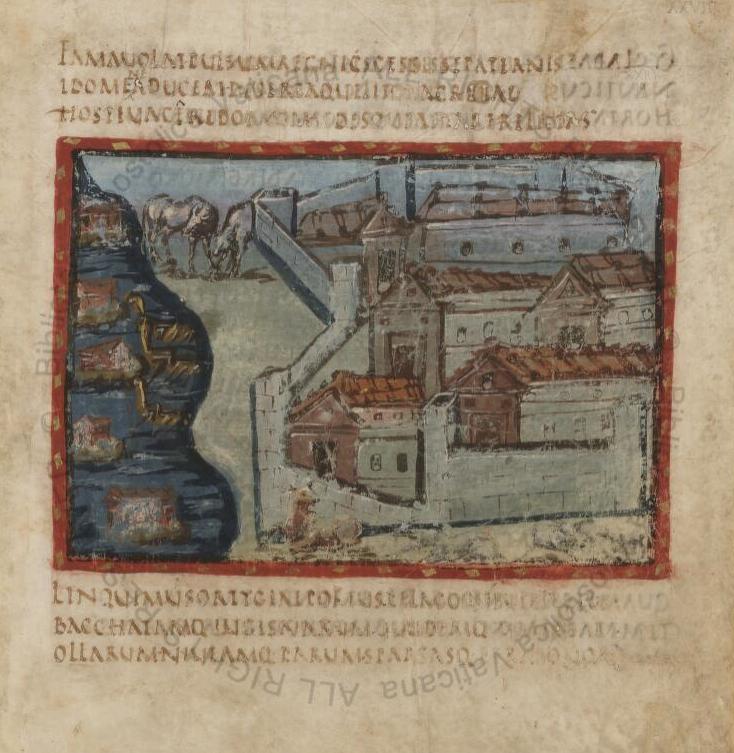
If any one of us ran our own coun­try, we’d sure­ly dri­ve no small amount of resources toward build­ing an impres­sive nation­al library. That would be true even if we ran a coun­try the size of the Vat­i­can, the small­est sov­er­eign state in the world — but one that, unsur­pris­ing­ly, punch­es well above its weight in terms of the size and his­tor­i­cal val­ue of its hold­ings. “It was in 1451 when Pope Nicholas V, a renowned bib­lio­phile him­self, attempt­ed to re-estab­lish Rome as an aca­d­e­m­ic cen­ter of glob­al impor­tance,” writes Aleteia’s Daniel Esparza. That for­mi­da­ble task involved first “build­ing a rel­a­tive­ly mod­est library of over 1,200 vol­umes, includ­ing his per­son­al col­lec­tion of Greek and Roman clas­sics and a series of texts brought from Con­stan­tino­ple.”

The Vat­i­can Apos­tolic Library, known as “VAT,” has grown a bit over the past five and a half cen­turies. Today it con­tains around 75,000 codices and 85,000 incunab­u­la (which Esparza defines as “edi­tions made between the inven­tion of the print­ing press and the 16th cen­tu­ry”) amid a total of over one mil­lion vol­umes.

And in the case of increas­ing­ly many of these doc­u­ments, you no longer have to make the jour­ney to Vat­i­can City to see them. Thanks to an ongo­ing dig­i­ti­za­tion project launched a decade ago, increas­ing­ly many have become search­able and down­load­able on Digi­VatLib, a data­base of the Vat­i­can Library’s dig­i­tized col­lec­tions includ­ing not just the afore­men­tioned codices and incunab­u­la but “archival mate­ri­als and inven­to­ries as well as graph­ic mate­ri­als, coins and medals.”

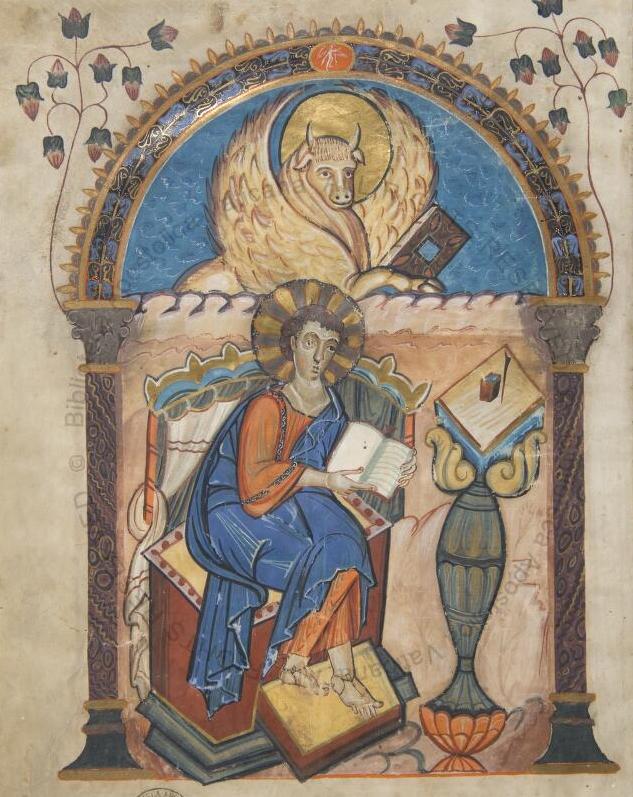
Back in 2016 we fea­tured a dig­i­tal col­lec­tion of 5,300 rare man­u­scripts dig­i­tized by the col­lec­tion, includ­ing the Ili­ad and Aeneid as well as Japan­ese and Aztec illus­tra­tions. The VAT’s scan­ning, upload­ing, and orga­niz­ing has con­tin­ued apace since, and though it pri­or­i­tizes man­u­scripts “from the Mid­dle Age and Human­is­tic peri­od,” its mate­ri­als tak­en togeth­er have a wider his­tor­i­cal and indeed cul­tur­al sweep, one that only gets wider with each page added. You can get start­ed explor­ing this wealth of doc­u­ments by scrolling down a lit­tle on Digi­VatLib’s front page, in the mid­dle of which you’ll find the lat­est dig­i­tized mate­ri­als as well as a host of select­ed man­u­scripts, a few of whose pages you see above. The VAT has enjoyed its sta­tus as one of the chief repos­i­to­ries of West­ern civ­i­liza­tion longer than any of us has been alive, but we can count our­selves in the first gen­er­a­tion of human­i­ty to see it open up to the world.

Relat­ed Con­tent:

Take a 3D Vir­tu­al Tour of the Sis­tine Chapel, St. Peter’s Basil­i­ca and Oth­er Art-Adorned Vat­i­can Spaces

1,600-Year-Old Illu­mi­nat­ed Man­u­script of the Aeneid Dig­i­tized & Put Online by The Vat­i­can

How the Mys­ter­ies of the Vat­i­can Secret Archives Are Being Revealed by Arti­fi­cial Intel­li­gence

Explore 5,300 Rare Man­u­scripts Dig­i­tized by the Vat­i­can: From The Ili­ad & Aeneid, to Japan­ese & Aztec Illus­tra­tions

Behold 3,000 Dig­i­tized Man­u­scripts from the Bib­lio­the­ca Palati­na: The Moth­er of All Medieval Libraries Is Get­ting Recon­struct­ed Online

3,500 Occult Man­u­scripts Will Be Dig­i­tized & Made Freely Avail­able Online, Thanks to Da Vin­ci Code Author Dan Brown

Based in Seoul, Col­in Mar­shall writes and broad­casts on cities, lan­guage, and cul­ture. His projects include the book The State­less City: a Walk through 21st-Cen­tu­ry Los Ange­les and the video series The City in Cin­e­ma. Fol­low him on Twit­ter at @colinmarshall or on Face­book.

The Names of 1.8 Million Emancipated Slaves Are Now Searchable in the World’s Largest Genealogical Database, Helping African Americans Find Lost Ancestors

The suc­cess­es of the Freedman’s Bureau, ini­ti­at­ed by Abra­ham Lin­coln in 1865 and first admin­is­tered under Oliv­er Howard’s War Depart­ment, are all the more remark­able con­sid­er­ing the intense pop­u­lar and polit­i­cal oppo­si­tion to the agency. Under Lincoln’s suc­ces­sor, impeached South­ern Demo­c­rat Andrew John­son, the Bureau at times became a hos­tile enti­ty to the very peo­ple it was meant to aid and protect—the for­mer­ly enslaved, espe­cial­ly, but also poor whites dev­as­tat­ed by the war. After years of defund­ing, under­staffing, and vio­lent insur­gency the Freedman’s Bureau was offi­cial­ly dis­solved in 1872.

In those first few years after eman­ci­pa­tion, how­ev­er, the Bureau built sev­er­al hos­pi­tals and over a thou­sand rur­al schools in the South, estab­lished the His­tor­i­cal­ly Black Col­lege and Uni­ver­si­ty sys­tem, and “cre­at­ed mil­lions of records,” notes the Nation­al Muse­um of African Amer­i­can His­to­ry and Cul­ture (NMAAHC), “that con­tain the names of hun­dreds of thou­sands of for­mer­ly enslaved indi­vid­u­als and South­ern white refugees.” Those records have enabled his­to­ri­ans to recon­struct the lives of peo­ple who might oth­er­wise have dis­ap­peared from the record and helped geneal­o­gists trace fam­i­ly con­nec­tions that might have been irrev­o­ca­bly bro­ken.

As we not­ed back in 2015, those records have become part of a dig­i­ti­za­tion project named for the Bureau and spear­head­ed by the Smith­son­ian, the Nation­al Archives, the Afro-Amer­i­can His­tor­i­cal and Genealog­i­cal Soci­ety, and the Church of Jesus Christ of Lat­ter Day Saints, whose Fam­il­y­Search is the largest geneal­o­gy orga­ni­za­tion in the world. “Using mod­ern, dig­i­tal and web-based tech­nol­o­gy and the pow­er of [over 25,000!] vol­un­teers,” says Hol­lis Gen­try, a genealog­i­cal spe­cial­ist at the NMAAHC, the Freedman’s Bureau Project “is unlock­ing infor­ma­tion from a trans­for­ma­tive era in the his­to­ry of African Amer­i­can fam­i­lies and the Amer­i­can nation.”

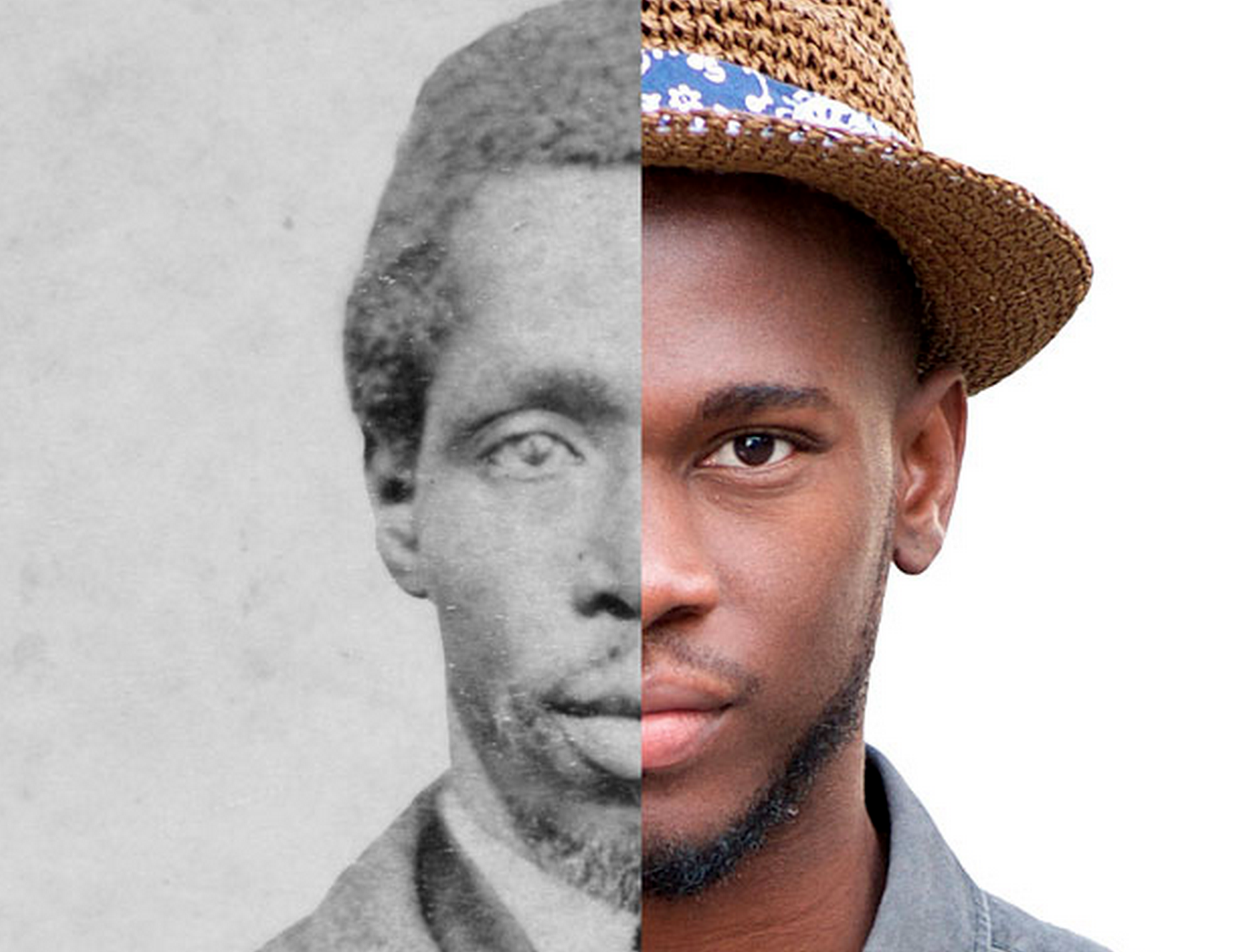
That infor­ma­tion is now avail­able to the gen­er­al pub­lic, “glob­al­ly via the web” here, as of June 20th, 2016, allow­ing “all of us to enlarge our under­stand­ing of the past.” More specif­i­cal­ly, the Freedman’s Bureau Project and Fam­il­y­Search allows African Amer­i­cans to recov­er their fam­i­ly his­to­ry in a data­base that now includes “the names of near­ly 1.8 mil­lion men, women and chil­dren” record­ed by Freedman’s Bureau work­ers and entered by Freedman’s Bureau Project vol­un­teers 150 years lat­er. This incred­i­ble data­base will give mil­lions of peo­ple descend­ed from both for­mer slaves and white Civ­il War refugees the abil­i­ty to find their ances­tors.

There’s still more work to be done. In col­lab­o­ra­tion with the NMAAHC, the Smith­son­ian Tran­scrip­tion Cen­ter is cur­rent­ly rely­ing on vol­un­teers to tran­scribe all of the dig­i­tal scans pro­vid­ed by Fam­il­y­Search. “When com­plet­ed, the papers will be key­word search­able. This joint effort will help increase access to the Freedmen’s Bureau col­lec­tion and help the pub­lic learn more about the Unit­ed States in the Recon­struc­tion Era,” a crit­i­cal time in U.S. his­to­ry that is woe­ful­ly under­rep­re­sent­ed or delib­er­ate­ly white­washed in text­books and cur­ric­u­la.

“The records left by the Freed­men’s Bureau through its work between 1865 and 1872 con­sti­tute the rich­est and most exten­sive doc­u­men­tary source avail­able for inves­ti­gat­ing the African Amer­i­can expe­ri­ence in the post-Civ­il War and Recon­struc­tion eras,” writes the Nation­al Archives. Soon, all of those doc­u­ments will be pub­licly avail­able for every­one to read. For now, those with roots in the U.S. South can search the Freedman’s Bureau Project data­base to dis­cov­er more about their fam­i­ly her­itage and his­to­ry.

And while the Smithsonian’s tran­scrip­tion project is under­way, those who want to learn more can vis­it the Freedman’s Bureau Online, which has tran­scribed hun­dreds of doc­u­ments, includ­ing labor records, nar­ra­tives of “out­rages com­mit­ted on freed­men,” and mar­riage reg­is­ters.

Relat­ed Con­tent:

1.5 Mil­lion Slav­ery Era Doc­u­ments Will Be Dig­i­tized, Help­ing African Amer­i­cans to Learn About Their Lost Ances­tors

Visu­al­iz­ing Slav­ery: The Map Abra­ham Lin­coln Spent Hours Study­ing Dur­ing the Civ­il War

The Civ­il War and Recon­struc­tion: A Free Course

Josh Jones is a writer and musi­cian based in Durham, NC. Fol­low him at @jdmagness

38 Major Pop Songs Played with the Exact Same Four Chords: Watch a Captivating Medley Performed by the Axis of Awesome

When we call music a uni­ver­sal lan­guage, it’s usu­al­ly under­stood to be a metaphor. In its purest the­o­ret­i­cal form, music may be more like math—a tru­ly uni­ver­sal language—but in its man­i­fes­ta­tions in the real world, it resem­bles more the great diver­si­ty of tongues around the globe. Each region­al, nation­al, and glob­al music has its gram­mar of scales, rhythms, and chords, each its syn­tax of melodies and har­monies, though these share some impor­tant com­mon­al­i­ties.

The syn­tax of pop music, like its blues pre­de­ces­sor, con­sists of stan­dard chord pro­gres­sions, eas­i­ly swapped from song to song: repeat­able units that form a range of avail­able emo­tion­al expres­sion. Want to see that range on full dis­play, in a brava­do per­for­mance by an Aus­tralian com­e­dy rock band? Look no fur­ther: just above, the Axis of Awe­some per­form their live ren­di­tion of “4 Chord Song,” a stun­ning med­ley of pop hits from Jour­ney to Mis­sy Hig­gins that all use the same four-chord sequence.

With the excep­tion of an orig­i­nal com­po­si­tion, “Bird­plane,” the ensemble’s selec­tion of 38 songs includes some of the biggest hits of the past few decades. The tonal breadth is sur­pris­ing, as we leap from “Don’t Stop Believ­ing” to “Can You Feel the Love Tonight” to “With or With­out You” to Aqua’s “Bar­bie Girl” and Lady Gaga’s “Pok­er Face.” Imag­ine Natal­ie Imbruglia, Green Day, and Toto trad­ing licks, or Pink, the Bea­t­les, and A‑Ha. Maybe these artists have more in com­mon, lin­guis­ti­cal­ly speak­ing, than we thought. Or, as one of the Axis of Awe­some band­mem­ber asks, mock-incred­u­lous­ly, “You can take those four chords, repeat them, and pop out every pop song ever?”

Well, maybe not every pop song. One could choose oth­er pro­gres­sions and make sim­i­lar com­pi­la­tions. These par­tic­u­lar four chords have some­thing of a melan­choly sound, and tend to come up music with an under­cur­rent of sad­ness (yes, even “Bar­bie Girl”). One can quib­ble with some of the par­tic­u­lars here. “Don’t Stop Believ­ing,” for exam­ple, throws a dif­fer­ent chord into the sec­ond phrase of its pro­gres­sion. But the ubiq­ui­ty of this melody in pop is quite reveal­ing, and amus­ing in this musi­cal mashup. See the Axis of Awe­some in a pol­ished video ver­sion of “4 Chord Song,” above, and con­sid­er all the oth­er ways pop music recy­cles and reuses the same ele­ments over and over to con­vey its range of feel­ings.

Relat­ed Con­tent:

Music Is Tru­ly a Uni­ver­sal Lan­guage: New Research Shows That Music World­wide Has Impor­tant Com­mon­al­i­ties

John Coltrane Talks About the Sacred Mean­ing of Music in the Human Expe­ri­ence: Lis­ten to One of His Final Inter­views (1966)

Alan Lomax’s Mas­sive Music Archive Is Online: Fea­tures 17,000 His­toric Blues & Folk Record­ings

Josh Jones is a writer and musi­cian based in Durham, NC. Fol­low him at @jdmagness

How Anna Karina (RIP) Became the Mesmerizing Face of the French New Wave

If the French New Wave had­n’t crashed over cin­e­ma in the 1950s and 60s, could any of the film move­ments since have come about? With­out auteurs like François Truf­faut, Agnès Var­da, and most of all Jean-Luc Godard, could the French New Wave itself have hap­pened? And with­out Anna Kari­na, would Jean-Luc Godard have become Jean-Luc Godard? Though he did make Breath­less, his first and most endur­ing fea­ture, with­out Kari­na, it was­n’t for lack of desire: when he tried to bring the still-teenaged Dan­ish actress onboard the project after spot­ting her in a soap com­mer­cial, she turned down his offer because it would involve a nude scene. But she made less of an objec­tion to polit­i­cal themes, demon­strat­ed by her agree­ment to par­tic­i­pate in Godard­’s next movie, the con­tro­ver­sial Le Petit Sol­dat.

In total, Kari­na would appear in eight of Godard­’s films, includ­ing A Woman Is a WomanMy Life to Live, Band of Out­siders, Alphav­ille, and Pier­rot le Fou — more than enough to make her the nouvelle vague’s most cap­ti­vat­ing screen pres­ence. This sta­tus has tran­scend­ed cul­ture and time, as evi­denced by “Anna Kari­na’s Guide to Being Mes­mer­iz­ing,” the short trib­ute video by the British Film Insti­tute at the top of the post.

To Godard she was first an actress, then a muse; soon she became his wife, and then near­ly the moth­er of his child. Godard, l’amour, la poésie, the above doc­u­men­tary on Godard and Kari­na’s pro­fes­sion­al and per­son­al rela­tion­ship, argues that her mis­car­riage became the implic­it sub­ject of My Life to Live. From then on their rela­tion­ship, always described as “tumul­tuous,” dete­ri­o­rat­ed; they divorced in 1965, the year before their final col­lab­o­ra­tion, Made in USA.

“I can’t speak bad­ly of him,” Kari­na says of Godard in a clip of an inter­view record­ed much lat­er. “He was my teacher, my love, my hus­band, my Pyg­malion.” In her work with Godard, writes New York­er film crit­ic and Godard biog­ra­ph­er Richard Brody, “Kari­na iden­ti­fied not with char­ac­ters but with her­self, per­haps even more ful­ly on cam­era than in pri­vate life — to cre­ate an endur­ing idea of her­self. Kari­na didn’t become the char­ac­ters she played; they became her.” Through­out her career, she was thus “marked by the dis­tinc­tive­ness of those ear­ly per­for­mances, by their dif­fer­ence from all oth­er per­for­mances, and she became a liv­ing emblem not only of her­self but of the French New Wave and of the spir­it of the nine­teen-six­ties over all.” As Brody notes, Kari­na went on to work with such cin­e­mat­ic lumi­nar­ies as Luchi­no Vis­con­ti, Jacques Riv­ette, Rain­er Wern­er Fass­binder, Raúl Ruiz, and Jonathan Demme.

She also became a film­mak­er her­self, direct­ing Liv­ing Togeth­er in 1973 and the French-Cana­di­an musi­cal road movie Vic­to­ria in 2006, and in that same span of time pub­lished four nov­els as well. But since her death last month at the age of 79, it is Kari­na’s work with Godard in the ear­ly 1960s to which cinephiles have instinc­tive­ly returned and most lov­ing­ly cel­e­brat­ed. Both she and he, each in their dis­tinc­tive artis­tic fash­ion, embod­ied a short time in cin­e­ma when all rules seemed bro­ken and all pos­si­bil­i­ties open. In Godard, l’amour, la poésie, the crit­ic Jean Douchet, a col­league of Godard­’s at Cahiers du ciné­ma, puts it dif­fer­ent­ly: “They met, they fell in love, they broke up. End of sto­ry. They were a cou­ple like many oth­ers, but it’s true that Anna Kari­na is mag­nif­i­cent in that peri­od with Godard.” And as the French New Wave recedes far­ther into the dis­tance, that mag­nif­i­cence will only inten­si­fy.

Relat­ed Con­tent:

Watch Agnès Varda’s Les Fiancés Du Pont Mac­don­ald: A Silent Com­ic Short Star­ring Jean-Luc Godard & Anna Kari­na

How the French New Wave Changed Cin­e­ma: A Video Intro­duc­tion to the Films of Godard, Truf­faut & Their Fel­low Rule-Break­ers

An Intro­duc­tion to Jean-Luc Godard’s Inno­v­a­tive Film­mak­ing Through Five Video Essays

How Jean-Luc Godard Lib­er­at­ed Cin­e­ma: A Video Essay on How the Great­est Rule-Break­er in Film Made His Name

Based in Seoul, Col­in Mar­shall writes and broad­casts on cities, lan­guage, and cul­ture. His projects include the book The State­less City: a Walk through 21st-Cen­tu­ry Los Ange­les and the video series The City in Cin­e­ma. Fol­low him on Twit­ter at @colinmarshall or on Face­book.

Love the Art, Hate the Artist: How to Approach the Art of Disgraced Artists

Hate the sin, nev­er the sin­ner. — Clarence Dar­row

As a cul­ture, we’ve large­ly stepped away from the sen­ti­ment described by the famed lawyer’s 1924 defense of mur­der­ers Leopold and Loeb.

Apply it to one of the many male artists whose exalt­ed rep­u­ta­tions have been shat­tered by alle­ga­tions of sex­u­al impro­pri­ety and oth­er ruinous behav­iors and you won’t find your­self cel­e­brat­ed for your virtue in the court of pub­lic opin­ion.

But what of those artists’ cre­ative out­put?

Does that get bun­dled in with hat­ing both sin and sin­ner?

It’s a ques­tion that his­to­ri­an and for­mer cura­tor Sarah Urist Green is well equipped to tack­le.

Green’s PBS Dig­i­tal Stu­dios web series, The Art Assign­ment, explores art and art his­to­ry through the lens of the present.

In the episode titled Hate the Artist, Love the Art, above, Green takes a more tem­per­ate approach to the sub­ject than come­di­an Han­nah Gads­by, whose solo show, Nanette, includ­ed an incen­di­ary take­down of Picas­so:

I hate Picas­so. and you can’t make me like him. I know I should be more gen­er­ous about him too, because he suf­fered a men­tal ill­ness. But nobody knows that, because it doesn’t fit with his mythol­o­gy. Picas­so is sold to us as this pas­sion­ate, tor­ment­ed, genius, man-ball-sack. But Picas­so suf­fered the men­tal illness…of misog­y­ny.

Don’t believe me? He said, “Each time I leave a woman, I should burn her. Destroy the woman, you destroy the past she rep­re­sents.” Cool guy. The great­est artist of the 20th cen­tu­ry. Picas­so fucked an under­age girl. That’s it for me, not inter­est­ed.

But Cubism! He made it! Marie-Thérèse Wal­ter, she was 17 when they met: under­age. Picas­so, he was 42, at the height of his career. Does it mat­ter? It actu­al­ly does mat­ter. But as Picas­so said, “It was perfect—I was in my prime, she was in her prime.” I prob­a­bly read that when I was 17. Do you know how grim that was?

Grim.

A dif­fer­ent sort of grim than the hor­rors he depict­ed in Guer­ni­ca, still an incred­i­bly potent con­dem­na­tion of the human cost of war.

Should exemp­tions be made, then, for works of great genius or last­ing social import?

Up to you, says Green, advo­cat­ing that every view­er should pause to con­sid­er the rip­ples caused by their con­tin­ued embrace of a dis­graced artist.

But what if we don’t know that the artist’s been dis­graced?

That seems unlike­ly as cura­tors scram­ble to acknowl­edge the offender’s trans­gres­sions on gallery cards, and emer­gent artists attempt to set the record straight with response pieces dis­played in prox­im­i­ty.

Green notes that even with­out such overt cues, it’s very dif­fi­cult to get a “pure” read­ing of an estab­lished artist’s work.

Any­thing we may have gleaned about the artist’s per­son­al con­duct, whether good or ill, proven, unproven, or dis­proven, fac­tors into the way we expe­ri­ence that artist’s work. The source can be a paper of record, the Inter­net, a guest at a par­ty repeat­ing a per­son­al anec­dote…

It can also be painful to relin­quish our youth­ful favorites’ hold on us, espe­cial­ly when the attach­ment was formed of our own free will.

What would Han­nah Gads­by say to my reluc­tance to sev­er ties com­plete­ly with Gauguin’s Tahi­ti paint­ings, encoun­tered for the first time when I was approx­i­mate­ly the same age as the brown-skinned teenaged mus­es he paint­ed and took to bed?

The behav­ior that was once framed as evi­dence of an artis­tic spir­it that could not be fet­tered by soci­etal expec­ta­tions, seems beyond jus­ti­fi­ca­tion today. Still, it’s unlike­ly Gau­guin will be ban­ished from major col­lec­tions, or for that mat­ter, the his­to­ry of art, any time soon.

As Julia Halperin, exec­u­tive edi­tor of Art­net News observed short­ly after Nanette became a viral sen­sa­tion:

A Net­flix com­e­dy spe­cial is not going to com­pel muse­ums to throw out their Picas­sos. Nor should they! You can’t tell the sto­ry of 20th-cen­tu­ry art with­out him…. Although gloss­ing over, white­wash­ing, or shoe-horn­ing sto­ries of Picasso’s abuse into a com­fort­able nar­ra­tive about pas­sion­ate genius may be use­ful to main­tain his mar­ket val­ue and his bank­a­bil­i­ty as a tourist attrac­tion, it also does every­one a dis­ser­vice… we can under­stand Picasso’s con­tri­bu­tions bet­ter if we can hold these two seem­ing­ly incom­pat­i­ble truths in our minds at once. It’s not as uplift­ing as a straight­for­ward tale about a vision­ary cre­ative whose flaws were only in ser­vice to its genius. But it is more honest—and it might even help us under­stand the evo­lu­tion of our own cul­ture, and how we got to where we are today, a lot bet­ter.

Green pro­vides a list of ques­tions that can help indi­vid­ual view­ers who are reeval­u­at­ing the out­put of “prob­lem­at­ic” artists:

Is the work a col­lab­o­ra­tive effort?

Does the work reflect the val­ue sys­tem of the offend­er?

Are we to apply the same stan­dard to the work of sci­en­tists whose con­duct is sim­i­lar­ly offen­sive?

Who suf­fers when the offender’s work remains acces­si­ble?

Who suf­fers when the offender’s work is erased?

Who reaps the reward of our con­tin­ued atten­tion?

As Green points out, the shades of grey are many, though the choice of whether to enter­tain those shades varies from indi­vid­ual to indi­vid­ual.

Read­ers, where do you fall in this ever-evolv­ing debate. Is there an artist you have sworn off of, entire­ly or in part? Tell us who and why in the com­ments.

Watch more episodes of the Art Assign­ment here.

Relat­ed Con­tent:

George Orwell Reviews Sal­vador Dali’s Auto­bi­og­ra­phy: “Dali is a Good Draughts­man and a Dis­gust­ing Human Being” (1944)

When The Sur­re­al­ists Expelled Sal­vador Dalí for “the Glo­ri­fi­ca­tion of Hit­ler­ian Fas­cism” (1934)

The Gestapo Points to Guer­ni­ca and Asks Picas­so, “Did You Do This?;” Picas­so Replies “No, You Did!”

Ayun Hal­l­i­day is an author, illus­tra­tor, the­ater mak­er and Chief Pri­ma­tol­o­gist of the East Vil­lage Inky zine.  Join her in NYC on Mon­day, Jan­u­ary 6 when her month­ly book-based vari­ety show, Necro­mancers of the Pub­lic Domaincel­e­brates Cape-Cod­di­ties (1920) by Roger Liv­ingston Scaife. Fol­low her @AyunHalliday.

Watch A‑ha’s “Take On Me” Video Newly Remastered in 4K .… and Learn About the Band’s Struggle to Make the Classic Song

Though the ‘80s didn’t invent music videos, they did become an essen­tial form of cul­tur­al cur­ren­cy, as high pro­file direc­tors, big bud­gets, and a chan­nel that played them non-stop pushed them into our col­lec­tive con­scious­ness. But it’s only recent­ly that those orig­i­nal videos–most shot on film, not video by the way–have been get­ting the remas­ter treat­ment that Hol­ly­wood block­busters and art house clas­sics receive. Last month, we saw the film grain and roman­tic light­ing in Wham’s “Last Christ­mas” video remas­tered in 4K. And now anoth­er inescapably ‘80s ear­worm gets the treat­ment: “Take on Me” by Norway’s finest, A‑ha.

For those who haven’t seen the video, it’s a fairy­tale of a down-on-her luck girl who falls in love with the hero (A‑ha’s lead singer Morten Har­ket) in a com­ic book, then falls into the com­ic book where both become pen­cil draw­ings. Under attack from wrench-wield­ing bad guys, she escapes back into the real world and in a love-con­quers-all mir­a­cle, Morten makes it into the real world and into the arms of his love. All in three min­utes and change.

A‑ha might have been seen as a one-hit won­der band by some, but the lov­ing doc on the mak­ing of the song and video demon­strates there’s no such thing as an overnight suc­cess. The band strug­gled for years to make it, and “Take On Me” wasn’t even their first choice for a song–the band called it “Juicy Fruit” because its relent­less cheer­ful pop sound­ed to the band like an Amer­i­can chew­ing gum ad.

And they strug­gled to get the song right–an ear­ly ver­sion was released three times but failed to catch on. They even record­ed a ver­sion and filmed a bland music video for it. For some groups, this fail­ure might have been it, but you have to admire A‑ha. They were hun­gry and they knew, just knew, that the song should be a hit.

As the doc shows, sev­er­al music indus­try execs thought so too. The band plead­ed and got them­selves a new pro­duc­er: Alan Tar­ney. He went back to the group’s orig­i­nal demo and brought back what their first pro­duc­er had tak­en out, but lay­ered on synth after synth as well. From orig­i­nal demo to the hit sin­gle, it had tak­en four years.

For the video, Warn­er Bros. exec Jeff Ayeroff want­ed some­thing com­ic book based, and co-work­er John Beug knew what might work. He had seen a stu­dent ani­ma­tion called “Com­muter” by Can­dace Reckinger and Mike Pat­ter­son, and the two were hired to recre­ate their roto­scoped tech­nique for the video, tak­ing months and months of hand-drawn hard work to com­plete.

The result­ing video, direct­ed by Steve Bar­ron is a clas­sic. It’s been par­o­died on Fam­i­ly Guy and as a Chil­dren In Need char­i­ty spe­cial. And it still works as a mini nar­ra­tive: each verse adds an ele­ment to the sto­ry, the fre­net­ic piano instru­men­tal bridge brings in the ele­ment of dan­ger, and the final cho­rus brings it all togeth­er with a tear and an embrace. (The influ­ence of Ken Russell’s Altered States is not men­tioned in the doc, but it’s an obvi­ous touch­stone.)

The young woman co-star­ring in the video is Bun­ty Bai­ley, who appeared in sev­er­al oth­er ‘80s videos (like this one for Bil­ly Idol). For a lump in the throat moment reunion, keep watch­ing through to the end, where old friends get reunit­ed.

Relat­ed Con­tent:

A‑ha Per­forms a Beau­ti­ful Acoustic Ver­sion of Their 1980s Hit, “Take on Me”: Record­ed Live in Nor­way

A‑ha’s “Take On Me” Per­formed by North Kore­an Kids with Accor­dions

19-Year-Old Russ­ian Gui­tarist Plays an Inge­nious Cov­er of Michael Jackson’s “Bil­lie Jean”

The Trick That Made Ani­ma­tion Real­is­tic: Watch a Short His­to­ry of Roto­scop­ing

Ted Mills is a free­lance writer on the arts who cur­rent­ly hosts the artist inter­view-based FunkZone Pod­cast and is the pro­duc­er of KCR­W’s Curi­ous Coast. You can also fol­low him on Twit­ter at @tedmills, read his oth­er arts writ­ing at tedmills.com and/or watch his films here.


  • Great Lectures

  • Sign up for Newsletter

  • About Us

    Open Culture scours the web for the best educational media. We find the free courses and audio books you need, the language lessons & educational videos you want, and plenty of enlightenment in between.


    Advertise With Us

  • Archives

  • Search

  • Quantcast