Remembering Eve Arnold, Pioneering Photojournalist

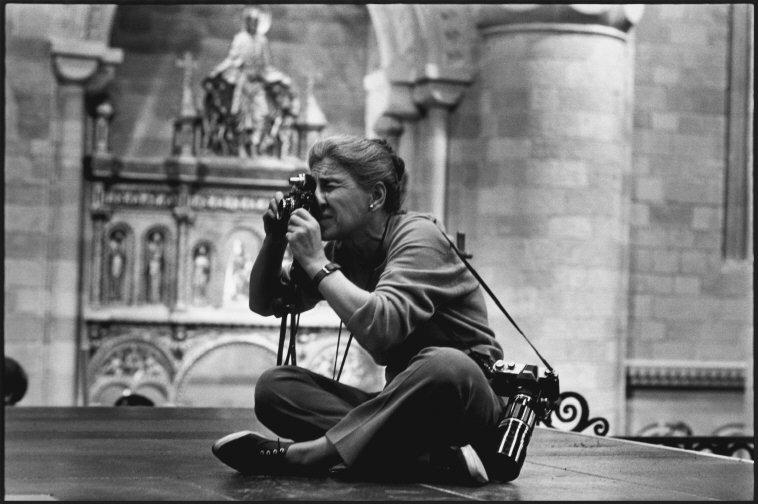
Eve Arnold, one of the pio­neer­ing women of pho­to­jour­nal­ism, died Wednes­day at the age of 99.

Wide­ly known for her pho­tographs of Mar­i­lyn Mon­roe and oth­er celebri­ties, Arnold just as often pho­tographed the poor and the unknown. “I don’t see any­body as either ordi­nary or extra­or­di­nary,” she told the BBC in 1990. “I see them sim­ply as peo­ple in front of my lens.”

Born Eve Cohen in Philadel­phia on April 21, 1912, she was one of nine chil­dren of Ukrain­ian immi­grant par­ents. When she was 28 years old she gave up plans to become a doc­tor after a boyfriend gave her a cam­era. She stud­ied pho­tog­ra­phy for a brief time under Alex­ey Brodovitch at the New School for Social Research before going out on her own and find­ing her style.

“I did­n’t work in a stu­dio, I did­n’t light any­thing,” Arnold would lat­er say. “I found a way of work­ing which pleased me because I did­n’t have to fright­en peo­ple with heavy equip­ment. It was that lit­tle black box and me.”

A series of pho­tographs Arnold took of fash­ion shows in Harlem attract­ed the atten­tion of Hen­ri Carti­er-Bres­son, one of the founders of Mag­num Pho­tos, and she was invit­ed to con­tribute to the agency. In 1957 Arnold became the first woman pho­tog­ra­ph­er to join Mag­num as a full mem­ber. She worked often for Life and lat­er, after mov­ing to Eng­land in 1961, for The Sun­day Times Mag­a­zine, trav­el­ing to places like Afghanistan, South Africa, Mon­go­lia and Cuba while always main­tain­ing a per­son­al point of view. In her 1976 book, The Unre­touched Woman, Arnold wrote:

Themes recur again and again in my work. I have been poor and I want­ed to doc­u­ment pover­ty; I had lost a child and I was obsessed with birth; I was inter­est­ed in pol­i­tics and I want­ed to know how it affect­ed our lives; I am a woman and I want­ed to know about women.

Arnold pub­lished 15 books in her life­time, includ­ing the Nation­al Book Award-win­ning In Chi­na. In 2003 she was award­ed the Order of the British Empire by Queen Elis­a­beth II, whom she had once pho­tographed. In the 2007 book Mag­num Mag­num, pho­tog­ra­ph­er Elliott Erwitt summed things up:

Eve Arnold’s lega­cy is as var­ied as it is fas­ci­nat­ing. It is hard to fath­om how one per­son­’s work can be so diverse. I cov­ers the hum­blest to the most exalt­ed, the mean­est to the kind­est, and every­thing in between. The sub­jects are all there in Eve Arnold’s pho­tographs and they are treat­ed with intel­li­gence, con­sid­er­a­tion and sym­pa­thy. Most impor­tant is Eve’s abil­i­ty to visu­al­ly com­mu­ni­cate her con­cerns direct­ly, with­out fan­fare or pre­tense, in the best human­is­tic tra­di­tion.

Eve Arnold on the set of Beck­ett, 1963, by Robert Penn.                                       (© Copy­right Eve Arnold/Magnum Pho­tos)

Life in 4,748 Self-Portraits

It start­ed sim­ply enough in 1999. Jeff Har­ris, a pho­tog­ra­ph­er based in Toron­to, took his first self-por­trait, some­thing he has since repeat­ed every day. His visu­al diary now amounts to 4,748 pho­tos and they tell a very per­son­al sto­ry. They show the pass­ing of time, some fair­ly nor­mal moments, but also some dif­fi­cult ones. In Novem­ber 2008, Har­ris was diag­nosed with can­cer, and his expe­ri­ence with it — his surgery, radi­a­tion treat­ment, even­tu­al paral­y­sis in one leg — all gets visu­al­ly doc­u­ment­ed by his project. The video above, orig­i­nal­ly appear­ing on TIME’s web site, takes you inside Har­ris’ project. The clip runs 5 min­utes.

via @SteveSilberman

The Zen of Steve Jobs: A New Graphic Novel

Wal­ter Isaac­son’s new biog­ra­phy of Steve Jobs (click image below to get a free audio copy) cov­ers a lot of ground in 571 pages. By design, it’s broad and com­pre­hen­sive, but it does­n’t always go deep. One facet of Steve Jobs’ life that does­n’t get much cov­er­age here was his rela­tion­ship with Kobun Chi­no Oto­gawa (1938–2002), a Bud­dhist priest who taught Jobs the way of Zen and shared his pas­sion for art and design. The two became close — close enough that Kobun presided over the Steve Jobs-Lau­rene Pow­ell wed­ding in 1991. This rela­tion­ship receives a fuller treat­ment in The Zen of Steve Jobs, a new 80-page graph­ic nov­el that uses stripped down dia­logue and bold cal­li­graph­ic pan­els to tell this sto­ry. The book was authored by Forbes writer Caleb Mel­by, and the art­work pro­vid­ed by the cre­ative agency JESS3. The video above gives you a good intro­duc­tion to the imag­i­na­tive work. h/t Boing­Bo­ing


1 FREE Audiobook RISK-FREE from Audible

Ancient Greek Punishments: The Retro Video Game

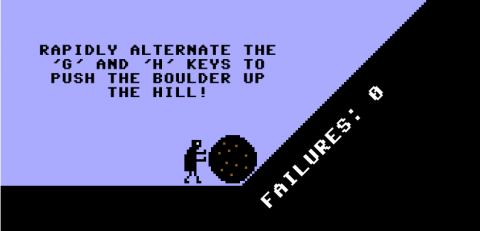
When you have a sense of humor and some free time, this is what you can come up with: Let’s Play Ancient Greek Pun­ish­ment!

This amus­ing lit­tle cre­ation lets users play vin­tage-style video games based on Ancient Greek mythol­o­gy. You’re asked to tog­gle the “G” and “H” keys as rapid­ly as you can … until you real­ize some­thing: the games, like the pun­ish­ments met­ed out in Greek mythol­o­gy, have no end. They go on for eter­ni­ty.

The Theoi Greek Mythol­o­gy inter­net ency­clo­pe­dia will tell you more about the suf­fer­ing of Sisy­phus, Prometheus and oth­ers.

Ready for more retro-cul­tur­al video games? Here you go:

The Great Gats­by and Wait­ing for Godot: The Video Game Edi­tions

The Long Lost Video Game of Paris Review Edi­tor George Plimp­ton?

via Metafil­ter

Free: Isaac Asimov’s Epic Foundation Trilogy Dramatized in Classic Audio

Per­mit us to stay on our recent sci-fi tan­gent just a tad bit longer.…

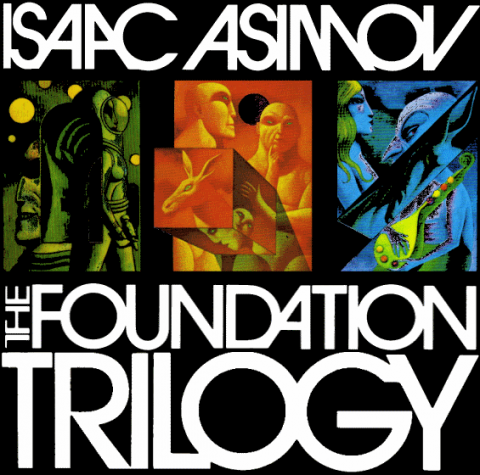
Between 1951 and 1953, Isaac Asi­mov pub­lished three books that formed the now leg­endary Foun­da­tion Tril­o­gy. Many con­sid­ered it a mas­ter­work in sci­ence fic­tion, and that view became offi­cial doc­trine in 1966 when the tril­o­gy received a spe­cial Hugo Award for Best All-Time Series, notably beat­ing out Tolkien’s The Lord of the Rings. (Don’t miss the vin­tage Tolkien doc­u­men­tary we fea­tured yes­ter­day.)

Even­tu­al­ly, the BBC decid­ed to adapt Asi­mov’s tril­o­gy to the radio, dra­ma­tiz­ing the series in eight one-hour episodes that aired between May and June 1973. Years lat­er, you can buy the radio dra­ma on iTunes for $9.99. Or your can stream it on Spo­ti­fy (above) or via the Inter­net Archive below.

More Free Sci-Fi & Fan­ta­sy:

Down­load the Com­plete Chron­i­cles of Nar­nia by C.S. Lewis for Free

Aldous Hux­ley Reads Dra­ma­tized Ver­sion of Brave New World

Free Philip K. Dick: Down­load 11 Great Sci­ence Fic­tion Sto­ries

Neil Gaiman’s Free Short Sto­ries

by | Permalink | Make a Comment ( 13 ) |

The Bloody Olive: A Wickedly Fun Homage to the Film Noir Tradition

Short­ly after fin­ish­ing film school, the young Bel­gian direc­tor Vin­cent Bal shot The Bloody Olive (1996), a 10 minute film based on a com­ic book by the French artist Lewis Trond­heim. It was an instant hit, win­ning over 20 awards at film fes­ti­vals world­wide. Want­i­ng to keep things spoil­er-free around here, let us just say this: the short film pays a fun lit­tle trib­ute to the film noir tra­di­tion — its aes­thet­ic, con­ven­tions and all of the rest.

For more film noir fun, don’t miss Key Lime Pie, a 2007 ani­mat­ed film in the noir tra­di­tion, or our col­lec­tion of 31 Free Noir Films. The noir col­lec­tion fea­tures clas­sics by John Hus­ton, Elia Kazan, Fritz Lang, Ida Lupino, Otto Pre­minger, Orson Welles and oth­ers. You can find great clas­sics from oth­er gen­res with­in our list of Free Movies Online.

Lawrence Krauss on the Mysterious Allure of Extra Dimensions

In the world of every­day expe­ri­ence we con­ceive of three dimen­sions of space. Through any point, no more than three per­pen­dic­u­lar lines may pass. The notion that there might be more than three dimen­sions has tra­di­tion­al­ly been the domain of sci­ence fic­tion shows like The Twi­light Zone.

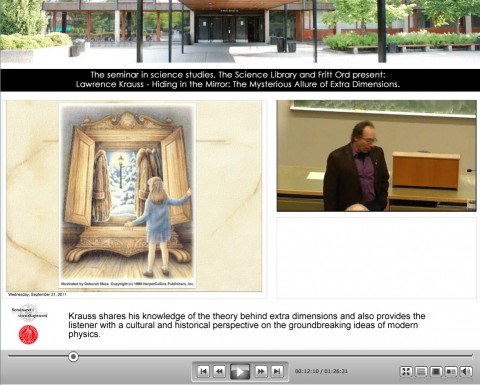
In this engag­ing lec­ture (click image above to watch), the­o­ret­i­cal physi­cist Lawrence Krauss explains the grow­ing respectabil­i­ty of extra-dimen­sion­al the­o­ries in physics, trac­ing the evo­lu­tion of the idea from Pla­to’s cave through Edwin A. Abbot­t’s Flat­land, and from Ein­stein-Minkows­ki space­time through Kaluza-Klein the­o­ry, on into mod­ern-day string the­o­ry.

Titled “Hid­ing in the Mir­ror: The Mys­te­ri­ous Allure of Extra Dimen­sions,” Krauss’s pre­sen­ta­tion was giv­en in Sep­tem­ber at a con­fer­ence in Oslo, Nor­way, orga­nized by the Fritt Ord Foun­da­tion. The speech lasts about an hour and is fol­lowed by a ques­tion-and-answer ses­sion.

via Richard Dawkins

Relat­ed Con­tent:

Lawrence Krauss Explains How You Get ‘A Uni­verse From Noth­ing’

Lawrence Krauss: Every Atom in Your Body Comes From a Star

Free Physics Cours­es (From our big col­lec­tion of Free Online Cours­es)

Free Philip K. Dick: Download 13 Great Science Fiction Stories

Although he died when he was only 53 years old, Philip K. Dick (1928 – 1982) pub­lished 44 nov­els and 121 short sto­ries dur­ing his life­time and solid­i­fied his posi­tion as arguably the most lit­er­ary of sci­ence fic­tion writ­ers. His nov­el Ubik appears on TIME magazine’s list of the 100 best Eng­lish-lan­guage nov­els, and Dick is the only sci­ence fic­tion writer to get hon­ored in the pres­ti­gious Library of Amer­i­ca series, a kind of pan­theon of Amer­i­can lit­er­a­ture.

If you’re not inti­mate­ly famil­iar with his nov­els, then you assured­ly know major films based on Dick’s work – Blade Run­ner, Total Recall, A Scan­ner Dark­lyand Minor­i­ty Report. Today, we bring you anoth­er way to get acquaint­ed with his writ­ing. We’re pre­sent­ing a selec­tion of Dick­’s sto­ries avail­able for free on the web. Below we have culled togeth­er 11 short sto­ries from our col­lec­tions. Some of the sto­ries col­lect­ed here have also found their way into the recent­ly-pub­lished book, Select­ed Sto­ries by Philip K. Dick, which fea­tures an intro­duc­tion by Jonathan Lethem.

eTexts 

Audio

Relat­ed Con­tent:

Robert Crumb Illus­trates Philip K. Dick’s Infa­mous, Hal­lu­ci­na­to­ry Meet­ing with God (1974)

Philip K. Dick Pre­views Blade Run­ner: “The Impact of the Film is Going to be Over­whelm­ing” (1981)

Free Sci­ence Fic­tion Clas­sics on the Web: Hux­ley, Orwell, Asi­mov, Gaiman & Beyond

by | Permalink | Make a Comment ( 24 ) |

« Go BackMore in this category... »
Quantcast