Filmmaker Errol Morris Gives Us “11 Excellent Reasons Not to Vote?”

All through­out this inter­minably long pres­i­den­tial elec­tion cycle, which has been going on since at least 2010, I’ve had a laser-like focus on polit­i­cal news. You might even call it a death grip. Because I’m a pol­i­tics junkie. It’s a dis­ease, I know, I rec­og­nize I need help, and I’ll get it—after Novem­ber 6th. As a pol­i­tics junkie, I am sub­ject to a cer­tain severe irri­ta­tion: pro­found exas­per­a­tion with those myth­i­cal beasts called “unde­cid­ed vot­ers,” who are even more galling than third par­ty vot­ers are to hyper-par­ti­sans. “What?” I shout at the radio, when one of these cryp­to-zoo­log­i­cal crea­tures calls in. “You dream­ers, you obliv­i­ous block­head­ed dream­ers!” I shout, and oth­er things. Yes, in my mania, I’ve shout­ed these things at the radio, because how can peo­ple not have made up their minds months ago, been glued to inter­net news and opin­ion for hours, pored over minis­cule pol­i­cy details, destroyed their eye­sight, col­lapsed their spine under the weight of civic duty? How, indeed. But per­haps (and every pol­i­tics junkie fears this pos­si­bil­i­ty), the unde­cid­ed vot­ers aren’t idiots—perhaps they’re thought­ful, kind, trust­ing, tru­ly… dare I say it, inde­pen­dent….

Now with all of our weird vit­ri­ol direct­ed at the “unde­cid­eds,” preter­nat­u­ral­ly myopic junkies lose sight of a bloc with the pow­er to bend, break, or shat­ter the scales altogether—non-voters. In a nation that has expend­ed tril­lions of dol­lars, thou­sands of lives, and quite a lot of inter­na­tion­al good will to give oth­ers the right to vote in Iraq, Libya, Afghanistan, we make a pret­ty poor show­ing at the polls every four years, with rough­ly half of us declin­ing to exer­cise our fun­da­men­tal right to vote for our lead­ers. Think about that: half. Fifty per­cent of Amer­i­cans: when women only won the right in 1920 and after amend­ing the Con­sti­tu­tion. When African Amer­i­cans fought for a hun­dred years and only ful­ly won the right in 1965 with the Vot­ing Rights Act. These are significant–if sig­nif­i­cant­ly belated—achievements, and, to be sure, they’re the rea­son so many peo­ple trea­sure their vote as a pre­cious token of polit­i­cal auton­o­my. But non-vot­ers are an invis­i­ble enig­ma: no one talks much about the appalling­ly low turnout in this coun­try, except to men­tion it in pass­ing. So doc­u­men­tary film­mak­er Errol Mor­ris (The Thin Blue Line, The Fog of War), provo­ca­teur and social crit­ic, decid­ed to dis­cuss the issue with over 50 peo­ple under the age of 40. The result is the short film above, teas­ing­ly titled “11 Rea­sons Not to Vote?”

What Mor­ris found con­founds the faithful—the junkies scowl­ing into their micro­fiche read­ers. Non-vot­ers, and the unde­cid­ed, can take a larg­er view; as Mor­ris points out in his accom­pa­ny­ing New York Times essay, non-vot­ers not only com­ment on the fact that no major par­ty can­di­date has dis­cussed issues so many peo­ple care about—poverty, cli­mate change, the drug war, the dys­func­tion­al prison system—but non-vot­ers real­ize that if no one’s talk­ing, noth­ing will be done. Some of them may be cyn­i­cal, but many more may just­ly say they’re real­ists. Per­haps it’s us, the vot­ers, who are dream­ers.

The 11 rea­sons Mor­ris gives, with tongue lodged in cheek, are as fol­lows (with my explana­to­ry gloss­es in paren­the­ses):

  1. You can’t depend on demigods (Hint: politi­cians aren’t demigods, even when they seem so)
  2. Like jazz, apa­thy is an Amer­i­can art form (slack, an appro­pri­ate response to polit­i­cal fun­da­men­tal­ism?)
  3. Flori­da (deba­cle, year 2000)
  4. The Elec­toral Col­lege (does any­one under­stand this thing?)
  5. Missed entre­pre­neur­ial oppor­tu­ni­ties (one vote, one price)
  6. Poten­tial extra­di­tion (absen­tee bal­lot if under ren­di­tion?)
  7. Awk­ward fam­i­ly din­ners (vot­ing out of spite for fam­i­ly mem­bers)
  8. Traf­fic (acci­dents on the way to polls can­celed out by dat­ing oppor­tu­ni­ties at the polls)
  9. Forced analo­gies (warn­ing: involves foot­ball)
  10. Overzeal­ous advo­cates (car­rots and sticks)
  11. Mas­culin­i­ty is under­ap­pre­ci­at­ed (The Man: stick it to him)

I come away from Morris’s exer­cise sub­dued, not cured, but per­haps ready to wean myself away enough to look at why we make elec­tions mat­ter so much, when they seem to do so lit­tle for so many. That said, how­ev­er, I’m still going to vote. The com­ment that struck me more than any oth­er was this: “If you don’t vote, you can­cel your own vote.” Mor­ris replies, “that’d be stu­pid.” And it would be, I think, damn it all.

Josh Jones is a doc­tor­al can­di­date in Eng­lish at Ford­ham Uni­ver­si­ty and a co-founder and for­mer man­ag­ing edi­tor of Guer­ni­ca / A Mag­a­zine of Arts and Pol­i­tics.

Watch Steven Spielberg’s Rarely Seen 1968 Film, Amblin’

In 1968, Steven Spiel­berg was 21 years old and the hip­pie coun­ter­cul­ture was swirling all around, but his mind was focused on one thing only: mak­ing movies.

Spiel­berg had been crank­ing out 8mm films since he was 12 years old, and he had been hang­ing around the sound stages and edit­ing rooms of Uni­ver­sal Pic­tures as an unpaid clerk and errand boy since the sum­mer after his junior year in high school, absorb­ing every­thing he could about the process of film­mak­ing. He hoped some­one would give him a chance to direct a project–any project. He tried to gen­er­ate inter­est by tak­ing his child­hood films around to pro­duc­ers. “I would bun­dle the pic­tures in a brief­case and lit­er­al­ly car­ry my pro­jec­tor over to some­body’s office,” Spiel­berg told Enter­tain­ment Week­ly last year. “It was like I was a very young Willy Loman; box­ing up my wares and going from stu­dio office to stu­dio office. Not a lot, but maybe 10 per­cent of the pro­duc­ers that I tried to get to see my films did see my films.”

Spiel­berg real­ized he need­ed some­thing more pro­fes­sion­al to show. He found a busi­ness­man to finance a 35mm short film. Denis C. Hoff­man, who ran an opti­cal effects house called Cine­fx, read a script Spiel­berg had writ­ten and agreed to give the young man $10,000 to make the film , so long as it fea­tured music by a band he man­aged, called Octo­ber Coun­try. The film was to be called Amblin’.

“It was going to be a tone poem about a boy and a girl who meet in the desert, hitch­hik­ing their way to the Pacif­ic Ocean,” Spiel­berg told EW. “Very sim­ple sto­ry. I wrote it in a day.” Spiel­berg asked Richard Levin, a young man work­ing at the Bev­er­ly Hills library, to play the male lead. He found the female lead, Pamela McMyler, in a direc­to­ry of actors. The sto­ry is told in pic­tures and sound effects, with no dia­logue. Spiel­berg would lat­er dis­miss Amblin’ as lit­tle more than a “Pep­si com­mer­cial,” but the film clear­ly shows Spiel­berg’s gift for visu­al sto­ry­telling. His ear­ly men­tor at Uni­ver­sal Pic­tures, Chuck Sil­vers, said of his reac­tion to Amblin’: “I looked at what I still feel is the per­fect motion pic­ture.”

Although Spiel­berg would go on to name his film and tele­vi­sion com­pa­ny Amblin Enter­tain­ment, he’s not all that fond of Amblin’ the film. “I can’t look at it now,” he said in 1978. “It real­ly proved how apa­thet­ic I was dur­ing the Six­ties. When I look back at that film, I can eas­i­ly say, ‘No won­der I did­n’t go to Kent State,’ or ‘No won­der I did­n’t go to Viet­nam or I was­n’t protest­ing when all my friends were car­ry­ing signs and get­ting clubbed in Cen­tu­ry City.’ I was off mak­ing movies, and Amblin’ is the slick by-prod­uct of a kid immersed up to his nose in film.”

Relat­ed Con­tent:

Watch Steven Spielberg’s Debut: Two Films He Direct­ed as a Teenag­er

Ter­ry Gilliam: The Dif­fer­ence Between Kubrick (Great Film­mak­er) and Spiel­berg (Less So)

Steven Spiel­berg on the Genius of Stan­ley Kubrick

Troma Entertainment, the Maker of Acclaimed B‑Movies, Puts 150 Free Films on YouTube

It all began in 1974. That’s when Tro­ma Enter­tain­ment began pump­ing out schlocky, low-bud­get B‑films that some­how gar­ner the respect of seri­ous cineast­es. As you may know, Tro­ma’s films often fea­ture sex, gore, and graph­ic vio­lence. They also seem cus­tom made for the low-def, pell-mell world of YouTube. Which brings me to my point: Tro­ma has put over 150 movies from its back cat­a­logue on a new YouTube chan­nel, giv­ing users every­where free access to their dis­tinc­tive low­brow films.

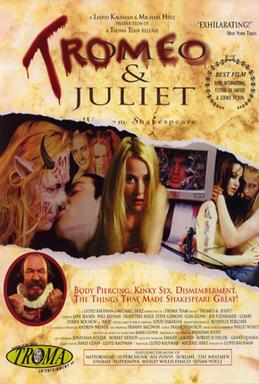
The col­lec­tion includes Can­ni­bal! The Musi­cal, the first fea­ture film cre­at­ed by South Park cre­ators Trey Park­er and Matt Stone. But let’s not over­look these hon­or­able men­tions: The Bat­tle of Love’s Return where Oliv­er Stone made his act­ing debut; Night­beast, which fea­tures music writ­ten by JJ Abrams; and Tromeo and Juli­et, the well-reviewed 1996 film that lured in view­ers by promis­ing “Body Pierc­ing, Kinky Sex, Dis­mem­ber­ment, The Things That Made Shake­speare Great!”

The Tro­ma cat­a­logue also offers some clas­sic films, includ­ing the 1932 film White Zom­bie with Bela Lugosi and No Sub­sti­tute For Vic­to­ry!, a pro­pa­gan­dis­tic pro-Viet­nam War doc­u­men­tary host­ed by John Wayne. Select films from the Tro­ma YouTube col­lec­tion will find their way onto our list of 500 Free Movies Online.

Thanks go to Car­los S. for flag­ging these for us.

Relat­ed Con­tent:

21 Free Hitch­cock Movies Online

John Wayne: 25 Free West­ern Films on the Web

Tarkovsky Films Now Free Online

by | Permalink | Make a Comment ( 4 ) |

Joseph Campbell and Bill Moyers Break Down Star Wars as an Epic, Universal Myth

Some of Star Wars’ detrac­tors call the series schlocky, blunt, pre­dictable, and implau­si­ble even by fan­ta­sy’s stan­dards. A defend­er might respond that they’re look­ing at it all wrong: to appre­ci­ate Star Wars, you need to watch it as an epic myth. George Lucas him­self, who has more or less mount­ed this argu­ment in response to charges of unsub­tle­ty, rarely seems far from drop­ping the phrase “the pow­er of myth.” That, sure­ly not coin­ci­den­tal­ly, is also the title of a 1988 Bill Moy­ers tele­vi­sion series on mythol­o­gist Joseph Camp­bell and his ideas about myth through time and across human cul­tures. Moy­ers and Camp­bell actu­al­ly con­duct­ed their first five episodes’ worth of con­ver­sa­tions at Lucas’ Sky­walk­er Ranch. Just as Lucas did his read­ing of Camp­bell, Camp­bell did his read­ing of Star Wars: in the brief clip from The Pow­er of Myth above, the schol­ar express­es his enthu­si­asm for the films’ use of mytho­log­i­cal ele­ments drawn from across the world. (Find the com­plete Pow­er of Myth series on DVD here.)

If you want to know about myth, Camp­bell remains the go-to guy. You can hear more from him on the Joseph Camp­bell Foun­da­tion’s YouTube chan­nel, which fea­tures clips of Camp­bell on the mythol­o­gy of the trick­ster, on myth as mir­ror for the ego, and, of course, on cir­cum­ci­sion. Though obvi­ous­ly not as exten­sive as the afore­men­tioned in-depth six-hour sit-down between Camp­bell and Moy­ers, they’ll still give you a sense of why Camp­bel­l’s obser­va­tions about the eter­nal rel­e­vance of the strongest myths have them­selves stayed so rel­e­vant a quar­ter-cen­tu­ry after his pass­ing. Applic­a­ble essay ques­tion: to what extent can we put the rel­a­tive lack of enthu­si­asm for the new­er Star Wars pre­quels down to George Lucas not hav­ing cracked his copy of The Hero With a Thou­sand Faces in a while?

Relat­ed con­tent:

Star Wars as Silent Film

The Exis­ten­tial Star Wars: Sartre Meets Darth Vad­er

Star Wars is a Remix

Col­in Mar­shall hosts and pro­duces Note­book on Cities and Cul­ture. Fol­low him on Twit­ter at @colinmarshall.

Hunter S. Thompson Interviews Keith Richards, and Very Little Makes Sense (1993)

Let’s rewind the video­tape to 1993. Gonzo jour­nal­ist Hunter S. Thomp­son final­ly gets to inter­view Rolling Stones gui­tarist Kei­th Richards. The con­ver­sa­tion is utter­ly and pre­dictably incom­pre­hen­si­ble. But it’s amus­ing nonethe­less.

Deci­pher­able con­ver­sa­tion top­ics include: if J. Edgar Hoover returned to this world, what form might he take? (A worm? a fart? a weasel?) What was Kei­th doing on Christ­mas Eve in 1962, 1966, and 1969? And what exact­ly went down at the infa­mous Alta­mont con­cert in Decem­ber 1969?

If you would like to sign up for Open Culture’s free email newslet­ter, please find it here. It’s a great way to see our new posts, all bun­dled in one email, each day.

If you would like to sup­port the mis­sion of Open Cul­ture, con­sid­er mak­ing a dona­tion to our site. It’s hard to rely 100% on ads, and your con­tri­bu­tions will help us con­tin­ue pro­vid­ing the best free cul­tur­al and edu­ca­tion­al mate­ri­als to learn­ers every­where. You can con­tribute through Pay­Pal, Patre­on, and Ven­mo (@openculture). Thanks!

Relat­ed Con­tent:

John­ny Depp Reads Let­ters from Hunter S. Thomp­son

Hunter S. Thomp­son Calls Tech Sup­port, Unleash­es a Tirade Full of Fear and Loathing (NSFW)

Kei­th Richards Inter­viewed at The New York Pub­lic Library

Hunter S. Thomp­son Gets Con­front­ed by The Hell’s Angels

by | Permalink | Make a Comment ( 6 ) |

« Go Back
Quantcast