10 Tips From Billy Wilder on How to Write a Good Screenplay

billy wilder tips

There’s an old sto­ry — Orson Welles called it “the great­est Hol­ly­wood one-lin­er ever made” — that when some­one attend­ing the 1958 funer­al of Har­ry Cohn, the fear­some pres­i­dent of Colum­bia Pic­tures, asked how it was pos­si­ble that such a huge crowd would show up for Cohn’s funer­al, Bil­ly Wilder quipped: “Well, give the peo­ple what they want.”

The sto­ry is almost cer­tain­ly apoc­ryphal. The line may have been spo­ken by some­one else, at a dif­fer­ent Hol­ly­wood mogul’s funer­al. But the fact that it is so often attrib­uted to Wilder says some­thing about his rep­u­ta­tion as a man with a razor-sharp wit and a firm grasp of the imper­a­tives of pop­u­lar movie-mak­ing. In films like Sun­set Boule­vard, Some Like it Hot, Dou­ble Indem­ni­ty and Sab­ri­na, Wilder used his for­mi­da­ble craft as a direc­tor to tell sto­ries in a clear and effi­cient way. It was an eth­ic he picked up as a screen­writer.

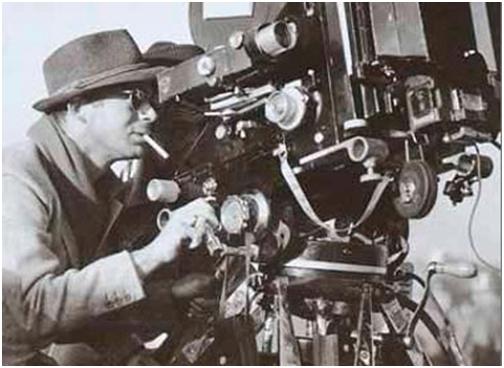
Wilder was born in Aus­tria-Hun­gary and moved as a young man to Ger­many, where he worked as a news­pa­per reporter. In the late 1920s he began writ­ing screen­plays for the Ger­man film indus­try, but he fled the coun­try soon after Adolf Hitler became chan­cel­lor in 1933. Wilder made his way to Hol­ly­wood, where he con­tin­ued to write screen­plays. He co-wrote a num­ber of suc­cess­ful films in the 30s, includ­ing Ninotch­ka, Hold Back the Dawn and Ball of Fire. In the ear­ly 40s he got his first chance to direct a Hol­ly­wood movie, and a long string of hits fol­lowed. In 1960 he won three Acad­e­my Awards for pro­duc­ing, writ­ing and direct­ing The Apart­ment.

Wilder was 90 years old when the young direc­tor Cameron Crowe approached him in 1996 about play­ing a small role in Jer­ry Maguire. Wilder said no, but the two men formed a friend­ship. Over the next sev­er­al years they talked exten­sive­ly about film­mak­ing, and in 1999 Crowe pub­lished Con­ver­sa­tions with Wilder. One of the book’s high­lights is a list of ten screen­writ­ing tips by Wilder. “I know a lot of peo­ple that have already Xerox­ed that list and put it by their type­writer,” Crowe said in a 1999 NPR inter­view. “And, you know, there’s no bet­ter film school real­ly than lis­ten­ing to what Bil­ly Wilder says.”

Here are Wilder’s ten rules of good film­mak­ing:

1: The audi­ence is fick­le.
2: Grab ’em by the throat and nev­er let ’em go.
3: Devel­op a clean line of action for your lead­ing char­ac­ter.
4: Know where you’re going.
5: The more sub­tle and ele­gant you are in hid­ing your plot points, the bet­ter you are as a writer.
6: If you have a prob­lem with the third act, the real prob­lem is in the first act.
7: A tip from Lubitsch: Let the audi­ence add up two plus two. They’ll love you for­ev­er.
8: In doing voice-overs, be care­ful not to describe what the audi­ence already sees. Add to what they’re see­ing.
9: The event that occurs at the sec­ond act cur­tain trig­gers the end of the movie.
10: The third act must build, build, build in tem­po and action until the last event, and then — that’s it. Don’t hang around.

Note: Read­ers might also be inter­est­ed in Wilder’s 1996 Paris Review inter­view. It’s called The Art of of Screen­writ­ing.

Don’t miss any­thing from Open Cul­ture. Sign up for our Dai­ly Email or RSS Feed. And we’ll send qual­i­ty cul­ture your way, every day.

via Gotham Writ­ers’ Work­shop

Relat­ed Con­tent: 

Tarkovsky’s Advice to Young Film­mak­ers: Sac­ri­fice Your­self for Cin­e­ma

Watch Ray­mond Chandler’s Long-Unno­ticed Cameo in Dou­ble Indem­ni­ty

Film­mak­ing Advice from Quentin Taran­ti­no and Sam Rai­mi (NSFW)

The 10-Minute, Never-Released, Experimental Demo of The Beatles’ “Revolution” (1968)

What is a “Rev­o­lu­tion”? The ques­tion might pre­cede a lengthy dis­qui­si­tion on polit­i­cal phi­los­o­phy; it might presage a man­i­festo redefin­ing an old, worn-out term; it might open up a vinyl-era flight of the­o­ret­i­cal fan­cy over the qual­i­ta­tive dimen­sion of Rev­o­lu­tions Per Minute. As an open­ing gam­bit to a dis­cus­sion of The Bea­t­les’ “Rev­o­lu­tion” (and “Rev­o­lu­tion 9”), per­haps the ques­tion ven­tures on the truth of ver­sions, alter­nates, “takes,” as much a part of his­to­ry as top­pling regimes and mass move­ments.

How does all of this heav­i­ness get into pop music? Ask John Lennon. Well, no, ask his music. Ask the his­to­ry of his music, the alter­nates, the hid­den inten­tions, false starts, dis­card­ed rev­o­lu­tion­ary move­ments. Ask, “Rev­o­lu­tion Take 20,” the alter­nate take of “Rev­o­lu­tion” that you hear above. “Rev­o­lu­tion 20” has a lot to say. It tells us about how a noisy, upbeat shoo­by-doo-wop blues pro­claim­ing the pow­er of love over vio­lence did not orig­i­nal­ly do so with such star­ry-eyed opti­mism and com­fort­ing pop brevi­ty (the kind of thing that sells Nikes, for instance). “Rev­o­lu­tion” had oth­er inten­tions, which we only glimpse in the song’s sev­ered ves­ti­gial tail “Rev­o­lu­tion 9,” and which we may have had quite enough of, thank you, in the arty weird­ness of Yoko Ono’s most exper­i­men­tal work.

You see, “Rev­o­lu­tion” and non-Nike-wor­thy “Rev­o­lu­tion 9” once belonged to the same ani­mal, a crea­ture that evolved from Lennon’s (and Ono’s) fas­ci­na­tion with musique con­crète, and with decon­struct­ing rock music into some­thing unrec­og­niz­able. The kind of rev­o­lu­tion “Rev­o­lu­tion 20” stages isn’t the dichoto­mous option between peace & love the­atrics or reac­tionary violence—it’s a rev­o­lu­tion of form, which is what Lennon seems to be after here, a new way of being that dis­solves con­tra­dic­tions in the sil­ly Freudi­an shtick of Paul McCart­ney and George Har­ri­son singing “Mama… Dada…” over and over as the clas­si­cal tropes of rock and roll warp and wob­ble around them in dis­in­te­grat­ing pitch shifts, radio noise, and spo­ken word non-sequiturs.

At over ten min­utes in length, “Rev­o­lu­tion Take 20”—which appeared as a mono mix on a 2009 boot­leg CD called Rev­o­lu­tion: Take… Your Knick­ers Off (after a piece of Lennon humor at the intro)—is more than an alter­nate take. It’s an alter­nate his­to­ry, one in which Lennon doesn’t just lay in bed for peace; he lays down on the stu­dio floor to record his vocals, and all the while his mind active­ly dis­as­sem­bles rock and roll. As the record­ing engi­neer Bri­an Gib­son remem­bers the ses­sion: “John decid­ed he would feel more com­fort­able on the floor so I had to rig up a micro­phone which would be sus­pend­ed on a boom above his mouth. It struck me as some­what odd, a lit­tle eccen­tric, but they were always look­ing for a dif­fer­ent sound; some­thing new.”

That Lennon ulti­mate­ly decid­ed to divide this mon­ster into Rev­o­lu­tions 1 & 9 does not mean that he’d giv­en up on mak­ing “some­thing new.” Per­haps it was a mar­ket­ing deci­sion; maybe he real­ized that he had a hit on his hands. Less, cyn­i­cal­ly, per­haps he felt that pop music could not con­tain the weight of his desire to move beyond, or to dis­solve, the seem­ing false choic­es on offer.

Relat­ed Con­tent:

The Bea­t­les: Unplugged Col­lects Acoustic Demos of White Album Songs (1968)

Decon­struct­ing The Mas­ter Track of The Bea­t­les’ “Sgt. Pepper’s Lone­ly Hearts Club Band”

Meet the Dr. Who Com­pos­er Who Almost Turned The Bea­t­les’ “Yes­ter­day” Into Ear­ly Elec­tron­i­ca

Josh Jones is a writer and musi­cian based in Wash­ing­ton, DC. Fol­low him at @jdmagness

Jurassic Park Tells You Everything You Need to Know About the Dangers of Global Capitalism

For­get putting a bird on it. Put on a dinosaur on it for a sure­fire hit in our mar­ket-dri­ven econ­o­my. Direc­tor Stephen Spiel­berg cer­tain­ly did­n’t skimp on the “ter­ri­ble lizards” when adapt­ing Michael Crich­ton’s Juras­sic Park for the screen, and things turned out pret­ty well for him.

Mike Rugnetta, the fast-talk­ing host of PBS’s Idea Chan­nel, the­o­rizes that the 20-year-old film is a great, pos­si­bly inad­ver­tent com­men­tary on the dan­gers of glob­al mar­ket cap­i­tal­ism. His mer­ry spoil­er-packed video touch­es on such phe­nom­e­na as risky invest­ments, the sub­prime mort­gage cri­sis, and the hav­oc that can be wreaked by a dis­grun­tled employ­ee. He hales both Richard Atten­bor­ough’s park own­er char­ac­ter and Direc­tor Spiel­berg as ego­tis­ti­cal mad­men chas­ing mon­strous prof­its. His kitchen sink approach inevitably leads to appear­ances by both Bar­ney and Sloven­ian philoso­pher and cul­tur­al crit­ic Slavoj Žižek.

Rugnetta is quick (of course) to point out that he could come up with sim­i­lar hypothe­ses for such com­par­a­tive­ly fresh releas­es as World War Z (wage slav­ery), Iron Man (glo­ry be to the world-sav­ing entre­pre­neur), and Pacif­ic Rim (the glob­al mar­ket will unite us all)… but why, when Juras­sic Park’s got endur­ing, mar­ket-test­ed crowd-pleasers?

Relat­ed Con­tent:

Does Math Objec­tive­ly Exist, or Is It a Human Cre­ation? A New PBS Video Explores a Time­less Ques­tion

Hen­ry Rollins: Edu­ca­tion is the Cure to “Dis­as­ter Cap­i­tal­ism”

Intel­li­gent YouTube Chan­nels

Ayun Hal­l­i­day final­ly got around to see­ing this movie last spring. Fol­low her @AyunHalliday 

Andy Warhol Shoots “Screen Tests” of Nico, Bob Dylan & Salvador Dalí

Just the oth­er day, I had a chat with a well-known poet who laid out for me his the­o­ry that Andy Warhol invent­ed our con­cep­tion of mod­ern Amer­i­ca. When we think about this coun­try, the poet explained, we think about this coun­try broad­ly in the way that Warhol (and thus his dis­ci­ples) envi­sioned it. We here at Open Cul­ture have cov­ered sev­er­al of the forms in which the artist pro­mul­gat­ed his dis­tinc­tive brand of Amer­i­cana, and today, for the 85th anniver­sary of his birth, we’ve round­ed up a few of his famous “screen tests,” the short films he made between 1963 and 1968 that offer por­traits of hun­dreds of fig­ures, famous and oth­er­wise, who hap­pened to pass through his studio/social club/subcultural hot zone, The Fac­to­ry. Just above, you can watch Warhol’s screen test with Nico, the Ger­man singer who would become an inte­gral part of the Fac­to­ry-formed band the Vel­vet Under­ground.

Lit­tle-heard at the time but ulti­mate­ly high­ly influ­en­tial, the Vel­vet Under­ground’s sound shaped much Amer­i­can pop­u­lar music — and giv­en pop­u­lar music’s cen­tral­i­ty back then, much of Amer­i­can cul­ture to come. You may not nec­es­sar­i­ly buy that argu­ment, but sure­ly you can’t argue against the influ­ence of a cer­tain singer-song­writer by the name of Bob Dylan, Warhol’s screen test with whom appears just above.

Com­ing from a Pol­ish immi­grant fam­i­ly, and seem­ing­ly ded­i­cat­ed to the cul­ti­va­tion of his own out­sider sta­tus his entire life, Warhol under­stood the impor­tance of for­eign­ers to the vital­i­ty of Amer­i­can cul­ture. Nat­u­ral­ly, he did­n’t miss his chance to shoot a screen test with Sal­vador Dalí, below, when the Span­ish sur­re­al­ist came to the Fac­to­ry.

See also our pre­vi­ous post on Warhol’s screen tests with Lou Reed, Den­nis Hop­per, Edie Sedg­wick, and oth­ers. When you’ve watched them all, con­sid­er con­tin­u­ing your cel­e­bra­tion of life in Andy Warhol’s 85th birth­day with the Earth­Cam and The Warhol Muse­um’s col­lab­o­ra­tion Fig­ment. It offers live cam­era feeds of not only his grave but the church where he was bap­tized. Com­par­isons to the view­ing expe­ri­ence of Empire are encour­aged.

If you would like to sign up for Open Culture’s free email newslet­ter, please find it here. It’s a great way to see our new posts, all bun­dled in one email, each day.

If you would like to sup­port the mis­sion of Open Cul­ture, con­sid­er mak­ing a dona­tion to our site. It’s hard to rely 100% on ads, and your con­tri­bu­tions will help us con­tin­ue pro­vid­ing the best free cul­tur­al and edu­ca­tion­al mate­ri­als to learn­ers every­where. You can con­tribute through Pay­Pal, Patre­on, and Ven­mo (@openculture). Thanks!

Relat­ed Con­tent:

Three “Anti-Films” by Andy Warhol: Sleep, Eat & Kiss

Andy Warhol’s One Minute of Pro­fes­sion­al Wrestling Fame (1985)

Roy Licht­en­stein and Andy Warhol Demys­ti­fy Their Pop Art in Vin­tage 1966 Film

A Sym­pho­ny of Sound (1966): Vel­vet Under­ground Impro­vis­es, Warhol Films It, Until the Cops Turn Up

The film Andy Warhol: A Mir­ror of the Six­ties has been added to our list of 550 Free Movies Online.

Col­in Mar­shall hosts and pro­duces Note­book on Cities and Cul­ture and writes essays on lit­er­a­ture, film, cities, Asia, and aes­thet­ics. He’s at work on a book about Los Ange­lesA Los Ange­les Primer. Fol­low him on Twit­ter at @colinmarshall.

The “Celebrity Lecture Series” From Michigan State Features Talks by Great Writers of Our Time

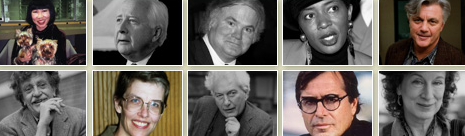
michigan state lecturesThe Celebri­ty Lec­ture Series was estab­lished at Michi­gan State Uni­ver­si­ty in 1988, and it has “fea­tured some of the most illus­tri­ous schol­ars, crit­ics, nov­el­ists, poets, and cre­ative artists of our time.” Now, thanks to a spe­cial online archive, you can revis­it these lec­tures pre­sent­ed by the likes of Amy TanArthur MillerJoyce Car­ol OatesKurt Von­negut, Jr.Mar­garet AtwoodMaya Angelou, Nor­man Mail­erPaul Ther­ouxPhilip RothRichard FordSusan Son­tagTom WolfeCar­los FuentesAugust Wil­sonE.L. Doc­torowEdward AlbeeIsabel AllendeGar­ry WillsJane Smi­leyJohn Irv­ingJohn Updike and Joseph Heller. Just click on any of the links above and you can stream the audio lec­tures for free online.

Relat­ed Con­tent:

7 Nobel Speech­es by 7 Great Writ­ers: Hem­ing­way, Faulkn­er, and More

The New Yorker’s Fic­tion Pod­cast: Where Great Writ­ers Read Sto­ries by Great Writ­ers

Six Post­cards From Famous Writ­ers: Hem­ing­way, Kaf­ka, Ker­ouac & More

Jorge Luis Borges’ 1967–8 Nor­ton Lec­tures On Poet­ry (And Every­thing Else Lit­er­ary)

by | Permalink | Make a Comment ( 3 ) |

Free: The Metropolitan Museum of Art and the Guggenheim Offer 474 Free Art Books Online

art of illumination

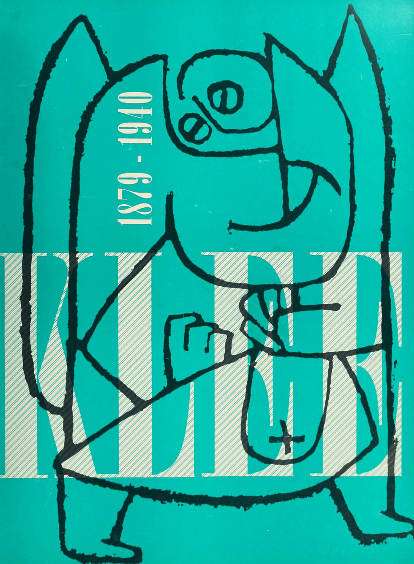
If you like read­ing about visu­al art but don’t like spend­ing the con­sid­er­able sums required to build your own library of vin­tage exhi­bi­tion cat­a­logues, feel free to bor­row from anoth­er col­lec­tor. Or rather, feel free to bor­row from two col­lec­tors, both based in New York, both of some repute: The Met­ro­pol­i­tan Muse­um of Art and the Solomon R. Guggen­heim Muse­um. Ear­ly last year, we announced that the Guggen­heim had made 65 art cat­a­logues [now increased to 99] avail­able for free online, offer­ing “an intel­lec­tu­al and visu­al intro­duc­tion to the work of Alexan­der CalderEdvard MunchFran­cis BaconGus­tav Klimt & Egon Schiele, and Wass­i­ly Kandin­sky” as well as ” oth­er texts (e.g., Mas­ter­pieces of Mod­ern Art and Abstract Expres­sion­ists Imag­iststhat tack­le meta move­ments and themes.” (That same post includes instruc­tions on how to use the Guggen­heim’s archive.)

klee-gugg

Late last year, we also announced the Met­ro­pol­i­tan Muse­um of Art’s launch of Met­Pub­li­ca­tions, which will “even­tu­al­ly offer access to near­ly all books, Bul­letins, and Jour­nals” pub­lished by the Met since 1870. The col­lec­tion now fea­tures a whop­ping 375 free art books and cat­a­logues over­all. Tak­en togeth­er, these col­lec­tions exam­ine in detail art from all eras of human his­to­ry and all parts of the world. At the top of the post, you will see the cov­er for the Met’s The Art of Illu­mi­na­tion. (Who does­n’t love illu­mi­nat­ed Medieval man­u­scripts?) Below appears Six­ty Years of Liv­ing Archi­tec­ture: The Work of Frank Lloyd Wright, avail­able from the Guggen­heim. Giv­en the pres­ence of these and the oth­er fas­ci­nat­ing cat­a­logues we’ve pre­vi­ous­ly high­light­ed, word of these two muse­ums’ online libraries cer­tain­ly should­n’t stay buried in our archives.

Relat­ed Con­tent:

MoMA Puts Pol­lock, Rothko & de Koon­ing on Your iPad

Google “Art Project” Brings Great Paint­ings & Muse­ums to You

The His­to­ry of West­ern Archi­tec­ture: From Ancient Greece to Roco­co (A Free Online Course)

Down­load 375 Free eBooks

Col­in Mar­shall hosts and pro­duces Note­book on Cities and Cul­ture and writes essays on lit­er­a­ture, film, cities, Asia, and aes­thet­ics. He’s at work on a book about Los Ange­lesA Los Ange­les Primer. Fol­low him on Twit­ter at @colinmarshall.

Thom Yorke’s Isolated Vocal Track on Radiohead’s 1992 Classic, ‘Creep’

The 1992 song “Creep,” Radio­head’s anthem of self loathing and unre­quit­ed love, was orig­i­nal­ly record­ed in one take.

The song had been writ­ten sev­er­al years ear­li­er by singer Thom Yorke, when he was still a stu­dent at Exeter Uni­ver­si­ty. “When I wrote it,” Yorke said in an ear­ly inter­view, “I was in the mid­dle of a real­ly, real­ly seri­ous obses­sion. It last­ed about eight months. And it was unsuc­cess­ful, which made it even worse. She knows who she is.”

The emo­tions were appar­ent­ly still run­ning deep when Yorke and his band­mates went into Chip­ping Nor­ton Stu­dios in their home­town of Oxford to record their debut album, Pablo Hon­ey. The raw, cathar­tic qual­i­ty of “Creep” caused an imme­di­ate stir, said pro­duc­er Paul Kolderie. “Every­one in the stu­dio applaud­ed when it was done.”

The orig­i­nal take was large­ly retained, except for a few touch-ups. Yorke went back into the stu­dio and record­ed a rewrit­ten first verse. He also agreed to change the sar­cas­tic phrase “You’re so fuck­ing spe­cial” to “You’re so very spe­cial” to make the song suit­able for Amer­i­can radio. You can hear Yorke’s vocals from the san­i­tized ver­sion in the iso­lat­ed track above. For the full arrange­ment, see the offi­cial video below.

Relat­ed Con­tent:

Lis­ten to Fred­die Mer­cury and David Bowie on the Iso­lat­ed Vocal Track for the Queen Hit ‘Under Pres­sure,’ 1981

A Mid­dle-East­ern Ver­sion of Radiohead’s 1997 Hit “Kar­ma Police”

Radiohead’s Thom Yorke Gives Teenage Girls Endear­ing Advice About Boys (And Much More)

Radio­head-Approved, Fan-Made Film of the Band at Rose­land for 2011′s The King of Limbs Tour

Kurt Cobain’s Iso­lat­ed Vocal Track From ‘Smells Like Teen Spir­it,’ 1991

Photos of Toni Morrison, Haruki Murakami, J.D. Salinger, and Virginia Woolf As Youngsters

ToniMorrisonYoung

Ah, the Buz­zfeed lis­ti­cle. Gawk­er’s Tom Scoc­ca recent­ly described the dread­ed online pub­lish­ing phe­nom as “aggres­sive­ly designed to ‘go viral’ with­in a spe­cif­ic micro­tar­get­ed pop­u­la­tion and to be worth­less to every oth­er read­er on the plan­et.” Maybe some­thing of an exag­ger­a­tion. Then again, it seems that “17 Things Bears Are Bet­ter at Than You” may reach a minor con­tin­gent of read­ers, and “7 Fan­tas­tic Needle­point Fash­ion Mag­a­zine Cov­ers” may indeed have lim­it­ed appeal. Of course, the lis­ti­cle pre­cedes the inter­net, and dri­ves con­tent beyond Buz­zfeed. A sta­ple of Cos­mo, it’s always been a nar­row form, except when it comes to such irre­sistible click­bait as “before they were famous” lists, such as this selec­tion of awk­ward pho­tos of TV per­son­al­i­ties.

MurakamiYoung

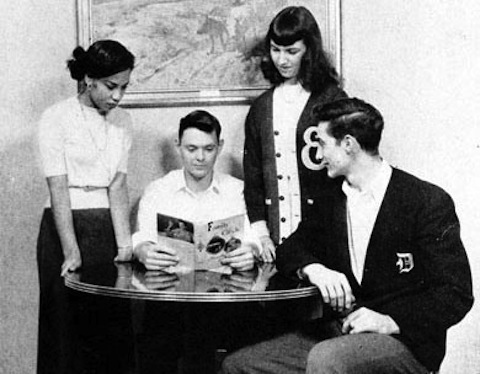
But some­times even Buz­zfeed takes the high road. A recent spread, for instance, show­cased 24 pho­tos of famous authors as young, anony­mous men and women. Take, for exam­ple, the pic at the top of a teenage Toni Mor­ri­son (then Chloe Wof­ford) from 1949. Tak­en at Ohio’s Lor­raine High School, we see senior class trea­sur­er Mor­ri­son posed with seri­ous intent, gaz­ing at some sort of mag­a­zine with three of her class­mates. Buz­zfeed pil­fered this pho­to from anoth­er lit­er­ary lis­ti­cle, Fla­vor­wire’s “20 Famous Authors’ Adorable School Pho­tos.” Not a Mor­ri­son fan? No wor­ries. You may be enlight­ened or amused by the pho­to above, of a young Haru­ki Muraka­mi, work­ing in his Tokyo jazz bar, the Peter Cat, before writ­ing his first nov­el, Hear the Wind Sing, in 1979.

SalingerYoung

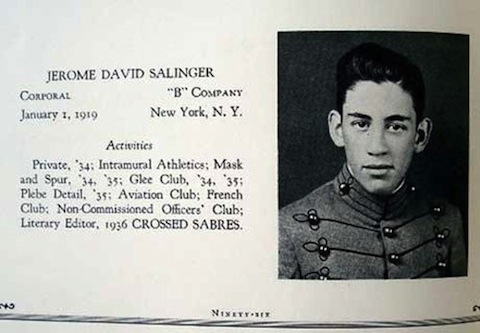
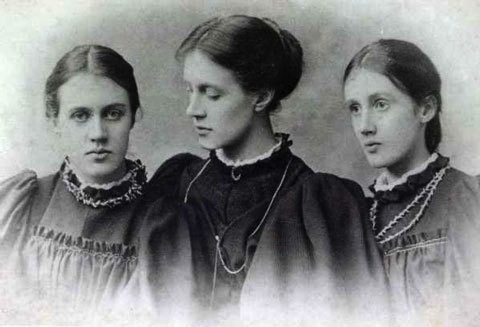
Then we have the famous recluse J.D. Salinger above, from his 1936 year­book pho­to from Val­ley Forge Mil­i­tary Acad­e­my. We learn that the future Fran­ny and Zooey author was a cor­po­ral who put in time in the glee club, the avi­a­tion and French clubs, and served as the lit­er­ary edi­tor for the year­book (called Crossed Sabres.) A copy of the year­book, signed by Salinger, went up for auc­tion last year for $2,400. Also from the Buz­zfeed list, below, (and also lift­ed from Fla­vor­wire), we have the ten­der por­trait of a 14-year-old Vir­ginia Woolf (nee Stephen—on the right), cir­ca 1896, posed with her sis­ters Stel­la and Vanes­sa (left and cen­ter).

WoolfYoung

There are sev­er­al more pho­tos float­ing around out there of famous authors as awk­ward or very intense young men and women.  They may not give us the same thrill as see­ing the lat­est hot young thing as an acne-plagued goof­ball with braces, but they pro­vide us with visu­al win­dows on the stages of our favorite writ­ers’ devel­op­ment as real peo­ple in real life.

Relat­ed Con­tent:

Author Flan­nery O’Connor Cap­tured on Film at Age 5, with Her Chick­ens

Writ­ers’ Hous­es Gives You a Vir­tu­al Tour of Famous Authors’ Homes

Pho­tos of Famous Writ­ers (and Rock­ers) with their Dogs

Josh Jones is a writer and musi­cian based in Wash­ing­ton, DC. Fol­low him at @jdmagness

« Go BackMore in this category... »
Quantcast