Rare Recording of Controversialist, Journalist and American Literary & Social Critic, H.L. Mencken

http://www.youtube.com/watch?v=QpGzpqU-b04

Hen­ry Louis Menck­en (1880–1956) was a famous Amer­i­can jour­nal­ist, essay­ist, crit­ic of Amer­i­can life and cul­ture, and a schol­ar of Amer­i­can Eng­lish. An expert in so many fields, he was called “the Bal­ti­more Sage.” At the age of 22, Menck­en became man­ag­ing edi­tor of the Morn­ing Her­ald in his home­town of Bal­ti­more. But it was not only through his work as a jour­nal­ist that he was “as famous in Amer­i­ca as George Bernard Shaw was in Eng­land.” The influ­en­tial lit­er­ary crit­ic helped launch the South­ern and Harlem lit­er­ary renais­sances. With his lit­er­ary jour­nal The Smart Set, Menck­en paved the way for writ­ers such as F. Scott Fitzger­ald, Eugene O’Neill, Sin­clair Lewis, Theodore Dreis­er, and James Joyce. He also wrote sev­er­al books, most notably his mon­u­men­tal study The Amer­i­can Lan­guage.

“The two main ideas that run through all of my writ­ing, whether it be lit­er­ary crit­i­cism or polit­i­cal polemic are these: I am strong in favor of lib­er­ty and I hate fraud.” (source) His spir­it­ed defense of the free­dom of speech and of the press almost land­ed him in jail when he fought against the ban­ning of his sec­ond lit­er­ary jour­nal, The Amer­i­can Mer­cury.

This inter­view above was con­duct­ed by Menck­en’s col­league Don­ald Howe Kirkley of The Bal­ti­more Sun in a small record­ing room at the Library of Con­gress in Wash­ing­ton on June 30, 1948. It gives you a rare chance to hear his voice.

Bonus mate­r­i­al:

By pro­fes­sion, Matthias Rasch­er teach­es Eng­lish and His­to­ry at a High School in north­ern Bavaria, Ger­many. In his free time he scours the web for good links and posts the best finds on Twit­ter.

Hear 38 Versions of “September Song,” from James Brown, Lou Reed, Sarah Vaughan and Others

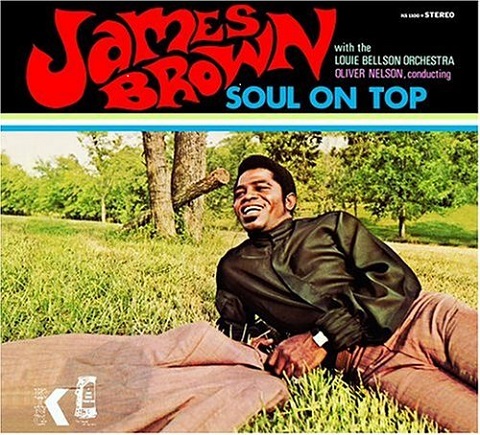
Jb-soul-on-top

Sep­tem­ber hav­ing begun, let us lis­ten to its song. Rather, let us lis­ten to 38 of its songs. Or, speak­ing even more pre­cise­ly, 38 ver­sions of one of its songs: “Sep­tem­ber Song,” orig­i­nal­ly writ­ten by Kurt Weill and Maxwell Ander­son for the 1938 musi­cal Knicker­bock­er Hol­i­day, which has since made its way into the Amer­i­can pop song­book. A few Sep­tem­bers ago, Ken Freed­man of famed inde­pen­dent radio sta­tion WFMU tried to spin every ver­sion of “Sep­tem­ber Song” he pos­si­bly could on his show. Toward the end of the month, he post­ed on WFMU’s Beware of the Blog a roundup of the 38 finest ver­sions he found. “Noth­ing beats the James Brown ver­sion from his 1970 LP Soul on Top,” says Freed­man, ”on which he was backed up by the Louis Bell­son Big Band, with arrange­ments by Oliv­er Nel­son.” You can hear it just below:

But do none of the oth­er ver­sions real­ly beat it? Why not test Brown’s ver­sion against avant-rock­er Lou Reed’s:
Or beloved jazz singer Sarah Vaughan’s:
Or Fleet­wood Mac singer-song­writer-gui­tarist Lind­sey Buckingham’s:

Some of these 38 only broad­ly count as a ver­sion of “Sep­tem­ber Song,” which, of course, only makes the col­lec­tion more inter­est­ing. Take, for instance, John Lennon’s “cov­er,” which occurs acci­den­tal­ly in the course of an unre­lat­ed record­ing. Freed­man describes it as “a work in progress called ‘Dear John,’ report­ed­ly one of the last songs Lennon was work­ing on before his death. It’s includ­ed here only because his melody and lyrics stum­ble into ‘Sep­tem­ber Song’ mid-way through the tune, elic­it­ing a chuck­le from Lennon.” Lis­ten to it, and con­tin­ue your month’s true musi­cal begin­ning, below:

Avant-Garde Poet Henri Michaux Creates Educational Film Visualizing Effects of Mescaline & Hash (1964)

You don’t need to under­stand French to appre­ci­ate the project. In 1964, the Swiss phar­ma­ceu­ti­cal com­pa­ny San­doz (now Novar­tis) com­mis­sioned the Bel­gian writer, poet and painter Hen­ri Michaux to pro­duce a film that demon­strat­ed the effects of hal­lu­cino­genic drugs. The com­pa­ny saw the film as a way to help its sci­en­tists get clos­er to the hal­lu­cino­genic expe­ri­ence — not sur­pris­ing, giv­en that San­doz was the com­pa­ny that first syn­the­sized LSD back in 1938.

Hen­ri Michaux had already pub­lished accounts where he used words, signs and draw­ings to recount his expe­ri­ences with trip-induc­ing drugs. (See his trans­lat­ed book, Mis­er­able Mir­a­cle.) And that con­tin­ued with the new film, Images du monde vision­naire (Images of a Vision­ary World.) At the top, you can find the trip­py seg­ment devot­ed to mesca­line, and, below that, Michaux’s visu­al treat­ment of hashish. Watch the com­plete film, except for one unfor­tu­nate­ly blem­ished minute, here.

Relat­ed Con­tent:

This is What Oliv­er Sacks Learned on LSD and Amphet­a­mines

Aldous Huxley’s LSD Death Trip

Ken Kesey’s First LSD Trip Ani­mat­ed

How to Oper­ate Your Brain: A User Man­u­al by Tim­o­thy Leary (1993)

Beyond Tim­o­thy Leary: 2002 Film Revis­its His­to­ry of LSD

by | Permalink | Make a Comment ( 3 ) |

What We Still Don’t Know: Martin Rees Tackles Deepest Scientific Questions in Great Documentary

Episode one: ‘Are We Alone?’

“The Uni­verse is still a place of mys­tery and won­der,” says cos­mol­o­gist Mar­tin Rees in this three-part series from Chan­nel 4. “With each advance, new ques­tions come into sharp­er focus.”

What We Still Don’t Know was first broad­cast in 2004. It won a British Indie Award the fol­low­ing year for best sci­ence doc­u­men­tary. Direct­ed by Srik Narayanan and nar­rat­ed by David Mal­one, the series offers a fas­ci­nat­ing look at some of the most fun­da­men­tal ques­tions in sci­ence — or indeed, in life. “Are We Alone?” (above). “Why Are We Here?” and “Are We Real?” (Both below).

Episode two: ‘Why Are We Here?

Episode three: ‘Are We Real?’

by | Permalink | Make a Comment ( 3 ) |

Synchronized, Timelapse Video Shows Train Traveling from London to Brighton in 1953, 1983 & 2013

In 1953, the BBC filmed a train jour­ney from Lon­don to Brighton, “squeezed into just four min­utes.”  30 years lat­er, in 1983, they record­ed the same jour­ney again. And then for a third time in 2013. Above, you can watch all three jour­neys side by side. The videos are per­fect­ly in sync, which makes it par­tic­u­lar­ly easy to see what has changed — and what hasn’t — over the course of 60 years. You will see sim­i­lar­i­ties and dif­fer­ences in the land­marks along the routes. But the biggest con­trast? It’s the peo­ple who get off of the train at the end. Enjoy the ride.
Fol­low us on Face­bookTwit­ter and now Google Plus and share intel­li­gent media with your friends! They’ll thank you for it. If you want a dai­ly email digest of our posts, you can sign up here.

by | Permalink | Make a Comment ( 8 ) |

FBI’s “Vault” Web Site Reveals Declassified Files on Hemingway, Einstein, Marilyn & Other Icons


fbi files

Yes­ter­day we fea­tured pages from Charles Bukowski’s FBI file and, along the way, men­tioned William T. Vollman’s. But the Fed­er­al Bureau of Inves­ti­ga­tion has kept tabs on a much wider vari­ety of cul­tur­al fig­ures than just writ­ers: musi­cians, come­di­ans, film­mak­ers, sci­en­tists, actors, and activists have also caught its much-see­ing eye. You can browse a great many of these files, now declas­si­fied, in The Vault, the FBI’s “new elec­tron­ic read­ing room, con­tain­ing 6,700 doc­u­ments and oth­er media that have been scanned from paper into dig­i­tal copies so you can read them in the com­fort of your home or office.” The FBI help­ful­ly breaks down the files into cat­e­gories, from anti-war (Abbie Hoff­man,Howard Zinn) to gang­ster era (Al CaponeJohn Dillinger) to unex­plained phe­nom­e­na (Roswell UFOextra-sen­so­ry per­cep­tion). But you, Open Cul­ture read­er, might find the most mate­r­i­al of inter­est in The Vault’s pop­u­lar cul­ture sec­tion.

There you’ll find mate­ri­als per­tain­ing to:

  • Ernest Hemingway’s “intel­li­gence work on behalf of the U.S. Embassy in Havana, Cuba between 1942 and 1944″
  • Orson Welles’ “poten­tial ties to com­mu­nist activ­i­ties in 1940s Hol­ly­wood”
  • Char­lie Chaplin’s ties to com­mu­nist orga­ni­za­tions (along with an inter­state pros­ti­tu­tion inves­ti­ga­tion)
  • John Lennon’s con­nec­tions to anti-war groups, which you’d expect, and an inves­ti­ga­tion of a threat made against him, which you may not
  • Mar­i­lyn Monroe’s con­nec­tions to com­mu­nism through her one­time hus­band Arthur Miller and oth­er­wise
  • Albert Einstein’s ”rad­i­cal back­ground”
  • Jef­fer­son Airplane’s “involve­ment in con­certs at demon­stra­tions such as one orga­nized by the Youth Inter­na­tion­al Par­ty [ … ] to impeach Pres­i­dent Nixon”
  • Helen Keller’s com­mu­nist sym­pa­thies
  • The Doors’ ”trash” music and its dis­sem­i­na­tion
  • The poten­tial obscen­i­ty of the Kingmen’s “Louie, Louie” (nobody could tell for sure)

If you dig into the Vault, you’ll see that not every FBI inves­ti­ga­tion begins with a sus­pi­cion that the lumi­nary in ques­tion is up to no good. In many cas­es, cul­tur­al fig­ures received threats (usu­al­ly extor­tion-relat­ed) from mys­te­ri­ous par­ties and called in the FBI to, well, inves­ti­gate. As with any tool in human hands, nations can use their inves­ti­ga­tion orga­ni­za­tions for good, or for, shall we say, more ambigu­ous pur­pos­es. What­ev­er their aims, they do pro­duce fas­ci­nat­ing read­ing.

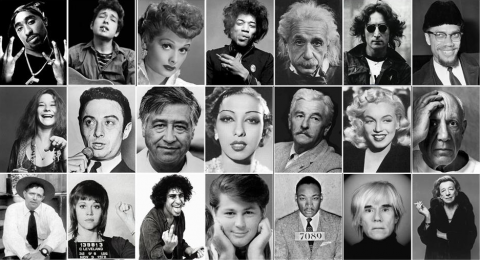
Above you can find a mosa­ic of cul­tur­al fig­ures that were on the FBI radar. The image comes from decryptedmatrix.com.

Relat­ed Con­tent:

Read 113 Pages of Charles Bukowski’s FBI File From 1968

How to Spot a Com­mu­nist Using Lit­er­ary Crit­i­cism: A 1955 Man­u­al from the U.S. Mil­i­tary

Col­in Mar­shall hosts and pro­duces Note­book on Cities and Cul­ture and writes essays on lit­er­a­ture, film, cities, Asia, and aes­thet­ics. He’s at work on a book about Los Ange­lesA Los Ange­les Primer. Fol­low him on Twit­ter at @colinmarshall.

The Music of Queen Re-Imagined by “Extraordinary” Classical Pianist, Natalia Posnova

Queen’s con­junc­tion of the high­ly the­atri­cal with the musi­cal­ly vir­tu­oso set the bar for rock opera as high as it will go. Fred­die Mer­cury and Bri­an May were such extra­or­di­nar­i­ly tal­ent­ed musi­cians that it seems impos­si­ble for any­one to do their com­po­si­tions jus­tice in cov­er ver­sions, and I can’t think of any­one who has. Until now, per­haps. Because now, I have seen pianist Natalia Pos­no­va cov­er Queen’s 1980 movie theme song “Flash,” writ­ten for the, shall we say, less-than-mem­o­rable Flash Gor­don film of the same year. The orig­i­nal song is an almost ridicu­lous­ly cool oper­at­ic rock anthem, fea­tur­ing every­thing we love about the clas­sic Queen song: John Deacon’s tense, thump­ing bassline, Roger Taylor’s explo­sive drum fills, Bri­an May’s gui­tar arpeg­gios, and, of course, vocal har­monies the likes of which the Mor­mon Taber­na­cle Choir might envy.

Natalia Posnova’s ver­sion fea­tures none of these things. Only a piano, and in the video, her shiny red Flash Gor­don-themed out­fit. Nev­er­the­less, she man­ages to com­plete­ly cap­ture the dra­ma of the orig­i­nal in her ver­sion, titled “Flash Fan­ta­sy.” She cer­tain­ly con­vinced Bri­an May, who writes on his blog, “THIS WOMAN IS EXTRAORDINARY! I just ‘dis­cov­ered’ Natalia Pos­no­va. She is an amaz­ing pianist and inter­preter of songs. And I do not use this term light­ly. This video clip is worth a mil­lion hits. I hope it gets them … I have seri­ous­ly,  in all these years, nev­er seen or heard any­thing like this. To see this amount of beau­ty, tal­ent,  inno­va­tion and pure bravu­ra in one shot is astound­ing.” He hopes to see her live some­day. Above, she tack­les anoth­er the­atri­cal Queen song, “Who Wants to Live For­ev­er,” this time in suit­able evening wear for the hyper­dra­mat­ic bal­lad. Posnova’s ren­di­tions bring to the fore­ground the clas­si­cal har­monies embed­ded in these songs. For more on Posnova’s inter­pre­ta­tions of Queen, see Fred­die Mercury’s friend Peter Free­stone and Pos­no­va her­self dis­cuss her approach in the video below, and enjoy her take on anoth­er love­ly bal­lad, “Don’t Try So Hard.”

HT to OC read­er, Dirk, for send­ing this along.

Relat­ed Con­tent:

Gui­tarist Bri­an May Explains the Mak­ing of Queen’s Clas­sic Song, ‘Bohemi­an Rhap­sody’

Queen Doc­u­men­tary Pays Trib­ute to the Rock Band That Con­quered the World

Lis­ten to Fred­die Mer­cury and David Bowie on the Iso­lat­ed Vocal Track for the Queen Hit ‘Under Pres­sure,’ 1981

Josh Jones is a writer and musi­cian based in Durham, NC. Fol­low him at @jdmagness

Author Rob Sheffield Picks Karaoke Songs for Famous Authors: Imagine Wallace Stevens Singing the Velvet Underground’s “Sunday Morning”

The poet Wal­lace Stevens‘ reclu­sive­ness would have made him an unlike­ly can­di­date for karaoke, but death is a great lev­el­er. One who’s shuf­fled off this mor­tal coil can no longer claim to be pub­lic­i­ty shy or high­ly pro­tec­tive of his pri­va­cy. Nor can he object if a liv­ing author—Rob Sheffield, say—selects a song for him to hypo­thet­i­cal­ly butch­er.

This is how a qui­et poet-accoun­tant of Stevens’ stature finds him­self hold­ing the mic in a beyond-the grave karaoke suite, fac­ing the scrolling lyrics of The Vel­vet Underground’s “Sun­day Morn­ing” (above).

The strange pair­ing is part of a pub­lic­i­ty stunt in ser­vice of Sheffield’s new book, Turn Around Bright Eyes: the Rit­u­als of Love and Karaoke. Vis­it Book­ish to see his ulti­mate karaoke tracks for four oth­er late authors, includ­ing Oscar Wilde and the ago­ra­pho­bic Emi­ly Dick­in­son.

It’s all in fun, nat­u­ral­ly, but Sheffield, the music jour­nal­ist and karaoke con­vert, is not just hav­ing an iron­ic laugh at his favorite poet’s expense. (Though no doubt Stevens’ poem, “Sun­day Morn­ing,” fac­tored heav­i­ly into the deci­sion-mak­ing process.)

Here’s how we know Sheffield is sin­cere. Karaoke became his unlike­ly emo­tion­al res­cuer fol­low­ing the untime­ly death of his first wife, and helped forge bonds with a new roman­tic part­ner.  Lis­ten to his pas­sion­ate descrip­tion of its trans­for­ma­tive effects in the video below. He could be a poet describ­ing his muse. Even die hard karaoke resis­tors may be moved to give it a whirl after hear­ing him speak.

May we sug­gest “Sun­day Morn­ing” for your first out­ingIf you’re feel­ing ner­vous, ded­i­cate it to Wal­lace Stevens. There in spir­it, sure­ly.

Relat­ed Con­tent:

Bill Mur­ray Reads Wal­lace Stevens Poems — “The Plan­et on The Table” and “A Rab­bit as King of the Ghosts”

Wal­lace Stevens Reads His Own Poet­ry

A Sym­pho­ny of Sound (1966): Vel­vet Under­ground Impro­vis­es, Warhol Films It, Until the Cops Turn Up

Find Read­ings by Wal­lace Stevens in our col­lec­tion of Free Audio Books

Ayun Hal­l­i­day‘s favorite karaoke tune is the the Divinyls’ always-inap­pro­pri­ate “I Touch Myself.” Fol­low her @AyunHalliday

by | Permalink | Make a Comment ( 1 ) |

« Go BackMore in this category... »
Quantcast