The 1982 DC Comics Style Guide Is Online: A Blueprint for Superman, Batman & Your Other Favorite Superheroes

DC Style Guide 1

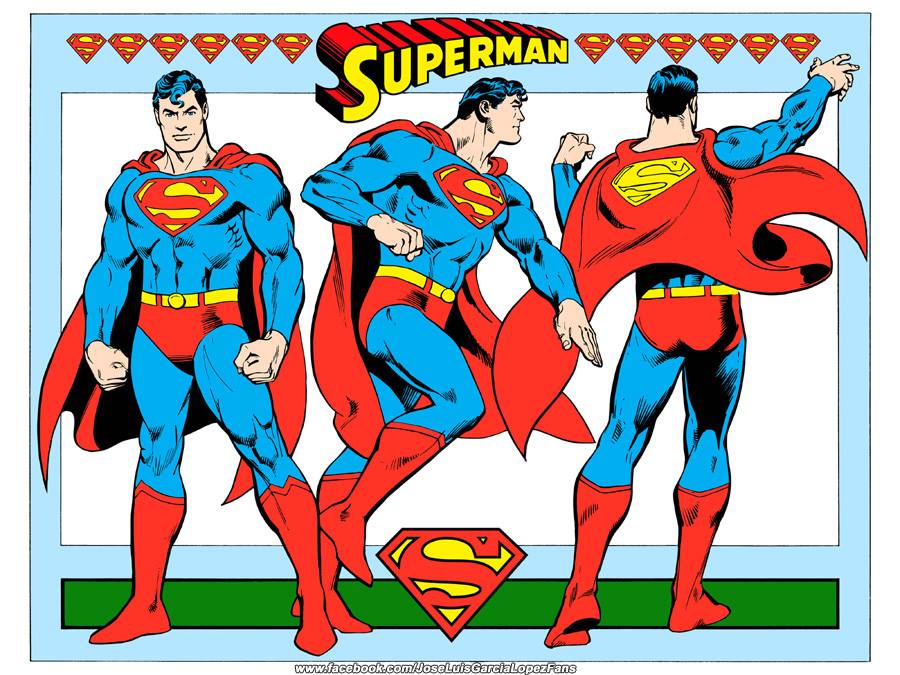
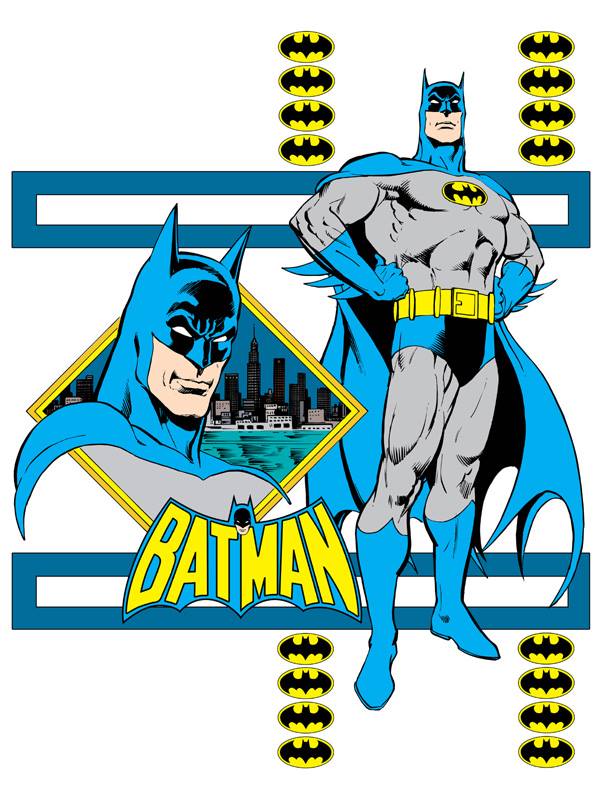
Even if you don’t like com­ic books, think of names like Super­man, Bat­man, and Won­der Woman, and you get a very clear men­tal pic­ture indeed. Clas­sic super­heroes live, breathe, bat­tle supervil­lians, and even die and return to life across decades upon decades of sto­ry­lines (and often more than one at once), but we all know them because, just like the most endur­ing cor­po­rate logos, they also stand as sur­pass­ing­ly effec­tive works of com­mer­cial art. But giv­en that count­less dif­fer­ent artists in var­i­ous media have had to ren­der these super­heroes over those decades, how have their images remained so utter­ly con­sis­tent?

DC Style Guide 2

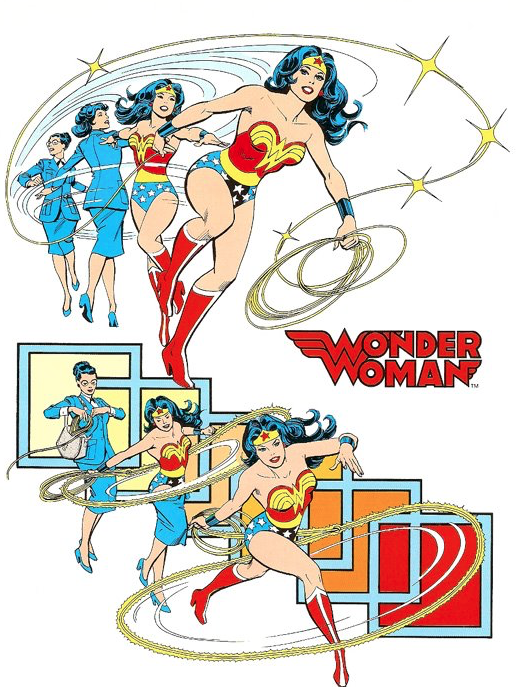
That owes to doc­u­ments such as the 1982 DC Comics Style Guide, scanned and recent­ly post­ed to a Face­book group for fans of com­ic-book artist José Luis Gar­cía-López. Hav­ing spent most of his career with DC Comics, care­tak­er of Super­man, Bat­man, Won­der Woman, and many oth­er well-known and much-licensed heroes and vil­lains besides, Gar­cía-López sure­ly knows in his very bones the sort of details of cos­tume, physique, pos­ture, and bear­ing these style guides exist to con­vey.

DC Style Guide 3

Being 33 years old, this par­tic­u­lar style guide does­n’t per­fect­ly reflect the way all of DC’s super­heroes look today, what with the aes­thet­ic changes made to keep them hip year on year. But you’ll notice that, while fash­ions tend to have their way with the more minor char­ac­ters (long­time DC fans espe­cial­ly lament the head­band and big hair this style guide inflict­ed upon Super­girl), the major ones still look, on the whole, pret­ty much the same. Sure, Super­man has the strength and the flight, Bat­man has the wealth and the vast armory of high-tech crime-fight­ing tools, and Won­der Woman can do pret­ty much any­thing, but all those abil­i­ties pale in com­par­i­son to the sheer pow­er of their design. You can flip through the rest of the Style Guide here.
dc style guide 5


(via Metafil­ter)

Relat­ed Con­tent:

Down­load Over 22,000 Gold­en & Sil­ver Age Com­ic Books from the Com­ic Book PlusArchive

Down­load 15,000+ Free Gold­en Age Comics from the Dig­i­tal Com­ic Muse­um

Kapow! Stan Lee Is Co-Teach­ing a Free Com­ic Book MOOC, and You Can Enroll for Free

Bat­man & Oth­er Super Friends Sit for 17th Cen­tu­ry Flem­ish Style Por­traits

Col­in Mar­shall writes on cities, lan­guage, Asia, and men’s style. He’s at work on a book about Los Ange­les, A Los Ange­les Primer, and the video series The City in Cin­e­ma. Fol­low him on Twit­ter at @colinmarshall or on Face­book.

Watch The Half Hour Hegel: A Long, Guided Tour Through Hegel’s Phenomenology, Passage by Passage

Big books can be daunt­ing. Big, com­pli­cat­ed books can seem insur­mount­able, espe­cial­ly if you’re try­ing to read them on your own. How many of you have tried to read Joyce’s Ulysses’ and bailed out with­in 30 pages? Raise your hands. Well, per­haps you’ll be pleased to learn about Frank Delaney’s Re:Joyce pod­cast, which, since 2012, has been tak­ing lis­ten­ers on a slow walk through Joyce’s mas­ter­piece, some­times sen­tence by sen­tence. Episode 273 has just been post­ed, which fea­tures Delaney unpack­ing a scene in “Hades,” or what amounts to Chap­ter 6. By my count, Frank has only cov­ered about 15% of the book. So it’s hard­ly too late to jump in.

If you’re look­ing to work your way through anoth­er bear of a book, give Hegel’s Phe­nom­e­nol­o­gy of the Spir­it a try. Writ­ten in 1807, the Phe­nom­e­nol­o­gy had a pro­found effect on the devel­op­ment of Ger­man and West­ern phi­los­o­phy, and it’s a noto­ri­ous­ly dif­fi­cult read. That’s where the Youtube series “Half Hour Hegel” comes in handy. Cre­at­ed by Gre­go­ry Sadler, a philoso­pher by train­ing, the series fea­tures “25–35 minute YouTube videos lead­ing stu­dents through the entire text of G.W.F. Hegel’s Phe­nom­e­nol­o­gy of Spir­it, para­graph by para­graph, engag­ing in a close read­ing of the text with­out skip­ping any of the mate­r­i­al.”

You can find 67 videos so far (watch the playlist above), cov­er­ing 5 main por­tions of the text: the Pref­ace (lec­tures 1–31), the Intro­duc­tion (lec­tures 32–38), Sense-Cer­tain­ty (lec­tures 39–44), Per­cep­tion (lec­tures 45–51), and Force and the Under­stand­ing (lec­tures 52–65).”  By the end of the project, there will be rough­ly 300 videos in the series. You can keep tabs on the video playlist here. And you can sup­port Sadler’s work over on his Patre­on page.

Oth­er cours­es on Hegel can be found on our list of Free Online Phi­los­o­phy Cours­es, a sub­set of our meta col­lec­tion, 1,700 Free Online Cours­es from Top Uni­ver­si­ties.

If you would like to sign up for Open Culture’s free email newslet­ter, please find it here. It’s a great way to see our new posts, all bun­dled in one email, each day.

If you would like to sup­port the mis­sion of Open Cul­ture, con­sid­er mak­ing a dona­tion to our site. It’s hard to rely 100% on ads, and your con­tri­bu­tions will help us con­tin­ue pro­vid­ing the best free cul­tur­al and edu­ca­tion­al mate­ri­als to learn­ers every­where. You can con­tribute through Pay­Pal, Patre­on, and Ven­mo (@openculture). Thanks!

Relat­ed Con­tent:

An Ani­mat­ed Intro to G.W.F. Hegel, and Every­thing Else You Want­ed to Know About the Daunt­ing Ger­man Philoso­pher

How Mar­tin Luther King, Jr. Used Hegel, Kant & Niet­zsche to Over­turn Seg­re­ga­tion in Amer­i­ca


by | Permalink | Make a Comment ( 2 ) |

Marilyn Monroe Recounts Her Harrowing Experience in a Psychiatric Ward in a 1961 Letter

Marilyn_Monroe_in_The_Misfits_trailer_2

By the end of 1960, Mar­i­lyn Mon­roe was com­ing apart.

She spent much of that year shoot­ing what would be her final com­plet­ed movie – The Mis­fits (see a still from the trail­er above). Arthur Miller penned the film, which is about a beau­ti­ful, frag­ile woman who falls in love with a much old­er man. The script was pret­ty clear­ly based on his own trou­bled mar­riage with Mon­roe. The pro­duc­tion was by all accounts spec­tac­u­lar­ly pun­ish­ing. Shot in the deserts of Neva­da, the tem­per­a­ture on set would reg­u­lar­ly climb north of 100 degrees. Direc­tor John Hus­ton spent much of the shoot rag­ing­ly drunk. Star Clark Gable dropped dead from a heart attack less than a week after pro­duc­tion wrapped. And Mon­roe watched as her hus­band, who was on set, fell in love with pho­tog­ra­ph­er Inge Morath. Nev­er one blessed with con­fi­dence or a thick skin, Mon­roe retreat­ed into a daze of pre­scrip­tion drugs. Mon­roe and Miller announced their divorce on Novem­ber 11, 1960.

A few months lat­er, the emo­tion­al­ly exhaust­ed movie star was com­mit­ted by her psy­cho­an­a­lyst Dr. Mar­i­anne Kris to the Payne Whit­ney Psy­chi­atric Clin­ic in New York. Mon­roe thought she was going in for a rest cure. Instead, she was escort­ed to a padded cell. The four days she spent in the psych ward proved to be among the most dis­tress­ing of her life.

In a riv­et­ing 6‑page let­ter to her oth­er shrink, Dr. Ralph Green­son, writ­ten soon after her release, she detailed her ter­ri­fy­ing expe­ri­ence.

There was no empa­thy at Payne-Whit­ney — it had a very bad effect — they asked me after putting me in a “cell” (I mean cement blocks and all) for very dis­turbed depressed patients (except I felt I was in some kind of prison for a crime I had­n’t com­mit­ted. The inhu­man­i­ty there I found archa­ic. They asked me why I was­n’t hap­py there (every­thing was under lock and key; things like elec­tric lights, dress­er draw­ers, bath­rooms, clos­ets, bars con­cealed on the win­dows — the doors have win­dows so patients can be vis­i­ble all the time, also, the vio­lence and mark­ings still remain on the walls from for­mer patients). I answered: “Well, I’d have to be nuts if I like it here.”

Mon­roe quick­ly became des­per­ate.

I sat on the bed try­ing to fig­ure if I was giv­en this sit­u­a­tion in an act­ing impro­vi­sa­tion what would I do. So I fig­ured, it’s a squeaky wheel that gets the grease. I admit it was a loud squeak but I got the idea from a movie I made once called “Don’t Both­er to Knock”. I picked up a light-weight chair and slammed it, and it was hard to do because I had nev­er bro­ken any­thing in my life — against the glass inten­tion­al­ly. It took a lot of bang­ing to get even a small piece of glass — so I went over with the glass con­cealed in my hand and sat qui­et­ly on the bed wait­ing for them to come in. They did, and I said to them “If you are going to treat me like a nut I’ll act like a nut”. I admit the next thing is corny but I real­ly did it in the movie except it was with a razor blade. I indi­cat­ed if they did­n’t let me out I would harm myself — the fur­thest thing from my mind at that moment since you know Dr. Green­son I’m an actress and would nev­er inten­tion­al­ly mark or mar myself. I’m just that vain.

Dur­ing her four days there, she was sub­ject­ed to forced baths and a com­plete loss of pri­va­cy and per­son­al free­dom. The more she sobbed and resist­ed, the more the doc­tors there thought she might actu­al­ly be psy­chot­ic. Monroe’s sec­ond hus­band, Joe DiMag­gio, res­cued her by get­ting her released ear­ly, over the objec­tions of the staff.

You can read the full let­ter (where she also talks about read­ing the let­ters of Sig­mund Freud) over at Let­ters of Note. And while there, make sure you pick up a copy of the very ele­gant Let­ters of Note book.

Relat­ed Con­tent:

The 430 Books in Mar­i­lyn Monroe’s Library: How Many Have You Read?

Mar­i­lyn Mon­roe Reads Joyce’s Ulysses at the Play­ground (1955)

Mar­i­lyn Mon­roe Reads Walt Whitman’s Leaves of Grass (1952)

Mar­i­lyn Mon­roe Explains Rel­a­tiv­i­ty to Albert Ein­stein (in a Nico­las Roeg Movie)

Jonathan Crow is a Los Ange­les-based writer and film­mak­er whose work has appeared in Yahoo!, The Hol­ly­wood Reporter, and oth­er pub­li­ca­tions. You can fol­low him at @jonccrow. And check out his blog Veep­to­pus, fea­tur­ing lots of pic­tures of vice pres­i­dents with octo­pus­es on their heads.  The Veep­to­pus store is here.

Hear Kurt Vonnegut Read Slaughterhouse-Five, Cat’s Cradle & Other Novels

vonnegut reads 3

Many of us grade the books we read, but Kurt Von­negut grad­ed the books he wrote. Let­ters of Note once tweet­ed out a list of the thir­teen grades he applied to thir­teen of his nov­els, pref­aced with his dis­claimer that “the grades I hand out to myself do not place me in lit­er­ary his­to­ry. I am com­par­ing myself with myself.” With that out of the way, he gives 1969’s Slaugh­ter­house-Five, his sixth nov­el and best-known work, an A‑plus, and puts his fourth nov­el, Cat’s Cra­dle from 1963, in the very same league.

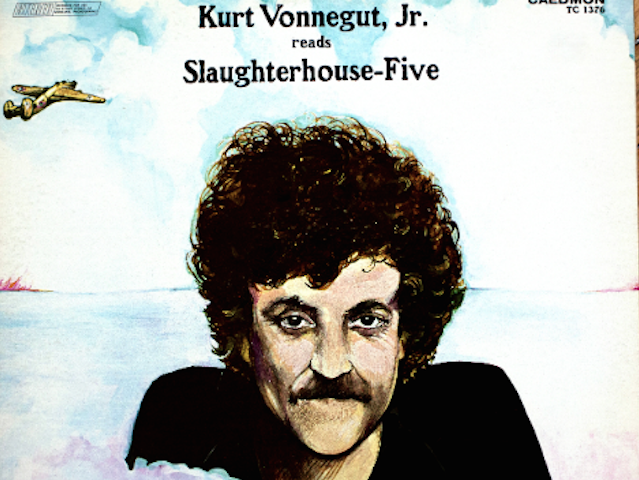
But you don’t have to take Vonnegut’s word for it. You can, of course, read these books your­self — or you can hear them read aloud, at least in abridged ver­sions, for free on Spo­ti­fy. What’s more, you can hear Von­negut, clear­ly not a man to dis­tance him­self from his fin­ished work, read them aloud in his own voice. The record­ings come from the label Caed­mon, pio­neers of the vinyl-album pro­to-audio­book begin­ning in the 1950s with a record of Dylan Thomas read­ing his poet­ry. Their Von­negut-read­ing-Von­negut releas­es came out through the 1970s.

You might as well begin by lis­ten­ing to the read­ings of Cat’s Cra­dle and Slaugh­ter­house-Five, Vonnegut’s “A‑plus” books. They also put out audio ver­sions of Wel­come to the Mon­key House, which the author grad­ed a bit more harsh­ly with a B‑minus, and Break­fast of Cham­pi­ons, which, with a C, he ranked down among what he con­sid­ered his less­er works. But that dis­dain doesn’t affect his char­ac­ter­is­tic rich­ly weary deliv­ery of the text, and besides, some of his fans love Break­fast of Cham­pi­ons best of all. Bonus: Sto­ries from Wel­come to the Mon­key House is also an option.

If you don’t yet have the free soft­ware need­ed to play these or oth­er record­ings on Spo­ti­fy, down­load it here, start lis­ten­ing to these clas­si­cal­ly satir­i­cal, inven­tive, and cyn­i­cal mid­cen­tu­ry Amer­i­can nov­els, and pre­pare to hand out some grades of your own.

Look­ing for free, pro­fes­sion­al­ly-read audio books from Audible.com? For exam­ple, John Malkovich read­ing Break­fast of Cham­pi­ons? Or James Fran­co read­ing Slaugh­ter­house-FiveHere’s a great, no-strings-attached deal. If you start a 30 day free tri­al with Audible.com, you can down­load two free audio books of your choice. Get more details on the offer here.

Relat­ed Con­tent:

Kurt Von­negut Maps Out the Uni­ver­sal Shapes of Our Favorite Sto­ries

Kurt Vonnegut’s 8 Tips on How to Write a Good Short Sto­ry

Kurt Von­negut Explains “How to Write With Style”

Kurt Von­negut Urges Young Peo­ple to Make Art and “Make Your Soul Grow”

Hear Hem­ing­way Read Hem­ing­way, and Faulkn­er Read Faulkn­er (90 Min­utes of Clas­sic Audio)

Lis­ten to 60+ Free, High-Qual­i­ty Audio­Books of Clas­sic Lit­er­a­ture on Spo­ti­fy: Austen, Dick­ens, Tol­stoy & More

Col­in Mar­shall writes on cities, lan­guage, Asia, and men’s style. He’s at work on a book about Los Ange­les, A Los Ange­les Primer, and the video series The City in Cin­e­ma. Fol­low him on Twit­ter at @colinmarshall or on Face­book.

Watch the Behind-the-Scenes Blade Runner Promo Film … Created to Prevent a Box Office Flop (1982)

I have a con­fes­sion to make. This may anger some peo­ple, but I have to get it off my chest. I actu­al­ly like the Har­ri­son Ford voiceover in the 1983 the­atri­cal release of Blade Run­ner, though I do revile the hokey, hap­py end­ing. I guess I’m in pret­ty good com­pa­ny. Even the movie’s screen­writer, Hamp­ton Fanch­er, went on record to say “the old voiceover in the first ver­sion I sort of like bet­ter than all the rest of them.” In this regard, Fanch­er and I exist in what Col­in Mar­shall called “a curi­ous minor­i­ty” in a recent post on yet anoth­er recut of Blade Run­ner, a defin­i­tive ref­er­ence for almost every android/robot/AI movie made since.

It’s okay to like the the­atri­cal cut, or the 1992 director’s cut, or the 2007 “final cut”—let a thou­sand Blade Run­ner fan­doms bloom, I say, as long as the film remains a crit­i­cal ref­er­ence for sci-fi cin­e­ma for many years to come. But part of the rea­son for all these lat­er ver­sions, besides that tacked-on end­ing, is the voiceover, which direc­tor Rid­ley Scott hat­ed, and Har­ri­son Ford hat­ed, and even the stu­dio exec­u­tives, who forced him to record it, hat­ed. The stu­dio hat­ed almost every­thing about the movie, and the crit­ics were most­ly unim­pressed. Siskel called it “a waste of time”; Ebert gave it an unen­thu­si­as­tic thumbs up. (Philip K. Dick, on the oth­er hand, made some prophet­ic pre­dic­tions based on the lit­tle he saw of the film.)

Audi­ences didn’t cozy up to Blade Run­ner either. They went to see E.T. instead. Blade Run­ner opened at the box office with a dis­ap­point­ing $6 mil­lion week­end. Sens­ing all this trou­ble even before the film’s release, exec­u­tives com­mis­sioned M.K. Pro­duc­tions to shoot the pro­mo­tion­al film above, a behind-the-scenes short doc­u­men­tary that cir­cu­lat­ed at hor­ror and sci-fi con­ven­tions in 1982. Intro­duced by a bored-look­ing Rid­ley Scott (and some cheesy sev­en­ties funk), the 16mm short gave poten­tial fans a glimpse of Blade Run­ner’s heav­i­ly Tokyo-accent­ed future Los Ange­les, its clas­sic noir plot ele­ments, and its visu­al effects by mas­ter­minds Syd Mead and Dou­glas Trum­bull, both of whom appear here.

Those of us fans now liv­ing in the future may find the footage of the movie’s pro­duc­tion and the detailed expla­na­tions of its set design fas­ci­nat­ing. It’s hard to know what the orig­i­nal view­ers of this extend­ed trailer/promotional vehi­cle might have thought, though it clear­ly did­n’t move enough of them to fill the the­ater seats. I can imag­ine, though, that many a sci­ence fic­tion lover and Blade Run­ner fan who missed the movie’s first run might regret it now. Voiceover, sap­py end­ing and all, it would have been a treat to be one of the first to see this now ubiquitous—and deserved­ly so—sci-fi detec­tive sto­ry.

Relat­ed Con­tent:

Blade Run­ner: The Pil­lar of Sci-Fi Cin­e­ma that Siskel, Ebert, and Stu­dio Execs Orig­i­nal­ly Hat­ed

Blade Runner’s Minia­ture Props Revealed in 142 Behind-the-Scenes Pho­tos

Philip K. Dick Pre­views Blade Run­ner: “The Impact of the Film is Going to be Over­whelm­ing” (1981)

Josh Jones is a writer and musi­cian based in Durham, NC. Fol­low him at @jdmagness

Kickstart a Documentary on Emily Dickinson, Narrated by Cynthia Nixon

Lat­er this year, Hur­ri­cane Films will release A Qui­et Pas­sion, a film about Emi­ly Dick­in­son, which will be direct­ed by Ter­ence Davies and star Cyn­thia Nixon as the great Amer­i­can poet.

But that’s not where their ambi­tions end. If they can get your sup­port on Kick­starter, Hur­ri­cane Films also hopes to make a doc­u­men­tary (nar­rat­ed by Nixon) that will take every­one deep­er into Dick­in­son’s life & times. You can learn more about the promis­ing film–tentatively to be called Phos­pho­res­cence: A Film about the Life of Emi­ly Dick­in­son–in the video above, or the text down below. Please note: If you’re inclined to sup­port this kind of enrich­ing project, please do so now. There are only a few short days left in the Kick­starter cam­paign:

The doc­u­men­tary will be an essen­tial com­pan­ion piece to the nar­ra­tive. Nar­rat­ed by Cyn­thia Nixon (who plays Emi­ly in the fea­ture film) PHOSPHORESCENCE will take us on a jour­ney through the sea­sons of Emi­ly’s life in mid 1800’s New Eng­land as we engage with her pas­sion­ate rela­tion­ships via her let­ters and poems. Emily’s deep love of hor­ti­cul­ture and music as well as her close­ness to her fam­i­ly and friends will form a rich tapes­try — com­bin­ing ele­ments of a nat­ur­al his­to­ry film and a Koy­aanisqat­si-esque trav­el­ogue. Togeth­er with an ensem­ble cast of high­ly rec­og­nized actors lend­ing their voic­es to her many cor­re­spon­dences not dis­sim­i­lar in tone and feel to Ken Burns’ Amer­i­can Civ­il War. And with the dif­fer­ing views and inter­pre­ta­tions of her poet­ry by con­tem­po­rary experts we aim to weave a sto­ry that will both sur­prise, delight and throw light on some con­tro­ver­sial opin­ion from unex­pect­ed quar­ters.

The doc­u­men­tary will endeav­or to reflect qual­i­ties inspired by its sub­ject, Emi­ly Dick­in­son – deft words, pas­sion­ate beliefs, sear­ing indi­vid­u­al­i­ty and a great sto­ry well told. The film has the sup­port of the Emi­ly Dick­in­son Muse­um and will be com­plet­ed in mid 2016.

Get more infor­ma­tion and make a con­tri­bu­tion over on Kick­starter.

If you would like to sign up for Open Culture’s free email newslet­ter, please find it here. It’s a great way to see our new posts, all bun­dled in one email, each day.

If you would like to sup­port the mis­sion of Open Cul­ture, con­sid­er mak­ing a dona­tion to our site. It’s hard to rely 100% on ads, and your con­tri­bu­tions will help us con­tin­ue pro­vid­ing the best free cul­tur­al and edu­ca­tion­al mate­ri­als to learn­ers every­where. You can con­tribute through Pay­Pal, Patre­on, and Ven­mo (@openculture). Thanks!

Relat­ed Con­tent:

The Online Emi­ly Dick­in­son Archive Makes Thou­sands of the Poet’s Man­u­scripts Freely Avail­able

Emi­ly Dickinson’s Hand­writ­ten Coconut Cake Recipe Hints at How Bak­ing Fig­ured Into Her Cre­ative Process

The Sec­ond Known Pho­to of Emi­ly Dick­in­son Emerges

Watch an Ani­mat­ed Film of Emi­ly Dickinson’s Poem ‘I Start­ed Early–Took My Dog’

Free Online Lit­er­a­ture Cours­es

Who Was Afraid of Ray Bradbury & Science Fiction? The FBI, It Turns Out (1959)

ray bradbury fbi fb

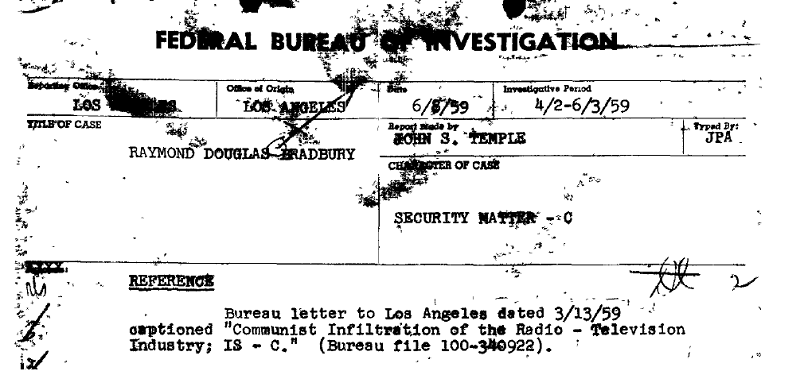
When you think of the most astute minds of our time, you might well think of Ray Brad­bury’s — but you prob­a­bly don’t think of him as one of the most astute ter­ror­ist minds of our time. The Fed­er­al Bureau of Inves­ti­ga­tion, how­ev­er, saw things dif­fer­ent­ly. Col­lab­o­ra­tive news site Muck­Rock found that out through files “released to for­mer Muck­Rock­er Inkoo Kang [which] doc­u­ment the decade the Bureau spent try­ing to deter­mine if Brad­bury was, if not a card-car­ry­ing Com­mu­nist, at least a sym­pa­thet­ic ‘fel­low trav­el­er.’ ” See snip­pets of doc­u­ments here from 1959.

Bradburysecuritymatter

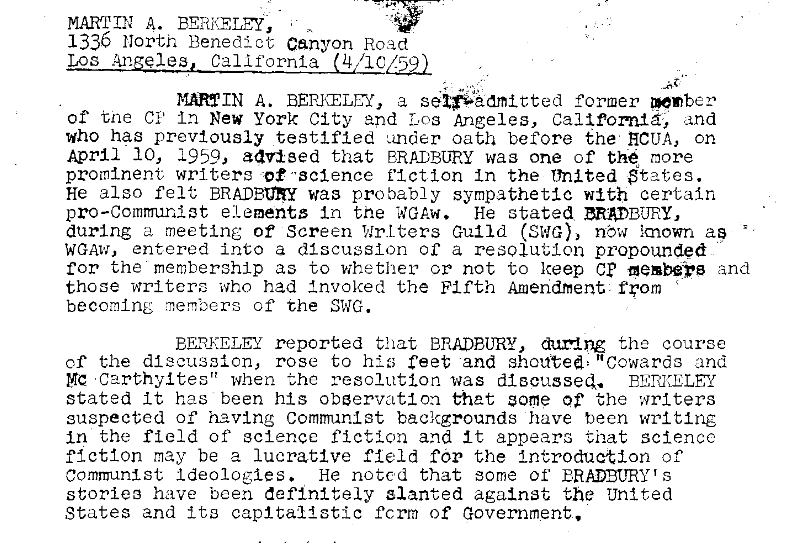
You can view the files them­selves, obtained under the Free­dom of Infor­ma­tion Act, at Muck­Rock. There, the site’s JPat Brown also sum­ma­rizes the orga­ni­za­tion’s basis for sus­pi­cion against the author: his “mem­ber­ship in the Screen Writer’s Guild, as well as his vocal oppo­si­tion to McCarthy­ism, drew par­tic­u­lar atten­tion,” as did the use in The Mar­t­ian Chron­i­cles of the “repeat­ed theme that earth­men are despoil­ers and not devel­op­ers.” Not just Brad­bury’s work but the whole of sci­ence fic­tion, which infor­mant Mar­tin Berke­ley calls a pos­si­bly “lucra­tive field for the intro­duc­tion of Com­mu­nist ide­ol­o­gy,” comes in for an indict­ment.

brad2

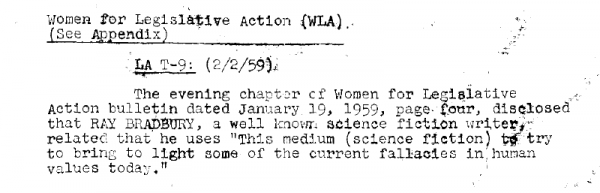
“Com­mu­nists have found fer­tile oppor­tu­ni­ties for devel­op­ment,” Berke­ley says, “for spread­ing dis­trust and lack of con­fi­dence in Amer­i­ca [sic] insti­tu­tions in the area of Sci­ence Fic­tion writ­ing.” Anoth­er, unsur­pris­ing­ly clear­er view of the genre comes from Brad­bury him­self, quot­ed dis­ap­prov­ing­ly in the file from a 1959 Wom­en’s Leg­isla­tive Action Bul­letin. There, he said he uses the medi­um of sci­ence fic­tion to “try to bring to light some of the cur­rent fal­lac­i­es in human val­ues today” — the one thing, as the author of Fahren­heit 451 must have known full well, that the pow­ers that be least want any­body to do. Get more at Muck­Rock.

bradconclu

via Metafil­ter

Relat­ed Con­tent:

Ray Brad­bury: “I Am Not Afraid of Robots. I Am Afraid of Peo­ple” (1974)

Ray Brad­bury: Lit­er­a­ture is the Safe­ty Valve of Civ­i­liza­tion

Sovi­et Ani­ma­tions of Ray Brad­bury Sto­ries: ‘Here There Be Tygers’ & ‘There Will Comes Soft Rain’

FBI’s “Vault” Web Site Reveals Declas­si­fied Files on Hem­ing­way, Ein­stein, Mar­i­lyn & Oth­er Icons

Col­in Mar­shall writes on cities, lan­guage, Asia, and men’s style. He’s at work on a book about Los Ange­les, A Los Ange­les Primer, and the video series The City in Cin­e­ma. Fol­low him on Twit­ter at @colinmarshall or on Face­book.

Stream 36 Recordings of Legendary Grateful Dead Concerts Free Online (aka Dick’s Picks)

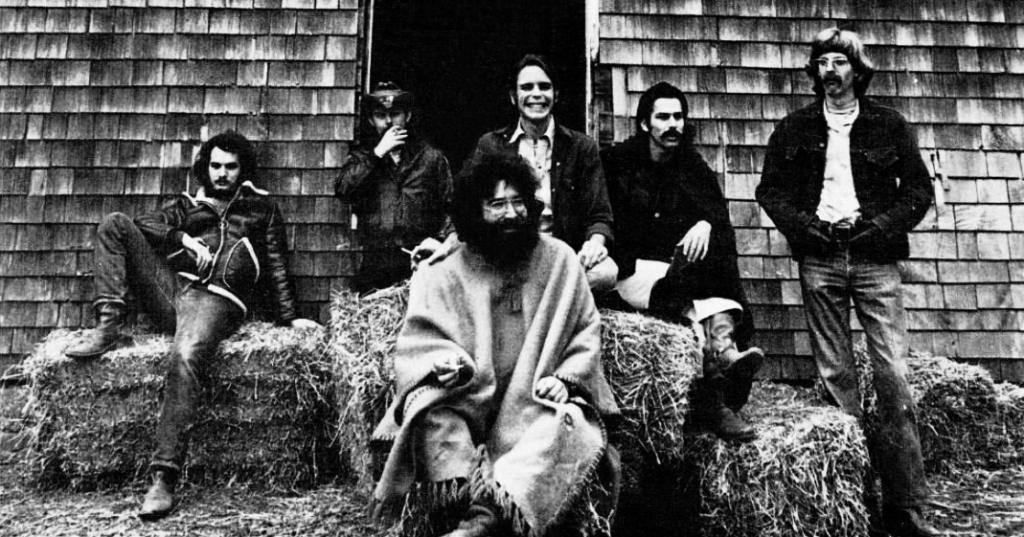
Image via Wiki­me­dia Com­mons

There’s no short­age of Grate­ful Dead con­certs freely avail­able on the web. Indeed, head over to Archive.org and you’ll find hun­dreds of Dead shows, some going as far back as the 1960s. But when you start rum­mag­ing around, you’ll dis­cov­er that some nights were mag­ic, while many oth­ers fell far short. That’s why we can be thank­ful that Dick­’s Picks came along. Named after the band’s tape archivist Dick Lat­vala, Dick­’s Picks (released between 1993 and 2005) fea­tured 36 volumes/albums of Grate­ful Dead con­certs, all sourced from sound­board record­ings cap­tured on two-track mas­ter tapes. The record­ings, as Tony Sclafani notes in The Grate­ful Dead FAQ, gave every­one a chance to “expe­ri­ence what going to a clas­sic Dead show was like” — “to eas­i­ly access record­ings of leg­endary shows.”

Caught up in some Grate­ful Dead nos­tal­gia myself, I quick­ly real­ized that all 36 vol­umes of Dick­’s Picks are avail­able on Spo­ti­fy — at no cost. As much for my own musi­cal edi­fi­ca­tion as for yours, I’ve cre­at­ed a list below. (Some of you might have a beef with Spo­ti­fy, or want to own your own copies, so I’ve includ­ed Ama­zon links too.) You can reg­is­ter for Spo­ti­fy and down­load the free soft­ware here.

Dead fans will sure­ly argue over which Dick­’s Picks are the best. But, from what I’ve seen, Vol. 4 (above), Vol. 8, Vol. 10, and Vol. 12. offer great places to begin.

And although it does­n’t appear in the Dick­’s Picks series, you can find on Archive.org what’s often con­sid­ered one of the Dead­’s finest live record­ings — their May 8, 1977 con­cert in Bar­ton Hall, at Cor­nell Uni­ver­si­ty.

Also, if you’re look­ing for a good intro­duc­tion to the Dead­’s musi­cal career, lis­ten to this recent episode of the Sound Opin­ions pod­cast, com­ing out of WBEZ in Chica­go.

Enjoy.

Relat­ed Con­tent:

The Grate­ful Dead’s “Rip­ple” Played by Musi­cians Around the World

Bob Dylan and The Grate­ful Dead Rehearse Togeth­er in Sum­mer 1987. Lis­ten to 74 Tracks.

The Grate­ful Dead Play at the Egypt­ian Pyra­mids, in the Shad­ow of the Sphinx (1978)

by | Permalink | Make a Comment ( 1 ) |

« Go BackMore in this category... »
Quantcast