18-Year-Old James Joyce Writes a Fan Letter to His Hero Henrik Ibsen (1901)

JamesJoyce1902

When it comes to the­o­ries of artis­tic lin­eage, few have been as influ­en­tial as Harold Bloom’s The Anx­i­ety of Influ­ence, in which the august lit­er­ary crit­ic argues, “Poet­ic Influence—when it involves two strong, authen­tic poets—always pro­ceeds by a mis­read­ing of the pri­or poet, an act of cre­ative cor­rec­tion that is actu­al­ly and nec­es­sar­i­ly a mis­in­ter­pre­ta­tion.” This kind of misreading—what Bloom calls “mis­pri­sion”—often takes place between two artists sep­a­rat­ed by vast gulfs of time and space: the influ­ence of Dante on T.S. Eliot, for exam­ple, or of Shake­speare on Her­man Melville.

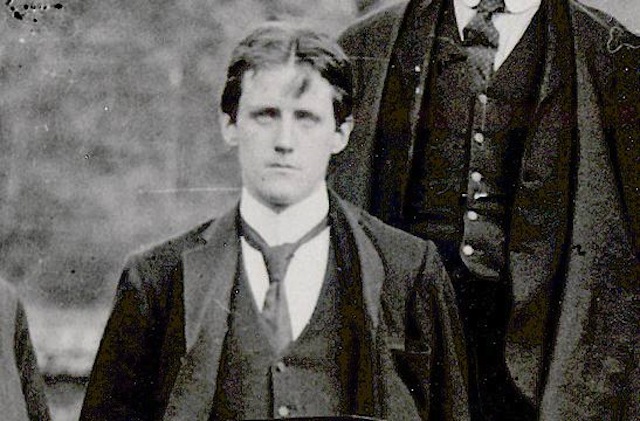
When we come to a study of James Joyce (1882–1941), how­ev­er, we find the ground­break­ing mod­ernist cor­re­spond­ing direct­ly with one of his fore­most lit­er­ary heroes, Nor­we­gian play­wright Hen­rik Ibsen (1828–1906), whom Maria Popo­va calls Joyce’s “spir­i­tu­al and men­tal ances­tor.” As Bloom points out, Joyce described Ibsen’s work as being “of uni­ver­sal import.” He  extolled and defend­ed Ibsen’s then-con­tro­ver­sial work in his stu­dent days, both in a 1900 lec­ture he deliv­ered at Uni­ver­si­ty Col­lege, Dublin, and in an essay he pub­lished that same year in the Lon­don jour­nal Fort­night­ly Review. (See the young Joyce above in 1902, at 20 years of age.)

Joyce’s arti­cle, “Ibsen’s New Dra­ma,” focused on the play­wright’s lat­est, When We Dead Awak­en, and was warm­ly received by Ibsen him­self, who—through his Eng­lish trans­la­tor William Archer—described the essay as “velvil­lig,” or “benev­o­lent.” Archer con­veyed Ibsen’s sen­ti­ments in a let­ter soon after the essay’s pub­li­ca­tion, and there­after, Joyce’s essay—writes the James Joyce Cen­tre—was “no longer just a review but a review that Ibsen had read and praised.”

Thus began a three-year cor­re­spon­dence between Joyce and Archer, and a friend­ly relationship—at some remove—between Joyce and Ibsen. In 1901, on the play­wright’s 73rd birth­day, Joyce wrote a let­ter to Ibsen direct­ly. He men­tions the cir­cum­stances of the review and express­es much youth­ful admi­ra­tion, self-con­fi­dence, and grat­i­tude for Ibsen’s response. The young Joyce laments that his “imma­ture and hasty arti­cle” came to Ibsen’s atten­tion first, “rather than some­thing bet­ter,” and boasts, “I have claimed for you your right­ful place in the his­to­ry of dra­ma.”

Read the let­ter in full below, in all its exu­ber­ant ego­tism. Accord­ing to James Joyce A to Z: The Essen­tial Ref­er­ence to the Life and Work, as he matured, the nov­el­ist “drew upon Ibsen less for cre­ative encour­age­ment than for psy­cho­log­i­cal inspi­ra­tion. In Joyce’s mind, Ibsen remained the mod­el of the artist who defies con­ven­tion­al cre­ative approach­es and who remains true to the demands of an indi­vid­ual aes­thet­ic.” Whether Joyce “mis­read” and “cre­ative­ly cor­rect­ed” Ibsen is a ques­tion I leave for oth­ers. You can read many more “fan let­ters” writ­ten by oth­er famous authors to their lit­er­ary heroes—including George R.R. Mar­tin to Stan Lee, Charles Dick­ens to George Eliot, and Ray Brad­bury to Robert Heinlein—at Fla­vor­wire.

Hon­oured Sir,

I write to you to give you greet­ing on your sev­en­ty-third birth­day and to join my voice to those of your well-wish­ers in all lands. You may remem­ber that short­ly after the pub­li­ca­tion of your lat­est play ‘When We Dead Awak­en’, an appre­ci­a­tion of it appeared in one of the Eng­lish reviews — The Fort­night­ly Review — over my name. I know that you have seen it because some short time after­wards Mr. William Archer wrote to me and told me that in a let­ter he had from you some days before, you had writ­ten, ‘I have read or rather spelled out a review in the Fort­night­ly Review by Mr. James Joyce which is very benev­o­lent and for which I should great­ly like to thank the author if only I had suf­fi­cient knowl­edge of the lan­guage.’ (My own knowl­edge of your lan­guage is not, as you see, great but I trust you will be able to deci­pher my mean­ing.) I can hard­ly tell you how moved I was by your mes­sage. I am a young, a very young man, and per­haps the telling of such tricks of the nerves will make you smile. But I am sure if you go back along your own life to the time when you were an under­grad­u­ate at the Uni­ver­si­ty as I am, and if you think what it would have meant to you to have earned a word from one who held so high a place in your esteem as you hold in mine, you will under­stand my feel­ing. One thing only I regret, name­ly, that an imma­ture and hasty arti­cle should have met your eye, rather than some­thing bet­ter and wor­thi­er of your praise. There may not have been any will­ful stu­pid­i­ty in it, but tru­ly I can say no more. It may annoy you to have your work at the mer­cy of striplings but I am sure you would pre­fer even hot­head­ed­ness to nerve­less and ‘cul­tured’ para­dox­es.

What shall I say more? I have sound­ed your name defi­ant­ly through a col­lege where it was either unknown or known faint­ly and dark­ly. I have claimed for you your right­ful place in the his­to­ry of the dra­ma. I have shown what, as it seemed to me, was your high­est excel­lence — your lofty imper­son­al pow­er. Your minor claims — your satire, your tech­nique and orches­tral har­mo­ny — these, too, I advanced. Do not think me a hero-wor­ship­per. I am not so. And when I spoke of you, in debat­ing-soci­eties, and so forth, I enforced atten­tion by no futile rant­i­ng.

But we always keep the dear­est things to our­selves. I did not tell them what bound me clos­est to you. I did not say how what I could dis­cern dim­ly of your life was my pride to see, how your bat­tles inspired me — not the obvi­ous mate­r­i­al bat­tles but those that were fought and won behind your fore­head — how your will­ful res­o­lu­tion to wrest the secret from life gave me heart, and how in your absolute indif­fer­ence to pub­lic canons of art, friends and shib­bo­leths you walked in the light of inward hero­ism. And this is what I write to you of now.

Your work on earth draws to a close and you are near the silence. It is grow­ing dark for you. Many write of such things, but they do not know. You have only opened the way — though you have gone as far as you could upon it — to the end of ‘John Gabriel Bork­man’ and its spir­i­tu­al truth — for your last play stands, I take it, apart. But I am sure that high­er and holi­er enlight­en­ment lies — onward.

As one of the young gen­er­a­tion for whom you have spo­ken I give you greet­ing — not humbly, because I am obscure and you in the glare, not sad­ly because you are an old man and I a young man, not pre­sump­tu­ous­ly, nor sen­ti­men­tal­ly — but joy­ful­ly, with hope and with love, I give you greet­ing.

Faith­ful­ly yours,

James A. Joyce

via Fla­vor­wire

Relat­ed Con­tent:

James Joyce Reads From Ulysses and Finnegans Wake In His Only Two Record­ings (1924/1929)

James Joyce’s “Dirty Let­ters” to His Wife (1909)

The Very First Reviews of James Joyce’s Ulysses: “A Work of High Genius” (1922)

Vir­ginia Woolf Writes About Joyce’s Ulysses, “Nev­er Did Any Book So Bore Me,” and Quits at Page 200

Josh Jones is a writer and musi­cian based in Durham, NC. Fol­low him at @jdmagness

Columbia U. Launches a Free Multimedia Glossary for Studying Cinema & Filmmaking

Columbia Film Language Glossary

You can find no short­age of clas­sic films to watch on Open Cul­ture. (See our col­lec­tion: 4,000+ Free Movies Online: Great Clas­sics, Indies, Noir, West­erns, Doc­u­men­taries & More.) But what we haven’t giv­en you is a toolk­it for engag­ing in a more for­mal study of these films. Enter The Colum­bia Film Lan­guage Glos­sary, devel­oped at the Cen­ter for New Media Teach­ing and Learn­ing at Colum­bia Uni­ver­si­ty.

The free/open resource uses a com­bi­na­tion of text, film clips, and audio com­men­tary to explain terms essen­tial to the study of film — words like Cin­e­ma Ver­itéMon­tage, and Mise-en-Scène. And it also defines a lot of nuts-and-bolts con­cepts like Aspect RatioHigh-Angle Shot and Long Take.

The Colum­bia Film Lan­guage Glos­sary “is avail­able to any stu­dent of film. Def­i­n­i­tions and audio com­men­tary are writ­ten and nar­rat­ed by fac­ul­ty at Colum­bia Uni­ver­si­ty.” You can dive in right now, right here.

h/t Peter Kauf­man

If you would like to sign up for Open Culture’s free email newslet­ter, please find it here. It’s a great way to see our new posts, all bun­dled in one email, each day.

If you would like to sup­port the mis­sion of Open Cul­ture, con­sid­er mak­ing a dona­tion to our site. It’s hard to rely 100% on ads, and your con­tri­bu­tions will help us con­tin­ue pro­vid­ing the best free cul­tur­al and edu­ca­tion­al mate­ri­als to learn­ers every­where. You can con­tribute through Pay­Pal, Patre­on, and Ven­mo (@openculture). Thanks!

Relat­ed Con­tent:

A Visu­al Intro­duc­tion to Sovi­et Mon­tage The­o­ry: A Rev­o­lu­tion in Film­mak­ing

Hitch­cock on the Filmmaker’s Essen­tial Tool: The Kuleshov Effect

Alfred Hitchcock’s Sev­en-Minute Edit­ing Mas­ter Class

by | Permalink | Make a Comment ( 1 ) |

The Solar System Drawn Amazingly to Scale Across 7 Miles of Nevada’s Black Rock Desert


Wylie Over­street and Alex Gorosh set out to cre­ate some­thing you’ve nev­er seen before — our solar sys­tem drawn to actu­al scale. For­get what you’ve seen in books, or on web sites. To depict things accu­rate­ly, you need a big­ger sur­face. A real­ly large can­vas. Like a sev­en-mile expanse in Nevada’s Black Rock Desert (which oth­er­wise hosts The Burn­ing Man Fes­ti­val). It’s on this dry lakebed that Over­street and Gorosh built “the first scale mod­el of the solar sys­tem with com­plete plan­e­tary orbits” and it’s a sight to behold. Cre­ative, indus­tri­ous, and hum­bling. Enjoy.

Fol­low us on Face­book, Twit­ter, Google Plus and LinkedIn and share intel­li­gent media with your friends. Or bet­ter yet, sign up for our dai­ly emailAnd if you want to make sure that our posts def­i­nite­ly appear in your Face­book news­feed, just fol­low these sim­ple steps.

Relat­ed Con­tent:

Free Online Astron­o­my Cours­es

Mag­ni­fy­ing the Uni­verse: Move From Atoms to Galax­ies in HD

Carl Sagan, Stephen Hawk­ing & Arthur C. Clarke Dis­cuss God, the Uni­verse, and Every­thing Else

Lawrence Krauss Explains How You Get ‘A Uni­verse From Noth­ing’

by | Permalink | Make a Comment ( 4 ) |

A Film Festival of Kick Ass Kung Fu/Martial Arts Films in the Public Domain

Every­one remem­bers their first kung-fu movie — or every­one remem­bers their first wave of kung-fu movies, any­way. For some, they came late at night on the less-explored fre­quen­cies of the tele­vi­sion broad­cast­ing spec­trum; for oth­ers, they came on sparse­ly attend­ed dou­ble- and triple-bills at the local dis­count the­ater. They looked fad­ed and mud­dy, but some­how still vivid; they felt cheap­ly pro­duced, yet full of life and ener­gy; and as for how they sound­ed, time has turned their both hol­low and the­atri­cal Eng­lish-lan­guage dub­bing into an art form with con­nois­seurs of its own. They came from far­away lands, which ren­dered them exot­ic, but we expe­ri­enced them almost as dreams, prod­ucts of anoth­er real­i­ty alto­geth­er. And some of them you can expe­ri­ence again as pub­lic domain films.

We still call them “kung fu movies” even though, hav­ing grown old­er and wis­er — or at least more cul­tur­al­ly aware — we now know their heroes did­n’t always defeat their ene­mies with the Chi­nese mar­tial arts cov­ered by that umbrel­la term. But the label applies well enough to 1977’s Leg­end of Shaolin, the Hong Kong-made epic at the top of the post set in the 13th-cen­tu­ry Yuan Dynasty and deal­ing with that most kung-fu of all themes, revenge. But such his­tor­i­cal “kung fu” pic­tures could also come from coun­tries like Japan, an exam­ple of which you can thrill to just above: 1983’s Leg­end of the Eight Samu­rai fea­tures Son­ny Chi­ba, liv­ing embod­i­ment of the 1970s mar­tial-arts film, under the direc­tion of the pro­lif­ic and respect­ed provo­ca­teur Kin­ji Fukasaku, best known today as the mak­er of the con­tro­ver­sial Bat­tle Royale.

Next in this pub­lic-domain mar­tial-arts marathon, we have anoth­er Hong Kong movie, Guy with the Secret Kung Fu from 1981, whose title alone strikes me as rec­om­men­da­tion enough. And for our final selec­tion, we move to a more con­tem­po­rary set­ting with 1987’s Four Rob­bers, where­in the tit­u­lar quartet—pursued by both the police and a malev­o­lent crime syn­di­cate that at first wants to recruit them and lat­er wants revenge against them—have to flee from Hong Kong to Thai­land with­out gam­bling away the fruits of their labor or com­pro­mis­ing their prin­ci­ples. This movie, and many oth­ers of its kind, give the lie to the notion that there’s no hon­or among thieves. Most all of the wan­der­ers, samu­rai, rebels, aris­to­crats, cops, and rob­bers you see in them have one kind of hon­or or anoth­er — but when they come into con­flict, it tends to take some old-fash­ioned kung-fu fight­ing to set­tle things. You can find these films added to our col­lec­tion, 4,000+ Free Movies Online: Great Clas­sics, Indies, Noir, West­erns, Doc­u­men­taries & More, which includes more 23 Free Kung Fu and Mar­tial Arts Movies Online.

Relat­ed Con­tent:

700 Free Movies Online: Great Clas­sics, Indies, Noir, West­erns, etc.

Rad­i­cal French Phi­los­o­phy Meets Kung-Fu Cin­e­ma in Can Dialec­tics Break Bricks? (1973)

The Five Best North Kore­an Movies: Watch Them Free Online

The 5 Best Noir Films in the Pub­lic Domain: From Fritz Lang’s Scar­let Street to Ida Lupino’s The Hitch-Hik­er

Col­in Mar­shall writes else­where on cities, lan­guage, Asia, and men’s style. He’s at work on a book about Los Ange­les, A Los Ange­les Primer, the video series The City in Cin­e­maand the crowd­fund­ed jour­nal­ism project Where Is the City of the Future? Fol­low him on Twit­ter at @colinmarshall or on Face­book.

William S. Burroughs Reads Edgar Allan Poe Tales in the Vintage 1995 Video Game, “The Dark Eye”

William S. Bur­roughs, like Christo­pher Walken, has one of those voic­es that casts any­thing he reads in a new light. No mat­ter who the author, if Bur­roughs reads it, the text sounds like one more mis­sive from the Inter­zone. In 1995, Bur­roughs took on the mas­ter of the macabre, Edgar Allan Poe, read­ing “The Masque of the Red Death” and the poem Annabel Lee for a lit­tle known PC game called The Dark Eye.

Ignored dur­ing its release, the game has since gained cult sta­tus, and playthroughs can be found on YouTube (see below). Sim­i­lar in style to Myst, play­ers point and clicked their way through three nar­ra­tives based on Poe sto­ries, with lit­tle inter­ac­tion. In the end it was more about mood and design, and the creep of Bur­roughs’ drawl. (He also voiced the old man char­ac­ter in the game.)

Accom­pa­ny­ing Bur­roughs’ read­ing was a slideshow that popped up in the mid­dle of the game, with art direct­ed (and pos­si­bly drawn) by Bruce Heav­in, best known these days as the co-founder of Lynda.com. Thomas Dol­by com­posed the gloomy sound­track. The Dark Eye was the sec­ond game from Inscape, which debuted with the equal­ly ambi­tious Bad Day on the Mid­way, a game fea­tur­ing weird music giants The Res­i­dents. Two years after The Dark Eye, the sort of CD-ROM games the com­pa­ny made fell behind due to advances in tech­nol­o­gy, and the fall of the house of Inscape came inevitably in 1997.

The Inter­net con­tin­ues to exca­vate what’s left of these bound­ary push­ing games, and for those who want an audio ver­sion of “Masque”, an mp3 can be enjoyed here.

via WFMU blog

Relat­ed Con­tent:

William S. Bur­roughs Teach­es a Free Course on Cre­ative Read­ing and Writ­ing (1979)

William S. Bur­roughs on Sat­ur­day Night Live, 1981

Iggy Pop Reads Edgar Allan Poe’s Clas­sic Hor­ror Sto­ry, “The Tell-Tale Heart”

1,000 Free Audio Books: Down­load Great Books for Free

Ted Mills is a free­lance writer on the arts who cur­rent­ly hosts the FunkZone Pod­cast. You can also fol­low him on Twit­ter at @tedmills, read his oth­er arts writ­ing at tedmills.com and/or watch his films here.

Mark Twain Skewers Great Works of Art: The Mona Lisa (“a Smoked Haddock!”), The Last Supper (“a Mournful Wreck”) & More

Mona_Lisa

Some of the U.S.‘s great­est sec­u­lar sages also hap­pen to be some of its great­est cranks, con­trar­i­ans, and crit­ics. I refer to a cat­e­go­ry that includes Ambrose Bierce, H.L. Menck­en, and Hunter S. Thomp­son. The many dif­fer­ences between these char­ac­ters don’t eclipse a fun­da­men­tal sim­i­lar­i­ty: not a one embraced any of the usu­al pieties about the inher­ent, infal­li­ble great­ness of West­ern Civ­i­liza­tion, though each one in his own way made a sig­nif­i­cant con­tri­bu­tion to the West­ern canon. We would be great­ly remiss if we did not include among them per­haps the great­est Amer­i­can satirist of all, Mark Twain.

Twain skew­ered all com­ers, usu­al­ly with such wit and inven­tion that we smile and nod even when we feel the sting our­selves. Such was his tal­ent, to deflate puffery in West­ern lit­er­a­ture, pol­i­tics, reli­gion, and… as we will see, in art. “Through­out his career”—writes UC Berke­ley’s Ban­croft Library—“Twain expressed his strong reac­tions to West­ern paint­ing and sculp­ture, par­tic­u­lar­ly the Old Mas­ters, both in his pub­lished works and in pri­vate.” He offered up some hilar­i­ous­ly irrev­er­ent takes on some of the most revered works of art in his­to­ry: “his opin­ions are often pas­sion­ate, some­times eccen­tric, and always live­ly.” Take for exam­ple Twain’s tepid assess­ment of that most rec­og­niz­able of Renais­sance mas­ter­pieces, the Mona Lisa. In an unpub­lished draft called “The Inno­cents Adrift,” an account of an 1891 boat trip down the Rhone Riv­er, Twain “admit­ted to being puz­zled by the adu­la­tion accord­ed” the paint­ing.

Leonardo_da_Vinci_-_Ultima_cena_-_ca_1975

To Twain, the Mona Lisa seemed “mere­ly a good rep­re­sen­ta­tion of a serene & sub­dued face… The com­plex­ion was bad; in fact it was not even human; there are no peo­ple of that col­or.” The paint­ing’s green­ish hue prompt­ed one of Twain’s com­pan­ions, pos­si­bly an inven­tion of the author’s, to exclaim in response, “that smoked had­dock!” “After some dis­cus­sion,” write the UC Berke­ley librar­i­ans, “the trav­el­ers con­cede that it requires a ‘trained eye’ to appre­ci­ate cer­tain aspects of art.” Such train­ing in art appre­ci­a­tion seemed to Twain as much gen­uine edu­ca­tion as instruc­tion in stud­ied, insin­cere pos­es.

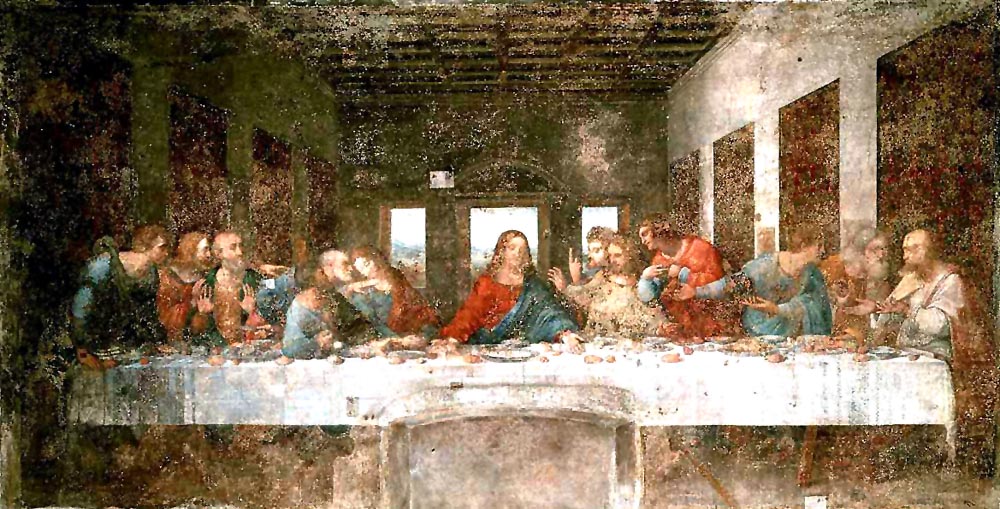
The author took his first “grand tour” in 1867—travelling through Europe and the Lev­ant on the cruise ship Quak­er City in the com­pa­ny of many “prosperous—and very proper—passengers.” Unlike these bour­geois trav­el­ling com­pan­ions’ “con­ven­tion­al appre­ci­a­tion for all that they saw,” Twain—writing as a cor­re­spon­dent for the San Fran­cis­co Alta Cal­i­for­niacon­fessed him­self under­whelmed. In par­tic­u­lar, he described anoth­er Da Vin­ci, The Last Sup­per—“the most cel­e­brat­ed paint­ing in the world”—as a “mourn­ful wreck.” (The work was then unre­stored; see it above as it looked 100 years lat­er in the 1970s.) Twain lat­er revised his obser­va­tions for his first full-length book, 1869’s Inno­cents Abroad, a car­i­ca­ture of ugly Amer­i­can tourists filled with what William Dean How­ells called “deli­cious impu­dence.” While the oth­ers mar­veled at Da Vin­ci’s crum­bling fres­co, Twain, in the cur­rent par­lance, expressed a great big “meh.”

The world seems to have become set­tled in the belief, long ago, that it is not pos­si­ble for human genius to out­do this cre­ation of Da Vin­ci’s.… The col­ors are dimmed with age; the coun­te­nances are scaled and marred, and near­ly all expres­sion is gone from them; the hair is a dead blur upon the wall, and there is no life in the eyes.… I am sat­is­fied that the Last Sup­per was a very mir­a­cle of art once. But it was three hun­dred years ago.

the-slave-ship

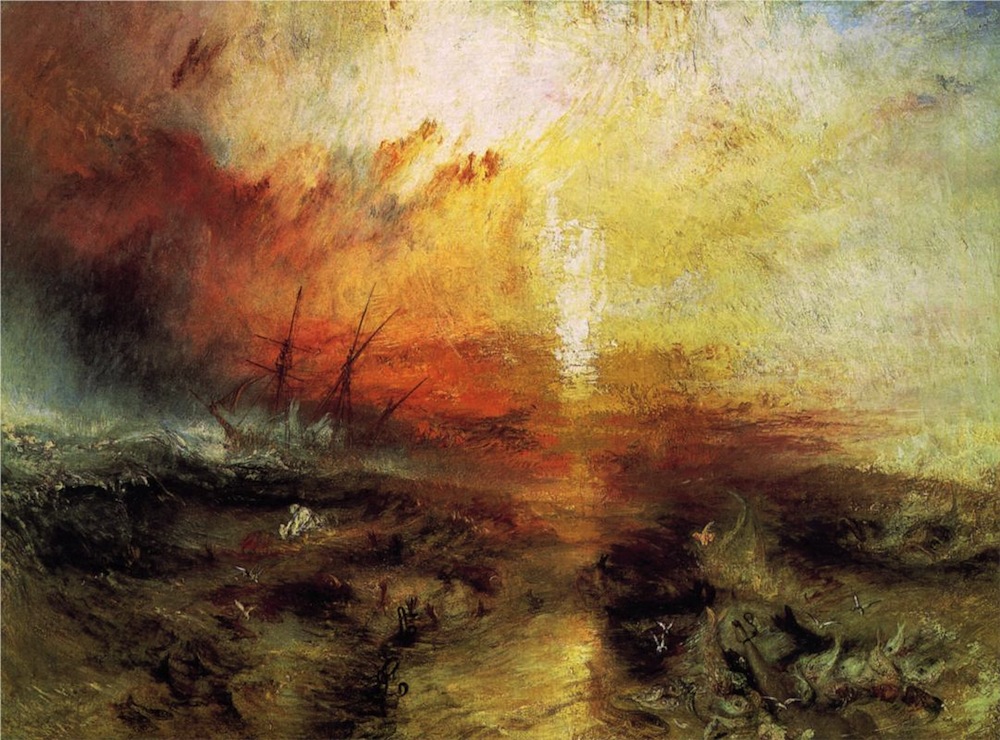
Twain and the pro­fes­sion­al crit­ics did not always dis­agree. Take J.M.W. Turn­er’s famous­ly riotous can­vas Slave Ship (or Slavers Over­throw­ing the Dead and Dying: Typhoon Com­ing On), above. John Ruskin may have praised the work as the “noblest sea… ever paint­ed by man” and it has come down to us as a vio­lent rep­re­sen­ta­tion of the hor­rors of the slave trade, occa­sioned in part, writes Stephen J. May, by Turn­er’s sense of “shared guilt about his own role and Eng­land’s role in con­don­ing and per­pet­u­at­ing slav­ery’s malev­o­lent lega­cy.” The anti-slav­ery, anti-impe­ri­al­ist Twain would sure­ly have appre­ci­at­ed the sen­ti­ment; the paint­ing, how­ev­er, not so much. Oth­er crit­ics felt sim­i­lar­ly, one call­ing Slave Ship a “gross out­rage on nature.” Twain’s sum­ma­tion in an 1878 note­book is much more col­or­ful, a piece of vin­tage Samuel Clemens under­cut­ting: “Slave Ship—Cat hav­ing a fit in a plat­ter of toma­toes.”

Censored Titian

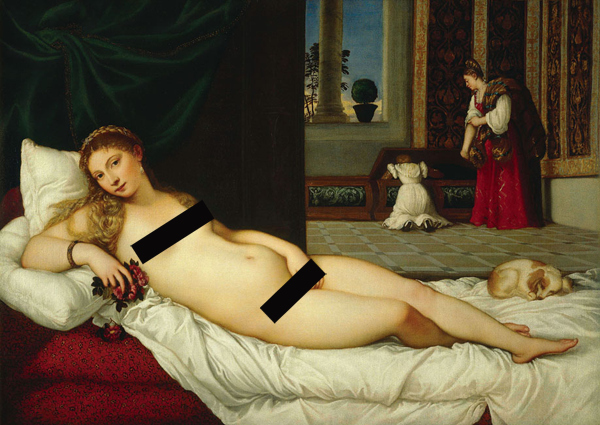
For all his snide por­traits of con­ven­tion­al mid­dle-class atti­tudes toward art, Twain could also be a bit of a prig, as we see in his response to Titian’s Venus of Urbino. In this, he was not so far removed from our own cul­tur­al atti­tudes (or Face­book and Google’s atti­tudes) about nudi­ty. The cen­sored ver­sion of the paint­ing above (see the orig­i­nal here) comes to us via Buz­zfeed, who write “Remem­ber kids, blood and gore are fine but boobs will make you blind.” Twain seemed to have uniron­i­cal­ly agreed, rail­ing in his 1880 trav­el book A Tramp Abroad against the “inde­cent license” afford­ed artists and call­ing Titian’s sug­ges­tive reclin­ing nude “the foulest, the vilest, the obscen­est pic­ture the world pos­sess­es.” (Ah, if only he had lived to see the inter­net’s foulest depths.)

twain-sketch

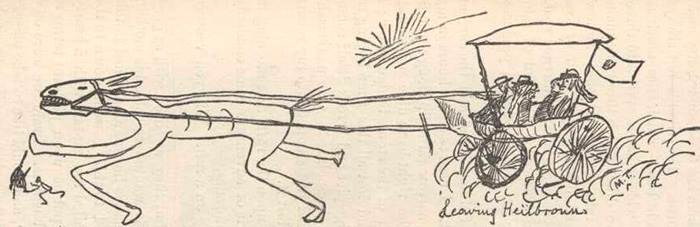
Twain’s own mea­ger con­tri­bu­tions to the visu­al arts—consisting of a dozen sketch­es, like that above, made for A Tramp Abroad—fall some­what short of the stan­dards he set for oth­er artists. Nev­er­the­less, he recalled in The Inno­cents Abroad his dis­may at the “acres of very bad draw­ing, very bad per­spec­tive, and very incor­rect pro­por­tions” in the muse­ums and church­es across Europe. What, we might won­der, could pos­si­bly move such a harsh, unspar­ing crit­ic? In art, it seems, Twain val­ued “strict real­ism, grandeur of theme and scale, and propriety”—all on dis­play in abun­dance in Amer­i­can artist Fred­er­ic Edwin Church’s The Heart of the Andes, below.

Church_Heart_of_the_Andes

After view­ing this ide­al­ized South Amer­i­can land­scape in St. Louis, Twain called the enor­mous (over five feet high by ten feet wide) can­vas a “most won­der­ful­ly beau­ti­ful paint­ing.” “We took the opera glass­es,” he wrote to his broth­er, “and exam­ined its beau­ties minute­ly…. There is no slur­ring of per­spec­tive about it.” He rec­om­mend­ed mul­ti­ple view­ings: “Your third vis­it will find your brain gasp­ing and strain­ing with futile efforts to take all the won­der in… and under­stand how such a mir­a­cle could have been con­ceived and exe­cut­ed by human brain and human hands.”

Twain, won over by this sub­lime spec­ta­cle, seems to have tem­porar­i­ly sur­ren­dered his crit­i­cal fac­ul­ties. In read­ing his response, I found myself want­i­ng to egg him on: C’mon, what about this soft, gauzy light­ing, those lumpy moun­tains, and the kitschy, over­ly-sen­ti­men­tal look of the whole thing? But there was room enough in Twain’s crit­i­cal arse­nal for gen­uine awe as for amused con­tempt at what he saw as pho­ny expres­sions of the same. And that breadth of char­ac­ter is what made Mark Twain, well, Mark Twain.

Relat­ed Con­tent:

Mark Twain Cre­ates a List of His Favorite Books For Adults & Kids (1887)

Mark Twain Drafts the Ulti­mate Let­ter of Com­plaint (1905)

Mark Twain Writes a Rap­tur­ous Let­ter to Walt Whit­man on the Poet’s 70th Birth­day (1889)

Josh Jones is a writer and musi­cian based in Durham, NC. Fol­low him at @jdmagness

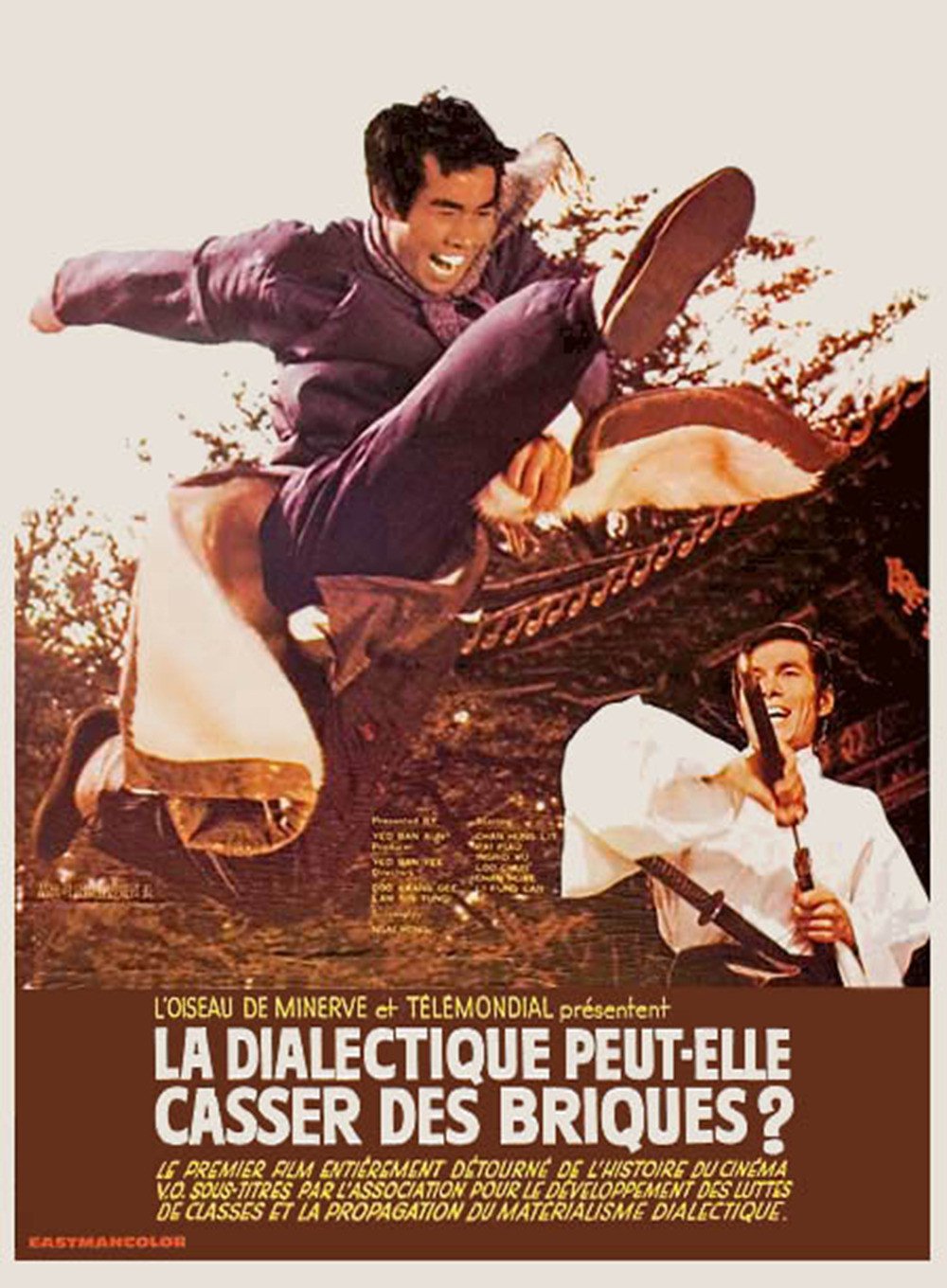
Radical French Philosophy Meets Kung-Fu Cinema in Can Dialectics Break Bricks? (1973)

Can Dialectics Break Bricks?

And here I’d always con­sid­ered La Chi­noise the only French-lan­guage film that used both bor­rowed Chi­nese imagery and lofty the­o­ry to mount a cri­tique of cap­i­tal­ism. It turns out that six years after Jean-Luc Godard made that movie, Sinol­o­gist, Sit­u­a­tion­ist, and film­mak­er René Viénet came out with the next impor­tant vol­ume in that fas­ci­nat­ing minor tra­di­tion, La Dialec­tique Peut-Elle Cass­er Des Briques? (Can Dialec­tics Break Bricks?), an entire Hong Kong mar­tial-arts pic­ture entire­ly repur­posed into, as Dan­ger­ous Minds’ Richard Met­zger puts it, “a cri­tique of class con­flicts, bureau­crat­ic social­ism, the fail­ures of the French Com­mu­nist Par­ty, Mao­ism, cul­tur­al hege­mo­ny, sex­u­al equal­i­ty and the way movies prop up Cap­i­tal­ist ide­ol­o­gy.”

Using as its visu­al mate­r­i­al 1972’s Crush, Tu Guangqi’s hand-to-hand-com­bat-inten­sive tale of Kore­an rebel­lion against Japan­ese impe­ri­al­ism, the film fol­lowed the mod­el of Woody Allen’s What’s Up, Tiger Lily? “which re-dubbed humor­ous dia­logue over a Japan­ese spy movie to make the plot about a recipe for egg sal­ad […] but here the cin­e­mat­ic Sit­u­a­tion­ist provo­ca­teur is less out for laughs (although there are plen­ty of them) and more about the polit­i­cal sub­ver­sion.” This inter­sec­tion of lo-fi chop-socky action with high-flown rev­o­lu­tion­ary jar­gon and aca­d­e­m­ic name-drop­ping (“My Fou­caults! My Lacans! And if that’s not enough, I’ll even send my struc­tural­ists”) has for decades struck its view­ers as sub­lime­ly ridicu­lous. But do the images and the dia­logues real­ly clash as total­ly as they would seem to?

“Like many Hong Kong pro­duc­tions of the ear­ly sev­en­ties,” writes Luke White at Kung Fu with Braudel, “the sce­nario of the orig­i­nal film is clear­ly one in which colo­nial exploita­tion and resis­tance are at issue. Set in Korea under the Japan­ese occu­pa­tion that last­ed much of the first half of the twen­ti­eth cen­tu­ry, the heroes (those turned by Viénet into ‘the Pro­le­tar­i­ans’) are the mem­bers of a mar­tial arts school who start to resist the colo­nial vio­lence of the mil­i­taris­tic Japan­ese forces. How­ev­er poten­tial­ly con­ser­v­a­tive the nation­al­is­tic dimen­sion of its nar­ra­tive, this is also a work about strug­gle and lib­er­a­tion from tyran­ny in some of its most typ­i­cal­ly mod­ern forms.” In its mul­ti­plic­i­ty of pos­si­ble inter­pre­ta­tions, La Dialec­tique Peut-Elle Cass­er Des Briques? joins the ranks of all the most inter­est­ing works of art — and it cer­tain­ly makes for a refresh­ing break from actu­al­ly read­ing your Fou­caults, your Lacans, and your struc­tural­ists.

via UBU

Relat­ed Con­tent:

John Sear­le on Fou­cault and the Obscu­ran­tism in French Phi­los­o­phy

The Five Best North Kore­an Movies: Watch Them Free Online

Bruce Lee Audi­tions for The Green Hor­net (1964)

Col­in Mar­shall writes else­where on cities, lan­guage, Asia, and men’s style. He’s at work on a book about Los Ange­les, A Los Ange­les Primer, the video series The City in Cin­e­maand the crowd­fund­ed jour­nal­ism project Where Is the City of the Future? Fol­low him on Twit­ter at @colinmarshall or on Face­book.

Thomas Dolby Potty Trains His Cat, and There’s Video Proof

One of our favorite curiosi­ties is the The Charles Min­gus CAT-alogue for Toi­let Train­ing Your Cat–a pam­phlet writ­ten by the mer­cu­r­ial jazz musi­cian that offers step-by-step advice on how to get your cat to use the loo. The one thing Min­gus did­n’t pro­vide is video proof that it could actu­al­ly be done.

That’s where anoth­er musi­cian steps in. Above, we have video of Thomas Dol­by’s cat, “Mozart,” in action. Dol­by, best known for his 1982 hit “She Blind­ed Me with Sci­ence,” is a teacher at heart. The son of an Oxford and Cam­bridge don, he’s now the Pro­fes­sor of the Arts at Johns Hop­kins Uni­ver­si­ty. And, on his Youtube chan­nel, he explains how he pulled off the seem­ing­ly impos­si­ble:

This is my cat Mozart, a Cor­nish Rex, pee­ing on the toi­let. Many believed this was not pos­si­ble, but it’s 100% real. When he was a kit­ten we tried to teach him to use the toi­let, using a DVD. We thought it was a no go. But then aged about 3 he sud­den­ly start­ed to do it. Now some­times when I get up in the night to pee Mo nips in ahead of me and I have to wait till he’s done. Next we need to teach him to flush! ~TD

If any­one is famil­iar with the DVD he’s ref­er­enc­ing, please iden­ti­fy it in the com­ments below.

Fol­low us on Face­book, Twit­ter, Google Plus and LinkedIn and share our posts with your friends. And if you want to make sure that our posts def­i­nite­ly appear in your Face­book news­feed, just fol­low these sim­ple steps.

Relat­ed Con­tent:

Thomas Dol­by Explains How a Syn­the­siz­er Works on a Jim Hen­son Kids Show (1989)

Charles Min­gus’ Instruc­tions For Toi­let Train­ing Your Cat, Read by The Wire’s Reg E. Cathey

Insane­ly Cute Cat Com­mer­cials from Stu­dio Ghi­b­li, Hayao Miyazaki’s Leg­endary Ani­ma­tion Shop

« Go BackMore in this category... »
Quantcast