A Wealth of Free Documentaries on All Things Japanese: From Bento Boxes to Tea Gardens, Ramen & Bullet Trains

“I used to be OBSESSED with Japan­ese cul­ture,” wrote an uncom­mon­ly thought­ful Youtube com­menter. “I miss that part of me. Try­ing to search for it again. That’s when I was the hap­pi­est.” Many of us west­ern­ers — or real­ly, many of us non-Japan­ese — go through sim­i­lar peri­ods of affin­i­ty and avid­i­ty for all things Japan­ese. Some of us put it away with our child­ish things; some of us make Japan­ese cul­ture a life­long inter­est, or even the stuff of our pro­fes­sions. I myself got into Japan ear­ly, at some point found myself put off by the just slight­ly too obses­sive Japan­ese pop-cul­ture fan com­mu­ni­ty in the West (though I admit­ted­ly read that com­ment below a music video with four mil­lion views), and lat­er returned with a much more seri­ous intent to under­stand.

But to under­stand what? The Japan­ese lan­guage, cer­tain­ly, and Japan­ese film, Japan­ese cities, Japan­ese aes­thet­ics, Japan­ese tech­nol­o­gy — all the fruits of the cul­ture that stoke in the rest of the world both deep envy and, some­times, faint sus­pi­cion. Why do they per­sist in using writ­ing sys­tems that, despite their con­sid­er­able beau­ty, come with such aggra­vat­ing dif­fi­cul­ty? The com­pre­hen­sive sub­way net­works in metrop­o­lis­es like Tokyo and Osa­ka func­tion day in and day out with aston­ish­ing reach and reli­a­bil­i­ty, but why do their rid­ers tol­er­ate crowd­ed­ness even to the point of get­ting uncom­plain­ing­ly crammed inside the cars by white-gloved atten­dants? And why, despite the Japan­ese love for ele­gant design and advanced con­sumer tech­nol­o­gy, do their web sites look so jum­bled and con­fus­ing?

NHK World can put you on the road to under­stand­ing these and oth­er ques­tions with Japanol­o­gy, their series of Eng­lish-lan­guage doc­u­men­taries explor­ing the things large and small, all sur­pris­ing to the for­eign­er, that make up the fab­ric of Japan­ese life. BEGIN Japanol­o­gy, their series for the Japan-intrigued but not nec­es­sar­i­ly Japan-expe­ri­enced, has come to six sea­sons so far.

At the top of the post, you can see its episode on ben­to, those painstak­ing­ly pre­pared lunch box­es, sim­pli­fied ver­sions of which even those who know noth­ing of Japan have seen at gro­cery stores the world over. To learn more about ben­to’s place in Japan­ese cul­ture, pro­ceed on to the rel­e­vant episode of Japanol­o­gy Plus, NHK’s series for the even more insa­tiably curi­ous Japanophile. And cou­ple with an episode on Ramen above.

Japanol­o­gy Plus also ded­i­cates one of its half-hour pro­grams to the Shinkansen, com­mon­ly known as the “bul­let train,” that quin­tes­sen­tial­ly Japan­ese mode of trans­porta­tion that, with its impec­ca­ble half-cen­tu­ry record of speed, safe­ty, and punc­tu­al­i­ty, has become the pride of the land. (I, for one, hold out hope that Oba­ma will make The Onion’s “Ambi­tious Plan to Fly Amer­i­cans to Japan to Use Their Trains” a real­i­ty.) But if you don’t feel quite ready yet to board a Shinkansen, much less learn about its inner work­ings, try the Begin Japanol­o­gy Spe­cial Mini series, which offers five-minute dis­tilled doc­u­men­taries on such icons of Japan as tea gar­dens, hot springs, and Mount Fuji. Watch­ing all these, I feel glad indeed that I’ve already got the tick­ets booked for my next flight over there. Do you have yours?

You can find Japanol­o­gy added to our list of 200+ Free Doc­u­men­taries, a sub­set of our col­lec­tion 4,000+ Free Movies Online: Great Clas­sics, Indies, Noir, West­erns, Doc­u­men­taries & More

Relat­ed Con­tent:

Dis­cov­er Japan’s Earth­quake Proof Under­ground Bike Stor­age Sys­tem: The Future is Now

“Tsun­doku,” the Japan­ese Word for the New Books That Pile Up on Our Shelves, Should Enter the Eng­lish Lan­guage

Watch a Japan­ese Crafts­man Lov­ing­ly Bring a Tat­tered Old Book Back to Near Mint Con­di­tion

A Pho­to­graph­ic Tour of Haru­ki Murakami’s Tokyo, Where Dream, Mem­o­ry, and Real­i­ty Meet

Ear­ly Japan­ese Ani­ma­tions: The Ori­gins of Ani­me (1917–1931)

Cook­pad, the Largest Recipe Site in Japan, Launch­es New Site in Eng­lish

Let’s Learn Japan­ese: Two Clas­sic Video Series to Get You Start­ed in the Lan­guage

Col­in Mar­shall writes else­where on cities, lan­guage, Asia, and men’s style. He’s at work on a book about Los Ange­les, A Los Ange­les Primer, the video series The City in Cin­e­maand the crowd­fund­ed jour­nal­ism project Where Is the City of the Future? Fol­low him on Twit­ter at @colinmarshall or on Face­book.

100,000+ Wonderful Pieces of Theater Ephemera Digitized by The New York Public Library

ERoosevelt

Liv­ing in New York, it’s not unusu­al to encounter ardent the­ater lovers who’ve care­ful­ly pre­served decades worth of pro­grams, tick­ets, and ephemera from every play they’ve ever seen. These col­lec­tions can get a bit hoarder‑y, as any­one who’s ever sort­ed through the belong­ings of a recent­ly depart­ed life­long audi­ence mem­ber can attest.

If the­ater is dead — as gloomy Cas­san­dras have been pre­dict­ing since the advent of screens — these mono­liths of Play­bills and stubs con­sti­tute one hell of a tomb.

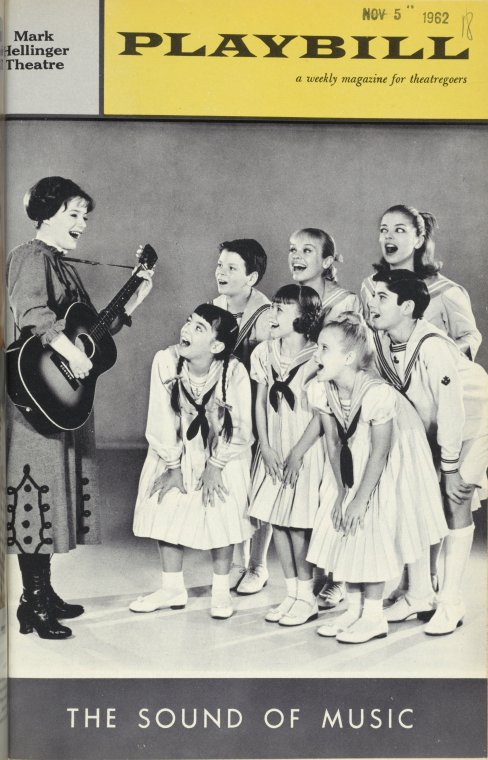
Sound of Music

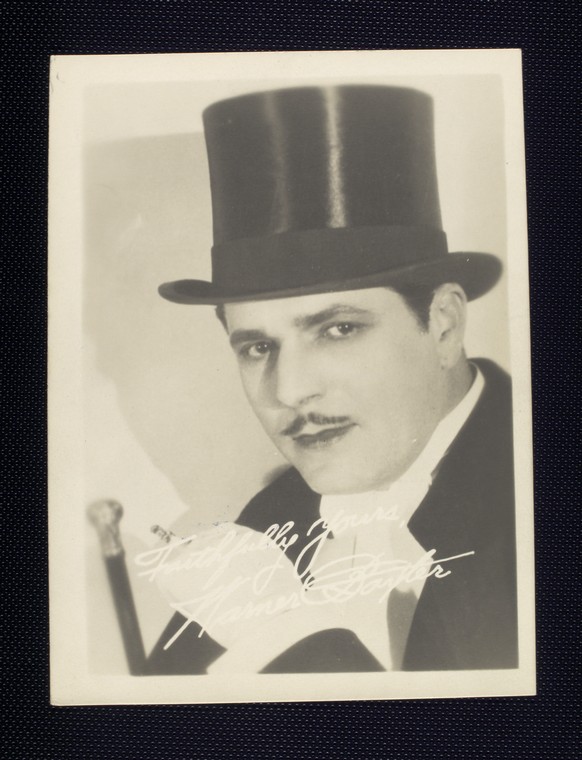
(Go ahead, toss that 1962 pro­gram to The Sound of Music…and why not dri­ve a stake through poor Uncle Mau­rice’s cold, dead heart while you’re at it? All he ever want­ed was to sit, eyes shin­ing in the dark, and maybe hang around the stage door in hopes of scor­ing Acad­e­my Award win­ner, Warn­er Bax­ter’s auto­graph, below. )

Warner Baxter

For those of us who con­ceive of the­atre as a still-liv­ing enti­ty, the New York Pub­lic Library’s recent deci­sion to start dig­i­tiz­ing its Bil­ly Rose The­atre Divi­sion archive is cause for cel­e­bra­tion. Such grand scale com­mit­ment to this art form’s past ensures that it will enjoy a robust future. Hope­ful­ly some­day all of the approx­i­mate­ly 10 mil­lion items in the Bil­ly Rose archive can be accessed from any­where in the world. But, for now, you can start with over 100,000 items. The com­par­a­tive­ly small per­cent­age avail­able now is still a boon to direc­tors, design­ers, writ­ers, and per­form­ers look­ing for inspi­ra­tion.

It’s also wild­ly fun for those of us who nev­er made it much past play­ing a poin­set­tia in the sec­ond grade hol­i­day pageant.

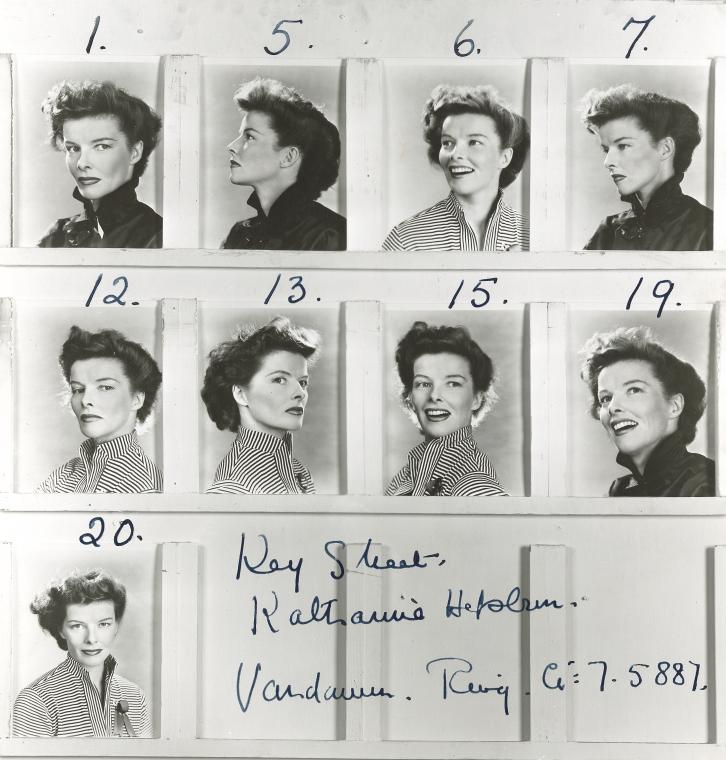
KHepburn

Tru­ly, there’s some­thing for every­one. The library sin­gles out a few tan­ta­liz­ing morsels on its web­site:

A researcher can exam­ine a 1767 pro­gram for a per­for­mance of Romeo and Juli­et in Philadel­phia, study Katharine Hepburn’s per­son­al papers (ed. note: wit­ness the many moods of Kate, above), review Elia Kazan’s work­ing script and notes for the orig­i­nal pro­duc­tion of A Street­car Named Desire, exam­ine posters for Har­ry Houdini’s per­for­mances, read a script for an episode of Cap­tain Kan­ga­roo, view set designs for the orig­i­nal pro­duc­tion of Guys & Dolls and cos­tume designs for the Ziegfeld Fol­lies, ana­lyze a video­tape of the orig­i­nal pro­duc­tion of A Cho­rus Line, and find rich sub­ject files and scrap­books that doc­u­ment the most pop­u­lar and obscure per­for­mances from across the cen­turies. 

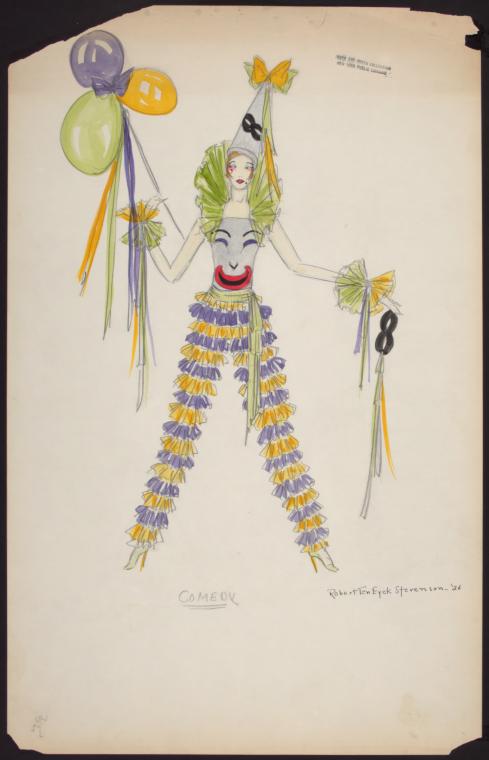
Comedy

You might also prowl for Hal­loween cos­tumes. What kid wouldn’t want to trick or treat as one of Robert Ten Eyck Stevenson’s 1926 designs for the Green­wich Vil­lage Fol­lies?

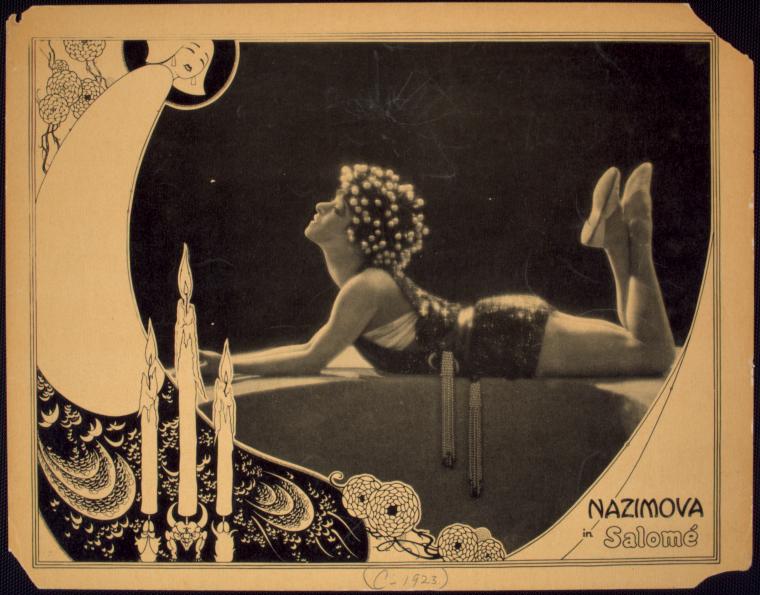
Salome

There’s cer­tain­ly no shame in moon­ing over a for­got­ten star… for the record, the one above is Alla Naz­i­mo­va in Salomé.

BMcQueen

And there’s some­thing gal­va­niz­ing about see­ing a famil­iar star escap­ing the con­fines of her best known role, the only one for which she is remem­bered, truth be told…

For me, the hands down pearl of the col­lec­tion is the telegram at the top of the page. For­mer First Lady Eleanor Roo­sevelt sent it Gyp­sy Rose Lee to her­ald the re-open­ing of Gyp­sy, the musi­cal based on her life.

For the unini­ti­at­ed, telegrams were once an open­ing night tra­di­tion, as was stay­ing up to read the review in the ear­ly edi­tion, hot off the press.

More infor­ma­tion on vis­it­ing the archive, online or in per­son, can be found here.

Relat­ed Con­tent:

Take a Vir­tu­al Tour of Shakespeare’s Globe The­atre

New York Pub­lic Library Puts 20,000 Hi-Res Maps Online & Makes Them Free to Down­load and Use

2,200 Rad­i­cal Polit­i­cal Posters Dig­i­tized: A New Archive

Ayun Hal­l­i­day is an author, illus­tra­tor, and per­former, whose lat­est play, Fawn­book, opens in New York this fall. Fol­low her @AyunHalliday

The Drawings & Paintings of Richard Feynman: Art Expresses a Dramatic “Feeling of Awe”

feynman-art 1

I first encoun­tered bon­go-play­ing physi­cist Richard Feyn­man in a col­lege com­po­si­tion class geared toward sci­ence majors. I was not, mind you, a sci­ence major, but a dis­or­ga­nized sopho­more who reg­is­tered late and grabbed the last avail­able seat in a required writ­ing course. Skep­ti­cal, I thumbed through the read­ing in the col­lege book­store. As I browsed Sure­ly You’re Jok­ing, Mr. Feyn­man!—the first of many pop­u­lar mem­oirs released by the affa­ble con­trar­i­an scientist—the human­ist in me perked up. Here was a guy who knew how to write; a the­o­ret­i­cal physi­cist who spoke the lan­guage of every­day peo­ple.

feynmanart 3

Feyn­man cul­ti­vat­ed his pop­ulist per­sona to appeal to those who might be oth­er­wise turned off by abstract, abstruse sci­en­tif­ic con­cepts. Like Carl Sagan and Neil deGrasse Tyson, his name has come to stand for the best exam­ples of pop­u­lar sci­ence com­mu­ni­ca­tion. It is often through one of Feynman’s acces­si­ble, non-spe­cial­ist books or pre­sen­ta­tions that peo­ple learn of his work with the Man­hat­tan project, his con­tri­bu­tions to quan­tum mechan­ics, and his Nobel Prize. But Feynman’s extracur­ric­u­lar pursuits—from safe-crack­ing to drum­ming to exper­i­ment­ing with LSD—were also gen­uine expres­sions of his idio­syn­crat­ic char­ac­ter, as was anoth­er of his pas­sions for which he is not very well known: art.

feynmanart282

Feyn­man took up the pur­suit at the age of 44, and con­tin­ued to draw and paint for the rest of his life, sign­ing his work “Ofey.” Many of his draw­ings dis­play the awk­ward, off-kil­ter per­spec­tive of the begin­ner, and a great many oth­ers look very accom­plished indeed. In an intro­duc­to­ry essay to a pub­lished col­lec­tion of his art­work, Feyn­man describes what moti­vat­ed him to take up this par­tic­u­lar avo­ca­tion:

I want­ed very much to learn to draw, for a rea­son that I kept to myself: I want­ed to con­vey an emo­tion I have about the beau­ty of the world. It’s dif­fi­cult to describe because it’s an emo­tion. It’s anal­o­gous to the feel­ing one has in reli­gion that has to do with a god that con­trols every­thing in the uni­verse: there’s a gen­er­al­i­ty aspect that you feel when you think about how things that appear so dif­fer­ent and behave so dif­fer­ent­ly are all run ‘behind the scenes’ by the same orga­ni­za­tion, the same phys­i­cal laws. It’s an appre­ci­a­tion of the math­e­mat­i­cal beau­ty of nature, of how she works inside; a real­iza­tion that the phe­nom­e­na we see result from the com­plex­i­ty of the inner work­ings between atoms; a feel­ing of how dra­mat­ic and won­der­ful it is. It’s  — of sci­en­tif­ic awe — which I felt could be com­mu­ni­cat­ed through a draw­ing to some­one who had also had that emo­tion. I could remind him, for a moment, of this feel­ing about the glo­ries of the uni­verse.

As you can see above, he took his work seri­ous­ly. Most of his draw­ings con­sist of por­traits and nudes, with the occa­sion­al land­scape or still life. You can see more exten­sive gal­leries of Feynman’s art at Amus­ing­Plan­etMuse­um Syn­di­cate and Brain Pick­ings.

feynmanart102

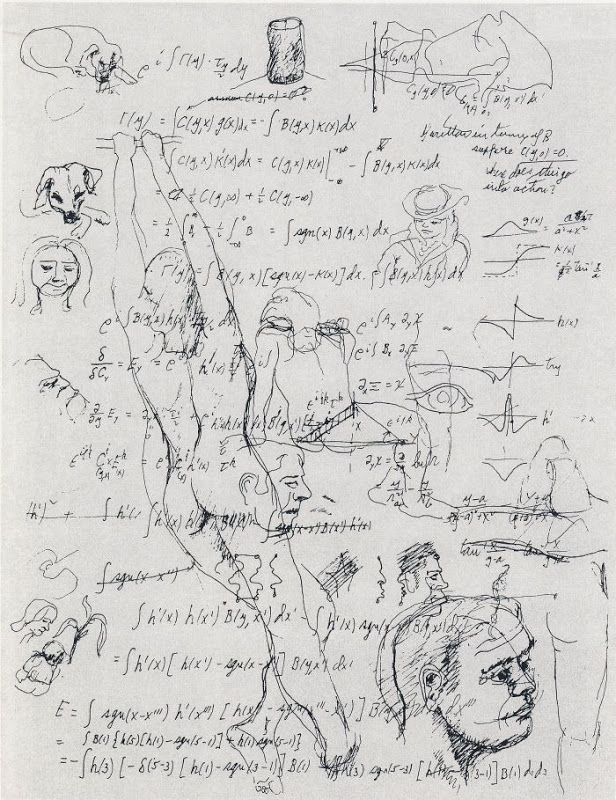
Feynman’s preoccupation—and full immersion—in the rela­tion­ship between the arts and sci­ences marks him as a Renais­sance man in per­haps the purest def­i­n­i­tion of the term: his approach close­ly resem­bles that of Leonar­do da Vin­ci, a like­ness that comes to the fore in the work below, which is either a col­lec­tion of sketch­es doo­dled over with for­mu­lae, or a col­lec­tion of for­mu­lae cov­ered with doo­dles. Either way, it’s a per­fect rep­re­sen­ta­tion of the vision­ary mind of Feyn­man and his regard for ordi­nary lan­guage, peo­ple, and objects—and for “sci­en­tif­ic awe.”

feynmanart 4

Relat­ed Con­tent:

Free Online Physics Cours­es

The Feyn­man Lec­tures on Physics, The Most Pop­u­lar Physics Book Ever Writ­ten, Now Com­plete­ly Online

Richard Feynman’s Let­ter to His Depart­ed Wife: “You, Dead, Are So Much Bet­ter Than Any­one Else Alive” (1946)

Learn How Richard Feyn­man Cracked the Safes with Atom­ic Secrets at Los Alam­os

‘The Char­ac­ter of Phys­i­cal Law’: Richard Feynman’s Leg­endary Course Pre­sent­ed at Cor­nell, 1964

Josh Jones is a writer and musi­cian based in Durham, NC. Fol­low him at @jdmagness

How Did David Fincher Become the Kubrick of Our Time? A New, 3.5 Hour Series of Video Essays Explains

Most film-lovers must long for the next Stan­ley Kubrick, a new the­mat­i­cal­ly adven­tur­ous, aes­thet­i­cal­ly rig­or­ous, big bud­get-com­mand­ing, and take-after-take per­fec­tion­is­tic cin­e­mat­ic vision­ary for our time. But some film-lovers believe our time already has its own Stan­ley Kubrick in David Finch­er, direc­tor of such high­ly acclaimed pic­tures as Fight ClubZodi­acThe Social Net­workThe Game, and Sev­en — excuse me, Se7en. And just like Kubrick, Finch­er did­n’t start off at that lev­el of the game. No, his career first gath­ered momen­tum with com­mer­cials, a bunch of music videos for the likes of The Motels, Paula Abdul, and Rick Spring­field, and of course, Alien 3 — excuse me, Alien3.

So what exact­ly went wrong with that crit­i­cal­ly sav­aged yet (we now real­ize) auteur-direct­ed chap­ter of the Alien fran­chise? That ques­tion gets addressed in detail ear­ly on in the lat­est mul­ti-part video essay from Cameron Beyl’s Direc­tors Series.

You may remem­ber that we fea­tured the Direc­tors Series’ pre­vi­ous essay in April, but if you don’t, it should­n’t sur­prise you to learn that it exam­ined the Kubrick oeu­vre. Beyl end­ed it with a dec­la­ra­tion of his own mem­ber­ship in the afore­men­tioned Finch­er-Is-Our-Kubrick club, and cinephiles all over the inter­net thrilled to his announce­ment of Finch­er as his next object of analy­sis.

To date, five episodes of The Direc­tors Series: David Finch­er have come out, which deal with Fincher’s career as fol­lows:

  1. “Bap­tism By Fire” (Rick Spring­field­’s music videos and The Beat of the Life Drum, assort­ed music videos and com­mer­cials, Alien 3)
  2. “Redemp­tion & Tri­umph” (assort­ed com­mer­cials, Se7en)
  3. “Cap­tur­ing the Zeit­geist” (The GameFight ClubPan­ic Room)
  4. “Into the Dig­i­tal Realm” (var­i­ous com­mer­cials and music videos, Zodi­acThe Curi­ous Case of Ben­jamin But­ton)
  5. The Bleed­ing Edge

Even though the series has­n’t yet reached The Social Net­workThe Girl with the Drag­on Tat­too, and Gone Girl, you won’t come away from the case Beyl has assem­bled so far uncon­vinced of Fincher’s influ­ences, pref­er­ences, and obses­sions: crime, decay, punk, obso­lete tech­nol­o­gy, archi­tec­ture, sur­veil­lance, cor­po­rate and per­son­al wealth, unusu­al illus­tra­tive visu­al effects, col­ors like blue and orange in high con­trast, nihilism, pre­de­ces­sors like Rid­ley and Tony Scott — the list goes on, and will go on as long as Fincher’s career does. It says a great deal about his film­mak­ing skill and style that his work has become so wide­ly known for both its over­whelm­ing­ly “grit­ty, grimy” and over­whelm­ing­ly “cold, clin­i­cal” look and feel. But if any direc­tor can ever arrive at this sort of tow­er­ing, con­tra­dic­to­ry rep­u­ta­tion, Finch­er can, and if any video essays can explain how he did, the Direc­tors Series can.

Relat­ed Con­tent:

The Film­mak­ing Craft of David Finch­er Demys­ti­fied in Two Video Essays

Dis­cov­er the Life & Work of Stan­ley Kubrick in a Sweep­ing Three-Hour Video Essay

Every Frame a Paint­ing Explains the Film­mak­ing Tech­niques of Mar­tin Scors­ese, Jack­ie Chan, and Even Michael Bay

Col­in Mar­shall writes else­where on cities, lan­guage, Asia, and men’s style. He’s at work on a book about Los Ange­les, A Los Ange­les Primer, the video series The City in Cin­e­maand the crowd­fund­ed jour­nal­ism project Where Is the City of the Future? Fol­low him on Twit­ter at @colinmarshall or on Face­book.

M.C. Escher’s Perpetual Motion Waterfall Brought to Life: Real or Sleight of Hand?

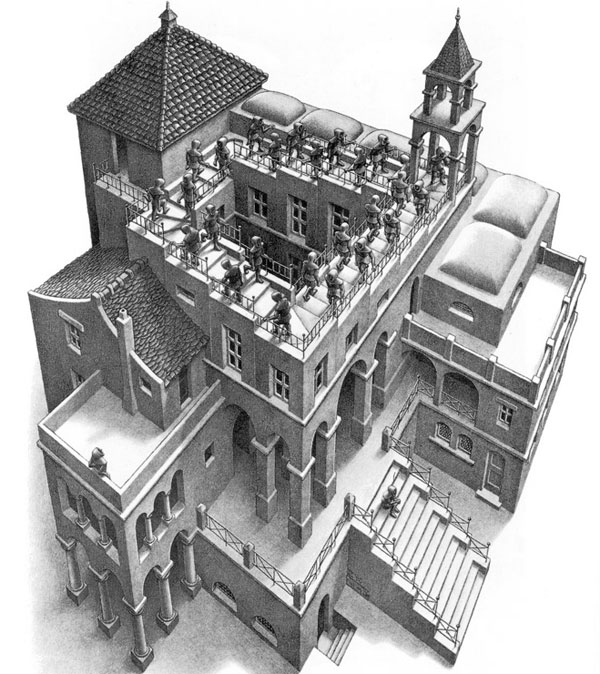
Since M.C. Esch­er bent minds in the 20th cen­tu­ry with his Möbius strips, meta­mor­phoses, and impos­si­ble objects, oth­er artists have been try­ing to bring his cre­ations to life. And the advent of com­put­er illus­tra­tion, then ani­ma­tion, has made it all the more pos­si­ble.

In the real, “meat­space” world of organ­ic things, it’s a lit­tle bit hard­er. In Jan­u­ary 2011, a YouTu­ber by the name of “mcwolles” post­ed the video above. In it, a man pours water in a scale mod­el of Escher’s 1961 Water­fall. The con­trap­tion, using blue water, actu­al­ly seems to work. The water runs uphill through sev­er­al sharp angles and fin­ish­es by tum­bling off the top into the pad­dle­wheel below, where its begins its jour­ney again. “Mcwolles” ends the video star­ing into the cam­era as he tries to find the off switch…but also dares view­ers to fig­ure out how he did it.

Escher, Waterfall 1961

Cre­ative Com­mons image via Wikipedia

The Inter­net had a viral freakout—check out the 9.3 mil­lion views—and prompt­ly set about try­ing to offer solu­tions. “Look how the shad­ows fall!” sev­er­al peo­ple point­ed out. The locked-down cam­era was anoth­er clue.

In May of 2011, “mcwolles” offered a 360 tour of the cre­ation in his garage that offered some sug­ges­tions, and that was all that was need­ed for user “LookingMercury3D” to offer their expla­na­tion of how the trick was done. (Hint: edit­ing).

Since then, “mcwolles” has only post­ed two more videos: one of him los­ing weight and one of a dog hav­ing its way with a stuffed ani­mal. Maybe he’s busy work­ing on his next piece of Esch­er-inspired art.


Relat­ed con­tent:

Meta­mor­phose: 1999 Doc­u­men­tary Reveals the Life and Work of Artist M.C. Esch­er

The Genius of J.S. Bach’s “Crab Canon” Visu­al­ized on a Möbius Strip

Inspi­ra­tions: A Short Film Cel­e­brat­ing the Math­e­mat­i­cal Art of M.C. Esch­er

Ted Mills is a free­lance writer on the arts who cur­rent­ly hosts the FunkZone Pod­cast. You can also fol­low him on Twit­ter at @tedmills, read his oth­er arts writ­ing at tedmills.com and/or watch his films here.

The Inspiring Story of Ronald E. McNair, the Astronaut Who Endured Racism & Became One of the First African Americans in Space

On Jan­u­ary 28, 1986, NASA Chal­lenger mis­sion STS-51‑L explod­ed in the sky, into a twist­ing plume of smoke, a mere 73 sec­onds after take­off. It left a nation stunned, and sev­en astro­nauts dead. Among them was the pilot, physi­cist and MIT grad Ronald McNair, who, in 1984, had become only the sec­ond African-Amer­i­can to trav­el into out­er space.

As this ani­ma­tion nar­rat­ed by his own broth­er explains, McNair’s path to becom­ing an astro­naut was­n’t easy. Born and raised in the Jim Crow South (in Lake City, South Car­oli­na, to be pre­cise) McNair encoun­tered racism in his every­day life. One touch­ing sto­ry helps crys­tal­lize what his expe­ri­ence was like. As a nine-year-old, McNair tried to check out books from the “pub­lic” library — only to dis­cov­er that “pub­lic” meant books were for whites, not blacks. The video tells the rest of the sto­ry. And I’ll just flag one impor­tant detail men­tioned at the very end: On Jan­u­ary 28, 2011, exact­ly 25 years after his death, the library was renamed The Dr. Ronald E. McNair Life His­to­ry Cen­ter. You’ll also find a Ronald E. McNair Build­ing on MIT’s cam­pus too. And deserved­ly so.

Relat­ed Con­tent:

Nichelle Nichols Explains How Mar­tin Luther King Con­vinced Her to Stay on Star Trek

Albert Ein­stein Called Racism “A Dis­ease of White Peo­ple” in His Lit­tle-Known Fight for Civ­il Rights

How Mar­tin Luther King, Jr. Used Hegel, Kant & Niet­zsche to Over­turn Seg­re­ga­tion in Amer­i­ca

Pro­fes­sor Ronald Mal­lett Wants to Build a Time Machine in this Cen­tu­ry … and He’s Not Kid­ding

Free Online Astron­o­my Cours­es

by | Permalink | Make a Comment ( 2 ) |

Rock-Loving Kid Records a Spat with His Parents During the 1980s & Animates It 30 Years Later

Cer­tain­ly for me, and per­haps for many of you, there’s some­thing eeri­ly famil­iar about the scene that plays out in this ani­ma­tion. Here’s the back­sto­ry: Start­ing when he was 12, Mike Cohen, a kid grow­ing up in Buf­fa­lo, began record­ing the argu­ments he had with his par­ents (unbe­knownst to them). At least one of the tapes, record­ed in 1985, recent­ly end­ed up in the hands of Rodd Per­ry, a first time ani­ma­tor, who cre­at­ed the car­toon above.  By the looks of things, Broth­er Mike is still part of the music scene today.

Relat­ed Con­tent:

I Met the Wal­rus: An Ani­mat­ed Film Revis­it­ing a Teenager’s 1969 Inter­view with John Lennon

1980s Met­al­head Kids Are All Right: New Study Sug­gests They Became Well-Adjust­ed Adults

Shel Silverstein’s The Giv­ing Tree: The Ani­mat­ed Film Nar­rat­ed by Shel Him­self (1973)

by | Permalink | Make a Comment ( 3 ) |

Classics Stories by Edgar Allan Poe Narrated by James Mason in a 1953 Oscar-Nominated Animation & 1958 Decca Album

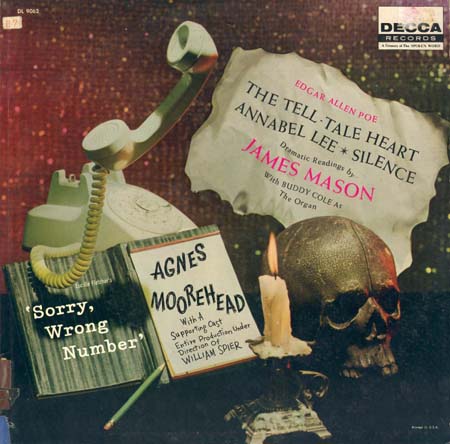
Some enthu­si­asts of 19th-cen­tu­ry Amer­i­can psy­cho­log­i­cal hor­ror mas­ter (or, in a very real sense, 19th-cen­tu­ry Amer­i­can psy­cho­log­i­cal hor­ror inven­tor) Edgar Allan Poe find his work best read aloud. Thus we’ve pre­vi­ous­ly fea­tured Poe deliv­ered in the grav­i­tas-filled voic­es of such not­ed thes­pi­ans as Vin­cent Price, Basil Rath­bone, Christo­pher Walken, Christo­pher Lee, and James Mason. Mason did the read­ing (above) as a nar­ra­tion for a 1953 ani­mat­ed short The Tell-Tale Heart, adapt­ing Poe’s 1843 sto­ry of the same name, which drew both an Acad­e­my Award nom­i­na­tion for Best Ani­mat­ed Short Film and — per­haps more in line with the Poe sen­si­bil­i­ty — a rat­ing of “X” from the British Board of Film Cen­sors.

James Mason Poe

WFMU man­aged to dig up even more Poe as read by Mason, three tracks of which they post­ed to their blog one Hal­loween, all with “creepy and dra­mat­ic organ stylings by Bud­dy Cole, who no doubt wore an Inver­ness cape for the occa­sion.” They come from a 1958 release from Dec­ca Records, fea­tur­ing Mason’s read­ings of not just “The Tell-Tale Heart” [MP3] but Poe’s cryp­tic fable “Silence” [MP3—below] and haunt­ing final poem “Annabel Lee” [MP3—bot­tom]. (The flip side of the album offers some­thing com­plete­ly dif­fer­ent, in the form of Agnes Moore­head “and a sup­port­ing cast” per­form­ing Lucille Fletcher’s radio play “Sor­ry, Wrong Num­ber.”)

Opin­ions on who reads Poe most effec­tive­ly will dif­fer from lis­ten­er to lis­ten­er, but if you’d like to make a par­tial but direct com­par­i­son for your­self, sim­ply line up Mason’s ren­di­tion of “The Tell-Tale Heart” on a playlist with the ones we’ve pre­vi­ous­ly post­ed by Christo­pher Lee, Basil Rath­bone — and of course, Iggy Pop. It may have become Poe’s best-known sto­ry in the first place by hav­ing retained its impact over all these 172 years, but hav­ing such a range of per­for­ma­tive per­son­al­i­ties inter­pret it can’t hurt in keep­ing it as eerie as ever.

Relat­ed Con­tent:

Iggy Pop Reads Edgar Allan Poe’s Clas­sic Hor­ror Sto­ry, “The Tell-Tale Heart”

5 Hours of Edgar Allan Poe Sto­ries Read by Vin­cent Price & Basil Rath­bone

Edgar Allan Poe’s “The Raven,” Read by Christo­pher Walken, Vin­cent Price, and Christo­pher Lee

Hear Orson Welles Read Edgar Allan Poe on a Cult Clas­sic Album by The Alan Par­sons Project

Edgar Allan Poe Ani­mat­ed: Watch Four Ani­ma­tions of Clas­sic Poe Sto­ries

Down­load The Com­plete Works of Edgar Allan Poe on His Birth­day

Col­in Mar­shall writes else­where on cities, lan­guage, Asia, and men’s style. He’s at work on a book about Los Ange­les, A Los Ange­les Primer, the video series The City in Cin­e­ma, and the crowd­fund­ed jour­nal­ism project Where Is the City of the Future? Fol­low him on Twit­ter at @colinmarshall or on Face­book.

« Go BackMore in this category... »
Quantcast