Donald Deconstructs Citizen Kane

If there is any con­tem­po­rary fig­ure out there that resem­bles Charles Fos­ter Kane, it is that real estate mogul and unlike­ly GOP front run­ner, Don­ald Trump. Like Kane, Trump was edu­cat­ed in, and thrown out of, some of the most elite pri­vate schools out there. Both have huge, larg­er-than-life per­son­al­i­ties that read­i­ly turned them into media icons. Both had tumul­tuous rela­tion­ships with women that end­ed up tabloid fod­der. Both osten­ta­tious­ly flaunt­ed their wealth. And both have grandiose polit­i­cal ambi­tions.

Above you can watch The Don­ald expound on Orson Welles’s mas­ter­piece in a clip direct­ed by none oth­er than mas­ter doc­u­men­tary film­mak­er Errol Mor­ris. Trump is remark­ably thought­ful in this piece com­pared to the cam­paign trail where he often sounds like a WWE bark­er chan­nel­ing Mus­soli­ni. He comes to the movie from a van­tage point that most of us just don’t have; name­ly, he knows what it’s like being obscene­ly wealthy.

Cit­i­zen Kane is real­ly about accu­mu­la­tion. And at the end of the accu­mu­la­tion, you see what hap­pens. And it’s not nec­es­sar­i­ly all pos­i­tive. I think you learn in Kane that maybe wealth isn’t every­thing. He had the wealth; he just didn’t have the hap­pi­ness. The table get­ting larg­er and larg­er and larg­er with he and his wife get­ting fur­ther and fur­ther apart as he got wealth­i­er and wealth­i­er, per­haps I can under­stand that…. Wealth iso­lates you from oth­er peo­ple.

At the end of the piece, Mor­ris asks Trump to give Kane some advice. His response, deliv­ered with a smirk, is pure Trump – i.e. bom­bas­tic and misog­y­nist. “Get your­self a dif­fer­ent woman.”

The seg­ment comes from an abort­ed project by Mor­ris called Movie Movie, where he envi­sioned putting mod­ern fig­ures into the films they most admire. So imag­ine Trump actu­al­ly in a re-enact­ment of Kane. Or, as also almost hap­pened, imag­ine Mikhail Gor­bachev star­ring in a reen­act­ment of Dr. Strangelove. It’s a damned shame that Movie Movie nev­er got made.

Below you can see more of Trump along with Gor­bachev, Lou Reed, Wal­ter Cronkite and oth­ers talk­ing about their favorite movies in a video made for the 2002 Acad­e­my Awards.

via Kot­tke

Relat­ed Con­tent:

Lis­ten to Orson Welles’ Clas­sic Radio Per­for­mance of 10 Shake­speare Plays

Lis­ten to Eight Inter­views of Orson Welles by Film­mak­er Peter Bog­danovich (1969–1972)

Watch Orson Welles’ The Stranger Free Online, Where 1940s Film Noir Meets Real Hor­rors of WWII

Orson Welles Explains Why Igno­rance Was His Major “Gift” to Cit­i­zen Kane

Jonathan Crow is a Los Ange­les-based writer and film­mak­er whose work has appeared in Yahoo!, The Hol­ly­wood Reporter, and oth­er pub­li­ca­tions. You can fol­low him at @jonccrow. And check out his blog Veep­to­pus, fea­tur­ing lots of pic­tures of vice pres­i­dents with octo­pus­es on their heads.  The Veep­to­pus store is here.

U.S. Detonates Nuclear Weapons in Space; People Watch Spectacle Sipping Drinks on Rooftops (1962)

In 1962, dur­ing the height of the Cold War, the Unit­ed States launched nuclear weapons (big­ger than the ones dropped on Hiroshi­ma and Nagasa­ki) into space and det­o­nat­ed them. Osten­si­bly, the goal was to see what these high alti­tude nuclear blasts might do to the Earth­’s mag­net­ic field.

The explo­sions took place some 400 kilo­me­ters (250 miles) above John­ston Island in the Pacif­ic Ocean. And, as the NPR video above describes it, folks liv­ing in the Pacif­ic watched the light show while gath­ered on rooftops and blithe­ly sip­ping drinks. Below, you can view arrest­ing footage of the tests — with­out hav­ing to wor­ry about get­ting radioac­tive fall­out in your cock­tail.

Relat­ed Con­tent:

53 Years of Nuclear Test­ing in 14 Min­utes: A Time Lapse Film by Japan­ese Artist Isao Hashimo­to

Haunt­ing Unedit­ed Footage of the Bomb­ing of Nagasa­ki (1945)

How a Clean, Tidy Home Can Help You Sur­vive the Atom­ic Bomb: A Cold War Film from 1954

80 Free Online His­to­ry Cours­es

The British Library Puts Over 1,000,000 Images in the Public Domain: A Deeper Dive Into the Collection

Oriental Tooth Paste

Every year for the past decade or so, we‘ve seen new, dire pro­nounce­ments of the death of print, along with new, upbeat rejoin­ders. This year is no dif­fer­ent, though the prog­no­sis has seemed espe­cial­ly pos­i­tive of late in robust appraisals of the sit­u­a­tion from enti­ties as diver­gent as The Onion’s A.V. Club and finan­cial giant Deloitte. I, for one, find this encour­ag­ing. And yet, even if all print­ed media were in decline, it would still be the case that the his­to­ry of the mod­ern world will most­ly be told in the his­to­ry of print. And iron­i­cal­ly, it is online media that has most enabled the means to make that his­to­ry avail­able to every­one, in dig­i­tal archives that won’t age or burn down.

One such archive, the British Library’s Flickr Com­mons project, con­tains over one mil­lion images from the 17th, 18th, and 19th cen­turies. As the Library wrote in their announce­ment of these images’ release, they cov­er “a star­tling mix of sub­jects. There are maps, geo­log­i­cal dia­grams, beau­ti­ful illus­tra­tions, com­i­cal satire, illu­mi­nat­ed and dec­o­ra­tive let­ters, colour­ful illus­tra­tions, land­scapes, wall-paint­ings and so much more that even we are not aware of.” Microsoft dig­i­tized the books rep­re­sent­ed here, and then donat­ed them to the Library for release into the Pub­lic Domain.

The Aldine “O'er Land and Sea.” Library

One of the quirky fea­tures of this decid­ed­ly quirky assem­blage is the Mechan­i­cal Cura­tor, a bot-run blog that gen­er­ates “ran­dom­ly select­ed small illus­tra­tions and orna­men­ta­tions, post­ed on the hour.” At the time of writ­ing, it has giv­en us an ad for the rather cul­tur­al­ly dat­ed arti­fact “Ori­en­tal Tooth Paste,” a prod­uct “pre­pared by Jews­bury & Brown.” Many of the oth­er selec­tions have con­sid­er­ably less fris­son. Nonethe­less, writes the Library, often “our newest col­league,” the Mechan­i­cal Cura­tor, “plucks from obscu­ri­ty, places all before you, and leaves you to work out the rest. Or not.”

Tiger

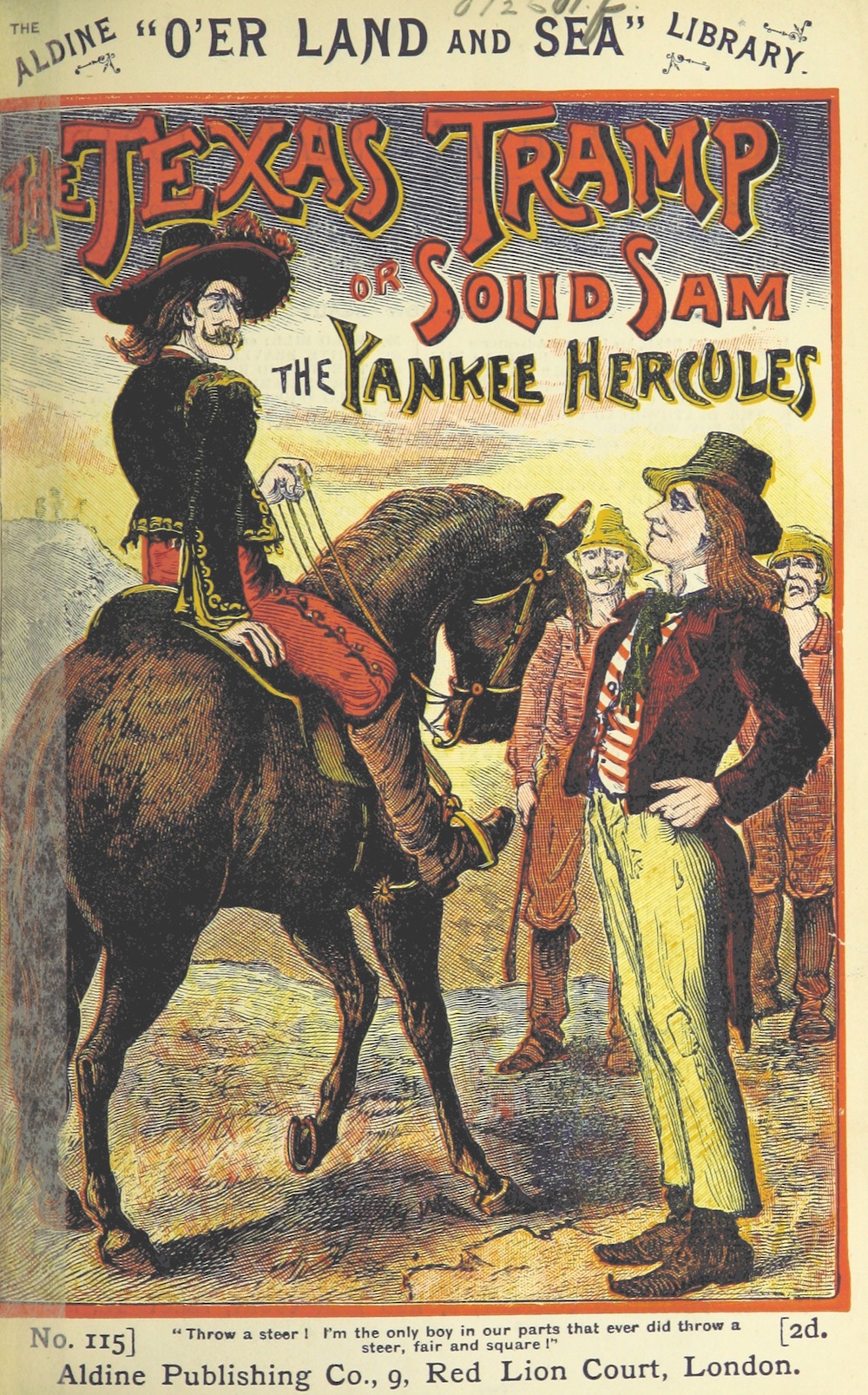
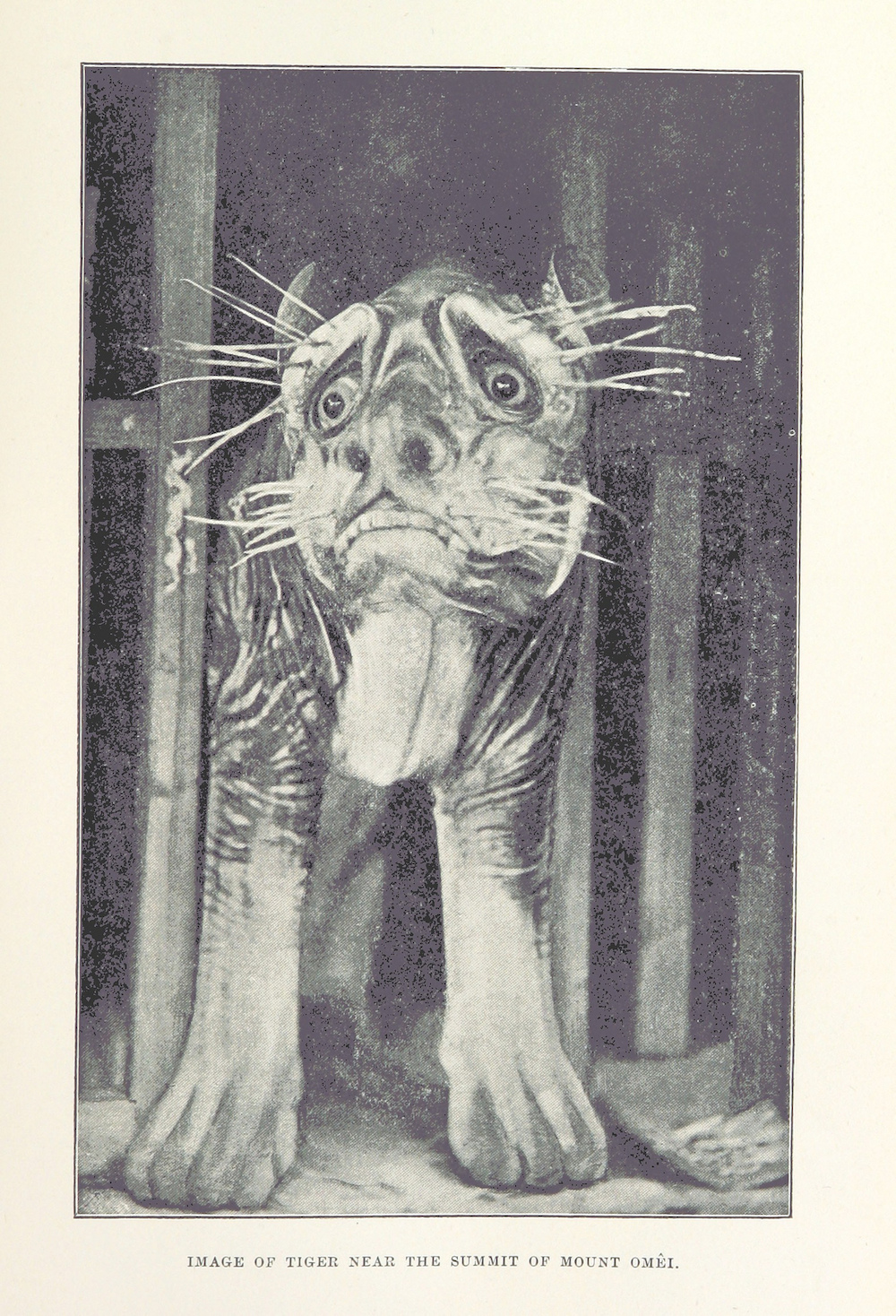
The Flickr Com­mons site itself gives us a much more con­ven­tion­al orga­ni­za­tion, with images—most of them dis­cov­ered by the Mechan­i­cal Curator—grouped into sev­er­al dozen themed albums. We have “Book cov­ers found by the com­mu­ni­ty from the Mechan­i­cal Cura­tor Col­lec­tion,” fea­tur­ing images like that of The Texas Tramp or Sol­id Sam the Yan­kee Her­cules, a pulpy title pub­lished in 1890 by the Aldine Library’s “O’er Land and Sea” series. And just above, see an illus­tra­tion from the 1892 pub­li­ca­tion To the Snows of Tibet through China…With Illus­tra­tions and a Map. Each image’s page offers links to oth­er illus­tra­tions in the book and those of oth­er books pub­lished in the same year.

Cottager's Sabbath

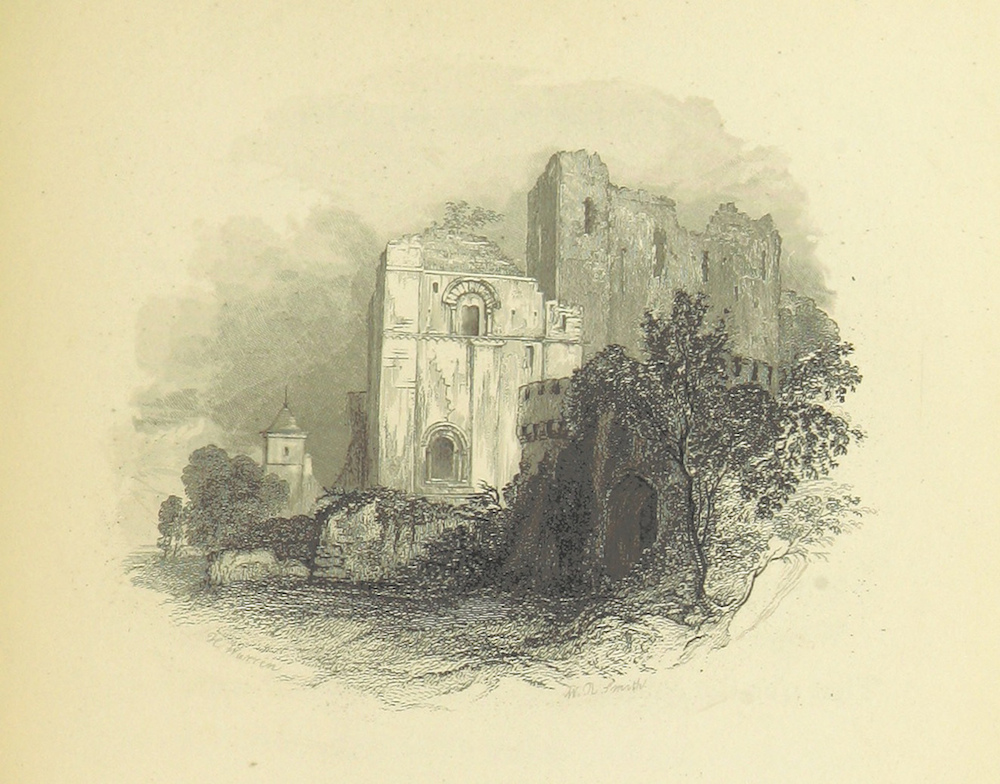
Here, we have a strik­ing illus­tra­tion from an 1841 edi­tion of The Cottager’s Sab­bath, a poem… with … vignettes… by H. War­ren. This image comes from “Archi­tec­ture, found by the com­mu­ni­ty from the Mechan­i­cal Cura­tor Col­lec­tion.”

Pilgrims

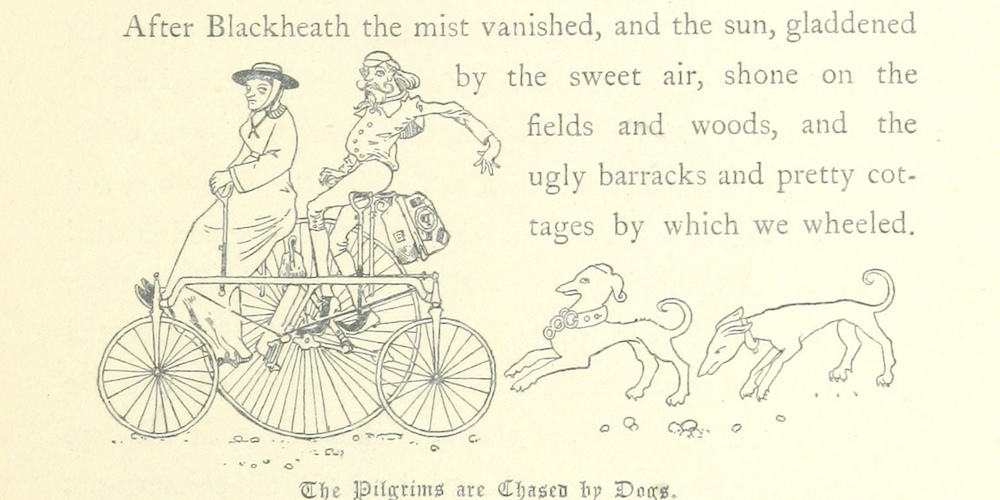
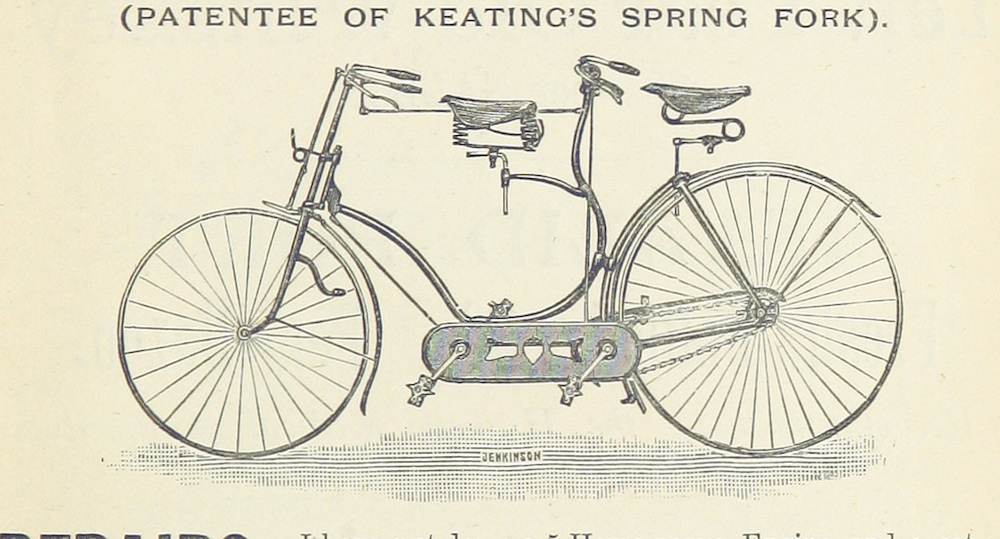
We also have odd­i­ties like the illus­tra­tion above, from 1885’s “A Can­ter­bury Pil­grim­age, rid­den, writ­ten, and illus­trat­ed by J. and E.R.P.” This is to be found in “Cycling, found by the com­mu­ni­ty from [you guessed it] the Mechan­i­cal Cura­tor Col­lec­tion,” which also con­tains plen­ty of more com­mer­cial illus­tra­tions like the 1893 “Paten­tee of Keating’s Spring Fork.”

Spring Fork

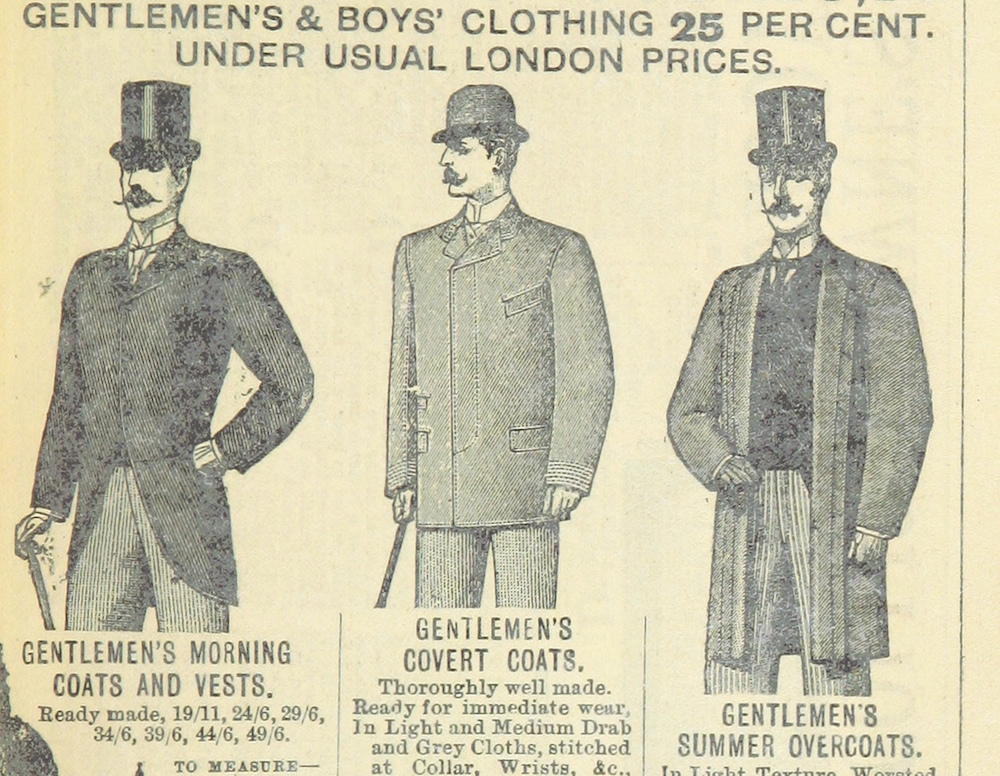
Speak­ing of com­merce, we also have an album devot­ed to adver­tise­ments, found by the com­mu­ni­ty from, yes, the Mechan­i­cal Cura­tor Col­lec­tion. Here you will dis­cov­er ads like “Ori­en­tal Tooth Paste” or that below for “Gentlemen’s & Boy’s Cloth­ing 25 Per Cent. Under Usu­al Lon­don Prices” from 1894. Our con­cep­tion of Vic­to­ri­an Eng­land as exces­sive­ly for­mal gets con­firmed again and again in these ads, which, like the ran­dom choice at the top of the post, con­tain their share of awk­ward or humor­ous his­tor­i­cal notions.

Gentlemen's Clothing

Doubt­less none of the pro­to-Mad Men of these very Eng­lish pub­li­ca­tions fore­saw such a mar­vel as the Mechan­i­cal Cura­tor. Much less might they have fore­seen such a mech­a­nism aris­ing with­out a mon­e­tiz­ing scheme. But thanks to this free, new­fan­gled algorithm’s efforts, and much assis­tance from “the com­mu­ni­ty,” we have a dig­i­tal record that shows us how pub­lic dis­course shaped print cul­ture, or the oth­er way around. A fas­ci­nat­ing, and at times bewil­der­ing, fea­ture of this phe­nom­e­nal archive is the require­ment that we our­selves sup­ply most of the cul­tur­al con­text for these aus­tere­ly pre­sent­ed images.

Relat­ed Con­tent:

2,200 Rad­i­cal Polit­i­cal Posters Dig­i­tized: A New Archive

Yale Launch­es an Archive of 170,000 Pho­tographs Doc­u­ment­ing the Great Depres­sion

Down­load for Free 2.6 Mil­lion Images from Books Pub­lished Over Last 500 Years on Flickr

Down­load 100,000 Free Art Images in High-Res­o­lu­tion from The Get­ty

Josh Jones is a writer and musi­cian based in Durham, NC. Fol­low him at @jdmagness

Stream Jim Rockford’s Answering Machine Messages: All Six Seasons

The Rock­ford Files hit the air­waves in Sep­tem­ber 1974, and until the show end­ed in 1980, each episode began in the same way. Dur­ing the title sequence, you’d hear a phone ring, and then an answer­ing machine would start to play, “This is Jim Rock­ford. At the tone, leave your name and mes­sage. I’ll get back to you.” With each new episode, a caller would leave a dif­fer­ent mes­sage after the beep:

“It’s Nor­ma at the mar­ket. It bounced. You want me to tear it up, send it back, or put it with the oth­ers?”

“It’s Lau­rie at the trail­er park. A space opened up. Do you want me to save it or are the cops going to let you stay where you are?”

“It’s Audra. Remem­ber last sum­mer at Pat’s? I’ve got a twelve hour lay­over before I go to Chica­go. How about it?”

“This is the mes­sage phone com­pa­ny. I see you’re using our unit, now how about pay­ing for it?”

“I staked out that guy only it did­n’t work out like you said. Please call me. Room 234. Coun­ty Hos­pi­tal.”

“Hey Rock­ford, very fun­ny. I ain’t laugh­ing. You’re gonna get yours.”

The short mes­sages told you pret­ty much every­thing you need­ed to know about Jim Rock­ford. He’s a pri­vate detec­tive liv­ing pay­check to pay­check. He cuts cor­ners and bends rules when he needs to. He has friends among women, and ene­mies among men.  He’s a quin­tes­sen­tial pri­vate dick.

In total, 122 dif­fer­ent answer­ing machine mes­sages were left dur­ing the run of the series. (Appar­ent­ly, many fea­tured the voic­es of 1970s celebri­ties and pub­lic fig­ures.) You can play Sea­son 1 above, and the remain­ing sea­sons below.

by | Permalink | Make a Comment ( 6 ) |

Maurice Sendak Sent Beautifully Illustrated Letters to Fans — So Beautiful a Kid Ate One

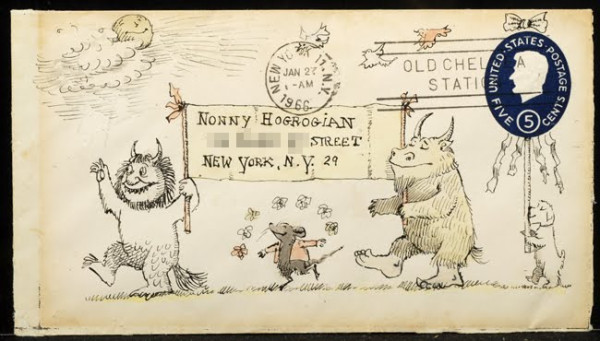
SendakEnvelope

I remem­ber thrilling, as a kid, to the enve­lope illus­tra­tions that the mag­a­zines I read ran on their let­ters pages. Not only would some of these read­ers (usu­al­ly read­ers my age, with a lot of time on their hands) go to the trou­ble of writ­ing and mail­ing a phys­i­cal let­ter to their peri­od­i­cal of choice, they’d actu­al­ly get as artis­tic as pos­si­ble with the enve­lope as well. Some even did pret­ty impres­sive jobs, though as the enve­lope-illus­tra­tors of our time go, few rank up there with the likes of Mau­rice Sendak.

“This is how Mau­rice Sendak some­times sent his let­ters,” wrote Let­ters of Note, tweet­ing out the image above. “Just imag­ine get­ting one.” The author of Where the Wild Things Are and In the Night Kitchen wrote the let­ter con­tained in this par­tic­u­lar enve­lope to his fel­low chil­dren’s book writer-illus­tra­tor Non­ny Hogro­gian, author of One Fine Day and The Con­test. Sendak’s close col­leagues might have got used to receiv­ing such uncon­ven­tion­al­ly illu­mi­nat­ed cor­re­spon­dence, but he also wrote back to each and every one of his young read­ers, some­times with sim­i­lar­ly pre­pared cor­re­spon­dence.

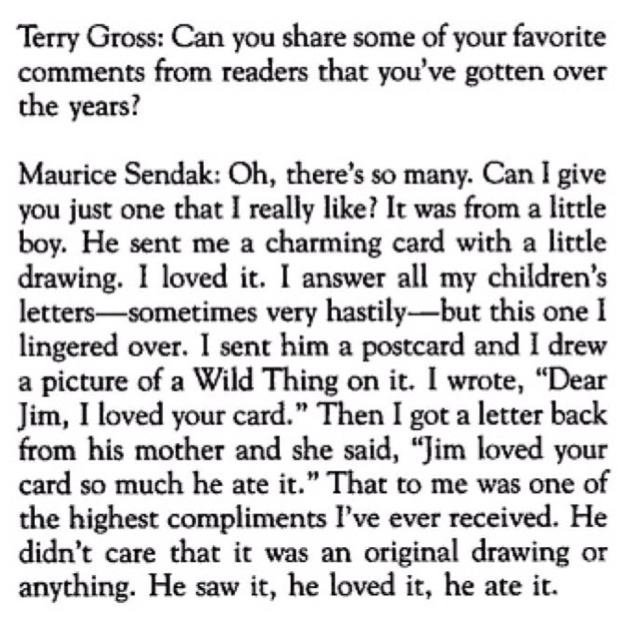
sendak story 2

Let­ters of Note also tweet­ed a quote from Fresh Air inter­view with Sendak in which Ter­ry Gross asked for his favorite com­ments from his fans. Sendak told the sto­ry of a boy from whom he received “a charm­ing card with a lit­tle draw­ing. I loved it.” In reply, he sent the child a post­card of appre­ci­a­tion and drew a Wild Thing on it, just as he did on the enve­lope of his let­ter to Hogro­gian. The boy’s moth­er then wrote back to say her son “Jim loved your card so much he ate it,” which Sendak con­sid­ered “one of the high­est com­pli­ments I’ve ever received. He did­n’t care that it was an orig­i­nal draw­ing or any­thing. He saw it, he loved it, he ate it.”

Relat­ed Con­tent:

Mau­rice Sendak’s Bawdy Illus­tra­tions For Her­man Melville’s Pierre: or, The Ambi­gu­i­ties

The Only Draw­ing from Mau­rice Sendak’s Short-Lived Attempt to Illus­trate The Hob­bit

Mau­rice Sendak’s Emo­tion­al Last Inter­view with NPR’s Ter­ry Gross, Ani­mat­ed by Christoph Nie­mann

An Ani­mat­ed Christ­mas Fable by Mau­rice Sendak (1977)

Col­in Mar­shall writes on cities, lan­guage, Asia, and men’s style. He’s at work on a book about Los Ange­les, A Los Ange­les Primer, and the video series The City in Cin­e­ma. Fol­low him on Twit­ter at @colinmarshall or on Face­book.

A Last Glimpse Inside the Okura, Tokyo’s Modernist Masterpiece Hotel

In late August, one of Tokyo’s grand­est hotels, Hotel Oku­ra closed its doors and its main wing will be demol­ished to make way for a $980 mil­lion recon­struc­tion. The new hotel will open in 2019.

The move was met with howls of protest around the world. The orig­i­nal hotel was hailed as a mod­ernist trea­sure. “It’s a mas­ter­piece,” lament­ed not­ed archi­tec­ture writer Hiroshi Mat­suku­ma. “It has a cul­tur­al and his­tor­i­cal val­ue that can nev­er be repro­duced again.”

The hotel first opened its doors in 1962 at a piv­otal time in Japan­ese his­to­ry. Eager to dis­tance itself from its mil­i­taris­tic past, the coun­try put on a new inter­na­tion­al­ist face to the world. The 1964 Tokyo Olympics were meant to be a sort of com­ing out par­ty for a new, thor­ough­ly mod­ern nation. The Hotel Oku­ra was designed in this same opti­mistic spir­it.

Archi­tect Yoshio Taniguchi said that he intend­ed the hotel to be crisply mod­ern though imbued with “a firm dig­ni­ty imper­vi­ous to fleet­ing fash­ion.” Five decades lat­er, the hotel’s inte­ri­ors still seem strik­ing, ele­gant and won­der­ful­ly atmos­pher­ic. Taniguchi recruit­ed mas­ter arti­sans Hideo Kosa­ka, Shiko Munaka­ta and Ken­kichi Tomi­mo­to to craft the hotel’s look. The hotel’s murals, fur­ni­ture, exte­ri­or fac­ing, even the light fix­tures, all draw upon ele­ments of tra­di­tion­al Japan­ese design, re-imag­ined for the jet age.

“It’s the light­ing fix­tures, the fur­ni­ture. What’s excit­ing is that you see this con­cept of Japan­ese design his­to­ry play out across the lob­by,” said Don Choi, pro­fes­sor of archi­tec­ture at Cal Poly San Luis Obis­po. “You would­n’t see that in Paris or New York. That atten­tion to detail makes it a com­plete work of art.”

Hotel Oku­ra has played host to sev­er­al US Pres­i­dents, from Ford to Oba­ma, along with oth­er inter­na­tion­al lumi­nar­ies from the Dalai Lama to Mikhail Gor­bachev. Even James Bond spent the night there in You Only Live Twice. Haru­ki Muraka­mi lat­er fea­tured the place promi­nent­ly in his beloved tome 1Q84.

For 50 years, the hotel has con­tin­ued to oper­ate large­ly unchanged. Even the menu for the hotel’s restau­rant, the Orchid Room, serves up the same fare they had back in 1964 — from crepes suzette to wiener schnitzel. The place was the Kennedy era dipped in amber. For the 21st cen­tu­ry vis­i­tor, that was no doubt much of its charm.

Mon­o­cle Mag­a­zine has pro­duced a love­ly video ele­gy to the hotel, which you can watch above.

Via Devour

Relat­ed Con­tent:

Hōshi: A Short Film on the 1300-Year-Old Hotel Run by the Same Fam­i­ly for 46 Gen­er­a­tions

The His­to­ry of West­ern Archi­tec­ture: From Ancient Greece to Roco­co (A Free Online Course)

The Mod­ernist Gas Sta­tions of Frank Lloyd Wright and Mies van der Rohe

A Pho­to­graph­ic Tour of Haru­ki Murakami’s Tokyo, Where Dream, Mem­o­ry, and Real­i­ty Meet

Take a 360° Vir­tu­al Tour of Tal­iesin, Frank Lloyd Wright’s Per­son­al Home & Stu­dio

Jonathan Crow is a Los Ange­les-based writer and film­mak­er whose work has appeared in Yahoo!, The Hol­ly­wood Reporter, and oth­er pub­li­ca­tions. You can fol­low him at @jonccrow. And check out his blog Veep­to­pus, fea­tur­ing lots of pic­tures of vice pres­i­dents with octo­pus­es on their heads.  The Veep­to­pus store is here.

Play The Hitchhiker’s Guide to the Galaxy Video Game Free Online, Designed by Douglas Adams in 1984

We’ve told you about a fair few vin­tage video games that you can play free online. Here’s anoth­er one to add to your col­lec­tion.

Back in 1985, Dou­glas Adams teamed up with Info­com’s Steve Meret­zky to cre­ate an inter­ac­tive fic­tion video game based on The Hitch­hik­er’s Guide to the Galaxy. Designed before graph­ic-inten­sive video games real­ly hit their stride, the orig­i­nal Hitch­hik­er’s Guide game (watch an unbox­ing above) was played with text com­mands on the Apple II, Mac­in­tosh, Com­modore 64, CP/M, DOS, Ami­ga, Atari 8‑bit and Atari ST plat­forms. And it found instant suc­cess. The adven­ture game sold 400,000 copies, mak­ing it one of the best-sell­ing games of its time, and it was named the “Game Of The Year” by var­i­ous mag­a­zines.

In 2004, the BBC released on its web­site a 20th anniver­sary ver­sion of the game, and then an enhanced 30th anniver­sary ver­sion last year. Before you start play­ing, you will need to reg­is­ter for an account with the BBC, and then you would be wise to read the instruc­tions, which begin with these words:

The game remains essen­tial­ly unchanged and the orig­i­nal writ­ing by Dou­glas Adams remains untouched. It is still played by enter­ing com­mands and press­ing return. Then read the text, fol­low your judge­ment and you will prob­a­bly be killed an inor­di­nate num­ber of times.

Note: The game will kill you fre­quent­ly. If in doubt, before you make a move please save your game by typ­ing “Save” then enter. You can then restore your game by typ­ing “Restore” then enter. This should make it slight­ly less annoy­ing get­ting killed as you can go back to where you were before it hap­pened. You’ll need to be signed in for this to work. You can sign in or reg­is­ter by click­ing the BBCiD icon next to the BBC logo in the top nav­i­ga­tion bar.

You can find some impor­tant game hints here, or watch a walk-through on YouTube here.

Enjoy.

If you would like to sign up for Open Culture’s free email newslet­ter, please find it here. It’s a great way to see our new posts, all bun­dled in one email, each day.

If you would like to sup­port the mis­sion of Open Cul­ture, con­sid­er mak­ing a dona­tion to our site. It’s hard to rely 100% on ads, and your con­tri­bu­tions will help us con­tin­ue pro­vid­ing the best free cul­tur­al and edu­ca­tion­al mate­ri­als to learn­ers every­where. You can con­tribute through Pay­Pal, Patre­on, and Ven­mo (@openculture). Thanks!

Relat­ed Con­tent:

Back to Bed: A New Video Game Inspired by the Sur­re­al Art­work of Esch­er, Dali & Magritte

Play the Twin Peaks Video Game: Retro Fun for David Lynch Fans

The Inter­net Arcade Lets You Play 900 Vin­tage Video Games in Your Web Brows­er (Free)

by | Permalink | Make a Comment ( 2 ) |

Stephen Colbert Reads Flannery O’Connor’s Darkly Comedic Story, “The Enduring Chill”

A good man is hard to find… a good man who can hold an audi­ence rapt by read­ing aloud for over an hour is hard­er still.

Soon-to-be Late Show host Stephen Col­bert acquits him­self quite nice­ly with Flan­nery O’Connor’s 1958 short sto­ry “The Endur­ing Chill,” above.

The tale of an ail­ing New York-based playwright’s unwill­ing return to his ances­tral home is a nat­ur­al fit for Col­bert, raised in Charleston, South Car­oli­na by North­ern par­ents. Record­ed at the behest of Select­ed Shorts, a pub­lic radio pro­gram where­in well known per­form­ers inter­pret con­tem­po­rary and clas­sic short fic­tion, the story—hand picked by Colbert—is a risky choice for 2015.

Like all of O’Connor’s work, it’s dark­ly comedic, and rife with rich char­ac­ter­i­za­tions. It also makes repeat­ed ref­er­ence to “Negroes,” two of whom the reader—in Col­bert’s case, a white man—is tasked with bring­ing to life. In this cur­rent cli­mate, I sus­pect most white come­di­ans would’ve played it safe with O’Connor’s lurid crowd pleas­er, “A Good Man is Hard to Find,” a sta­ple of high school read­ing lists, which you can hear O’Con­nor, her­self, read here.

Col­bert sails through by bring­ing his North­west­ern Uni­ver­si­ty the­ater train­ing to bear. (O’Connor was a favorite of the Per­for­mance Stud­ies depart­ment dur­ing his time there.)

Hav­ing spent years embody­ing a right wing wind­bag on his satir­i­cal Col­bert Report, the come­di­an clear­ly rel­ish­es the oppor­tu­ni­ty to tack­le a vari­ety of roles, includ­ing the main character’s will­ful­ly super­fi­cial moth­er, his sour sis­ter, and the afore­men­tioned pre-Civ­il Rights-era African-Amer­i­can men, work­ers in the hero’s mother’s dairy barn. The Catholic Col­bert also has fun with an unex­pect­ed­ly less-than-eru­dite Jesuit priest.

Grow­ing up in South Car­oli­na, Col­bert made a con­scious deci­sion to steer clear of a South­ern accent, but his pro­nun­ci­a­tion of the word “poem” is a hall­mark of authen­tic here.

As for O’Connor, she gets in a not-so-sub­tle jab at Gone with the Wind, as well as the sort of read­er who, try­ing to be help­ful, coun­sels an aspi­rant South­ern writer to “put the War in there.”

Some­thing tells me these two would have hit it off…I would’ve loved to hear him inter­view her along with George Clooney, Amy Schumer, and oth­er first week guests.

Col­bert’s read­ing of “The Endur­ing Chill” will be added to our col­lec­tion, 1,000 Free Audio Books: Down­load Great Books for Free.

via Metafil­ter

Relat­ed Con­tent:

Flan­nery O’Connor: Friends Don’t Let Friends Read Ayn Rand (1960)

Stephen Col­bert Reads Ray Brad­bury Clas­sic Sci-Fi Sto­ry “The Veldt”

Rare 1959 Audio: Flan­nery O’Connor Reads ‘A Good Man is Hard to Find’

Stephen Col­bert & Louis CK Recite The Get­tys­burg Address, With Some Help from Jer­ry Sein­feld

Ayun Hal­l­i­day is an author, illus­tra­tor and per­former who revis­its her low bud­get back­pack­er trav­els in the new edi­tion of No Touch Mon­key! And Oth­er Trav­el Lessons Learned Too Late . Fol­low her @AyunHalliday


« Go BackMore in this category... »
Quantcast