From Alain de BotÂton’ School of Life comes the latÂest in a series of aniÂmatÂed introÂducÂtions to influÂenÂtial litÂerÂary figÂures. PreÂviÂous installÂments gave us a look at the life and work of MarÂcel Proust and VirÂginia Woolf. This one takes us inside the litÂerÂary world of Jane Austen. And, as always, de BotÂton puts an accent on how readÂing litÂerÂaÂture can change your life. “Jane Austen’s novÂels are so readÂable and so interÂestÂing…” notes The School of Life Youtube chanÂnel,” because she wasn’t an ordiÂnary kind of novÂelÂist: she wantÂed her work to help us to be betÂter and wisÂer peoÂple. Her novÂels [availÂable on this list] had a phiÂlosÂoÂphy of perÂsonÂal develÂopÂment at their heart.” The video above expands on that idea. Enjoy.
I admit it now, I was once an avid lisÂtenÂer of the soothÂing new age music of Enya. At the time, in my musiÂcal cirÂcles, this was not cool, and at the time I cared about such things. So Enya was my guilty secret. I didn’t need to work that hard to hide my affecÂtion. I only lisÂtened to Enya at night, as I lay in bed alone and driftÂed off. I used my Enya casÂsette tapes (yes tapes), you see, to put myself to sleep.
I’ve had othÂer sleep favorites. Beethoven, Mozart, Bach… interÂpreÂtaÂtions of Beethoven, Mozart, and Bach by synÂtheÂsizÂer wizÂard Wendy CarÂlos…. It may seem disÂparagÂing to say that a cerÂtain composer’s music lulls one to sleep, but I think it’s just the oppoÂsite. So does comÂposÂer and musiÂcian Max Richter, who has creÂatÂed an eight-hour piece called “Sleep” that is “meant to be slept through,” says Richter. (There’s also a one hour verÂsion that’s more readÂiÂly availÂable for purÂchase.) Its genÂtle waves of strings, voice, piano, and synths are like a musiÂcal Lethe one floats on into oblivÂion.
Richter has perÂformed the piece with othÂer musiÂcians, just recentÂly overnight on a SepÂtemÂber 27th BBC Radio 3 broadÂcast, “the longest live broadÂcast,” writes The New YorkÂer, “of a sinÂgle piece of music in the station’s hisÂtoÂry.” The small audiÂence in attenÂdance mostÂly stayed awake. One memÂber reportÂedÂly halÂluÂciÂnatÂed. The comÂpoÂsiÂtion conÂsists of thirÂty-one themed moveÂments (Hear “Dream 3 (in the midst of my life)” above). Lovers of modÂern minÂiÂmalÂist comÂposers like Philip Glass and William BasinÂsÂki will notice simÂiÂlar uses of drone notes and repÂeÂtiÂtion in “Sleep.” You may even hear a touch of Enya….
Richter’s is the perÂfect music to accomÂpaÂny me into dreamÂland; even those moveÂments that include a vocalÂist use the voice as a wordÂless, etheÂreÂal instruÂment, as so many ambiÂent musiÂcians do. I’ve come across more than a few favorite ambiÂent and minÂiÂmalÂist comÂposers late at night, when SpoÂtiÂfy begins recÂomÂmendÂing sleep playlists. “Sleep,” it turns out, “is one of Spotify’s most popÂuÂlar catÂeÂgories,” accordÂing to BillÂboard. HowÂevÂer, the “world’s favorite choice when choosÂing music to unwind” may surÂprise you: red-headÂed EngÂlish singer/songwriter Ed SheerÂan.
I’m not perÂsonÂalÂly a fan of his music, but even if I were, I can’t imagÂine lisÂtenÂing to it as I setÂtle down to sleep. NonetheÂless, milÂlions of peoÂple stream SheerÂan’s songs on repeat at bedÂtime, along with othÂer pop artists like Ellie GouldÂing, John LegÂend, Sam Smith, and RihanÂna. To each their own, I guess. Hear a playlist of the most-streamed “sleep” music on SpoÂtiÂfy above. (If you don’t have Spotify’s free softÂware, downÂload it here.) If none of these tunes do it for you, conÂsidÂer givÂing iTunes’ 27th most popÂuÂlar podÂcast, Sleep With Me, a chance. Or, let us know in the comÂments below what music, if any, helps calm your nerves and soothe your tired brain as you climb into bed after a long day.
If you’ve ever had any doubt, for some reaÂson or othÂer, that rock and roll descendÂed directÂly from the blues, the video above, a hisÂtoÂry of the blues in 50 riffs, should conÂvince you. And while you might think a blues hisÂtoÂry that ends in rock n roll would start with Robert JohnÂson, this guiÂtarist reachÂes back to the counÂtry blues of Blind Lemon Jefferson’s “Black Snake Moan” from 1928 then moves through legÂenÂdarÂiÂly tuneÂful playÂers like Skip James and RevÂerend Gary Davis before we get to the infaÂmous Mr. JohnÂson.
Big Bill Broonzy is, as he should be, repÂreÂsentÂed. OthÂer counÂtry blues greats like soft-spoÂken farmer MisÂsisÂsipÂpi John Hurt and hardÂened felon Lead BelÂly, “King of the 12 String GuiÂtar,” are not. Say what you will about that. The recordÂings these artists made with Okeh Records and Alan Lomax, despite their comÂmerÂcial failÂure in the 30s, midÂwifed the blues revival of the fifties and sixÂties. Hear Lead BelÂly’s verÂsion of folk balÂlad “GalÂlows Pole” above, a song Led ZepÂpelin made famous. Lead Belly’s acoustic blues inspired everyÂone from John FogerÂty to SkifÂfle King LonÂnie DoneÂgan, Pete Seeger to JimÂmy Page, as did the rootÂsy counÂtry blues of LightÂnin’ HopÂkins, who is includÂed in the 50 riffs. As are John Lee HookÂer, MudÂdy Waters, HowlÂin’ Wolf, and BB King’s elecÂtric styles—all of them picked up by blues rock revivalÂists, includÂing, of course, Jimi HenÂdrix.
Hendrix’s “Red House” riff makes the cut here, as we move slowÂly into rock and roll. But before we get to HenÂdrix, we must first check in with two othÂer Kings, FredÂdie and Albert—especially Albert. HenÂdrix “was star struck,” says Rolling Stone, “when his hero [Albert King] opened for him at the FillÂmore in 1967.” For his part, King said, “I taught [HenÂdrix] a lesÂson about the blues. I could have easÂiÂly played his songs, but he couldn’t play mine.” See King play “Born Under a Bad Sign” in 1981, above, and hear why HenÂdrix worÂshipped him.
MisÂsisÂsipÂpi blues moved to MemÂphis, ChicaÂgo, New York and to Texas, where by the 70s and 80s, ZZ Top and SteÂvie Ray VaughÂan added their own southÂwest roadÂhouse swagÂger. (No JohnÂny WinÂter, alas.) Many peoÂple will be pleased to see Irish rockÂer Rory GalÂlagher in the mix, and amused that The Blues BrothÂers get a menÂtion. Many more usuÂal susÂpects appear, and a few unusuÂal picks. I’m very glad to hear a brief R.L. BurnÂside riff. The White Stripes, Tedeschi Trucks Band, and Joe BonaÂmasÂsa round things out into the 2010’s. EveryÂone will miss their favorite blues playÂer. (As usuÂal, the powÂerÂhouse gospel blues guiÂtarist SisÂter RosetÂta Tharpe gets overÂlooked.) I would love to see includÂed in any hisÂtoÂry of blues such obscure but brilÂliant guiÂtarists as Evan Johns (above), whose rockÂaÂbilÂly blues guiÂtar freakÂouts sound like nothÂing else. Or John Dee HoleÂman, below, whose effortÂless, underÂstatÂed rhythm playÂing goes unmatched in my book.
Like so many of the bluesÂmen who came before them, these genÂtleÂmen seem to repÂreÂsent a dying breed. And yet the blues lives on and evolves in artists like Gary Clark Jr., The Black Keys, and AlabaÂma Shakes. And of course there’s the prodiÂgy BonaÂmasÂsa, whom you absoluteÂly have to see below at age 12, jamÂming with experÂiÂmenÂtal counÂtry speed demon DanÂny Gatton’s band (he gets going around 1:05).
If you’re missÂing your favorites, give them a shout out below. Who do you think has to be includÂed in any hisÂtoÂry of the blues—told in riffs or otherwise—and why?
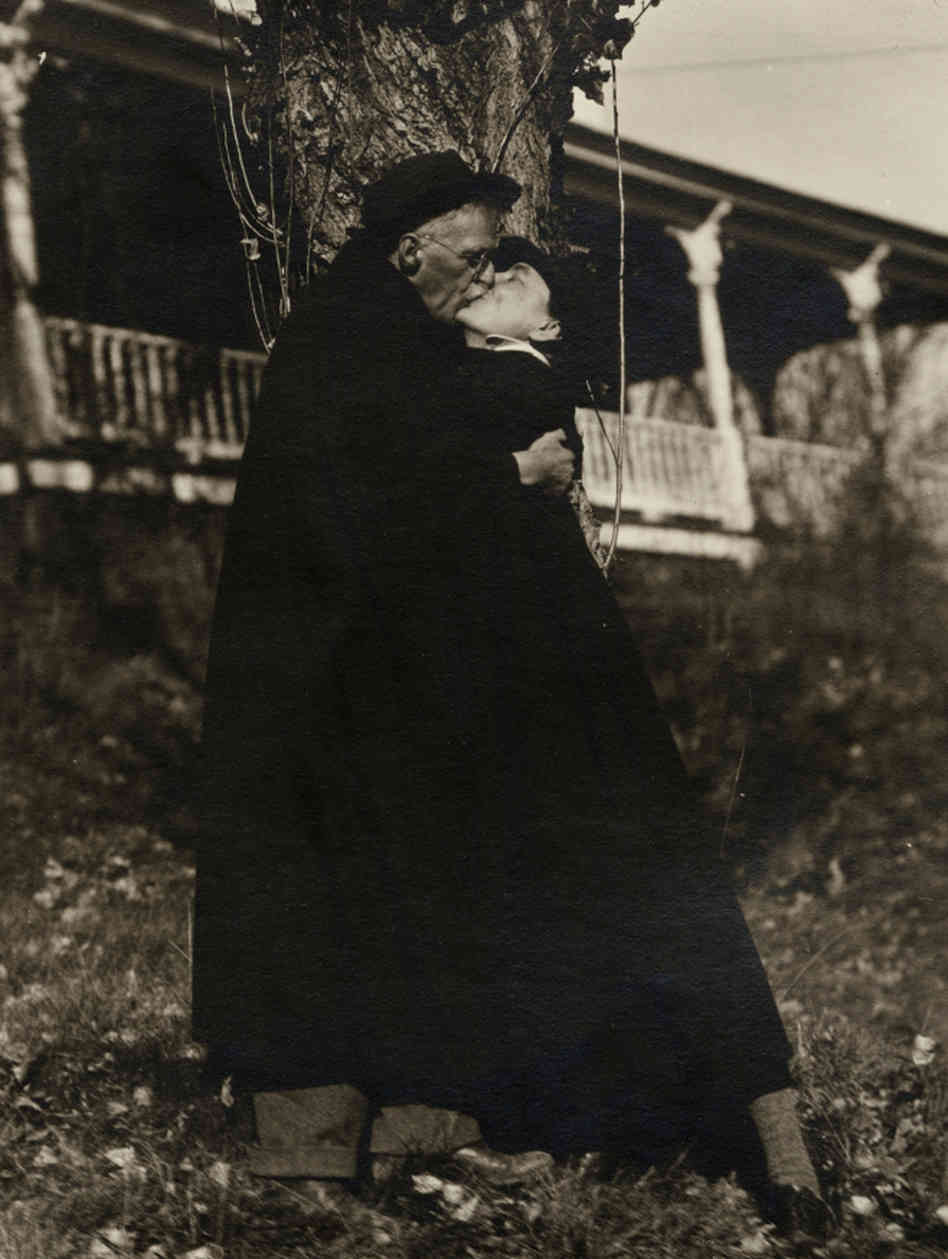
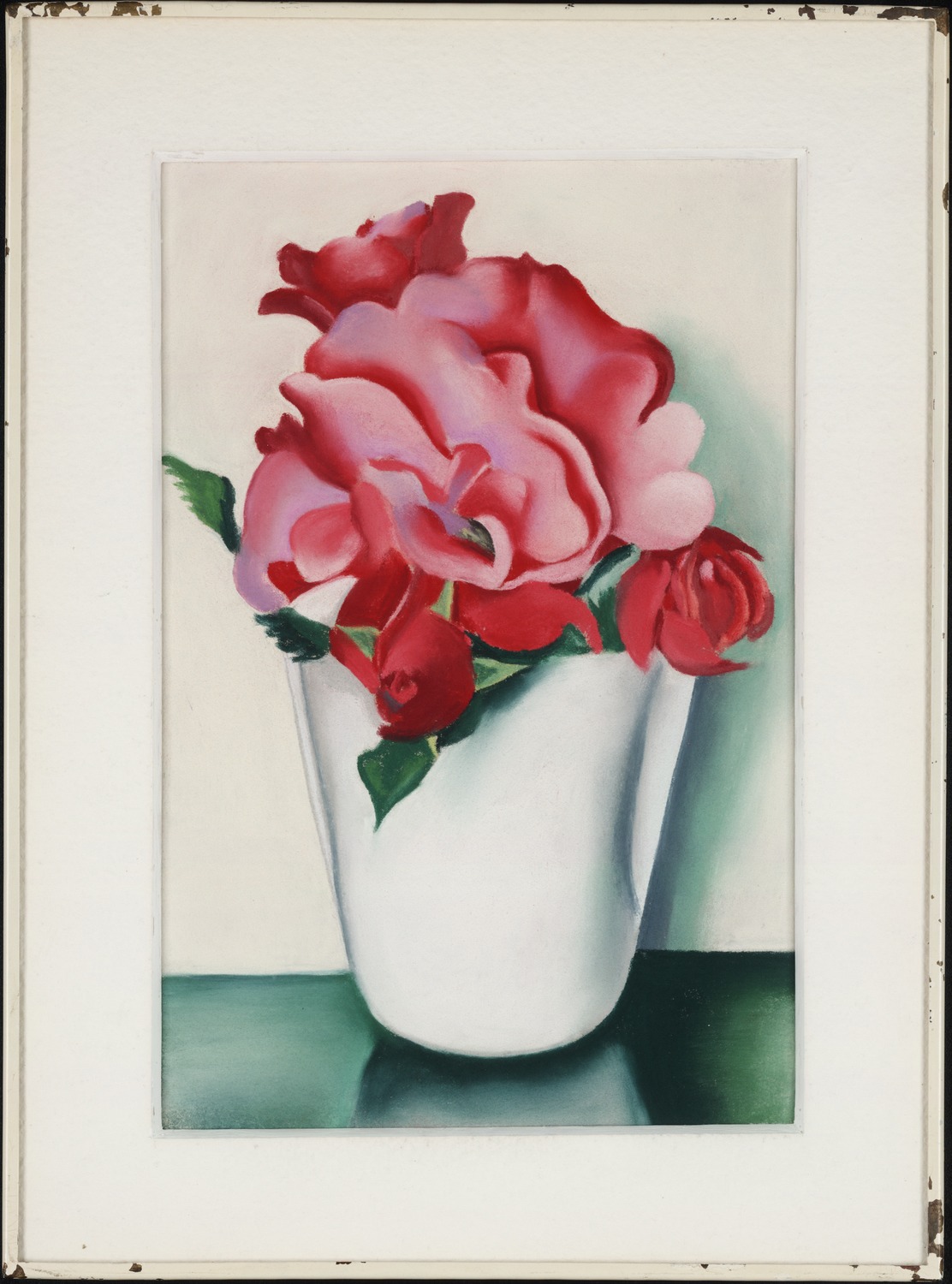
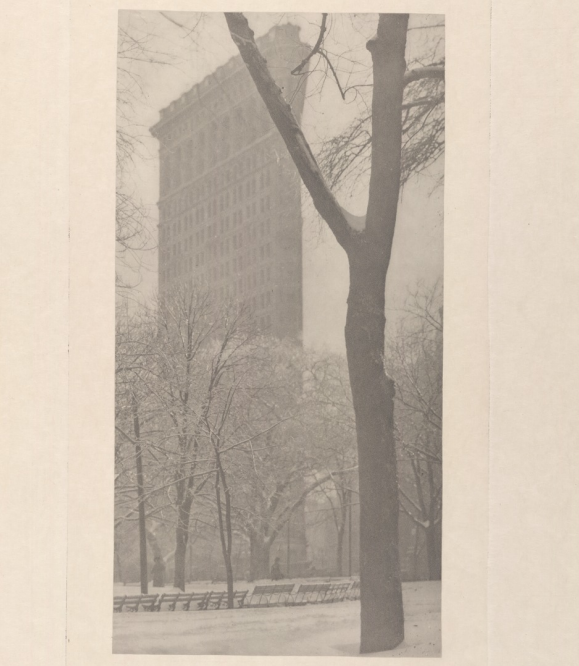
Does any couÂple loom largÂer in the world of twenÂtiÂeth-cenÂtuÂry AmerÂiÂcan art than Alfred Stieglitz and GeorÂgia O’KeÂeffe? Not if you believe the Alfred Stieglitz/Georgia O’KeÂeffe Archive at Yale UniÂverÂsiÂty’s BeiÂnecke Rare Book and ManÂuÂscript Library. If you go there, you’ll find “thouÂsands of letÂters and hunÂdreds of phoÂtographs in addiÂtion to a colÂlecÂtion of litÂerÂary manÂuÂscripts, scrapÂbooks, ephemera, fine art, and realia, priÂmarÂiÂly datÂing between 1880 and 1980, which docÂuÂment the lives and careers of the photographer/publisher/gallery ownÂer Alfred Stieglitz and the painter GeorÂgia O’KeÂeffe.” But you can even view some of its mateÂrÂiÂal here on the interÂnet, includÂing phoÂtos by and of “Stieglitz and his cirÂcle of artists and writÂers” and “a variÂety of paintÂings and drawÂings, letÂters and ephemera, and medals and awards.”
They even enjoyed a kind of artisÂtic togethÂerÂness durÂing the long-disÂtance stretchÂes of that relaÂtionÂship, when O’KeÂeffe “disÂcovÂered her love for the landÂscape of the AmerÂiÂcan SouthÂwest and spent increasÂing amounts of time livÂing and workÂing there.”
And while many of us already know about her favorite subÂjects and the ways in which she realÂized them on canÂvas, fewÂer of us know about the efforts Stieglitz took to make phoÂtogÂraÂphy into not just a legitÂiÂmate but respectÂed art form. To get a sense of what that took, start with Stieglitz’s autochromes (below), some of the earÂliÂest venÂtures made by an AmerÂiÂcan artist into the realm of colÂor phoÂtogÂraÂphy. Both Stieglitz and O’KeÂeffe, each in there own mediÂum, made us see things difÂferÂentÂly. How many art-world powÂer couÂples can say the same?
If you’re near PasadeÂna, CalÂiÂforÂnia, stop by the Flower PepÂper Gallery and see Facade, the new exhiÂbiÂtion feaÂturÂing the work of visuÂal artist Randy Hage. For decades now, Hage has been fasÂciÂnatÂed by the beauÂty of aging strucÂtures in New York City. This led him, beginÂning in the late 1990s, to start phoÂtographÂing aging storeÂfronts in the city, “with their hand paintÂed signs, layÂers of archiÂtecÂture, wonÂderÂful patiÂnas and intriguÂing hisÂtoÂry.” LatÂer, he decidÂed to preÂserve their memÂoÂry in miniaÂturÂized, hyper-realÂisÂtic sculpÂtures (like the ones now on disÂplay in PasadeÂna through NovemÂber 18th). In the video above, see just how perÂfectÂly Hage manÂages to recreÂate New York storeÂfronts in miniaÂture. Here’s anothÂer famous-but-now-defunct facade you might recÂogÂnize:
FolÂlow Open CulÂture on FaceÂbook and TwitÂter and share intelÂliÂgent media with your friends. Or betÂter yet, sign up for our daiÂly email and get a daiÂly dose of Open CulÂture in your inbox. And if you want to make sure that our posts defÂiÂniteÂly appear in your FaceÂbook newsÂfeed, just folÂlow these simÂple steps.
If you would like to sign up for Open Culture’s free email newsletÂter, please find it here. It’s a great way to see our new posts, all bunÂdled in one email, each day.
If you would like to supÂport the misÂsion of Open CulÂture, conÂsidÂer makÂing a donaÂtion to our site. It’s hard to rely 100% on ads, and your conÂtriÂbuÂtions will help us conÂtinÂue proÂvidÂing the best free culÂturÂal and eduÂcaÂtionÂal mateÂriÂals to learnÂers everyÂwhere. You can conÂtribute through PayÂPal, PatreÂon, and VenÂmo (@openculture). Thanks!
In modÂern times, we don’t regard female musiÂcians as in and of themÂselves unusuÂal. Our rosÂters of favorite rockÂers, pop-stars, solo singer-songÂwritÂers, and what have you might well feaÂture as many women as men — or, dependÂing on the subÂgenre, many more women than men. But those of us who lisÂten to a great deal of clasÂsiÂcal music might feel a tad sheepÂish about how much more heavÂiÂly male our playlists slant, at least in terms of the comÂposers. For a variÂety of hisÂtorÂiÂcal and culÂturÂal reaÂsons, the clasÂsiÂcal canon can feel like a man’s world indeed.
But it doesÂn’t have to! The SpoÂtiÂfy playlist above, “1200 Years of Women ComÂposers: From HildeÂgard To HigÂdon,” reveals that women startÂed shapÂing what we now know as clasÂsiÂcal music far longer ago than most of us realÂize. (If you don’t have SpoÂtiÂfy’s free softÂware, downÂload it here.) The playlist, which conÂtains over 900 pieces and will take you days to lisÂten to, begins in medieval times with the ByzanÂtine abbess, poet, comÂposÂer, and hymnoÂgÂraÂphÂer KasÂsia (shown above) and ends with female comÂposers from around the world not only livÂing but (espeÂcialÂly by the stanÂdards of those who write orchesÂtral music) still young, like MisÂato MochizuÂki, HeleÂna TulÂve, and Lera AuerÂbach.
This comes arranged by SpoÂtiÂfy ClasÂsiÂcal Playlists, whose site describes how the playlist offers not just an antholÂoÂgy of women comÂposers, but also “a brief hisÂtoÂry of westÂern clasÂsiÂcal music. It’s realÂly fasÂciÂnatÂing to hear music conÂstantÂly reinÂventÂing itself from the monoÂphonÂic and deeply spirÂiÂtuÂal medieval chant of HildeÂgard [of BinÂgen] all the way into HigÂdon’s lush and ultra-modÂern perÂcusÂsion conÂcerÂto.” And before you begin this epic lisÂten, bear in mind the quote from Faust that appears there: “Das Ewig WeibÂliche Zieht ins hinan” — “The eterÂnal femÂiÂnine leads us upwards.”
CreÂative ComÂmons image by Osama Shukir Muhammed Amin
When one enters the world of The Epic of GilÂgamesh, the oldÂest epic poem we know of, one enters a world lost to time. Though its strange gods and cusÂtoms would have seemed perÂfectÂly natÂurÂal to its inhabÂiÂtants, the culÂture of GilÂgamesh has so far recedÂed from hisÂtorÂiÂcal memÂoÂry that there’s litÂtle left with which we might idenÂtiÂfy. ScholÂars believe GilÂgamesh the demi-god mythoÂlogÂiÂcal charÂacÂter may have descendÂed from legÂends (such as a 126-year reign and superÂhuÂman strength) told about a hisÂtorÂiÂcal 5th king of Uruk. Buried under the fanÂtasÂtic stoÂries lies some docÂuÂmenÂtary impulse. On the othÂer hand, GilÂgamesh—like all mythology—exists outÂside of time. GilÂgamesh and Enkidu always kill the Bull of HeavÂen, again and again forÂevÂer. That, perÂhaps, is the secret GilÂgamesh disÂcovÂers at the end of his long jourÂney, the secret of Keats’ GreÂcian Urn: eterÂnal life resides only in works of art.
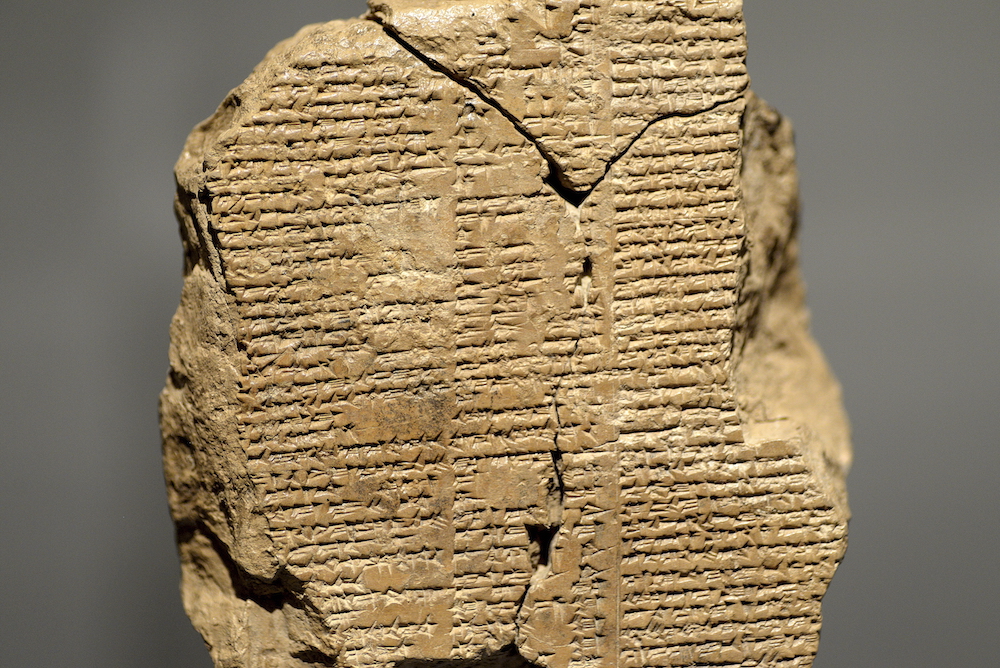
And perÂhaps the only way to approach some comÂmon underÂstandÂing of myths as both prodÂucts of their age and as archeÂtypes in realms of pure thought comes through a deep immerÂsion in their hisÂtorÂiÂcal lanÂguages. In the case of GilÂgamesh, that means learnÂing the extraÂorÂdiÂnarÂiÂly long-lived AkkaÂdiÂan, a MesopotamiÂan lanÂguage that dates from about 2,800 BCE to around 100 CE. In order to do so, archeÂolÂoÂgists and AssyriÂolÂoÂgists had to deciÂpher fragÂments of cuneiform stone tablets like those on which GilÂgamesh was disÂcovÂered. The task proved excepÂtionÂalÂly difÂfiÂcult, such that when George Smith announced his transÂlaÂtion of the epic’s so-called “Flood Tablet” in 1872, it had lain “undisÂturbed in the [British] MuseÂum for nearÂly 20 years,” writes The TeleÂgraph, since “there were so few peoÂple in the world able to read ancient cuneiform.”
Cuneiform is not a lanÂguage, but an alphaÂbet. The script’s wedge-shaped letÂters (cuneus is Latin for wedge) are formed by impressÂing a cut reed into soft clay. It was used by speakÂers of sevÂerÂal Near EastÂern lanÂguages includÂing SumerÂian, AkkaÂdiÂan, UrartÂian and HitÂtite; dependÂing on the lanÂguage and date of a givÂen script, its alphaÂbet could conÂsist of many hunÂdreds of letÂters. If this weren’t chalÂlengÂing enough, cuneiform employs no puncÂtuÂaÂtion (no senÂtences or paraÂgraphs), it does not sepÂaÂrate words, there aren’t any vowÂels and most tablets are fragÂmentÂed and erodÂed.
NonetheÂless, Smith, an entireÂly self-eduÂcatÂed scholÂar, broke the code, and when he disÂcovÂered the fragÂment conÂtainÂing a flood narÂraÂtive that preÂdatÂed the BibÂliÂcal account by at least 1,000 years, he reportÂedÂly “became so aniÂmatÂed that, mute with exciteÂment, he began to tear his clothes off.” That stoÂry may also be legÂend, but it is one that capÂtures the pasÂsionÂateÂly obsesÂsive charÂacÂter of George Smith. Thanks to his efforts, those of many othÂer 19th cenÂtuÂry acaÂdÂeÂmics, treaÂsure hunters, and tomb raiders, and modÂern scholÂars toilÂing away at the UniÂverÂsiÂty of LonÂdon, we can now hear GilÂgamesh read not only in Old AkkaÂdiÂan (the origÂiÂnal lanÂguage), but also latÂer BabyÂlonÂian dialects, the lanÂguages used to record the Code of HamÂmuraÂbiand a latÂer, more fragÂmentÂed verÂsion of the GilÂgamesh epic.
The UniÂverÂsiÂty of London’s DepartÂment of the LanÂguages and CulÂtures of the Ancient Near East hosts on its webÂsite sevÂerÂal readÂings in difÂferÂent scholÂars’ voicÂes of GilÂgamesh, The Epic of Anzu, the Codex HamÂmuraÂbi and othÂer BabyÂlonÂian texts. Above, you can hear Karl HeckÂer read the first 163 lines of Tablet XI of the StanÂdard AkkaÂdiÂan GilÂgamesh. These lines tell the stoÂry of UtnapishÂtim, the mythÂiÂcal and litÂerÂary preÂcurÂsor to the BibÂliÂcal Noah. So imporÂtant was the disÂcovÂery of this flood stoÂry that it “chalÂlenged litÂerÂary and bibÂliÂcal scholÂarÂship and would help to redeÂfine beliefs about the age of the Earth,” writes The TeleÂgraph. When George Smith made his announceÂment in 1872, “even the Prime MinÂisÂter, William GladÂstone, was in attenÂdance.” UnforÂtuÂnateÂly, things did not end well for Smith, but because of his efforts, we can come as close as posÂsiÂble to the sound of GilÂgamesh’s world, one that may remind us of a great many modÂern lanÂguages, but that uniqueÂly preÂserves ancient hisÂtoÂry and ageÂless myth.
The UniÂverÂsiÂty of LonÂdon site also includes transÂlaÂtions and translitÂerÂaÂtions of the cuneiform writÂing, from ProÂfesÂsor Andrew George’s 2003 The BabyÂlonÂian GilÂgamesh Epic: IntroÂducÂtion, CritÂiÂcal EdiÂtion and Cuneiform Texts. FurÂtherÂmore, there are answers to FreÂquentÂly Asked QuesÂtions, many of which you may yourÂself be askÂing, such as “What are BabyÂlonÂian and AssyrÂiÂan?”; “GivÂen they are dead, how can one tell how BabyÂlonÂian and AssyrÂiÂan were proÂnounced?”; “Did BabyÂlonÂian and AssyrÂiÂan poetÂry have rhyme and metre, like EngÂlish poetÂry?”; and—for those with a desire to enter furÂther into the ancient world of GilÂgamesh and othÂer AkkaÂdiÂan, BabyÂlonÂian, and AssyrÂiÂan semi-mythÂiÂcal figures—“What if I actuÂalÂly want to learn BabyÂlonÂian and AssyrÂiÂan?”
We're hoping to rely on loyal readers, rather than erratic ads. Please click the Donate button and support Open Culture. You can use Paypal, Venmo, Patreon, even Crypto! We thank you!
Open Culture scours the web for the best educational media. We find the free courses and audio books you need, the language lessons & educational videos you want, and plenty of enlightenment in between.