Browse a Gallery of Kurt Vonnegut Tattoos, and See Why He’s the Big Gorilla of Literary Tattoos

Vonnegut Tattoos 1

Accord­ing to Eva Tal­madge, co-author of The Word Made Flesh: Lit­er­ary Tat­toos from Book­worms World­wide, Kurt Von­negut is the big goril­la of lit tat­toos (a dis­tinc­tion he shares with poet e.e. cum­mings).

It’s not sur­pris­ing. Vonnegut’s humor and con­ci­sion make him one of the most quotable authors of all time, per­fect­ly suit­ed to the task.

Rep­e­ti­tion is the price Von­negut tat­too enthu­si­asts must pay for such endur­ing pop­u­lar­i­ty.

The phrase “so it goes” occurs 106 times in Slaugh­ter­house-Five, a fig­ure dwarfed many times over by the num­ber of hides upon which it is per­ma­nent­ly inked. Recur­rence is so fre­quent that the lit­er­ary tat­too blog, Con­trari­wise, recent­ly host­ed a round of So It Goes Sat­ur­days. So it goes.

Vonnegut 2

Vonnegut Tattoos 3

Vonnegut Tattoos 4

The sec­ond run­ner up, also from Slaugh­ter­house-Five,  is the painful­ly iron­ic “Every­thing was Beau­ti­ful and Noth­ing Hurt.”

Vonnegut Tattoos 5

Vonnegut Tattoos 6

Vonnegut Tattoos 7

Vonnegut Tattoos 8

Vonnegut Tattoos 9

Those who’d rather put a bird on it than present an acces­si­ble sen­ti­ment to the unini­ti­at­ed can opt for “poo-tee-weet,” the catch­phrase of a bird who’s a wit­ness to war.  Cer­tain to con­found the folks star­ing at your tri­ceps in the gro­cery line.

Vonnegut Tattoos 10

Vonnegut Tattoos 11

Slaugh­ter­house Five is not Vonnegut’s only tat­too-friend­ly nov­el, of course.

Break­fast of Cham­pi­ons is par­tic­u­lar­ly well suit­ed to the form, thanks to the author’s own line draw­ings.

Vonnegut Tattoos 12

Vonnegut Tattoos 15

There’s also Slap­stick:

Vonnegut Tattoos 16

Hocus Pocus:

Vonnegut Tattoos 17

Cat’s Cra­dle:

Vonnegut Tattoos 18

God Bless You Mr. Rose­wa­ter:

OLYMPUS DIGITAL CAMERA

And then there’s the infa­mous aster­isk, whose first appear­ance in Break­fast in Cham­pi­ons is pre­ced­ed thus­ly:

…to give an idea of the matu­ri­ty of my illus­tra­tions for this book, here is my pic­ture of an ass­hole”

Vonnegut Tattoos 20

Hard­core fans can can prove their ded­i­ca­tion by tak­ing a por­trait of the mas­ter to the grave with them.

Vonnegut Tattoos 22

Vonnegut Tattoos 23

Depend­ing on your tol­er­ance for pain, you could squeeze in a longer sen­ti­ment:

Vonnegut Tattoos 24

“I want­ed all things

To seem to make some sense,

So we could all be hap­py, yes,

Instead of tense.

And I made up lies

So that they all fit nice,

And I made this sad world

A par-a-dise.”

― Kurt Von­negut, A Man With­out a Coun­try

Relat­ed Con­tent:

A Daz­zling Gallery of Clock­work Orange Tat­toos

Meet Amer­i­ca & Britain’s First Female Tat­too Artists: Maud Wag­n­er (1877–1961) & Jessie Knight (1904–1994)

Why Tat­toos Are Per­ma­nent? New TED Ed Video Explains with Ani­ma­tion

Hear Kurt Von­negut Read Slaugh­ter­house-Five, Cat’s Cra­dle & Oth­er Nov­els

Kurt Von­negut Cre­ates a Report Card for His Nov­els, Rank­ing Them From A+ to D

Ayun Hal­l­i­day is an author, illus­tra­tor, and Chief Pri­ma­tol­o­gist of the East Vil­lage Inky zine. Her play, Fawn­book, opens in New York City lat­er this month. Fol­low her @AyunHalliday

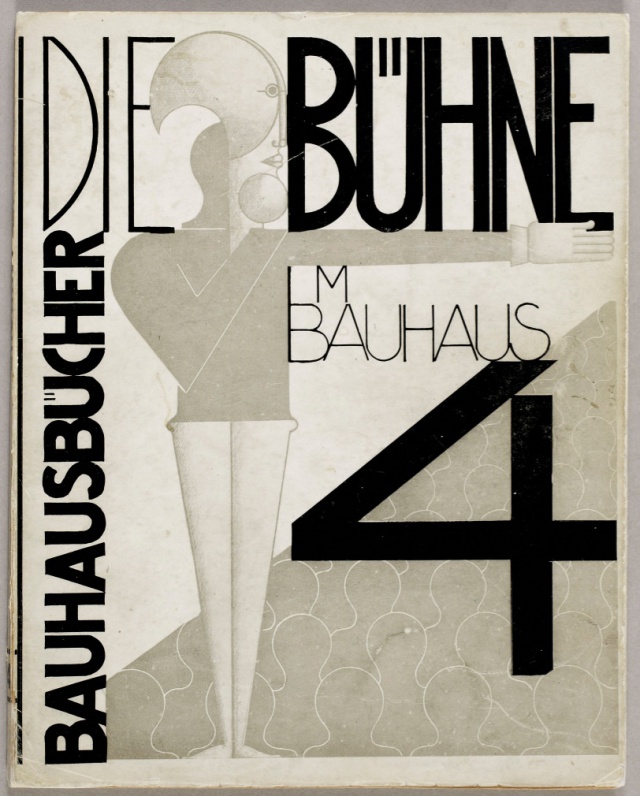
Download Original Bauhaus Books & Journals for Free: Gropius, Klee, Kandinsky, Moholy-Nagy & More

640px-Die_Buehne_im_Bauhaus

In 1919, Ger­man archi­tect Wal­ter Gropius found­ed Bauhaus, the most influ­en­tial art school of the 20th cen­tu­ry. Bauhaus defined mod­ernist design and rad­i­cal­ly changed our rela­tion­ship with every­day objects. Gropius wrote in his man­i­festo Pro­gramm des Staatlichen Bauhaus­es Weimar that “There is no essen­tial dif­fer­ence between the artist and the arti­san.” His new school, which fea­tured fac­ul­ty that includ­ed the likes of Paul Klee, Lás­zló Moholy-Nagy, Josef Albers and Wass­i­ly Kandin­sky, did indeed erase the cen­turies-old line between applied arts and fine arts.

Bauhaus archi­tec­ture sand­blast­ed away the ornate flour­ish­es com­mon with ear­ly 20th cen­tu­ry build­ings, favor­ing instead the clean, sleek lines of indus­tri­al fac­to­ries. Design­er Mar­cel Breuer reimag­ined the com­mon chair by strip­ping it down to its most ele­men­tal form. Her­bert Bay­er rein­vent­ed and mod­ern­ized graph­ic design by focus­ing on visu­al clar­i­ty. Gun­ta Stöl­zl, Mar­i­anne Brandt and Chris­t­ian Dell rad­i­cal­ly remade such diverse objects as fab­rics and tea ket­tles.

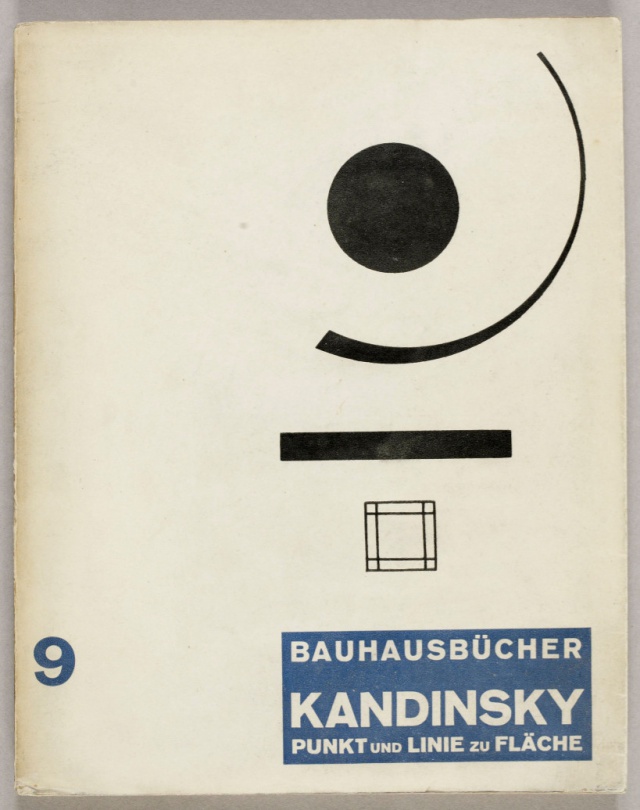
640px-Kandinsky_Punkt_und_Linie_zu_Flaeche

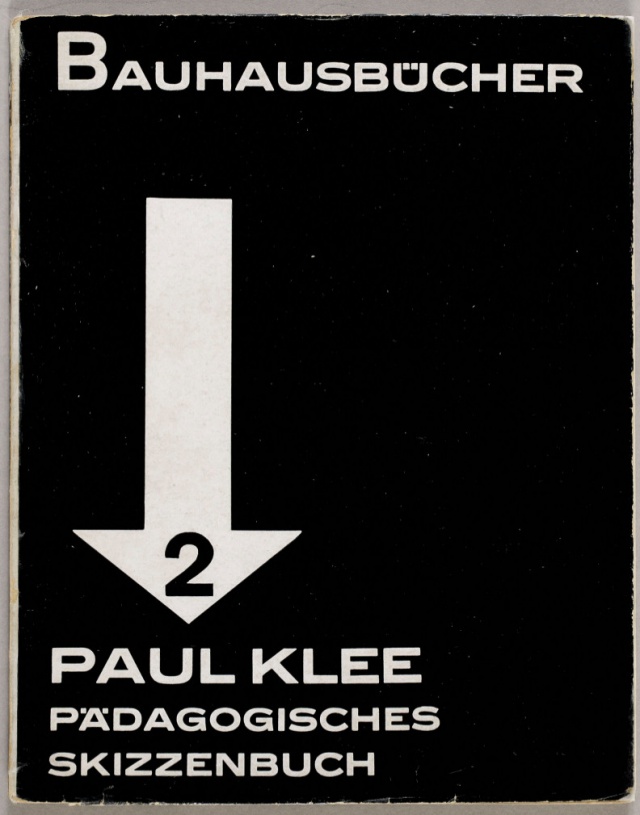
Nowa­days, of course, get­ting one of those Bauhaus tea ket­tles, or even an orig­i­nal copy of Gropius’s man­i­festo, would cost a small for­tune. For­tu­nate­ly for design nerds, typog­ra­phy mavens and archi­tec­ture enthu­si­asts every­where, the good folks over at Mono­skop have post­ed online a whole set of beau­ti­ful­ly designed pub­li­ca­tions from the sto­ried school.

640px-Klee_Paul_Paedagogisches_Skizzenbuch

Click here to pick out indi­vid­ual works or here to just get all of them. Sad­ly, though, you can’t down­load a teaket­tle.

The list of Books in the Mono­skop Bauhaus archive includes:

And here are some key Bauhaus jour­nals:

  1. bauhaus 1 (1926). 5 pages, 42 cm. Down­load (23 MB).
  2. bauhaus: zeitschrift für bau und gestal­tung 2:1 (Feb 1928). Down­load (17 MB).
  3. bauhaus: zeitschrift für gestal­tung 3:1 (Jan 1929). Down­load (17 MB).
  4. bauhaus: zeitschrift für gestal­tung 3:2 (Apr-Jun 1929). Down­load (15 MB).
  5. bauhaus: zeitschrift für gestal­tung 3:3 (Jul-Sep 1929). Down­load (16 MB).
  6. bauhaus: zeitschrift für gestal­tung 2 (Jul 1931). Down­load (15 MB).

Get more in the Mono­skop Bauhaus archive.

Relat­ed Con­tent:

The Home­made Hand Pup­pets of Bauhaus Artist Paul Klee

Time Trav­el Back to 1926 and Watch Wass­i­ly Kandin­sky Cre­ate an Abstract Com­po­si­tion

Bauhaus, Mod­ernism & Oth­er Design Move­ments Explained by New Ani­mat­ed Video Series

Jonathan Crow is a Los Ange­les-based writer and film­mak­er whose work has appeared in Yahoo!, The Hol­ly­wood Reporter, and oth­er pub­li­ca­tions. You can fol­low him at @jonccrow. And check out his blog Veep­to­pus, fea­tur­ing lots of pic­tures of vice pres­i­dents with octo­pus­es on their heads.  The Veep­to­pus store is here.

Hear Ursula K. Le Guin’s Story, “The End” Dramatized: A Rare Audio Treat

le guin

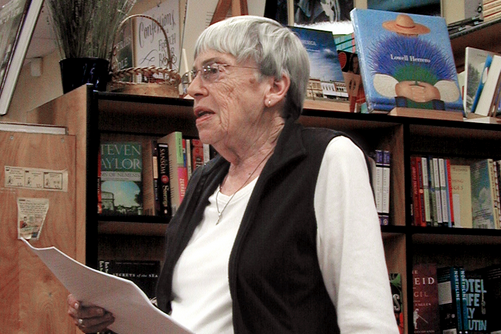
Cre­ative Com­mons image by Gor­thi­an

Mind Webs, a 1970’s radio series cre­at­ed by WHA Radio in Wis­con­sin, fea­tured dra­ma­tized read­ings of clas­sic sci fi sto­ries by the likes of Arthur C. Clarke, Ray Brad­bury and Philip K. Dick. You can learn more about the series, and access a com­plete set of record­ings here. Below, we’ve high­light­ed for you a drama­ti­za­tion of an Ursu­la K. Le Guin sto­ry, “The End.” It’s rare to encounter an audio record­ing of a Le Guin sto­ry online, so we hope you enjoy. “The End” is now added to our col­lec­tion: 1,000 Free Audio Books: Down­load Great Books for Free. And if you’re look­ing to immerse your­self in Le Guin’s fic­tion, give her ground­break­ing nov­el The Left Hand of Dark­ness a try. It won the Hugo and Neb­u­la Awards (the top award for fan­ta­sy/s­ci-fi nov­els) in 1969.

Look­ing for free, pro­fes­sion­al­ly-read audio books from Audible.com? Here’s a great, no-strings-attached deal. If you start a 30 day free tri­al with Audible.com, you can down­load two free audio books of your choice. Get more details on the offer here.

And note this: Audiobooks.com also has a free tri­al offer where you can down­load a free audio­book. Details.

Arthur Conan Doyle Names His 19 Favorite Sherlock Holmes Stories

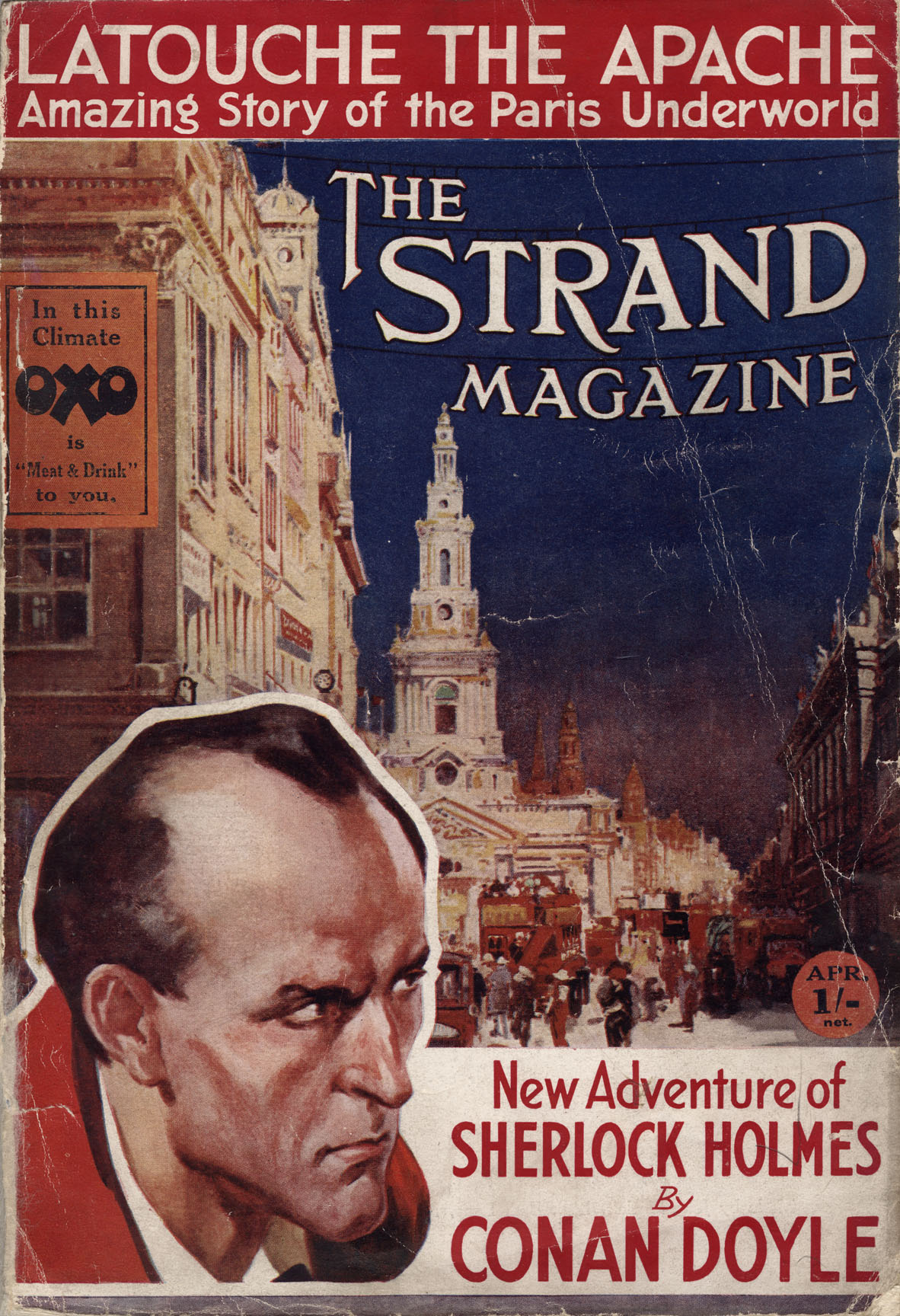
The_Strand_Magazine_(cover),_vol._73,_April_1927

Sher­lock Holmes has become such a cul­tur­al fix­ture since he first appeared in print that all of us have sure­ly, at one time or anoth­er, con­sid­ered read­ing through the Lon­don detec­tive’s com­plete case files. But where to start? One can always begin at the begin­ning with that first print appear­ance, Sir Arthur Conan Doyle’s 1887 nov­el A Study in Scar­let. But how best to progress through the Sher­lock Holmes canon, a body of 56 short sto­ries and four nov­els (and that num­ber count­ing only the mate­r­i­al writ­ten by Conan Doyle him­self), some more essen­tial than oth­ers?

You might con­sid­er read­ing the adven­tures of Sher­lock Holmes accord­ing to the pref­er­ences of Sher­lock Holmes’ cre­ator. We know these pref­er­ences because of a 1927 com­pe­ti­tion in The Strand Mag­a­zine, where the char­ac­ter’s pop­u­lar­i­ty first blew up, which asked read­ers to name the twelve best Sher­lock Holmes sto­ries. They asked Conan Doyle the same ques­tion, and the list he came up with runs as fol­lows:

  1. “The Adven­ture of the Speck­led Band” (“a grim sto­ry” that “I am sure will be on every list”)
  2. “The Red­head­ed League”
  3. “The Adven­ture of the Danc­ing Men” (due, as with “The Red­head­ed League,” to “the orig­i­nal­i­ty of the plot”)
  4. “The Final Prob­lem” (“we could hard­ly leave out the sto­ry which deals with the only foe who ever real­ly extend­ed Holmes, and which deceived the pub­lic (and Wat­son) into the erro­neous infer­ence of his death”)
  5. “A Scan­dal in Bohemia” (since, as the first short sto­ry in the series, “it opened the path for the oth­ers,” and “it has more female inter­est than is usu­al”)
  6. “The Adven­ture of the Emp­ty House” (“the sto­ry which ess­says the dif­fi­cult task of explain­ing away the alleged death of Holmes”)
  7. “The Five Orange Pips” (“though it is short it has a cer­tain dra­mat­ic qual­i­ty of its own”)
  8. “The Adven­ture of the Sec­ond Stain” (for its treat­ment of “high diplo­ma­cy and intrigue”)
  9. The Adven­ture of the Devil’s Foot” (“grim and new”)
  10. “The Adven­ture of the Pri­o­ry School” (“worth a place if only for the dra­mat­ic moment when Holmes points his fin­ger at the Duke”)
  11. “The Mus­grave Rit­u­al” (for its inclu­sion of “a his­tor­i­cal touch which gives it a lit­tle added dis­tinc­tion” and “a mem­o­ry from Holmes’ ear­ly life”)
  12. “The Reigate Squires” (in which “on the whole, Holmes him­self shows per­haps the most inge­nu­ity”)

He lat­er added sev­en more favorites, includ­ing some he’d writ­ten after The Strand’s con­test took place:

  1. “Sil­ver Blaze”
  2. “The Adven­ture of the Bruce-Part­ing­ton Plans”
  3. “The Crooked Man”
  4. “The Man with the Twist­ed Lip”
  5. “The Greek Inter­preter”
  6. “The Res­i­dent Patient”
  7. “The Naval Treaty”

“When this com­pe­ti­tion was first moot­ed I went into it in a most light-heart­ed way,” wrote Conan Doyle, “think­ing that it would be the eas­i­est thing in the world to pick out the twelve best of the Holmes sto­ries. In prac­tice I found that I had engaged myself in a seri­ous task.” And those who call them­selves Sher­lock Holmes enthu­si­asts know that, though they may have begun read­ing the sto­ries with an equal­ly light heart, they soon found them­selves going deep­er and deep­er into Holmes’ world in a much more seri­ous way than they’d expect­ed. Start­ing with Conan Doyle’s selec­tions may set you down the very same path; when you final­ly come out the oth­er side, feel free to name your own top twelve sto­ries in the com­ments below.

For a quick way to read Conan Doyle’s Sher­lock Holmes sto­ries, get The Com­plete Sher­lock Holmes.

Relat­ed Con­tent:

Down­load the Com­plete Sher­lock Holmes, Arthur Conan Doyle’s Mas­ter­piece

Arthur Conan Doyle Dis­cuss­es Sher­lock Holmes and Psy­chics in a Rare Filmed Inter­view (1927)

Hear the Voice of Arthur Conan Doyle After His Death

Read the Lost Sher­lock Holmes Sto­ry That Was Just Dis­cov­ered in an Attic in Scot­land

Watch John Cleese as Sher­lock Holmes in The Strange Case of the End of Civ­i­liza­tion as We Know It

Down­load 55 Free Online Lit­er­a­ture Cours­es: From Dante and Mil­ton to Ker­ouac and Tolkien

Col­in Mar­shall writes else­where on cities, lan­guage, Asia, and men’s style. He’s at work on a book about Los Ange­les, A Los Ange­les Primer, the video series The City in Cin­e­maand the crowd­fund­ed jour­nal­ism project Where Is the City of the Future? Fol­low him on Twit­ter at @colinmarshall or on Face­book.

NBC University Theater Adapted Great Novels to Radio & Gives Listeners College Credit : Hear 110 Episodes from a 1940s eLearning Experiment

Philco

Cre­ative Com­mons image by Joe Haupt

Before the inter­net became our pri­ma­ry source of infor­ma­tion and entertainment—before it became for many com­pa­nies a pri­ma­ry rev­enue stream—it promised to rev­o­lu­tion­ize edu­ca­tion. We would see a demo­c­ra­t­ic spread of knowl­edge, old hier­ar­chies would crum­ble, ancient divi­sions would cease to mat­ter in the new pri­mor­dial cyber-soup where any­one with entry-lev­el con­sumer hard­ware and the patience to learn basic HTML could cre­ate a plat­form and a com­mu­ni­ty. And even as that imag­ined utopia became just anoth­er econ­o­my, with its own win­ners and losers, large—and free—educational projects still seemed per­fect­ly fea­si­ble.

These days, that poten­tial hasn’t exact­ly evap­o­rat­ed, but we’ve had an increas­ing num­ber of reasons—the threat­ened sta­tus of net neu­tral­i­ty promi­nent among them—to curb our enthu­si­asm. Yet as we remind you dai­ly here at Open Cul­ture, free edu­ca­tion­al resources still abound online, even if the online world isn’t as rad­i­cal as some rad­i­cals had hoped. Fre­quent­ly, those resources reside in online libraries like the Inter­net Archive, who store some of the best edu­ca­tion­al mate­r­i­al from pre-inter­net times—such as the NBC Uni­ver­si­ty The­ater, a pro­gram that comes from anoth­er tran­si­tion­al time for anoth­er form of mass media: radio.

Before pay­ola and tele­vi­sion took over in the fifties, radio also showed great poten­tial for democ­ra­tiz­ing edu­ca­tion. In 1942, at the height of the Gold­en Age of Radio, NBC “rein­au­gu­rat­ed” a pre­vi­ous con­cept for what it called the NBC Uni­ver­si­ty of the Air. “Through­out the mid-1940s,” writes the Dig­i­tal Deli, an online muse­um of gold­en age radio, “NBC pro­duced some twen­ty-five pro­duc­tions specif­i­cal­ly designed to both edu­cate and enter­tain. Indeed, many of those pro­grams were incor­po­rat­ed into the cur­ric­u­la of high schools, col­leges and uni­ver­si­ties through­out the U.S. and Cana­da.”

After 1948, the pro­gram was retooled as NBC Uni­ver­si­ty The­ater, then sim­ply NBC The­ater. “Irre­spec­tive of the title change,” how­ev­er, the pro­gram “con­tin­ued to main­tain the same high stan­dards and con­tin­ued to expand the num­ber of col­leges offer­ing col­lege cred­it for lis­ten­ing to and study­ing the pro­gram­s’s offer­ings.” Dig­i­tal Deli has the full details of this pro­to-MOOC’s cur­ricu­lum. It con­sists of lis­ten­ing to adap­ta­tions of “great Amer­i­can sto­ries,” great “world” stories–from Voltaire, Swift, and others–and adap­ta­tions of mod­ern Amer­i­can and British fic­tion and “Great Works of World Lit­er­a­ture.”

In short, the NBC Uni­ver­si­ty The­ater adap­ta­tions might sub­sti­tute for a col­lege-lev­el lit­er­ary edu­ca­tion for those unable to attend a col­lege or uni­ver­si­ty. In the playlist above, you can hear every episode from the show’s final run from 1948 to 1951. We begin with an adap­ta­tion of Sin­clair Lewis’s Main Street and end with Thomas Hardy’s “The With­ered Arm.” In-between hear clas­sic radio dra­ma adap­ta­tions of every­thing from Austen to Faulkn­er and Hem­ing­way to Ibsen. There are 110 episodes in total.

Each episode fea­tures com­men­tary from dis­tin­guished authors and crit­ics, includ­ing Robert Penn War­ren, E.M. Forster, and Kather­ine Anne Porter. “Apart from the obvi­ous aca­d­e­m­ic val­ue” of the series, writes Dig­i­tal Deli, “it’s clear that con­sid­er­able thought—and dar­ing—went into the selec­tions as well.” Despite the tremen­dous increase in col­lege atten­dance through the G.I. Bill, this was a peri­od of “ris­ing hos­til­i­ty towards aca­d­e­mics, pure­ly intel­lec­tu­al pur­suits, and the free exchange of philoso­phies in gen­er­al.”

The ensu­ing decade of the fifties might be char­ac­ter­ized cul­tur­al­ly, writes Dig­i­tal Deli, as an “intel­lec­tu­al vacuum”—anti-intellectual atti­tudes swept the coun­try, fueled by Cold War polit­i­cal repres­sion. And radio became pri­mar­i­ly a means of enter­tain­ment and adver­tis­ing, com­pet­ing with tele­vi­sion for an audi­ence. Qual­i­ty radio dra­mas continued—most notably of excel­lent sci­ence fic­tion. But nev­er again would an edu­ca­tion­al pro­gram of NBC Uni­ver­si­ty The­ater’s scope, ambi­tion, and rad­i­cal poten­tial appear on U.S. radio waves.

Relat­ed Con­tent:

Hear the Very First Adap­ta­tion of George Orwell’s 1984 in a Radio Play Star­ring David Niv­en (1949)

Hear Aldous Huxley’s Brave New World and 84 Clas­sic Radio Dra­mas from CBS Radio Work­shop (1956–57)

Dimen­sion X: The 1950s Sci­Fi Radio Show That Dra­ma­tized Sto­ries by Asi­mov, Brad­bury, Von­negut & More

Free: Lis­ten to 298 Episodes of the Vin­tage Crime Radio Series, Drag­net

Josh Jones is a writer and musi­cian based in Durham, NC. Fol­low him at @jdmagness

Animated Map Lets You Watch the Unfolding of Every Day of the U.S. Civil War (1861–1865)

The bor­der-obsessed map ani­ma­tor known as Emper­or Tiger­star views war from a dis­tance. The Emper­or leaves such details as jour­nal entries, let­ters home, and tales of val­or and cow­ardice for oth­er his­to­ry buffs.

His niche is metic­u­lous­ly clock­ing the defeat and tri­umph in terms of shift­ing ter­ri­to­ries, by year, by fort­night, and, in the case of World War I and World War II, by day.

His five minute take on the Amer­i­can Civ­il War, above, leaves out most of the hair-rais­ing small scale skir­mish­es famil­iar from the pages of The Red Badge of Courage.

Trans-Mis­sis­sip­pi The­ater aside, it also makes plain how lit­tle ground the Con­fed­er­ates gained after 1861.

The Blue and the Gray are here rep­re­sent­ed by blue and red, with the mus­tard-col­ored dis­put­ed bor­der states pick­ing sides before the first minute is out. (The Union’s Naval Block­ade is in for­ma­tion with­in sec­onds.)

Leg­end:

Maroon = Con­fed­er­ate States of Amer­i­ca and ter­ri­to­ries

Red = Areas occu­pied by Con­fed­er­ate forces

Pink = Gains for that Day

Dark Blue = Unit­ed States of Amer­i­ca and ter­ri­to­ries

Blue = Areas occu­pied by Union forces.

Light blue = Gains for that day

Yel­low = Bor­der states / dis­put­ed areas.

The mag­ni­tude is mov­ing, espe­cial­ly when paired with ground-lev­el obser­va­tions, be they fic­tion­al, his­tor­i­cal or eye­wit­ness.

Even the place-names on the map, which now were mere­ly quaint, would take on the sound of crack­ling flame and dis­tant thun­der, the Bib­li­cal, Indi­an and Anglo-Sax­on names of ham­lets and creeks and cross­roads, for the most part unim­por­tant in them­selves until the day when the armies came togeth­er, as often by acci­dent as on pur­pose, to give the scat­tered names a per­ma­nence and set­tle what man­ner of life future gen­er­a­tions were to lead.  

His­to­ri­an Shel­by Foote, The Civ­il War: A Nar­ra­tive

Relat­ed Con­tent:

Watch World War I Unfold in a 6 Minute Time-Lapse Film: Every Day From 1914 to 1918

Watch World War II Rage Across Europe in a 7 Minute Time-Lapse Film: Every Day From 1939 to 1945

“The Civ­il War and Recon­struc­tion,” a New MOOC by Pulitzer-Prize Win­ning His­to­ri­an Eric Fon­er

Ayun Hal­l­i­day is an author, illus­tra­tor, and Chief Pri­ma­tol­o­gist of the East Vil­lage Inky zine. Her play, Fawn­book, opens in New York City lat­er this fall. Fol­low her @AyunHalliday

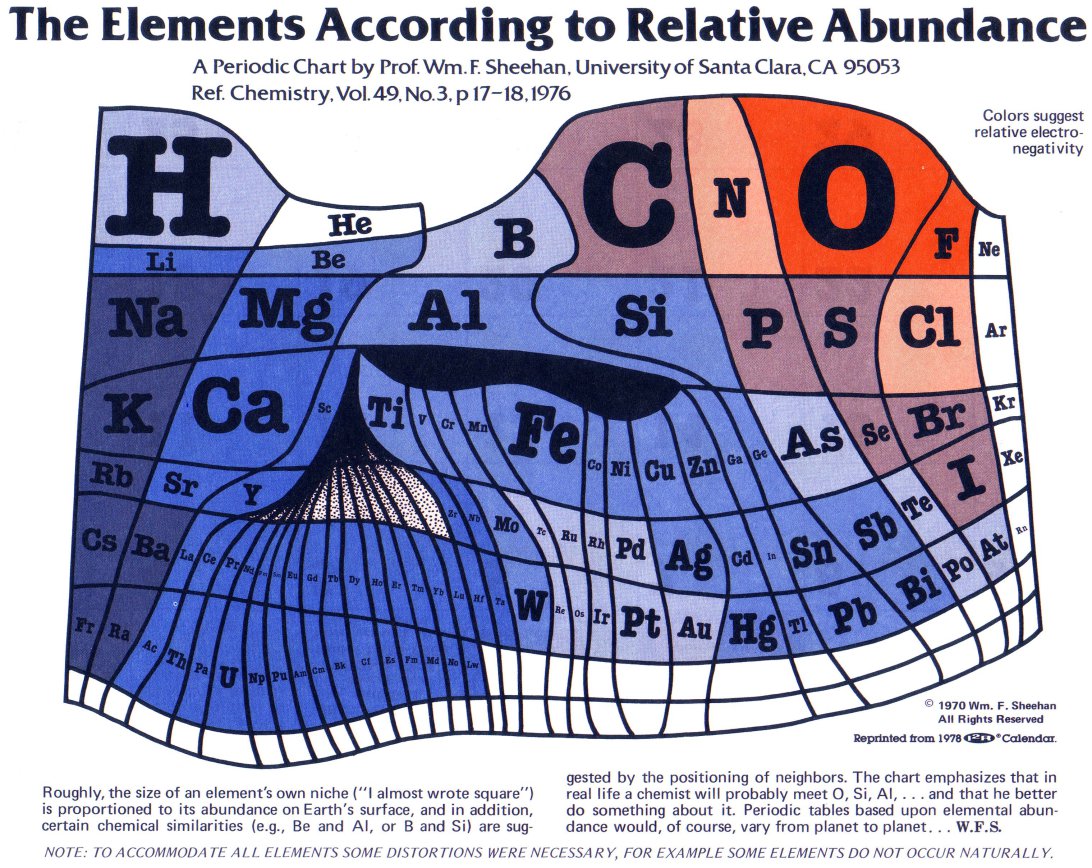
The Periodic Table of Elements Scaled to Show The Elements’ Actual Abundance on Earth

elements_relative_abundance

When you learned about The Peri­od­ic Table of Ele­ments in high school, it prob­a­bly did­n’t look like this. Above, we have a dif­fer­ent way of visu­al­iz­ing the ele­ments. Cre­at­ed by Pro­fes­sor William F. Shee­han at San­ta Clara Uni­ver­si­ty in 1970, this chart takes the ele­ments (usu­al­ly shown like this) and scales them rel­a­tive to their abun­dance on the Earth­’s sur­face. In the small print beneath the chart, Shee­han notes “The chart empha­sizes that in real life a chemist will prob­a­bly meet O, Si, Al [Oxy­gen, Sil­i­con and Alu­minum] and that he bet­ter do some­thing about it.” Click here to see the chart — and the less abun­dant ele­ments — in a larg­er for­mat. Below we have a few more cre­ative takes on the Peri­od­ic Table.

Fol­low Open Cul­ture on Face­book and Twit­ter and share intel­li­gent media with your friends. Or bet­ter yet, sign up for our dai­ly email and get a dai­ly dose of Open Cul­ture in your inbox.

via Pick­over

Relat­ed Con­tent:

“The Peri­od­ic Table Table” — All The Ele­ments in Hand-Carved Wood

World’s Small­est Peri­od­ic Table on a Human Hair

“The Peri­od­ic Table of Sto­ry­telling” Reveals the Ele­ments of Telling a Good Sto­ry

Chem­istry on YouTube: “Peri­od­ic Table of Videos” Wins SPORE Prize

Free Online Chem­istry Cours­es


by | Permalink | Make a Comment ( 16 ) |

226 Ansel Adams Photographs of Great American National Parks Are Now Online

Adams Yellowstone

Like many Amer­i­can sto­ries, the sto­ry of the Nation­al Parks begins with pil­lage, death, deep cul­tur­al mis­un­der­stand­ing, and ven­ture cap­i­tal­ism. Accord­ing to Ken Burns’ film series The Nation­al Parks: America’s Best Idea, we can date the idea back to 1851, with the “dis­cov­ery” of Yosemite by a maraud­ing armed bat­tal­ion who entered the land “search­ing for Indi­ans, intent on dri­ving the natives from their home­lands and onto reser­va­tions.” The Mari­posa Bat­tal­ion, led by Cap­tain James D. Sav­age, set fire to the Indi­ans’ homes and store­hous­es after they had retreat­ed to the moun­tains, “in order to starve them into sub­mis­sion.”

One mem­ber of the bat­tal­ion, a doc­tor named Lafayette Bun­nell, found him­self entranced by the scenery amidst this destruc­tion. “As I looked, a pecu­liar exalt­ed sen­sa­tion seemed to fill my whole being,” he wrote in his lat­er accounts, “and I found myself in tears with emo­tion.” He named the place “Yosemite,” think­ing it was the name of the Indi­an tribe the sol­diers sought to force out or erad­i­cate. The word, it turned out “meant some­thing entire­ly dif­fer­ent,” refer­ring to peo­ple who should be feared: “It means, ‘they are killers.’”

Zion Adams

In 1855, a failed Eng­lish gold prospec­tor turned the place into a tourist attrac­tion, and peo­ple flood­ed West to see it, prompt­ing New York wor­thies like Horace Gree­ley and Fred­er­ick Law Olm­st­ed to lob­by for its fed­er­al pro­tec­tion. In 1864, Abra­ham Lin­coln deed­ed Yosemite Val­ley and the Mari­posa Grove, with its giant sequoias, to the state of Cal­i­for­nia. Ever since then, Nation­al Parks have been threatened—if not by the occa­sion­al polit­i­cal can­di­date and his bil­lion­aire back­ers hop­ing to pri­va­tize the land, then by oil and gas drilling, and by fire, ris­ing seas, or oth­er effects of cli­mate change. Though the U.S. emp­tied many of the parks of their inhab­i­tants, it is iron­i­cal­ly only the actions of the fed­er­al gov­ern­ment that pre­vents the process begun by the Mari­posa Bat­tal­ion from reach­ing its con­clu­sion in the total despo­li­a­tion of these land­scapes. It is these land­scapes that have most come to sym­bol­ize the nation­al char­ac­ter, whether as back­ground in Fred­er­ic Rem­ing­ton’s paint­ings of the Indi­an Wars or in the pho­tographs of Ansel Adams, who began and sus­tained his career in Yosemite Val­ley. “Yosemite Nation­al Park,” writes the Nation­al Park Service’s web­site,” was Adams’ chief inspi­ra­tion.”

Grand Canyon Adams

Adams first became inter­est­ed in vis­it­ing the Nation­al Park when he read In the Heart of the Sier­ras by James Hutchings—that failed Eng­lish gold prospec­tor. There­after, Adams pho­tographed Nation­al Parks almost rit­u­al­ly, and in 1941, the Nation­al Park Ser­vice com­mis­sioned Adams to cre­ate a pho­to mur­al for the Depart­ment of the Inte­ri­or Build­ing in DC. The theme, the Nation­al Archives tells us, was to be “nature as exem­pli­fied and pro­tect­ed in the U.S. Nation­al Parks. The project was halt­ed because of World War II and nev­er resumed.” It must have felt like an espe­cial­ly sacred duty for Adams, who trav­eled the coun­try pho­tograph­ing the Grand Canyon, Grand Teton, Kings Canyon, Mesa Verde, Rocky Moun­tain, Yel­low­stone, Yosemite, Carls­bad Cav­erns, Glac­i­er, and Zion Nation­al Parks; Death Val­ley, Saguro, and Canyon de Chelly Nation­al Mon­u­ments,” and oth­er loca­tions like the Boul­der (now Hoover) Dam and desert vis­tas in New Mex­i­co.

Mesa Verde Adams

The pho­tographs you see here are among the 226 tak­en by Adams for the project. They are now housed at the Nation­al Archives, and you can freely view them online or order prints at their site. At the top, we see a snow-cov­ered tree from an apple orchard in Half Dome, Yosemite, where Adams had his first pho­to­graph­ic “visu­al­iza­tion” in 1927. Below it, the “Court of the Patri­archs” in Zion Nation­al Park, Utah. Fur­ther down, we have a breath­tak­ing vision of the ser­pen­tine Grand Canyon, and just above, one of the few man­made struc­tures, “Cliff Palace” at Mesa Verde Nation­al Park in Col­orado. And here can you see a pho­to­graph of the Snake Riv­er in Grand Teton Nation­al Park.

adams grand teton

The mur­al project may have been aban­doned, but Adams nev­er stopped pho­tograph­ing the parks, nor advo­cat­ing for their pro­tec­tion and, in fact, the pro­tec­tion of “the entire envi­ron­ment,” as he told a Play­boy inter­view­er in 1983. “Only two and a half per­cent of the land in this coun­try is pro­tect­ed,” said Adams then: “Not only are we being fought in try­ing to extend that two and a half per­cent to include oth­er impor­tant or frag­ile areas but we are hav­ing to fight to pro­tect that small two and a half per­cent. It is hor­ri­fy­ing that we have to fight our own Gov­ern­ment to save our envi­ron­ment.”

You can peruse the col­lec­tion of Ansel Adams’ nation­al park pho­tos here.

Relat­ed Con­tent:

Ansel Adams Reveals His Cre­ative Process in 1958 Doc­u­men­tary

200 Ansel Adams Pho­tographs Expose the Rig­ors of Life in Japan­ese Intern­ment Camps Dur­ing WW II

How to Take Pho­tographs Like Ansel Adams: The Mas­ter Explains The Art of “Visu­al­iza­tion”

Josh Jones is a writer and musi­cian based in Durham, NC. Fol­low him at @jdmagness

« Go BackMore in this category... »
Quantcast