Sean Penn Narrates Bob Honey Who Just Do Stuff: Download It for Free

bobhoney

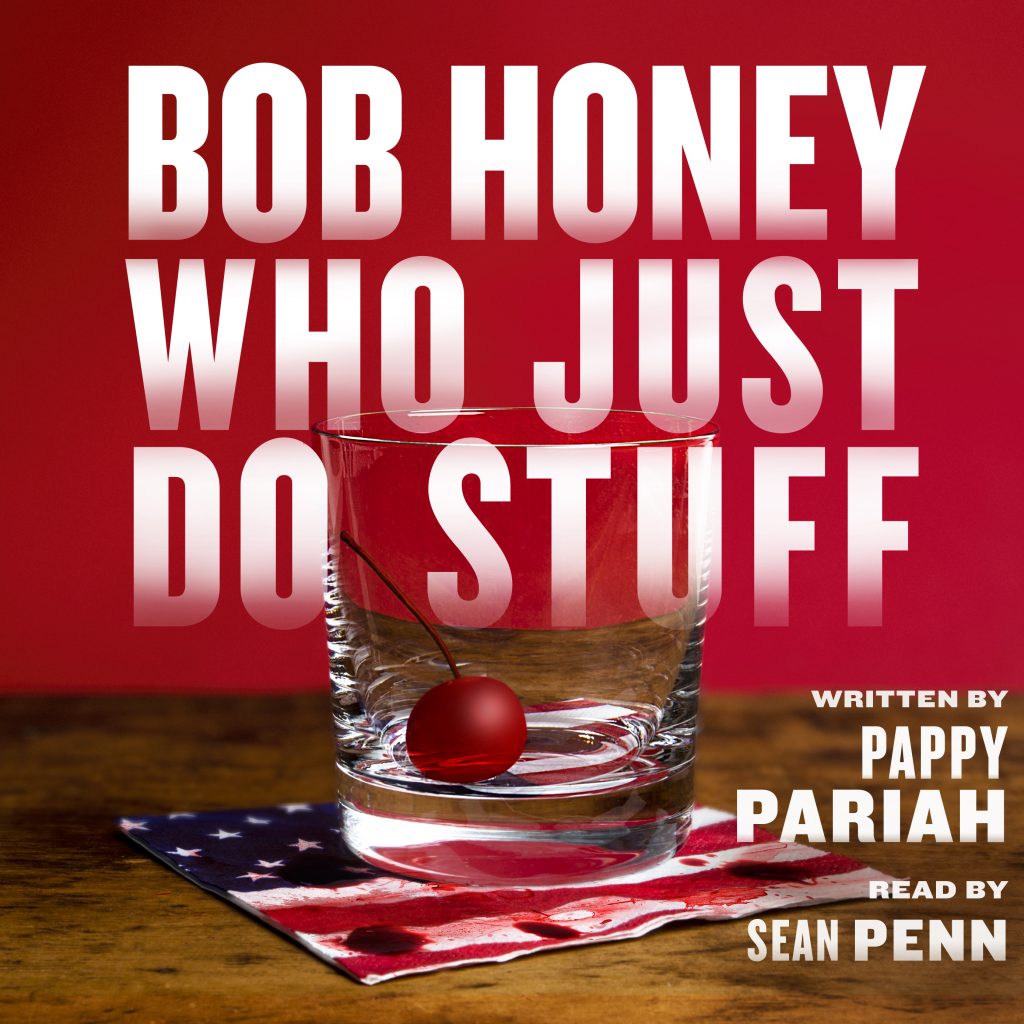
A very quick heads up: Audi­ble has just released a new audio­book, Bob Hon­ey Who Just Do Stuff, writ­ten by an obscure fig­ure who goes by the name “Pap­py Pari­ah.” Who is Pap­py Pari­ah? Some spec­u­late it’s Sean Penn. But no one can say for sure. The only thing we can say is that Sean Penn nar­rates the audio­book. And also that you can down­load the audio­book for free. Click here or here, and go through the $0 pur­chase process.

As a quick aside, I should men­tion that if you start a 30 day free tri­al with Audible.com, you can down­load two free (addi­tion­al) audio books of your choice. They’re pro­fes­sion­al­ly read, and you can keep them even if you don’t ulti­mate­ly become an Audi­ble sub­scriber. That said, we do hearti­ly rec­om­mend their ser­vice. Get more details on the offer here.

Relat­ed Con­tent:

1,000 Free Audio Books: Down­load Great Books for Free

Down­load Two Free Audio Books From Audible.com

800 Free eBooks for iPad, Kin­dle & Oth­er Devices

Leonard Cohen Has Passed at Age 82: His New and Now Final Album Is Streaming Free Online

Update on Novem­ber 10: We just got news that Leonard Cohen has passed, only a short few weeks after releas­ing his final album, avail­able below. The sad news comes from his Face­book page. 

Leonard Cohen’s new album You Want It Dark­er is stream­ing free online for a lim­it­ed time, thanks to NPR’s First Lis­ten site. Now 82 years old, and sens­ing that time is run­ning short, Cohen offers, writes Rolling Stone, a “gift to music lovers: a real­is­ti­cal­ly grim, spir­i­tu­al­ly radi­ant and deeply poet­ic world­view, gen­er­al­ly spiked with a roman­tic thrum and an exis­ten­tial wink.”

Hear the title track above. And stream the com­plete album right below. You can pur­chase your own copy of Cohen’s album on Ama­zon and iTunes. We’d also encour­age you to read this new pro­file of Cohen, writ­ten by The New York­er’s long-time edi­tor David Rem­nick. It’s quite poignant.

If you would like to sup­port the mis­sion of Open Cul­ture, con­sid­er mak­ing a dona­tion to our site. It’s hard to rely 100% on ads, and your con­tri­bu­tions will help us con­tin­ue pro­vid­ing the best free cul­tur­al and edu­ca­tion­al mate­ri­als to learn­ers every­where. You can con­tribute through Pay­Pal, Patre­on, and Ven­mo (@openculture). Thanks!

Relat­ed Con­tent:

Young Leonard Cohen Reads His Poet­ry in 1966 (Before His Days as a Musi­cian Began)

A Day in the Life of Zen Monk Leonard Cohen: A 1996 Doc­u­men­tary

Ladies and Gen­tle­men… Mr. Leonard Cohen: The Poet-Musi­cian Fea­tured in a 1965 Doc­u­men­tary

Leonard Cohen Reads The Great World War I Poem, “In Flan­ders Fields”

by | Permalink | Make a Comment ( 7 ) |

An Immersive Audio Tour of the East Village’s Famed Poetry Scene, Narrated by Jim Jarmusch

Allen_ginsberg_erads howl

Image by Michiel Hendryckx, via Wiki­me­dia Com­mons

A peek at the pho­tos on a realtor’s list­ing for a New York City one bed­room apart­ment for­mer­ly occu­pied by Beat poet Allen Gins­berg is a dispir­it­ing reminder of how much the East Vil­lage has changed.

And that list­ing is over six years old!

Daniel Mau­r­er, the edi­tor of Bed­ford + Bow­ery, and a Gins­berg fan whom his­to­ry has com­pelled to take over a por­tion of his hero’s for­mer­ly sprawl­ing digs, wrote amus­ing­ly of shod­dy ren­o­va­tions and his upstairs neigh­bor, punk rock icon Richard Hell:

Orlovsky’s name is still on the mail­box – which is just about the only thing still around from his day. After his death, the place was gut ren­o­vat­ed with lux­u­ri­ous mod­ern ameni­ties like a mini fridge that comes up to mid-thigh and a stove that’s so tiny and inef­fec­tu­al I just use it for cook­book stor­age. Soon after I moved in I took a trip to Ikea and rec­og­nized my kitchen cab­i­nets there.

That’s why I was amused to read a piece in the Wall Street Jour­nal … in which my upstairs neigh­bor, Richard Hell, talked about his rent-sta­bi­lized two-bed­room apart­ment and its “funk­i­ness that you don’t find in Man­hat­tan much any­more.”

Hell describes his “worn unvar­nished wood floors that groan when you walk on them, cracks in the plas­ter walls, sag­ging orig­i­nal mold­ings.” That’s exact­ly what I was look­ing for in an apart­ment two years ago.

Mau­r­er is far from alone in the desire to edge clos­er to a bygone cul­tur­al moment. Radio pro­duc­er Pejk Mali­novski spent three years craft­ing Pass­ing Stranger, a site-spe­cif­ic audio tour of the East Vil­lage poet­ry scene, below.

A Dane who relo­cat­ed to New York in 2003, Mali­novs­ki was intrigued by the scene-relat­ed anec­dotes of his friend, poet Ron Pad­gett, who point­ed out his for­mer haunts on strolls about the neigh­bor­hood. His inter­est piqued, Mali­novs­ki immersed him­self in Daniel Kane’s All Poets Wel­come, The Low­er East Side Poet­ry Scene in the 1960’s, anoth­er his­to­ry that comes for­ti­fied with archival audio clips.

Film­mak­er Jim Jar­musch, a long­time Low­er East Side res­i­dent who stud­ied with poet Ken­neth Koch in his youth, was tapped to pro­vide the audio tour’s nar­ra­tion, with music com­pli­ments of com­pos­er John Zorn, the artis­tic direc­tor of The Stone, an exper­i­men­tal East Vil­lage per­for­mance space. Below, Jar­musch explains what attract­ed him to the project:

No mat­ter if geo­graph­ic con­straints pre­vent you from down­load­ing Malinovski’s tour for a two mile, 90 minute amble around the much-changed East Vil­lage. In some ways, the vir­tu­al tour is bet­ter. Rather than try­ing to take it all in in a sin­gle, pre-plot­ted ses­sion, you’re free to wan­der at will, enjoy­ing such inter­ac­tive fea­tures as maps and pho­tos, in addi­tion to inter­views, read­ings, and rem­i­nis­cences.

The 10th stop on the tour deposits you across the street from 437 East 12th Street, Ginsberg’s afore­men­tioned for­mer res­i­dence, on the steps of a church that no longer exists. Mary Help of Chris­tians Roman Catholic Church was demol­ished short­ly after Pass­ing Stranger hit the streets, but its mem­o­ry lives on thanks to its cel­e­brat­ed appear­ance in Ginsberg’s work:

Fourth Floor, Dawn, Up All Night Writ­ing Let­ters

Pigeons shake their wings on the cop­per church roof 

out my win­dow across the street, a bird perched on the cross 

sur­veys the city’s blue-grey clouds. Lar­ry Rivers 

‘ll come at 10 AM and take my pic­ture. I’m tak­ing 

your pic­ture, pigeons. I’m writ­ing you down, Dawn. 

I’m immor­tal­iz­ing your exhaust, Avenue A bus. 

O Thought, now you’ll have to think the same thing for­ev­er!

- Allen Gins­berg, New York, June 7, 1980

Gins­berg him­self is brought to vivid life by his sec­re­tary and fel­low poet, Bob Rosen­thal, who recalls how vis­i­tors would call up from the street, then wait for Gins­berg to toss down keys, wrapped in a dirty sock. He also name checks Mr. Buon­giorno, the 437 East 12th St neigh­bor who served as Mary Help of Chris­tians’ bell ringer.

You can hear those bells in the back­ground of your Pass­ing Stranger tour, though pro­duc­er Mali­novs­ki uses ambi­ent sound spar­ing­ly, to avoid over­whelm­ing those using the tour on the noisy streets of the actu­al East Vil­lage.

You can down­load the full walk­ing tour of Pass­ing Stranger—named for Walt Whitman’s open­ing salu­ta­tion in “To a Stranger”—here.

Explore Pass­ing Stranger’s triv­ia-filled inter­ac­tive website—featuring audio from Amiri Bara­ka, Het­tie Jones, Eileen Myles, and Jack Ker­ouac, among oth­ers—here.

Poems includ­ed on the Pass­ing Stranger audio tour of the East Vil­lage, in order of appear­ance:

Ken­neth Koch, “To my Audi­ence” (excerpt)

Frank O’Hara, Ode to Joy (To hell with it) (excerpt)

Ted Berrri­g­an “Dear Margie, Hel­lo”

Ron Pad­gett “Poe­ma del City from Tou­jours l’amour”

Walt Whit­man, “To a Stranger”

Tay­lor Mead, “Motor­cy­cles”

Bernadette May­or, “Son­net (You jerk, you did­n’t call me up)”

Diane Di Pri­ma, “Rev­o­lu­tion­ary Let­ters” (excerpt)

Gal­way Kin­nell, “The Avenue Bear­ing the Ini­tial of Christ” (excerpt)

Miquel Piñero, “A Low­er East Side Poem” (excerpt)

Jack Ker­ouac, “Amer­i­can Haiku” (excerpt)

Bill Berk­son / Frank O’Hara, “Song Heard Around St. Bridget’s”

John Ash­bery, “Just Walk­ing Around, from A Wave”

Joe Brainard, “I Remem­ber” (excerpt)

Alice Not­ley, “10 Best Com­ic Books”

WH Auden, “Sep­tem­ber 1, 1939” (excerpt)

Anne Wald­man, “Fast Speak­ing Woman” (excerpt)

Lewis Warsh, “Eye Con­tact” (excerpt)

Dick Gallup / Ted Berri­g­an, “80th Con­gress”

Abra­ham Lin­coln, “My Child­hood-Home I See Again” (excerpt)

Leroi Jones, “Bang, bang, out­ish­ly” (excerpt)

Het­tie Jones, “Ode to My Kitchen Sink”

Bren­da Coul­tas, “A Hand­made Muse­um” (excerpt)

ee cum­mings, ”i was sit­ting in mcsorley’s…”

Relat­ed Con­tent:

Rare Footage of Allen Gins­berg, Jack Ker­ouac & Oth­er Beats Hang­ing Out in the East Vil­lage (1959)

Hear Allen Gins­berg Teach “Lit­er­ary His­to­ry of the Beats”: Audio Lec­tures from His 1977 & 1981 Naropa Cours­es

Iggy Pop Con­ducts a Tour of New York’s Low­er East Side, Cir­ca 1993

Ayun Hal­l­i­day is an author, illus­tra­tor, the­ater mak­er and Chief Pri­ma­tol­o­gist of the East Vil­lage Inky zine.  Her play Zam­boni Godot is open­ing in New York City in March 2017. Fol­low her @AyunHalliday.

Meet the Memphis Group, the Bob Dylan-Inspired Designers of David Bowie’s Favorite Furniture

David Bowie, in his years at Brom­ley Tech­ni­cal High School before becom­ing David Bowie, stud­ied not just music but art and design as well. Despite becom­ing a rock star, he nev­er for­got about the impor­tance of the visu­al, a sen­si­bil­i­ty man­i­fest in the per­for­mances he put on, the per­son­ae he assumed, and the music videos in which he starred right up until his death ear­li­er this year. After his suc­cess, the artist also became a full-fledged art con­nois­seur, and next month Sothe­by’s will hold Bowie/Collector, a series of three auc­tions “encom­pass­ing over 350 works from the pri­vate col­lec­tion of the leg­endary musi­cian.”

The first two auc­tions will sell Bowie’s mod­ern and con­tem­po­rary art; the third will focus entire­ly on his col­lec­tion of fur­ni­ture and oth­er pieces of design by Ettore Sottsass and the Mem­phis Group. Even if you haven’t heard of the Mem­phis Group, you’ve cer­tain­ly seen their fur­ni­ture. “It’s Pee-Wee’s Play­house meets Mia­mi Vice,” in the words of Alis­sa Walk­er at Giz­mo­do. “It’s Saved By The Bell plus Beetle­juice.” As the post­mod­ern wing of the 1980s Art Deco revival, Mem­phis “com­bined overt­ly geo­met­ric shapes from a vari­ety of mate­ri­als in bright, con­trast­ing col­ors. Graph­ic pat­terns — usu­al­ly black and white — were not unusu­al.”

1280px-memphis-milano_movement

Image by Zanone, via Wiki­me­dia Com­mons

Mem­phis, whose influ­ence has extend­ed far beyond the move­men­t’s offi­cial life­time of 1981 to 1988, began “when Ettore Sottsass, one of Italy’s archi­tec­tur­al grandees, met with a group of younger archi­tects in his apart­ment on Milan’s Via San Galdino,” accord­ing to Design Muse­um. (Sot­tass had made his name with, among oth­er things, Olivet­ti’s bright-red Valen­tine portable type­writer.) “They were there to dis­cuss Sottsass’ plans to pro­duce a line of fur­ni­ture with an old friend, Ren­zo Bru­go­la, own­er of a car­pen­try work­shop,” an idea that turned into “an exu­ber­ant two-fin­gered salute to the design estab­lish­ment after years in which col­or and dec­o­ra­tion had been taboo.”

Why call it Mem­phis? Dur­ing the meet­ing, the group put on Bob Dylan’s song “Stuck Inside of Mobile (With the Mem­phis Blues Again),” which gave Sot­tass the inspi­ra­tion. “Every­one thought it was a great name,” wrote Mem­phis mem­ber, and lat­er Mem­phis chron­i­cler, Bar­bara Radice, with its evo­ca­tions of “Blues, Ten­nessee, rock’n’roll, Amer­i­can sub­urbs, and then Egypt, the Pharoahs’ cap­i­tal, the holy city of the god, Ptah.” This aes­thet­ic foment even­tu­al­ly pro­duced such items found in the Bowie col­lec­tion as Michele de Luc­chi’s Flamin­go side table, Peter Shire’s Bel Air arm­chair, Achille and Pier Gia­co­mo Cas­tiglion­i’s friend­ly-look­ing radio-phono­graph, and Sot­tass’ own Carl­ton room divider, the most pop­u­lar Mem­phis object and one still made today.

Always aes­thet­i­cal­ly polar­iz­ing, Mem­phis has under­gone a bit of a revival in recent years: younger design­ers have looked to the group for ideas, and its sur­viv­ing mem­bers have heard a new call for their spe­cial brand of bold col­ors and strik­ing geom­e­try. In the video at the top of the post, gal­lerists Leo Koenig, Mar­garet Liu Clin­ton, and Joe Shef­tel show and tell about Mem­phis, and in the sub­se­quent videos you can learn more about Sottsass’ life and times and the mem­o­ries of Mem­phis design­er Mattheo Thun. Call the fruits of the Mem­phis Group’s labors dat­ed if you like — “it just looks like the 80s,” writes Walk­er — but they’re dat­ed, like many a Bowie or Dylan record, in the best way: unde­ni­ably time-stamped, yet some­how always fresh.

Relat­ed Con­tent:

Bauhaus, Mod­ernism & Oth­er Design Move­ments Explained by New Ani­mat­ed Video Series

Charles & Ray Eames’ Icon­ic Lounge Chair Debuts on Amer­i­can TV (1956)

David Bowie Paper Dolls Recre­ate Some of the Style Icon’s Most Famous Looks

Based in Seoul, Col­in Mar­shall writes and broad­casts on cities and cul­ture. He’s at work on a book about Los Ange­les, A Los Ange­les Primer, the video series The City in Cin­e­ma, the crowd­fund­ed jour­nal­ism project Where Is the City of the Future?, and the Los Ange­les Review of Books’ Korea Blog. Fol­low him on Twit­ter at @colinmarshall or on Face­book.

“We Suck” — When Yale Pranked Harvard at the 2004 Big Football Game

On a com­plete­ly lighter note.

The blurb to the Youtube video above reads as fol­lows: “In 2004, 24 enter­pris­ing Yale stu­dents cre­at­ed the non-exis­tent “Har­vard Pep Squad” for the big Har­vard-Yale foot­ball game. As the Pep Squad pumped up the Har­vard fans, they dis­trib­uted 1800 pieces of red and white con­struc­tion papers with the under­stand­ing that when all the cards were held up, it would spell “GO HARVARD” See what hap­pens next!”

To get more of the back­sto­ry on what hap­pened that day, read this account by the mas­ter­mind of the prank as well as this account from a 2005 edi­tion of Yale Dai­ly News.

Relat­ed Con­tent:

Prince­ton v. Yale, 1903: The Old­est Col­lege Foot­ball Game on Film

The Har­vard Clas­sics: Down­load All 51 Vol­umes as Free eBooks

Yale Launch­es an Archive of 170,000 Pho­tographs Doc­u­ment­ing the Great Depres­sion

How Movie Studios Rejected Scripts During the Silent-Film Era: A Cold, 17-Point Checklist Circa 1915

silent-film-rejections

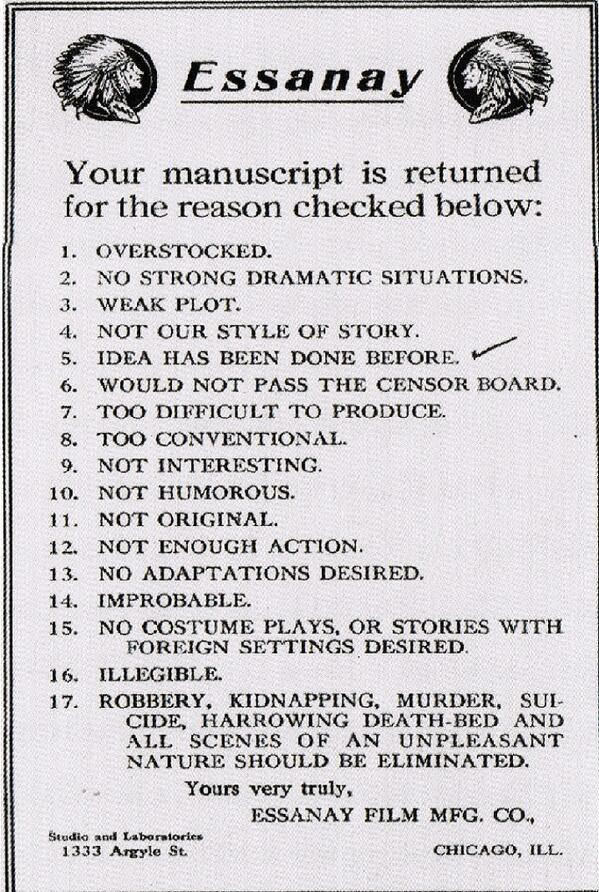
Born dur­ing the era of silent movies, the Essanay Film Man­u­fac­tur­ing Com­pa­ny pro­duced a series of Char­lie Chap­lin films in 1915, most notably includ­ing The TrampThe Essanay doc­u­ment above shows us one thing: It did­n’t take long for the film indus­try to mas­ter the cold rejec­tion let­ter. Film­mak­ers could pour their heart and soul into writ­ing a script. And what did they get in return? A list of 17 pos­si­ble rea­sons to reject a man­u­script, with a deflat­ing check mark next to a par­tic­u­lar item. That’s it. No fur­ther expla­na­tion offered.

Essanay closed in 1925, prob­a­bly to the delight of some. You can still find some of Essanay’s films in our col­lec­tion of 65 Free Char­lie Chap­lin Films Online.

If you would like to sup­port the mis­sion of Open Cul­ture, con­sid­er mak­ing a dona­tion to our site. It’s hard to rely 100% on ads, and your con­tri­bu­tions will help us con­tin­ue pro­vid­ing the best free cul­tur­al and edu­ca­tion­al mate­ri­als to learn­ers every­where. You can con­tribute through Pay­Pal, Patre­on, and Ven­mo (@openculture). Thanks!

via @tedgioia

Relat­ed Con­tent:

Gertrude Stein Gets a Snarky Rejec­tion Let­ter from Pub­lish­er (1912)

Read Rejec­tion Let­ters Sent to Three Famous Artists: Sylvia Plath, Kurt Von­negut & Andy Warhol

No Women Need Apply: A Dis­heart­en­ing 1938 Rejec­tion Let­ter from Dis­ney Ani­ma­tion

T.S. Eliot, as Faber & Faber Edi­tor, Rejects George Orwell’s “Trot­skyite” Nov­el Ani­mal Farm (1944)

by | Permalink | Make a Comment ( 2 ) |

MoMA’s Artists’ Cookbook (1978) Reveals the Meals of Salvador Dalí, Willem de Kooning, Andy Warhol, Louise Bourgeois & More

moma-cookbook-4

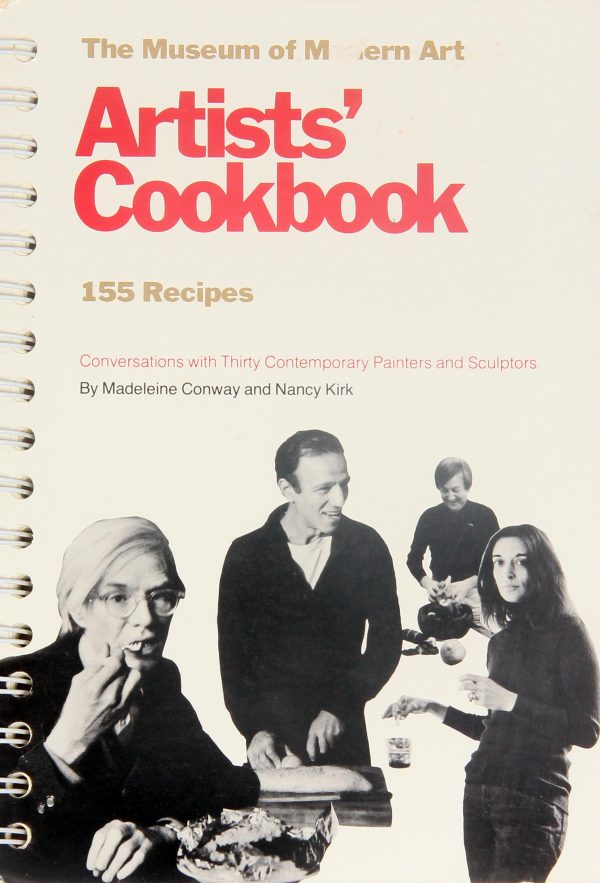
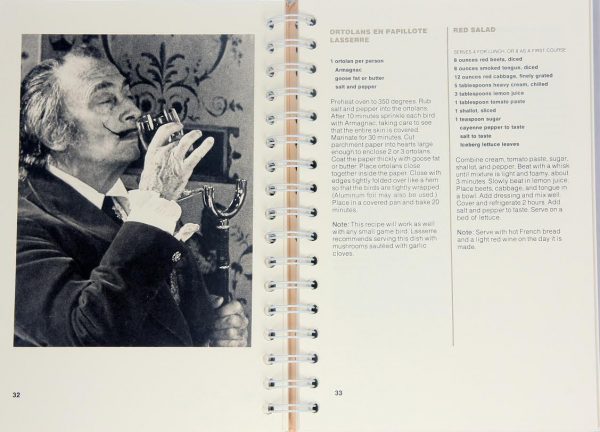
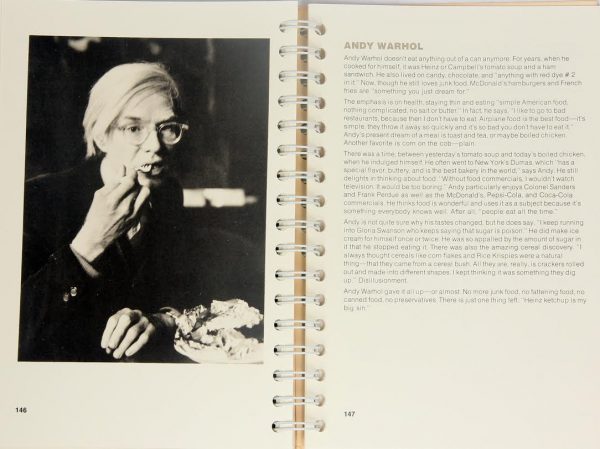
If we can con­sid­er some cooks artists, sure­ly we can con­sid­er some artists cooks. Madeleine Con­way and Nan­cy Kirk sure­ly oper­at­ed on that assump­tion when they put togeth­er The Muse­um of Mod­ern Art Artists’ Cook­book, which col­lects 155 recipes from 30 such fig­ures not pri­mar­i­ly known for their culi­nary acu­men as Sal­vador Dalí, Willem de Koon­ing, Louise Bour­geois, Andy Warhol, Helen Franken­thaler, Roy Licht­en­stein, and Chris­to and Jeanne-Claude. (“Strange­ly,” write the wags at Phaidon, “there are no wraps.”)

moma-cookbook-1

Pub­lished in 1978, the Artists’ Cook­book has long since left print, though pricey sec­ond-hand copies of the MoMA-issued edi­tion and some­what more afford­able copies of the spi­ral-bound trade edi­tion still cir­cu­late: Nick Harvill Libraries, for instance offers one for $125.

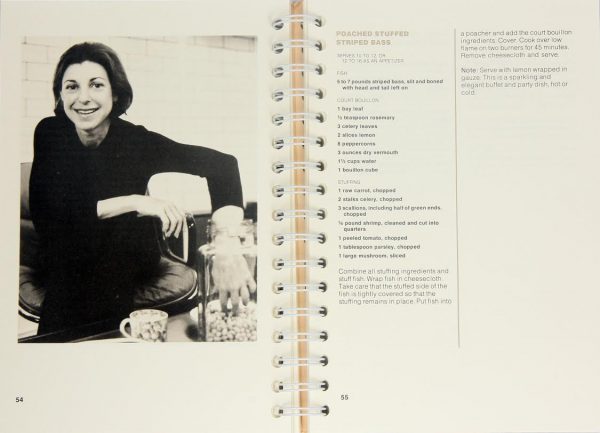
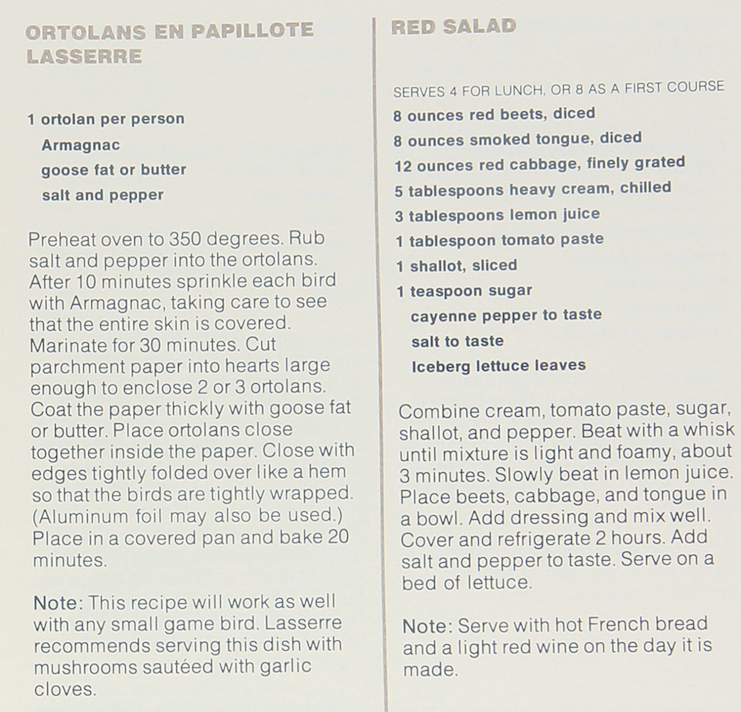
“Sim­plic­i­ty is a recur­ring theme,” says their site of the recipes con­tained with­in, which include Dalí’s red sal­ad, de Koon­ing’s seafood sauce, Bour­geois’ French cucum­ber sal­ad, Andy Warhol’s per­haps pre­dictable boil­ing method for Camp­bel­l’s canned soup, Franken­thaler’s poached stuffed striped bass, Licht­en­stein’s not entire­ly seri­ous “pri­mor­dial soup” (involv­ing “8cc hydro­gen” and “5cc ammo­nia”), and Chris­to and Jeanne-Claude’s com­plete “quick and easy filet mignon din­ner par­ty.”

moma-cookbook-2

Tak­en as a whole, the project cap­tures not just a dis­tinc­tive moment in Amer­i­can cul­ture when you could pub­lish a cook­book with pret­ty much any theme — we’ve pre­vi­ous­ly fea­tured Dalí’s own, which came out in 1973, and the rock-star-ori­ent­ed Singers & Swingers in the Kitchen, from 1967 — but an equal­ly dis­tinc­tive moment, and place, in Amer­i­can art. MoMA, as you might expect, brought in the artists with whom they had the clos­est con­nec­tions, which in the mid-1970s meant a par­tic­u­lar­ly influ­en­tial cou­ple of gen­er­a­tions who most­ly rose to promi­nence, and stayed in promi­nence, in New York City.

moma-cookbook-3

That’s not to say that the con­trib­u­tors to The Muse­um of Mod­ern Art Artists’ Cook­book were born into the art world. Brain Pick­ings’ Maria Popo­va quotes excerpts of the book’s inter­views with the artists about their ear­ly culi­nary lives: Bour­geois rues the “wast­ed hours” spent cook­ing for her father (“in those days a man had the right to have his food ready for him at all times.” De Koon­ing recalls his child­hood in pover­ty in Hol­land where, “when you had din­ner, it was always brown beans.” Dalí and Warhol put their eccen­tric­i­ties on dis­play, the for­mer with his all-white table (“white porce­lain, white damask, and white flow­ers in crys­tal vas­es”) and the lat­ter with his dec­la­ra­tion that “air­plane food is the best food.” De gustibus, as they say in food and art alike, non dis­putan­dum est.

moma-recipe

via Phae­don/Brain Pick­ings

Relat­ed Con­tent:

Sal­vador Dalí’s 1973 Cook­book Gets Reis­sued: Sur­re­al­ist Art Meets Haute Cui­sine

The Jean-Paul Sartre Cook­book: Philoso­pher Pon­ders Mak­ing Omelets in Long Lost Diary Entries

Alice B. Tok­las Reads Her Famous Recipe for Hashish Fudge (1963)

Ernest Hemingway’s Sum­mer Camp­ing Recipes

Leo Tolstoy’s Fam­i­ly Recipe for Mac­a­roni and Cheese

1967 Cook­book Fea­tures Recipes by the Rolling Stones, Simon & Gar­funkel, Bar­bra Streisand & More

An Archive of 3,000 Vin­tage Cook­books Lets You Trav­el Back Through Culi­nary Time

Based in Seoul, Col­in Mar­shall writes and broad­casts on cities and cul­ture. He’s at work on a book about Los Ange­les, A Los Ange­les Primer, the video series The City in Cin­e­ma, the crowd­fund­ed jour­nal­ism project Where Is the City of the Future?, and the Los Ange­les Review of Books’ Korea Blog. Fol­low him on Twit­ter at @colinmarshall or on Face­book.

The 4′33″ App Lets You Create Your Own Version of John Cage’s Classic Work

433-app

Image via iTunes

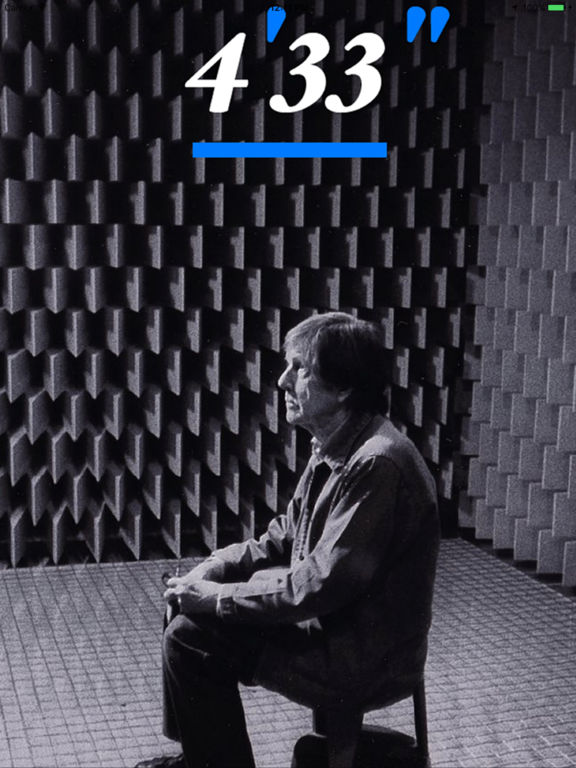
John Cage’s 4’33” is one of the most infa­mous works of the 20th cen­tu­ry and which still has the abil­i­ty to divide peo­ple. Three move­ments of silence, where the per­former does noth­ing, it forces the audi­ence to lis­ten to its sur­round­ings and be present, a dis­til­la­tion of zen thought if there ever was one. In an increas­ing­ly dis­tract­ed age, being silent and present is very dif­fi­cult for most peo­ple. A Men­tal Floss arti­cle on the piece’s lega­cy ref­er­enced a 2014 Uni­ver­si­ty of Vir­ginia study where hun­dreds of peo­ple sat in silence for a total of 15 min­utes. “25 per­cent of women and 67 per­cent of men opt­ed to endure painful elec­tric shocks rather than pass the time with­out any stim­u­la­tion,” says the arti­cle.

Two years ago, the John Cage Trust launched the 4’33” app, which sounds coun­ter­in­tu­itive. How can a phone app make one present?

Well, it doesn’t exact­ly do that. Instead, it offers a chance for mem­bers to record and share their own “per­for­mances” of Cage’s famous piece, once again demon­strat­ing Cage’s result-—there is no real silence. (Even in 1951, one year before 4’33”’s com­po­si­tion, when Cage sat in a sound dead­en­ing ane­choic cham­ber in Har­vard, he could still hear the blood rush­ing in his veins.)

google-maps-of-4-33-app-of-john-cage

The iPhone app, which costs 99 cents, is sim­ple and comes with a record­ing of the piece from John Cage’s New York apart­ment, which high­lights the traf­fic sounds and police sirens. Tap on the “World of 4’33”” but­ton at the bot­tom and a world map opens, show­ing green push­pins in var­i­ous loca­tions where users record­ed their own moments of silence. (The project is sim­i­lar to the 2008 inter­net project of field record­ings, “One Minute Vaca­tion”).

One user’s Kaloli, Hawaii record­ing is all trop­i­cal insects and birds busy com­pos­ing their own music. The one some­body record­ed down­town in my home city is of our shop­ping mall at Christ­mas, with pedes­tri­ans, far off car­ols, and the sounds of com­merce. In Japan, there’s a love­ly record­ing of Chi­tose air­port, espe­cial­ly if you find echoey tan­noy announce­ments roman­tic (I do). From urban to sub­ur­ban to coun­try­side, this is a por­trait of a world that is nev­er silent.

Relat­ed Con­tent:

John Cage’s Silent, Avant-Garde Piece 4’33” Gets Cov­ered by a Death Met­al Band

John Cage Per­forms His Avant-Garde Piano Piece 4’33” … in 1’22” (Har­vard Square, 1973)

Lis­ten to John Cage’s 5 Hour Art Piece: Diary: How To Improve The World (You Will Only Make Mat­ters Worse)

Ted Mills is a free­lance writer on the arts who cur­rent­ly hosts the FunkZone Pod­cast. You can also fol­low him on Twit­ter at @tedmills, read his oth­er arts writ­ing at tedmills.com and/or watch his films here.

« Go BackMore in this category... »
Quantcast