What Character Traits Do Geniuses Share in Common?: From Isaac Newton to Richard Feynman

Back in 1993, James Gle­ick wrote Genius: The Life and Sci­ence of Richard Feyn­man. A decade lat­er came his biog­ra­phy on Isaac New­ton. As Gle­ick men­tions above, the two scientists–who lived, of course, cen­turies apart–shared very lit­tle in com­mon. New­ton (1643–1727) was “soli­tary, anti­so­cial, unpleas­ant, bit­ter.” Richard Feyn­man (1918–1988) could be best described as “gre­gar­i­ous, fun­ny, a great dancer.” Watch him joy­ous­ly play the bon­gos to see what Gle­ick means.

So the ques­tion remains: What did they have in com­mon? And par­tic­u­lar­ly what char­ac­ter traits con­tributed to their “sci­en­tif­ic genius”? Gle­ick goes on to explain:

They were both, as I tried to get in their heads, under­stand their minds, the nature of their genius, I sort of felt I was see­ing things that they had in com­mon, and they were things that had to do with alone­ness. New­ton was much more obvi­ous­ly alone than Feyn­man, but Feyn­man did­n’t par­tic­u­lar­ly work well with oth­ers. He was known as a great teacher, but he was­n’t a great teacher, I don’t think, one on one. I think he was a great lec­tur­er. I think he was a great com­mu­ni­ca­tor. But when it came time to make the great dis­cov­er­ies of sci­ence, he was alone in his head. Now, when I say he, I mean both Feyn­man and New­ton, and this applies, also, I think, to the genius­es that I write about in The Infor­ma­tion, Charles Bab­bage, Alan Tur­ing, Ada Byron. They all had the abil­i­ty to con­cen­trate with a sort of inten­si­ty that is hard for mor­tals like me to grasp, a kind of pas­sion for abstrac­tion that does­n’t lend itself to easy com­mu­ni­ca­tion, I don’t think.

Soli­tude. Con­cen­tra­tion. Abstrac­tion. In a nut­shell, that’s what goes into the mak­ing of a genius.

If you would like to sign up for Open Culture’s free email newslet­ter, please find it here. It’s a great way to see our new posts, all bun­dled in one email, each day.

If you would like to sup­port the mis­sion of Open Cul­ture, con­sid­er mak­ing a dona­tion to our site. It’s hard to rely 100% on ads, and your con­tri­bu­tions will help us con­tin­ue pro­vid­ing the best free cul­tur­al and edu­ca­tion­al mate­ri­als to learn­ers every­where. You can con­tribute through Pay­Pal, Patre­on, and Ven­mo (@openculture). Thanks!

Relat­ed Con­tent:

Neil deGrasse Tyson on the Stag­ger­ing Genius of Isaac New­ton

Sir Isaac Newton’s Papers & Anno­tat­ed Prin­cip­ia Go Dig­i­tal

Free Physics Cours­es (From Our Col­lec­tion of 1200 Free Online Cours­es)

Richard Feyn­man Cre­ates a Sim­ple Method for Telling Sci­ence From Pseu­do­science (1966)

‘The Char­ac­ter of Phys­i­cal Law’: Richard Feynman’s Leg­endary Course Pre­sent­ed at Cor­nell, 1964

The Feyn­man Lec­tures on Physics, The Most Pop­u­lar Physics Book Ever Writ­ten, Now Com­plete­ly Online

by | Permalink | Make a Comment ( 2 ) |

When Vladimir Nabokov Taught Ruth Bader Ginsburg, His Most Famous Student, To Care Deeply About Writing

There are a few ways to get a glimpse of Vladimir Nabokov as a teacher, a role he occu­pied for almost twen­ty years at Welles­ley and Cor­nell. We can take the “good read­er” quiz he gave to his stu­dents. We can lis­ten to his inter­views on life and lit­er­a­ture, though they won’t give us any sense of spon­tane­ity. The Russ­ian-émi­gré writer insist­ed on care­ful­ly script­ed ques­tions and answers “to ensure a dig­ni­fied beat of the mandarin’s fan.”

We can see also see Nabokov, as played by Christo­pher Plum­mer, teach his sec­ond favorite nov­el, Kafka’s The Meta­mor­pho­sis, at a Cor­nell lec­ture above. Plum­mer, who intro­duces him­self in the role, tells us, “this urbane, world­ly Russ­ian aris­to­crat spent a large part of his pro­duc­tive life in Itha­ca, New York.” And the char­ac­ter­i­za­tion, if not a like­ness, is a con­vinc­ing dra­mat­ic inter­pre­ta­tion of a very urbane, and wit­ty, Pro­fes­sor, not a man who “speak[s] like a child,” as the real Nabokov once wrote of him­self in 1973.

What of his stu­dents? What can they tell us about Nabokov as a teacher? One of his most famous, Thomas Pyn­chon, won’t say much. But per­haps his best known pupil, Ruth Bad­er Gins­burg, has paid him trib­ute many times, telling The Scribes Jour­nal of Legal Writ­ing in 2011, “I attribute my car­ing about writ­ing” to Nabokov, who “was a man in love with the sound of words. He taught me the impor­tance of choos­ing the right word and pre­sent­ing it in the right word order.”

Gins­burg, who stud­ied under Nabokov as an under­grad­u­ate in the ear­ly fifties, still sings his prais­es over six­ty years lat­er. “He was mag­net­i­cal­ly engag­ing,” she told The Cul­ture Trip this week. “He stood alone, not com­pa­ra­ble to any oth­er lec­tur­er.” And last month, the Supreme Court Jus­tice wrote a New York Times Op-Ed titled “Ruth Bad­er Ginsburg’s Advice for Liv­ing.” Sec­ond on the list, “teach­ers who influ­enced or encour­aged me in my grow­ing-up years.” Her first exam­ple, Nabokov, who “changed the way I read and the way I write.”

If Nabokov so pro­found­ly influ­enced Ginsburg’s read­ing and writ­ing, and made such a dra­mat­ic impres­sion on her as a pro­fes­sor, would we find any traces of that influ­ence in her jurispru­dence? Per­haps. As Jen­nifer Wil­son notes in the Los Ange­les Review of Books, Nabokov pro­nounced him­self “res­olute­ly ‘anti-seg­re­ga­tion­ist.’” This was among the “few issues he spoke out against strong­ly and unambiguously—Marxism, fas­cism, anti-Semi­tism, and racism.”

You may or may not see some influ­ence of Nabokov—of his repug­nance for legal­ized dis­crim­i­na­tion or of his metic­u­lous wording—in Ginsburg’s pas­sion­ate dis­sent to the 2013 gut­ting of the Vot­ing Rights Act, for exam­ple. There, Gins­burg called vot­er sup­pres­sion “the most con­sti­tu­tion­al­ly invid­i­ous form of dis­crim­i­na­tion” and wrote “giv­en a record replete with exam­ples of denial or abridge­ment of a para­mount fed­er­al right, the Court should have left the mat­ter where it belongs: in Con­gress’ baili­wick.” With­in their con­straints of legal writ­ing, I’d argue Ginsburg’s best sen­tences con­tain the cut­ting pre­ci­sion and wit of Nabokov’s scathing, deeply con­sid­ered obser­va­tions.

via The Cul­ture Trip/Vin­tage Anchor

Relat­ed Con­tent:

Take Vladimir Nabokov’s Quiz to See If You’re a Good Reader–The Same One He Gave to His Stu­dents

Vladimir Nabokov Names the Great­est (and Most Over­rat­ed) Nov­els of the 20th Cen­tu­ry

Vladimir Nabokov Talks About Life, Lit­er­a­ture & Love in a Metic­u­lous­ly Pre­pared Inter­view, 1969

Vladimir Nabokov (Chan­nelled by Christo­pher Plum­mer) Teach­es Kaf­ka at Cor­nell

Josh Jones is a writer and musi­cian based in Durham, NC. Fol­low him at @jdmagness


Sal Khan & the Muppets’ Grover Explain the Electoral College

Grover, the more intel­lec­tu­al­ly-aspi­rant of Sesame Street’s two blue mon­sters, is a self-appoint­ed expert on anato­my (“the head is cov­ered with this long stringy stuff”), hygiene, and Span­ish, but the work­ings of the Unit­ed States Elec­toral Col­lege elud­ed him, until Salman Khan, founder of the Khan Acad­e­my wan­dered into the frame.

The pairing’s not as odd as you might think. The Khan Academy’s mis­sion is in many ways quite sim­i­lar to that of Sesame Street—free edu­ca­tion for the peo­ple, dis­trib­uted on a glob­al scale. Both are non-prof­it. The Khan Acad­e­my uses white­board screen­cast­ing where Sesame Street uses Mup­pets, but the goal is the same.

The ener­getic and high­ly dis­tractible Grover would be a chal­leng­ing pupil in any set­ting. Khan, whose teacher-stu­dent inter­ac­tions are rarely so face-to-face, han­dles him like a pro, wise­ly par­ing down a stan­dard issue Khan Acad­e­my les­son on the Elec­toral Col­lege to an eas­i­ly digestible three-and-a-half min­utes.

The take­away?

The Unit­ed States is an indi­rect democ­ra­cy.

Each state awards its elec­toral votes to the can­di­date who wins the pop­u­lar vote in that state.

The num­ber of elec­toral votes in any giv­en state is equal to its num­ber of con­gress­peo­ple plus its two Sen­a­tors.

There are a total of 538 elec­toral votes. In order to win the pres­i­den­tial elec­tion, a can­di­date must win at least 270 of those votes.

Sim­ple enough, but this mea­sured expla­na­tion does not com­pute with Grover.

So Khan employs an edu­ca­tion­al Nin­ja tech­nique. “How can I explain it in a way that you might under­stand?” he asks.

It turns out Grover is some­thing of a visu­al learn­er, who’s not at all shy about the work­ings of his own per­son­al brain. He’s prob­a­bly not ready for 8th grade alge­bra, but the Khan Acad­e­my sub­sti­tu­tion method pro­vides a water­shed moment, when Khan replaces elec­toral votes with chick­ens.

(If your frag­ile grasp of the Elec­toral Col­lege process would be mud­dled by the intro­duc­tion of chick­ens, stop watch­ing at the two minute mark. As the pro­lif­er­at­ing com­ments on the Khan Academy’s fifth Amer­i­can Civics les­son prove, some­times the sim­ple approach cre­ates more ques­tions than it answers.)

Relat­ed Con­tent:

Free Online Polit­i­cal Sci­ence Cours­es 

Mor­gan Free­man Teach­es Kids to Read in Vin­tage Elec­tric Com­pa­ny Footage from 1971

Elec­tion 2012: Your Free Tick­et to a Pop­u­lar Stan­ford Course

Ayun Hal­l­i­day is an author, illus­tra­tor, the­ater mak­er and Chief Pri­ma­tol­o­gist of the East Vil­lage Inky zine.  Her play Zam­boni Godot is open­ing in New York City in March 2017. Fol­low her @AyunHalliday.

The Graceful Movements of Kung Fu & Modern Dance Revealed in Stunning Motion Visualizations

When I first saw what was then the height of motion cap­ture in 1999—The Matrix’s “bul­let time” and kung fu sequences—I was suit­ably impressed, and yet… the extreme manip­u­la­tion of the real (which couldn’t have hap­pened in a more appro­pri­ate film, grant­ed) also seemed a lit­tle like a cheat. In the days before com­put­ers ren­dered 99% of spe­cial effects, part of the fun of watch­ing an effects film was spot­ting the seams. The short “Kung Fu Visu­al­iza­tion” above, from Ger­man dig­i­tal artist Tobias Gremm­ler, deft­ly com­bines both of these aes­thet­ic inclinations—the love of arti­fice and the awe of liq­uid-smooth dig­i­tal motion—in rustling, swirling, shim­mer­ing ani­mat­ed art that para­dox­i­cal­ly shows us the seams of flu­id move­ment.

Recall­ing Mar­cel Duchamp’s famous nude or the dynam­ic sculp­ture of Umber­to Boc­cioni, Gremm­ler ani­mates these mod­ernist dreams using grace­ful motions cap­tured from two Kung Fu mas­ters. Each sin­u­ous mar­tial arts rou­tine is ren­dered with a dif­fer­ent mate­r­i­al tex­ture, with accom­pa­ny­ing sound effects and dra­mat­ic music. “Visu­al­iz­ing the invis­i­ble is always fas­ci­nat­ing,” writes Gremm­ler, “and motion visu­al­iza­tions have been cre­at­ed even in pre-dig­i­tal times with light, pho­tog­ra­phy, cos­tumes or paint­ings.” (Nor­man McLaren’s 1968 “Pas de deux” offers a strik­ing his­tor­i­cal exam­ple.) Gremm­ler’s stun­ning ani­ma­tion was com­mis­sioned for a Hong Kong Kung Fu exhi­bi­tion and “focus­es on the lega­cy of Hak­ka mar­tial arts in Hong Kong.”

Gremmler’s film may show us process in motion, but he remains coy about his own tech­no­log­i­cal means (unless, pre­sum­ably, you buy his book.) Anoth­er motion cap­ture mas­ter­piece, “Asphyx­ia,” above, uses hum­ble, yet high­ly advanced meth­ods unimag­in­able in 1999, “two inex­pen­sive Xbox One Kinect sen­sors,” writes This is Colos­sal, “to cap­ture the move­ments of dancer Shi­ho Tana­ka.” Film­mak­ers Maria Takeuchi and Fred­eri­co Phillips then “ren­dered the data inside a near pho­to-real­is­tic envi­ron­ment,” mak­ing cre­ative use of low­er-res tics and glitch­es. Com­bined with a love­ly elec­tron­ic score from Takeuchi, the result­ing video’s visu­al poet­ry is impos­si­ble to ade­quate­ly con­vey in words.

What “Asphyx­ia” does show us is a scal­ing back of tech­ni­cal wiz­ardry that reveals a deep lev­el of ges­tur­al sophis­ti­ca­tion under­neath. “The project,” write the film­mak­ers, “is an effort to explore new ways to use and/or com­bine tech­nolo­gies… with­out many of the com­mer­cial lim­i­ta­tions. The per­for­mance is cen­tered in an elo­quent chore­og­ra­phy that stress­es the desire to be expres­sive with­out bounds.” Although “Asphyx­ia” is obvi­ous­ly a lower-quality—digitally speaking—work than Gremmler’s Kung Fu Visu­al­iza­tion, it is none the worse for it. Both use motion cap­ture tech­nol­o­gy in inno­v­a­tive ways that fore­ground the artistry, rather than the mim­ic­ry, of dig­i­tal ani­ma­tion. (Some­what like the much-praised dig­i­tal stop-motion Kubo and the Two Strings.) If you want to see how the mak­ers of “Asphyx­ia” cre­at­ed their exper­i­ment, watch their mak­ing-of film below.

via This is Colos­sal

Relat­ed Con­tent:

Soft­ware Used by Hayao Miyazaki’s Ani­ma­tion Stu­dio Becomes Open Source & Free to Down­load

13 Van Gogh’s Paint­ings Painstak­ing­ly Brought to Life with 3D Ani­ma­tion & Visu­al Map­ping

Take a Free Online Course on Mak­ing Ani­ma­tions from Pixar & Khan Acad­e­my

Josh Jones is a writer and musi­cian based in Durham, NC. Fol­low him at @jdmagness

215 Hours of Free Foreign Language Lessons on Spotify: French, Chinese, German, Russian & More

spotify-languages

In Sep­tem­ber, we high­light­ed for you 75 free audio books avail­able on Spo­ti­fy–books writ­ten by the likes of Jane Austen, James Joyce, Charles Bukows­ki, Franz Kaf­ka, Kurt Von­negut, Edgar Allan Poe, Jack Ker­ouac, Sylvia Plath, William Shake­speare & more. Peruse the com­plete list here.

This month, we’re here to tell you that Spo­ti­fy makes free lan­guage lessons avail­able on its ser­vice. If you go to Spo­ti­fy (down­load its soft­ware here), click “Browse” (in the left hand nav), then scroll way down and click “Word,” you will find col­lec­tions of free lan­guages in the fol­low­ing lan­guages. You can also click the links below to access 215 hours of free lan­guage lessons:

You can find many more lessons, cov­er­ing many more lan­guages, in our col­lec­tion: Learn 45+ Lan­guages Online for Free: Span­ish, Chi­nese, Eng­lish & More. Our list cov­ers every­thing from Ancient Greek and Dutch, to Thai and Yid­dish.

Relat­ed Con­tent:

Hear 75 Free, Clas­sic Audio Books on Spo­ti­fy: Austen, Joyce, Bukows­ki, Kaf­ka, Von­negut, Poe, Shake­speare, Ker­ouac & More

Free Span­ish Lessons

Free French Lessons

Free Ital­ian Lessons

Free Ara­bic Lessons

by | Permalink | Make a Comment ( 3 ) |

Decoding the Screenplays of The Shining, Moonrise Kingdom & The Dark Knight: Watch Lessons from the Screenplay

“A screen­play isn’t meant to be read,” said no less a direct­ing-screen­writ­ing auteur than Stan­ley Kubrick. “It’s to be real­ized on film.” The quote comes up in The Shin­ing — Qui­et­ly Going Insane Togeth­er,” an episode of the video essay series Lessons from the Screen­play. Cre­ator Michael Tuck­er uses it to explain his lack of access to the actu­al “shoot­ing script” of the film, mean­ing the sort of script typ­i­cal­ly writ­ten before pro­duc­tion and then more or less adhered to on set. But Kubrick worked dif­fer­ent­ly. On his projects “the words of the script and the design of the film were cre­at­ed togeth­er.” (Or as star Jack Nichol­son says in a bit of archival footage, “I quit usin’ my script. I just take the ones they type up each day.”)

Tuck­er goes on to break down The Shin­ing’s writ­ing process in a way that will fas­ci­nate not just screen­writ­ers but any­one with an inter­est in artis­tic struc­ture, begin­ning with the seg­men­ta­tion implied by the film’s mem­o­rably stark title cards: “THE INTERVIEW,” “THURSDAY,” “8am,” and so on. He does this in ser­vice of one impor­tant over­ar­ch­ing ques­tion: “What, exact­ly is so creepy about The Shin­ing?” (I’ve been ask­ing it myself ever since watch­ing it at a Hal­loween par­ty near­ly twen­ty years ago.) In Moon­rise King­dom: Where Sto­ry Meets Style” he gets into the ques­tion of what sto­ry­telling func­tions Ander­son­’s sig­na­ture abun­dance of vivid, whim­si­cal, or askew details per­form, and how they do it effec­tive­ly.

As far as what makes Christo­pher Nolan’s sec­ond Bat­man movie The Dark Knight work so well, Tuck­er has the answer in two words: the Jok­er. Dif­fer­ent actors have por­trayed Bat­man’s most famous rival with dif­fer­ent lev­els of effec­tive­ness, with Heath Ledger’s Jok­er gen­er­al­ly acknowl­edged as the Jok­er, or at least one of the Jok­ers, to beat. But like any char­ac­ter, this Jok­er began on the page, and in The Dark Knight — Cre­at­ing the Ulti­mate Antag­o­nist,” we learn which screen­writ­ing guru-approved qual­i­ties instilled there give him so much pow­er: his excep­tion­al skill at attack­ing Bat­man’s weak­ness­es, how he pres­sures Bat­man into dif­fi­cult choic­es, and how he and Bat­man ulti­mate­ly com­pete for the same goal, the soul of Gotham, and become two sides of the same coin.

You can learn oth­er lessons that Tuck­er draws from the screen­plays of movies like Night­crawler, Gone GirlInde­pen­dence Day, Ghost­bustersand a two-parter on Amer­i­can Beau­ty. While ele­ments of cin­e­ma like the direct­ing, the act­ing, the edit­ing, and even the music might cap­ture our atten­tion more aggres­sive­ly, we should­n’t for­get that every nar­ra­tive film, large or small, tra­di­tion­al or uncon­ven­tion­al, grows from words some­one wrote down. “It’s not what a movie is about,” declared Roger Ebert, “it’s how it is about it” — and the deci­sions of how to be about it hap­pen in the screen­play.

via The Over­look Hotel

Relat­ed Con­tent:

Aki­ra Kurosawa’s Advice to Aspir­ing Film­mak­ers: Write, Write, Write and Read

10 Tips From Bil­ly Wilder on How to Write a Good Screen­play

Woody Allen’s Type­writer, Scis­sors and Sta­pler: The Great Film­mak­er Shows Us How He Writes

How Ray Brad­bury Wrote the Script for John Huston’s Moby Dick (1956)

Ray­mond Chan­dler: There’s No Art of the Screen­play in Hol­ly­wood

Based in Seoul, Col­in Mar­shall writes and broad­casts on cities and cul­ture. He’s at work on a book about Los Ange­les, A Los Ange­les Primer, the video series The City in Cin­e­ma, the crowd­fund­ed jour­nal­ism project Where Is the City of the Future?, and the Los Ange­les Review of Books’ Korea Blog. Fol­low him on Twit­ter at @colinmarshall or on Face­book.

Organized Religion Got You Down? Discover The Church Of Saint John Coltrane


Orga­nized reli­gion got you down? Feel like giv­ing up on it alto­geth­er? You are not by any stretch alone. Reli­gios­i­ty is in grave decline in Europe and the U.S., prompt­ing pan­ic in some quar­ters and sat­is­fac­tion in oth­ers (that young adults, for exam­ple, agree more with Karl Marx than with the Bible). The list of rea­sons for religion’s grow­ing unpop­u­lar­i­ty is long and rather pre­dictable, and you won’t find a case for the con­trary here—unless, that is, it’s for the St. John Coltrane Church. If there’s any reli­gion that deserves an upswing, so to speak, per­haps it’s one based on the gen­uine­ly ecsta­t­ic, con­scious­ness-expand­ing music of one of America’s most spir­i­tu­al­ly-mind­ed jazz com­posers.

Found­ed in San Fran­cis­co by Bish­op Fran­zo King and his wife Rev­erend Moth­er Mari­na King in 1971 as the Saint John Coltrane African Ortho­dox Church, the small body of wor­ship­pers has since become some­thing a lit­tle more rad­i­cal: The Saint John Will-I-Am Coltrane Church, whose vibe, writes Aeon, “is a rap­tur­ous out-of-your-head-ness, where instead of the choir and the hymn book there is the sin­u­ous, tran­scen­dent music of the jazz saint.” We get a pow­er­ful immer­sion in that vibe in the course of the 30-minute doc­u­men­tary, The Church Of Saint Coltrane. (Watch it above, or find it on Aeon’s YouTube chan­nel). The church band, with Bish­op King him­self on the sopra­no sax­o­phone, gets deep into Coltrane’s music, in funky per­for­mances of cuts from Coltrane’s ground­break­ing 1964 A Love Supreme espe­cial­ly.

That career-defin­ing album of reli­gious music changed the course of Coltrane’s career at the very end of his short life. (He died three years lat­er at the age of 40.) He wasn’t always such a mys­tic. Before he dis­cov­ered the idio­syn­crat­ic God of his recov­ery from hero­in addic­tion in 1957, he was a rapid­ly ris­ing star in an increas­ing­ly pre­car­i­ous place. After his “spir­i­tu­al awak­en­ing,” as he describes it in the lin­er notes to A Love Supreme, Coltrane became a musi­cal evan­ge­list. And Bish­op King heard the call. King’s “sound bap­tism” took place when he saw Coltrane in 1965 at the Jazz Work­shop in San Fran­cis­co, a Pen­te­costal expe­ri­ence for him. “I am the first son born out of sound,” he says.

Oth­er wor­ship­pers iden­ti­fy with Coltrane on a more bio­graph­i­cal lev­el. Sax­o­phon­ist Father Robert Haven is also a for­mer addict and alco­holic, who got sober “under Coltrane’s spell.” At the church, he found both a spir­i­tu­al and musi­cal home. As the doc­u­men­tary pro­gress­es, you’ll see the expe­ri­ences of non-musi­cian church-mem­bers are equal­ly pro­found, but the com­mon thread, of course, is that they all love Coltrane. That would appear to be the most impor­tant cri­te­ri­on for join­ing the Saint John Coltrane Church, where one can osten­si­bly come for the music and stay for the music. At least that seems to be the pitch, and it’s quite a com­pelling one for peo­ple who love Coltrane, though Bish­op King’s ser­vices do get preachy at times. But the res­i­dent church icono­g­ra­ph­er tells us that King con­vert­ed him with one sim­ple phrase, repeat­ed with con­fi­dence over and over: “It’s all in the music.”

The Church Of Saint Coltrane will be added to our col­lec­tion, 4,000+ Free Movies Online: Great Clas­sics, Indies, Noir, West­erns, Doc­u­men­taries & More.

For more back­ground on the church, see our 2014 post: The Church of St. John Coltrane, Found­ed on the Divine Music of A Love Supreme

via Aeon

Relat­ed Con­tent:

The His­to­ry of Spir­i­tu­al Jazz: Hear a Tran­scen­dent 12-Hour Mix Fea­tur­ing John Coltrane, Sun Ra, Her­bie Han­cock & More

The Sto­ry of John Coltrane’s A Love Supreme, Released 50 Years Ago This Month

John Coltrane’s Hand­writ­ten Out­line for His Mas­ter­piece A Love Supreme

Josh Jones is a writer and musi­cian based in Durham, NC. Fol­low him at @jdmagness

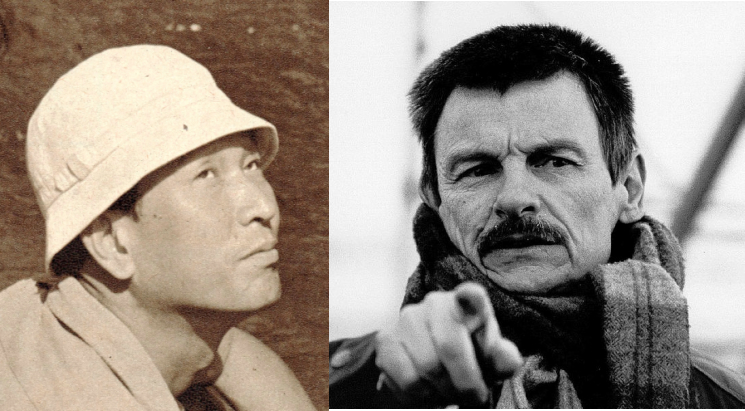
When Akira Kurosawa Watched Solaris with Andrei Tarkovsky: I Was “Very Happy to Find Myself Living on Earth”

tarkovsky-kurosawa

Image of Kuro­sawa and Tarkovsky via NPR

Though Aki­ra Kuro­sawa and Andrei Tarkovsky occu­py the same plane in the pan­theon of auteurs — the high­est one — nei­ther their lives nor their films had much obvi­ous­ly in com­mon. The old­er, longer-lived Kuro­sawa start­ed his career ear­li­er and end­ed it lat­er, but dur­ing those cin­e­mat­i­cal­ly glo­ri­ous decades of the 1960s and 70s, the two brought into the world such pic­tures as Yojim­bo, Ivan’s Child­hoodHigh and LowRed Beard, Andrei Rublev, Dodesukaden, Solaris, The Mir­ror, Der­su Uza­la (Kuro­sawa’s sole Japan­ese-Sovi­et co-pro­duc­tion, though Tarkovsky was­n’t involved), and Stalk­er.

They actu­al­ly met around the mid­dle of that peri­od, when Kuro­sawa came to vis­it the set of Solaris (watch Solaris online along with many oth­er major Tarkovsky films). “Tarkovsky guid­ed me around the set, explain­ing to me as cheer­ful­ly as a young boy who is giv­en a gold­en oppor­tu­ni­ty to show some­one his favorite toy­box,” Kuro­sawa writes in an essay orig­i­nal­ly run in the Asahi Shin­bun in 1977 and repub­lished at Cinephil­ia & Beyond.


“[Direc­tor Sergei] Bon­darchuk, who came with me, asked him about the cost of the set, and left his eyes wide open when Tarkovsky answered it. The cost was so huge: about six hun­dred mil­lion yen as to make Bon­darchuk, who direct­ed that grand spec­ta­cle of a movie War and Peace, agape in won­der.”

But the work, as Kuro­sawa soon found out, mer­it­ed the cost and then some:

Mar­velous progress in sci­ence we have been enjoy­ing, but where will it lead human­i­ty after all? Sheer fear­ful emo­tion this film suc­ceeds in con­jur­ing up in our soul. With­out it, a sci­ence fic­tion movie would be noth­ing more than a pet­ty fan­cy.

These thoughts came and went while I was gaz­ing at the screen.

Tarkovsky was togeth­er with me then. He was at the cor­ner of the stu­dio. When the film was over, he stood up, look­ing at me as if he felt timid. I said to him, “Very good. It makes me feel real fear.” Tarkovsky smiled shy­ly, but hap­pi­ly. And we toast­ed vod­ka at the restau­rant in the Film Insti­tute. Tarkovsky, who didn’t drink usu­al­ly, drank a lot of vod­ka, and went so far as to turn off the speak­er from which music had float­ed into the restau­rant, and began to sing the theme of samu­rai from Sev­en Samu­rai at the top of his voice.

As if to rival him, I joined in.

For I was at that moment very hap­py to find myself liv­ing on Earth.

Solaris makes a view­er feel this, and even this sin­gle fact shows us that Solaris is no ordi­nary SF film. It tru­ly some­how pro­vokes pure hor­ror in our soul. And it is under the total grip of the deep insights of Tarkovsky.

Kuro­sawa pays spe­cial atten­tion to the sequence, which you can watch above ana­lyzed by film schol­ars Vida John­son and Gra­ham Petrie, filmed in his own home­land: “What makes us shud­der is the shot of the loca­tion of Akasakamit­suke, Tokyo, Japan. By a skill­ful use of mir­rors, he turned flows of head lights and tail lamps of cars, mul­ti­plied and ampli­fied, into a vin­tage image of the future city. Every shot of Solaris bears wit­ness to the almost daz­zling tal­ents inher­ent in Tarkovsky.”

Like all of Tarkovsky’s fea­tures, Solaris only holds up more firm­ly with time and thus still enjoys revival screen­ings all over the world, but you can also watch it free online right now. Just get ready, when you descend to Earth after­ward, to feel your own grat­i­tude at find­ing your­self back here.

Relat­ed Con­tent:

Aki­ra Kuro­sawa to Ing­mar Bergman: “A Human Is Not Real­ly Capa­ble of Cre­at­ing Real­ly Good Works Until He Reach­es 80”

Aki­ra Kuro­sawa & Gabriel Gar­cía Márquez Talk About Film­mak­ing (and Nuclear Bombs) in Six Hour Inter­view

Watch Aki­ra Kuro­sawa & Fran­cis Ford Cop­po­la in Japan­ese Whiskey Ads from 1979: The Inspi­ra­tion for Lost in Trans­la­tion

Watch Solaris (1972), Andrei Tarkovsky’s Haunt­ing Vision of the Future

Andrei Tarkovsky’s Solaris Shot by Shot: A 22-Minute Break­down of the Director’s Film­mak­ing

Based in Seoul, Col­in Mar­shall writes and broad­casts on cities and cul­ture. He’s at work on a book about Los Ange­les, A Los Ange­les Primer, the video series The City in Cin­e­ma, the crowd­fund­ed jour­nal­ism project Where Is the City of the Future?, and the Los Ange­les Review of Books’ Korea Blog. Fol­low him on Twit­ter at @colinmarshall or on Face­book.

« Go BackMore in this category... »
Quantcast