Free: Download 500+ Rare Music Manuscripts by Mozart, Bach, Chopin & Other Composers from the Morgan Library

mozart 1

When my son first start­ed play­ing the piano, I lost sev­er­al evenings chas­ing the holy grail of free online sheet music. Sad­ly, most of what we were inter­est­ed in down­load­ing wasn’t real­ly free… just the first page.

It’s hard to ratio­nal­ize drop­ping five bucks on one song, when the New York Pub­lic Library for the Per­form­ing Arts is a short sub­way ride away. The prob­lem is, I’m not much of a musi­cian, and while there are scores and scores of scores upon their shelves, I rarely under­stood what it was I was check­ing out. Often I’d come home with the sought after piece, only to real­ize that I’d inad­ver­tent­ly checked out a vocal selec­tion, or the chord-rich equiv­a­lent of a cock­tail pianist’s fake book.

With the Mor­gan Library’s Music Man­u­scripts Online project, there’s no guar­an­tee my son or I will be able to play it, but I do know exact­ly what I’m get­ting.

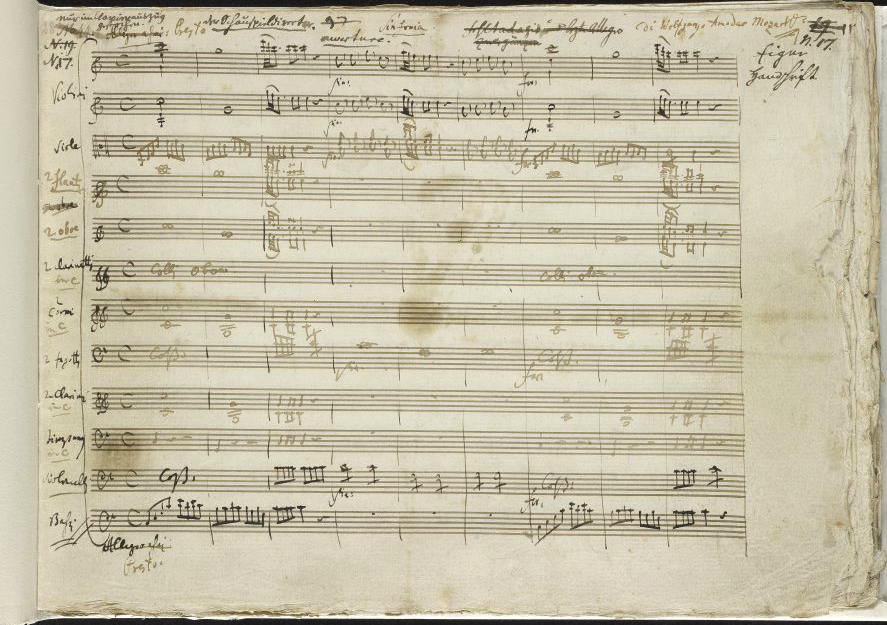
The hand­writ­ten man­u­script of Mozart’s com­ic singspiel, Der Schaus­pieldirek­tor,  above, for instance, auto­graphed by the com­pos­er him­self. 84 pages worth, not count­ing cov­ers and end­pa­pers, all free for the down­load­ing!

Put that on your iPad, Mr. Salieri!

The col­lec­tion cur­rent­ly offers dig­i­tized ver­sions of upwards of 500 musi­cal man­u­scripts, with more to come as the review­ing process con­tin­ues.

It’s search­able by com­pos­er, and big names abound.

bach 2

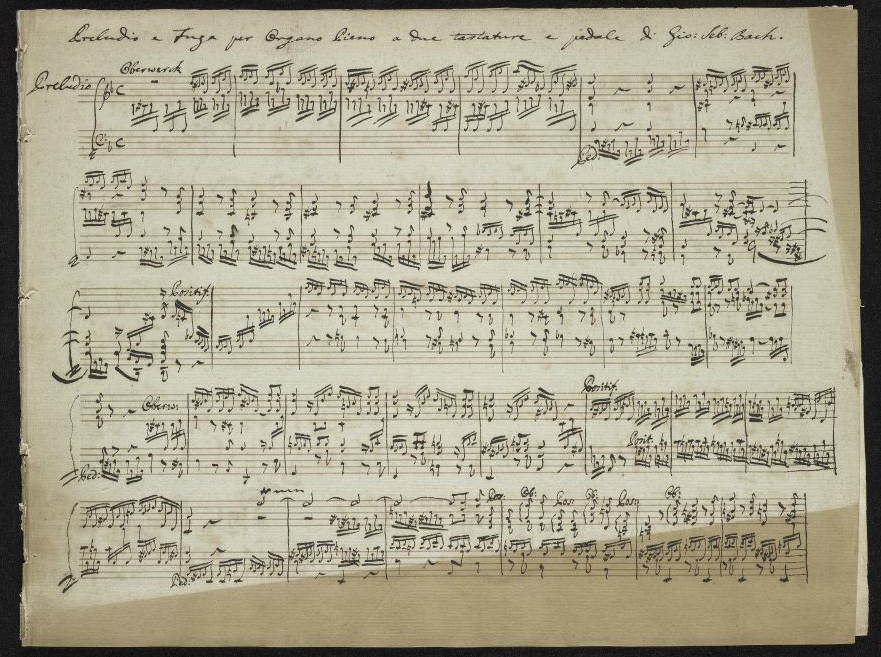
Per­haps you’d like to warm up the Wurl­tiz­er with Bach’s Toc­ca­ta and Fugue for Organ, BWV 538, in D minor

puccini

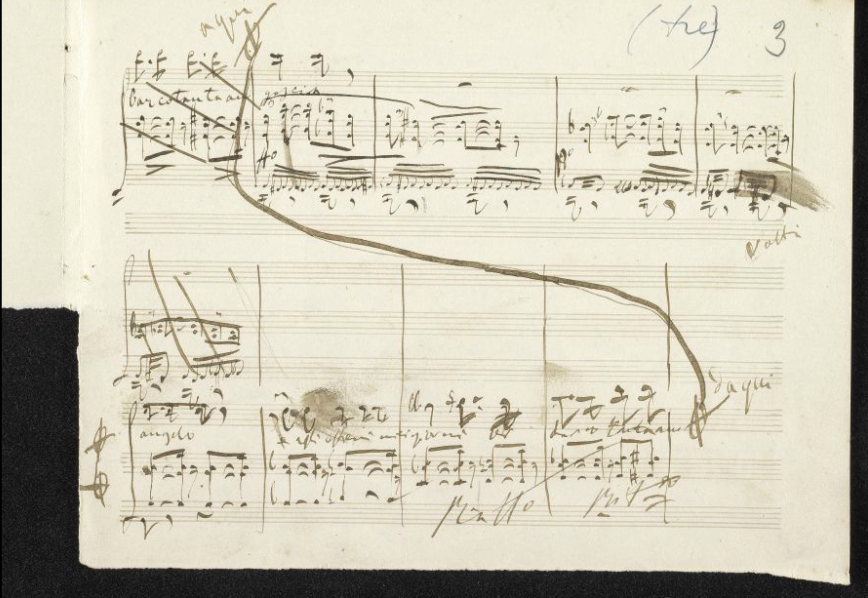
Or let all your opera singing, bal­let danc­ing friends know you’re avail­able to accom­pa­ny them with Puccini’s auto­graphed man­u­script for Le Vil­li

chopin

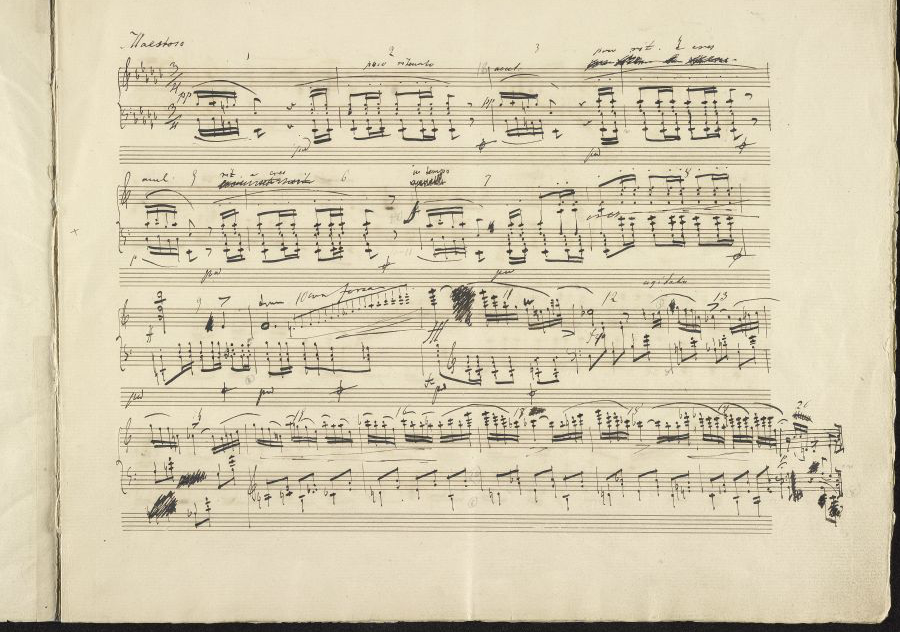
Or cir­cum­nav­i­gate the scrib­bled out boo boos, while attempt­ing Chopin’s Polon­ais­es, Piano, Op. 26. Chopin’s John Han­cock is the reward.

The hits just keep com­ing: Beethoven, Brahms, Debussy, Fau­ré, Haydn, Liszt, Mahler, Massenet, Mendelssohn, Schu­bert, Schu­mann…

Mendelssohn

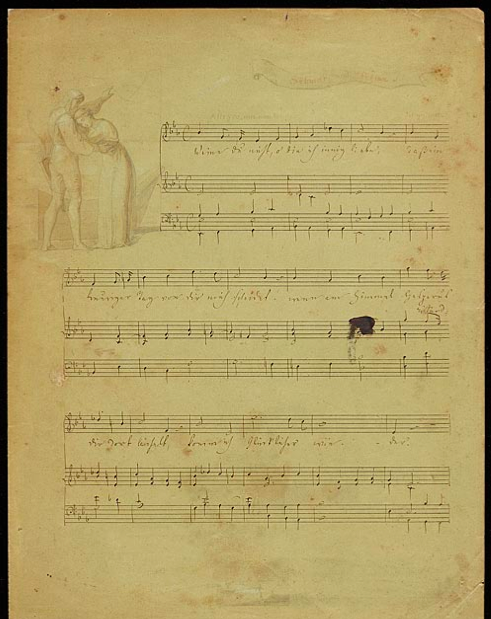
Not sur­pris­ing­ly, female com­posers are gross­ly under­rep­re­sent­ed, but there are a few gems, such as Mendelssohn’s sis­ter Fan­ny Hensel’s auto­graphed man­u­script of the song Sel­mar und Sel­ma, dec­o­rat­ed with a pret­ty pen­cil and wash draw­ing by her hus­band

The Mor­gan has plans to add essays about the man­u­scripts by lead­ing schol­ars. In the mean­time, pick a piece and start prac­tic­ing.

Relat­ed Con­tent:

The World Con­cert Hall: Lis­ten To The Best Live Clas­si­cal Music Con­certs for Free

85,000 Clas­si­cal Music Scores (and Free MP3s) on the Web

All of Bach for Free! New Site Will Put Per­for­mances of 1080 Bach Com­po­si­tions Online

Ayun Hal­l­i­day is an author, illus­tra­tor, and Chief Pri­ma­tol­o­gist of the East Vil­lage Inky zine. Fol­low her @AyunHalliday

Who’s Out There?: Orson Welles Narrates a Documentary Asking Whether There’s Extraterrestrial Life in the Universe (1975)

Does intel­li­gent life exist else­where in the uni­verse? The ques­tion has cap­ti­vat­ed humankind for cen­turies upon cen­turies; long before the X‑Files pop­u­lar­ized the dec­la­ra­tion, we’ve want­ed to believe. But this curios­i­ty-dri­ven desire goes hand-in-hand with mor­tal fear: what if intel­li­gent life does exist else­where in the uni­verse, and it decides to come to Earth and exter­mi­nate us? Turn-of-the-cen­tu­ry sci-fi mas­ter H.G. Wells tapped into that emo­tion­al cur­rent with The War of the Worlds; forty years lat­er, Orson Welles tapped it deep­er still with his adap­ta­tion of Wells’ nov­el, “a cer­tain noto­ri­ous radio broad­cast which some of you may remem­ber.”

That’s how Welles puts it from the nar­ra­tor’s seat of Who’s Out There?, a half-hour tele­vi­sion doc­u­men­tary orig­i­nal­ly broad­cast in 1971. “It starts off strong with its Doc­tor Who-esque cred­its sequence,” writes io9’s Katharine Tren­da­cos­ta. “Then Welles talks about becom­ing friends with H.G. Wells after his infa­mous War of the Worlds radio play. Then they inter­view peo­ple who had been scared by the broad­cast. It gets bare­ly more nor­mal as it goes on. Once Carl Sagan showed up, my head explod­ed.”

I lis­tened to Welles’ War of the Worlds over and over again on tape as a kid, but by that time it had already passed into the realm of his­tor­i­cal arti­fact. When Who’s Out There? debuted, how­ev­er, that infa­mous Hal­loween broad­cast had aired less than 35 years before (Who’s Out There? itself, by com­par­i­son, aired 45 years ago), so the fright it caused remained in liv­ing mem­o­ry. Even more recent­ly, David Bowie had cap­i­tal­ized artis­ti­cal­ly on a new wave of out­er-space fas­ci­na­tion with “Space Odd­i­ty” in 1969 and, more direct­ly, “Life on Mars?” two years lat­er.

“Life on Mars?” acts as more or less the ani­mat­ing ques­tion of this doc­u­men­tary, which both exam­ines the then-cur­rent evi­dence for such a phe­nom­e­non, on the Red Plan­et or else­where, and pon­ders why we so often assume that vis­i­tors from out­er space will come with malev­o­lent inten­tions. (Welles won­ders aloud if it has to do with our hav­ing named Mars after the Roman god of war, and I sup­pose he has a point.) Still, our curios­i­ty has­n’t gone away, as evi­denced by Exo­Mars, the joint mis­sion of the Euro­pean Space Agency and the Russ­ian Fed­er­al Space Agency which today launch­es probes out to search for, yes, life on mars. If who­ev­er’s out there won’t come to us, well then, we’ll just have to go to them.

Find more doc­u­men­taries in our col­lec­tion, 4,000+ Free Movies Online: Great Clas­sics, Indies, Noir, West­erns, Doc­u­men­taries & More.

via io9

Relat­ed Con­tent:

Orson Welles Meets H.G. Wells in 1940: The Leg­ends Dis­cuss War of the Worlds, Cit­i­zen Kane, and WWII

Leonard Nimoy Nar­rates Short Film About NASA’s Dawn: A Voy­age to the Ori­gins of the Solar Sys­tem

The Great Leonard Nimoy Reads H.G. Wells’ Sem­i­nal Sci-Fi Nov­el The War of the Worlds

Carl Jung’s Fas­ci­nat­ing 1957 Let­ter on UFOs

Free NASA eBook The­o­rizes How We Will Com­mu­ni­cate with Aliens

Future Shock: Orson Welles Nar­rates a 1972 Film About the Per­ils of Tech­no­log­i­cal Change

Based in Seoul, Col­in Mar­shall writes and broad­casts on cities, lan­guage, and style. He’s at work on a book about Los Ange­les, A Los Ange­les Primer, the video series The City in Cin­e­ma, the crowd­fund­ed jour­nal­ism project Where Is the City of the Future?, and the Los Ange­les Review of Books’ Korea Blog. Fol­low him on Twit­ter at @colinmarshall or on Face­book.

“The only thing necessary for the triumph of evil is for good men to do nothing,” a Quote Falsely Attributed to Edmund Burke

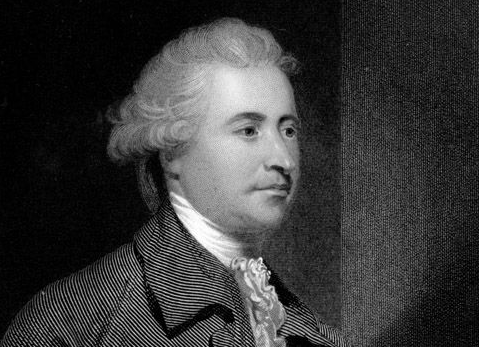
edmund burke

“The only thing nec­es­sary for the tri­umph of evil is for good men to do noth­ing.” It’s a quote rou­tine­ly attrib­uted to Edmund Burke. But it turns out false­ly so. Appar­ent­ly, he nev­er uttered these words. At best, the essence of the quote can be traced back to the util­i­tar­i­an philoso­pher John Stu­art Mill, who deliv­ered an 1867 inau­gur­al address at the Uni­ver­si­ty of St. Andrews and stat­ed: “Let not any one paci­fy his con­science by the delu­sion that he can do no harm if he takes no part, and forms no opin­ion. Bad men need noth­ing more to com­pass their ends, than that good men should look on and do noth­ing. He is not a good man who, with­out a protest, allows wrong to be com­mit­ted in his name, and with the means which he helps to sup­ply, because he will not trou­ble him­self to use his mind on the sub­ject.”

If you came to this page look­ing for Burke to help sup­port ideas of social upheaval, we’d sug­gest watch­ing the video below, or bet­ter yet read­ing Reflec­tions on the Rev­o­lu­tion in France, a fun­da­men­tal text in the canon of con­ser­v­a­tive lit­er­a­ture where Burke cau­tioned against abrupt or vio­lent social change.

If you would like to sign up for Open Culture’s free email newslet­ter, please find it here. It’s a great way to see our new posts, all bun­dled in one email, each day.

If you would like to sup­port the mis­sion of Open Cul­ture, con­sid­er mak­ing a dona­tion to our site. It’s hard to rely 100% on ads, and your con­tri­bu­tions will help us con­tin­ue pro­vid­ing the best free cul­tur­al and edu­ca­tion­al mate­ri­als to learn­ers every­where. You can con­tribute through Pay­Pal, Patre­on, and Ven­mo (@openculture). Thanks!

Relat­ed Con­tent:

1,700 Free Online Cours­es from Top Uni­ver­si­ties

A His­to­ry of Ideas: Ani­mat­ed Videos Explain The­o­ries of Simone de Beau­voir, Edmund Burke & Oth­er Philoso­phers

What Books Did Wun­derkind Philoso­pher J.S. Mill Read Between Ages 3 and 7?: Plato’s Apol­o­gy (in Ancient Greek), Cer­vantes’ Don Quixote & Much More

Jere­my Bentham’s Mum­mi­fied Body Is Still on Display–Much Like Oth­er Aging British Rock Stars

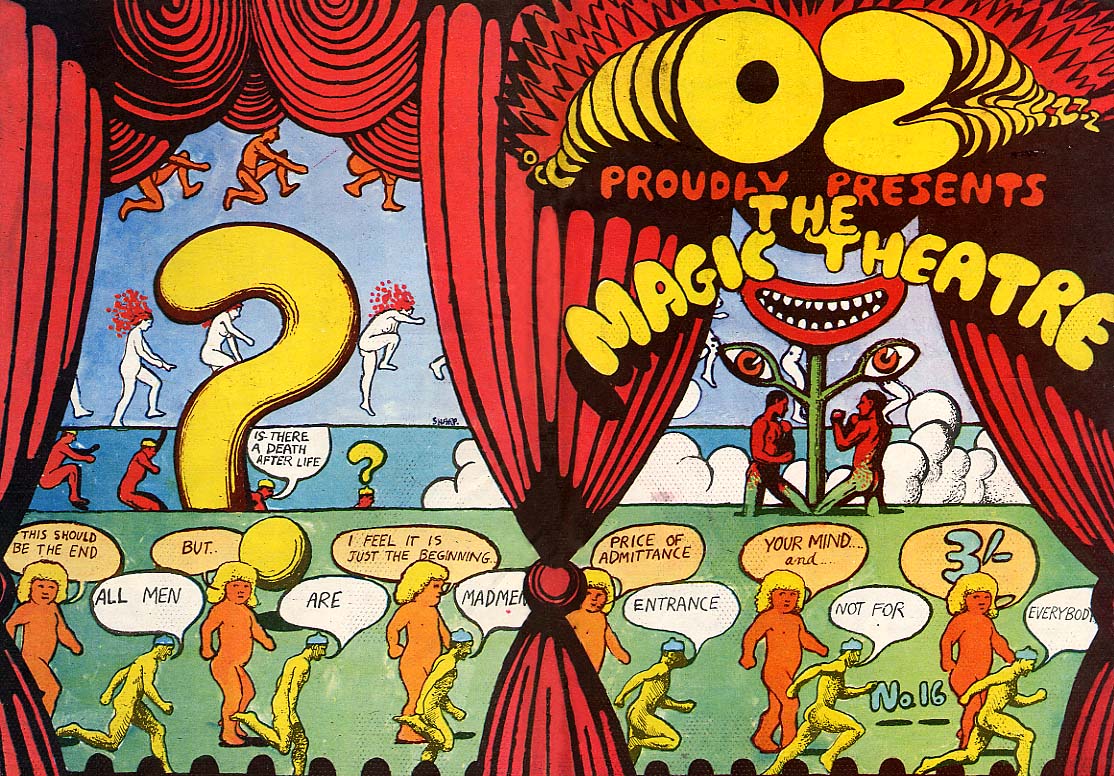
Download the Complete Archive of Oz, “the Most Controversial Magazine of the 60s,” Featuring R. Crumb, Germaine Greer & More

OZ4

“If you remem­ber the six­ties,” goes the famous and var­i­ous­ly attrib­uted quo­ta­tion, “you weren’t real­ly there.” And, psy­cho­log­i­cal after-effects of first-hand expo­sure to that era aside, increas­ing­ly many of us weren’t born any­where near in time to take part.

Those of us from the wrong place or the wrong time have had to draw what under­stand­ing of the six­ties we could from that much-mythol­o­gized peri­od’s music and movies, as well as the cloudy reflec­tions of those who lived through it (or claimed to). But now we can get a much more direct sense through the com­plete dig­i­tal archives of Oz, some­times called the most con­tro­ver­sial mag­a­zine of the six­ties.

oz dylan

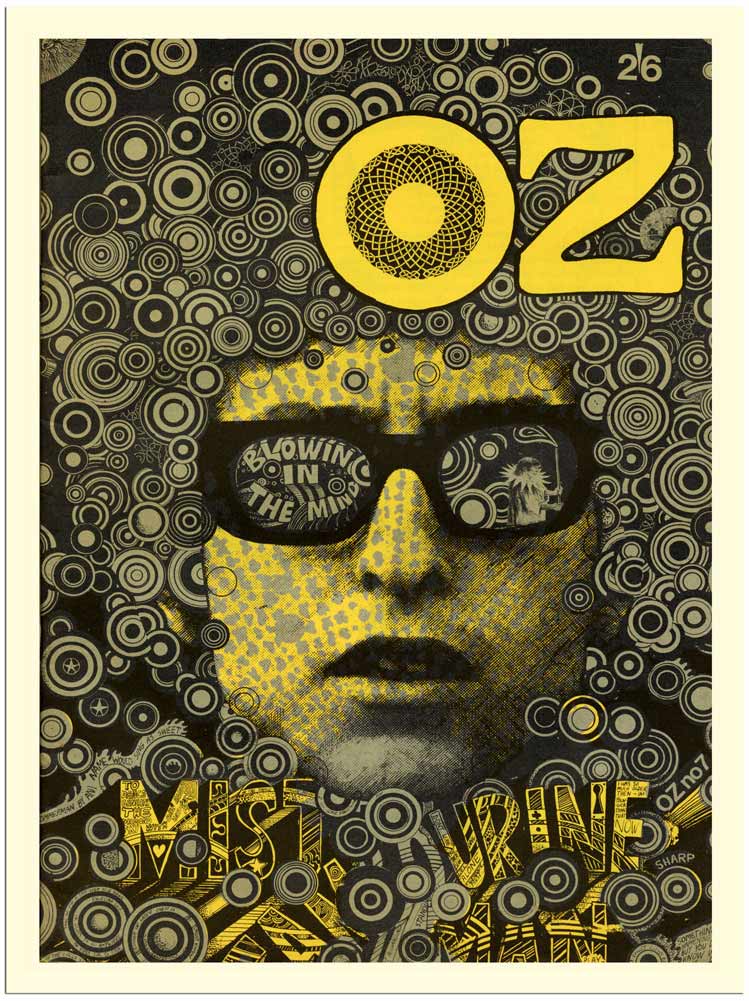
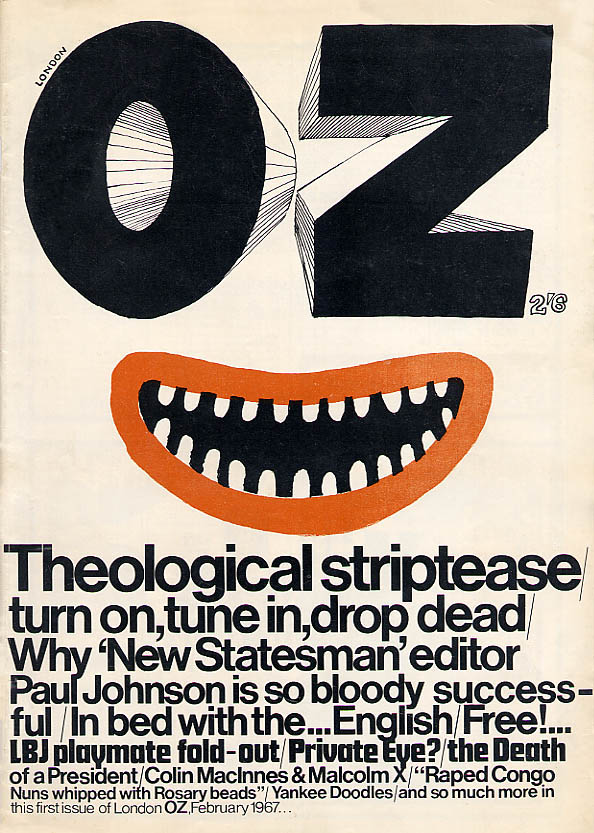
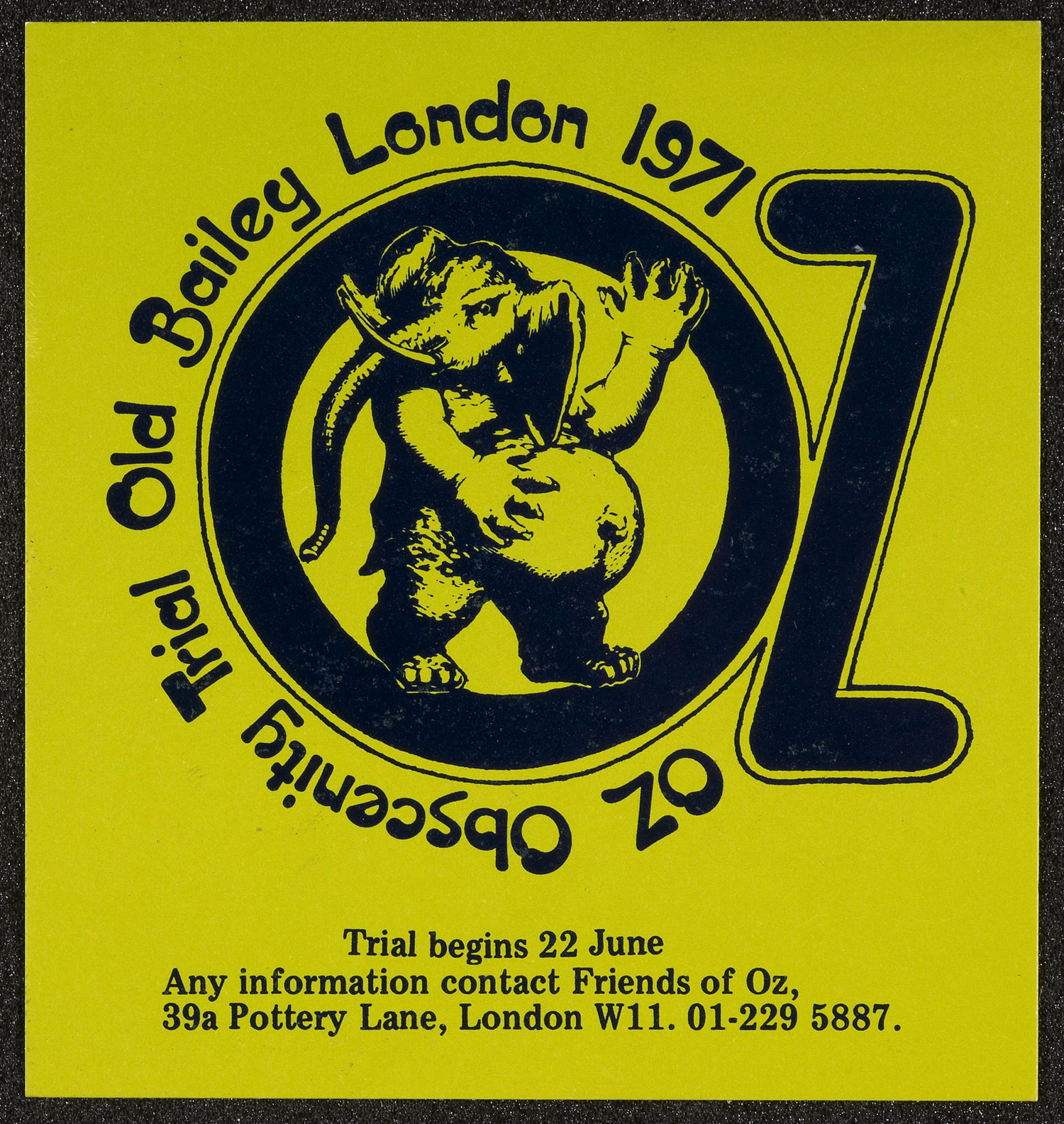
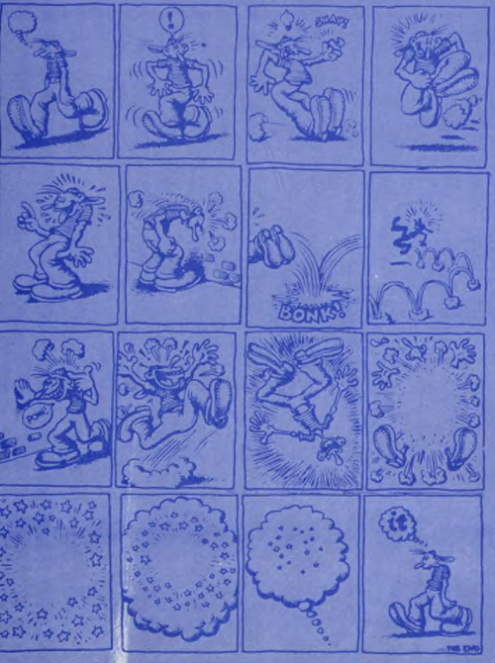
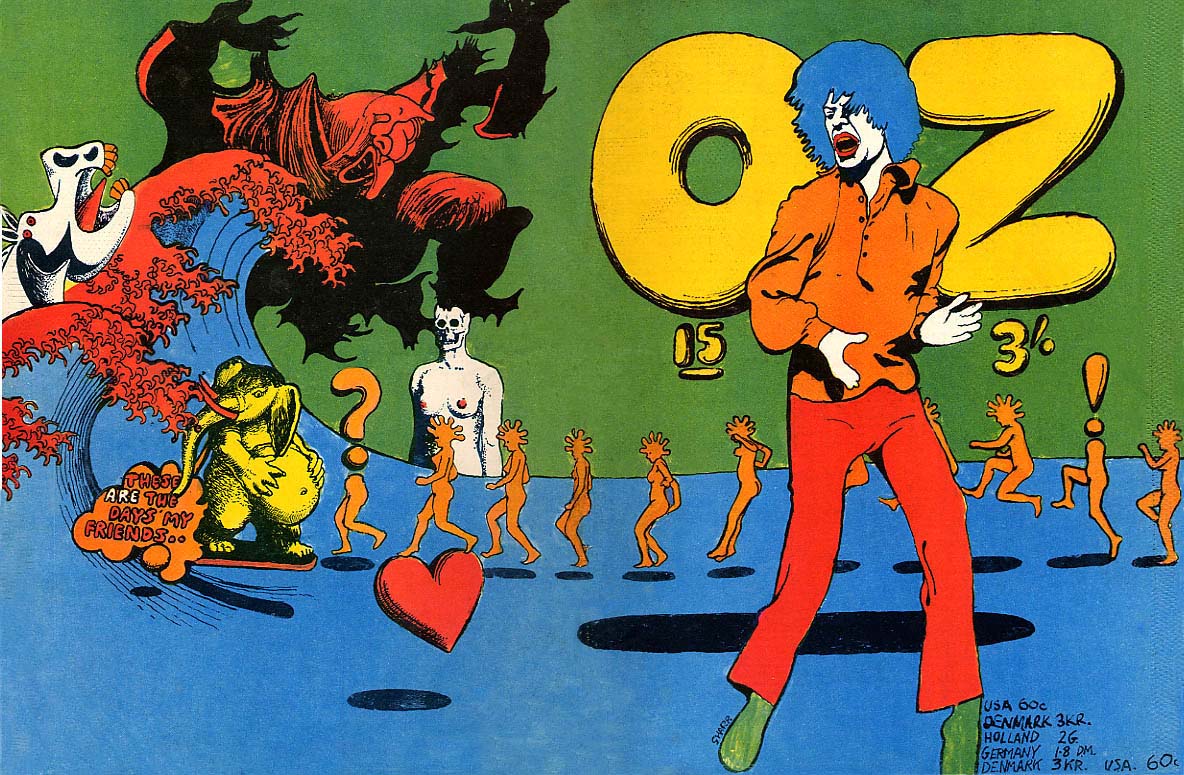
In The Guardian, Chi­tra Ramaswamy describes the Lon­don mag­a­zine as “the icon – and the enfant ter­ri­ble – of the under­ground press. Pro­duced in a base­ment flat off Not­ting Hill Gate, Oz was soon renowned for psy­che­del­ic cov­ers by pop artist Mar­tin Sharp, car­toons by Robert Crumb, rad­i­cal fem­i­nist man­i­festos by Ger­maine Greer, and any­thing else that would send the estab­lish­ment apoplec­tic. By August 1971, it had been the sub­ject of the longest obscen­i­ty tri­al in British his­to­ry. It doesn’t get more 60s than that.” Even its print run, which began in 1967 and end­ed in 1973, per­fect­ly brack­ets the peri­od peo­ple real­ly talk about when they talk about the six­ties.

OZ2

The online archive has gone up at the web site of the Uni­ver­si­ty of Wol­lon­gong, who two years ago put up a sim­i­lar dig­i­tal col­lec­tion of all the issues of Oz’s epony­mous satir­i­cal pre­de­ces­sor pro­duced in Syd­ney. “Please be advised,” notes the front page, “this col­lec­tion has been made avail­able due to its his­tor­i­cal and research impor­tance. It con­tains explic­it lan­guage and images that reflect atti­tudes of the era in which the mate­r­i­al was orig­i­nal­ly pub­lished, and that some view­ers may find con­fronting.” And while Oz today would­n’t like­ly get into the kind of deep and high-pro­file legal trou­ble it did back then — in addi­tion to the famous 1971 tri­al for the Lon­don ver­sion, the Syd­ney one got hit with two obscen­i­ty charges dur­ing the pre­vi­ous decade — the sheer trans­gres­sive zeal on dis­play all over the mag­a­zine’s pages in its hey­day still impress­es.

OZ3

“Fifty years lat­er, it’s impor­tant as a cap­sule of the times, but also as a work of art,” says Michael Organ, a library man­ag­er at the uni­ver­si­ty, in the Guardian arti­cle. “Oz is a record of the cul­tur­al rev­o­lu­tion. Many of the issues it raised, such as the envi­ron­ment, sex­u­al­i­ty and drug use, are no longer con­tentious. In fact, they have now become main­stream.”

Oz Crumb Cartoon

All this goes for the delib­er­ate­ly provoca­tive edi­to­r­i­al con­tent — the stuff some view­ers may find “con­fronting” — as well as the inci­den­tal con­tent: ads for nov­els by Hen­ry Miller and Jean Genet, “dates com­put­er matched to your per­son­al­i­ty and tastes,” a machine promis­ing “a hot line to infinity/journey through the incred­i­ble land­scapes of your mind/kaleidoscopic mov­ing chang­ing image on which your mind projects its own changing/stun your­self & aston­ish friends,” and the “liq­uid lux­u­ry” of the Aquar­ius Water Bed. It does not, indeed, get more six­ties than that. Enter the Oz archive here.

oz15cov

Relat­ed Con­tent:

Tonite Let’s All Make Love in Lon­don (1968): An Insider’s View of 60s Lon­don Coun­ter­cul­ture

R. Crumb Describes How He Dropped LSD in the 60s & Instant­ly Dis­cov­ered His Artis­tic Style

The Con­fes­sions of Robert Crumb: A Por­trait Script­ed by the Under­ground Comics Leg­end Him­self (1987)

62 Psy­che­del­ic Clas­sics: A Free Playlist Cre­at­ed by Sean Lennon

Based in Seoul, Col­in Mar­shall writes and broad­casts on cities, lan­guage, and style. He’s at work on a book about Los Ange­les, A Los Ange­les Primer, the video series The City in Cin­e­ma, the crowd­fund­ed jour­nal­ism project Where Is the City of the Future?, and the Los Ange­les Review of Books’ Korea Blog. Fol­low him on Twit­ter at @colinmarshall or on Face­book.

Download 1800 Fin de Siècle French Posters & Prints: Iconic Works by Toulouse-Lautrec & Many More

Eldorado

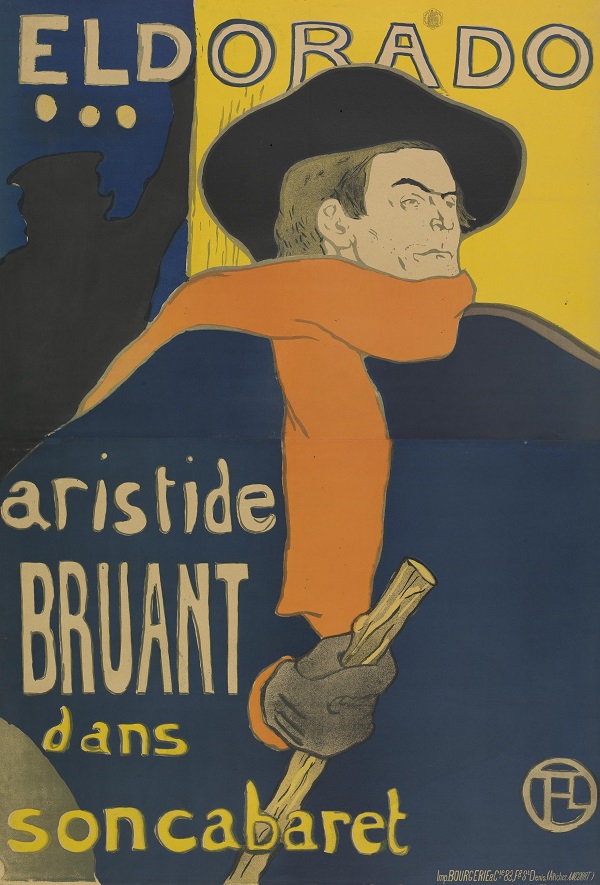
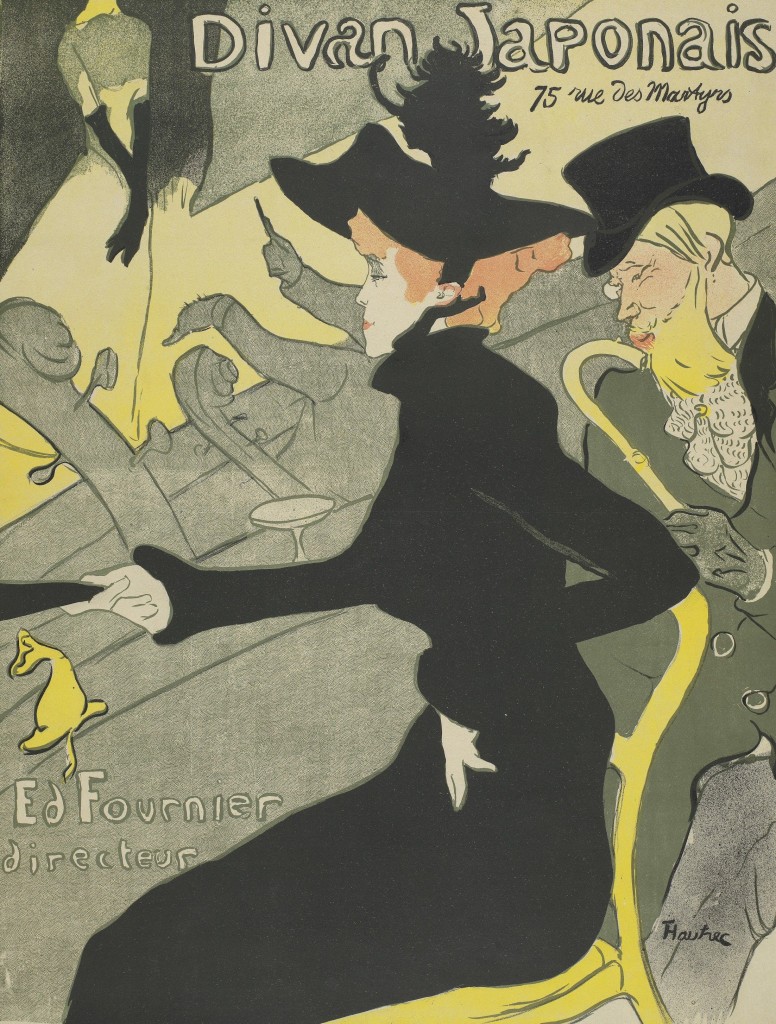
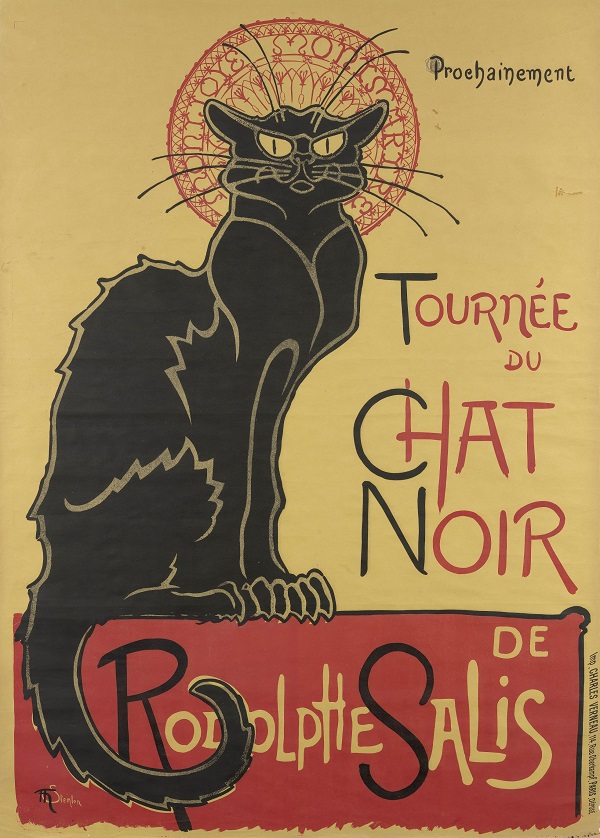
Théophile Stein­len’s poster for Le Chat Noir, Leonet­to Cap­piel­lo’s adver­tise­ment for Café Mar­tin, Hen­ri de Toulouse-Lautrec’s por­traits of the cabaret singer Aris­tide Bru­ant — through these and oth­er much-repro­duced and often-seen images, we’ve all gained some famil­iar­i­ty, how­ev­er uncon­scious, with the art of the fin de siè­cle French print.

But even so, most of us have seen only a small frac­tion of all the strik­ing works of art a late-nine­teenth-cen­tu­ry Parisian would have encoun­tered on the streetscape every day. Until they invent a time machine to drop us straight into the cul­tur­al vibran­cy of that time and place, we’ve got the next best thing in the form of the Van Gogh Muse­um’s online French print col­lec­tion.

“In France, until the mid-nine­teenth cen­tu­ry, the art of print­mak­ing had been used pri­mar­i­ly to repro­duce exist­ing works of art in print, such as paint­ings and sculp­tures, so that they could be avail­able for a broad pub­lic,” says the muse­um’s announce­ment of the online col­lec­tion, which opened in Feb­ru­ary.

french poster3

But in the sec­ond half of the nine­teenth cen­tu­ry, “as artists began to exper­i­ment with the medi­um as a fer­tile mode of cre­ative expres­sion, each print came to be con­sid­ered a work of art in its own right.” In the aes­thet­i­cal­ly explo­sive years between 1890 to 1905, “a new gen­er­a­tion of artists took up the art of print­mak­ing as a mod­ern medi­um,” dri­ven by a “fas­ci­na­tion for mod­ern life, includ­ing the scin­til­lat­ing Paris nightlife, Japan­ese wood­block prints, and the inti­mate domes­tic lifestyle of the well-to-do bour­geois.”

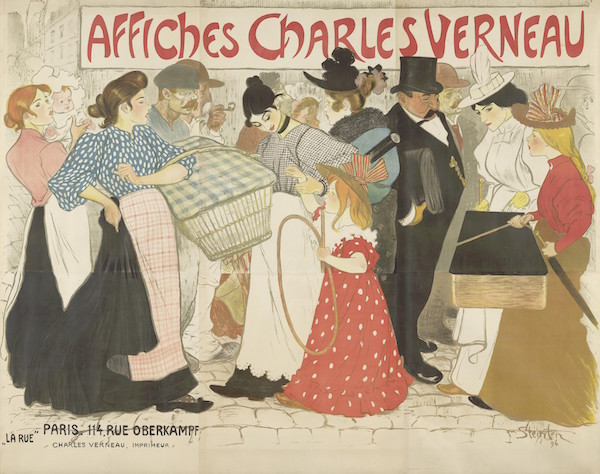
Affiches Charles Verneau

The online col­lec­tion offers not just high-res­o­lu­tion images of near­ly 1800 prints, posters, and books from this move­ment, but infor­ma­tion that “reveals and elab­o­rates on innu­mer­able artis­tic and his­tor­i­cal con­nec­tions using inter­ac­tive tags and hyper­links,” shed­ding light on the “tight­ly knit com­mu­ni­ty” of the Parisian print world, whose “each indi­vid­ual print is con­nect­ed with count­less oth­er prints in many dif­fer­ent ways,” from shared influ­ences to sub­jects to artis­tic tech­niques to types of paper — and even to clients, who quick­ly real­ized the com­mer­cial val­ue of all the eye-catch­ing qual­i­ties pio­neered in this rev­o­lu­tion in repro­ducible visu­al art.

Chat Noir

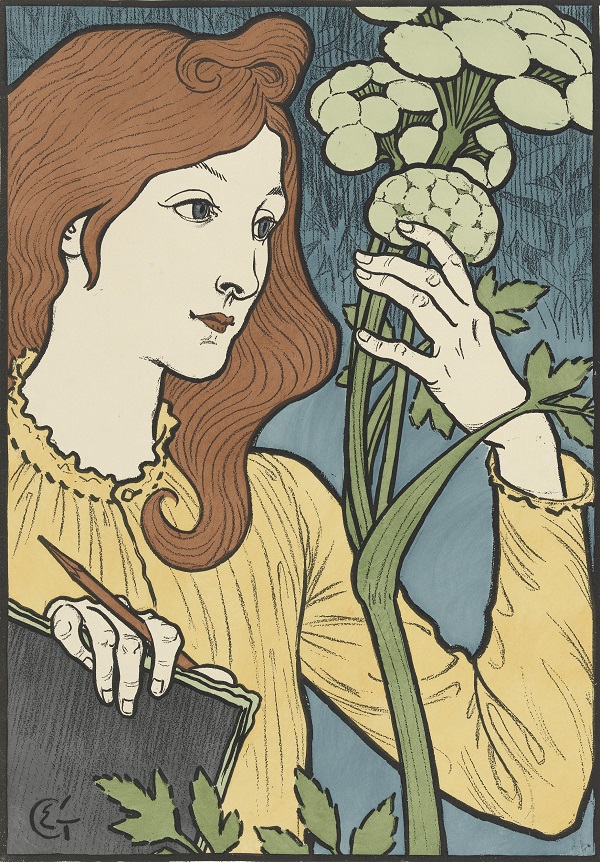
You can browse the col­lec­tion in a vari­ety of ways with its index: by artists like SteinlenToulouse-Lautrec, or Paul Gau­guin; by tech­nique like wood­cut, aquatint, or pho­togravure; by theme like beau­tynightlife, or cap­i­tal­ism; and even by object type, from books to play­bills to all those still-eye-catch­ing adver­tise­ments. To Fran­cophiles, Paris has long stood as a place where even the busi­ness­men care about art. Pre­sum­ably the cof­fee com­pa­nies, eater­ies, bars, music halls, and pub­lish­ers who com­mis­sioned so many of these posters had at least a cer­tain regard for it, but if only they knew what a good bar­gain they were get­ting in pur­chas­ing the atten­tion of con­sumers for about 120 years and count­ing. Enter the com­plete online col­lec­tion of prints here, or click here to see some high­lights.

Salon des Cent

Relat­ed Con­tent:

Down­load 2,000 Mag­nif­i­cent Turn-of-the-Cen­tu­ry Art Posters, Cour­tesy of the New York Pub­lic Library

René Magritte’s Ear­ly Art Deco Adver­tis­ing Posters, 1924–1927

Adver­tise­ments from Japan’s Gold­en Age of Art Deco

Beau­ti­ful, Col­or Pho­tographs of Paris Tak­en 100 Years Ago—at the Begin­ning of World War I & the End of La Belle Époque

Based in Seoul, Col­in Mar­shall writes and broad­casts on cities, lan­guage, and style. He’s at work on a book about Los Ange­les, A Los Ange­les Primer, the video series The City in Cin­e­ma, the crowd­fund­ed jour­nal­ism project Where Is the City of the Future?, and the Los Ange­les Review of Books’ Korea Blog. Fol­low him on Twit­ter at @colinmarshall or on Face­book.

Who the F*@% is Frank Zappa?: Kickstart the Making of the Definitive Frank Zappa Documentary

You may know Alex Win­ter best for his role as Bill S. Pre­ston, Esq. in the 1989 film Bill & Ted’s Excel­lent Adven­ture. But nowa­days, many years lat­er, he’s mak­ing films. And if we can help out, he’ll soon be mak­ing the defin­i­tive doc­u­men­tary of Frank Zap­pa’s life.

On Kick­starter this week, Win­ter announced:

Frank Zap­pa is one of the strangest, most amaz­ing and influ­en­tial fig­ures of our era, but his defin­i­tive sto­ry has nev­er been told.

Now, for the first time, the Zap­pas have giv­en us com­plete, unre­strict­ed access to the con­tents of Frank’s pri­vate vault, and their full bless­ing and sup­port, to tell his sto­ry.

But before we can fin­ish telling his sto­ry, we have to cat­a­log, save, dig­i­tize, and pre­serve a vast archive of unre­leased audio, video, images, doc­u­ments and more.

Togeth­er we can save Frank’s vault.

And when we do, we’ll have every­thing we need to answer the ques­tion:

Who the F*@% is Frank Zap­pa?

Just a few days into the Kick­starter cam­paign, Win­ter has already raised rough­ly half ($231,000) of the total amount ($500,000) need­ed to move for­ward with the project.

Through con­tri­bu­tions large or small, you can help with the oth­er half, and make sure that the defin­i­tive Zap­pa doc­u­men­tary sees the light of day. Con­tribute here.

Relat­ed Con­tent:

Stream 82 Hours of Frank Zap­pa Music: Free Playlists of Songs He Com­posed & Per­formed

Frank Zap­pa Debates Cen­sor­ship on CNN’s Cross­fire (1986)

A Young Frank Zap­pa Turns the Bicy­cle into a Musi­cal Instru­ment on The Steve Allen Show (1963)

by | Permalink | Make a Comment ( 1 ) |

Dick Clark Introduces Jefferson Airplane & the Sounds of Psychedelic San Francisco to America: Yes Parents, You Should Be Afraid (1967)

It must have been odd for “America’s Teenag­er” Dick Clark to watch the almost week­ly rev­o­lu­tions in rock and roll as he con­tin­ued to host Amer­i­can Band­stand through the ‘60s. By the time of the above clip, June 1967, Clark had relo­cat­ed his show from the East Coast to the West, and San Fran­cis­co was export­ing its first round of hip­pie rock bands, with Jef­fer­son Air­plane one of the biggest.

As you’ll see, Clark, dressed as usu­al in suit and tie, asks his young audi­ence if they’ve been to San Fran­cis­co and what they thought of it. “This is where it’s at, that’s where every­thing is hap­pen­ing,” he con­cludes and then gives the stage over to the young and rev­o­lu­tion­ary band.

They mime their way through their two singles–Jack Casady could care less about verisimil­i­tude and makes his way around a gui­tar cov­ered in cables and poor drum­mer Spencer Dry­den just kind of sits there. But Grace Slick, 28 years old or there­abouts, and look­ing like some mag­ick princess, calls the fol­low­ers to the ser­vice. Yeah, it’s good stuff.

That leaves Clark with less than two min­utes to inter­view the band. The Sum­mer of Love is about to kick into high gear a cou­ple of hun­dred miles away.

“Do par­ents have any­thing to wor­ry about?” Clark asks Paul Kant­ner.

“I think so,” he replies. “Their chil­dren are doing things that they didn’t do and they don’t under­stand.”

Relat­ed Con­tent:

Jef­fer­son Air­plane Plays on a New York Rooftop; Jean-Luc Godard Cap­tures It (1968)

Talk­ing Heads’ First TV Appear­ance Was on Amer­i­can Band­stand, and It Was Pret­ty Awk­ward (1979)

Rare Footage of the “Human Be-In,” the Land­mark Counter-Cul­ture Event Held in Gold­en Gate Park, 1967

Ted Mills is a free­lance writer on the arts who cur­rent­ly hosts the artist inter­view-based FunkZone Pod­cast. You can also fol­low him on Twit­ter at @tedmills, read his oth­er arts writ­ing at tedmills.com and/or watch his films here.

Hear the Unique, Original Compositions of George Martin, Beloved Beatles Producer (RIP)

Quin­cy Jones, Phil Spec­tor, Bri­an Wil­son… these are peo­ple who changed the sound of mod­ern music by tak­ing big risks in the stu­dio. But even if these three had not made the albums they’re best known for, they would still be known for their pop­u­lar work as musi­cians and pro­duc­ers. That may not have been the case with per­haps one of the most inno­v­a­tive pro­duc­ers of them all: George Mar­tin, who died this past Tues­day. Had Mar­tin not steered the Bea­t­les through their rad­i­cal trans­for­ma­tion from pop sen­sa­tions to psy­che­del­ic bards, we may not have heard his name out­side of the small worlds of clas­si­cal and film music and British com­e­dy records.

Was he the “fifth Bea­t­le” or more of a pater­nal fig­ure, as Paul McCart­ney wrote yes­ter­day? Is it hyper­bole to call him, as Mick Ron­son did in trib­ute, “the great­est British record pro­duc­er ever”? Maybe not. In any case, just as Mar­tin changed the Beatles—prompting them to recruit Ringo and bring com­plex orches­tra­tions into their arrangements—the Bea­t­les changed Mar­tin, from a rather con­ser­v­a­tive, cau­tious pro­duc­er and com­pos­er to an adven­tur­ous cre­ative force.

That’s not to say that Mar­tin didn’t have an eccen­tric streak before he signed the band that would secure his name in rock and roll his­to­ry. He spent a good bit of his ear­ly career pro­duc­ing nov­el­ty albums. “Time Beat” and “Waltz in Orbit”—his com­po­si­tions at the top of the post, cre­at­ed with Mad­dale­na Fagan­di­ni of the famed BBC Radio­phon­ic Workshop—show an eccen­tric, play­ful side of the but­toned-up pro­duc­er. It was per­haps a side Mar­tin pre­ferred to keep hid­den; he released the sin­gle under a pseu­do­nym, “Ray Cath­ode.”

Just a few months lat­er, Mar­tin audi­tioned the Bea­t­les and brought them into Abbey Road Stu­dios to record their first album. While the band’s ear­ly six­ties records are for­ev­er beloved for their song­writ­ing and per­for­mances, the pro­duc­tion itself didn’t stray far from the con­ven­tion­al. The ear­ly albums, writes Mike Brown at The Tele­graph, “evinced a youth­ful fresh­ness and exu­ber­ance that hint­ed at promise, but showed no great orig­i­nal­i­ty. Cer­tain­ly there was noth­ing that antic­i­pat­ed the flow­er­ing of genius to come.” Like­wise, Martin’s own releas­es at the time, such as the big band orches­tra­tions of Bea­t­les songs from 1964 (fur­ther up) and a lounge-jazz, bossano­va-tinged instru­men­tal ver­sion of Help! from the fol­low­ing year, show none of the wiz­ardry to come in Sgt. Pepper’s or Abbey Road.

After the Bea­t­les’ psy­che­del­ic break, so to speak, in 1966/67, Mar­tin him­self moved in an entire­ly new direc­tion as a com­pos­er, as you can hear in his very Beat­le­sesque “Theme One,” which served, writes Dan­ger­ous Minds, as the “cer­e­mo­ni­al first song” every morn­ing for BBC Radio 1 when it launched in ’67 until the mid-70s. The thrilling­ly Baroque piece of cham­ber pop could eas­i­ly have been an extend­ed out­ro on Sgt. Pepper’s; it shows Mar­tin ful­ly embrac­ing the Bea­t­les’ sound. Hear both the robust orig­i­nal and a tin­nier, more Beatles‑y ver­sion above.

As skilled as he was at cre­at­ing instant­ly rec­og­niz­able exper­i­men­tal pop melodies, Mar­tin nev­er left his clas­si­cal roots far behind. In the video of “A Day in the Life,” above—shot on loca­tion dur­ing record­ing sessions—Martin con­ducts the orches­tra, Brown observes, “in white shirt and bow tie, hair neat­ly trimmed, stout­ly refus­ing to embrace the affec­ta­tions of droop­ing mus­tache and Nehru jack­et that afflict­ed oth­er record pro­duc­ers.” The famed pro­duc­er, “for­ev­er main­tained the calm, unruf­fled demeanour and the stiff-backed sar­to­r­i­al rec­ti­tude of the offi­cer class.”

Martin’s musi­cal dis­ci­pline reigned in and gave shape to the Bea­t­les’ wildest ideas, and gave their most ten­der and dra­mat­ic songs an immen­si­ty and lush­ness that still leaves us in awe. He com­bined con­ven­tion­al and avant-garde sen­si­bil­i­ties seam­less­ly. (As McCart­ney once remarked, Mar­tin was “quite exper­i­men­tal for who he was, a grown-up.”) Just above hear an exam­ple of that syn­the­sis, the sweep­ing, pow­er­ful “Pep­per­land Suite,” com­posed in 1968 for the Yel­low Sub­ma­rine film. It rep­re­sents some of the best orig­i­nal work from an incred­i­ble pro­duc­er who also became, we must remem­ber as we say our good­byes, an astound­ing­ly orig­i­nal com­pos­er.

Relat­ed Con­tent:

George Mar­tin, Leg­endary Bea­t­les Pro­duc­er, Shows How to Mix the Per­fect Song Dry Mar­ti­ni

Inside the Mak­ing of The Bea­t­les’ Sgt. Pepper’s Lone­ly Heart’s Club Band, Rock’s Great Con­cept Album

Here Comes The Sun: The Lost Gui­tar Solo by George Har­ri­son, Dis­cov­ered by George Mar­tin

Josh Jones is a writer and musi­cian based in Durham, NC. Fol­low him at @jdmagness

« Go BackMore in this category... »
Quantcast