Atheist Stanford Biologist Robert Sapolsky Explains How Religious Beliefs Reduce Stress

Let’s put aside for a moment the ques­tion of whether, or which, reli­gion is “true.” If you think this ques­tion is answer­able, you are like­ly already a par­ti­san and have tak­en cer­tain claims on faith. Say we ask whether reli­gion is good for you? What say the sci­en­tists? As always, it depends. For one thing, the kind of reli­gion mat­ters. A 2013 study in the Jour­nal of Reli­gion and Health, for exam­ple, found that “belief in a puni­tive God was pos­i­tive­ly asso­ci­at­ed with four psy­chi­atric symp­toms,” includ­ing gen­er­al anx­i­ety and para­noia, while “belief in a benev­o­lent God was neg­a­tive­ly asso­ci­at­ed with four psy­chi­atric symp­toms.”

So, a cer­tain kind of reli­gion may not be par­tic­u­lar­ly good for us—psychologically and socially—but oth­er kinds of faith can have very ben­e­fi­cial men­tal health effects. Author Robert Wright, vis­it­ing pro­fes­sor of reli­gion and psy­chol­o­gy at Prince­ton, has argued in his lec­tures and his best­selling book Why Bud­dhism is True that the 2500-year-old East­ern reli­gion can lead to enlight­en­ment, of a sort. (He also argues that Bud­dhism and sci­ence most­ly agree.)

And famed Stan­ford neu­roen­docri­nol­o­gist and athe­ist Robert Sapol­sky, author of Why Zebras Don’t Get Ulcers, makes an inter­est­ing case in the Big Think video above that “this reli­gion busi­ness” humans have come up with—this form of “meta­m­ag­i­cal thinking”—has pro­vid­ed a dis­tinct evo­lu­tion­ary advan­tage.

Reli­gion seems to be an almost uni­ver­sal phe­nom­e­non, as Sapolsky—who is him­self an atheist—freely admits. “90 to 95% of peo­ple,” he says, “believe in some sort of omnipo­tent some­thing or oth­er, every cul­ture out there has it.” Rarely do two cul­tures agree on any of the specifics, but reli­gions in gen­er­al, he claims, “are won­der­ful mech­a­nisms for reduc­ing stress.”

It is an awful, ter­ri­fy­ing world out there where bad things hap­pen, we’re all going to die even­tu­al­ly. And believ­ing that there is some­thing, some­one, respon­si­ble for it at least gives some stress reduc­ing attrib­ut­es built around under­stand­ing causal­i­ty. If on top of that, you believe that there is not only some­thing out there respon­si­ble for all this, but that there is a larg­er pur­pose to it, that’s anoth­er lev­el of stress-reduc­ing expla­na­tion.

Fur­ther­more, says Sapol­sky, a benev­o­lent deity offers yet anoth­er lev­el of stress reduc­tion due to feel­ings of “con­trol and pre­dictabil­i­ty.” But benev­o­lence can be par­tial to spe­cif­ic in-groups. If you think you belong to one of them, you’ll feel even safer and more reas­sured. For its abil­i­ty to cre­ate social groups and explain real­i­ty in tidy ways, Reli­gion has “unde­ni­able health ben­e­fits.” This is borne out by the research—a fact Sapol­sky admits he finds “infu­ri­at­ing.” He under­stands why reli­gion exists, and can­not deny its ben­e­fits. He also can­not believe any of it.

Sapol­sky grudg­ing­ly admits in the short clip above that he is awed by the faith of peo­ple like Sis­ter Helen Pre­jean of Dead Man Walk­ing fame, despite and because of her “irra­tional, nut­ty,” and stub­born insis­tence on the impos­si­ble. He has also pre­vi­ous­ly argued that many forms of reli­gios­i­ty can be indis­tin­guish­able from men­tal ill­ness, but they are, para­dox­i­cal­ly, high­ly adap­tive in a chaot­ic, world we know very lit­tle about.

In his inter­view at the top, he pur­sues anoth­er line of thought. If 95% of the human pop­u­la­tion believes in some kind form of super­nat­ur­al agency, “a much more bio­log­i­cal­ly inter­est­ing ques­tion to me is, ‘what’s up with the 5% of athe­ists who don’t do that?’”

It’s a ques­tion he doesn’t answer, and one that may assume too much about that 95%—a sig­nif­i­cant num­ber of whom may sim­ply be rid­ing the band­wag­on or keep­ing their heads down in high­ly reli­gious envi­ron­ments rather than tru­ly believ­ing reli­gious truth claims. In any case, on bal­ance, the answer to our ques­tion of whether reli­gion is good for us, may be a qual­i­fied yes. Believ­ers in benev­o­lence can rejoice in the stress-reduc­ing prop­er­ties of their faith. It might just save their lives, if not their souls. Stress, as Sapol­sky explains in the doc­u­men­tary above, is expo­nen­tial­ly hard­er on the human organ­ism than belief in invis­i­ble all-pow­er­ful beings. Whether or not such beings exist is anoth­er ques­tion entire­ly.

Relat­ed Con­tent:

Biol­o­gy That Makes Us Tick: Free Stan­ford Course by Robert Sapol­sky

Stanford’s Robert Sapol­sky Demys­ti­fies Depres­sion, Which, Like Dia­betes, Is Root­ed in Biol­o­gy

Robert Sapol­sky Explains the Bio­log­i­cal Basis of Reli­gios­i­ty, and What It Shares in Com­mon with OCD, Schiz­o­phre­nia & Epilep­sy

How Bud­dhism & Neu­ro­science Can Help You Change How Your Mind Works: A New Course by Best­selling Author Robert Wright

Josh Jones is a writer and musi­cian based in Durham, NC. Fol­low him at @jdmagness

What Makes a David Lynch Film Lynchian: A Video Essay

As soon as it began air­ing on ABC in the ear­ly 1990s, Twin Peaks got us won­der­ing where its dis­tinc­tive­ly res­o­nant odd­ness, nev­er before felt on the air­waves of prime-time tele­vi­sion, could have come from. Some view­ers had already seen co-cre­ator David Lynch’s films Eraser­head and Blue Vel­vet and may thus have had a more devel­oped feel for it, but for every­one else the nature and ori­gin of the “Lynchi­an” — as crit­ics soon began label­ing it — remained utter­ly mys­te­ri­ous. Now, with the long-await­ed Twin Peaks: The Return hav­ing com­plet­ed its own run, we’ve start­ed think­ing about it once again.

What does the Lynchi­an look like from the van­tage of the 21st cen­tu­ry? David Fos­ter Wal­lace, in an essay on Lynch’s Lost High­way twen­ty years ago, defined the term “Lynchi­an” as refer­ring to “a par­tic­u­lar kind of irony where the very macabre and the very mun­dane com­bine in such a way as to reveal the for­mer’s per­pet­u­al con­tain­ment with­in the lat­ter.” Lewis Bond, the video essay­ist who runs the Youtube chan­nel Chan­nel Criswell, goes a bit deep­er in “David Lynch — The Elu­sive Sub­con­scious.” What is it, he asks, that denotes the style of Lynch? “The same way a hall­way sink­ing into dark­ness is Lynchi­an, so is a white pick­et fence in a slice of Amer­i­cana.”

These and the enor­mous vari­ety of oth­er things Lynchi­an must “exude elu­sive­ness, and the enig­ma of what sig­ni­fies Lynchi­an sen­si­bil­i­ties lies in pro­duc­ing unfa­mil­iar­i­ty in that which was once familiar.“At first glance, that state­ment may seem as obscure as some of Lynch’s cre­ative choic­es do when you first wit­ness them. But spend a few min­utes with Bond’s wide-rang­ing video essay, tak­ing in Lynch’s images at the same time as the analy­sis, and you’ll get a clear­er sense of what both of them are going for. After exam­in­ing Lynch’s use of the sub­con­scious in his films from sev­er­al dif­fer­ent angles, Bond arrives at Pauline Kael’s descrip­tion of the film­mak­er as “the first pop­ulist sur­re­al­ist.”

“Although his work is puz­zling, and more often than not intend­ed to be so,” says Bond, Lynch “still man­ages to strike a chord with the way we feel.” Lynch, in oth­er words, puts dreams on the screen, but instead of sim­ply relat­ing the inven­tions of his own sub­con­scious — hear­ing some­one retell their dreams being, after all, a byword for an ago­niz­ing­ly bor­ing expe­ri­ence — he some­how gets all of us to dream them our­selves. What haunts us when we wake up after a par­tic­u­lar­ly har­row­ing night also haunts us when we come out of a Lynch movie, but the artistry of the lat­ter has a way of mak­ing us want to plunge right back into the night­mare again.

Relat­ed Con­tent:

“The Art of David Lynch”— How Rene Magritte, Edward Hop­per & Fran­cis Bacon Influ­enced David Lynch’s Cin­e­mat­ic Vision

Watch an Epic, 4‑Hour Video Essay on the Mak­ing & Mythol­o­gy of David Lynch’s Twin Peaks

An Ani­mat­ed David Lynch Explains Where He Gets His Ideas

What Does “Kafkaesque” Real­ly Mean? A Short Ani­mat­ed Video Explains

What “Orwellian” Real­ly Means: An Ani­mat­ed Les­son About the Use & Abuse of the Term

Based in Seoul, Col­in Mar­shall writes and broad­casts on cities and cul­ture. His projects include the book The State­less City: a Walk through 21st-Cen­tu­ry Los Ange­les and the video series The City in Cin­e­ma. Fol­low him on Twit­ter at @colinmarshall or on Face­book.


China’s New Luminous White Library: A Striking Visual Introduction

MVRDV, a Dutch archi­tec­ture and urban design firm, teamed up with Chi­nese archi­tects to cre­ate the Tian­jin Bin­hai Library, a mas­sive cul­tur­al cen­ter fea­tur­ing “a lumi­nous spher­i­cal audi­to­ri­um around which floor-to-ceil­ing book­cas­es cas­cade.” Locat­ed not far from Bei­jing, the library was built quick­ly by any stan­dards. It took only three years to move from “the first sketch to the [grand] open­ing” on Octo­ber 1. Elab­o­rat­ing on the library, which can house 1.2 mil­lion books, MVRDV notes:

The building’s mass extrudes upwards from the site and is ‘punc­tured’ by a spher­i­cal audi­to­ri­um in the cen­tre. Book­shelves are arrayed on either side of the sphere and act as every­thing from stairs to seat­ing, even con­tin­u­ing along the ceil­ing to cre­ate an illu­mi­nat­ed topog­ra­phy. These con­tours also con­tin­ue along the two full glass facades that con­nect the library to the park out­side and the pub­lic cor­ri­dor inside, serv­ing as lou­vres to pro­tect the inte­ri­or against exces­sive sun­light whilst also cre­at­ing a bright and even­ly lit inte­ri­or.

The video above gives you a visu­al intro­duc­tion to the build­ing. And, on the MRDV web­site, you can view a gallery of pho­tos that let you see the library’s shape­ly design.

If you would like to sign up for Open Culture’s free email newslet­ter, please find it here. It’s a great way to see our new posts, all bun­dled in one email, each day.

If you would like to sup­port the mis­sion of Open Cul­ture, con­sid­er mak­ing a dona­tion to our site. It’s hard to rely 100% on ads, and your con­tri­bu­tions will help us con­tin­ue pro­vid­ing the best free cul­tur­al and edu­ca­tion­al mate­ri­als to learn­ers every­where. You can con­tribute through Pay­Pal, Patre­on, and Ven­mo (@openculture). Thanks!

Relat­ed Con­tent:

Watch 50+ Doc­u­men­taries on Famous Archi­tects & Build­ings: Bauhaus, Le Cor­busier, Hadid & Many More

A is for Archi­tec­ture: 1960 Doc­u­men­tary on Why We Build, from the Ancient Greeks to Mod­ern Times

A Vir­tu­al Tour of Japan’s Inflat­able Con­cert Hall

by | Permalink | Make a Comment ( 3 ) |

Christopher Hitchens Dismisses the Cult of Ayn Rand: There’s No “Need to Have Essays Advocating Selfishness Among Human Beings; It Requires No Reinforcement”

Charges of hypocrisy, con­tra­dic­tion, “flip-flop­ping,” etc. in pol­i­tics are so much mud thrown at the cas­tle walls. Unless the peas­ants gath­er in large enough num­bers to storm the palace and depose their lords, their right­eous­ness avails them noth­ing. What does it mat­ter to the cur­rent par­ty in pow­er, for example—who wears the nation­al flag like a cape and has decid­ed the civ­il reli­gion and its Evan­gel­i­cal vari­ety are one in the same—that its most-admired role mod­el and (alleged) fix­er is a cor­rupt Russ­ian auto­crat who mur­ders jour­nal­ists (or a Con­fed­er­ate gen­er­al who led the armies of a trea­so­nous slave state)?

So it is, on and on, with the polit­i­cal class.

Take Alan Greenspan, chair­man of the Fed­er­al Reserve from 1987 to 2006. Dur­ing these years, he was wide­ly hailed as a major pow­er behind the throne, no mat­ter the poli­cies of those who occu­pied it. He was “oblig­ed to report,” Christo­pher Hitchens wrote in Van­i­ty Fair in 2000, “to Con­gress only twice a year, at for­mal occa­sions where he is received with the def­er­ence that was once accord­ed the Emper­or of Japan.” I well remem­ber the dowdy fris­son accom­pa­ny­ing those appear­ances in the 90s, the Bill Clin­ton bub­ble years. Hitchens only slight­ly exag­ger­ates. But some­how, Greenspan retained this guru-like aura despite the fact that his posi­tion vio­lat­ed his sin­cere­ly-held beliefs as a mem­ber, he him­self told Hitchens, of Ayn Rand’s “inner cir­cle”

As Hitchens notes in the grainy video clip above, “a state Fed­er­al Reserve Bank is not part of the Lib­er­tar­i­an pro­gram, though Mr. Greenspan seems a bit iffy about this self-evi­dent propo­si­tion.” In addi­tion to cham­pi­oning athe­ism and abor­tion rights, Rand, Greenspan’s “intel­lec­tu­al guru,” defined the rigid ide­o­log­i­cal dis­dain for gov­ern­ment med­dling in mar­kets and social spend­ing of any kind. Yet she end­ed her days on the gov­ern­ment dime. But there are no con­tra­dic­tions for pur­vey­ors of theod­i­cies. Ran­di­ans, or “Objec­tivists,” if they pre­fer, must know that to every­one out­side the cir­cle, the phi­los­o­phy looks like eth­i­cal­ly-bank­rupt cult log­ic, wish­ful think­ing eas­i­ly dis­card­ed when incon­ve­nient. Still, adepts will write to tell us that if we only grasped the gnos­tic rea­son­ing of such-and-such argu­ment, then we too could pierce the veil.

Hitchens dis­pens­es with this pre­tense, not as an anar­cho-com­mu­nist rad­i­cal but as a some­time neo­con­ser­v­a­tive hawk and some­time admir­er of Rand (or at least a knowl­edge­able read­er of her work). “I have some respect for the ‘Virtue of Self­ish­ness,’” he goes on to say in his aside on Rand above—which occurred dur­ing a lec­ture called “The Moral Neces­si­ty of Athe­ism” at Sewa­nee Uni­ver­si­ty in 2004. (In his Van­i­ty Fair essay, Hitchens pro­nounced him­self a “Rand buff.”) And yet, the title of Rand’s col­lec­tion of essays pro­vides him with the rhetor­i­cal essence of his cri­tique, one drawn from a dif­fer­ent strain of virtue—of a reli­gious vari­ety, even. After dis­miss­ing Rand on lit­er­ary grounds, he says:

I don’t think there’s any need to have essays advo­cat­ing self­ish­ness among human beings; I don’t know what your impres­sion has been, but some things require no fur­ther rein­force­ment.

The urbane Hitchens goes on to tell an off-col­or anec­dote about Lil­lian Hell­man with a moral­is­tic under­tone, gets a laugh, and piv­ots to a much old­er the­o­log­i­cal con­flict to bring his point home.

So to have a book stren­u­ous­ly rec­om­mend­ing that peo­ple be more self-cen­tered seems to me, as the Angli­can Church used to say in its cri­tique of Catholi­cism, a work of super-arro­ga­tion. It’s too stren­u­ous.

It’s try­ing too hard, that is, to con­vince us, and itself, per­haps, that its super­sti­tions, self-defens­es, and desires are nat­ur­al law. Rand’s belief sys­tem has so lit­tle intel­lec­tu­al cur­ren­cy among thinkers on the left that few peo­ple spend any time both­er­ing to refute it. But Hitchens did the polit­i­cal cen­ter a ser­vice when he took on defend­ers of Ran­di­an­ism in the media, such as he does in the debate below with David Frum, the now infa­mous neo­con­ser­v­a­tive Cana­di­an speech­writer for George W. Bush. Those who think the health­care debate began with the elec­tion of Barack Oba­ma may be sur­prised to see it con­duct­ed in almost the very same terms in 1996.

Frum defends a ver­sion of the lib­er­tar­i­an view, Hitchens a social demo­c­ra­t­ic per­spec­tive. When Rand’s name inevitably comes up near the end of the dis­cus­sion (4:40), Hitchens artic­u­lates the same views: “I always thought it quaint, and rather touch­ing,” he says with dry irony, “that there is in Amer­i­ca a move­ment that thinks peo­ple are not yet self­ish enough…. It’s some­what refresh­ing to meet peo­ple who man­age to get through their day actu­al­ly believ­ing that.” Like many oth­ers, Hitchens embod­ied a num­ber of con­tra­dic­tions. Among them, per­haps, was his staunch, almost Catholic belief—despite his stren­u­ous objec­tion to religion—that self­ish­ness… too much self­ish­ness, a val­oriza­tion of self­ish­ness, a cult of self­ish­ness… is self-evi­dent­ly a rather sin­ful thing.

Relat­ed Con­tent:

When Ayn Rand Col­lect­ed Social Secu­ri­ty & Medicare, After Years of Oppos­ing Ben­e­fit Pro­grams

Christo­pher Hitchens Cre­ates a Revised List of The 10 Com­mand­ments for the 21st Cen­tu­ry

Flan­nery O’Connor: Friends Don’t Let Friends Read Ayn Rand (1960)

Josh Jones is a writer and musi­cian based in Durham, NC. Fol­low him at @jdmagness

What Do Aliens Look Like? Oxford Astrobiologists Draw a Picture, Based on Darwinian Theories of Evolution


When Charles Dar­win laid out his the­o­ry of nat­ur­al selec­tion in 1859, lit­tle could he have imag­ined that, a good 150 years lat­er, this cor­ner­stone of evo­lu­tion­ary the­o­ry might help us form a men­tal pic­ture of what alien life looks like. But that’s pre­cise­ly how a group of researchers from Oxford Uni­ver­si­ty have done: In a research paper called “Dar­win’s Aliens,” they’ve applied Dar­win’s the­o­ry to alien life, posit­ing that aliens–like humans–adapt to their envi­ron­ment, under­go nat­ur­al selec­tion, and move from sim­ple to com­plex life forms. And, by the end, they could plau­si­bly look some­thing like a “colony of Ewoks from Star Wars or the Octomite” pic­tured above.

You can read “Dar­win’s Aliens” in the Inter­na­tion­al Jour­nal of Astro­bi­ol­o­gy. It’s pub­lished on the Cam­bridge Core web­site.

If you would like to sign up for Open Culture’s free email newslet­ter, please find it here. It’s a great way to see our new posts, all bun­dled in one email, each day.

If you would like to sup­port the mis­sion of Open Cul­ture, con­sid­er mak­ing a dona­tion to our site. It’s hard to rely 100% on ads, and your con­tri­bu­tions will help us con­tin­ue pro­vid­ing the best free cul­tur­al and edu­ca­tion­al mate­ri­als to learn­ers every­where. You can con­tribute through Pay­Pal, Patre­on, and Ven­mo (@openculture). Thanks!

via The Guardian

Relat­ed Con­tent:

Carl Sagan Sent Music & Pho­tos Into Space So That Aliens Could Under­stand Human Civ­i­liza­tion (Even After We’re Gone)

Free NASA eBook The­o­rizes How We Will Com­mu­ni­cate with Aliens

The CIA Puts Hun­dreds of Declas­si­fied Doc­u­ments About UFO Sight­ings Online, Plus 10 Tips for Inves­ti­gat­ing Fly­ing Saucers

Carl Jung’s Fas­ci­nat­ing 1957 Let­ter on UFOs

by | Permalink | Make a Comment ( 2 ) |

Hear the Highest Note Sung in the 137-Year History of the Metropolitan Opera

You may have heard an A above high C the last time you acci­den­tal­ly stepped on your cat’s tail, but it takes a com­bi­na­tion of rig­or­ous train­ing, genet­ic luck, and sheer grit for a human to pro­duce this note on cue.

Accord­ing to all known records, the col­oratu­ra sopra­no, Audrey Luna, is the first such being in the Met­ro­pol­i­tan Opera’s 137-year his­to­ry to do so on its stage, an achieve­ment that has all the opera dogs bark­ing. Hear it in the NPR clip below.

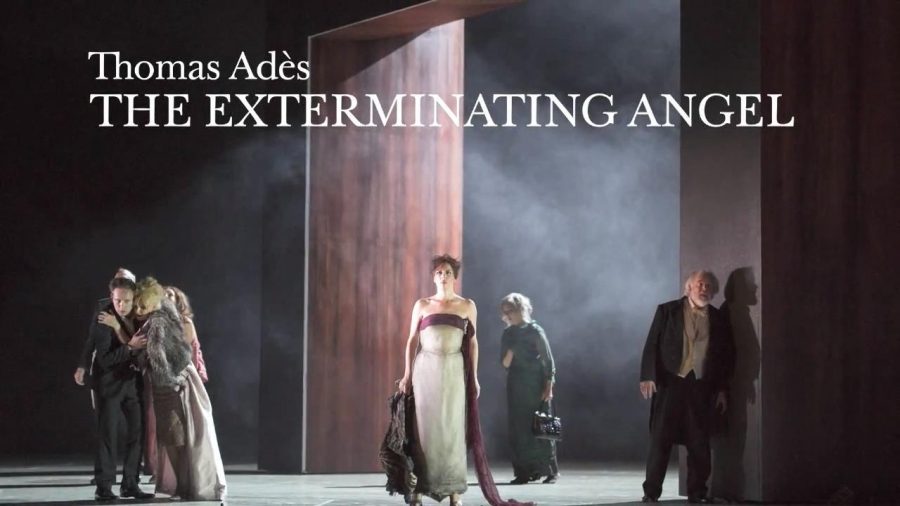
Some purists view the rare note as a dis­taste­ful stunt on the part of com­pos­er Thomas Adès. The score of his new opera, The Exter­mi­nat­ing Angel, based on the Luis Buñuel film, also calls for minia­ture 1/32-size vio­lins, a pair of rocks, a wood­en sal­ad bowl, a door, and an ondes Martenot—an elec­tron­ic instru­ment from 1928.

Oth­ers are bedaz­zled by Luna’s his­to­ry-mak­ing pipes. She makes her entrance on that high A, and hits it again short­ly there­after, as Leti­cia, a diva who rolls up to a din­ner par­ty fol­low­ing a per­for­mance of Donizetti’s Lucia di Lam­mer­moor. (The title role of that one—a part Luna has played, natch—is anoth­er that demands stratos­pher­ic notes of its per­form­ers, set­ting records at opera hous­es around the world.)

See below for more of Luna’s dizzy­ing highs, includ­ing her some­what NSFW per­for­mance as Olympia, the mechan­i­cal doll in Offenbach’s Les Con­tes d’Hoffmann

If you’re mad enough to try it your­self, please let us know how high you get in the com­ments below.

via NYTimes

Relat­ed Con­tent:

The Enchant­i­ng Opera Per­for­mances of Klaus Nomi

How to Sing Two Notes At Once (aka Poly­phon­ic Over­tone Singing): Lessons from Singer Anna-Maria Hefele

Alan Tur­ing Gets Chan­neled in a New Opera: Hear Audio from The Life And Death(S) Of Alan Tur­ing

Ayun Hal­l­i­day is an author, illus­tra­tor, the­ater mak­er and Chief Pri­ma­tol­o­gist of the East Vil­lage Inky zine.  Fol­low her @AyunHalliday.

Why Did Leonardo da Vinci Write Backwards? A Look Into the Ultimate Renaissance Man’s “Mirror Writing”

As the stand­out exam­ple of the “Renais­sance Man” ide­al, Leonar­do da Vin­ci racked up no small num­ber of accom­plish­ments in his life. He also had his eccen­tric­i­ties, and tried his hand at a num­ber of exper­i­ments that might look a bit odd even to his admir­ers today. In the case of one prac­tice he even­tu­al­ly mas­tered and with which he stuck, he tried his hand in a more lit­er­al sense than usu­al: Leonar­do, the evi­dence clear­ly shows, had a habit of writ­ing back­wards, start­ing at the right side of the page and mov­ing to the left.

“Only when he was writ­ing some­thing intend­ed for oth­er peo­ple did he write in the nor­mal direc­tion,” says the Muse­um of Sci­ence. Why did he write back­wards? That remains one of the host of so far unan­swer­able ques­tions about Leonar­do’s remark­able life, but “one idea is that it may have kept his hands clean. Peo­ple who were con­tem­po­raries of Leonar­do left records that they saw him write and paint left hand­ed. He also made sketch­es show­ing his own left hand at work. As a lefty, this mir­rored writ­ing style would have pre­vent­ed him from smudg­ing his ink as he wrote.”

Or Leonar­do could have devel­oped his “mir­ror writ­ing” out of fear, a hypoth­e­sis acknowl­edged even by books for young read­ers: “Through­out his life, he was wor­ried about the pos­si­bil­i­ty of oth­ers steal­ing his ideas,” writes Rachel A. Koestler-Grack in Leonar­do Da Vin­ci: Artist, Inven­tor, and Renais­sance Man“The obser­va­tions in his note­books were writ­ten in such a way that they could be read only by hold­ing the books up to a mir­ror.” The blog Walk­er’s Chap­ters makes a rep­re­sen­ta­tive coun­ter­ar­gu­ment: “Do you real­ly think that a man as clever as Leonar­do thought it was a good way to pre­vent peo­ple from read­ing his notes? This man, this genius, if he tru­ly want­ed to make his notes read­able only to him­self, he would’ve invent­ed an entire­ly new lan­guage for this pur­pose. We’re talk­ing about a dude who con­cep­tu­al­ized para­chutes even before heli­copters were a thing.”

Per­haps the most wide­ly seen piece of Leonar­do’s mir­ror writ­ing is his notes on Vit­ru­vian Man (a piece of which appears at the top of the post), his enor­mous­ly famous draw­ing that fits the pro­por­tions of the human body into the geom­e­try of both a cir­cle and a square (and whose ele­gant math­e­mat­ics we fea­tured last week). Many exam­ples of mir­ror writ­ing exist after Leonar­do, from his coun­try­man Mat­teo Zac­col­in­i’s 17th-cen­tu­ry trea­tise on col­or to the 18th- and 19th-cen­tu­ry cal­lig­ra­phy of the Ottoman Empire to the front of ambu­lances today. Each of those has its func­tion, but one won­ders whether as curi­ous a mind as Leonar­do’s would want to write back­wards sim­ply for the joy of mas­ter­ing and using a skill, any skill, how­ev­er much it might baf­fle oth­ers — or indeed, because it might baf­fle them.

If you’re inter­est­ed in all things da Vin­ci, make sure you check out the new best­selling biog­ra­phy, Leonar­do da Vin­ci, by Wal­ter Isaac­son.

Relat­ed Con­tent:

The Ele­gant Math­e­mat­ics of Vit­ru­vian Man, Leonar­do da Vinci’s Most Famous Draw­ing: An Ani­mat­ed Intro­duc­tion

Down­load the Sub­lime Anato­my Draw­ings of Leonar­do da Vin­ci: Avail­able Online, or in a Great iPad App

Leonar­do da Vinci’s Bizarre Car­i­ca­tures & Mon­ster Draw­ings

Leonar­do da Vinci’s Vision­ary Note­books Now Online: Browse 570 Dig­i­tized Pages

Leonar­do da Vinci’s Hand­writ­ten Resume (1482)

Leonar­do Da Vinci’s To Do List (Cir­ca 1490) Is Much Cool­er Than Yours

Based in Seoul, Col­in Mar­shall writes and broad­casts on cities and cul­ture. His projects include the book The State­less City: a Walk through 21st-Cen­tu­ry Los Ange­les and the video series The City in Cin­e­ma. Fol­low him on Twit­ter at @colinmarshall or on Face­book.

Filmmaker Creates a Luxury-Style Car Commercial to Sell a 21-Year-Old Used Honda Accord

This is not your aver­age car com­mer­cial. It has the look and feel of the lux­u­ry car com­mer­cials you’ve seen so many times. And yet it fea­tures a car with 141,095 miles on it. Film­mak­er Max Lan­man cre­at­ed the ad to help his girl­friend sell her used 1996 Hon­da Accord. For rea­sons you’ll quick­ly under­stand, the video went viral, clocked more than 5 mil­lion views this past week, and when the car was list­ed on eBay, bids soared to $150,000–before eBay appar­ent­ly pulled the plug “due to con­cerns around ille­git­i­mate bid­ding.” Enjoy the ad. And remem­ber, “Lux­u­ry is a state of mind.”

If you would like to sign up for Open Culture’s free email newslet­ter, please find it here. It’s a great way to see our new posts, all bun­dled in one email, each day.

If you would like to sup­port the mis­sion of Open Cul­ture, con­sid­er mak­ing a dona­tion to our site. It’s hard to rely 100% on ads, and your con­tri­bu­tions will help us con­tin­ue pro­vid­ing the best free cul­tur­al and edu­ca­tion­al mate­ri­als to learn­ers every­where. You can con­tribute through Pay­Pal, Patre­on, and Ven­mo (@openculture). Thanks!

Relat­ed Con­tent:

178,000 Images Doc­u­ment­ing the His­to­ry of the Car Now Avail­able on a New Stan­ford Web Site

Hunter S. Thompson’s Edgy 1990s Com­mer­cial for Apple’s Mac­in­tosh Com­put­er: A Med­i­ta­tion on Pow­er

Jim Henson’s Com­mer­cials for Wilkins Cof­fee: 15 Twist­ed Min­utes of Mup­pet Cof­fee Ads (1957–1961)


by | Permalink | Make a Comment ( 1 ) |

« Go BackMore in this category... »
Quantcast