Artificial Intelligence Writes a Piece in the Style of Bach: Can You Tell the Difference Between JS Bach and AI Bach?

This week, the arti­fi­cial intel­li­gence com­mu­ni­ty Bot­nik pub­lished a 2018 Coachel­la Line­up poster com­posed entire­ly of per­former names gen­er­at­ed by neur­al net­works. It does get one won­der­ing what the music of “Lil Hack,” “House of the Gavins,” or “Paper Cop” might sound like — or, giv­en the direc­tion of tech­nol­o­gy these days, how long it will take before anoth­er neur­al net­work can actu­al­ly com­pose it. But why use AI to cre­ate yet anoth­er mil­len­ni­al-mind­ed Coachel­la act, you might ask, when it could cre­ate anoth­er Johann Sebas­t­ian Bach?

“One form of music that Bach excelled in was a type of poly­phon­ic hymn known as a chorale can­ta­ta,” says the MIT Tech­nol­o­gy Review. “The com­pos­er starts with a well-known tune which is sung by the sopra­no and then com­pos­es three har­monies sung by the alto, tenor, and bass voic­es.” Such com­po­si­tions “have attract­ed com­put­er sci­en­tists because the process of pro­duc­ing them is step-like and algo­rith­mic. But doing this well is also hard because of the del­i­cate inter­play between har­mo­ny and melody.” Hence the fas­ci­na­tion of the ques­tion of whether a com­put­er could ever com­pose a tru­ly Bach-like chorale.

The video at the top of the post offers a lis­ten­ing expe­ri­ence that points toward an answer. The minute-long piece you hear, and whose score you see, comes not from Bach him­self, nor from any human Bach imi­ta­tor, but from a neur­al net­work called Deep­Bach, a sys­tem devel­oped by Gae­tan Had­jeres and Fran­cois Pachet at the Sony Com­put­er Sci­ence Lab­o­ra­to­ries in Paris.

Like any such deep learn­ing sys­tem, the more exist­ing mate­r­i­al it has to “learn” from, the more con­vinc­ing a prod­uct it can pro­duce on its own: just as Bot­nik’s net­work could learn from all the band names fea­tured on Coachel­la posters since 1999, Deep­Bach could learn from the more than 300 short chorale com­po­si­tions the real Bach wrote in his life­time.

“About half the time,” says the MIT Tech­nol­o­gy Review, “these com­po­si­tions fool human experts into think­ing they were actu­al­ly writ­ten by Bach.” But of course, this sort of arti­fi­cial intel­li­gence has a greater and more diverse poten­tial than trick­ing its lis­ten­ers, as oth­er exper­i­ments at Sony CSL-Paris sug­gest: the AI-com­posed “Bea­t­les” song “Dad­dy’s Car,” for instance, or the “Flow Machine” that re-inter­prets Beethoven’s “Ode to Joy” in the style of the Bea­t­les, Take 6, and even elec­tron­ic lounge music. But we won’t know the tech­nol­o­gy has matured until the day we find our­selves book­ing tick­ets for arti­fi­cial intel­li­gence-com­posed music fes­ti­vals.

via  MIT Tech­nol­o­gy Review

Relat­ed Con­tent:

Arti­fi­cial Intel­li­gence Pro­gram Tries to Write a Bea­t­les Song: Lis­ten to “Daddy’s Car”

Arti­fi­cial Intel­li­gence Cre­ativ­i­ty Machine Learns to Play Beethoven in the Style of The Bea­t­les’ “Pen­ny Lane”

Hear What Music Sounds Like When It’s Cre­at­ed by Syn­the­siz­ers Made with Arti­fi­cial Intel­li­gence

Google Launch­es Free Course on Deep Learn­ing: The Sci­ence of Teach­ing Com­put­ers How to Teach Them­selves

Neur­al Net­works for Machine Learn­ing: A Free Online Course

Based in Seoul, Col­in Mar­shall writes and broad­casts on cities and cul­ture. His projects include the book The State­less City: a Walk through 21st-Cen­tu­ry Los Ange­les and the video series The City in Cin­e­ma. Fol­low him on Twit­ter at @colinmarshall or on Face­book.

The Largest Early Map of the World Gets Assembled for the First Time: See the Huge, Detailed & Fantastical World Map from 1587

We in the ear­ly 21st cen­tu­ry can call up detailed maps of almost any place on Earth with lit­tle more effort than typ­ing its name. Most of us can dim­ly recall a time when it was­n’t quite so easy, but imag­ine try­ing to sat­is­fy your geo­graph­i­cal curios­i­ty in not just decades but cen­turies past. For the 16th-cen­tu­ry Milanese gen­tle­man schol­ar Urbano Monte, fig­ur­ing out what the whole world looked like turned into an enor­mous project, in terms of both effort and sheer size. In 1587, he cre­at­ed his “plani­sphere” map as a 60-page man­u­script, and only now have researchers assem­bled it into a sin­gle piece, ten feet square, the largest known ear­ly map of the world. View it above, or in a larg­er for­mat here.

“Monte appears to have been quite geo-savvy for his day,” writes Nation­al Geo­graph­ic’s Greg Miller, not­ing that “he includ­ed recent dis­cov­er­ies of his time, such as the islands of Tier­ra del Fuego at the tip of South Amer­i­ca, first sight­ed by the Por­tuguese explor­er Fer­di­nand Mag­el­lan in 1520,” as well as an uncom­mon­ly detailed Japan based on infor­ma­tion gath­ered from a vis­it with the first offi­cial Japan­ese del­e­ga­tion to Europe in 1585.

And in accor­dance with the map­mak­ing style of the time, he got more fan­ci­ful in the less-under­stood spaces: “Ani­mals roam the land, and his oceans teem with ships and mon­sters. King Philip II of Spain rides what looks like a float­ing throne off the coast of South Amer­i­ca, a nod to Span­ish promi­nence on the high seas.”


“Mon­te’s map reminds us of why his­tor­i­cal maps are so impor­tant as pri­ma­ry resources,” says Stan­ford Uni­ver­si­ty’s David Rum­sey Map Col­lec­tion, which holds one of only three extant ver­sions of the map and which con­duct­ed the dig­i­tal project of scan­ning each of its pages and assem­bling them into a whole. Not only does its then-unusu­al (but now long stan­dard in avi­a­tion) north polar azimuthal pro­jec­tion show Mon­te’s use of “the advanced sci­en­tif­ic ideas of his time,” but the “the artistry in draw­ing and dec­o­rat­ing the map embod­ies design at the high­est lev­el; and the view of the world then gives us a deep his­tor­i­cal resource with the list­ing of places, the shape of spaces, and the com­men­tary inter­wo­ven into the map.”

You can see/download Mon­te’s plani­sphere in detail at the David Rum­sey Map Col­lec­tion, both as a col­lec­tion of indi­vid­ual pages and as a ful­ly assem­bled world map. There you can also read, in PDF form, car­to­graph­ic his­to­ri­an Dr. Kather­ine Park­er’s “A Mind at Work: Urbano Mon­te’s 60-Sheet Man­u­script World Map.” And to bring this mar­vel of 16th-cen­tu­ry car­tog­ra­phy around to a con­nec­tion with a mar­vel of 21st-cen­tu­ry car­tog­ra­phy, they’ve also tak­en Mon­te’s plani­sphere and made it into a three-dimen­sion­al mod­el in Google Earth, a map­ping tool that Monte could scarce­ly have imag­ined — even though, as a close look at his work reveals, he cer­tain­ly did­n’t lack imag­i­na­tion.

via Hyper­al­ler­gic

Relat­ed Con­tent:

Down­load 67,000 His­toric Maps (in High Res­o­lu­tion) from the Won­der­ful David Rum­sey Map Col­lec­tion

The His­to­ry of Car­tog­ra­phy, the “Most Ambi­tious Overview of Map Mak­ing Ever,” Now Free Online

The “True Size” Maps Shows You the Real Size of Every Coun­try (and Will Change Your Men­tal Pic­ture of the World)

Japan­ese Design­ers May Have Cre­at­ed the Most Accu­rate Map of Our World: See the Autha­Graph

Watch the His­to­ry of the World Unfold on an Ani­mat­ed Map: From 200,000 BCE to Today

Based in Seoul, Col­in Mar­shall writes and broad­casts on cities and cul­ture. His projects include the book The State­less City: a Walk through 21st-Cen­tu­ry Los Ange­les and the video series The City in Cin­e­ma. Fol­low him on Twit­ter at @colinmarshall or on Face­book.

Massive New Database Will Finally Allow Us to Identify Enslaved Peoples and Their Descendants in the Americas

Through­out the his­to­ry of the so-called “New World,” peo­ple of African descent have faced a yawn­ing chasm where their ances­try should be. Peo­ple bought and sold to labor on plan­ta­tions lost not only their names but their con­nec­tions to their lan­guage, tra­di­tion, and cul­ture. Very few who descend from this painful lega­cy know exact­ly where their ances­tors came from. The sit­u­a­tion con­tributes to what Toni Mor­ri­son calls the “dehis­tori­ciz­ing alle­go­ry” of race, a con­di­tion of “fore­clo­sure rather than dis­clo­sure.” To com­pound the loss, most descen­dants of slaves have been unable to trace their ances­try fur­ther back than 1870, the first year in which the Cen­sus list­ed African Amer­i­cans by name.

But the recent work of sev­er­al enter­pris­ing schol­ars is help­ing to dis­close the his­to­ries of enslaved peo­ple in the Amer­i­c­as. For exam­ple, The Freedman’s Bureau Project has made 1.5 mil­lion doc­u­ments avail­able to the pub­lic, in a search­able data­base that com­bines tra­di­tion­al schol­ar­ship with dig­i­tal crowd­sourc­ing.

And now, a just-announced Michi­gan State Uni­ver­si­ty project—sup­port­ed by a $1.5 mil­lion grant from the Mel­lon Foundation—will seek to “change the way schol­ars and the pub­lic under­stand African slav­ery.” Called “Enslaved: The Peo­ple of the His­toric Slave Trade,” the mul­ti-phase endeav­or is expect­ed to take 18 months to com­plete an “online hub,” reports Smith­son­ian, link­ing togeth­er dozens of data­bas­es from all over the world.

“By link­ing data col­lec­tions from mul­ti­ple uni­ver­si­ties,” writes MSU Today, the result­ing web­site “will allow peo­ple to search mil­lions of pieces of slave data to iden­ti­fy enslaved indi­vid­u­als and their descen­dants from a cen­tral source. Users can also run analy­ses of enslaved pop­u­la­tions and cre­ate maps, charts and graph­ics.” The project is head­ed by MSU’s Dean Rehberg­er, direc­tor of Matrix: The Cen­ter for Dig­i­tal Human­i­ties and Social Sci­ences at MSU; Ethan Watrall, assis­tant pro­fes­sor of anthro­pol­o­gy; and Wal­ter Hawthorne, pro­fes­sor and chair of MSU’s his­to­ry depart­ment and a spe­cial­ist in African and African Amer­i­can his­to­ry.

In addi­tion to pub­lish­ing sev­er­al books on the Atlantic slave trade, Hawthorne has worked on pre­vi­ous dig­i­tal his­to­ry projects like the web­site Slave Biogra­phies, which com­piles infor­ma­tion on the “names, eth­nic­i­ties, skills, occu­pa­tions, and ill­ness­es” of enslaved indi­vid­u­als in Maran­hão, Brazil and colo­nial Louisiana. In the video above, you can see him describe this lat­est project, which coin­cides with MSU’s “Year of Glob­al Africa,” an 18-month cel­e­bra­tion of the university’s many part­ner­ships on the con­ti­nent and “through­out the African Dias­po­ra.”

Dig­i­tal his­to­ry projects like those spear­head­ed by Hawthorne and oth­er researchers help not only schol­ars but also the gen­er­al pub­lic devel­op a much more nuanced under­stand­ing of the his­to­ry of slav­ery. These tools pro­vide a wealth of infor­ma­tion, but they can­not tru­ly cap­ture the emo­tion­al and psy­cho­log­i­cal impact of the his­to­ry. For such an under­stand­ing, Mor­ri­son said in the first of her 2016 Har­vard Nor­ton lec­tures, “I look to lit­er­a­ture for guid­ance.”

via Smith­son­ian Mag­a­zine

Relat­ed Con­tent:

African-Amer­i­can His­to­ry: Mod­ern Free­dom Strug­gle (A Free Course from Stan­ford)

1.5 Mil­lion Slav­ery Era Doc­u­ments Will Be Dig­i­tized, Help­ing African Amer­i­cans to Learn About Their Lost Ances­tors

The Anti-Slav­ery Alpha­bet: 1846 Book Teach­es Kids the ABCs of Slavery’s Evils

Albert Ein­stein Explains How Slav­ery Has Crip­pled Everyone’s Abil­i­ty (Even Aristotle’s) to Think Clear­ly About Racism

Josh Jones is a writer and musi­cian based in Durham, NC. Fol­low him at @jdmagness

A YouTube Channel Completely Devoted to Medieval Sacred Music: Hear Gregorian Chant, Byzantine Chant & More

The artists of medieval Europe, at least accord­ing to the impres­sion we get in his­to­ry class, gave far less con­sid­er­a­tion to the world around them than the world above. His­to­ri­ans argue about how much that gen­er­al atti­tude hin­dered the improve­ment of the human lot dur­ing those ten cen­turies or so, but even we denizens of the 21st cen­tu­ry can feel that the imag­i­na­tions of the Mid­dle Ages did tap into some­thing res­o­nant — and in the domain of music quite lit­er­al­ly res­o­nant, since the sacred songs of that time still cre­ate a prop­er­ly oth­er­world­ly son­ic atmos­phere when they echo through cathe­drals.

If you don’t hap­pen to live near a cathe­dral, you can expe­ri­ence some­thing of that atmos­phere through your head­phones any­where you hap­pen to be with Cal­lix­tus, a chan­nel on the not nor­mal­ly sacred space of Youtube. “Per­haps named in hon­or of either Pope Cal­lis­tus or Xan­oth­opou­los Cal­lis­tus, Patri­arch of Con­stan­tino­ple,” writes Catholic web site Aleteia’s Daniel Esparza, it offers “an impres­sive col­lec­tion of sacred music, most­ly medieval, includ­ing choral works belong­ing to both West­ern Chris­tian­i­ty and the East­ern tra­di­tion.”

Cal­lix­tus’ playlist includes such endur­ing “hits” of these tra­di­tions as the Gre­go­ri­an chant “Invi­ta­to­ri­um: Deum Verum,” the Byzan­tine chant “Δεύτε λαοί” (“Come Ye Peo­ples”), and the mul­ti-part Medieval Chant of the Tem­plars.

How did this still-haunt­ing style of music come about? Accord­ing to for­mer Talk­ing Heads front­man David Byrne, who laid out these ideas in a pop­u­lar TED Talk, it evolved along­side the hous­es of wor­ship them­selves, the archi­tec­ture shap­ing the music and the music shap­ing the archi­tec­ture: “In a goth­ic cathe­dral, this kind of music is per­fect,” says Byrne. “It does­n’t change key, the notes are long, there’s almost no rhythm what­so­ev­er, and the room flat­ters the music. It actu­al­ly improves it.” So famil­iar­ize your­self with all this sacred music through Cal­lix­tus, but as soon as you get the chance, hie thee to a goth­ic cathe­dral: no mat­ter your reli­gious sen­si­bil­i­ties, it will cer­tain­ly enrich your aes­thet­ic ones.

via Aleteia and @dark_shark

Relat­ed Con­tent:

David Byrne: How Archi­tec­ture Helped Music Evolve

The His­to­ry of Clas­si­cal Music in 1200 Tracks: From Gre­go­ri­an Chant to Górec­ki (100 Hours of Audio)

Hear What Homer’s Odyssey Sound­ed Like When Sung in the Orig­i­nal Ancient Greek

What Ancient Greek Music Sound­ed Like: Hear a Recon­struc­tion That is ‘100% Accu­rate’

Lis­ten to the Old­est Song in the World: A Sumer­ian Hymn Writ­ten 3,400 Years Ago

Hear the Hagia Sophia’s Awe-Inspir­ing Acoustics Get Recre­at­ed with Com­put­er Sim­u­la­tions, and Let Your­self Get Trans­port­ed Back to the Mid­dle Ages

Based in Seoul, Col­in Mar­shall writes and broad­casts on cities and cul­ture. His projects include the book The State­less City: a Walk through 21st-Cen­tu­ry Los Ange­les and the video series The City in Cin­e­ma. Fol­low him on Twit­ter at @colinmarshall or on Face­book.

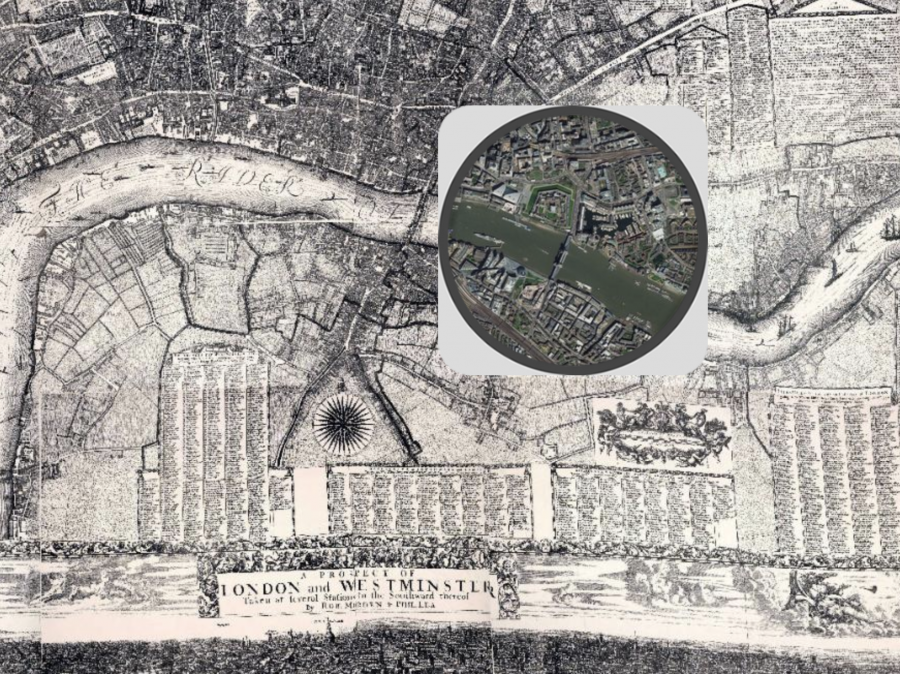
The London Time Machine: Interactive Map Lets You Compare Modern London, to the London Shortly After the Great Fire of 1666

er

From ESRI, the mak­er of geo­graph­ic soft­ware, comes the Lon­don Time Machine, an inter­ac­tive map that lets you see how Lon­don has changed over the past 330+ years, mov­ing from a city left in ruins by the Great Fire of 1666, to the sprawl­ing metrop­o­lis that it is today. Here’s how ESRI describes the map:

On Sun­day the 2nd of Sep­tem­ber 1666, the Great Fire of Lon­don began reduc­ing most of the cap­i­tal to ash­es. Among the dev­as­ta­tion and the loss­es were many maps of the city itself.

The Mor­gan Map of 1682 was the first to show the whole of the City of Lon­don after the fire. Pro­duced by William Mor­gan and his ded­i­cat­ed team of Sur­vey­ors and Car­tog­ra­phers it took 6 years to pro­duce, and dis­played a brighter per­spec­tive on city life for a pop­u­la­tion still mourn­ing their loved ones, pos­ses­sions, and homes.

But how much of this sym­bol­ised vision of a hoped-for ide­al city remains today? What now lies on the lush green fields to the south of the riv­er Thames? And how have the river’s banks been eat­en into by the insa­tiable appetite of urban devel­op­ment? Move the spy­glass to find out, and remem­ber to zoom-in to ful­ly inter­ro­gate fin­er details!

Enter the Lon­don Time Machine here.

If you would like to sign up for Open Culture’s free email newslet­ter, please find it here. It’s a great way to see our new posts, all bun­dled in one email, each day.

If you would like to sup­port the mis­sion of Open Cul­ture, con­sid­er mak­ing a dona­tion to our site. It’s hard to rely 100% on ads, and your con­tri­bu­tions will help us con­tin­ue pro­vid­ing the best free cul­tur­al and edu­ca­tion­al mate­ri­als to learn­ers every­where. You can con­tribute through Pay­Pal, Patre­on, and Ven­mo (@openculture). Thanks!

via Hack­er News

Relat­ed Con­tent:

Prize-Win­ning Ani­ma­tion Lets You Fly Through 17th Cen­tu­ry Lon­don

The Old­est Known Footage of Lon­don (1890–1920) Fea­tures the City’s Great Land­marks

What Hap­pens When a Japan­ese Wood­block Artist Depicts Life in Lon­don in 1866, Despite Nev­er Hav­ing Set Foot There

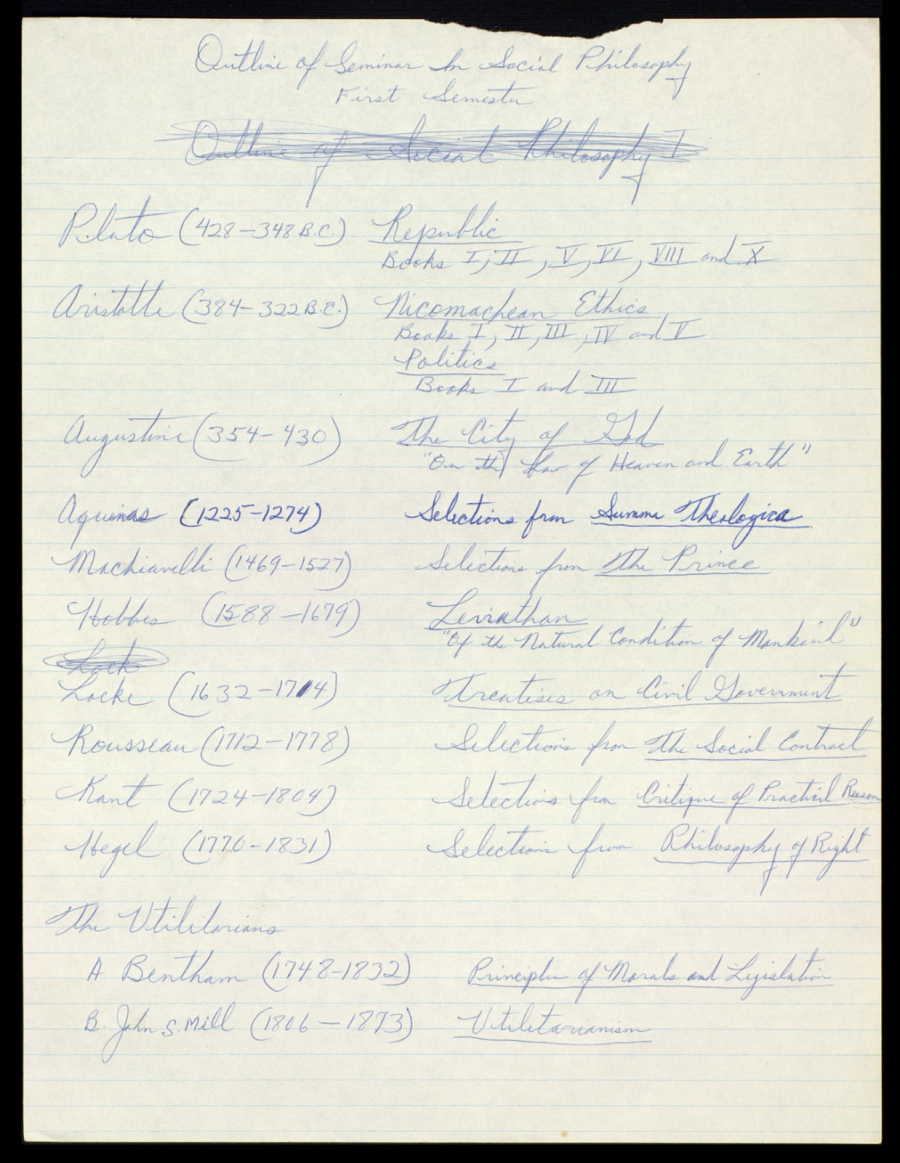
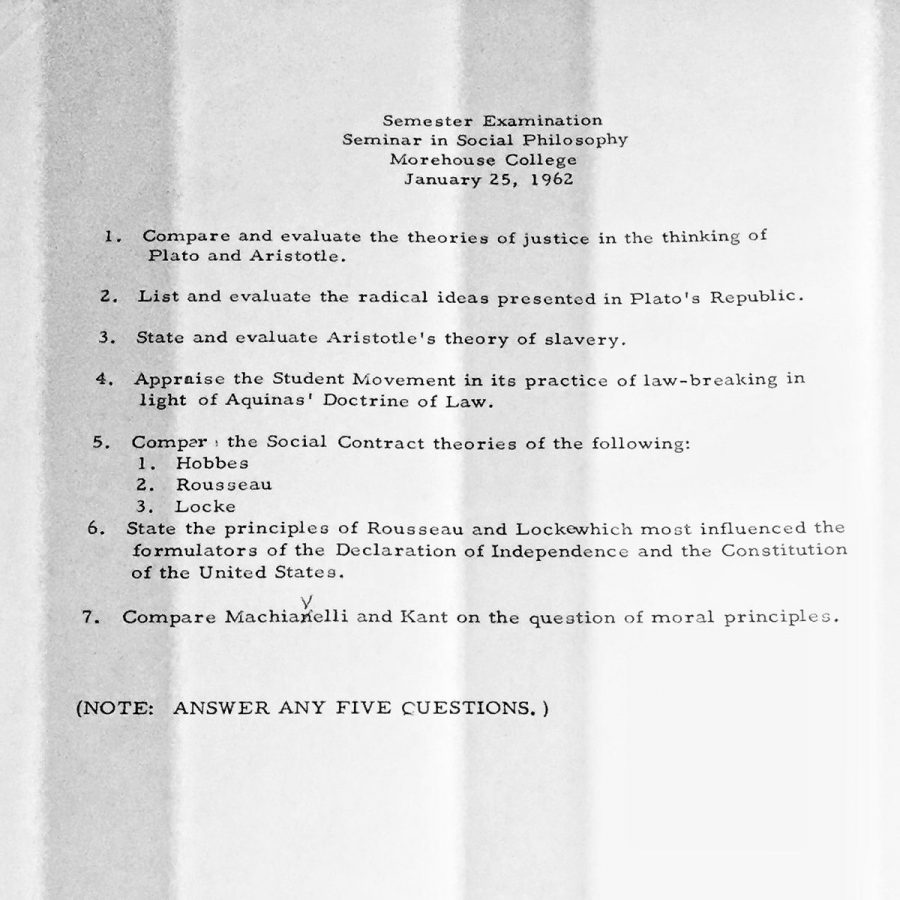
Martin Luther King, Jr.‘s Handwritten Syllabus & Final Exam for the Philosophy Course He Taught at Morehouse College (1962)

On his way to saint­hood as an avatar of love and jus­tice, Mar­tin Luther King, Jr. lost too much of his com­plex­i­ty. Whether delib­er­ate­ly san­i­tized or just drawn in broad strokes for easy con­sump­tion, the Civ­il Rights leader we think we know, we may not know well at all. King him­self rue­ful­ly not­ed the ten­den­cy of his audi­ences to box him in when he began pub­licly and force­ful­ly to chal­lenge U.S. involve­ment in the Viet­nam War and the per­pet­u­a­tion of wide­spread pover­ty in the wealth­i­est coun­try on earth. “I am nev­er­the­less great­ly sad­dened,” he remarked in 1967, “that the inquir­ers have not real­ly known me, my com­mit­ment, or my call­ing.”

As WBUR notes in its intro­duc­tion to a dis­cus­sion on King’s polit­i­cal phi­los­o­phy, the “specifics of his rad­i­cal pol­i­tics often go unex­am­ined when cel­e­brat­ing his lega­cy…. His polit­i­cal and eco­nom­ic ideas are clear in his speech­es against the Viet­nam War and his call to work toward eco­nom­ic equal­i­ty.”

His rad­i­cal stances did not sit well with the FBI, nor with many of his for­mer sup­port­ers, but their roots are evi­dent in his most-pub­lished work, the 1963 “Let­ter from Birm­ing­ham Jail,” in which he coined the famous phrase, “injus­tice any­where is a threat to jus­tice every­where.”

We know of King’s indebt­ed­ness to the thought of Mahat­ma Gand­hi and Hen­ry David Thore­au, and of his the­o­log­i­cal edu­ca­tion. He was also steeped in the polit­i­cal phi­los­o­phy of the West, from Pla­to to John Stu­art Mill. In his grad­u­ate work at Boston Uni­ver­si­ty and Har­vard in the 50s, he read and wrote on Hegel, Kant, Marx, and oth­er philoso­phers. And as a vis­it­ing pro­fes­sor at More­house Col­lege—one year before his arrest in Birm­ing­ham and the com­po­si­tion of his letter—King taught a sem­i­nar in “Social Phi­los­o­phy,” exam­in­ing the ideas of Pla­to, Aris­to­tle, Augus­tine, Aquinas, Machi­avel­li, Hobbes, Locke, Rousseau, Kant, Hegel, Ben­tham, and Mill.

At the top of the post, you can see his hand­writ­ten syl­labus (view in a larg­er for­mat here), a sweep­ing sur­vey of the Euro­pean tra­di­tion in polit­i­cal phi­los­o­phy. Fur­ther up (or here in a larg­er for­mat) see a type­writ­ten exam with sev­en ques­tions from the read­ing (stu­dents were to answer any five). King not only asked his stu­dents to con­nect these thinkers in the abstract to present con­cerns for jus­tice, but, in ques­tion 3, he specif­i­cal­ly asks them to “appraise the Stu­dent Move­ment in its prac­tice of law-break­ing in light of Aquinas’ Doc­trine of Law” (refer­ring to the Catholic theologian/philosopher’s dis­tinc­tions between human and nat­ur­al law).

The syl­labus and exam give us a sense of how King sit­u­at­ed his own rad­i­cal pol­i­tics both with­in and against a long tra­di­tion of philo­soph­i­cal thought. For more on King’s polit­i­cal phi­los­o­phy, lis­ten to Har­vard pro­fes­sors Tom­mie Shel­by and Bran­don Ter­ry dis­cuss their new col­lec­tion of essays—To Shape a New World: Essays on the Polit­i­cal Phi­los­o­phy of Mar­tin Luther King, Jr.—in the WBUR inter­view above.

via Dai­ly Nous/The King Cen­ter

Relat­ed Con­tent:

Free Online Phi­los­o­phy Cours­es

How Mar­tin Luther King, Jr. Used Niet­zsche, Hegel & Kant to Over­turn Seg­re­ga­tion in Amer­i­ca

Read Mar­tin Luther King and The Mont­gomery Sto­ry: The Influ­en­tial 1957 Civ­il Rights Com­ic Book

‘You Are Done’: The Chill­ing “Sui­cide Let­ter” Sent to Mar­tin Luther King by the F.B.I.

On the Pow­er of Teach­ing Phi­los­o­phy in Pris­ons

Josh Jones is a writer and musi­cian based in Durham, NC. Fol­low him at @jdmagness

Take 7 Free Courses From the Museum of Modern Art (aka MoMA)

If you would like to know more about mod­ern art, but have dif­fi­cul­ty wrap­ping your head around the Futur­ists, Neo-Impres­sion­ists, Abstract Expres­sion­ists, and the myr­i­ad oth­er ‑ists and ‑isms  of this vast sub­ject, per­haps you should unteth­er your­self from time­lines.

Mod­ern Art & Ideas, a free online course from the Muse­um of Mod­ern Art (aka MoMA), shifts the focus away from peri­od and move­ment, instead group­ing works accord­ing to four themes: Places & Spaces, Art & Iden­ti­ty, Trans­form­ing Every­day Objects, and Art & Soci­ety.

It’s an approach that’s worked well for MoMA’s Edu­ca­tion Depart­ment. (Anoth­er upcom­ing online class, Art & Ideas: Teach­ing with Themes, is rec­om­mend­ed for pro­fes­sion­al edu­ca­tors look­ing to devel­op the ped­a­gog­i­cal skills the depart­ment employs to get vis­i­tors to engage with the art.)

The course, which begins today, is taught by Lisa Maz­zo­la, Assis­tant Direc­tor of the museum’s School and Teacher Pro­grams and a vet­er­an of their pre­vi­ous for­ays into Mas­sive Open Online Cours­es.

An ear­ly les­son on how artists cap­ture envi­ron­ments con­sid­ers three works: Vin­cent van Gogh’s The Star­ry Night (1889), Piet Mondrian’s Broad­way Boo­gie Woo­gie (1942–43), and Gor­don Matta-Clark’s Bin­go. Vin­tage pho­tos and footage con­spire with peri­od music to whisk stu­dents to the set­tings that inspired these works—a bucol­ic French men­tal hos­pi­tal, New York City’s bustling, WWII-era Times Square, and a derelict house in down on its luck Nia­gara Falls.

Reg­u­lar read­ers of Open Cul­ture are like­ly to have a han­dle on some of the ways art stars Fri­da Kahlo and Andy Warhol explored iden­ti­ty, the course’s third week theme, but what about Glenn Ligon, a liv­ing African Amer­i­can con­cep­tu­al artist?

Ligon may not have the renown or tote bag appeal of his lesson­mates, but his 1993 series, Run­aways, is pow­er­ful enough to hold its own against Kahlo’s Self-Por­trait with Cropped Hair and Warhol’s Gold Mar­i­lyn Mon­roe.

In fact, teach­ers look­ing to expand their Black His­to­ry Month cur­ricu­lum could spark some live­ly dis­cus­sions by show­ing stu­dents the extreme­ly accu­rate fac­sim­i­les of 19th-cen­tu­ry run­away slave ads fea­tur­ing phys­i­cal descrip­tions of Ligon, solicit­ed from friends who’d been told they were sup­ply­ing details for a hypo­thet­i­cal Miss­ing Per­son poster.

Ligon’s series is also a good start­ing place for dis­cussing con­cep­tu­al art with a friend who thinks  con­cep­tu­al art is best defined as White Cow in a Snow­storm.

Offered on Cours­era, the 5‑week course requires approx­i­mate­ly 2 hours of study and one quiz per week. Enroll here, or browse MoMAs oth­er cur­rent offer­ings also on Cours­era.

Note: To take the cours­es for free, selec­tion the Audit (as opposed to paid) option dur­ing the enroll­ment process.

Note: Open Cul­ture has a part­ner­ship with Cours­era. If read­ers enroll in cer­tain Cours­era cours­es, it helps sup­port Open Cul­ture.

Relat­ed Con­tent:

The Tree of Mod­ern Art: Ele­gant Draw­ing Visu­al­izes the Devel­op­ment of Mod­ern Art from Delacroix to Dalí (1940)

The Muse­um of Mod­ern Art (MoMA) Puts Online 75,000 Works of Mod­ern Art

What to Say When You Don’t Under­stand Con­tem­po­rary Art? A New Short Film, “Mas­ter­piece,” Has Help­ful Sug­ges­tions

Ayun Hal­l­i­day is an author, illus­tra­tor, the­ater mak­er and Chief Pri­ma­tol­o­gist of the East Vil­lage Inky zine.  Fol­low her @AyunHalliday.

10,000 Classic Movie Posters Getting Digitized & Put Online by the Harry Ransom Center at UT-Austin: Free to Browse & Download

Who hasn’t pinned one of Saul Bass’s ele­gant film posters on their wall—with either thumb­tacks above the dorm­room bed or in frame and glass in grown-up envi­rons? Or maybe it’s 70s kitsch you prefer—the art of the grind­house and sen­sa­tion­al­ist dri­ve-in exploita­tion film? Or 20s silent avant-garde, the cool noir of the 30s and 40s, 50s B‑grade sci-fi, 60s psy­che­delia and French new wave, or 80s pop­corn flicks…? What­ev­er kind of cin­e­ma grabs your atten­tion prob­a­bly first grabbed your atten­tion through the design of the movie poster, a genre that gets its due in nov­el­ty shops and spe­cial­ist exhi­bi­tions, but often goes unher­ald­ed in pop­u­lar con­cep­tions of art.

Despite its util­i­tar­i­an and unabashed­ly com­mer­cial func­tion, the movie poster can just as well be a work of art as any oth­er form. Fail­ing that, movie posters are at least always essen­tial archival arti­facts, snap­shots of the weird col­lec­tive uncon­scious of mass cul­ture: from Saul and Elaine Bass’s min­i­mal­ist poster for West Side Sto­ry (1961), “with its bright orange-red back­ground over the title with a sil­hou­ette of a fire escape with dancers” to more com­plex tableaux, like the bald­ly neo-impe­ri­al­ist Africa Texas Style! (1967), “which fea­tures a real­is­tic image of the pro­tag­o­nist on a horse, las­so­ing a zebra in front of a stam­pede of wilde­beest, ele­phants, and giraffes.”

These two descrip­tions only hint at the range of posters archived at the Uni­ver­si­ty of Texas Har­ry Ran­som Cen­ter—upwards of 10,000 in all, “from when the film indus­try was just begin­ning to com­pete with vaude­ville acts in the 1920s to the rise of the mod­ern megaplex and dri­ve-in the­aters in the 1970s.” So writes Erin Willard in the Ran­som Center’s announce­ment of the dig­i­ti­za­tion of its mas­sive col­lec­tion, expect­ed to reach com­ple­tion in 2019. So far, around 4,000 posters have been pho­tographed and are becom­ing avail­able online, down­load­able in “Large,” “Extra Large,” and “High-Qual­i­ty” res­o­lu­tions.

The bulk of the col­lec­tion comes from the Inter­state The­ater Circuit—a chain that, at one time, “con­sist­ed of almost every movie the­ater in Texas”—and encom­pass­es not only posters but film stills, lob­by cards, and press books from “the 1940s through the 1970s with a par­tic­u­lar strength in the films of the 1950s and 60s, includ­ing musi­cals, epics, west­erns, sword and san­dal, hor­ror, and counter cul­ture films.” Oth­er indi­vid­ual col­lec­tors have made siz­able dona­tions of their posters to the cen­ter, and the result is a tour of the many spec­ta­cles avail­able to the mid-cen­tu­ry Amer­i­can mind: lurid, vio­lent excess­es, maudlin mor­al­iz­ing, bizarre erot­ic fan­tasies, dime-store ado­les­cent adven­tures.…

Some of the films are well-known exam­ples from the peri­od; most of them are not, and there­in lies the thrill of brows­ing this online repos­i­to­ry, dis­cov­er­ing obscure odd­i­ties like the 1956 film Bare­foot Bat­tal­ion, in which “teen-age wolf packs become heroes in a nation’s fight for free­dom!” The num­ber of quirks and kinks on dis­play offer us a pruri­ent view of a decade too often flat­ly char­ac­ter­ized by its pen­chant for grey flan­nel suits. The Mad Men era was a peri­od of insti­tu­tion­al repres­sion and ram­pant sex­u­al harass­ment, not unlike our own time. It was also a lab­o­ra­to­ry for a libidi­nous anar­chy that threat­ened to unleash the pent-up ener­gy and cul­tur­al anx­i­ety of mil­lions of frus­trat­ed teenagers onto the world at large, as would hap­pen in the decades to come.

What we see in the mar­ket­ing of films like Five Brand­ed Women (1960) will vary wide­ly depend­ing on our ori­en­ta­tions and polit­i­cal sen­si­bil­i­ties. Is this cheap exploita­tion or an empow­er­ing pre­cur­sor to Mad Max: Fury Road? Maybe both. For cul­tur­al the­o­rists and film his­to­ri­ans, these pulpy adver­tise­ments offer win­dows into the psy­ches of their audi­ences and the film­mak­ers and pro­duc­tion com­pa­nies who gave them what they sup­pos­ed­ly want­ed. For the ordi­nary film buff, the Ran­som Cen­ter col­lec­tion offers eye can­dy of all sorts, and if you hap­pen to own a high-qual­i­ty print­er, the chance to hang posters on your wall that you prob­a­bly won’t see any­where else. Enter the online col­lec­tion here.

Relat­ed Con­tent:

40,000 Film Posters in a Won­der­ful­ly Eclec­tic Archive: Ital­ian Tarkovsky Posters, Japan­ese Orson Welles, Czech Woody Allen & Much More

The Film Posters of the Russ­ian Avant-Garde

A Look Inside Mar­tin Scorsese’s Vin­tage Movie Poster Col­lec­tion

40 Years of Saul Bass’ Ground­break­ing Title Sequences in One Com­pi­la­tion

Josh Jones is a writer and musi­cian based in Durham, NC. Fol­low him at @jdmagness

« Go BackMore in this category... »
Quantcast