How Reading Increases Your Emotional Intelligence & Brain Function: The Findings of Recent Scientific Studies

Image by Sheila Sund, via Flickr Com­mons

Read­ing “availeth much,” to bor­row an old phrase from the King James Bible. To read is to expe­ri­ence more of the world than we can in per­son, to enter into the lives of oth­ers, to orga­nize knowl­edge accord­ing to use­ful schemes and cat­e­gories…. Or, at least it can be. Much recent research strong­ly sug­gests that read­ing improves emo­tion­al and cog­ni­tive intel­li­gence, by chang­ing and acti­vat­ing areas of the brain respon­si­ble for these qual­i­ties.

Is read­ing essen­tial for the sur­vival of the species? Per­haps not. “Humans have been read­ing and writ­ing for only about 5000 years—too short for major evo­lu­tion­ary changes,” writes Greg Miller in Sci­ence. We got by well enough for tens of thou­sands of years before writ­ten lan­guage. But neu­ro­sci­en­tists the­o­rize that read­ing “rewires” areas of the brain respon­si­ble for both vision and spo­ken lan­guage. Even adults who learn to read late in life can expe­ri­ence these effects, increas­ing “func­tion­al con­nec­tiv­i­ty with the visu­al cor­tex,” some researchers have found, which may be “the brain’s way of fil­ter­ing and fine-tun­ing the flood of visu­al infor­ma­tion that calls for our atten­tion” in the mod­ern world.

This improved com­mu­ni­ca­tion between areas of the brain might also rep­re­sent an impor­tant inter­ven­tion into devel­op­men­tal dis­or­ders. One Carnegie Mel­lon study, for exam­ple, found that “100 hours of inten­sive read­ing instruc­tion improved chil­dren’s read­ing skills and also increased the qual­i­ty of… com­pro­mised white mat­ter to nor­mal lev­els.” The find­ings, says Thomas Insel, direc­tor of the Nation­al Insti­tute of Men­tal Health, sug­gest “an excit­ing approach to be test­ed in the treat­ment of men­tal dis­or­ders, which increas­ing­ly appear to be due to prob­lems in spe­cif­ic brain cir­cuits.”

Read­ing can not only improve cog­ni­tion, but it can also lead to a refined “the­o­ry of mind,” a term used by cog­ni­tive sci­en­tists to describe how “we ascribe men­tal states to oth­er persons”—as the Inter­net Ency­clo­pe­dia of Phi­los­o­phy notes—and “how we use the states to explain and pre­dict the actions of those oth­er per­sons.” Improved the­o­ry of mind, or “intu­itive psy­chol­o­gy,” as it’s also called, can result in greater lev­els of empa­thy and per­haps even expand­ed exec­u­tive func­tion, allow­ing us to bet­ter “hold mul­ti­ple per­spec­tives in mind at once,” writes Brit­tany Thomp­son, “and switch between those per­spec­tives.”

Improved the­o­ry of mind comes pri­mar­i­ly from read­ing nar­ra­tives, research sug­gests. One meta-analy­sis pub­lished by Ray­mond A. Mar of Toronto’s York Uni­ver­si­ty reviews many of the stud­ies demon­strat­ing the effect of sto­ry com­pre­hen­sion on the­o­ry of mind, and con­cludes that the bet­ter we under­stand the events in a nar­ra­tive, the bet­ter we are able to under­stand the actions and inten­tions of those around us. The kinds of nar­ra­tives we read, more­over, might also make a dif­fer­ence. One study, con­duct­ed by psy­chol­o­gists David Com­er Kidd and Emanuele Cas­tano of the New School for Social Research, test­ed the effect of dif­fer­ences in writ­ing qual­i­ty on empa­thy respons­es, ran­dom­ly assign­ing 1,000 par­tic­i­pants excerpts from both pop­u­lar best­sellers and lit­er­ary fic­tion.

To define the dif­fer­ence between the two, the researchers referred to crit­ic Roland Barthes’ The Plea­sure of the Text. As Kidd explains:

Some writ­ing is what you call ‘writer­ly’, you fill in the gaps and par­tic­i­pate, and some is ‘read­er­ly’, and you’re enter­tained. We tend to see ‘read­er­ly’ more in genre fic­tion like adven­ture, romance and thrillers, where the author dic­tates your expe­ri­ence as a read­er. Lit­er­ary [writer­ly] fic­tion lets you go into a new envi­ron­ment and you have to find your own way.

The researchers used two the­o­ry of mind tests to mea­sure degrees of empa­thy and found that “scores were con­sis­tent­ly high­er for those who had read lit­er­ary fic­tion than for those with pop­u­lar fic­tion or non-fic­tion texts,” notes Liz Bury at The Guardian. Oth­er research has found that descrip­tive lan­guage stim­u­lates regions of our brains not clas­si­cal­ly asso­ci­at­ed with read­ing. “Words like ‘laven­der,’ ‘cin­na­mon’ and ‘soap,’ for exam­ple,” writes Annie Mur­phy Paul at The New York Times, cit­ing a 2006 study pub­lished in Neu­roIm­age, “elic­it a response not only from the lan­guage-pro­cess­ing areas of our brains, but also those devot­ed to deal­ing with smells.”

Read­ing, in oth­er words, can effec­tive­ly sim­u­late real­i­ty in the brain and pro­duce authen­tic emo­tion­al respons­es: “The brain, it seems, does not make much of a dis­tinc­tion between read­ing about an expe­ri­ence and encoun­ter­ing it in real life”—that is, if the expe­ri­ence is writ­ten about in sen­so­ry lan­guage. The emo­tion­al brain also does not seem to make a tremen­dous dis­tinc­tion between read­ing the writ­ten word and hear­ing it recit­ed or read. When study par­tic­i­pants in a joint Ger­man and Nor­we­gian exper­i­ment, for exam­ple, heard poet­ry read aloud, they expe­ri­enced phys­i­cal sen­sa­tions and “about 40 per­cent showed vis­i­ble goose bumps.”

But dif­fer­ent kinds of texts elic­it dif­fer­ent kinds of respons­es. We can read or lis­ten to a nov­el, for exam­ple, and, instead of only expe­ri­enc­ing sen­sa­tions, can “live sev­er­al lives while read­ing,” as William Sty­ron once wrote. The authors of a 2013 Emory Uni­ver­si­ty study pub­lished in Brain Con­nec­tiv­i­ty con­clude that read­ing nov­els can rewire areas of the brain, caus­ing “tran­sient changes in func­tion­al con­nec­tiv­i­ty.” These bio­log­i­cal changes were found to last up to five days after study par­tic­i­pants read Robert Har­ris’ 2003 nov­el Pom­peii. The height­ened con­nec­tiv­i­ty in cer­tain regions “cor­re­spond­ed to regions pre­vi­ous­ly asso­ci­at­ed with per­spec­tive tak­ing and sto­ry com­pre­hen­sion.”

So what? asks a skep­ti­cal Ian Stead­man at New States­man. Read­ing may cre­ate changes in the brain, but so does every­thing else, a phe­nom­e­non well-known by now as “neu­ro­plas­tic­i­ty.” Much of the report­ing on the neu­ro­science of read­ing, Stead­man argues, over­in­ter­prets the research to sup­port an “[x] ‘rewires’ the brain” myth both com­mon and “mis­tak­en.” Steadman’s cri­tiques of the Brain Con­nec­tiv­i­ty study are per­haps well-placed. The small sam­ple size, lack of a con­trol group, and neglect of ques­tions about dif­fer­ent kinds of writ­ing make its already ten­ta­tive con­clu­sions even less impres­sive. How­ev­er, more sub­stan­tive research, tak­en togeth­er, does show that the “rewiring” that hap­pens when we read—though per­haps tem­po­rary and in need of fre­quent refreshing—really does make us more cog­ni­tive­ly and social­ly adept. And that the kind of reading—or even lis­ten­ing—that we do real­ly does mat­ter.

via Big­Think/The Guardian/Har­vard

Relat­ed Con­tent:  

This Is Your Brain on Jane Austen: The Neu­ro­science of Read­ing Great Lit­er­a­ture

900 Free Audio Books: Down­load Great Books for Free 

7 Tips for Read­ing More Books in a Year

Josh Jones is a writer and musi­cian based in Durham, NC. Fol­low him at @jdmagness

The History of the World in One Video: Every Year from 200,000 BCE to Today

“Where are you from?” a char­ac­ter at one point asks Babe, the hap­less pro­tag­o­nist of the Fire­sign The­atre’s clas­sic com­e­dy album How Can You Be in Two Places at Once When You’re Not Any­where at All. “Nairo­bi, ma’am,” Babe replies. “Isn’t every­body?” Like most of that psy­che­del­ic radio troupe’s pieces of appar­ent non­sense, that mem­o­rable line con­tains a truth: trace human his­to­ry back far enough and you inevitably end up in east Africa, a point illus­trat­ed in reverse by the video above, “A His­to­ry of the World: Every Year,” which traces the march of human­i­ty between 200,000 BCE and the mod­ern day.

To a dra­mat­ic sound­track which opens and clos­es with the music of Hans Zim­mer, video cre­ator Ollie Bye charts mankind’s progress out of Africa and, ulti­mate­ly, into every cor­ner of all the con­ti­nents of the world.

Real, doc­u­ment­ed set­tle­ments, cities, empires, and entire civ­i­liza­tions rise and fall as they would in a com­put­er game, with a con­stant­ly updat­ed glob­al pop­u­la­tion count and list of the civ­i­liza­tions active in the cur­rent year as well as occa­sion­al notes about pol­i­tics and diplo­ma­cy, soci­ety and cul­ture, and inven­tions and dis­cov­er­ies.

All that hap­pens in under 20 min­utes, a pret­ty swift clip, though not until the very end does the world take the polit­i­cal shape we know today, includ­ing even the late late­com­er to civ­i­liza­tion that is the Unit­ed States of Amer­i­ca. Bye’s many oth­er videos tend to focus on the his­to­ry of oth­er parts of the world, such as India, the British Isles, and that cra­dle of our species, the African con­ti­nent, all of which we can now devel­op first-hand famil­iar­i­ty with in this age of unprece­dent­ed human mobil­i­ty. Though the con­di­tion itself takes the ques­tion “Where are you from?” to a degree of com­pli­ca­tion unknown not only mil­len­nia but also cen­turies and even decades ago, at least now you have a snap­py answer at the ready.

Relat­ed Con­tent:

The His­to­ry of Civ­i­liza­tion Mapped in 13 Min­utes: 5000 BC to 2014 AD

Take Big His­to­ry: A Free Short Course on 13.8 Bil­lion Years of His­to­ry, Fund­ed by Bill Gates

The His­to­ry of the World in 46 Lec­tures From Colum­bia Uni­ver­si­ty

The His­to­ry of the World in 20 Odd Min­utes

A Crash Course in World His­to­ry

5‑Minute Ani­ma­tion Maps 2,600 Years of West­ern Cul­tur­al His­to­ry

Based in Seoul, Col­in Mar­shall writes and broad­casts on cities and cul­ture. His projects include the book The State­less City: a Walk through 21st-Cen­tu­ry Los Ange­les and the video series The City in Cin­e­ma. Fol­low him on Twit­ter at @colinmarshall or on Face­book.

The “True” Story Of How Brian Eno Invented Ambient Music

Or maybe it did­n’t actu­al­ly hap­pen that way…

To learn more about Eno’s Oblique Strate­gies, see our archived post: Jump Start Your Cre­ative Process with Bri­an Eno’s “Oblique Strate­gies” Deck of Cards (1975).

Relat­ed Con­tent:

The Vel­vet Under­ground as Peanuts Char­ac­ters: Snoopy Morphs Into Lou Reed, Char­lie Brown Into Andy Warhol

Charles Schulz Draws Char­lie Brown in 45 Sec­onds and Exor­cis­es His Demons

Umber­to Eco Explains the Poet­ic Pow­er of Charles Schulz’s Peanuts

by | Permalink | Make a Comment ( 1 ) |

Take a Virtual Tour of The Uffizi Gallery in Florence, the World-Famous Collection of Renaissance Art

The Uffizi Gallery in Flo­rence does­n’t par­tic­u­lar­ly need an intro­duc­tion, see­ing that it’s one of the most wide­ly-vis­it­ed muse­ums in Italy, the home of great artis­tic works from the Renais­sance. If you pay the Uffizi a vis­it, you can see Bot­ti­cel­li’s The Birth of Venus, Dür­er’s Ado­ra­tion of the Magi, Car­avag­gio’s Bac­chus, Michelan­gelo’s The Holy Fam­i­ly, and Rem­brandt’s Self-Por­trait as a Young Man. Or you could do the same by dial­ing up the Uffiz­i’s Vir­tu­al Tour, embed­ded above, or avail­able here. It’s essen­tial­ly a Google Street View tour of the entire muse­um. It’s admit­ted­ly a lit­tle tedious. But if you have a lot of time and a handy floor plan, you can still immerse your­self in a col­lec­tion that’s been enchant­i­ng vis­i­tors since the 18th cen­tu­ry.

If you would like to sign up for Open Culture’s free email newslet­ter, please find it here. It’s a great way to see our new posts, all bun­dled in one email, each day.

If you would like to sup­port the mis­sion of Open Cul­ture, con­sid­er mak­ing a dona­tion to our site. It’s hard to rely 100% on ads, and your con­tri­bu­tions will help us con­tin­ue pro­vid­ing the best free cul­tur­al and edu­ca­tion­al mate­ri­als to learn­ers every­where. You can con­tribute through Pay­Pal, Patre­on, and Ven­mo (@openculture). Thanks!

Relat­ed Con­tent:

Free Course: An Intro­duc­tion to the Art of the Ital­ian Renais­sance

The His­to­ry of West­ern Archi­tec­ture: From Ancient Greece to Roco­co (A Free Online Course)

Take a 3D Vir­tu­al Tour of the Sis­tine Chapel, St. Peter’s Basil­i­ca and Oth­er Art-Adorned Vat­i­can Spaces

Take a Vir­tu­al Tour of Hierony­mus Bosch’s Bewil­der­ing Mas­ter­piece The Gar­den of Earth­ly Delights

Walk Inside a Sur­re­al­ist Sal­vador Dalí Paint­ing with This 360º Vir­tu­al Real­i­ty Video

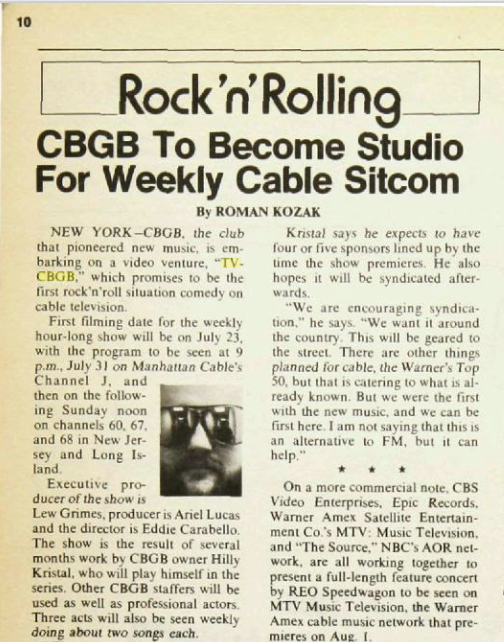
Watch an Episode of TV-CBGB, the First Rock ‘n’ Roll Sitcom Ever Aired on Cable TV (1981)

For a good long while, or at least a few decades, the best things on TV in the U.S. hap­pened out­side the major broad­cast and nation­al cable net­works. And like a great many oth­er cul­tur­al hap­pen­ings of the pre­vi­ous cen­tu­ry, you would have to live in New York to expe­ri­ence them. I mean, of course, the weird, won­der­ful world of Man­hat­tan pub­lic access cable TV. Here you could watch, for exam­ple, Glenn O’Brien’s TV Par­ty, cre­at­ed by the tit­u­lar host as “a drug-fueled re-inter­pre­ta­tion of Hugh Hefner’s Play­boy After Dark”—as we not­ed in a recent post—and fea­tur­ing the most cut­ting-edge artists and musi­cians of the day.

Around the same time, Andy Warhol con­duct­ed his ver­sion of a celebri­ty inter­view show on local cable, and as the banal info­tain­ment of day­time talk show and 24-hour-cable news devel­oped on main­stream TV, a dozen bizarre, hilar­i­ous, raunchy, and ridicu­lous inter­view and call-in shows took hold on New York cable access in the years to fol­low (some of them still exist).

I hap­pened to catch the tail end of this gold­en era, which tapered off in the nineties as the inter­net took over for the com­mu­ni­ties these shows served. But oh, what it must have been like to watch the thriv­ing down­town scene doc­u­ment itself on TV from week-to-week, along­side the leg­en­dar­i­ly flam­boy­ant Man­hat­tan sub­cul­tures that found their voic­es on cable access?

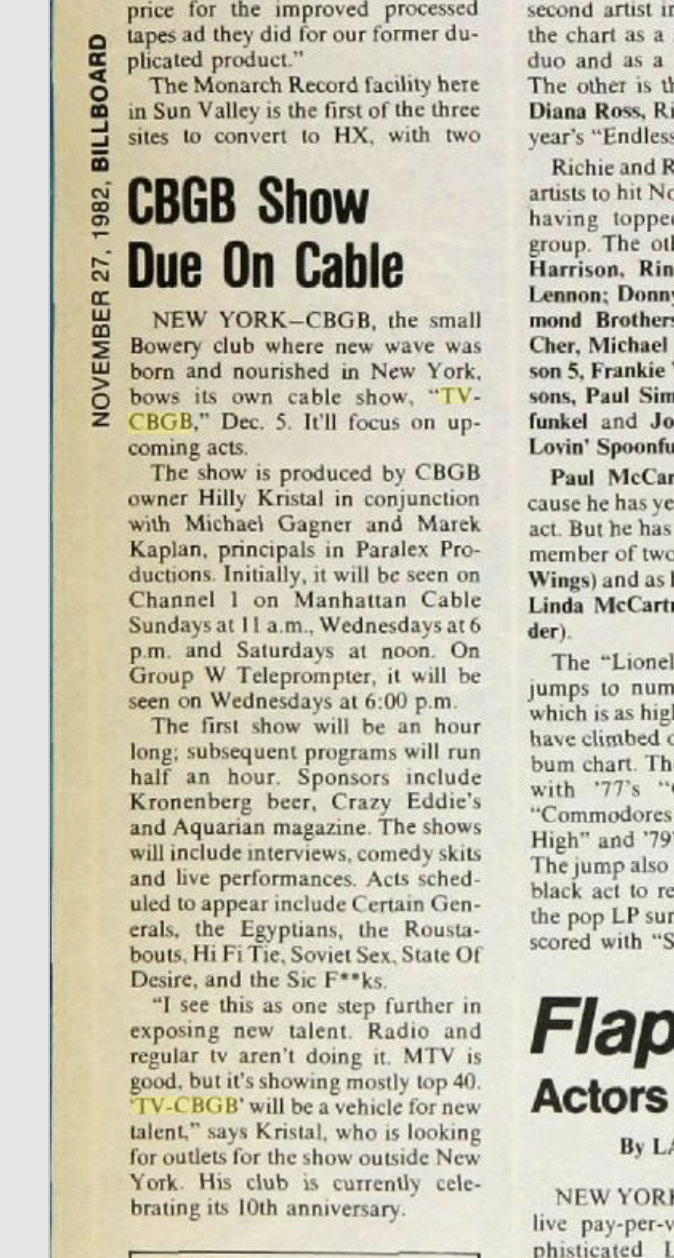
Quite a few peo­ple remem­ber it well, and were thrilled when the video at the top emerged from obscu­ri­ty: an episode of TV-CBGB shot in 1981, “an odd glimpse,” writes Mar­tin Schnei­der at Dan­ger­ous Minds, “of a CBGB iden­ti­ty that nev­er took shape, as a cable access main­stay.” It is unclear how many episodes of the show were shot, or aired, or still exist in some form, but what we do have above seems rep­re­sen­ta­tive, accord­ing to two Bill­board arti­cles describ­ing the show. The first, from July 11, 1981, called the project “the first rock’n’roll sit­u­a­tion com­e­dy on cable tele­vi­sion.”

Cre­at­ed by CBG­Bs own­er, Hilly Kristal, the show aimed to give view­ers slices of life from the Bow­ery insti­tu­tion, which was already famous, accord­ing to Bill­board, as “the club that pio­neered new music.” Kristal told the trade mag­a­zine, “There will always be a plot, though a sim­ple plot. It will be about what hap­pens in the club, or what could hap­pen.” He then goes on to describe a series of plot ideas which, thank­ful­ly, didn’t dom­i­nate the show—or at least what we see of it above. The episode is “90% per­for­mance,” though “not true con­cert footage,” Schnei­der writes.

After an odd open­ing intro, we’re thrown into a song from Idiot Savant. Oth­er acts include The Roustabouts, The Hard, Jo Mar­shall, Shrap­nel, and Sic Fucks. While not among the best or most well-known to play at the club, these bands put on some excel­lent per­for­mances. By Novem­ber of the fol­low­ing year, it seems the first episode had still not yet aired. Bill­board quotes Kristal as call­ing TV-CBGB “one step fur­ther in expos­ing new tal­ent. Radio and reg­u­lar tv aren’t doing it. MTV is good, but it’s show­ing most­ly top 40.”

Had the show migrat­ed to MTV, Schnei­der spec­u­lates, it might have become a “nation­al TV icon,” ful­fill­ing Kristal’s vision for a new means of bring­ing obscure down­town New York musi­cians to the world at large. It might have worked. Though the sketch­es are lack­lus­ter, notable as his­tor­i­cal curiosi­ties, the music is what makes it worth­while, and there’s some real­ly fun stuff here—vital and dra­mat­ic. While these bands may not have had the mass appeal of, say, Blondie or the Ramones, they were stal­warts of the ear­ly 80s CBGB scene.

The awk­ward, strange­ly earnest, and often down­right goofy skits por­tray­ing the goings-on in the lives of club reg­u­lars and employ­ees are both some­how touch­ing and tedious, but with a lit­tle pol­ish and bet­ter direc­tion, the whole thing might have played like a punk rock ver­sion of Fame—which maybe no one need­ed. As it stands, giv­en the enthu­si­asm of sev­er­al YouTube com­menters who claim to have watched it at the time or been in the club them­selves, the episode con­sti­tutes a strange and rare doc­u­ment of what was, if not what could have been.

via Dan­ger­ous Minds

Relat­ed Con­tent:  

Take a Vir­tu­al Tour of CBGB, the Ear­ly Home of Punk and New Wave

Pat­ti Smith Plays at CBGB In One of Her First Record­ed Con­certs, Joined by Sem­i­nal Punk Band Tele­vi­sion (1975)

CBGB is Reborn … As a Restau­rant in Newark Air­port

When Glenn O’Brien’s TV Par­ty Brought Klaus Nomi, Blondie & Basquiat to Pub­lic Access TV (1978–82)

Ian McK­ellen Recites Shakespeare’s Son­net 20, Backed by Garage Rock Band, the Flesh­tones, on Andy Warhol’s MTV Vari­ety Show (1987)

Josh Jones is a writer and musi­cian based in Durham, NC. Fol­low him at @jdmagness

Speaking in Whistles: The Whistled Language of Oaxaca, Mexico

Whis­tled lan­guage is a rare form of com­mu­ni­ca­tion that can be most­ly found in loca­tions with iso­lat­ing fea­tures such as scat­tered set­tle­ments or moun­tain­ous ter­rain. This doc­u­men­tary above shows how Dr. Mark Sicoli, Assis­tant Pro­fes­sor of Lin­guis­tics at George­town Uni­ver­si­ty, con­ducts field stud­ies among speak­ers of a Chi­nan­tec lan­guage, who live in the moun­tain­ous region of north­ern Oax­a­ca in Mex­i­co. The Sum­mer Insti­tute of Lin­guis­tics in Mex­i­co has record­ed and tran­scribed a whis­tled con­ver­sa­tion in Sochi­a­pam Chi­nan­tec between two men in dif­fer­ent fields. The result can be seen and heard here.

The most thor­ough­ly-researched whis­tled lan­guage how­ev­er is Sil­bo Gomero, the lan­guage of the island of La Gomera (Canary Islands). In 2009, it was inscribed on the Rep­re­sen­ta­tive List of the Intan­gi­ble Cul­tur­al Her­itage of Human­i­ty. The UNESCO web­site has a good descrip­tion of this whis­tled lan­guage with pho­tos and a video. Hav­ing almost died out, the lan­guage is now taught once more in schools.

Note: This post first appeared on our site back in 2013.

If you would like to sign up for Open Culture’s free email newslet­ter, please find it here. It’s a great way to see our new posts, all bun­dled in one email, each day.

If you would like to sup­port the mis­sion of Open Cul­ture, con­sid­er mak­ing a dona­tion to our site. It’s hard to rely 100% on ads, and your con­tri­bu­tions will help us con­tin­ue pro­vid­ing the best free cul­tur­al and edu­ca­tion­al mate­ri­als to learn­ers every­where. You can con­tribute through Pay­Pal, Patre­on, and Ven­mo (@openculture). Thanks!

By pro­fes­sion, Matthias Rasch­er teach­es Eng­lish and His­to­ry at a High School in north­ern Bavaria, Ger­many. In his free time he scours the web for good links and posts the best finds on Twit­ter.

Relat­ed Con­tent:

Learn 40+ Lan­guages for Free: Span­ish, Eng­lish, Chi­nese & More

A Col­or­ful Map Visu­al­izes the Lex­i­cal Dis­tances Between Europe’s Lan­guages: 54 Lan­guages Spo­ken by 670 Mil­lion Peo­ple

The Tree of Lan­guages Illus­trat­ed in a Big, Beau­ti­ful Info­graph­ic

How Lan­guages Evolve: Explained in a Win­ning TED-Ed Ani­ma­tion

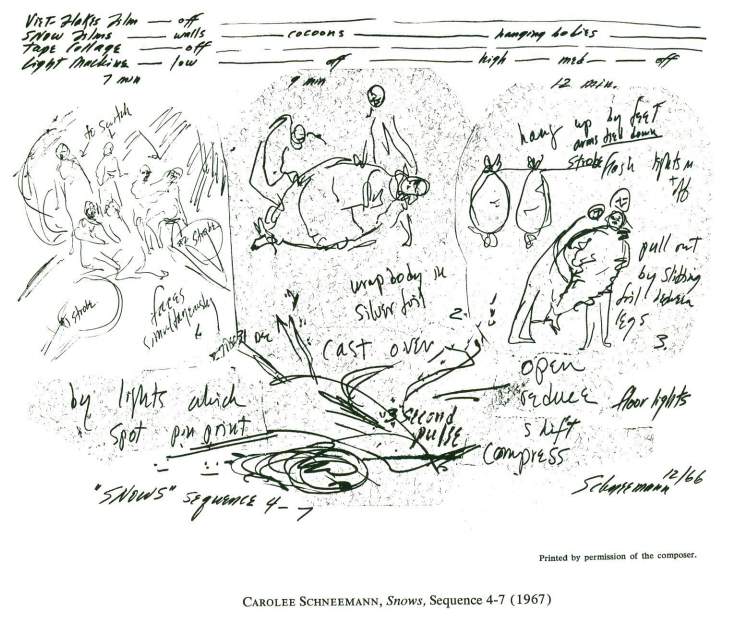
Notations: John Cage Publishes a Book of Graphic Musical Scores, Featuring Visualizations of Works by Leonard Bernstein, Igor Stravinsky, The Beatles & More (1969)

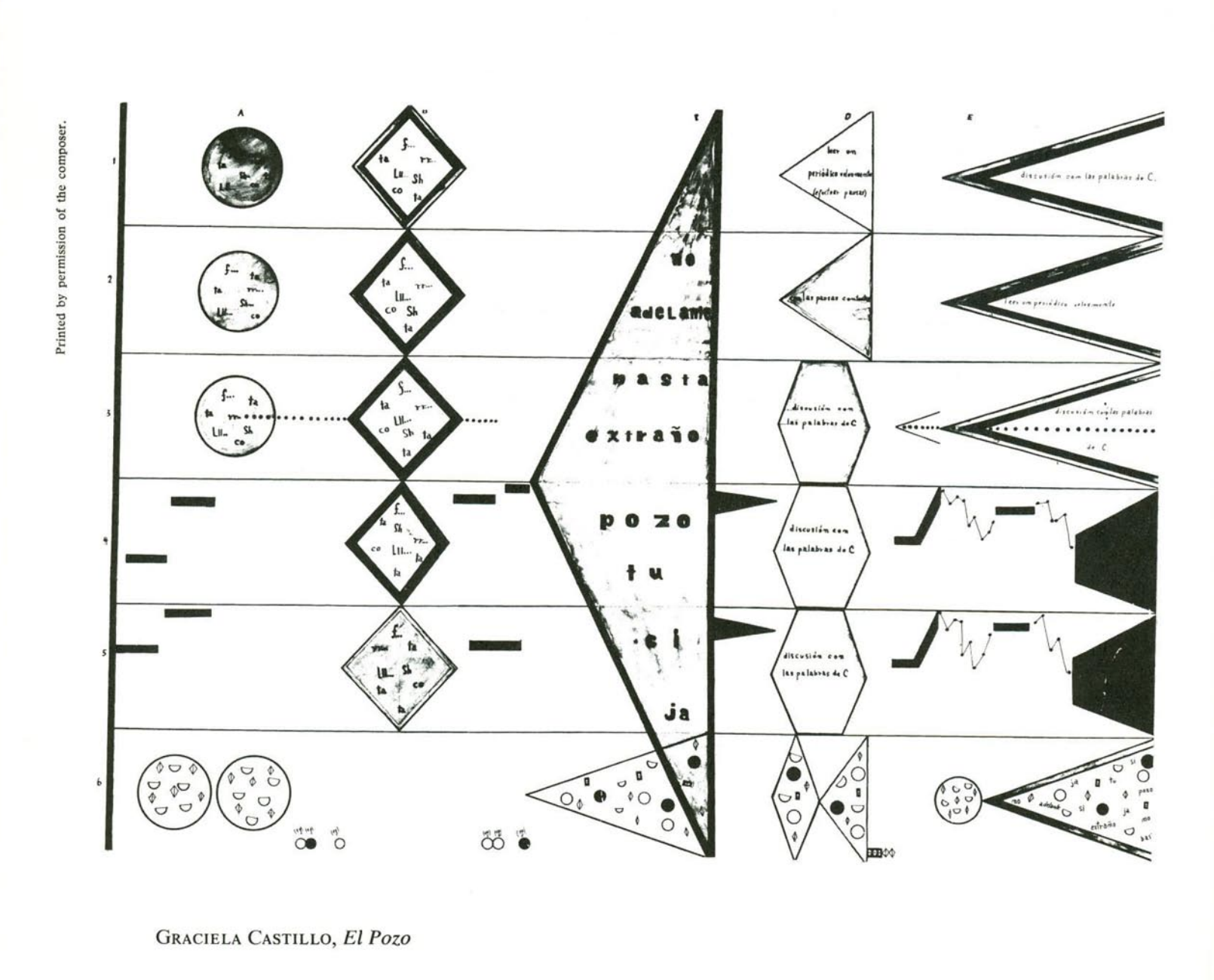
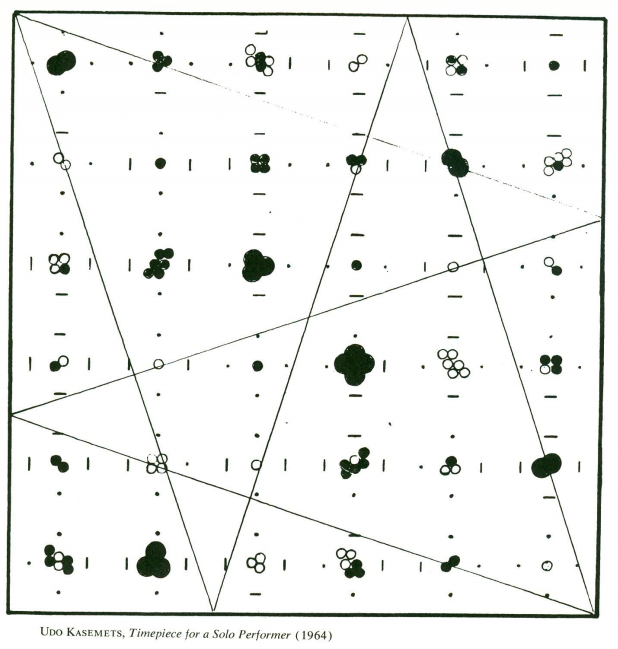
If you know just one piece by avant-garde com­pos­er and all-around ora­cle of inde­ter­mi­na­cy John Cage, you know 1952’s 4′33″, which con­sists, for that length of time, of no delib­er­ate­ly played sounds at all. You’d think that if any piece could be played with­out a score, Cage’s sig­na­ture com­po­si­tion could, but he did make sure to write one, and we fea­tured it here on Open Cul­ture a few years ago. Look at that score, of sorts, and you’ll sense that Cage had an inter­est not just in uncon­ven­tion­al music, but in equal­ly uncon­ven­tion­al ways of notat­ing that music. Hence the Nota­tions project, Cage’s 1969 book col­lect­ing pieces of scores by 269 dif­fer­ent com­posers and accom­pa­ny­ing them with short texts.

Assem­bling the book from mate­ri­als archived at the Foun­da­tion for Con­tem­po­rary Arts, Cage did include a page of one of his own scores, though not that of 4′33″ but of Music of Changes, a piano piece he’d com­posed the year before it for his friend David Tudor.

Tudor, a pianist as well as a com­pos­er of exper­i­men­tal music in his own right, also gets a page in Nota­tions from his 1958 work Solo for Piano (Cage) for Inde­ter­mi­na­cy. Lest this sound like a too-neat struc­ture of reci­procity, rest assured that in the com­po­si­tion of the book’s text, as Cage explains in the book’s intro­duc­tion, inde­ter­mi­na­cy ruled, with “a process employ­ing I‑Ching chance oper­a­tions” dic­tat­ing the num­ber of words to be writ­ten, about which scores, and in what size and type­face as well.

Nota­tions, which also includes scores from the Bea­t­les, Leonard Bern­stein, Paul Bowles, Charles Ives (from whose archive Cage picked a blank piece of song paper), Gyor­gy Ligeti, Yoko Ono, Nam June Paik, Steve Reich, Igor Stravin­sky, Toru Takemit­su, and many oth­ers, inspired a more recent fol­low-up project called Nota­tions 21, which you can learn about in the video just below. A col­lab­o­ra­tion between musi­col­o­gist and com­pos­er There­sa Sauer and design­er Mike Per­ry, that 2009 book col­lects more than a hun­dred pieces of cre­ative nota­tion from some of the com­posers fea­tured in Cage’s orig­i­nal, but also many who weren’t com­pos­ing or indeed even alive in his day.

Nota­tions 21 stands as a tes­ta­ment to Cage’s endur­ing influ­ence as not just a com­pos­er but as the pro­mot­er of a world­view all about har­ness­ing the forces of chance to enrich our lives, and to put us in a clear­er frame of mind to see what comes next. “Musi­cal nota­tion is one of the most amaz­ing pic­ture-lan­guage inven­tions of the human ani­mal,” Ross Lee Finney writes in the text of the orig­i­nal Nota­tions. “It didn’t come into being of a moment but is the result of cen­turies of exper­i­men­ta­tion. It has nev­er been quite sat­is­fac­to­ry for the composer’s pur­pos­es and there­fore the exper­i­ment con­tin­ues.”

Relat­ed Con­tent:

The Curi­ous Score for John Cage’s “Silent” Zen Com­po­si­tion 4’33”

Watch Gyor­gy Ligeti’s Elec­tron­ic Mas­ter­piece Artiku­la­tion Get Brought to Life by Rain­er Wehinger’s Bril­liant Visu­al Score

Watch Clas­si­cal Music Come to Life in Art­ful­ly Ani­mat­ed Scores: Stravin­sky, Debussy, Bach, Beethoven, Mozart & More

The Genius of J.S. Bach’s “Crab Canon” Visu­al­ized on a Möbius Strip

Dis­cov­er the 1126 Books in John Cage’s Per­son­al Library: Fou­cault, Joyce, Wittgen­stein, Vir­ginia Woolf, Buck­min­ster Fuller & More

Based in Seoul, Col­in Mar­shall writes and broad­casts on cities and cul­ture. His projects include the book The State­less City: a Walk through 21st-Cen­tu­ry Los Ange­les and the video series The City in Cin­e­ma. Fol­low him on Twit­ter at @colinmarshall or on Face­book.

David Bowie: The Last Five Years Is Now Airing/Streaming on HBO


FYI: David Bowie died two years ago today. And to com­mem­o­rate the anniver­sary, HBO has just start­ed air­ing David Bowie: The Last Five Years, a 90-minute BBC doc­u­men­tary that revis­its Bowie’s less pub­lic final years. If you don’t already have HBO, you could always watch the doc by sign­ing up for a free tri­al for HBO Now (HBO’s stream­ing ser­vice). Here’s a quick summary/overview of the film:

In the last years of his life, David Bowie end­ed near­ly a decade of silence to engage in an extra­or­di­nary burst of activ­i­ty, pro­duc­ing two ground­break­ing albums and a musi­cal. David Bowie: The Last Five Years explores this unex­pect­ed end to a remark­able career.

On the 2003–2004 “Real­i­ty” tour, David Bowie had a fright­en­ing brush with mor­tal­i­ty, suf­fer­ing a heart attack dur­ing what was to be his final full con­cert. He then dis­ap­peared from pub­lic view, only re-emerg­ing in the last five years of his life to make some of the most impor­tant music of his career. Made with remark­able access, Fran­cis Whately’s doc­u­men­tary is a rev­e­la­to­ry fol­low-up to his acclaimed 2013 doc­u­men­tary David Bowie: Five Years, which chron­i­cled Bowie’s gold­en ‘70s and early-‘80s peri­od.

While illu­mi­nat­ing icon­ic moments of his extra­or­di­nary and pro­lif­ic career, David Bowie: The Last Five Years focus­es on three major projects: the albums The Next Day and the jazz-infused Black­star (released on Bowie’s 69th birth­day, two days before his death in 2016), and the musi­cal Lazarus, which was inspired by the char­ac­ter he played in the 1976 film The Man Who Fell to Earth.

Dis­pelling the sim­plis­tic view that his career was sim­ply pred­i­cat­ed on change, the film includes reveal­ing inter­views with many of Bowie’s clos­est cre­ative col­lab­o­ra­tors, includ­ing: Tony Vis­con­ti, Bowie’s long-time pro­duc­er; musi­cians who con­tributed to The Next Day and Black­star; Jonathan Barn­brook, the graph­ic design­er of both albums; Robert Fox, pro­duc­er of Lazarus, along with cast mem­bers from the show, pro­vid­ing a unique behind-the-scenes look at Bowie’s cre­ative process; and Johan Renck, direc­tor of Bowie’s final music video, “Lazarus,” which was wide­ly dis­cussed as fore­shad­ow­ing his death.

You can watch a trail­er for the new film up above.

If you would like to sign up for Open Culture’s free email newslet­ter, please find it here. It’s a great way to see our new posts, all bun­dled in one email, each day.

If you would like to sup­port the mis­sion of Open Cul­ture, con­sid­er mak­ing a dona­tion to our site. It’s hard to rely 100% on ads, and your con­tri­bu­tions will help us con­tin­ue pro­vid­ing the best free cul­tur­al and edu­ca­tion­al mate­ri­als to learn­ers every­where. You can con­tribute through Pay­Pal, Patre­on, and Ven­mo (@openculture). Thanks!

Relat­ed Con­tent:

Pro­duc­er Tony Vis­con­ti Breaks Down the Mak­ing of David Bowie’s Clas­sic “Heroes,” Track by Track

The David Bowie Book Club Gets Launched by His Son: Read One of Bowie’s 100 Favorite Books Every Month

David Bowie’s Top 100 Books

David Bowie Urges Kids to READ in a 1987 Poster Spon­sored by the Amer­i­can Library Asso­ci­a­tion

« Go BackMore in this category... »
Quantcast