The Internet Archive Makes 2,500 More Classic MS-DOS Video Games Free to Play Online: Alone in the Dark, Doom, Microsoft Adventure, and Others

Back in 2015 we let you know that the Inter­net Archive made 2,400 com­put­er games from the era of MS-DOS free to play online: titles like Com­man­der KeenScorched Earth, and Prince of Per­sia may have brought back fond 1990s gam­ing mem­o­ries, as well as promised hours of more such enjoy­ment here in the 21st cen­tu­ry. That set of games includ­ed Id Soft­ware’s Wolfen­stein 3D, which cre­at­ed the genre of the first-per­son shoot­er as we know it, but the Inter­net Archive’s lat­est DOS-game upload — an addi­tion of more than 2,500 titles — includes its fol­low-up Doom, which took com­put­er gam­ing itself to, as it were, a new lev­el.

The Inter­net Archive’s Jason Scott calls this “our biggest update yet, rang­ing from tiny recent inde­pen­dent pro­duc­tions to long-for­got­ten big-name releas­es from decades ago.” After detail­ing some of the tech­ni­cal chal­lenges he and his team faced in get­ting many of the games to work prop­er­ly in web browsers on mod­ern com­put­ers — “a lot has changed under the hood and pro­grams were some­times only writ­ten to work on very spe­cif­ic hard­ware and a very spe­cif­ic set­up” — he makes a few rec­om­men­da­tions from this newest crop of games.

Scot­t’s picks include Microsoft Adven­ture, the DOS ver­sion of the very first com­put­er adven­ture game; the 1960s-themed rac­er Street Rod; and Super Munch­ers, one in a line of edu­ca­tion­al titles all of us of a cer­tain gen­er­a­tion will remem­ber from our class­room com­put­ers. Odd­i­ties high­light­ed by clas­sic game enthu­si­asts around the inter­net include Mr. Blob­by, based on the epony­mous char­ac­ter from the BBC com­e­dy show Noel’s House Par­ty; the undoubt­ed­ly thrilling sim­u­la­tor Pres­i­dent Elect — 1988 Edi­tion; and Zool, the only nin­ja-space-alien plat­former spon­sored by lol­lipop brand Chu­pa Chups.

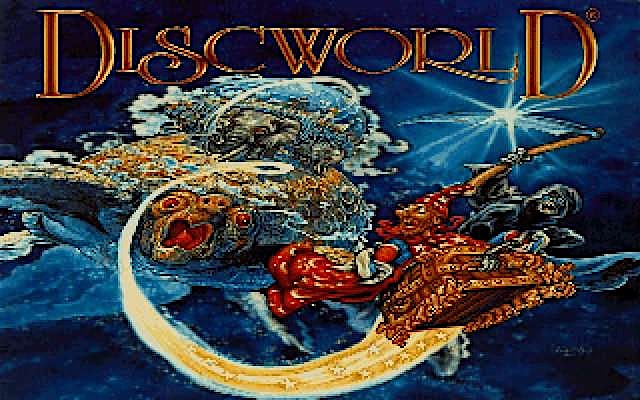
This addi­tion of 2,500 com­put­er games to the Inter­net Archive also brings in no few undis­put­ed clas­sics whose influ­ence on the art and design of games is still felt today: Alone in the Dark, for exam­ple, prog­en­i­tor of the entire sur­vival-hor­ror genre; Microsoft Flight Sim­u­la­tor, inspi­ra­tion for a gen­er­a­tion of pilots; and Sim­C­i­ty 2000, inspi­ra­tion for a gen­er­a­tion of urban plan­ners. Among the adven­ture games, one of the strongest gen­res of the MS-DOS era, we have Dis­c­world, based on Ter­ry Pratch­et­t’s comedic fan­ta­sy nov­els, and from the mind of Har­lan Elli­son the some­what less comedic I Have No Mouth and I Must Scream. One glance at the Inter­net Archive’s updat­ed com­put­er game col­lec­tion reveals that, no mat­ter how many games you played in the 90s, you’ll nev­er be able to play them all.

Get more infor­ma­tion on the new batch of games at the Inter­net Archive.

via Boing Boing

Relat­ed Con­tent:

The Inter­net Arcade Lets You Play 900 Vin­tage Video Games in Your Web Brows­er (Free)

Free: Play 2,400 Vin­tage Com­put­er Games in Your Web Brows­er

Play a Col­lec­tion of Clas­sic Hand­held Video Games at the Inter­net Archive: Pac-Man, Don­key Kong, Tron and MC Ham­mer

1,100 Clas­sic Arcade Machines Added to the Inter­net Arcade: Play Them Free Online

Based in Seoul, Col­in Mar­shall writes and broad­casts on cities, lan­guage, and cul­ture. His projects include the book The State­less City: a Walk through 21st-Cen­tu­ry Los Ange­les and the video series The City in Cin­e­ma. Fol­low him on Twit­ter at @colinmarshall or on Face­book.

Banksy Launches a New Online Store: Make Purchases Through October 28

Has Banksy sold out? Fans and crit­ics alike of the street-art provo­ca­teur-turned-glob­al­ly rec­og­niz­able brand can argue that ques­tion end­less­ly. But we do know, at least, that Banksy sells: ear­li­er this month he broke his own record when his 2009 paint­ing Devolved Par­lia­ment went for £9.88 mil­lion (about $12.20 mil­lion USD) at Sothe­by’s. Not all the fol­low­ers attract­ed by Banksy’s anti-cap­i­tal­is­tic, anti-cor­po­rate, anti-wealth image can afford to pay quite so much for a Banksy of their own, but if they can come up with any­thing from £10 to £850.00, they stand as much of a chance as any­one else of mak­ing a pur­chase from the artist’s new­ly opened online store, Gross Domes­tic Prod­uct, the sec­ond phase of a project that began, as many of Banksy’s ven­tures have, on a Lon­don street.

In this case it was­n’t a mur­al but a shop, or rather, an instal­la­tion designed to look like a shop, “opened” right in time for Frieze Week, when the art world pass­es through the city. “Tak­ing up large win­dows fac­ing the street, the shop, ‘where art irri­tates life,’ is a clas­sic dis­play of the artist’s inge­nu­ity and razor-sharp sense of rea­son and humor,” writes Jux­tapoz’s Sasha Bogo­jev.

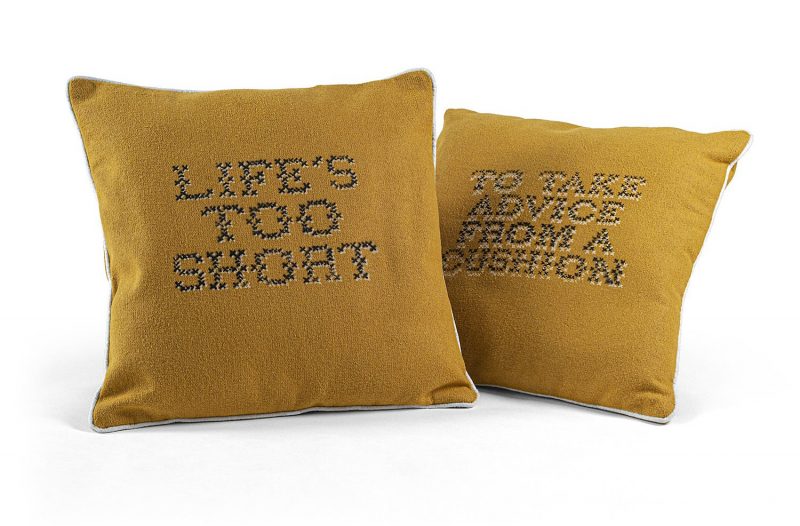
Its stock includ­ed a “baby crib sur­veil­lance mobile toy, along with ‘ear­ly learn­ing count­ing set’ con­sist­ing of wood­en fig­ures of refugees, wel­come mats made from life vests sal­vaged from the shores of the Mediter­ranean, dis­co ball made from old police hel­mets, plates/clocks with run­ning rats, works on can­vas, cush­ions, and even bad­ly done ‘Banksky’ T‑shirts, mugs and plates.” Much to the dis­may of many a Frieze-goer, noth­ing in Banksy’s brick-and-mor­tar store was avail­able for sale.

But every­thing in Banksy’s online store is: “GrossDomesticProduct.com offers a wide range of house­hold prod­ucts, art­works and basi­cal­ly a whole range of Banksy™ knick-knacks,” writes Bogo­jev. “From mugs for which ‘the artist got the kids to do it, then signed the result,’ sculp­tur­al edi­tion made in col­lab­o­ra­tion with Escif, learn­ing sets, t‑shirts” — one mod­eled after Girl with Bal­loon, shred­ded bot­tom half and all — “soft toys, clocks, all the way to two new print edi­tions.” Such is Banksy’s pop­u­lar­i­ty that you might well assume every­thing has already run out, but no: each hope­ful buy­er can reg­is­ter to pur­chase one item — but just one — until Octo­ber 28th, at which point a lot­tery process will deter­mine which of them will actu­al­ly have the priv­i­lege of mak­ing their desired pur­chas­es. In the high­ly like­ly event of “demand out­strip­ping sup­ply,” Gross Domes­tic Prod­uct will use as a deter­min­ing fac­tor appli­cants’ respons­es, con­sist­ing of fifty words or few­er, to the ques­tion, “Why does art mat­ter?”

One hopes that when this lat­est Banksy stunt has fin­ished, the win­ning respons­es to that ques­tion will be made pub­lic; the art-world com­men­tari­at would cer­tain­ly make much of an answer from Banksy him­self. But Banksy-watch­ers know that the artist, what­ev­er his real iden­ti­ty, is always on the move: no soon­er have we learned of his lat­est piece of work, what­ev­er form it takes, than he’s primed the next one to drop. Banksy has described Gross Domes­tic Prod­uct as legal­ly moti­vat­ed, prompt­ed by a greet­ing card com­pa­ny’s attempts “to seize legal cus­tody of the name Banksy from the artist, who has been advised the best way to pre­vent this is to sell his own range of brand­ed mer­chan­dise.” If any­one makes Banksy greet­ing cards, it’s going to be Banksy. And if he were to announce his own Hall­mark Store, lines would sure­ly start form­ing right away.

Relat­ed Con­tent:

Behind the Banksy Stunt: An In-Depth Break­down of the Artist’s Self-Shred­ding Paint­ing

Banksy Strikes Again in Venice

Watch Dis­ma­land — The Offi­cial Unof­fi­cial Film, A Cin­e­mat­ic Jour­ney Through Banksy’s Apoc­a­lyp­tic Theme Park

Banksy Cre­ates a Tiny Repli­ca of The Great Sphinx Of Giza In Queens

Pat­ti Smith Presents Top Web­by Award to Banksy; He Accepts with Self-Mock­ing Video

The Always Bank­able Banksy

Based in Seoul, Col­in Mar­shall writes and broad­casts on cities, lan­guage, and cul­ture. His projects include the book The State­less City: a Walk through 21st-Cen­tu­ry Los Ange­les and the video series The City in Cin­e­ma. Fol­low him on Twit­ter at @colinmarshall or on Face­book.

Watch Teenage Kurt Cobain and Friends’ Horror Movie from 1984

Because Kurt Cobain died so young (and some would say so mys­te­ri­ous­ly) his pre-Nir­vana works can be over-exam­ined as har­bin­gers of his fate. Maybe death was always rid­ing hard on his tail, these works can tell us, though any num­ber of pro­to-grunge teens in the Pacif­ic North­west would have been writ­ing about death and the dev­il. That’s the cool stuff, man.

A Super 8 film made by a 17-year-old Cobain, Dale Crover (future drum­mer of the Melvins) and Nir­vana bass play­er Krist Novosel­ic popped up among boot­leg col­lec­tors in 1998, and dates from 1984. Fans dubbed it “Kurt’s Bloody Sui­cide” to juice its val­ue, back in the days when you actu­al­ly had to buy bootlegs and then lat­er be very dis­ap­point­ed. Now it’s up on YouTube as “Kurt Cobain Hor­ror Movies.”

Crover has described it as “fuck­ing around with a cam­era,” which indeed it is, but with some intent. It fea­tures Kurt in a Mr. T mask, light­ing can­dles in a pen­ta­gram and snort­ing up a pile of cocaine (no doubt using a hid­den vac­u­um clean­er). Then some odd shots of a Mr. T pup­pet, somebody’s mom at the win­dow, a black labrador, very brief attempts at stop motion, somebody’s grand­dad, shots of down­town Aberdeen, Wash­ing­ton, and more goof­ing off (with a gui­tar!).

Then we get to the “mon­ey shot,” so to speak, with Cobain fake slit­ting his throat and stab­bing him­self. There’s some more knife vio­lence, then a shot of a cat, a shot of a dog, some fake gun vio­lence, plen­ty of shots of a pet tur­tle, and final­ly back to a hor­ror movie: a bloody Vir­gin Mary, and some stab­bings and some decent fake wounds. (How­ev­er, the trav­el­ing shot of the run­ning dog gets my vote for most skill­ful.)

Should we read any­thing into the gore and Satanism? (“This kid was a tick­ing time bomb,” says one YouTu­ber.)

I’d say no…and yes. There’s some­thing fun about watch­ing these bored teens mak­ing a film for their own enter­tain­ment. It’s sil­ly, unfo­cused, but def­i­nite­ly an indi­ca­tion that these guys want­ed out of their bor­ing town and they’d have to cre­ate some­thing to do that. Nir­vana was right around the cor­ner…

via Dan­ger­ous Minds

Relat­ed Con­tent:

How Kurt Cobain Con­front­ed Vio­lence Against Women in His “Dark­est Song”: Nevermind‘s “Pol­ly”

How Nirvana’s Icon­ic “Smells Like Teen Spir­it” Came to Be: An Ani­mat­ed Video Nar­rat­ed by T‑Bone Bur­nett Tells the True Sto­ry

Ani­mat­ed Video: Kurt Cobain on Teenage Angst, Sex­u­al­i­ty & Find­ing Sal­va­tion in Punk Music

Ted Mills is a free­lance writer on the arts who cur­rent­ly hosts the artist inter­view-based FunkZone Pod­cast and is the pro­duc­er of KCR­W’s Curi­ous Coast. You can also fol­low him on Twit­ter at @tedmills, read his oth­er arts writ­ing at tedmills.com and/or watch his films here.

Chill Out to 70 Hours of Oceanscape Nature Videos Filmed by BBC Earth

Those who har­bor a deep-seat­ed fear of the water may want to look for oth­er meth­ods of stress relief than BBC Earth’s relax­ing 10-hour video loops, but every­one else is encour­aged to take a dip in these stun­ning nat­ur­al worlds, pre­sent­ed with­out com­men­tary or back­ground music.

All sev­en 10-hour playlists are salt-water based: coral reefscoast­linesdeep oceanopen ocean, frozen seasocean sur­faces, and sea forests.

As in most com­pelling nature doc­u­men­taries, non-human crea­tures loom large, but unlike such BBC Earth offer­ings as Creepi­est Insect Moments or Ants Attack Ter­mite Mounds, there’s a benign, live-and-let-live vibe to the pro­ceed­ings.

Unsur­pris­ing­ly, the pho­tog­ra­phy is breath­tak­ing, and the uses of these marathon-length por­traits are man­i­fold: med­i­ta­tion tool, sleep aid, child soother, social media decom­pres­sor, trav­el­ogue, and—less calmingly—call to action.

Sci­ence tells us that many of these life forms, and the ocean in which they dwell, are in seri­ous dan­ger, thanks to decades of human dis­re­gard for the envi­ron­ment. This is an oppor­tu­ni­ty to immerse our­selves in what we stand to lose while it’s still pos­si­ble to do some­thing about it.

If that thought seems too depress­ing, there’s also strong sci­en­tif­ic evi­dence that nature doc­u­men­taries such as these pro­mote increased feel­ings of well­be­ing

What are you wait­ing for?

Click here to trav­el the oceans with polar bears, jel­ly­fish, dol­phins, sea­hors­es, bright­ly col­ored trop­i­cal fish and oth­er crea­tures of the deep, com­pli­ments of BBC’s Earth’s Ocean­scapes playlists.

Relat­ed Con­tent:

Watch­ing Nature Doc­u­men­taries Can Pro­duce “Real Hap­pi­ness,” Finds a Study from the BBC and UC-Berke­ley

Bob Odenkirk & Errol Mor­ris Cre­ate Comedic Shorts to Help You Take Action Against Glob­al Warm­ing: Watch Them Online

Do Octopi Dream? An Aston­ish­ing Nature Doc­u­men­tary Sug­gests They Do

Ayun Hal­l­i­day is an author, illus­tra­tor, the­ater mak­er and Chief Pri­ma­tol­o­gist of the East Vil­lage Inky zine.  Join her in NYC on Mon­day, Novem­ber 4 when her month­ly book-based vari­ety show, Necro­mancers of the Pub­lic Domain cel­e­brates Louise Jor­dan Miln’s “Woo­ings and Wed­dings in Many Climes (1900). Fol­low her @AyunHalliday.

How to Paint Like Willem De Kooning: Watch Visual Primers from the Museum of Modern Art

Before you learn how to paint like Dutch Amer­i­can Abstract Expres­sion­ist Willem de Koon­ing, you might ask, why should you paint like Willem De Koon­ing? Shouldn’t every artist have his or her own inim­itable per­son­al style? We might ask, why learn to play piano like Nina Simone or write prose like William Faulkn­er? If you stop at mere imi­ta­tion, there may be no good rea­son to mim­ic the mas­ters.

But if you take their tech­niques and make them yours—steal, if you will, their best parts for your work—then, with enough tal­ent and per­sis­tence, you might be on your way toward an inim­itable per­son­al style of your own. Or, you could sim­ply watch these videos on how to paint like De Koon­ing to get a vivid, live-action demon­stra­tion of how the artist him­self did it.

You need nev­er have held a paint­brush to appre­ci­ate the Muse­um of Mod­ern Art’s “How to Paint Like” series, fea­tur­ing videos of MoMA edu­ca­tor and con­ser­va­tor Cory D’Augustine, who shows us how to imi­tate the meth­ods of not only of De Koon­ing, but also Jack­son Pol­lock, Mark Rothko, and Agnes Mar­tin. All of these tuto­ri­als come from D’Augustine’s Cours­era class “In the Stu­dio: Post­war Abstract Paint­ing.”

And as his oth­er videos, here D’Augustine offers a com­pre­hen­sive overview of the artist’s tools and tech­niques: low-vis­cos­i­ty oil paint held in large quan­ti­ties in bowls, rather than small blobs of paint on a palette; the big pow­er­ful full-body ges­tures to achieve “action paint­ing.” If you are try­ing this at home, be advised, D’Augustine moves fast, assum­ing a lot of pri­or expe­ri­ence and a seri­ous artist’s col­lec­tion of sup­plies.  Think more Bob Vila than Bob Ross—you will need a good set of tools. But if you’re aspir­ing to paint like De Koon­ing, odds are you’ve got it cov­ered.

D’Augustine has also been respon­sive to crit­ics in the com­ments, releas­ing the fol­low up Part 2 video, above, to address the absur­di­ty of actu­al­ly “doing a De Koon­ing-esque paint­ing in a day.” Addi­tion­al­ly, as he notes above, De Koon­ing “rein­vent­ed him­self again and again and again,” mean­ing “there cer­tain­ly isn’t one way, there cer­tain­ly aren’t a hun­dred ways, to make a De Koon­ing since he was relent­less­ly inven­tive.”

That is to say, we’re see­ing a curat­ed selec­tion of De Kooning’s mate­ri­als and appli­ca­tion tech­niques, which still may be quite enough to influ­ence a bud­ding painter on the way to a unique tech­nique of her own—or to inform De Koon­ing fans who do not paint, but who have stood before his fear­ful­ly, bru­tal­ly ener­getic can­vas­es and won­dered how they came to be.

Relat­ed Con­tent:

The MoMA Teach­es You How to Paint Like Pol­lock, Rothko, de Koon­ing & Oth­er Abstract Painters

Jack­son Pol­lock 51: Short Film Cap­tures the Painter Cre­at­ing Abstract Expres­sion­ist Art

How the CIA Secret­ly Fund­ed Abstract Expres­sion­ism Dur­ing the Cold War

Josh Jones is a writer and musi­cian based in Durham, NC. Fol­low him at @jdmagness

The Politics & Philosophy of the Bauhaus Design Movement: A Short Introduction

This year marks the cen­ten­ni­al of the Bauhaus, the Ger­man art-and-design school and move­ment whose influ­ence now makes itself felt all over the world. The clean lines and clar­i­ty of func­tion exhib­it­ed by Bauhaus build­ings, imagery, and objects — the very def­i­n­i­tion of what we still describe as “mod­ern” — appeal in a way that tran­scends not just time and space but cul­ture and tra­di­tion, and that’s just as the school’s founder Wal­ter Gropius intend­ed. A for­ward-look­ing utopi­an inter­na­tion­al­ist, Gropius seized the moment in the Ger­many left ruined by the First World War to make his ideals clear in the Bauhaus Man­i­festo: “Togeth­er let us call for, devise, and cre­ate the con­struc­tion of the future, com­pris­ing every­thing in one form,” he writes: “archi­tec­ture, sculp­ture and paint­ing.”

In about a dozen years, how­ev­er, a group with very lit­tle time for the Bauhaus project would sud­den­ly rise to promi­nence in Ger­many: the Nazi par­ty. “Their right-wing ide­ol­o­gy called for a return to tra­di­tion­al Ger­man val­ues,” says reporter Michael Tapp in the Quartz video above, “and their mes­sag­ing car­ried a type­face: Frak­tur.” Put forth by the nazis as the “true” Ger­man font, Frak­tur was “based on Goth­ic script that had been syn­ony­mous with the Ger­man nation­al iden­ti­ty for 800 years.” On the oth­er end of the ide­o­log­i­cal spec­trum, the Bauhaus cre­at­ed “a rad­i­cal new kind of typog­ra­phy,” which Muse­um of Mod­ern Art cura­tor Bar­ry Bergdoll describes as “polit­i­cal­ly charged”: “The Ger­mans are prob­a­bly the only users of the Roman alpha­bet who had giv­en type­script a nation­al­ist sense. To refuse it and redesign the alpha­bet com­plete­ly in the oppo­site direc­tion is to free it of these nation­al asso­ci­a­tions.”

The cul­ture of the Bauhaus also pro­voked pub­lic dis­com­fort: “Locals railed against the strange, androg­y­nous stu­dents, their for­eign mas­ters, their sur­re­al par­ties, and the house band that played jazz and Slav­ic folk music,” writes Dar­ran Ander­son at City­lab. “News­pa­pers and right-wing polit­i­cal par­ties cyn­i­cal­ly tapped into the oppo­si­tion and fueled it, inten­si­fy­ing its anti-Semi­tism and empha­siz­ing that the school was a cos­mopoli­tan threat to sup­posed nation­al puri­ty.” Gropius, for his part, “worked tire­less­ly to keep the school alive,” pre­vent­ing stu­dents from attend­ing protests and gath­er­ing up leaflets print­ed by fel­low Bauhaus instruc­tor Oskar Schlem­mer call­ing the school a “ral­ly­ing point for all those who, with faith in the future and will­ing­ness to storm the heav­ens, wish to build the cathe­dral of social­ism.” In their zeal to purge “degen­er­ate art,” the Nazis closed the Bauhaus’ Dessau school in 1932 and its Berlin branch the fol­low­ing year.

Though some of his fol­low­ers may have been fire­brands, Gropius him­self “was typ­i­cal­ly a mod­er­at­ing influ­ence,” writes Ander­son, “pre­fer­ring to achieve his social­ly con­scious pro­gres­sivism through design rather than pol­i­tics; cre­at­ing hous­ing for work­ers and safe, clean work­places filled with light and air (like the Fagus Fac­to­ry) rather than agi­tat­ing for them.” He also open­ly declared the apo­lit­i­cal nature of the Bauhaus ear­ly on, but his­to­ri­ans of the move­ment can still debate how apo­lit­i­cal it remained, dur­ing its life­time as well as in its last­ing effects. A 2009 MoMA exhi­bi­tion even drew atten­tion to the Bauhaus fig­ures who worked with the Nazis, most notably the painter and archi­tect Franz Ehrlich. But as Ander­son puts it, “there are many Bauhaus tales,” and togeth­er “they show not a sim­ple Bauhaus-ver­sus-the-Nazis dichoto­my but rather how, to vary­ing degrees of brav­ery and caprice, indi­vid­u­als try to sur­vive in the face of tyran­ny.”

Relat­ed Con­tent:

Watch Bauhaus World, a Free Doc­u­men­tary That Cel­e­brates the 100th Anniver­sary of Germany’s Leg­endary Art, Archi­tec­ture & Design School

How the Rad­i­cal Build­ings of the Bauhaus Rev­o­lu­tion­ized Archi­tec­ture: A Short Intro­duc­tion

The Bauhaus Book­shelf: Down­load Orig­i­nal Bauhaus Books, Jour­nals, Man­i­festos & Ads That Still Inspire Design­ers World­wide

An Oral His­to­ry of the Bauhaus: Hear Rare Inter­views (in Eng­lish) with Wal­ter Gropius, Lud­wig Mies van der Rohe & More

Bauhaus, Mod­ernism & Oth­er Design Move­ments Explained by New Ani­mat­ed Video Series

The Nazi’s Philis­tine Grudge Against Abstract Art and The “Degen­er­ate Art Exhi­bi­tion” of 1937

Based in Seoul, Col­in Mar­shall writes and broad­casts on cities, lan­guage, and cul­ture. His projects include the book The State­less City: a Walk through 21st-Cen­tu­ry Los Ange­les and the video series The City in Cin­e­ma. Fol­low him on Twit­ter at @colinmarshall or on Face­book.

Stream Dozens of Classic & Contemporary Horror Movies Free Online in October

There is a para­dox in the genre we call hor­ror. Its main engine has remained con­stant for millennia—primal fears of death (and after­life), and relat­ed­ly inescapable phe­nom­e­na like birth, aging, and sick­ness. At the same time, hor­ror is always con­tem­po­rary, reflect­ing “society’s col­lec­tive anx­i­eties through­out the decades,” writes Lau­ren McGrail at the Lights Film School blog.

We can see this in hor­ror movies, divid­ing them by decade accord­ing to their most press­ing con­cerns. 1920s Ger­man expres­sion­ism recoiled from the grow­ing threat of fas­cism. The 1930s and 40s cre­at­ed a cult of per­son­al­i­ty around death­less hor­ror icons.

“In the 1950s,” McGrail writes, “the fear of inva­sion and atom­ic war fueled films in which the effects of radi­a­tion cre­at­ed larg­er-than-life mon­sters.” The 60s saw devian­cy every­where, espe­cial­ly among the sup­pos­ed­ly nor­mal.

“In the 1970s, Hol­ly­wood looked inward, invent­ing threats that sprung from with­in,” some­times quite lit­er­al­ly. The ‘80s dealt in pan­ic over satanism, teenage promis­cu­ity, and child­hood abuse. The ‘90s gave us charm­ing socio­path­ic killers, hor­ror par­o­dies, (and bees). “More recent­ly, an uptick in pres­ti­gious ‘ele­vat­ed hor­ror’ films is tack­ling mod­ern social issues head-on.” Get Out uses dis­ori­ent­ing shocks and scares for a heady exam­i­na­tion of racism. Mid­som­mer rep­re­sents the fear of iso­la­tion­ist, homo­ge­neous com­mu­ni­ties (eth­nos­tate hor­ror, if you will).

Kanopy, the free film stream­ing ser­vice, has made its hor­ror film cat­a­logue avail­able online, allow­ing us to test this the­o­ry by watch­ing clas­sic movies from near­ly every decade of cin­e­ma his­to­ry. They’ve includ­ed a gen­er­ous por­tion of recent high­ly acclaimed hor­ror films, like Ari Aster’s Hered­i­tary, Robert Eggers’ The Witch, and Tomas Alfredson’s Let the Right One In. There are clas­sic sub­genre-defin­ing films like George Romero’s Night of the Liv­ing Dead and Robert Wiene’s Cab­i­net of Dr. Cali­gari.

Even the old­est of hor­ror movie tropes get updat­ed every few years to illus­trate con­tem­po­rary social con­flicts. Franken­stein and his mon­ster, Drac­u­la: such 19th cen­tu­ry lit­er­ary char­ac­ters came to life on cel­lu­loid again and again in the first half of the 20th cen­tu­ry, when Hol­ly­wood hor­ror was still fig­ur­ing itself out. These oft-campy char­ac­ters aren’t well-rep­re­sent­ed in the Kanopy col­lec­tion. But there are off­beat psy­cho­log­i­cal thrillers like Denis Villeneuve’s Ene­my, crime thrillers about real mon­sters like David Fincher’s Zodi­ac, and hor­ror come­dies like Kevin Smith’s Tusk.

The hor­ror film arrived before the 19th cen­tu­ry end­ed, with Georges Méliès’ 1896 The Haunt­ed Cas­tle, a visu­al effects feast for 1890s film­go­ers’ eyes. Its imagery now calls to mind a sea­son­al can­dy aisle—bats, witch­es, dev­ils, skele­tons, and a bub­bling caul­dron. Fall is a com­mer­cial bonan­za for fun-sized can­dy bars and scary movies. Like phar­ma­cies stock­ing giant bags of can­dy come sum­mer’s end, no major stu­dio should find itself with­out a hor­ror release—or re-release—this time of year.

Halloween—the harvest-festival-turned-quasi-Christian/occult-ceremony-turned-major-shopping-season—may do as much to keep hor­ror alive in pop­u­lar cul­ture as Christ­mas does for films about fam­i­ly dys­func­tion. Whether they’re dig­ging up the corpses of ancient evils or invent­ing new metaphors for old-fash­ioned fears, hor­ror films give Hal­loween its best cos­tume ideas, and the best rea­son to gath­er up friends and fam­i­ly and get scared out of your wits togeth­er (ide­al­ly).

Should you be host­ing such a gath­er­ing, or look­ing to freak your­self out, you’ll find con­tem­po­rary hor­ror aplen­ty free to stream at Kanopy. All you’ll need is your local library card. (To check and see whether your library–or university–is among Kanopy­’s part­ners, just type it into the search win­dow on this page.) “We stream thought­ful enter­tain­ment to your pre­ferred device with no fees and no com­mer­cials by part­ner­ing with pub­lic libraries and uni­ver­si­ties,” says Kanopy­’s about page, explain­ing that you need only “log in with your library mem­ber­ship and enjoy our diverse cat­a­log with new titles added every month.” A very small price to pay indeed for such high-qual­i­ty con­tent. Enter Kanopy’s hor­ror col­lec­tion here.

Relat­ed Con­tent:

The First Hor­ror Film, George Méliès’ The Haunt­ed Cas­tle (1896)

Mar­tin Scors­ese Cre­ates a List of the 11 Scari­est Hor­ror Films

Time Out Lon­don Presents The 100 Best Hor­ror Films: Start by Watch­ing Four Hor­ror Clas­sics Free Online

What Makes a Good Hor­ror Movie? The Answer Revealed with a Jour­ney Through Clas­sic Hor­ror Films Clips

Stephen King’s 22 Favorite Movies: Full of Hor­ror & Sus­pense

Josh Jones is a writer and musi­cian based in Durham, NC. Fol­low him at @jdmagness.

How Magazine Pages Were Created Before Computers: A Veteran of the London Review of Books Demonstrates the Meticulous, Manual Process

The Lon­don Review of Books is cel­e­brat­ing its 40th anniver­sary, but some­how the mag­a­zine has always felt old­er than that: not like the prod­uct of a stuffi­er age, but of a more tex­tu­al­ly and intel­lec­tu­al­ly lav­ish one than the late 1970s. Pick up an ear­ly issue and you’ll see that, as much as it has evolved in the details, the basic project of the LRB remains the same: pub­lish­ing essays of the high­est qual­i­ty on a vari­ety of sub­jects lit­er­ary, polit­i­cal, and oth­er­wise, allow­ing their writ­ers a length suf­fi­cient for prop­er engage­ment of both sub­ject and read­er, and — per­haps most admirably of all — refus­ing, in this age of inter­net media, to bur­den them with semi-rel­e­vant pic­tures and click­bait head­lines.

“Much in those ear­ly num­bers still looks fresh,” writes Susan­nah Clapp, who worked at the LRB dur­ing its first thir­teen years. “But the appa­ra­tus and sur­round­ings that pro­duced them seem antique. Type­writ­ers. Let­ters cov­ered in blotch­es of Tipp-Ex, for which the office name was ‘eczema.’ No screens; hand-drawn maps for lay­out; tins of Cow Gum.” The cow gum was an essen­tial tool of the trade for Bry­ony Dale­field, who since 1982 has worked “pret­ty near con­tin­u­ous­ly” for the LRB as what’s called a “paste-up artist.” In the video above, she describes how her job — whose title remains “pleas­ing­ly still in the vocab­u­lary in the dig­i­tal age” — once involved “lit­er­al­ly cut­ting up copy and past­ing it onto a board so it could be sent to the print­ers and pho­tographed for print­ing.”

Dale­field does­n’t just recount the process but per­forms it, sum­mon­ing a pre­sum­ably long-dor­mant but well-honed suite of skills to paste up a cur­rent page of the LRB just as she did it in the 80s. First she takes the text of an arti­cle, fresh from the print shop, and cuts it into columns with scis­sors. Then she spreads the Cow Gum, with its “strong petrol smell,” to fix the columns to the board, fear­ing all the while that she’ll stick them on out of order. Even in order, they usu­al­ly require the addi­tion or removal of words to fit just right on the page, and at the LRB, a pub­li­ca­tion to whose metic­u­lous edit­ing process each and every con­trib­u­tor can attest, anoth­er round of edits fol­lows the first past­ing. We then see why X‑ACTO knives are called that, since using one to replace indi­vid­ual words and phras­es on paper demands no small degree of exac­ti­tude.

With the wrong bits cut out and the right ones past­ed in and held down with Mag­ic Tape, the com­plet­ed page is ready to be sent back to the print­er. Past­ing-up, which Dale­field frames as a mar­ry­ing of the work of edi­tors and typog­ra­phers, will seem aston­ish­ing­ly labor-inten­sive to most any­one under the age of 50, few of whom even know how mag­a­zines and news­pa­pers put togeth­er their pages before the advent of desk­top pub­lish­ing. But the very word “desk­top,” in the com­put­er-inter­face sense, speaks to the metaphor­i­cal per­sis­tence of the old ways through what Dale­field calls the “falling out of trades” in the dig­i­tal age. I myself have done a fair bit of “cut­ting,” “copy­ing,” and “past­ing” writ­ing this very post — but I sup­pose I nev­er did say, “Oh, that’s very sticky” while doing so.

Relat­ed Con­tent:

The End of an Era: A Short Film About The Last Day of Hot Met­al Type­set­ting at The New York Times (1978)

The Art of Col­lo­type: See a Near Extinct Print­ing Tech­nique, as Lov­ing­ly Prac­ticed by a Japan­ese Mas­ter Crafts­man

Mark Twain Wrote the First Book Ever Writ­ten With a Type­writer

The Art of Mak­ing Old-Fash­ioned, Hand-Print­ed Books

How to Jump­start Your Cre­ative Process with William S. Bur­roughs’ Cut-Up Tech­nique

J.G. Ballard’s Exper­i­men­tal Text Col­lages: His 1958 For­ay into Avant-Garde Lit­er­a­ture

Based in Seoul, Col­in Mar­shall writes and broad­casts on cities, lan­guage, and cul­ture. His projects include the book The State­less City: a Walk through 21st-Cen­tu­ry Los Ange­les and the video series The City in Cin­e­ma. Fol­low him on Twit­ter at @colinmarshall or on Face­book.

« Go BackMore in this category... »
Quantcast