Hear the Beautiful Isolated Vocal Harmonies from the Beatles’ “Something”

How many songs did Pat­tie Boyd — fash­ion mod­el, pho­tog­ra­ph­er, muse, and wife of George Har­ri­son and Eric Clap­ton — inspire? It’s hard to say, since some of the lyrics pur­port­ed­ly writ­ten for her, like those in Harrison’s break­out “Some­thing,” may have been for some­one else, then diplo­mat­i­cal­ly attrib­uted to Boyd. Or, in the case of “Some­thing” — the first Har­ri­son song to come out as a Bea­t­les A‑side sin­gle and the song that con­vinced the world of his for­mi­da­ble song­writ­ing tal­ents — they might have been about a big, blue super­nat­ur­al some­thing.

Accord­ing to Joe Taysom at Far Out mag­a­zine, Har­ri­son “became obses­sive in his stud­ies of Krish­na Con­scious­ness when he wrote the song, and more specif­i­cal­ly, its orig­i­nal intent was as a devo­tion to Lord Krish­na.” Har­ri­son “insist­ed that the orig­i­nal lyric was ‘some­thing in the way HE moves,’ but he changed it.”

The mas­cu­line pro­noun would have removed all spec­u­la­tion about Boyd but also would have con­fused lis­ten­ers in oth­er ways. In any case, Some­thing’s ambi­gu­i­ty, inher­ent in the title, made it a clas­sic. Frank Sina­tra once called it “the great­est love song ever writ­ten.”

Har­ri­son, as usu­al, demurred: “The words are noth­ing real­ly,” he said in 1969. “There are lots of songs like that in my head. I must get them down.” The song first came togeth­er dur­ing the 1968 White Album ses­sions. “There was a peri­od dur­ing that album,” he remem­bered, “when we were all in dif­fer­ent stu­dios doing dif­fer­ent things try­ing to get it fin­ished, and I used to take some time out. So I went into an emp­ty stu­dio and wrote ‘Some­thing.’” Lack­ing con­fi­dence in his abil­i­ty to per­suade the band to record it, he first tried to give the song to Apple Records artist and old Liv­er­pool friend Jack­ie Lomax. The song, he felt, came too eas­i­ly and might not be good enough, and he had lift­ed the open­ing line direct­ly from James Tay­lor.

Lomax went with anoth­er Har­ri­son tune for his first sin­gle, and the Bea­t­le con­tin­ued to work on “Some­thing,” record­ing a demo of the fin­ished song in Feb­ru­ary of 1969. But he still didn’t think of it as Bea­t­les-wor­thy and gave it to Joe Cock­er instead, who released his ver­sion that year, with Har­ri­son on gui­tar. (Har­ri­son lat­er claimed to have writ­ten the song with Ray Charles in mind.) What­ev­er his reser­va­tions, he did, of course, final­ly record “Some­thing” with his band­mates, with results famil­iar to all and every­one. But you’ve prob­a­bly nev­er heard the song as you can hear it here, with iso­lat­ed vocal har­monies “you can’t put a cig­a­rette-paper between,” writes Julian Dut­ton on Twit­ter. “Total­ly in sim­pati­co; a syn­er­gy that began I sup­pose all those years ago on the school bus.”

At the top, hear the mul­ti­track vocals that made the Bea­t­les’ “Some­thing” such an incred­i­ble record­ing (includ­ing a fun, yelp­ing sing-along to the gui­tar solo at around 1:50). Fur­ther up, hear the whole song decon­struct­ed into its parts (with time­stamps for each one at the video’s YouTube page.) And just above, hear the band fig­ure out the har­monies in a stu­dio demo of the song. It was, John Lennon con­ced­ed after Abbey Road came out, “about the best track on the album, actu­al­ly.” Paul McCart­ney said of the Har­ri­son clas­sic that “it’s the best he’s writ­ten.” And Bob Dylan lat­er remarked that “if George had had his own group and was writ­ing his own songs back then, he’d have been prob­a­bly just as big as any­body,” a the­sis Har­ri­son got to prove the fol­low­ing year with his sur­pris­ing­ly amaz­ing All Things Must Pass.

via Julian Dut­ton

Relat­ed Con­tent: 

How “Straw­ber­ry Fields For­ev­er” Con­tains “the Cra­zi­est Edit” in Bea­t­les His­to­ry

A Vir­tu­al Tour of Every Place Ref­er­enced in The Bea­t­les’ Lyrics: In 12 Min­utes, Trav­el 25,000 Miles Across Eng­land, France, Rus­sia, India & the US

When the Bea­t­les Refused to Play Before Seg­re­gat­ed Audi­ences on Their First U.S. Tour (1964)

Josh Jones is a writer and musi­cian based in Durham, NC. Fol­low him at @jdmagness

Michael Moore’s Bowling for Columbine Is Streaming Free on YouTube

Ear­li­er this year, Michael Moore released the 2002 doc­u­men­tary Bowl­ing for Columbine on his offi­cial YouTube chan­nel. The win­ner of the Acad­e­my Award for Best Doc­u­men­tary Fea­ture, the film “set out to inves­ti­gate the long, often volatile love affair between Amer­i­cans and their firearms, uncov­er­ing the per­va­sive cul­ture of fear that keeps the nation locked and loaded.” Cri­te­ri­on goes on to write:

Equipped with a cam­era and a micro­phone, Moore fol­lows the trail of bul­lets from Lit­tle­ton, Col­orado, and Flint, Michi­gan, all the way to Kmart’s mid­west­ern head­quar­ters and NRA pres­i­dent Charl­ton Heston’s Bev­er­ly Hills man­sion, meet­ing shoot­ing sur­vivors, mili­tia mem­bers, mild-man­nered Cana­di­ans, and rock provo­ca­teur Mar­i­lyn Man­son along the way. An unprece­dent­ed pop­u­lar suc­cess that helped ush­er in a new era in doc­u­men­tary film­mak­ing, the Oscar-win­ning Bowl­ing for Columbine is a rau­cous, impas­sioned, and still trag­i­cal­ly rel­e­vant jour­ney through the Amer­i­can psy­che.”

Near­ly two decades later–and right on the heels of two mas­sacres in Atlanta and Boulder–Moore’s film has unfor­tu­nate­ly not lost its rel­e­vance. You can watch it online, right above.

via NoFilm­School

Relat­ed Con­tent

4,000+ Free Movies Online: Great Clas­sics, Indies, Noir, West­erns, Doc­u­men­taries & More

Michael Moore’s 13 Rules for Mak­ing Doc­u­men­taries — Real­ly Pow­er­ful & Enter­tain­ing Doc­u­men­taries

23 Car­toon­ists Unite to Demand Action to Reduce Gun Vio­lence: Watch the Result

When Archie Bunker’s Advice on Gun Con­trol Becomes Main­stream GOP Pol­i­cy (1972)

BirdCast: You Can Now Forecast the Migration of Birds Across the U.S. Just Like the Weather

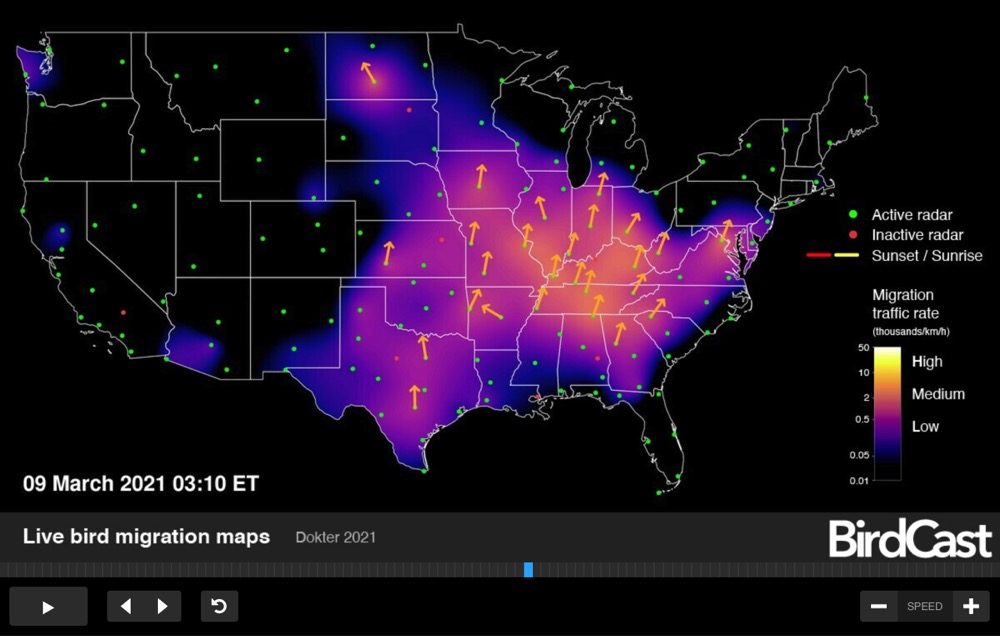
We talk about the weath­er more often than we talk about most things, oth­er nat­ur­al phe­nom­e­na includ­ed. We cer­tain­ly talk about the weath­er more often than we talk about birds, much to the dis­ap­point­ment of ornitho­log­i­cal enthu­si­asts. This could be down to the com­par­a­tive robust­ness of weath­er pre­dic­tion, both as a tra­di­tion and as a dai­ly tech­no­log­i­cal pres­ence in our lives. We can hard­ly avoid see­ing the weath­er fore­cast, but when was the last time you checked the bird fore­cast? Such a thing does, in fact, exist, though it’s only come into exis­tence recent­ly, in the form of Bird­cast, which pro­vides “real-time pre­dic­tions of bird migra­tions: when they migrate, where they migrate, and how far they will be fly­ing.”

Devel­oped by Col­orado State Uni­ver­si­ty and the Cor­nell Lab of Ornithol­o­gy, Bird­Cast offers both live bird migra­tion maps and bird fore­cast migra­tion maps for the Unit­ed States. “These fore­casts come from mod­els trained on the last 23 years of bird move­ments in the atmos­phere as detect­ed by the US NEXRAD weath­er sur­veil­lance radar net­work,” says Bird­Cast’s web site.

Unprece­dent­ed in both the kind of infor­ma­tion they pro­vide and the detail in which they pro­vide it, “these bird migra­tion maps rep­re­sent­ed the cul­mi­na­tion of a 20-year long vision, so too the begin­nings of new inspi­ra­tion for the next gen­er­a­tion of bird migra­tion research, out­reach and edu­ca­tion, and appli­ca­tion.”

You can learn more about the devel­op­ment and work­ings of Bird­Cast in the record­ed webi­nar below, fea­tur­ing research asso­ciate Adri­aan Dok­ter and Julia Wang, leader of the Lights Out project, which aims to get Amer­i­cans spend­ing more time in just such a state. “Every spring and fall, bil­lions of birds migrate through the US, most­ly under the cov­er of dark­ness,” says its sec­tion of Bird­Cast’s site. “This mass move­ment of birds must con­tend with a dra­mat­i­cal­ly increas­ing but still large­ly unrec­og­nized threat: light pol­lu­tion.” The goal is “turn­ing off unnec­es­sary light­ing dur­ing crit­i­cal migra­tion peri­ods,” and with spring hav­ing begun last week­end, we now find our­selves in just such a peri­od. Luck­i­ly, our fine feath­ered friends should­n’t be dis­turbed by the glow of the Bird­Cast map on your screen. View live Bird­Cast maps here.

via Kot­tke

Relat­ed Con­tent:

Explore an Inter­ac­tive Ver­sion of The Wall of Birds, a 2,500 Square-Foot Mur­al That Doc­u­ments the Evo­lu­tion of Birds Over 375 Mil­lion Years

What Kind of Bird Is That?: A Free App From Cor­nell Will Give You the Answer

Cor­nell Launch­es Archive of 150,000 Bird Calls and Ani­mal Sounds, with Record­ings Going Back to 1929

Watch “The “Art of Fly­ing,” a Short Film Cap­tur­ing the Won­drous Mur­mu­ra­tions of the Com­mon Star­ling

Based in Seoul, Col­in Mar­shall writes and broad­casts on cities, lan­guage, and cul­ture. His projects include the Sub­stack newslet­ter Books on Cities, the book The State­less City: a Walk through 21st-Cen­tu­ry Los Ange­les and the video series The City in Cin­e­ma. Fol­low him on Twit­ter at @colinmarshall or on Face­book.

Hear Marianne Faithfull’s Three Versions of “As Tears Go By,” Each Recorded at a Different Stage of Life (1965, 1987 & 2018)

When a 17-year-old Mar­i­anne Faith­full fin­ished the final take of her 1965 hit “As Tears Go By” — penned by a young duo of Mick Jag­ger and Kei­th Richards as one of their first orig­i­nal songs — Rolling Stones man­ag­er Andrew Loog Old­ham “came and gave me a big hug,” she recalled “‘Con­grat­u­la­tions dar­ling. You’ve got your­self a num­ber six,’ he said.”

Richards remem­bered the song in his auto­bi­og­ra­phy as “a ter­ri­ble piece of tripe” and “mon­ey for old rope,” but it actu­al­ly peaked at num­ber 22 on the Bill­board Hot 100, where it stayed for nine weeks, no small thing. So pop­u­lar was “As Tears Go By” that the Stones them­selves record­ed a ver­sion the fol­low­ing year. Their take also entered the Hot 100, where it peaked at num­ber six.

The sto­ry of the song rep­re­sents in brief the evo­lu­tion of its orig­i­nal singer. Fat­ed in her ear­ly years to be known as lit­tle more than Jagger’s muse, an image she grew to hate, Faith­full went from hang­er-on in the six­ties, “an essen­tial com­po­nent of the Swing­ing Lon­don scene,” writes review­er alrockchick; to a home­less hero­in addict; to a leg­end revived, her “whiskey-soaked” croak of a voice the per­fect vehi­cle for deliv­er­ing smoke-filled tales of weari­ness and betray­al.

Along the way, there was “As Tears Go By,” a song Faith­full came to embody, though she didn’t think much of it as a teenag­er. (See Bri­an Epstein intro­duce her on Hula­baloo, above, in 1965.)

She was “nev­er that crazy” about it, she said. “God knows how Mick and Kei­th wrote it or where it came from…. In any case, it’s an absolute­ly aston­ish­ing thing for a boy of 20 to have writ­ten a song about a woman look­ing back nos­tal­gi­cal­ly on her life.”

The “boys” had help — at first they cribbed the title “As Time Goes By” from the famous tear­jerk­er in Casablan­ca. Accord­ing to Loog Old­ham, he locked the two Stones in a room togeth­er and said, “I want a song with brick walls all around it, high win­dows and no sex.” How that became a Mar­i­anne Faith­full sig­na­ture is some­thing of a mys­tery. At times she claimed Jag­ger wrote the song for her; at oth­ers, she emphat­i­cal­ly denied it. But as the con­trast between her voice and the song’s sac­cha­rine, maudlin nature changed, so too did the pow­er of her deliv­ery, which is not to say her first record­ing didn’t war­rant the atten­tion.

“The voice on ‘As Tears Go By’ and ‘Sum­mer Nights,’” altrockchick writes, “has an airy, sur­re­al qual­i­ty; the voice on Bro­ken Eng­lish,” her 1979 come­back (which does not include “As Tears Go By”), “is as real as it gets” and only got more real with time. In a Nico-esque monot­o­ne drone, she revis­it­ed the song she made famous in the mid-six­ties in the 1987 take above for the album Strange Weath­er. She had just recent­ly got­ten clean and lost a lover to sui­cide.

The weath­ered vul­ner­a­bil­i­ty she projects is worlds away from the dreamy melan­choly of the past, her voice “a far cry from the 60s sweet­ness,” The Music Afi­ciona­do blog notes. “Years of sub­stance abuse and con­stant smok­ing dropped her pitch and made it raspy.” These qual­i­ties are even more pro­nounced in a 2018 ver­sion of the song from the album Neg­a­tive Capa­bil­i­ty. It func­tions almost as a coda for a career as an inter­preter of the songs of oth­ers, though she’s writ­ten no few of her own (and may yet release anoth­er ver­sion of “As Time Goes By.”)

She is remem­bered for much more than her first hit, but Faithfull’s revis­i­ta­tion of “As Tears Go By” over the years seems to speak to an ambiva­lent accep­tance of Mick Jagger’s con­stant pres­ence in her sto­ry — and a grace­ful, if not exact­ly uplift­ing, accep­tance of the inevitable rav­ages of age and fame.

You can hear her very recent inter­view on the Bro­ken Record pod­cast below:

Relat­ed Con­tent: 

Jean-Luc Godard Shoots Mar­i­anne Faith­full Singing “As Tears Go By” (1966)

David Bowie Sings ‘I Got You Babe’ with Mar­i­anne Faith­full in His Very Last Per­for­mance As Zig­gy Star­dust (1973)

Watch the Rolling Stones Write “Sym­pa­thy for the Dev­il”: Scenes from Jean-Luc Godard’s ’68 Film One Plus One

Josh Jones is a writer and musi­cian based in Durham, NC. Fol­low him at @jdmagness

How Leonardo da Vinci Made His Magnificent Drawings Using Only a Metal Stylus, Pen & Ink, and Chalk

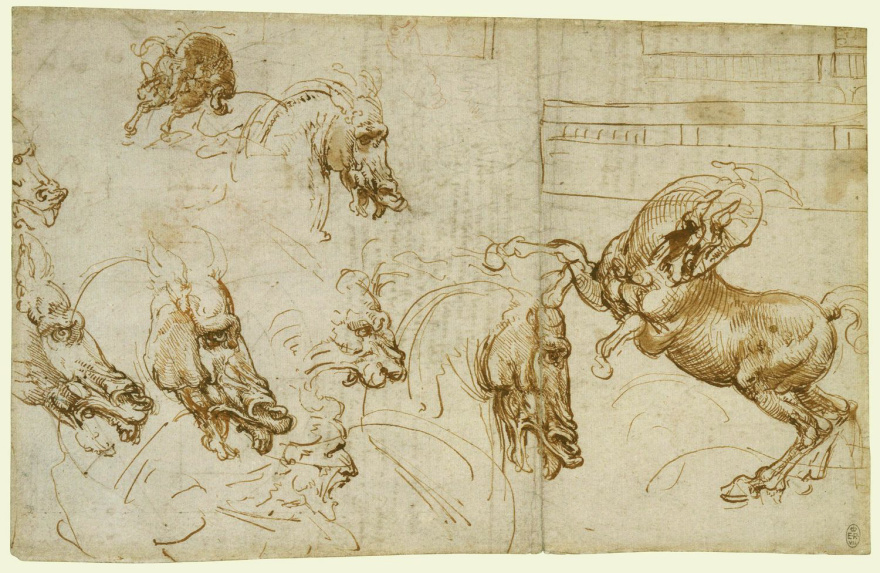
The mod­ern artist has what can seem like an unlim­it­ed range of mate­ri­als from which to choose, a vari­ety com­plete­ly unknown to great Renais­sance mas­ters like Leonar­do da Vin­ci. Few, if any, can say, how­ev­er, that they have any­thing like the raw tal­ent, inge­nu­ity, and dis­ci­pline that drove Leonar­do to draw inces­sant­ly, con­stant­ly hon­ing his tech­niques and exploit­ing every use of the tools and tech­niques avail­able to him.

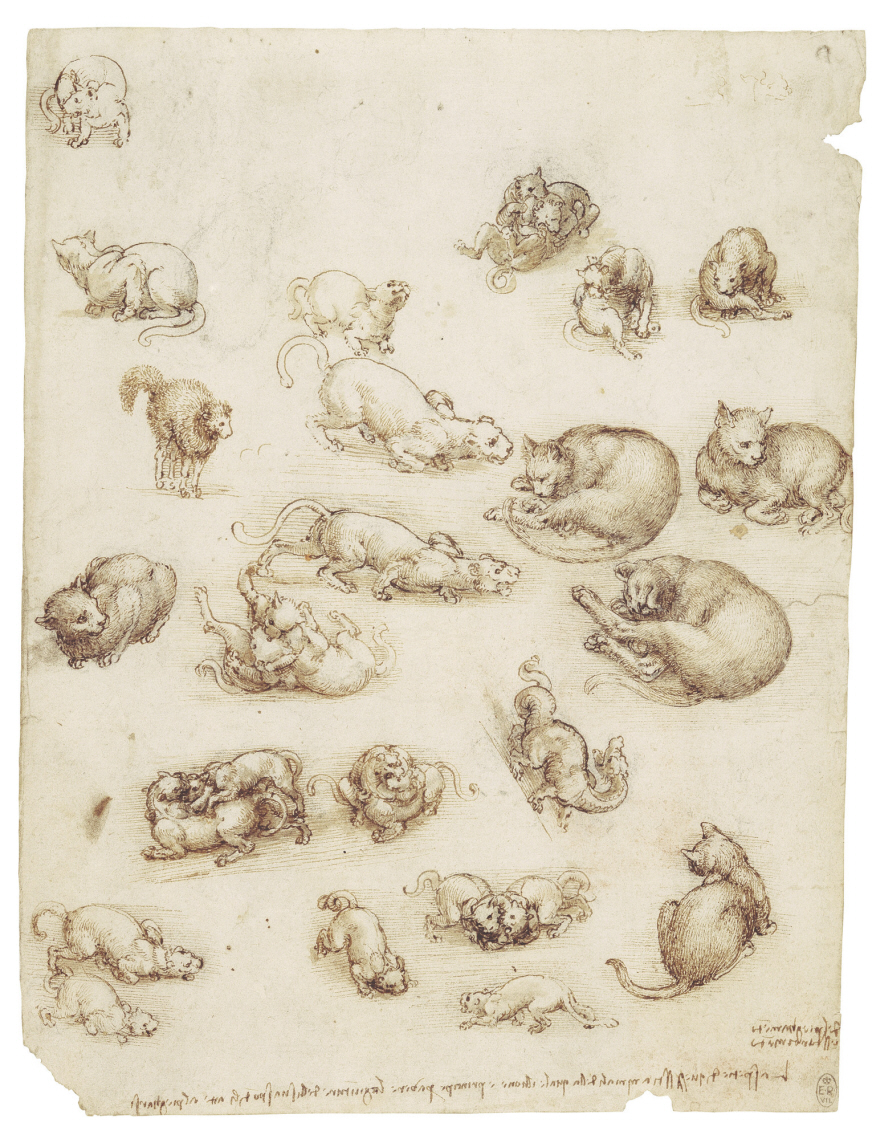
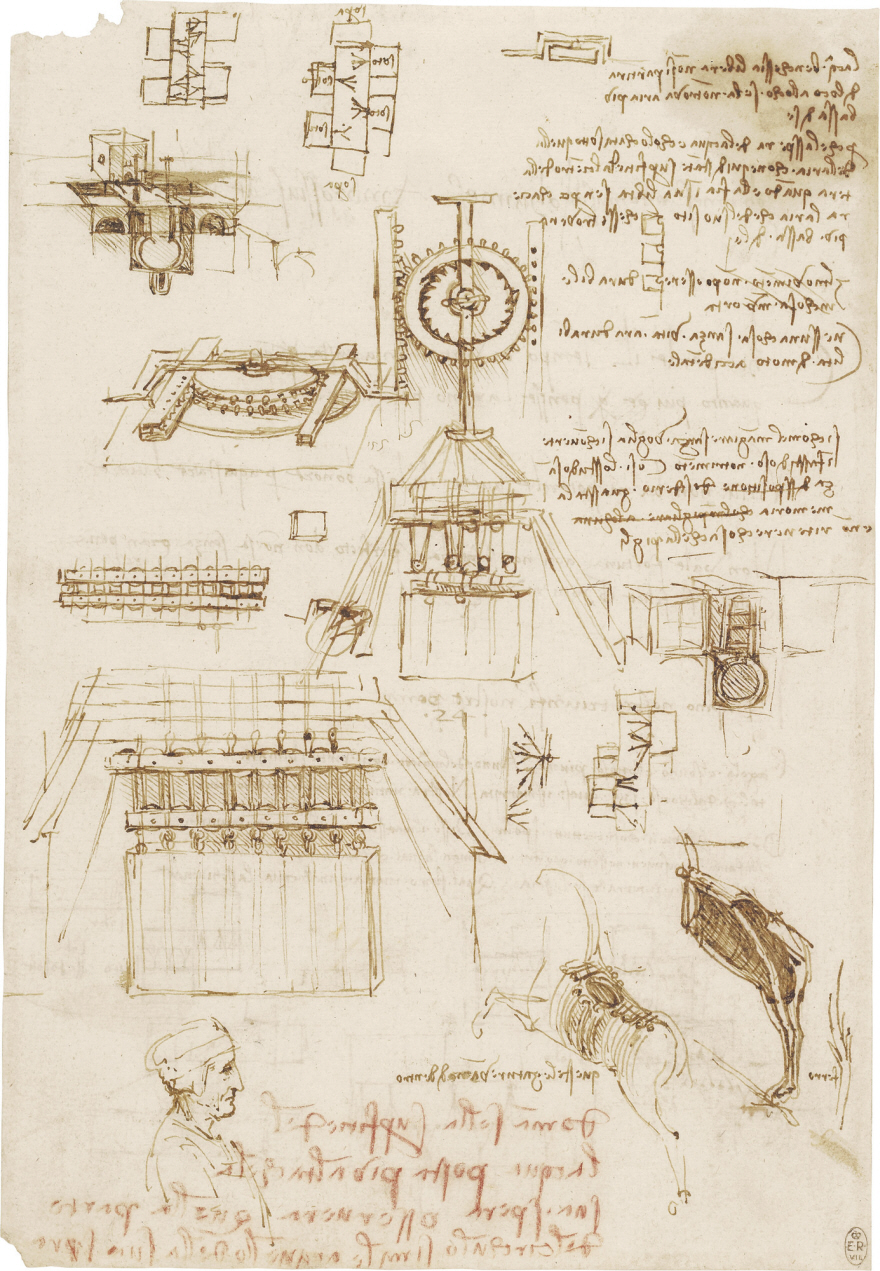
What were those tools and tech­niques? Con­ser­va­tor Alan Don­nithorne demon­strates Leonardo’s mate­ri­als in the video above, with exam­ples from the hold­ings of the Roy­al Col­lec­tion at Wind­sor Cas­tle. Leonar­do “drew inces­sant­ly,” the Roy­al Col­lec­tion Trust writes, “to devise his artis­tic projects, to explore the nat­ur­al world, and to record the work­ings of his imag­i­na­tion.” He used met­al­point, a method of draw­ing on coat­ed paper with a met­al sty­lus; pen and ink, with pens made from a goose wing feath­er; and, after the 1490s, red and black chalks.

Leonar­do pro­duced thou­sands of draw­ings dur­ing his lifetime“many of them of extreme beau­ty and com­plex­i­ty,” says Don­nithorne, “and it’s incred­i­ble to think that he pro­duced them using these very sim­ple ingre­di­ents.”

The Roy­al Col­lec­tion owns around 550 of these draw­ings, “togeth­er as a group since the artist’s death in 1519,” when he bequeathed them to his stu­dent, Francesco Melzi. These works “pro­vide unpar­al­leled insight,” the Col­lec­tion writes, “into the work­ings of Leonardo’s mind and reflect the full range of his inter­ests, includ­ing paint­ing, sculp­ture, archi­tec­ture, anato­my, engi­neer­ing, car­tog­ra­phy, geol­o­gy, and botany.”

The rest­less­ness of Leonardo’s mind and hand also reflect the need to move quick­ly from project to project as he pur­sued some com­mis­sions and aban­doned oth­ers. “Across all these themes,” how­ev­er, Christo­pher Bak­er, direc­tor of Euro­pean and Scot­tish Art and Por­trai­ture at the Nation­al Gal­leries of Scot­land, sees “a rav­ish­ing range of tech­niques and mate­ri­als…. The pre­ci­sion required by met­al­point proved espe­cial­ly appro­pri­ate for some of his most inci­sive human or ani­mal obser­va­tions, while iron gall ink and red and black chalks allowed an explorato­ry free­dom fit­ting for com­po­si­tion­al tri­als, fic­tive works or cap­tur­ing move­ment.”

The artist’s “prodi­gious skills” are evi­dent among his many shifts in style and sub­ject and we see even in util­i­tar­i­an illus­tra­tions how “he over­turned so many con­ven­tions and some­times mixed his media to won­der­ful effect.” Leonardo’s choice of media was hard­ly expan­sive com­pared to the dizzy­ing­ly col­or­ful aisles that greet the bud­ding artist at art sup­ply stores today. But what he could do with a sty­lus, goose-quill pen, and chalk has nev­er been equalled. Learn more about how he used his mate­ri­als in Donnithorne’s book, Leonar­do da Vin­ci: A Clos­er Look, pub­lished on the 500th anniver­sary cel­e­bra­tions of Leonardo’s death.

via Core77

Relat­ed Con­tent:

The Old­est Known Globe to Depict the New World Was Engraved on an Ostrich Egg, Maybe by Leon­dar­do da Vin­ci (1504)

Leonar­do da Vinci’s Ele­gant Stud­ies of the Human Heart Were 500 Years Ahead of Their Time

Leonar­do da Vinci’s Ear­li­est Note­books Now Dig­i­tized and Made Free Online: Explore His Inge­nious Draw­ings, Dia­grams, Mir­ror Writ­ing & More

Josh Jones is a writer and musi­cian based in Durham, NC. Fol­low him at @jdmagness

Street Artist Creates an Optical Illusion That Lets People See the Art Inside a Shuttered Museum in Florence

The pan­dem­ic will end, but the coro­n­avirus could become endem­ic, most virol­o­gists believe, “mean­ing that it will con­tin­ue to cir­cu­late in pock­ets of the glob­al pop­u­la­tion for years to come,” as Nicky Phillips writes at Nature. The dis­ease will pose much less of a dan­ger to us over time, yet the prob­lem of its per­sis­tence rais­es a ques­tion many of us are ask­ing our­selves as pre­cau­tions drag into anoth­er year: what kind of world will we step into when this is (most­ly) final­ly over?

Many restau­rants, the­aters, and music venues are shut­tered for good, while the impact on the art world has been dev­as­tat­ing. Accord­ing to an Art Basel report, sales con­tract­ed 36% in gal­leries world­wide in 2020.

Daniel Langer pre­dicts that up to 40 per­cent of gal­leries will close after the pan­dem­ic, even as the high-end “‘lux­u­ry’ art mar­ket is grow­ing dur­ing the pan­dem­ic” as wealthy investors “look to art as a long-term val­ue play.” The coro­n­avirus has only exag­ger­at­ed con­di­tions in which “99 per cent of all artists are paid mis­er­ably, while the top 1 per cent enjoys a celebri­ty sta­tus and can sell their art with enor­mous pre­mi­ums.”

French artist JR is one of the few who has done well over the past year, exhibit­ing his large-scale trompe l’oeil pho­to­graph­ic instal­la­tions in Paris and São Paulo. In his most recent instal­la­tion in Flo­rence, JR makes a strik­ing visu­al com­men­tary on “the adver­si­ties that cul­tur­al insti­tu­tions — includ­ing muse­ums, libraries, and cin­e­mas — have faced over the past year,” writes My Mod­ern Met. Called La Feri­ta (“The Wound” in Ital­ian) and “mea­sur­ing 28 meters high and 33 meters wide, this opti­cal illu­sion cre­ates a ‘crack’ in the exte­ri­or” of the Palaz­zo Strozzi, “so that view­ers can see mas­ter­pieces like Botticelli’s Birth of Venus and Pri­mav­era.”

In JR’s Insta­gram posts, you can see the piece being installed “as Italy entered anoth­er lock­down that will last until April 6, clos­ing the doors of all cul­tur­al insti­tu­tions once again.” Though it func­tions more as a memo­r­i­al to what feels like a lost world than a polit­i­cal state­ment, JR has accom­pa­nied his Insta­gram posts with pub­lic com­men­tary: “They say the muse­ums are closed,” he writes, “but it’s up to us to open them. Here is Flo­rence, the city of Bot­ti­cel­li, Donatel­lo, Machi­av­el, and Dante, we opened the Palaz­zo Strozzi.”

JR con­cludes on a wan note of hope­ful­ness: “we still have the free­dom to dream, to cre­ate, to envi­sion the future,” he writes. “Maybe it’s not much, but we have that!” Maybe we’ll also have more pub­lic art instal­la­tions in place of indoor gal­leries and muse­ums, and more artists bring­ing their work to the streets, “the largest art gallery in the world,” JR has said, and one that can’t be locked down or put out of busi­ness by a virus or the rav­ages of the mar­ket.

via My Mod­ern Met

Relat­ed Con­tent:  

A New Dig­i­tal Archive Pre­serves Black Lives Mat­ter & COVID-19 Street Art

Banksy Debuts His COVID-19 Art Project: Good to See That He Has TP at Home

A Bio­sta­tis­ti­cian Uses Cro­chet to Visu­al­ize the Fright­en­ing Infec­tion Rates of the Coro­n­avirus

Josh Jones is a writer and musi­cian based in Durham, NC. Fol­low him at @jdmagness

How Sounds Are Faked For Nature Documentaries: Meet the Artists Who Create the Sounds of Fish, Spiders, Orangutans, Mushrooms & More

We think of nature doc­u­men­taries as pri­mar­i­ly visu­al works. As well we prob­a­bly should, giv­en the count­less, most­ly dull and uncom­fort­able hours spent in the field they demand of their pho­tog­ra­phy crews. But what comes to mind when we imag­ine the sound of nature doc­u­men­taries — apart, of course, from the voice of David Atten­bor­ough? Lis­ten close­ly dur­ing the breaks in his nar­ra­tion of such hit nature series as Plan­et Earth or Our Plan­et, and you’ll hear all man­ner of sounds: the sound of sharks swim­ming, of orang­utans chew­ing, of spi­ders shoot­ing their webs, of mush­rooms sprout­ing. Hang on — mush­rooms sprout­ing?

Nature doc­u­men­taries, as nar­ra­tor Abby Tang says in the Insid­er video above, are full of “sounds that would either be impos­si­ble to cap­ture, or ones that are straight-up made up.” In this they dif­fer lit­tle from script­ed films, whose actu­al shoots usu­al­ly man­age to record only the actors’ dia­logue, if that.

Work­ing in the wild, far indeed from any stu­dio, nature doc­u­men­tar­i­ans “might actu­al­ly be shoot­ing a sub­ject mat­ter that’s across a val­ley, or they’ll cap­ture objects nor­mal­ly too small to have a reg­is­tered noise to it.” Hence the need for a cat­e­go­ry of pro­fes­sion­als pre­vi­ous­ly fea­tured here on Open Cul­ture: foley artists, those inven­tive cre­ators of foot­steps, door-knocks, punch­es, sword-unsheath­ings, and all the oth­er sounds view­ers expect to hear.

Here foley artist Richard Hin­ton demon­strates his meth­ods for breath­ing son­ic life into a range of nature scenes. A shoal of mack­er­el? Old mag­net­ic audio tape sloshed around in a tub of water. The vibra­tions of a spi­der­web? A slinky, held per­ilous­ly close to the micro­phone. The north­ern lights? A pair of cym­bals and a set of wind chimes. Often, just the right sound emerges from those of two dis­tinct objects lay­ered togeth­er, a prin­ci­ple known to foley artists since the ear­ly days of radio dra­ma. In fact, though foley sounds today go through a fair bit of dig­i­tal edit­ing and pro­cess­ing to make them more con­vinc­ing, the tools and tech­niques used to pro­duce them have changed lit­tle since those days. The next time you watch a bear onscreen open its eyes after months-long hiber­na­tion, con­sid­er the pos­si­bil­i­ty that you’re hear­ing an Eng­lish­man mak­ing nois­es with scraps of fur and his mouth.

Relat­ed Con­tent:

Watch 50 Hours of Nature Sound­scapes from the BBC: Sci­en­tif­i­cal­ly Proven to Ease Stress and Pro­mote Hap­pi­ness & Awe

Chill Out to 70 Hours of Ocean­scape Nature Videos Filmed by BBC Earth

Watch­ing Nature Doc­u­men­taries Can Pro­duce “Real Hap­pi­ness,” Finds a Study from the BBC and UC-Berke­ley

How the Sounds You Hear in Movies Are Real­ly Made: Dis­cov­er the Mag­ic of “Foley Artists”

How the Sound Effects on 1930s Radio Shows Were Made: An Inside Look

Based in Seoul, Col­in Mar­shall writes and broad­casts on cities, lan­guage, and cul­ture. His projects include the Sub­stack newslet­ter Books on Cities, the book The State­less City: a Walk through 21st-Cen­tu­ry Los Ange­les and the video series The City in Cin­e­ma. Fol­low him on Twit­ter at @colinmarshall or on Face­book.

Four Cellists Play Ravel’s “Bolero” on One Cello

And now for some­thing com­plete­ly dif­fer­ent…

Above, the Wiener Cel­loensem­ble 5 + 1–“an untra­di­tion­al cel­lo ensem­ble” found­ed by the Vien­na Phil­har­mon­ic’s Ger­hard Kaufmann–presents an uncon­ven­tion­al per­for­mance of Ravel’s “Bolero.” It’s min­i­mal­ist, in a cer­tain way. Four musi­cians. One instru­ment. And noth­ing more…

If you would like to sup­port the mis­sion of Open Cul­ture, con­sid­er mak­ing a dona­tion to our site. It’s hard to rely 100% on ads, and your con­tri­bu­tions will help us con­tin­ue pro­vid­ing the best free cul­tur­al and edu­ca­tion­al mate­ri­als to learn­ers every­where. You can con­tribute through Pay­Pal, Patre­on, and Ven­mo (@openculture). Thanks!

via Clas­sicFM/MyModernMet

Relat­ed Con­tent:

Hear a 1930 Record­ing of Boléro, Con­duct­ed by Rav­el Him­self

Juil­liard Stu­dents & the New York Phil­har­mon­ic Per­form Ravel’s Bolero While Social Dis­tanc­ing in Quar­an­tine

Copen­hagen Phil­har­mon­ic Plays Ravel’s Bolero at Train Sta­tion

by | Permalink | Make a Comment ( 1 ) |

« Go BackMore in this category... »
Quantcast