The Real Science Experiments That Inspired Frankenstein

With the Hal­loween sea­son mere months away, the time has come to start think­ing about what fright­en­ing reads to line up for our­selves this year. Some of us may reach for Mary Shel­ley’s Franken­stein; or, The Mod­ern Prometheus, a sto­ry we all think we know. But a look into its con­text reveals that what’s now regard­ed as a time­less clas­sic was, in its day, quite a top­i­cal nov­el. Intro­duc­ing the 1931 James Whale film adap­ta­tion, the reg­u­lar hor­ror-movie play­er Edward Van Sloan describes Franken­stein as deal­ing with “the two great mys­ter­ies of cre­ation: life and death” — which, when Shel­ley’s nov­el was pub­lished more than a cen­tu­ry ear­li­er, were yet more mys­te­ri­ous still.

“Wor­ried by the poten­tial inabil­i­ty to dis­tin­guish between the states of life and death, two doc­tors, William Hawes and Thomas Cogan, set up the Roy­al Humane Soci­ety in Lon­don in 1774,” writes Sharon Rus­ton at The Pub­lic Domain Review. At the time, it was actu­al­ly called the Soci­ety for the Recov­ery of Per­sons Appar­ent­ly Drowned, a name that would’ve dou­bled neat­ly as a mis­sion state­ment. Falling into the rivers and canals of Lon­don was, it seems, a com­mon occur­rence in those days, and few mem­bers of the pub­lic pos­sessed the swim­ming skills to save them­selves. Thus the Soci­ety’s mem­bers took it upon them­selves to devise meth­ods of reviv­ing those “per­sons appar­ent­ly drowned,” whether their plunges were acci­den­tal­ly or delib­er­ate­ly tak­en.

One such attempt­ed sui­cide, writes Rus­ton, “seems to have been Mary Shelley’s moth­er, the fem­i­nist, Mary Woll­stonecraft,” who lat­er com­plained about how, after leap­ing into the Thames, she was “inhu­man­ly brought back to life and mis­ery.” That inci­dent could well have done its part to inspire Franken­stein, though notions of reviv­ing the dead were very much in the air at the time, not least due to the atten­tion being paid to the prac­tice of “Gal­vanism,” which involved stim­u­lat­ing the mus­cles of dead ani­mals and human bod­ies to move­ment using the then-nov­el phe­nom­e­non of elec­tric­i­ty. In the Eng­land of that his­tor­i­cal moment, it was­n’t entire­ly far-fetched to believe that the dead real­ly could be brought back to life.

You can learn more about the sci­en­tif­ic devel­op­ments, social changes, and human anx­i­eties (includ­ing about the pos­si­bil­i­ty of being buried alive) that formed Franken­stein’s cul­tur­al back­ground from the Vox His­to­ry Club video above. In a way, it seems inevitable that some­one in the ear­ly nine­teenth cen­tu­ry would write about a sci­en­tist avant la let­tre who dares to cre­ate life from death. It just hap­pened to be the teenage Shel­ley, to whom the idea came while engaged in a com­pe­ti­tion with Lord Byron, the writer-physi­cian John Poli­dori, and her soon-to-be hus­band Per­cy Bysshe Shel­ley to see who could write the scari­est sto­ry. Two cen­turies lat­er, the sto­ry of Franken­stein may no longer scare us, but as told by Shel­ley, it still has a way of sound­ing strange­ly plau­si­ble.

Relat­ed con­tent:

Read­ing Mary Shelley’s Franken­stein on Its 200th Anniver­sary: An Ani­mat­ed Primer to the Great Mon­ster Sto­ry & Tech­nol­o­gy Cau­tion­ary Tale

Read a Huge Anno­tat­ed Online Edi­tion of Franken­stein: A Mod­ern Way to Cel­e­brate the 200th Anniver­sary of Mary Shelley’s Clas­sic Nov­el

Mary Shelley’s Hand­writ­ten Man­u­script of Franken­stein: This Is “Ground Zero of Sci­ence Fic­tion,” Says William Gib­son

The Very First Film Adap­ta­tion of Mary Shelley’s Franken­stein, a Thomas Edi­son Pro­duc­tion (1910)

The First Muse­um Ded­i­cat­ed to Mary Shel­ley & Her Lit­er­ary Cre­ation Franken­stein Opens in Bath, Eng­land

Based in Seoul, Col­in Marshall writes and broad­casts on cities, lan­guage, and cul­ture. His projects include the Sub­stack newslet­ter Books on Cities and the book The State­less City: a Walk through 21st-Cen­tu­ry Los Ange­les. Fol­low him on the social net­work for­mer­ly known as Twit­ter at @colinmarshall.

The Devilish History of the 1980s Parental Advisory Sticker: When Heavy Metal & Satanic Lyrics Collided with the Religious Right

Frank Zap­pa called them the “Moth­ers of Pre­ven­tion,” the group of wives mar­ried to mem­bers of Con­gress who decid­ed in the mid-80s to go to war against rock lyrics and whip up some good ol’ con­ser­v­a­tive hys­te­ria.

We’ve talked about this time before on this site, espe­cial­ly as Zap­pa him­self tes­ti­fied in front of Con­gress and sparred on the Sun­day Belt­way shows like Cross­fire.

Vox’s Ear­worm series tack­les this moment in a time that would have lit­tle ram­i­fi­ca­tion before the design-ugly “Parental Advi­so­ry: Explic­it Con­tent” stick­er. (Just an aside: I know their head­line is click-baity, but real­ly? Heavy met­al and Satan gave us this stick­er? More like Tip­per Gore and their family’s pres­i­den­tial ambi­tions gave us it. Oy.)

Any­way, Gore’s Par­ents Music Resource Cen­ter (PMRC) gave us a list of the “Filthy Fif­teen,” includ­ing songs like Sheena Easton’s “Sug­ar Walls” and Madonna’s “Dress You Up,” which either con­tained lyrics “pro­mot­ing” vio­lence, sex­u­al ref­er­ences, drugs and alco­hol, and Satan’s favorite, the “occult.”

Estelle Caswell explores that last cat­e­go­ry and dives into the increas­ing pop­u­lar­i­ty dur­ing the ‘80s of heavy met­al music, which was often invok­ing Satan in its lyrics, or cre­at­ing occult-like atmos­pheres in its pro­duc­tion.

This campy, hor­ror­show cul­ture ran right into the grow­ing pow­er of con­ser­v­a­tive Chris­tians and evan­gel­i­cal preach­ers who made a *lot* of mon­ey whip­ping up “Satan­ic Pan­ic” among their nation­al flock. They lis­tened to rock records back­wards, believ­ing they heard sub­lim­i­nal mes­sages.

Of course, none of this would have gone much fur­ther than church­es if it wasn’t for the major net­works turn­ing a noth­ing sto­ry into headlines–the Vox video reminds us how com­plic­it Ted Kop­pel, Bar­bara Wal­ters, Ger­al­do Rivera, et al were in pro­mot­ing it. They also looked at the ris­ing teenage sui­cide rate and used heavy met­al as a scape­goat, instead of–as the video explains–family breakups, drug abuse, eco­nom­ic uncer­tain­ty, and increas­ing access to guns.

The warn­ing label itself appeared in 1990, just as rap was tak­ing off and a new lyri­cal boogey­man appeared. Dig­i­tal media and file shar­ing, along with YouTube and oth­er sites, mut­ed this kind of cen­sor­ship. And par­ents, in the end, still need to do the job over what their chil­dren see or don’t.

How­ev­er, cen­sor­ship is back, but there are no Wash­ing­ton Wives act­ing as scolds. Now it is the whims of cap­i­tal, or it is a faulty algo­rithm that cen­sors old mas­ter paint­ings filled with nudi­ty, just as guilty as porn, that are our new decen­cy guardians. Where are those con­gres­sion­al hear­ings?

Note: An ear­li­er ver­sion of this post appeared on our site in 2019.

Relat­ed Con­tent:

Young Pat­ti Smith Rails Against the Cen­sor­ship of Her Music: An Ani­mat­ed, NSFW Inter­view from 1976

1980s Met­al­head Kids Are Alright: Sci­en­tif­ic Study Shows That They Became Well-Adjust­ed Adults

A Brief His­to­ry of Hol­ly­wood Cen­sor­ship and the Rat­ings Sys­tem

Frank Zap­pa Debates Whether the Gov­ern­ment Should Cen­sor Music in a Heat­ed Episode of Cross­fire: Why Are Peo­ple Afraid of Words? (1986)

Watch Heavy Met­al Park­ing Lot, the Cult Clas­sic Film That Ranks as One of the “Great Rock Doc­u­men­taries” of All Time

Ted Mills is a free­lance writer on the arts.

by | Permalink | Make a Comment ( 2 ) |

Revisit One of the Most Polarizing Albums in Rock History: Lou Reed’s Metal Machine Music, Which Came Out 50 Years Ago

Fifty years ago this month, Lou Reed near­ly destroyed his own career with one dou­ble album. Met­al Machine Music sold 100,000 copies dur­ing the three weeks of sum­mer 1975 between its release and its removal from the mar­ket. More than a few of the many buy­ers who prompt­ly returned it would have been expect­ing some­thing like Sal­ly Can’t Dance, Reed’s solo album from the pre­vi­ous year, whose slick­ly pro­duced songs went down eas­i­er than any­thing he’d record­ed with the Vel­vet Under­ground. What they heard when they put the new album on their turnta­bles (or insert­ed the Quadro­phon­ic 8‑track tape into their decks) was “noth­ing, absolute­ly noth­ing but scream­ing feed­back noise record­ed at var­i­ous fre­quen­cies, played back against var­i­ous oth­er noise lay­ers, split down the mid­dle into two total­ly sep­a­rate chan­nels of utter­ly inhu­man shrieks and hiss­es.”

That descrip­tion comes from vol­u­ble Creem rock crit­ic and avowed enthu­si­ast of deca­dence Lester Bangs, who also hap­pened to be one of Met­al Machine Music’s most fer­vent defend­ers. At one point he declared it “the great­est record ever made in the his­to­ry of the human eardrum.” (“Num­ber Two: Kiss Alive!”)

Much of what we know about the inten­tions behind this baf­fling album come from Bangs’ writ­ings, includ­ing those that pur­port to tran­scribe con­ver­sa­tions with Reed him­self, who’d been one of the crit­ic’s read­i­est ver­bal spar­ring part­ners. The inspi­ra­tion, as Reed explained to Bangs, came from lis­ten­ing to com­posers Ian­nis Xenakis and La Monte Young, who dared to go beyond the bound­aries of what most lis­ten­ers would con­sid­er music at all. Reed also insist­ed that he’d delib­er­ate­ly insert­ed bits and pieces of Mozart, Beethoven, and oth­er clas­si­cal mas­ters into his son­ic mael­strom, though Bangs clear­ly did­n’t buy it.

Met­al Machine Music does­n’t seem so weird now, does it?” asked an inter­view­er on Night Flight just a decade or so after the album’s release. “No, it does­n’t, does it?” Reed says. “In light of Eno and all this stuff that came out now, it’s not near­ly as insane and crazy as they said it was then.” Indeed, it sounds almost of a piece with an influ­en­tial work of ambi­ent music like Bri­an Eno’s Music for Air­ports, though that album was meant to calm its lis­ten­ers rather than dri­ve them from the room. Over the half-cen­tu­ry since its release, Met­al Machine Music has accrued enough appre­ci­a­tion to be paid trib­utes like the live per­for­mances by Ger­man ensem­ble Zeitkratzer that have con­tin­ued long after Reed’s death. The lega­cy of his “elec­tron­ic instru­men­tal com­po­si­tion,” as he said after one such con­cert in 2007, also includes a name­sake clause in record­ing con­tracts stip­u­lat­ing that “the artist must turn in a record that sound like the artist that the record com­pa­ny signed — not come in with Met­al Machine Music.”

Relat­ed con­tent:

A Huge Anthol­o­gy of Noise & Elec­tron­ic Music (1920–2007) Fea­tur­ing John Cage, Sun Ra, Cap­tain Beef­heart & More

Teenage Lou Reed Sings Doo-Wop Music (1958–1962)

Hear Ornette Cole­man Col­lab­o­rate with Lou Reed, Which Lou Called “One of My Great­est Moments”

David Bowie and Lou Reed Per­form Live Togeth­er for the First and Last Time: 1972 and 1997

Lou Reed Cre­ates a List of the 10 Best Records of All Time

Lou Reed Album With Demos of Vel­vet Under­ground Clas­sics Get­ting Released: Hear an Ear­ly Ver­sion of “I’m Wait­ing for the Man”

Based in Seoul, Col­in Marshall writes and broad­casts on cities, lan­guage, and cul­ture. His projects include the Sub­stack newslet­ter Books on Cities and the book The State­less City: a Walk through 21st-Cen­tu­ry Los Ange­les. Fol­low him on the social net­work for­mer­ly known as Twit­ter at @colinmarshall.

How Jackie Chan Filmed the Best Fight Scene in Cinema History

Though now in his sev­en­ties, Jack­ie Chan con­tin­ues to appear on the big screen with reg­u­lar­i­ty. For most world-famous actors, that’s hard­ly notable, but it’s not as if Sir John Giel­gud, say, had spent decades film­ing scenes of hand-to-hand com­bat and sus­tain­ing severe injuries in the per­for­mance of elab­o­rate stunts. View­ers of New Police Sto­ry 2 and Rush Hour 4, to name just two upcom­ing fran­chise projects, will sure­ly delight, as always, in Chan’s very screen pres­ence. But it goes with­out say­ing that he won’t be attempt­ing any­thing like what he did in his break­out Hong Kong films of the sev­en­ties and eight­ies, which required a sin­gu­lar ded­i­ca­tion both phys­i­cal and cin­e­mat­ic.

There are also fans who argue that Chan reached his peak in the nineties, most of whom would adduce the cli­mac­tic fight scene above from Drunk­en Mas­ter II. Made in 1994, when Chan was 40 years old, it came as the osten­si­ble sequel to Drunk­en Mas­ter, from 1978, in which Chan’s por­tray­al of the tit­u­lar Qing dynasty folk hero launched him to star­dom in Asia.

Released in the U.S. as The Leg­end of Drunk­en Mas­ter in 2000 — after Chan had final­ly made it state­side with Rum­ble in the Bronx and the first Rush Hour Drunk­en Mas­ter II met with crit­i­cal aston­ish­ment. “It involves some of the most intri­cate, dif­fi­cult and joy­ful­ly exe­cut­ed action sequences I have ever seen,” wrote Roger Ebert. His judg­ment of the final, steel-forge-set show­down: “It may not be pos­si­ble to film a bet­ter fight scene.” The Rossatron video below explains how the scene has drawn such reac­tions.

One ele­ment has been key to Chan’s suc­cess from the begin­ning: his humor, vis­i­bly descend­ed from the phys­i­cal com­e­dy of West­ern silent stars like Char­lie Chap­lin and Buster Keaton, which comes through even in the midst of the most intense hand-to-hand com­bat. In Drunk­en Mas­ter II, it’s “not only a pleas­ing addi­tion to the film, but a nec­es­sary part of the sto­ry itself,” through the course of which Chan’s pro­tag­o­nist must gain con­trol over the style of “drunk­en box­ing” born of his own fond­ness for the bot­tle. It is con­trolled drunk­en­ness, of course, that even­tu­al­ly brings him vic­to­ry in his both car­toon­ish and mas­ter­ful last fight, which required four months to shoot under the direc­tion of the star him­self (the film’s actu­al direc­tor Lau Kar-leung hav­ing ced­ed con­trol of the scene due to styl­is­tic dif­fer­ences). Today, there may be no action-com­e­dy per­former equal to Jack­ie Chan in his prime. But even if there were, would any stu­dio allow him so much of the oth­er secret ingre­di­ent, time?

via Metafil­ter

Relat­ed con­tent:

Kung Fu & Mar­tial Arts Movies Online

The Only Footage of Bruce Lee Fight­ing for Real (1967)

The Grace­ful Move­ments of Kung Fu & Mod­ern Dance Revealed in Stun­ning Motion Visu­al­iza­tions

Rad­i­cal French Phi­los­o­phy Meets Kung-Fu Cin­e­ma in Can Dialec­tics Break Bricks? (1973)

Why Is Jack­ie Chan the King of Action Com­e­dy? A Video Essay Mas­ter­ful­ly Makes the Case

How Char­lie Chap­lin, Buster Keaton & Harold Lloyd Pulled Off Their Spec­tac­u­lar Stunts Dur­ing Silent Film’s Gold­en Age

Based in Seoul, Col­in Marshall writes and broad­casts on cities, lan­guage, and cul­ture. His projects include the Sub­stack newslet­ter Books on Cities and the book The State­less City: a Walk through 21st-Cen­tu­ry Los Ange­les. Fol­low him on the social net­work for­mer­ly known as Twit­ter at @colinmarshall.

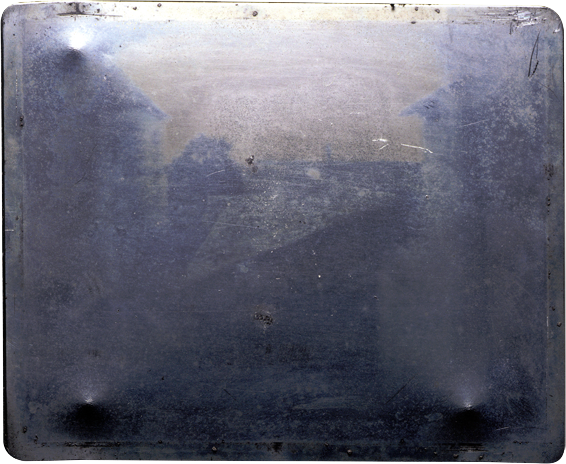
The First Photograph Ever Taken (1826)

first_photograph_home_trans

In his­to­ries of ear­ly pho­tog­ra­phy, Louis Daguerre faith­ful­ly appears as one of the fathers of the medi­um. His patent­ed process, the daguerreo­type, in wide use for near­ly twen­ty years in the ear­ly 19th cen­tu­ry, pro­duced so many of the images we asso­ciate with the peri­od, includ­ing famous pho­tographs of Abra­ham Lin­coln, Edgar Allan Poe, Emi­ly Dick­in­son, and John Brown. But had things gone dif­fer­ent­ly, we might know bet­ter the hard­er-to-pro­nounce name of his one­time part­ner Joseph Nicéphore Niépce, who pro­duced the first known pho­to­graph ever, tak­en in 1826.

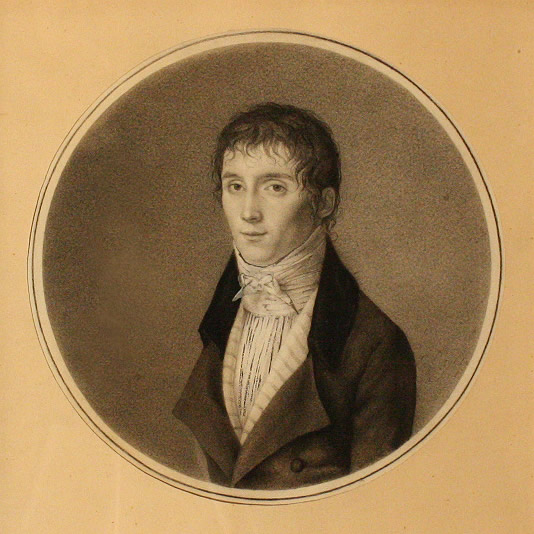
Some­thing of a gen­tle­man inven­tor, Niépce (below) began exper­i­ment­ing with lith­o­g­ra­phy and with that ancient device, the cam­era obscu­ra, in 1816. Even­tu­al­ly, after much tri­al and error, Niépce devel­oped his own pho­to­graph­ic process, which he called “heli­og­ra­phy.”

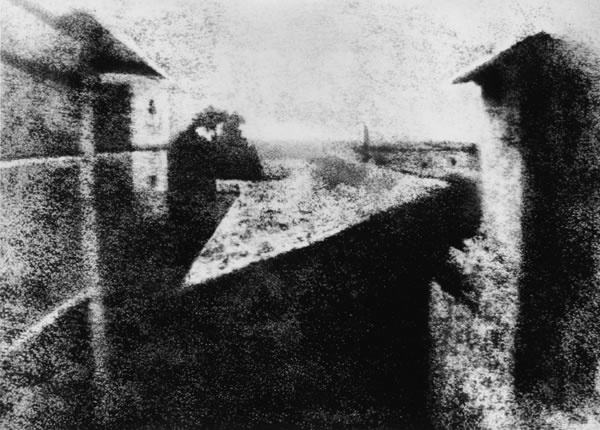
He began by mix­ing chem­i­cals on a flat pewter plate, then plac­ing it inside a cam­era. After expos­ing the plate to light for eight hours, the inven­tor then washed and dried it. What remained was the image we see above, tak­en, as Niépce wrote, from “the room where I work” on his coun­try estate and now housed at the Uni­ver­si­ty of Texas at Austin’s Har­ry Ran­som Cen­ter.

niepce1_large

At the Ran­som Cen­ter web­site, you can see a short video describ­ing Niépce’s house and show­ing how schol­ars recre­at­ed the van­tage point from which he took the pic­ture. Anoth­er video offers insight into the process Niépce invent­ed to cre­ate his “heli­o­graph.” In 1827, Niépce trav­eled to Eng­land to vis­it his broth­er. While there, with the assis­tance of Eng­lish botanist Fran­cis Bauer, he pre­sent­ed a paper on his new inven­tion to the Roy­al Soci­ety. His find­ings were reject­ed, how­ev­er, because he opt­ed not to ful­ly reveal the details, hop­ing to make eco­nom­ic gains with a pro­pri­etary method. Niépce left the pewter image with Bauer and returned to France, where he short­ly after agreed to a ten-year part­ner­ship with Daguerre in 1829.

Sad­ly for Niépce, his heli­o­graph would not pro­duce the finan­cial or tech­no­log­i­cal suc­cess he envi­sioned, and he died just four years lat­er in 1833. Daguerre, of course, went on to devel­op his famous process in 1839 and passed into his­to­ry, but we should remem­ber Niépce’s efforts, and mar­vel at what he was able to achieve on his own with lim­it­ed mate­ri­als and no train­ing or prece­dent. Daguerre may receive much of the cred­it, but it was the “sci­en­tif­i­cal­ly-mind­ed gen­tle­man” Niépce and his heli­og­ra­phy that led—writes the Ran­som Center’s Head of Pho­to­graph­ic Con­ser­va­tion Bar­bara Brown—to “the inven­tion of the new medi­um.”

Niepce Reproduction

Niépce’s pewter plate image was re-dis­cov­ered in 1952 by Hel­mut and Ali­son Gern­sheim, who pub­lished an arti­cle on the find in The Pho­to­graph­ic Jour­nal. There­after, the Gern­sheims had the East­man Kodak Com­pa­ny cre­ate the repro­duc­tion above. This image’s “pointil­lis­tic effect,” writes Brown, “is due to the repro­duc­tion process,” and the image “was touched up with water­col­ors by [Hel­mut] Gern­sheim him­self in order to bring it as close as pos­si­ble to his approx­i­ma­tion of how he felt the orig­i­nal should appear in repro­duc­tion.”

Note: An ear­li­er ver­sion of this post appeared on our site in 2015.

Relat­ed Con­tent:

The First “Self­ie” In His­to­ry Tak­en by Robert Cor­nelius, a Philadel­phia Chemist, in 1839

The First Known Pho­to­graph of Peo­ple Hav­ing a Beer (1843)

The Old­est Known Pho­tographs of Rome (1841–1871)

Some of the Old­est Pho­tos You Will Ever See: Dis­cov­er Pho­tographs of Greece, Egypt, Turkey & Oth­er Mediter­ranean Lands (1840s)

Josh Jones is a writer and musi­cian based in Durham, NC. Fol­low him at @jdmagness

by | Permalink | Make a Comment ( 6 ) |

The Story Told on the Famous Bayeux Tapestry Explained from Start to Finish

They say that his­to­ry is writ­ten by the vic­tors, but that isn’t always true: some­times it’s embroi­dered by the vic­tors. Such was the case with the Bayeux Tapes­try, which com­mem­o­rates the build-up to and suc­cess­ful exe­cu­tion of the Nor­man con­quest of Eng­land in 1066. Cre­at­ed not long after the events it depicts in what we now call the Unit­ed King­dom, the near­ly 230-foot-long cloth has been kept in France for most of its exis­tence. But as report­ed by Hyper­al­ler­gic’s Isa Far­fan, the Bayeux Tapes­try is now set for a year­long sojourn back in its home­land, and at no less an august insti­tu­tion than the British Muse­um, after spend­ing the bet­ter part of a mil­len­ni­um abroad.

In a style that may strike twen­ty-first-cen­tu­ry view­ers as a pre­de­ces­sor to the graph­ic nov­el — or even to the straight-ahead com­ic book, with its grotesque exag­ger­a­tions — the Bayeux Tapes­try’s embroi­dery tells the sto­ry, writes Far­fan, of “the vic­to­ry of William the Con­queror, the Duke of Nor­mandy, over Eng­land in the Bat­tle of Hast­ings. William assem­bled a fleet of ships filled with thou­sands of men and hors­es to cross the Eng­lish Chan­nel and suc­cess­ful­ly claimed the throne from the last Anglo-Sax­on king, Harold God­win­son.”

All this takes place over “58 scenes fea­tur­ing more than 600 wool-thread­ed peo­ple and 200 hors­es. Though it focus­es on the his­tor­i­cal bat­tle, the embroi­dery also reveals fix­tures of broad­er eleventh-cen­tu­ry life, includ­ing archi­tec­ture and armor, and includes almost 400 Latin words accom­pa­ny­ing the images.”

Those words are inter­pret­ed by YouTu­ber Lindy­beige in the video above, which offers a humor­ous ani­mat­ed tour of the full length of the Bayeux Tapes­try — or, in any case, a very close repli­ca made in Eng­land in the mid-nine­teenth cen­tu­ry. The elab­o­rate­ness of its treat­ment under­scores that the Nor­man con­quest was one of the most momen­tous events, if not the most momen­tous event, in all of Eng­lish his­to­ry; the extent of its glo­ri­fi­ca­tion under­scores how much the con­querors felt the need to legit­imize their rule. Noth­ing would ever be the same for Eng­lish cul­ture, Eng­lish law, and even, as recent­ly fea­tured here on Open Cul­ture, the Eng­lish lan­guage. If you go to Lon­don next year to behold the Bayeux Tapes­try for your­self, you’ll hear the usu­al ambi­ent grum­bling about the state of Eng­land — with a refreshed empha­sis, per­haps, on how wrong it all went after 1066.

Relat­ed con­tent:

The Bayeux Tapes­try Gets Dig­i­tized: View the Medieval Tapes­try in High Res­o­lu­tion, Down to the Indi­vid­ual Thread

Behold a Cre­ative Ani­ma­tion of the Bayeux Tapes­try

How Eng­land First Became Eng­land: An Ani­mat­ed His­to­ry

The Bayeux Tapes­try Ani­mat­ed

The Entire His­to­ry of the British Isles Ani­mat­ed: 42,000 BCE to Today

Con­struct Your Own Bayeux Tapes­try with This Free Online App

Based in Seoul, Col­in Marshall writes and broad­casts on cities, lan­guage, and cul­ture. His projects include the Sub­stack newslet­ter Books on Cities and the book The State­less City: a Walk through 21st-Cen­tu­ry Los Ange­les. Fol­low him on the social net­work for­mer­ly known as Twit­ter at @colinmarshall.

A Behind-the-Scenes Tour of NPR’s Tiny Desk Concert

Back in 2008, Bob Boilen (host of All Songs Con­sid­ered) and NPR music crit­ic Stephen Thomp­son attend­ed a noisy con­cert where they strug­gled to hear Lau­ra Gib­son per­form. Jok­ing­ly, Thomp­son sug­gest­ed that Gib­son per­form at Boilen’s office desk instead. She did. And, with that, the NPR Tiny Desk Con­cert was born. Since then, more than 1,300 musi­cal acts have per­formed their own stripped-down, authen­tic shows in the cramped con­fines of NPR’s head­quar­ters in Wash­ing­ton, D.C. That includes every­one from Tay­lor Swift to Dua Lipa, to the Pix­ies, the Grate­ful Dead­’s Bob Weir, and Gary Clark Jr. In the video above, Archi­tec­tur­al Digest takes you behind the scenes, show­ing the set where the mag­ic hap­pens. There you can see “a real desk in a real office, sur­round­ed by shelves packed with price­less memen­tos left by artists–from Adele’s water bot­tle to Sab­ri­na Carpenter’s mar­ti­ni glass and even Chap­pell Roan’s wig.” And you can meet the team behind the pro­duc­tion, while learn­ing how Tiny Desk became a beloved series. Below watch a com­plete playlist of all Tiny Desk Con­certs. Enjoy!

Relat­ed Con­tent

Jimi Hen­drix Unplugged: Two Great Record­ings of Hen­drix Play­ing Acoustic Gui­tar

David Bowie Per­forms an Ethe­re­al Acoustic Ver­sion of “Heroes,” with a Bot­tle Cap Strapped to His Shoe, Keep­ing the Beat (1996)

A‑ha Per­forms a Beau­ti­ful Acoustic Ver­sion of Their 1980s Hit, “Take on Me”: Record­ed Live in Nor­way

The Entire History of English in 22 Minutes

When we speak Eng­lish, we might say we’re speak­ing the lan­guage of Samuel John­son, the man who wrote its first dic­tio­nary. Or we could say we’re speak­ing the lan­guage of Shake­speare, who coined more Eng­lish terms than any oth­er indi­vid­ual in his­to­ry. It would make just as much sense to describe our­selves as speak­ing the lan­guage of the King James Bible, the mass print­ing of which did so much to stan­dard­ize Eng­lish, steam­rolling flat many of the count­less local vari­a­tions that exist­ed in the ear­ly sev­en­teenth cen­tu­ry. But as many an Eng­lish­man (and more than a few Amer­i­cans) would be loath to admit, when we speak Eng­lish, we are, much of the time, actu­al­ly speak­ing French.

“In 1066, the Nor­mans turn up and seize the Eng­lish throne from the Anglo-Sax­ons says YouTu­ber Rob­words in the new video above, describ­ing the sin­gle most impor­tant event in the entire his­to­ry of the Eng­lish lan­guage, which he recounts in just 22 min­utes. “William the Con­queror becomes king, and Nor­man French becomes the lan­guage of Eng­land’s élite.”

Under its new ruler, the coun­try’s earls, thanes, and athelings would be called barons, dukes, and princes. “The now-sub­dued Anglo-Sax­ons need­ed to learn French words if they want­ed to get by, so Eng­lish absorbs a whole host of French terms asso­ci­at­ed with pow­er, jus­tice, art, gov­ern­ment, law, and cul­ture — such as pow­er, jus­tice, art, gov­ern­ment, law, and cul­ture,” to name just a few.

This thor­ough­go­ing Frenchi­fi­ca­tion gave rise to what we now call Mid­dle Eng­lish, as dis­tinct from the Old Eng­lish spo­ken before. As not­ed by Rob­Words, about 85 per­cent of Old Eng­lish vocab­u­lary is no longer in use today, yet we’re still “using Old Eng­lish in every sen­tence that we utter,” not least when we break out such irreg­u­lar-seem­ing plu­rals as mice, oxen, and wolves. Tues­day, Wednes­day, Thurs­day, and Fri­day make ref­er­ence to “the Anglo-Sax­ons’ pre-Chris­t­ian gods.” And even in the fast-chang­ing, slang-rid­den, inter­net-influ­enced, and — for bet­ter or for worse — high­ly “glob­al­ized” Eng­lish we speak today, we can still hear dim echoes of the ancient ances­tor lin­guists call Pro­to-Indo-Euro­pean. Per­haps that’s why, despite being so wide­ly spo­ken, Eng­lish is still so tricky to learn: when we speak it, we’re speak­ing not just a lan­guage, but many lan­guages all at once.

Relat­ed con­tent:

The His­to­ry of the Eng­lish Lan­guage in Ten Ani­mat­ed Min­utes

Trac­ing Eng­lish Back to Its Old­est Known Ances­tor: An Intro­duc­tion to Pro­to-Indo-Euro­pean

Where Did the Eng­lish Lan­guage Come From?: An Ani­mat­ed Intro­duc­tion

The Tree of Lan­guages Illus­trat­ed in a Big, Beau­ti­ful Info­graph­ic

The Alpha­bet Explained: The Ori­gin of Every Let­ter

Based in Seoul, Col­in Marshall writes and broad­casts on cities, lan­guage, and cul­ture. His projects include the Sub­stack newslet­ter Books on Cities and the book The State­less City: a Walk through 21st-Cen­tu­ry Los Ange­les. Fol­low him on the social net­work for­mer­ly known as Twit­ter at @colinmarshall.

« Go BackMore in this category... »
Quantcast