Discover the Lost Horror Series Deemed Too Shocking for BBC Television (1967)

High cul­ture and new tech­nol­o­gy have nev­er been a nat­ur­al pair­ing. As our dig­i­tal era has often under­scored, media inno­va­tions tend to be adopt­ed ear­li­est to deliv­er the most puerile, sen­sa­tion-dri­ven con­tent, with the more respectable stuff ben­e­fit­ing only lat­er. When the BBC was intro­duc­ing col­or broad­cast­ing in the mid-nine­teen-six­ties, for instance, it was used for the likes of Thun­der­birds, The Avengers, and The Ben­ny Hill Show, respectable though those pro­grams may now seem com­pared to what main­stream tele­vi­sion would become in lat­er decades. No col­or pro­duc­tion of that peri­od aimed quite as low as the anthol­o­gy series Late Night Hor­ror — or has since been raised so high in the minds of those who remem­ber it.

“We must do every­thing we can from the very begin­ning to stim­u­late sus­pense, ten­sion, atmos­phere, poten­tial hor­ror and HORROR!” the show’s pro­duc­er Har­ry Moore wrote in a memo to his staff in 1967. “If there is blood, let’s see the blood.” Just a few years before choco­late syrup cir­cled the drain in Alfred Hitch­cock­’s Psy­cho, whose faint­ly anachro­nis­tic black-and-white cin­e­matog­ra­phy only inten­si­fied its scari­ness, Late Night Hor­ror had a man­date to paint the small screen red. As cul­tur­al leg­end has it, only six episodes were broad­cast before com­plaints about its pow­er to shock and dis­turb, or per­haps con­cerns about its increas­ing extrem­i­ty, got it the axe from BBC man­age­ment.

The idea that Late Night Hor­ror was sim­ply too scary for tele­vi­sion — or British pub­lic tele­vi­sion of the late six­ties, in any case — has become more com­pelling over the decades in part because so lit­tle of the series itself has sur­vived to receive the judg­ment of lat­er gen­er­a­tions of view­ers. Only in 2016 did archivists dis­cov­er a film copy of “The Corpse Can’t Play,” a sto­ry set at a chil­dren’s par­ty that takes a dead­ly turn. Writ­ten by the pro­lif­ic Eng­lish nov­el­ist John Burke, the episode’s slow burn leads up to a grotesque fin­ish that con­trasts almost cheek­i­ly with the mun­dane domes­tic­i­ty of its set­ting. Alas, the recov­ered print was in black-and-white, so we don’t get to see the col­ors, san­guineous and oth­er­wise, that would have made such an impact on view­ers of near­ly six decades ago.

Just this year, anoth­er episode was redis­cov­ered: “No Such Thing as a Vam­pire” by Richard Math­e­son, author of I Am Leg­end and no few­er than six­teen Twi­light Zone episodes. As of now, the oth­er four episodes remain miss­ing, and pre­sum­ably erased under the per­pet­u­al­ly cash-strapped BBC’s pol­i­cy of eras­ing tapes for re-use in the mid-twen­ti­eth cen­tu­ry. One of them, “William and Mary,” was based on a Roald Dahl sto­ry that had been pre­vi­ous­ly adapt­ed in 1961 for the series Way Out, and would be adapt­ed again in 1979 for Tales of the Unex­pect­ed. At this point, even if a com­plete set of Late Night Hor­ror tapes were to turn up in some­one’s shed, the real­i­ty of the show could hard­ly be expect­ed to com­pete with what its scat­tered frag­ments — espe­cial­ly its still-chill­ing open­ing sequence — inspire us to imag­ine. As every seri­ous hor­ror fan knows, it’s what we don’t see that scares us most.

via Men­tal Floss

Relat­ed con­tent:

Watch The Twi­light Zone’s Pilot Episode, Pitched by Rod Ser­ling Him­self (1959)

Alfred Hitch­cock Presents a Chill­ing Tale by Roald Dahl (1960)

When Roald Dahl Host­ed His Own Creepy TV Show Way Out, a Com­pan­ion to Rod Serling’s Twi­light Zone (1961)

Alfred Hitch­cock Presents Ghost Sto­ries for Kids (1962)

Watch the Sesame Street Episode Banned for Being Too Scary, Fea­tur­ing The Wiz­ard of Oz’s Wicked Witch of the West (1976)

Based in Seoul, Col­in Marshall writes and broad­casts on cities, lan­guage, and cul­ture. He’s the author of the newslet­ter Books on Cities as well as the books 한국 요약 금지 (No Sum­ma­riz­ing Korea) and Kore­an Newtro. Fol­low him on the social net­work for­mer­ly known as Twit­ter at @colinmarshall.

In 1704, Isaac Newton Predicted That the World Will End in 2060

We have become quite used to pro­nounce­ments of doom, from sci­en­tists pre­dict­ing the sixth mass extinc­tion due to the mea­sur­able effects of cli­mate change, and from reli­gion­ists declar­ing the apoc­a­lypse due to a sur­feit of sin. It’s almost impos­si­ble to imag­ine these two groups of peo­ple agree­ing on any­thing oth­er than the omi­nous por­tent of their respec­tive mes­sages. But in the ear­ly days of the sci­en­tif­ic revolution—the days of Shake­speare’s con­tem­po­rary Fran­cis Bacon, and lat­er 17th cen­tu­ry Descartes—it was not at all unusu­al to find both kinds of rea­son­ing, or unrea­son­ing, in the same per­son, along with beliefs in mag­ic, div­ina­tion, astrol­o­gy, etc.

Yet even in this mael­strom of het­ero­dox thought and prac­tices, Sir Isaac New­ton stood out as a par­tic­u­lar­ly odd co-exis­tence of eso­teric bib­li­cal prophe­cy, occult beliefs, and a rigid, for­mal math­e­mat­ics that not only adhered to the induc­tive sci­en­tif­ic method, but also expand­ed its poten­tial by apply­ing gen­er­al axioms to spe­cif­ic cas­es.

Yet many of Newton’s gen­er­al prin­ci­ples would seem total­ly inim­i­cal to the nat­u­ral­ism of most physi­cists today. As he was for­mu­lat­ing the prin­ci­ples of grav­i­ty and three laws of motion, for exam­ple, New­ton also sought the leg­endary Philosopher’s Stone and attempt­ed to turn met­al to gold. More­over, the devout­ly reli­gious New­ton wrote the­o­log­i­cal trea­tis­es inter­pret­ing Bib­li­cal prophe­cies and pre­dict­ing the end of the world. The date he arrived at? 2060.

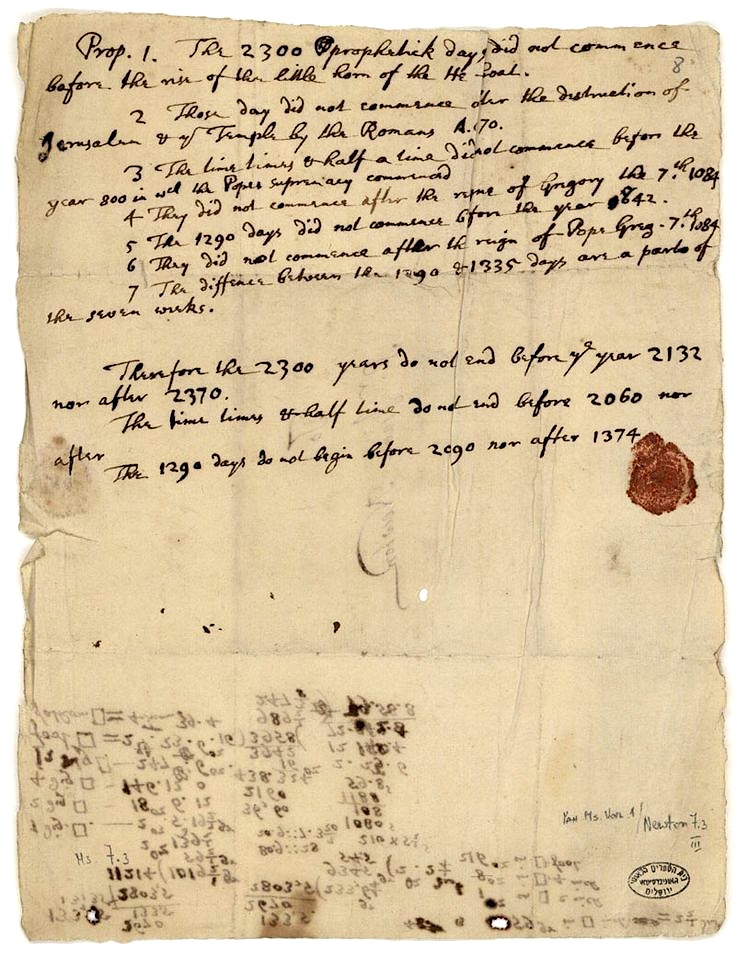
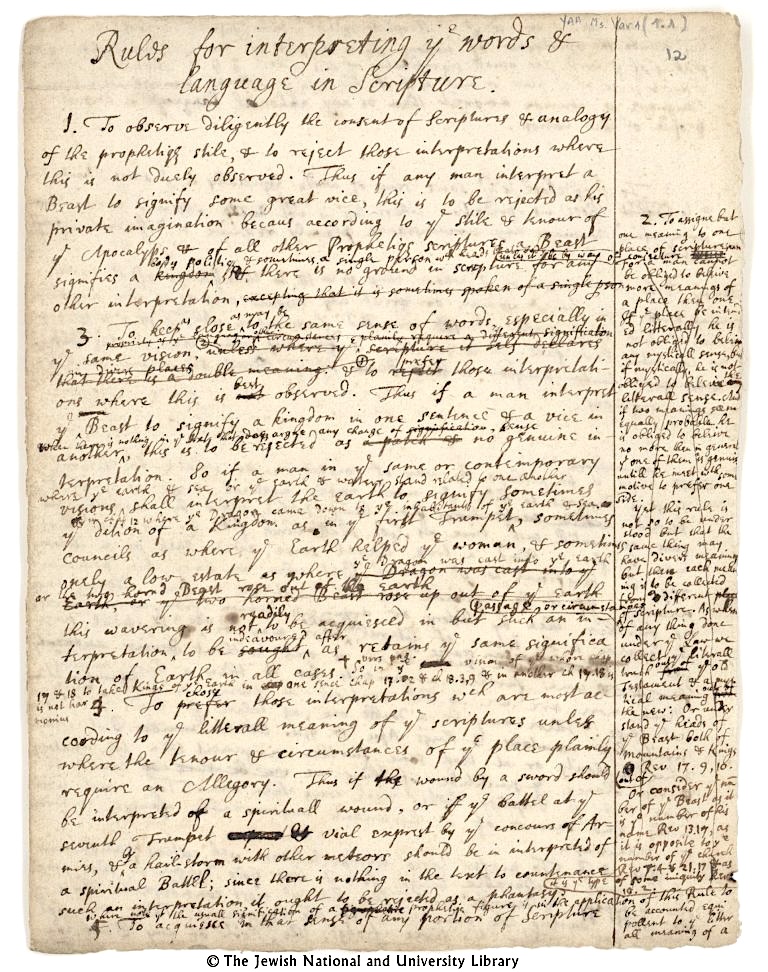
New­ton seems, writes sci­ence blog Anoth­er Pale Blue Dot, “as con­fi­dent of his pre­dic­tions in this realm as he was in the ratio­nal world of sci­ence.” In a 1704 let­ter exhib­it­ed at Jerusalem’s Hebrew Uni­ver­si­ty, above, New­ton describes his “rec­coning”:

So then the time times & half a time are 42 months or 1260 days or three years & an half, rec­coning twelve months to a yeare & 30 days to a month as was done in the Cal­en­dar of the prim­i­tive year. And the days of short lived Beasts being put for the years of lived [sic] king­doms, the peri­od of 1260 days, if dat­ed from the com­plete con­quest of the three kings A.C. 800, will end A.C. 2060. It may end lat­er, but I see no rea­son for its end­ing soon­er.

New­ton fur­ther demon­strates his con­fi­dence in the next sen­tence, writ­ing that his intent, “though not to assert” an answer, should in any event “put a stop the rash con­jec­tures of fan­ci­full men who are fre­quent­ly pre­dict­ing the time of the end.” Indeed. So how did he arrive at this num­ber? New­ton applied a rig­or­ous method, that is to be sure.

If you have the patience for an exhaus­tive descrip­tion of how he worked out his pre­dic­tion using the Book of Daniel, you may read one here by his­to­ri­an of sci­ence Stephen Sno­be­len, who also points out how wide­spread the inter­est in Newton’s odd beliefs has become, reach­ing across every con­ti­nent, though schol­ars have known about this side of the Enlight­en­ment giant for a long time.

For a sense of the exact­ing, yet com­plete­ly bizarre fla­vor of Newton’s prophet­ic cal­cu­la­tions, see anoth­er New­ton let­ter at the top of the post, tran­scribed below.

Prop. 1. The 2300 prophet­ick days did not com­mence before the rise of the lit­tle horn of the He Goat.

2 Those day [sic] did not com­mence a[f]ter the destruc­tion of Jerusalem & ye Tem­ple by the Romans A.[D.] 70.

3 The time times & half a time did not com­mence before the year 800 in wch the Popes suprema­cy com­menced

4 They did not com­mence after the re[ig]ne of Gre­go­ry the 7th. 1084

5 The 1290 days did not com­mence b[e]fore the year 842.

6 They did not com­mence after the reigne of Pope Greg. 7th. 1084

7 The dif­f­ence [sic] between the 1290 & 1335 days are a parts of the sev­en weeks.

There­fore the 2300 years do not end before ye year 2132 nor after 2370.

The time times & half time do n[o]t end before 2060 nor after [2344]

The 1290 days do not begin [this should read: end] before 2090 [New­ton might mean: 2132] nor after 1374 [sic; New­ton prob­a­bly means 2374]

The edi­to­r­i­al inser­tions are Pro­fes­sor Snobelen’s, who thinks the let­ter dates “from after 1705,” and that “the shaky hand­writ­ing sug­gests a date of com­po­si­tion late in Newton’s life.” What­ev­er the exact date, we see him much less cer­tain here; New­ton push­es around some oth­er dates—2344, 2090 (or 2132), 2374. All of them seem arbi­trary, but “giv­en the nice round­ness of the num­ber,” writes Moth­er­board, “and the fact that it appears in more than one let­ter,” 2060 has become his most mem­o­rable dat­ing for the apoc­a­lypse.

It’s impor­tant to note that New­ton didn’t believe the world would “end” in the sense of cease to exist or burn up in holy flames. His end times phi­los­o­phy resem­bles that of a sur­pris­ing num­ber of cur­rent day evan­gel­i­cals: Christ would return and reign for a mil­len­ni­um, the Jew­ish dias­po­ra would return to Israel and would, he wrote, set up “a flour­ish­ing and ever­last­ing King­dom.” We hear such state­ments often from tel­e­van­ge­lists, school boards, gov­er­nors, and pres­i­den­tial can­di­dates.

As many peo­ple have argued, despite Newton’s con­cep­tion of his sci­en­tif­ic work as a bul­wark against oth­er the­olo­gies, it ulti­mate­ly became a foun­da­tion for Deism and Nat­u­ral­ism, and has allowed sci­en­tists to make accu­rate pre­dic­tions for hun­dreds of years. 20th cen­tu­ry physics may have shown us a much more rad­i­cal­ly unsta­ble uni­verse than New­ton ever imag­ined, but his the­o­ries are, as Isaac Asi­mov would put it, “not so much wrong as incom­plete,” and still essen­tial to our under­stand­ing of cer­tain fun­da­men­tal phe­nom­e­na. But as fas­ci­nat­ing and curi­ous as Newton’s oth­er inter­ests may be, there’s no more rea­son to cred­it his prophet­ic cal­cu­la­tions than those of the Mil­lerites, Harold Camp­ing, or any oth­er apoc­a­lyp­tic dooms­day sect.

Note: An ear­li­er ver­sion of this post appeared on our site in 2015.

Relat­ed Con­tent:

M.I.T. Com­put­er Pro­gram Pre­dicts in 1973 That Civ­i­liza­tion Will End by 2040

Isaac New­ton Cre­ates a List of His 57 Sins (Cir­ca 1662)

Isaac New­ton Con­ceived of His Most Ground­break­ing Ideas Dur­ing the Great Plague of 1665

Videos Recre­ate Isaac Newton’s Neat Alche­my Exper­i­ments: Watch Sil­ver Get Turned Into Gold

The Icon­ic Design of the Dooms­day Clock Was Cre­at­ed 75 Years Ago: It Now Says We’re 100 Sec­onds to Mid­night

Josh Jones is a writer and musi­cian based in Durham, NC. 

300 Years Before ChatGPT, Jonathan Swift’s Gulliver’s Travels Imagined Machines Writing Books and Producing Knowledge (1726)

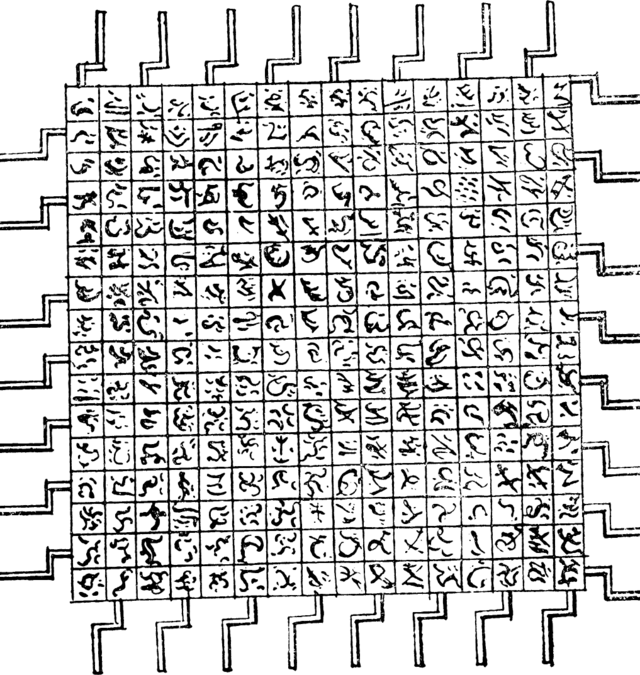
The print­ing press was invent­ed in the mid­dle of the fif­teenth cen­tu­ry, and it’s been down­hill for the writ­ten word ever since. Even before then, argu­ments that the vol­ume of writ­ing being done far out­stripped the val­ue of that writ­ing sure­ly weren’t unheard of. What­ev­er the era, the most inci­sive remarks on the appar­ent vic­to­ry of ver­bal quan­ti­ty over ver­bal qual­i­ty tend to have come from writ­ers them­selves. No less a satirist than Jonathan Swift made it one of his many tar­gets in Gul­liv­er’s Trav­els (1726), imag­in­ing an elab­o­rate machine of wood and wire called “the Engine” (see illus­tra­tion above) that auto­mat­i­cal­ly gen­er­ates text, though few remem­ber it — or rather, few remem­bered it until the rise of large lan­guage mod­els in the real world.

Gul­liv­er encoun­ters that tech­no­log­i­cal mar­vel, the Engine, at an insti­tu­tion called the Acad­e­my of Pro­jec­tors in the city of Laga­do. Swift’s pro­tag­o­nist records its cre­ator’s expla­na­tion as fol­lows: “Every one knew how labo­ri­ous the usu­al method is of attain­ing to arts and sci­ences; where­as, by his con­trivance, the most igno­rant per­son, at a rea­son­able charge, and with a lit­tle bod­i­ly labor, might write books in phi­los­o­phy, poet­ry, pol­i­tics, laws, math­e­mat­ics, and the­ol­o­gy, with­out the least assis­tance from genius or study.” The Engine’s oper­a­tion, with its unwieldy, clack­ing com­po­nents and a scram­bling staff of young crankers, read­ers, and scribes, may strike us as bizarre, just as it did audi­ences in the eigh­teenth cen­tu­ry. But in our time, when stu­dents can write their papers lit­er­al­ly with­out giv­ing it a thought (to say noth­ing of what their pro­fes­sors may be get­ting up to), its con­cept now sounds all too plau­si­ble.

“This is one of the ear­li­est known men­tions of a machine that could be con­sid­ered as a com­put­er in lit­er­a­ture, more than a hun­dred years pri­or to the first cal­cu­lat­ing engine designs by Charles Bab­bage,” writes Chris Gar­cia at the web site of the Com­put­er His­to­ry Muse­um. “The Engine might be seen as a com­put­er, but per­haps it’s bet­ter thought of as a sort of ran­dom-num­ber gen­er­a­tor,” spout­ing out whichev­er words of the local lan­guage that cor­re­spond with the dig­its. That post dates from ten years, near­ly to the day, before the launch of Chat­G­PT, which changed the gen­er­al pub­lic’s ideas about what com­put­ers can and can’t do. We may dis­agree about whether a machine can tru­ly gen­er­ate “a com­plete body of all arts and sci­ences,” as the Engine’s inven­tor intends, but it no longer sounds like sheer­est fan­ta­sy.

Swift had in mind not engi­neers of arti­fi­cial intel­li­gence but the Roy­al Soci­ety, whose enthu­si­asm for sci­en­tif­ic knowl­edge and exper­i­men­ta­tion he saw as insuf­fi­cient­ly teth­ered to real­i­ty, or at least prac­ti­cal­i­ty. In addi­tion to the Engine, writes lit­er­a­ture pro­fes­sor Robin Bates, “Swift imag­ines sci­en­tists attempt­ing to extract sun­beams from cucum­bers, soft­en mar­ble into pil­lows and pin­cush­ions, replace silk­worms with spi­ders (and hav­ing them eat bright­ly col­ored flies so the threads will be pre-dyed), mix paint by smell, reassem­ble orig­i­nal food stuffs from excre­ment, and build hous­es from the top down (in imi­ta­tion of the bee and the spi­der).” His satire holds up today thanks to his under­stand­ing that, “for all the promis­es of the Enlight­en­ment, the Age of Rea­son, and the Sci­en­tif­ic and Tech­no­log­i­cal Rev­o­lu­tions,” our attempts to change the world “founder the moment we start ignor­ing human nature.” But who needs human nature, the Pro­jec­tors of today might argue, when you’ve got enough com­pute?

Relat­ed con­tent:

How George Orwell Pre­dict­ed the Rise of “AI Slop” in Nine­teen Eighty-Four (1949)

When Roald Dahl Wrote a Sto­ry Pre­dict­ing the Rise of Chat­G­PT and Oth­er AI Large Lan­guage Mod­els (1954)

Sci-Fi Writer Arthur C. Clarke Pre­dict­ed the Rise of Arti­fi­cial Intel­li­gence & the Exis­ten­tial Ques­tions We Would Need to Answer (1978)

Why AI Com­pa­nies Are Buy­ing — And Then Destroy­ing — Old Books

George Orwell Got a B- at Har­vard, When Michael Crich­ton Sub­mit­ted an Orwell Essay as His Own

A Busy Person’s Intro­duc­tion to Large Lan­guage Mod­els (LLMs)

Based in Seoul, Col­in Marshall writes and broad­casts on cities, lan­guage, and cul­ture. He’s the author of the newslet­ter Books on Cities as well as the books 한국 요약 금지 (No Sum­ma­riz­ing Korea) and Kore­an Newtro. Fol­low him on the social net­work for­mer­ly known as Twit­ter at @colinmarshall.

Artists Frida Kahlo & Diego Rivera Visit Leon Trotsky in Mexico: Vintage Footage from 1938

Here’s some rare footage of the great Mex­i­can painters Diego Rivera and Fri­da Kahlo pay­ing a vis­it to exiled Sovi­et rev­o­lu­tion­ary Leon Trot­sky and his wife, Natalia Sedo­va, in Coyoacán, Mex­i­co, in 1938.

The Trot­skys had arrived the year before, after Rivera peti­tioned the gov­ern­ment of Pres­i­dent Lázaro Cár­de­nas to grant the con­tro­ver­sial Marx­ist leader and the­o­rist sanc­tu­ary in Mex­i­co. When the Trot­skys arrived on a Nor­we­gian oil tanker at the port city of Tampi­co in Jan­u­ary of 1937, Rivera was not well, but Kahlo board­ed the ship to wel­come the Trot­skys and accom­pa­nied them on an armored train to Mex­i­co City. She invit­ed the Trot­skys to stay at her fam­i­ly home, La Casa Azul (the Blue House) in Coyoacán, now a sec­tion of Mex­i­co City. By the time this footage was tak­en by a vis­it­ing Amer­i­can named Ivan Heisler, Trot­sky and Kahlo had either had, or were about to have, a brief affair, and the friend­ship between the two cou­ples would soon fall apart. In ear­ly 1939 Trot­sky moved to anoth­er house in the same neigh­bor­hood, where he was assas­si­nat­ed in August of 1940.

If you would like to sup­port the mis­sion of Open Cul­ture, con­sid­er mak­ing a dona­tion to our site. It’s hard to rely 100% on ads, and your con­tri­bu­tions will help us con­tin­ue pro­vid­ing the best free cul­tur­al and edu­ca­tion­al mate­ri­als to learn­ers every­where. You can con­tribute through Pay­Pal, Patre­on, and Ven­mo (@openculture). Thanks!

Note: An ear­li­er ver­sion of this post appeared on our site in 2013.

Relat­ed Con­tent:

Vis­it the Largest Col­lec­tion of Fri­da Kahlo’s Work Ever Assem­bled: 800 Arti­facts from 33 Muse­ums, All Free Online

Watch Mov­ing Short Films of Fri­da Kahlo and Diego Rivera at the “Blue House”

Fri­da Kahlo’s Ven­omous Love Let­ter to Diego Rivera: “I’m Ampu­tat­ing You. Be Hap­py and Nev­er Seek Me Again”

A 1933 Pro­file of Fri­da Kahlo: “Wife of the Mas­ter Mur­al Painter Glee­ful­ly Dab­bles in Works of Art”

This post was orig­i­nal­ly writ­ten in 2013.

by | Permalink | Make a Comment ( 2 ) |

When Buckminster Fuller Proposed Putting a Dome Over Manhattan (1960)

Image via Buck­min­ster Fuller Estate

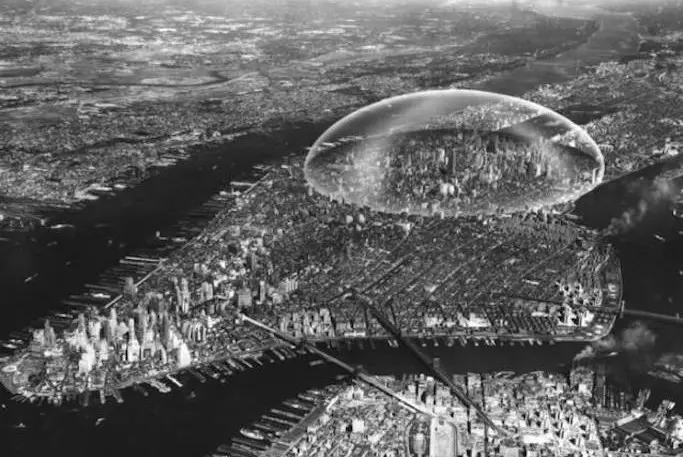
The nov­els of John Brun­ner have become a niche taste, even with­in his genre of sci­ence fic­tion. A more soci­o­log­i­cal­ly mind­ed ver­sion of Philip K. Dick at his best, he could write with what now looks like a simul­ta­ne­ous pre­science about the civ­i­liza­tion to come and an apoc­a­lyp­ti­cal­ly anx­ious con­cern with the issues of his day. His undis­put­ed mas­ter­piece Stand on Zanz­ibar came out in 1968, the same year as the late Paul R. Ehrlich’s The Pop­u­la­tion Bomb. Both books deal with the dire con­se­quences of what, at the time, looked like the run­away mul­ti­pli­ca­tion of human­i­ty, though ele­ments of the dystopi­an sci-fi writer’s vision now look rather more cred­i­ble than the pre­dic­tions of the Stan­ford biol­o­gist — apart from the giant geo­des­ic dome cov­er­ing Man­hat­tan, any­way.

In a sense, Brun­ner was actu­al­ly behind the times, since Buck­min­ster Fuller him­self had sug­gest­ed dom­ing Man­hat­tan near­ly a decade ear­li­er. In their ambi­tious pro­pos­al for a “two-mile-wide Dome Over Man­hat­tan” from the turn of the nine­teen-six­ties, Fuller and long­time col­lab­o­ra­tor Sho­ji Sadao “imag­ined a mas­sive archi­tec­tur­al sur­face that would reg­u­late the city’s ecosys­tems,” write Next City’s Janette Kim and Erik Carv­er. “They deliv­ered this design along with a series of sur­pris­ing cal­cu­la­tions: the Dome would reduce heat loss by scal­ing the city to one eighty-fifth of its sur­face area; the elim­i­na­tion of snow­plow­ing alone would pay for heat; build­ings inside the Dome could be built lighter and cheap­er with­out need for weath­er­proof­ing; and inte­ri­or air could be heat­ed by remote plants.”

Fuller and Sadao did bring some num­bers to back up their claims, but even more impor­tant­ly, they made assur­ances that the dome’s glass would be one-way, a defense against pry­ing non-Man­hat­tan­ite eyes, and would keep res­i­dents’ cars and lawns in prime con­di­tion. How­ev­er out­landish­ly for­ward-think­ing Fuller could be, he nev­er for­got that he need­ed to appeal to the wor­ries and aspi­ra­tions of mid-cen­tu­ry Amer­i­ca. As a per­son­al­i­ty, he also fit in well with the era’s enthu­si­asm for sweep­ing infra­struc­tur­al fix­es. “It was a time when peo­ple real­ly believed in the pow­er of tech­nol­o­gy,” says Nev­er Built New York co-author Sam Lubell. “We’re build­ing space­ships that go to the moon. Why can’t we build a dome over Man­hat­tan to get rid of all this pol­lu­tion, get rid of all the prob­lems of weath­er?”

Still, as eccen­tric as he was, Fuller was­n’t delu­sion­al. “It’d be very worth­while to have cities under geo­des­ic domes, but New York City, if you think about all the dif­fer­ent own­ers of dif­fer­ent lands, the con­tro­ver­sy about ‘this is my air rights, I don’t want a thing over my thing here,’ I just don’t think it’s going to hap­pen,” he admit­ted. But “it can hap­pen where you start out in places where ener­gy is a real­ly fan­tas­tic prob­lem.” At the time, the ever-increas­ing demand for resources of all kinds by a rapid­ly grow­ing pop­u­la­tion appeared to be not just a but the fan­tas­tic prob­lem. Today, once-unfore­see­able devel­op­ments like ris­ing ener­gy effi­cien­cy and an appar­ent­ly inex­orable decline in glob­al birthrates have direct­ed our ner­vous gazes else­where. Yet dat­ed visions of tech­no­log­i­cal utopia and dystopia still strike us as odd­ly famil­iar — and indeed, as strange­ly sim­i­lar to one anoth­er.

Relat­ed con­tent:

The Life & Times of Buck­min­ster Fuller’s Geo­des­ic Dome: A Doc­u­men­tary

A Brief Intro­duc­tion to Buck­min­ster Fuller and His Tech­no-Opti­mistic Ideas

The Eden Project Built a Rain­for­est Ecosys­tem Inside Buck­min­ster Fuller-Inspired Geo­des­ic Domes

Bet­ter Liv­ing Through Buck­min­ster Fuller’s Utopi­an Designs: Revis­it the Dymax­ion Car, House, and Map

When Frank Lloyd Wright Designed a Plan to Turn Ellis Island Into a Futur­is­tic Jules Verne-Esque City (1959)

Based in Seoul, Col­in Marshall writes and broad­casts on cities, lan­guage, and cul­ture. He’s the author of the newslet­ter Books on Cities as well as the books 한국 요약 금지 (No Sum­ma­riz­ing Korea) and Kore­an Newtro. Fol­low him on the social net­work for­mer­ly known as Twit­ter at @colinmarshall.

LEGO Lets You Build Gaudí’s Sagrada Família in Its Largest Set Ever

When work on the Sagra­da Família first began in 1882, the orig­i­nal archi­tect could hard­ly have imag­ined that, 144 years lat­er, the ambi­tious under­tak­ing would still be under­way. Yet here we are. Famous­ly, the Cata­lan archi­tect Antoni Gaudí (1852–1926) spent the last four decades of his life design­ing and build­ing the Goth­ic-inspired basil­i­ca in Barcelona. Then came the Span­ish Civ­il War (1936–1939), which destroyed many of his archi­tec­tur­al plans, leav­ing suc­ces­sive gen­er­a­tions of archi­tects to piece togeth­er Gaudí’s vision and move the project for­ward. At long last, ear­li­er this year, builders com­plet­ed the cen­tral Tow­er of Jesus Christ, which stands 566 feet high, mak­ing the Sagra­da Família the tallest church in the world.

Although work on the Glo­ry façade still remains, the basil­i­ca has reached a near-com­plete state—complete enough for Lego to roll out the offi­cial Sagra­da Família Lego set. At 12,060 pieces, it’s the largest Lego set ever made, and it lets you build the Sagra­da Família sec­tion by sec­tion, fol­low­ing the same order as the orig­i­nal archi­tects. “Your build­ing jour­ney begins with the Apse with Crypt, the Nativ­i­ty façade and the Pas­sion façade. It then moves on to the naves and the West­ern Sac­risty. Com­plete the 6 tow­ers and fin­ish the basil­i­ca with the East­ern Sac­risty and the Glo­ry façade.” With the video above, you can watch the build­ing of the Lego basil­i­ca, com­press­ing hours of work into 10 min­utes. The Lego set will be avail­able on Novem­ber 1, 2026.

via Kot­tke

Relat­ed Con­tent 

An Archi­tec­tur­al Tour of Sagra­da Família, Antoni Gaudí’s Auda­cious Church That’s Been Under Con­struc­tion for 142 Years

Down­load Instruc­tions for More Than 6,800 LEGO Kits at the Inter­net Archive

The Incred­i­ble Engi­neer­ing of Anto­nio Gaudí’s Sagra­da Famil­ia, the 137 Year Con­struc­tion Project

The Japan­ese Sculp­tor Who Ded­i­cat­ed His Life to Fin­ish­ing Gaudí’s Mag­num Opus, the Sagra­da Família

With 9,036 Pieces, the Roman Colos­se­um Is the Largest Lego Set Ever

« Go Back
Quantcast