H.R. Giger’s Tarot Cards: The Swiss Artist, Famous for His Design Work on Alien, Takes a Journey into the Occult

The first tarot cards appeared in Europe in the mid-fif­teenth cen­tu­ry, and those who used them used to play sim­ple card games. But as the art of the tarot deck devel­oped to incor­po­rate a host of his­tor­i­cal, philo­soph­i­cal, and astro­nom­i­cal sym­bols, their imagery took on more weight, and a cou­ple hun­dred years lat­er the cards had become pop­u­lar instru­ments of div­ina­tion. From the late eigh­teenth cen­tu­ry on, one could obtain tarot decks specif­i­cal­ly designed for occult pur­pos­es, and their artis­tic vari­ety has only expand­ed in the 250 or so years since. In the 1990s, the imag­i­na­tive world of tarot col­lid­ed with an equal­ly rich set of visions: those of H.R. Giger.

Giger, a Swiss artist who first gained world­wide fame and influ­ence with his design work on Rid­ley Scot­t’s Alien (up to and includ­ing the ter­ri­fy­ing alien itself), unit­ed the bio­log­i­cal and the mechan­i­cal in a dis­tinc­tive and dis­turb­ing fash­ion.

After see­ing Giger’s art in his first book of paint­ings Necro­nom­i­con, a Swiss occultist by the name of Akron under­stood its poten­tial as tarot imagery. The col­lec­tion’s title pic­ture, Akron writes, showed a “fas­ci­nat­ing mon­ster” called Baphomet, “the sym­bol of the con­nec­tion between the ratio­nal and irra­tional world,” the same func­tion per­formed by the occult tarot deck itself.

When Akron approached Giger propos­ing to col­lab­o­rate on a deck, accord­ing to i09’s Lau­ren Davis, “Giger felt that he did­n’t have the time to cre­ate new works that would do the deck jus­tice. So he select­ed 22 of his exist­ing, pre­vi­ous­ly unpub­lished pieces” for the cards’ faces. In a lat­er inter­view, “Giger says that he nev­er stud­ied Tarot cards and in fact, had no inter­est in hav­ing his for­tune told with them. (Giger claimed he was too super­sti­tious, though he describes Akro­n’s descrip­tions of the indi­vid­ual cards as ‘some­times crazy, but fun­ny — but not prob­a­bly very seri­ous.’)” His “mix of occult iconog­ra­phy, demon­ic organ­isms, and his trade­mark bio­me­chan­i­cal aes­thet­ic make for apt, if unusu­al­ly dark Tarot illus­tra­tions.”

You can see more of Giger and Akro­n’s tarot deck, avail­able in both Eng­lish and Ger­man, at i09 and Dan­ger­ous Minds. Or bet­ter yet, pick up your own deck of cards. While brows­ing, do keep in mind two things: first, that Giger’s visions, even those select­ed to rep­re­sent age-old tarot arcana, can cer­tain­ly get NSFW. Sec­ond, even though the artist spe­cial­ized in night­mar­ish imagery (hence his pop­u­lar­i­ty on the grim­mer side of sci­ence fic­tion) we should resist inter­pret­ing them too lit­er­al­ly as rep­re­sen­ta­tions of the future. After all, the cards, as a much more light­heart­ed pro­duc­tion once joked, are vague and mys­te­ri­ous.

via io9

Relat­ed Con­tent:

The Tarot Card Deck Designed by Sal­vador Dalí

Twin Peaks Tarot Cards Now Avail­able as 78-Card Deck

Ale­jan­dro Jodor­owsky Explains How Tarot Cards Can Give You Cre­ative Inspi­ra­tion

The 14-Hour Epic Film, Dune, That Ale­jan­dro Jodor­owsky, Pink Floyd, Sal­vador Dalí, Moe­bius, Orson Welles & Mick Jag­ger Nev­er Made

Based in Seoul, Col­in Mar­shall writes and broad­casts on cities and cul­ture. He’s at work on the book The State­less City: a Walk through 21st-Cen­tu­ry Los Ange­les, the video series The City in Cin­e­ma, the crowd­fund­ed jour­nal­ism project Where Is the City of the Future?, and the Los Ange­les Review of Books’ Korea Blog. Fol­low him on Twit­ter at @colinmarshall or on Face­book.

Salvador Dalí’s Body Gets Exhumed, Revealing That, 28 Years After His Death, His Moustache Remains Perfectly Intact

Image by Allan War­ren, via Wiki­me­dia Com­mons

Last month, a Span­ish court ordered the exhuma­tion of Sal­vador Dalí’s, to see whether–as a pater­ni­ty case claims–he’s the father of María Pilar Abel Martínez, a tarot card read­er born in 1956. When experts opened his crypt on Thurs­day night, they encoun­tered a pret­ty remark­able scene. Accord­ing to Nar­cís Bardalet, the doc­tor who embalmed the artist’s body back in 1989, Dalí’s face was cov­ered with a silk hand­ker­chief – a mag­nif­i­cent hand­ker­chief.” “When it was removed, I was delight­ed to see his mous­tache was intact … I was quite moved. You could also see his hair.” “His mous­tache is still intact, [like clock hands at] 10 past 10, just as he liked it. It’s a mir­a­cle.”  “The mous­tache is still there and will be for cen­turies.” That’s per­haps the last sur­viv­ing trace of Dalí’s schtick that will remain.

via The Guardian

If you would like to sign up for Open Culture’s free email newslet­ter, please find it here. It’s a great way to see our new posts, all bun­dled in one email, each day.

If you would like to sup­port the mis­sion of Open Cul­ture, con­sid­er mak­ing a dona­tion to our site. It’s hard to rely 100% on ads, and your con­tri­bu­tions will help us con­tin­ue pro­vid­ing the best free cul­tur­al and edu­ca­tion­al mate­ri­als to learn­ers every­where. You can con­tribute through Pay­Pal, Patre­on, and Ven­mo (@openculture). Thanks!

Relat­ed Con­tent:

Sal­vador Dalí Fig­urines Let You Bring the Artist’s Sur­re­al Paint­ings Into Your Home

The Tarot Card Deck Designed by Sal­vador Dalí

Sal­vador Dalí’s 1973 Cook­book Gets Reis­sued: Sur­re­al­ist Art Meets Haute Cui­sine

Sal­vador Dalí’s Avant-Garde Christ­mas Cards

Walk Inside a Sur­re­al­ist Sal­vador Dalí Paint­ing with This 360º Vir­tu­al Real­i­ty Video

Hierony­mus Bosch Fig­urines: Col­lect Sur­re­al Char­ac­ters from Bosch’s Paint­ings & Put Them on Your Book­shelf

by | Permalink | Make a Comment ( 1 ) |

The World’s Oldest Multicolor Book, a 1633 Chinese Calligraphy & Painting Manual, Now Digitized and Put Online

We think of Johannes Gutenberg’s print­ing press (cir­ca 1440) to have begun the era of the print­ed book, since his inven­tion allowed for mass pro­duc­tion of books on a scale unheard of before. But we must date the inven­tion of print­ing itself much earlier—nearly 600 years earlier—to the Chi­nese method of xylog­ra­phy, a form of wood­block print­ing. Also used in Japan and Korea, this ele­gant method allowed for the repro­duc­tion of hun­dreds of books from the 9th cen­tu­ry to the time of Guten­berg, most of them Bud­dhist texts cre­at­ed by monks. In the 11th cen­tu­ry, writes Eliz­a­beth Paler­mo at Live Sci­ence, a Chi­nese peas­ant named Bi Sheng (Pi Sheng) devel­oped the world’s first mov­able type.” The tech­nol­o­gy may have also arisen inde­pen­dent­ly in the 14th cen­tu­ry Yuan Dynasty and in Korea around the same time.

Despite these inno­va­tions, xylog­ra­phy remained the pri­ma­ry method of print­ing in Asia. The “daunt­ing task” of cast­ing the thou­sands of char­ac­ters in Chi­nese, Japan­ese, and Kore­an “may have made wood­blocks seem like a more effi­cient option for print­ing these lan­guages.” This still-labor-inten­sive process pro­duced books and illus­tra­tions for sev­er­al cen­turies, a good many of them incred­i­ble works of art in their own right.

In 1633, a Chi­nese print­er named Hu Zhengyan invent­ed a tech­nique known as douban, a form of poly­chrome xylog­ra­phy that led to the cre­ation of the world’s old­est mul­ti­col­or print­ed book, Shi zhu zhai shu hua pu (Man­u­al of Cal­lig­ra­phy and Paint­ing), con­tain­ing, per­haps, writes Cam­bridge Uni­ver­si­ty Library, “the most beau­ti­ful set of prints ever made.” And now thanks to Cam­bridge, the man­u­al has been care­ful­ly dig­i­tized and made avail­able online.

Pub­lished by Hu Zhengyan’s Ten Bam­boo Stu­dio in Nan­jiang, this man­u­al for teach­ers con­tains 138 pages of mul­ti­col­or prints by fifty dif­fer­ent artists and cal­lig­ra­phers and 250 pages of accom­pa­ny­ing text. “The method” that pro­duced the stun­ning arti­fact “involves the use of mul­ti­ple print­ing blocks which suc­ces­sive­ly apply dif­fer­ent coloured inks to the paper to repro­duce the effect of water­colour paint­ing.” Kept untouched in Cambridge’s “most secure vaults,” the book was unsealed for the first time just a cou­ple years ago. “What sur­prised us,” remarked Charles Aylmer, head of the Library’s Chi­nese Depart­ment, “was the amaz­ing fresh­ness of the images, as if they had nev­er been looked at for over 300 years.”

The 17th cen­tu­ry copy is “unique in being com­plete, in per­fect con­di­tion and in its orig­i­nal bind­ing.” (Anoth­er, incom­plete, copy was acquired in 2014 by the Hunt­ing­ton Library in San Mari­no, CA.) The book con­tains many “detailed instruc­tions on brush tech­niques,” writes CNN, “but its phe­nom­e­nal beau­ty has meant from the out­set that it has held a greater posi­tion” than oth­er such man­u­als. Like anoth­er gor­geous mul­ti­col­or paint­ing text­book, the Man­u­al of the Mus­tard Seed Gar­den, made in 1679, this text had a sig­nif­i­cant impact on the arts in both Chi­na and Japan, “where it inspired a whole new branch of print­ing.”

Con­sid­ered “one of the most his­tor­i­cal­ly and artis­ti­cal­ly impor­tant illus­trat­ed books of 17th cen­tu­ry Chi­nese wood­block art,” notes Liesl Brad­ner at the L.A. Times, Hu Zhengyan’s text reflects a time when lit­er­a­cy lev­els were ris­ing. Along with them came “increas­ing con­sumer demand for the print­ed word and images, which ush­ered in a gold­en era of Chi­nese pic­to­r­i­al paint­ing.” You can page through dig­i­tal scans of the entire book, from cov­er to cov­er, at the Uni­ver­si­ty of Cambridge’s Dig­i­tal Library. Note: There are 388 pages in total. Click on the arrows at the top of this page to move through the text.

via MetaFil­ter

Relat­ed Con­tent:

Behold the Mas­ter­piece by Japan’s Last Great Wood­block Artist: View Online Tsukio­ka Yoshitoshi’s One Hun­dred Aspects of the Moon (1885)

Down­load 2,500 Beau­ti­ful Wood­block Prints and Draw­ings by Japan­ese Mas­ters (1600–1915)

An Epic Retelling of the Great Chi­nese Nov­el Romance of the Three King­doms: 110 Free Episodes and Count­ing

Josh Jones is a writer and musi­cian based in Durham, NC. Fol­low him at @jdmagness
Archaeologists Discover the World’s First “Art Studio” Created in an Ethiopian Cave 43,000 Years Ago

Images via PLOS

If you want to see where art began, go to a cave. Not just any cave, but not just one cave either. You’ll find the best-known cave paint­ings at Las­caux, an area of south­west­ern France with a cave com­plex whose walls fea­ture over 600 images of ani­mals, humans, and sym­bols, all of them more than 17,000 years old, but oth­er caves else­where in the world reveal oth­er chap­ters of art’s ear­ly his­to­ry. Some of those chap­ters have only just come into leg­i­bil­i­ty, as in the case of the cave near the Ethiopi­an city of Dire Dawa recent­ly deter­mined to be the world’s old­est “art stu­dio.”

“The Porc-Epic cave was dis­cov­ered by Pierre Teil­hard de Chardin and Hen­ry de Mon­freid in 1929 and thought to date to about 43,000 to 42,000 years ago, dur­ing the Mid­dle Stone Age,” writes Sarah Cas­cone at Art­net.

There, archae­ol­o­gists have found “a stash of 4213 pieces, or near­ly 90 pounds, of ochre, the largest such col­lec­tion ever dis­cov­ered at a pre­his­toric site in East Africa.” The “ancient vis­i­tors to the site processed the iron-rich ochre stones there by flak­ing and grind­ing the raw mate­ri­als to pro­duce a fine-grained and bright red pow­der,” a sub­stance use­ful for “sym­bol­ic activ­i­ties, such as body paint­ing, the pro­duc­tion of pat­terns on dif­fer­ent media, or for sig­nalling.”

In oth­er words, those who used this ochre-rich cave over its 4,500 years of ser­vice used it to pro­duce their tools, which func­tioned like pro­to-stamps and crayons. You can read about these find­ings in much more detail in the paper “Pat­terns of change and con­ti­nu­ity in ochre use dur­ing the late Mid­dle Stone Age (MSA) of the Horn of Africa: The Porc-Epic Cave record” by Daniela Euge­nia Rosso of the Uni­ver­si­ty of Barcelona and Francesco d’Errico and Alain Quef­f­elec of the Uni­ver­si­ty of Bor­deaux. In it, the authors “iden­ti­fy pat­terns of con­ti­nu­ity in ochre acqui­si­tion, treat­ment and use reflect­ing both per­sis­tent use of the same geo­log­i­cal resources and sim­i­lar uses of iron-rich rocks by late MSA Porc-Epic inhab­i­tants.”

The Ethiopi­an site con­tains so much ochre, in fact, that “this con­ti­nu­ity can be inter­pret­ed as the expres­sion of a cohe­sive cul­tur­al adap­ta­tion, large­ly shared by all com­mu­ni­ty mem­bers and con­sis­tent­ly trans­mit­ted through time.” The more evi­dence sites like the Porc-Epic cave pro­vide, the greater the lev­el of detail in which we’ll be able to piece togeth­er the sto­ry of not just art, but cul­ture itself. Cul­ture, as Bri­an Eno so neat­ly defined it, is every­thing you don’t have to do, and though draw­ing in ochre might well have proven use­ful for the pre­his­toric inhab­i­tants of mod­ern-day Ethiopia, one of them had to give it a try before it had any acknowl­edged pur­pose. Lit­tle could they have imag­ined what that action would lead to over the next few tens of thou­sands of years.

Relat­ed Con­tent:

Was a 32,000-Year-Old Cave Paint­ing the Ear­li­est Form of Cin­e­ma?

We Were Wan­der­ers on a Pre­his­toric Earth: A Short Film Inspired by Joseph Con­rad

Hear the World’s Old­est Instru­ment, the “Nean­derthal Flute,” Dat­ing Back Over 43,000 Years

Based in Seoul, Col­in Mar­shall writes and broad­casts on cities and cul­ture. He’s at work on the book The State­less City: a Walk through 21st-Cen­tu­ry Los Ange­les, the video series The City in Cin­e­ma, the crowd­fund­ed jour­nal­ism project Where Is the City of the Future?, and the Los Ange­les Review of Books’ Korea Blog. Fol­low him on Twit­ter at @colinmarshall or on Face­book.

Infinite Escher: A High-Tech Tribute to M.C. Escher, Featuring Sean Lennon, Nam June Paik & Ryuichi Sakamoto (1990)

When tele­vi­sion appeared in Japan in the 1950s, most peo­ple in that still-poor coun­try could only sat­is­fy their curios­i­ty about it by watch­ing the dis­play mod­els in store win­dows. But by the 1980s, the Japan­ese had become not just aston­ish­ing­ly rich but world lead­ers in tech­nol­o­gy as well. It took some­thing spe­cial to make Toky­oites stop on the streets of Aki­habara, the city’s go-to dis­trict for high tech­nol­o­gy, but stop they did in 1990 when, in the win­dows of Sony Town, appeared Infi­nite Esch­er.

Pro­duced by Sony HDVS Soft Cen­ter as a show­case for the com­pa­ny’s brand new high-def­i­n­i­tion video tech­nol­o­gy, this short film caused passers­by, accord­ing to the video descrip­tion, to “gasp in amaze­ment at the clar­i­ty and sharp crisp focus of the pic­ture.”

Run­ning sev­en and a half min­utes, it tells the sto­ry of a bespec­ta­cled New York City teenag­er (played by a young Sean Lennon, son of John Lennon and Yoko Ono) who steps off the school bus one after­noon to find M.C. Esch­er-style visu­al motifs in the urban land­scape all around him: a jig­saw puz­zle piece-shaped curb­side pud­dle, a trans­par­ent geo­met­ri­cal­ly pat­terned bas­ket­ball.

When he goes home to sketch a few artis­tic-math­e­mat­i­cal ideas of his own, he looks into an awful­ly famil­iar-look­ing reflect­ing sphere and gets sucked into a com­plete­ly Escher­ian realm. This sequence demon­strates not just the look of Sony’s high-def­i­n­i­tion video, but the then-state-of-the-art tech­niques for drop­ping real-life char­ac­ters into com­put­er-gen­er­at­ed set­tings and vice ver­sa. In addi­tion to the visions of the Dutch graph­ic design­er who not just imag­ined but ren­dered the impos­si­ble, Sony also brought in two of the oth­er pow­er­ful cre­ative minds, Japan­ese musi­cian Ryuichi Sakamo­to to cre­ate the score and Kore­an video artist Nam June Paik to do the art direc­tion.

Watch­ing Infi­nite Esch­er today may first under­score just how far high-def­i­n­i­tion video and com­put­er graph­ics have come over the past 27 years, but it ulti­mate­ly shows anoth­er exam­ple of how Escher’s visions, even after the artist’s death in 1972, have remained so com­pelling that each era — with its own tech­no­log­i­cal, cul­tur­al, and aes­thet­ic trends — pays its own kind of trib­ute to them.

Relat­ed Con­tent:

Watch M.C. Esch­er Make His Final Artis­tic Cre­ation in the 1971 Doc­u­men­tary Adven­tures in Per­cep­tion

Meta­mor­phose: 1999 Doc­u­men­tary Reveals the Life and Work of Artist M.C. Esch­er

Inspi­ra­tions: A Short Film Cel­e­brat­ing the Math­e­mat­i­cal Art of M.C. Esch­er

David Bowie Sings in a Won­der­ful M.C. Esch­er-Inspired Set in Jim Henson’s Labyrinth

Good Morn­ing, Mr. Orwell: Nam June Paik’s Avant-Garde New Year’s Cel­e­bra­tion with Lau­rie Ander­son, John Cage, Peter Gabriel & More

62 Psy­che­del­ic Clas­sics: A Free Playlist Cre­at­ed by Sean Lennon

Based in Seoul, Col­in Mar­shall writes and broad­casts on cities and cul­ture. He’s at work on the book The State­less City: a Walk through 21st-Cen­tu­ry Los Ange­les, the video series The City in Cin­e­ma, the crowd­fund­ed jour­nal­ism project Where Is the City of the Future?, and the Los Ange­les Review of Books’ Korea Blog. Fol­low him on Twit­ter at @colinmarshall or on Face­book.

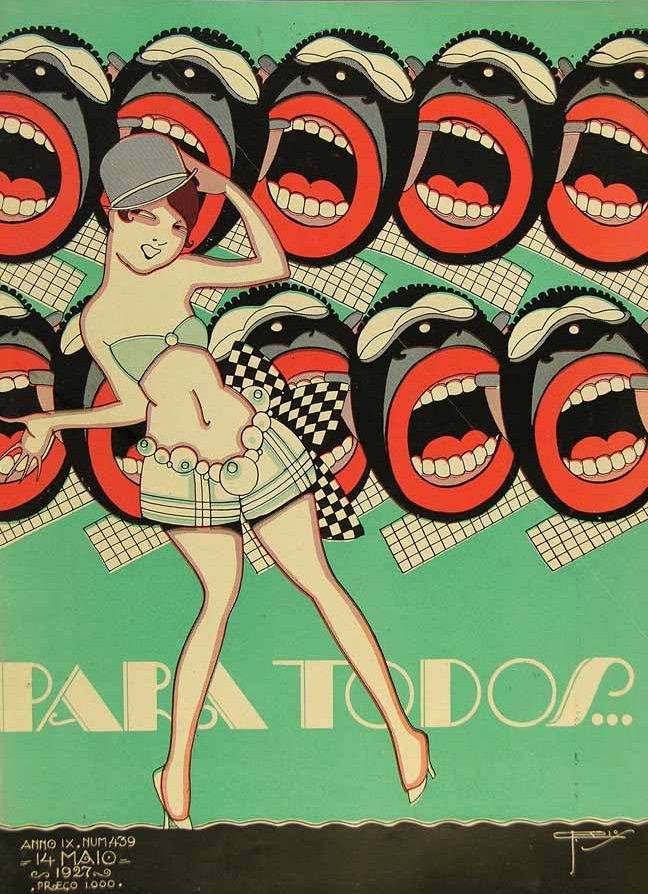
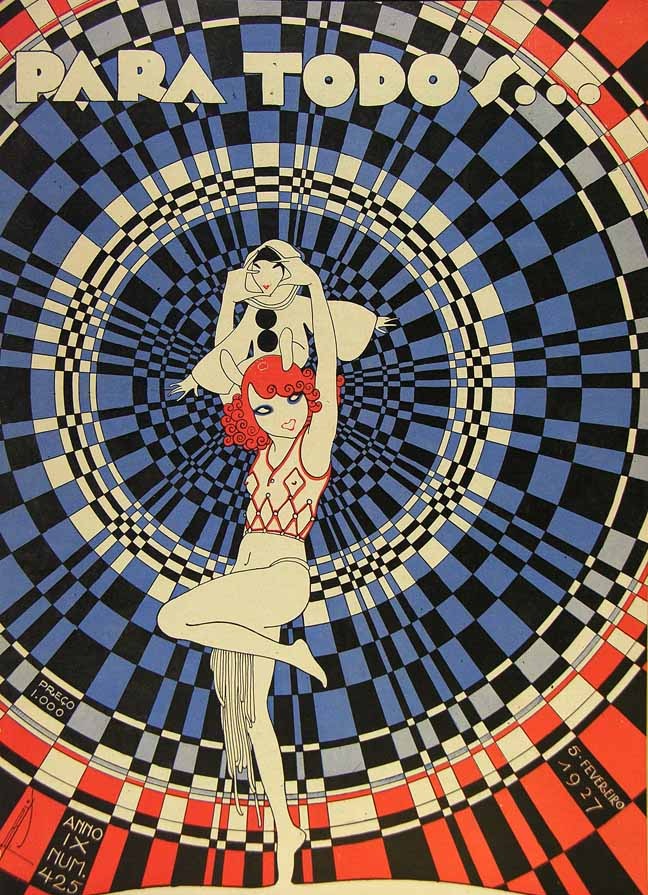
Download 200+ Belle Époque Art Posters: An Archive of Masterpieces from the “Golden Age of the Poster” (1880–1918)

Europe at the end of the nine­teenth cen­tu­ry and begin­ning of the twen­ti­eth: what a time and place to be alive. Or rather, what a time and place to be alive for peo­ple in the right coun­tries and, more impor­tant­ly, of the right class­es, those who saw a new world tak­ing shape around them and par­took of it with all pos­si­ble hearti­ness. The peri­od between the end of the Fran­co-Pruss­ian War in 1871 and the out­break of World War I in 1914, best known by its French name La Belle Époque, saw not just peace in Europe and empires at their zenith, but all man­ner of tech­no­log­i­cal, social, and cul­tur­al inno­va­tions at home as well.

We here in the 21st cen­tu­ry have few ways of tast­ing the life of that time as rich as its posters, more than 200 of which you can view in high res­o­lu­tion and down­load from “Art of the Poster 1880–1918,” a Flickr col­lec­tion assem­bled by the Min­neapo­lis Col­lege of Art and Design.

“In the late nine­teenth cen­tu­ry, lith­o­g­ra­phers began to use mass-pro­duced zinc plates rather than stones in their print­ing process,” says the accom­pa­ny­ing text. “This inno­va­tion allowed them to pre­pare mul­ti­ple plates, each with a dif­fer­ent col­or ink, and to print these with close reg­is­tra­tion on the same sheet of paper. Posters in a range of col­ors and vari­ety of sizes could now be pro­duced quick­ly, at mod­est cost.”

Like oth­er of the most fruit­ful tech­no­log­i­cal advance­ments of the era, this leap for­ward in poster-print­ing drew the atten­tion, and soon the efforts, of artists: well-regard­ed illus­tra­tors and graph­ic design­ers like Alphonse Mucha, Jules Chéret, Eugène Gras­set, and Hen­ri de Toulouse-Lautrec took to the new method, and “The ‘Gold­en Age of the Poster’ was the spec­tac­u­lar result.” While many of the best-remem­bered posters of that Gold­en Age come from France, it touched the streets of every major city in west­ern Europe as well as those of Eng­land and Amer­i­ca, all places whose well-heeled pop­u­la­tions found them­selves new­ly and avid­ly inter­est­ed in art, pho­tog­ra­phy, motion pic­tures, mag­a­zines, bicy­cles, auto­mo­biles, absinthe, cof­fee, cig­a­rettes, and world trav­el.

The com­pa­nies behind all those excit­ing things had, of course, to adver­tise, but unlike in ear­li­er times, they could­n’t set­tle for get­ting the word out; they had to use images, and the most vivid ones pos­si­ble at that. They had to use them in such a way as to asso­ciate what they had to offer with the abun­dant spir­it of the time, whether they called that time La Belle Époque, the Wil­helmine peri­od, the late Vic­to­ri­an and Edwar­dian era, or the Gild­ed Age. All those names, of course, were applied only in ret­ro­spect, after it became clear how bad times could get in the twen­ti­eth cen­tu­ry. But then, none of us ever real­ize we’re liv­ing through a gold­en age before it comes to its inevitable end; until that time, best just to enjoy it. You can enter the poster archive here.

Relat­ed Con­tent:

Down­load 2,000 Mag­nif­i­cent Turn-of-the-Cen­tu­ry Art Posters, Cour­tesy of the New York Pub­lic Library

René Magritte’s Ear­ly Art Deco Adver­tis­ing Posters, 1924–1927

A Gallery of Visu­al­ly Arrest­ing Posters from the May 1968 Paris Upris­ing

Glo­ri­ous Ear­ly 20th-Cen­tu­ry Japan­ese Ads for Beer, Smokes & Sake (1902–1954)

40,000 Film Posters in a Won­der­ful­ly Eclec­tic Archive: Ital­ian Tarkovsky Posters, Japan­ese Orson Welles, Czech Woody Allen & Much More

The Strange and Won­der­ful Movie Posters from Ghana: The Matrix, Alien & More

Based in Seoul, Col­in Mar­shall writes and broad­casts on cities and cul­ture. He’s at work on the book The State­less City: a Walk through 21st-Cen­tu­ry Los Ange­les, the video series The City in Cin­e­ma, the crowd­fund­ed jour­nal­ism project Where Is the City of the Future?, and the Los Ange­les Review of Books’ Korea Blog. Fol­low him on Twit­ter at @colinmarshall or on Face­book.

Attempting to Set the World Record for Most Frida Kahlo Lookalikes in One Place: It Happened in Dallas

Fun fact: The Dal­las Muse­um of Art and the Lati­no Cen­ter for Lead­er­ship Devel­op­ment cel­e­brat­ed Fri­da Kahlo’s 110th birth­day last week. And the fes­tiv­i­ties were capped off with an attempt to set the Guin­ness World Record for the largest gath­er­ing of peo­ple dressed as Fri­da Kahlo in one space.

Accord­ing to the rules of Fri­da Fest, to par­tic­i­pate in the record attempt, indi­vid­u­als had to pro­vide their own cos­tume, and make sure their cos­tumes includ­ed the fol­low­ing ele­ments:

  • A uni­brow drawn onto the face join­ing the eye­brows. This can be done with make-up or by stick­ing hair.
  • Arti­fi­cial flow­ers worn in the hair, a min­i­mum of three arti­fi­cial flow­ers must be worn.
  • A red or pink shawl.
  • A flower-print­ed dress that extends to below the knees on all sides; the dress must not have any slits up the side.

Notes NPR, there’s “no offi­cial word yet on whether a record was set, but pri­or to Thurs­day, there did­n’t appear to be anoth­er record-hold­er list­ed in the Guin­ness World Records.”

You can see a gallery of 44 pho­tos on the muse­um’s Face­book page. Enjoy.

Pho­to Cour­tesy of Ash­ley Gongo­ra and Kathy Tran — at Dal­las Muse­um of Art.

Pho­to Cour­tesy of Ash­ley Gongo­ra and Kathy Tran — at Dal­las Muse­um of Art.

via Neatora­ma

If you would like to sign up for Open Culture’s free email newslet­ter, please find it here. It’s a great way to see our new posts, all bun­dled in one email, each day.

If you would like to sup­port the mis­sion of Open Cul­ture, con­sid­er mak­ing a dona­tion to our site. It’s hard to rely 100% on ads, and your con­tri­bu­tions will help us con­tin­ue pro­vid­ing the best free cul­tur­al and edu­ca­tion­al mate­ri­als to learn­ers every­where. You can con­tribute through Pay­Pal, Patre­on, and Ven­mo (@openculture). Thanks!

Relat­ed Con­tent:

The Fri­da Kahlo Action Fig­ure

1933 Arti­cle on Fri­da Kahlo: “Wife of the Mas­ter Mur­al Painter Glee­ful­ly Dab­bles in Works of Art”

Fri­da Kahlo’s Col­or­ful Clothes Revealed for the First Time & Pho­tographed by Ishi­uchi Miyako

Fri­da Kahlo and Diego Rivera Vis­it Leon Trot­sky in Mex­i­co, 1938

The Artist as Artist’s Mod­el: Au Naturel Por­traits of Fri­da Kahlo Tak­en by Art Patron Julien Levy (1938)

Send a Text Message to SFMOMA, and They’ll Send Works of Art to Your Mobile Phone

The San Fran­cis­co Muse­um of Mod­ern Art–otherwise sim­ply known as SFMOMA–has 34,678 art­works in its col­lec­tions, only 5% of which it can put on dis­play at any giv­en time. That cre­ates an acces­si­bil­i­ty prob­lem. So the muse­um asked itself: “How can we pro­vide a more com­pre­hen­sive expe­ri­ence of our col­lec­tion?” And they devel­oped Send Me SFMOMA in response.

Send Me SFMOMA is “an SMS ser­vice that pro­vides an approach­able, per­son­al, and cre­ative method of shar­ing the breadth of SFMOMA’s col­lec­tion with the pub­lic.”  Here’s how it works:

Text 572–51 with the words “send me” fol­lowed by a key­word, a col­or, or even an emo­ji and you’ll receive a relat­ed art­work image and cap­tion via text mes­sage. For exam­ple “send me the ocean” might get you Pirkle Jones’ Break­ing Wave, Gold­en Gate; “send me some­thing blue” could result in Éponge (SE180) by Yves Klein; and “send me 💐” might return Yasumasa Morimura’s An Inner Dia­logue with Fri­da Kahlo (Col­lar of Thorns). Each text mes­sage trig­gers a query to the SFMOMA col­lec­tion API, which then responds with an art­work match­ing your request.

Give it a spin. See what piece of the SFMOMA col­lec­tion you get.

For more free art, vis­it this meta­col­lec­tion in our archive: 1.8 Mil­lion Free Works of Art from World-Class Muse­ums: A Meta List of Great Art Avail­able Online. And don’t miss the items in the Relat­eds below.

If you would like to sign up for Open Culture’s free email newslet­ter, please find it here. It’s a great way to see our new posts, all bun­dled in one email, each day.

If you would like to sup­port the mis­sion of Open Cul­ture, con­sid­er mak­ing a dona­tion to our site. It’s hard to rely 100% on ads, and your con­tri­bu­tions will help us con­tin­ue pro­vid­ing the best free cul­tur­al and edu­ca­tion­al mate­ri­als to learn­ers every­where. You can con­tribute through Pay­Pal, Patre­on, and Ven­mo (@openculture). Thanks!

via Coudal

Relat­ed Con­tent:

Down­load 464 Free Art Books from The Met­ro­pol­i­tan Muse­um of Art

Down­load 200+ Free Mod­ern Art Books from the Guggen­heim Muse­um

School of Visu­al Arts Presents 99 Hours of Free Pho­tog­ra­phy Lec­tures

by | Permalink | Make a Comment ( 1 ) |

« Go BackMore in this category... »
Quantcast