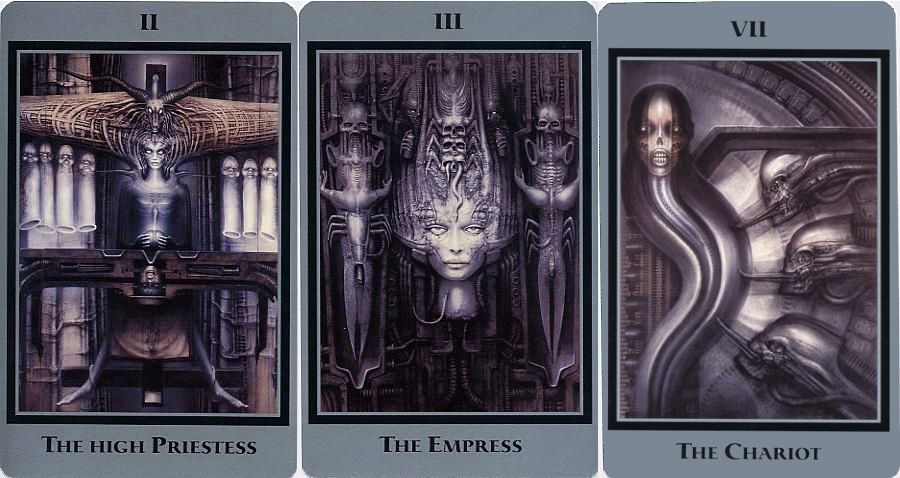
“A Brief History of Goths”: From the Goths, to Gothic Literature, to Goth Music

The his­to­ry of the word ‘Goth­ic,’” argues Dan Adams in the short, ani­mat­ed TED-Ed video above,” is embed­ded in thou­sands of years’ worth of coun­ter­cul­tur­al move­ments.” It’s a provoca­tive, if not entire­ly accu­rate, idea. We would hard­ly call an invad­ing army of Ger­man­ic tribes a “coun­ter­cul­ture.” In fact, when the Goths sacked Rome and deposed the West­ern Emper­or, they did, at first, retain the dom­i­nant cul­ture. But the Goth­ic has always referred to an oppo­si­tion­al force, a Dionysian coun­ter­weight to a ratio­nal, clas­si­cal order.

We know the var­i­ous ver­sions: the Ger­man­ic insti­ga­tors of the “Dark Ages,” ear­ly Chris­t­ian archi­tec­tur­al mar­vels, Roman­tic tales of ter­ror and the super­nat­ur­al, hor­ror films, and gloomy, black-clad post punks and their moody teenage fans. Aside from obvi­ous ref­er­ences like Bauhaus’ tongue-in-cheek ode, “Bela Lugosi’s Dead,” the con­nec­tive tis­sue between all the uses of Goth­ic isn’t espe­cial­ly evi­dent. “What do fans of atmos­pher­ic post-punk music,” asks Adams, “have in com­mon with ancient bar­bar­ians?” The answer: not much. But the sto­ry that joins them involves some strange con­ver­gences, all of them hav­ing to do with the idea of “dark­ness.”

Two sig­nif­i­cant fig­ures in the evo­lu­tion of the Goth­ic as a con­scious­ly-defined aes­thet­ic were both art his­to­ri­ans. The first, Gior­gio Vasari—con­sid­ered the first art historian—wrote biogra­phies of great Renais­sance artists, and first used the term Goth­ic to refer to medieval cathe­drals, which he saw as bar­barous next to the neo­clas­si­cal revival of the 14th-16th cen­turies. (Vasari was also the first to use the term “Renais­sance” to describe his own peri­od.) Two hun­dred years after Vasari’s Lives, art his­to­ri­an, anti­quar­i­an, and Whig politi­cian Horace Wal­pole appro­pri­at­ed the term Goth­ic to describe The Cas­tle of Otran­to, his 1765 nov­el that start­ed a lit­er­ary trend.

Wal­pole also used the term to refer to art of the dis­tant past, par­tic­u­lar­ly the ruins of cas­tles and cathe­drals, with an eye toward the sup­pos­ed­ly exot­ic, men­ac­ing aspects (for Protes­tant Eng­lish read­ers at least) of the Catholic church and Con­ti­nen­tal Euro­pean nobil­i­ty. But for him, the asso­ci­a­tions were pos­i­tive, and con­sti­tut­ed a kitschy escape from Enlight­en­ment ratio­nal­ism. We have Wal­pole to thank, in some sense, for ersatz cel­e­bra­tions like Renais­sance Fairs and Medieval Times restau­rants, and for lat­er Goth­ic nov­els like Bram Stoker’s Drac­u­la, Mary Shelley’s Franken­stein, and the weird tales of Edgar Allan Poe.

We can see that it’s a rather short leap from clas­sic hor­ror sto­ries and films to the dark make­up, teased hair, fog machines, and swirling atmos­pher­ics of The Cure and Siouxsie Sioux. In the his­to­ry of the Goth­ic, espe­cial­ly between Vasari and Wal­pole, the word moves from a term of abuse—describing art thought to be “crude and inferior”—to one that describes art forms con­sid­ered mys­te­ri­ous, and dark­ly Roman­tic. For anoth­er take on the sub­ject, see Pitch­fork’s  music-focused, ani­mat­ed, and  “sur­pris­ing­ly light-heart­ed” short, “A Brief His­to­ry of Goth,” above, a pre­sen­ta­tion on the sub­cul­ture’s rise, fall, and undead rise again.

Relat­ed Con­tent:

Three-Hour Mix­tape Offers a Son­ic Intro­duc­tion to Under­ground Goth Music

A His­to­ry of Alter­na­tive Music Bril­liant­ly Mapped Out on a Tran­sis­tor Radio Cir­cuit Dia­gram: 300 Punk, Alt & Indie Artists

Watch 50+ Doc­u­men­taries on Famous Archi­tects & Build­ings: Bauhaus, Le Cor­busier, Hadid & Many More

Josh Jones is a writer and musi­cian based in Durham, NC. Fol­low him at @jdmagness

A Big List of Free Art Lessons on YouTube

It may seem like a dubi­ous hon­or to belong to a select group that includes some of my favorite cre­ative peo­ple: art school dropouts. But while a failed endeav­or can be painful, many a dropout learns that the expe­ri­ence is valu­able not only because fail­ures can fuel future suc­cess, but also because the skills, tech­niques, and ways of think­ing one picks up in the first, “boot camp,” year of art school are wide­ly applic­a­ble to every cre­ative endeav­or.

My favorite art school class was sim­ply called “Foun­da­tions.” As the name implies, it dealt exclu­sive­ly with basic mate­ri­als and techniques—for join­ing, paint­ing, sculpt­ing, build­ing, etc. One learns to think of large, com­pli­cat­ed, poten­tial­ly over­whelm­ing projects of as reducible in some sense to mate­ri­als and tech­niques. What am I work­ing with? What is the nature of this mate­r­i­al and what are the best ways to shape it? What does it want to become?

These are prac­ti­cal, fun­da­men­tal ques­tions artists ask them­selves, no mat­ter how big or high con­cept their ideas. These days, the mate­ri­als are like­ly to be more vir­tu­al than phys­i­cal, or some cre­ative mix­ture of the two. Still, sim­i­lar con­sid­er­a­tions apply, as well as the basic skills of using col­or, per­spec­tive, shad­ow, and line effec­tive­ly. In the free video tuto­ri­als here, you can learn many of those skills with­out attend­ing, or drop­ping out, of art school. They may not pro­vide a com­plete arts edu­ca­tion, but they offer high qual­i­ty lessons for artists need­ing to sup­ple­ment or refresh their skill sets.

At the top, Ahmed Aldoori explains the col­or wheel and col­or palettes in Pho­to­shop. In oth­er videos on his YouTube chan­nel, he gives tips on draw­ing hands (a par­tic­u­lar chal­lenge for every artist), artist anato­my, dig­i­tal paint­ing, and more. Anoth­er chan­nel, Draw with Chris, offers free and pre­mi­um con­tent for both dig­i­tal and tra­di­tion­al artists, such as the long video on shad­ing tech­nique above. He also has a pop­u­lar two part series on life draw­ing (part 1part 2).

For artists and ani­ma­tors inter­est­ed in “semi real­is­tic, man­ga, and ani­me style char­ac­ters, envi­ron­ments, and con­cept art,” the Lapu­ka chan­nel fea­tures many free short videos on the basics, such as their short intro to “1,2, and 3 point per­spec­tive” above. Oth­er videos teach “Mul­ti­ply­ing and scal­ing in 1 point per­spec­tive,” “Cut­ting in 1 point per­spec­tive,” “Draw­ing with a mouse,” and ren­der­ing cer­tain pop­u­lar ani­me char­ac­ters.

All of these tuto­ri­als come from a list com­piled by Deviantart user DamaiMikaz, who has help­ful­ly divid­ed sev­er­al dozen YouTube instruc­tion­al series into cat­e­gories like “Art Fun­da­men­tals,” “Tuto­r­i­al & How to,” “Dig­i­tal art soft­ware,” “Tra­di­tion­al Art,” and oth­ers. Whether you’re an aspir­ing artist, dab­bling ama­teur, work­ing pro­fes­sion­al, or an art school dropout pick­ing the craft back up, you’ll find what you need here. Know of any oth­er free video resources not list­ed in this archive? Let us and our read­ers know in the com­ments and we’ll add the pri­mo picks to the list.

Below find the list cre­at­ed by DamaiMikaz:

Art fundamentals

Peo­ple that teach you the fun­da­men­tals of art. Anato­my, col­or, per­spec­tive, etc
Ahmed Aldoori
CG Cook­ie Con­cept

Tutorial & How to

How to’s and tuto­ri­als on var­i­ous sub­jects
Ahmed Aldoori
Art of Wei
Art Prof

Brush­boost
CG Cook­ie Con­cept
DRAW with Chris
Draw with Jaz­za
Draw­ing Tuto­ri­als Online
FZDSCHOOL
Hap­py D. Artist
Imag­ine FX
Iste­brak
Javi can draw!
Jesus Conde
Kien­an Laf­fer­ty
Lev­elUp
My Draw­ing Tuto­ri­als
Proko
Sinix Design
Sycra
The Art of Aaron Blaise
The Drawfee Chan­nel
Tyler Edlin
Will Ter­rell
Xia Tap­tara

Digital art software

Chan­nels geared towards cre­at­ing effects in dig­i­tal art soft­ware
dig­i­talfx­cube
PHLEARN
Pho­to­shop Train­ing Chan­nel

Traditional art

Chan­nels doing tra­di­tion­al art
agnesce­cile
Baylee Jae
Hap­py D. Artist
James Gur­ney
Lachri Fine Art
Michael James Smith
Robin Clonts
Sara Tepes
Stan­ley Art­germ Lau
Super Ani
Zimou Tan

Manga / Anime

Chan­nels geared towards draw­ing manga/anime style 
markcril­ley
Nuei Neko
Sycra
Whyt Man­ga

Timelapse paintings

Just stare in awe
agnesce­cile
Alice X. Zhang
Apterus Graph­ics
Asuka111 Art
Atey Ghailan
axel tor­ve­nius
Broth­erBas­ton
Brush­boost
Chris Cold
Con­cept Art Ses­sions
Daniel Wachter
Draw With Rydi
FZDSCHOOL
Ilya Kuvshi­nov
Ilya Tyl­jakov
James Gur­ney
Jesus Conde
Jor­dan Grim­mer
Kien­an Laf­fer­ty
Kim-Seang Hong
Kiwa
Lev­elUp
Lina Sidoro­va
Nuei Neko
Peix­el
sae­ji­noh
Sara Tepes
Scott Robert­son
Spoon­fish­Lee
Stan­ley Art­germ Lau
Super Ani
Xia Tap­tara
zephyo
Zimou Tan

Critique’s & Overpaints

Peo­ple paint­ing over oth­er peo­ple’s paint­ing. Great to get insight
Ahmed Aldoori
Art Prof
BORODANTE
CG Cook­ie Con­cept
FZDSCHOOL
Iste­brak

via Metafil­ter

Relat­ed Con­tent:

The MoMA Teach­es You How to Paint Like Pol­lock, Rothko, de Koon­ing & Oth­er Abstract Painters: Free Course Begins on May 22

Bri­an Eno on Why Do We Make Art & What’s It Good For?: Down­load His 2015 John Peel Lec­ture

Free Course: An Intro­duc­tion to the Art of the Ital­ian Renais­sance

Josh Jones is a writer and musi­cian based in Durham, NC. Fol­low him at @jdmagness

How Famous Paintings Inspired Cinematic Shots in the Films of Tarantino, Gilliam, Hitchcock & More: A Big Supercut

It’s no acci­dent that one of the best-known series of cin­e­ma-ana­lyz­ing video essays bears the title Every Frame a Paint­ing. When describ­ing the height of film’s visu­al poten­tial, we often draw metaphors from art his­to­ry, but the rela­tion­ship also goes in anoth­er direc­tion: more often than we might think, the film­mak­ers and their col­lab­o­ra­tors looked to the can­vas­es of the mas­ters for inspi­ra­tion in the first place. In this tril­o­gy of short video essays, “Film Meets Art,” “Film Meets Art II,” and “Film Meets Art III,” Vugar Efen­di high­lights some of the most strik­ing paint­ings-turned-shots in the work of, among oth­er auteurs, Alfred Hitch­cock, Ter­ry Gilliam, Quentin Taran­ti­no, and Paul Thomas Ander­son.

Efen­di, writes Slate’s Made­line Raynor in a post on the sec­ond install­ment, “places shots from films side by side with the paint­ings that inspired them. And once you see the pair­ings, you won’t be able to unsee them. Some of these are unmis­tak­able ref­er­ences — like Jean-Luc Godard­’s ode to Jean-Auguste-Dominique Ingres — while oth­ers are more sub­tle.

Film­mak­ers have been recre­at­ing paint­ings since the days of silent film: the video’s ear­li­est exam­ple is 1927’s Metrop­o­lis.” More recent instances include Alex Colville’s To Prince Edward Island in Wes Ander­son­’s Moon­rise King­dom, and Thomas Gains­bor­ough’s The Blue Boy in Quentin Taran­ti­no’s Djan­go Unchained. While per­haps too obvi­ous for inclu­sion into these essays, Wim Wen­ders once sat­i­rized this process with a movie-with­in-a-movie recre­ation of Edward Hop­per’s Nighthawks in The End of Vio­lence.

Which painters do film­mak­ers most often turn to for mate­r­i­al? Efendi’s visu­al essays show us a fair few mem­o­rable and var­ied uses of Hop­per, whose paint­ings pos­sess a cin­e­mat­ic atmos­phere of their own, and also Magritte, pos­si­bly because his dream­like sen­si­bil­i­ty aligns well with that of cin­e­ma itself: L’empire des lumières in William Fried­kin’s The Exor­cistLa Robe du soir in Bar­ry Jenk­ins’ Moon­light (win­ner of last year’s Best Pic­ture Oscar), and Archi­tec­ture au clair de Lune in Peter Weir’s The Tru­man Show. Weir’s work makes anoth­er appear­ance in the essays in the form of Pic­nic at Hang­ing Rock, a haunt­ing film based on a haunt­ing nov­el writ­ten in part out of fas­ci­na­tion with a haunt­ing paint­ing, William Ford’s At the Hang­ing Rock — whose imagery then made it back into the screen adap­ta­tion. It seems that art, be it on can­vas, film, or some medi­um yet unimag­ined, tells the sto­ry of civ­i­liza­tion in more ways than one.

via Slate and h/t Natal­ie

Relat­ed Con­tent:

How Film­mak­ers Tell Their Sto­ries: Three Insight­ful Video Essays Demys­ti­fy the Craft of Edit­ing, Com­po­si­tion & Col­or

Watch the Trail­er for a “Ful­ly Paint­ed” Van Gogh Film: Fea­tures 12 Oil Paint­ings Per Sec­ond by 100+ Painters

Guer­ni­ca: Alain Resnais’ Haunt­ing Film on Picasso’s Paint­ing & the Crimes of the Span­ish Civ­il War

Watch Icon­ic Artists at Work: Rare Videos of Picas­so, Matisse, Kandin­sky, Renoir, Mon­et, Pol­lock & More

Every Frame a Paint­ing Explains the Film­mak­ing Tech­niques of Mar­tin Scors­ese, Jack­ie Chan, and Even Michael Bay

100,000 Free Art His­to­ry Texts Now Avail­able Online Thanks to the Get­ty Research Por­tal

Based in Seoul, Col­in Mar­shall writes and broad­casts on cities and cul­ture. He’s at work on a book about Los Ange­les, A Los Ange­les Primer, the video series The City in Cin­e­ma, the crowd­fund­ed jour­nal­ism project Where Is the City of the Future?, and the Los Ange­les Review of Books’ Korea Blog. Fol­low him on Twit­ter at @colinmarshall or on Face­book.

Take a Trip Through the History of Modern Art with the Oscar-Winning Animation Mona Lisa Descending a Staircase

The artis­tic mor­ph­ing is already under­way before the very first frame of film­mak­er Joan Gratz’ 1992 Oscar-win­ning ani­ma­tion, Mona Lisa Descend­ing a Stair­case.

Most view­ers will rec­og­nize the title as a mashup of Leonar­do Da Vinci’s famous work and Mar­cel Duchamp’s mod­ernist clas­sic Nude Descend­ing a Stair­case, No. 2.

What fol­lows is a con­stant­ly mor­ph­ing, chrono­log­i­cal trip through the his­to­ry of mod­ern art, begin­ning with Impres­sion­ism and pass­ing through Cubism and Sur­re­al­ism en route to Pop art and hyper-real­ism.

The seam­less tran­si­tions were cre­at­ed by painstak­ing­ly manip­u­lat­ing small pieces of oil-based mod­el­ing clay on a sol­id easel-mount­ed sur­face, a tech­nique Gratz devel­oped as an archi­tec­ture stu­dent at the Uni­ver­si­ty of Ore­gon.

Van Gogh’s self-por­trait recon­fig­ures itself into Gaugin’sAndy Warhol’s Gold Mar­i­lyn Mon­roe becomes Roy Lichtenstein’s Woman with Flow­ered Hat—a far trick­i­er tran­si­tion than had Gratz start­ed with Picasso’s 1941 Dora Maar au Chat, the orig­i­nal inspi­ra­tion for Lichtenstein’s 1963 work.

As Gratz told Olivi­er Cotte, author of Secrets of Oscar-Win­ning Ani­ma­tion:

The tran­si­tions were the most inter­est­ing aspect of the work. A great deal of what they show con­sists of pro­vid­ing infor­ma­tion about the style of the paint­ings…. The rela­tion­ship between the images depends on the era, the artis­tic move­ment and the inter­con­nec­tion between the artists.

Thus the work is not just about cap­tur­ing the 55 select­ed images, but also their tex­ture, from the Expres­sion­ists’ thick impas­to to the post-painter­ly slick­ness of 60s pop artists.

The paint­ings were cho­sen over near­ly eight years of research and plan­ning, but not the minu­ti­ae of the tran­si­tions, as Gratz pre­ferred to impro­vise in front of the cam­era. Just as in more nar­ra­tive clay­ma­tions, each painstak­ing adjust­ment required her to stop and shoot a frame, a process that end­ed up tak­ing two-and-a-half years, fit in around Gratz’s sched­ule for such pay­ing gigs as Return to Oz and the fea­ture-length clay­ma­tion, The Adven­tures of Mark Twain.

Giv­en the spon­ta­neous nature of the trans­for­ma­tions from one paint­ing to the next, the exact length of the fin­ished film was impos­si­ble to pre­dict. When it was at last com­plete, com­pos­er Jamie Hag­ger­ty  and sound design­er Chel White were brought in to pro­vide fur­ther his­tor­i­cal and cul­tur­al con­text, via music, envi­ron­men­tal sounds, and con­spic­u­ous use of a digeri­doo.

See more of Gratz’s clay paint­ing tech­nique in the music video for Peter Gabriel’s “Dig­ging in the Dirt,” and ads for Coca-Cola and Microsoft.

Read Olivi­er Cotta’s analy­sis of Mona Lisa Descend­ing a Stair­case, includ­ing a longer inter­view with Joan Gratz here.

Mona Lisa Descend­ing a Stair­case will be added to our list of Ani­ma­tions, a sub­set of our col­lec­tion, 4,000+ Free Movies Online: Great Clas­sics, Indies, Noir, West­erns, Doc­u­men­taries & More.

Relat­ed Con­tent:

New Ani­mat­ed Film About Vin­cent Van Gogh Will Be Made Out of 65,000 Van Gogh-Style Paint­ings: Watch the Trail­er and Mak­ing-Of Video

Van Gogh’s 1888 Paint­ing, “The Night Cafe,” Ani­mat­ed with Ocu­lus Vir­tu­al Real­i­ty Soft­ware

Hear Mar­cel Duchamp Read “The Cre­ative Act,” A Short Lec­ture on What Makes Great Art, Great

Ayun Hal­l­i­day is an author, illus­tra­tor, the­ater mak­er and Chief Pri­ma­tol­o­gist of the East Vil­lage Inky zine. She’ll be appear­ing onstage in New York City this June as one of the clowns in Paul Young’s Faust 3.  Fol­low her @AyunHalliday.

Huge Hands Rise Out of Venice’s Waters to Support the City Threatened by Climate Change: A Poignant New Sculpture

Upon arriv­ing in Venice in the late 1930s, colum­nist and Algo­nquin Round Table reg­u­lar Robert Bench­ley imme­di­ate­ly sent a telegram back home to Amer­i­ca: “Streets full of water. Please advise.” The line has tak­en its place in the canon of Amer­i­can humor, but in more recent times the image of water-filled streets — unin­ten­tion­al­ly water-filled streets, that is — has arisen most often in the con­ver­sa­tion about cli­mate change. Some of the poten­tial dis­as­ter sce­nar­ios envi­sion every major coastal city on Earth even­tu­al­ly turn­ing into a kind of Venice, albeit a much less pleas­ant ver­sion there­of.

And so what bet­ter place than the one that hosts per­haps the world’s best known art exhi­bi­tion, the Venice Bien­nale, to express cli­mate-change anx­i­ety in the form of pub­lic sculp­ture? “Venice is known for its gon­do­las, canals, and his­toric bridges,” writes Condé Nast Trav­el­er’s Sebas­t­ian Modak, “but vis­i­tors will now also be greet­ed by anoth­er, albeit tem­po­rary, reminder of the city’s inti­mate rela­tion­ship with water: a giant pair of hands reach­ing out of the Grand Canal and appear­ing to sup­port the walls of the his­toric Ca’ Sagre­do Hotel.” The piece is called Sup­port, and it’s cre­at­ed by Barcelona-based Ital­ian sculp­tor Loren­zo Quinn.

“I have three chil­dren, and I’m think­ing about their gen­er­a­tion and what world we’re going to pass on to them,” Quinn told Mash­able’s Maria Gal­luc­ci. “I’m wor­ried, I’m very wor­ried.” The hands of his 11-year-old son actu­al­ly pro­vid­ed the mod­el for the polyurethane-and-resin hands of Sup­port, weigh­ing 5,000 pounds each, that stand on 30-foot pil­lars at the bot­tom of the Grand Canal. Modak quotes one of Quin­n’s Insta­gram posts which describes the work as speak­ing to the peo­ple “in a clear, sim­ple and direct way through the inno­cent hands of a child and it evokes a pow­er­ful mes­sage, which is that unit­ed we can make a stand to curb the cli­mate change that affects us all.”

Those argu­ing in favor of more aggres­sive polit­i­cal mea­sures to coun­ter­act the effects of cli­mate change have gone to great lengths to point out what forms those effects have so far tak­en. But the fact that, apart from a stretch of hot sum­mers, few of those effects have yet man­i­fest­ed unde­ni­ably in most peo­ple’s lives has cer­tain­ly made their job hard­er. But nobody who vis­its Venice dur­ing the Bien­nale could fail to pause before Sup­port, a work whose visu­al dra­ma demands a reac­tion that tem­per­a­ture charts or data-filled stud­ies can’t hope to pro­voke by them­selves. And even apart from the issue at hand, as it were, Quin­n’s sculp­ture reminds us that art, even in as deeply his­tor­i­cal a set­ting as Venice, can also keep us think­ing about the future.

via Colos­sal

Relat­ed Con­tent:

Glob­al Warm­ing: A Free Course from UChica­go Explains Cli­mate Change

132 Years of Glob­al Warm­ing Visu­al­ized in 26 Dra­mat­i­cal­ly Ani­mat­ed Sec­onds

Music for a String Quar­tet Made from Glob­al Warm­ing Data: Hear “Plan­e­tary Bands, Warm­ing World”

A Song of Our Warm­ing Plan­et: Cel­list Turns 130 Years of Cli­mate Change Data into Music

How Cli­mate Change Is Threat­en­ing Your Dai­ly Cup of Cof­fee

Frank Capra’s Sci­ence Film The Unchained God­dess Warns of Cli­mate Change in 1958

Watch Episode 1 of Years of Liv­ing Dan­ger­ous­ly, The New Show­time Series on Cli­mate Change

Based in Seoul, Col­in Mar­shall writes and broad­casts on cities and cul­ture. He’s at work on a book about Los Ange­les, A Los Ange­les Primer, the video series The City in Cin­e­ma, the crowd­fund­ed jour­nal­ism project Where Is the City of the Future?, and the Los Ange­les Review of Books’ Korea Blog. Fol­low him on Twit­ter at @colinmarshall or on Face­book.

Edward Gorey Illustrates H.G. Wells’ The War of the Worlds in His Inimitable Gothic Style (1960)

The sto­ry of mali­cious space aliens invad­ing Earth has a res­o­nance that knows no nation­al bound­aries. In fact, many mod­ern ver­sions make explic­it the moral that only fight­ing off an exis­ten­tial threat from anoth­er plan­et could uni­fy the inher­ent­ly frac­tious human species. H.G. Wells’ 1898 nov­el The War of the Worlds, in many ways the arche­typ­al telling of the space-invaders tale, cer­tain­ly proved com­pelling on both sides of the pond: though set in Wells’ home­land of Eng­land, it made a last­ing impact on Amer­i­can cul­ture when Orson Welles pro­duced a thor­ough­ly local­ized ver­sion for radio, his infa­mous War of the Worlds Hal­loween 1938 broad­cast. (Lis­ten to it here.)

And so who bet­ter to illus­trate a mid-2oth-cen­tu­ry edi­tion of the nov­el than Edward Gorey? He was born in and spent near­ly all his life in Amer­i­ca, but devel­oped an artis­tic sen­si­bil­i­ty that struck its many appre­ci­a­tors as uncan­ni­ly mid-Atlantic. His work con­tin­ues to draw descrip­tions like “Vic­to­ri­an” and “goth­ic,” sure­ly under­scored by his asso­ci­a­tion with the British lit­er­a­ture-adapt­ing tele­vi­sion show Mys­tery!, for whose title sequences he drew char­ac­ters and set­tings, and the young-adult goth­ic mys­tery nov­els of Anglophile author John Bel­lairs. The Gorey-illus­trat­ed War of the Worlds came out in 1960 from Look­ing Glass Library, fea­tur­ing his draw­ings not just at the top of each chap­ter but on its wrap­around cov­er as well. Though out of print, you can find old copies for sale online.

Gorey had begun his career in the ear­ly 1950s at the art depart­ment of pub­lish­er Dou­ble­day Anchor, cre­at­ing book cov­ers and occa­sion­al­ly inte­ri­or illus­tra­tions. In addi­tion to Bel­lairs’ nov­els, he would also go on to put his artis­tic stamp on such lit­er­ary clas­sics as Bram Stok­er’s Drac­u­la and T.S. Eliot’s Old Pos­sum’s Book of Prac­ti­cal Cats, bring­ing to each his sig­na­ture com­bi­na­tion of whim­sy and dread in just the right pro­por­tions. Giv­en the inher­ent omi­nous­ness and threat of The War of the Worlds, Gorey’s dark side comes to the fore as the sto­ry’s long-legged ter­rors arrive and wreak hav­oc on Earth, only to fall vic­tim to com­mon dis­ease.

Gorey’s War of the Worlds illus­tra­tions also seem to draw some inspi­ra­tion from the very first ones that accom­pa­nied the nov­el upon its ini­tial pub­li­ca­tion as a Pear­son­’s Mag­a­zine ser­i­al in 1897. You can com­pare and con­trast them by brows­ing the high-res­o­lu­tion scans of the out-of-print 1960 Look­ing Glass Library War of the Worlds at this online exhi­bi­tion at Loy­ola Uni­ver­si­ty Chica­go Dig­i­tal Spe­cial Col­lec­tions, in part­ner­ship with the Edward Gorey Char­i­ta­ble Trust.

Though con­cep­tu­al­ly sim­i­lar to the illus­tra­tions in Pear­son’s, drawn by an artist (usu­al­ly of chil­dren’s books) named War­wick Gob­le, they don’t get into quite as much detail — but then, they don’t have to. To evoke a com­plex mix­ture of fas­ci­nat­ed antic­i­pa­tion and creep­ing fear, Gorey nev­er need­ed more than an old house, a hud­dle of sil­hou­ettes, or a pair of eyes glow­ing in the dark­ness.

via Heavy Met­al

Relat­ed Con­tent:

The Very First Illus­tra­tions of H.G. Wells’ The War of the Worlds (1897)

Hor­ri­fy­ing 1906 Illus­tra­tions of H.G. Wells’ War of the Worlds: Dis­cov­er the Art of Hen­rique Alvim Cor­rêa

Hear Orson Welles’ Icon­ic War of the Worlds Broad­cast (1938)

The Great Leonard Nimoy Reads H.G. Wells’ Sem­i­nal Sci-Fi Nov­el The War of the Worlds

Hear the Prog-Rock Adap­ta­tion of H.G. Wells’ War of the Worlds: The 1978 Rock Opera That Sold 15 Mil­lion Copies World­wide

Based in Seoul, Col­in Mar­shall writes and broad­casts on cities and cul­ture. He’s at work on a book about Los Ange­les, A Los Ange­les Primer, the video series The City in Cin­e­ma, the crowd­fund­ed jour­nal­ism project Where Is the City of the Future?, and the Los Ange­les Review of Books’ Korea Blog. Fol­low him on Twit­ter at @colinmarshall or on Face­book.

Meet the Iconic Figures on the Cover of The Beatles’ Sgt. Pepper’s Lonely Hearts Club Band

June 1 will mark the 50th anniver­sary of the release of The Bea­t­les’ Sgt. Pep­per’s Lone­ly Hearts Club Band, an album con­sid­ered rev­o­lu­tion­ary in every respect. Every­thing from the music itself, down to the album’s cov­er design, broke new ground. To com­mem­o­rate the upcom­ing anniver­sary, the BBC has start­ed to release a series of videos intro­duc­ing you to the 60+ fig­ures who appeared in the cutout card­board col­lage that graced the album’s icon­ic cov­er. (See a map­ping of the fig­ures here.)

Some of the fig­ures are endur­ing legends–Carl Jung, Mar­i­lyn Mon­roe and James Joyce. Oth­ers (e.g., Tom­my Han­d­ley, Bob­by Breen and Tom Mix) have fad­ed into obscu­ri­ty.

Up top, watch the video fea­tur­ing Bob Dylan. No stranger, right? Down below, see the video on Aubrey Beard­s­ley, the Eng­lish artist who cre­at­ed strik­ing illus­tra­tions for works by Edgar Allan Poe and Oscar Wilde, both also fea­tured in the col­lage.

At the bot­tom, see a clip on pio­neer­ing elec­tron­ic com­pos­er Karl­heinz Stock­hausen. The BBC will be adding yet more videos here.

If you would like to sign up for Open Culture’s free email newslet­ter, please find it here. It’s a great way to see our new posts, all bun­dled in one email, each day.

If you would like to sup­port the mis­sion of Open Cul­ture, con­sid­er mak­ing a dona­tion to our site. It’s hard to rely 100% on ads, and your con­tri­bu­tions will help us con­tin­ue pro­vid­ing the best free cul­tur­al and edu­ca­tion­al mate­ri­als to learn­ers every­where. You can con­tribute through Pay­Pal, Patre­on, and Ven­mo (@openculture). Thanks!

Relat­ed Con­tent:

How The Bea­t­les’ Sgt. Pepper’s Lone­ly Hearts Club Band Changed Album Cov­er Design For­ev­er

Oscar Wilde’s Play Salome Illus­trat­ed by Aubrey Beard­s­ley in a Strik­ing Mod­ern Aes­thet­ic (1894)

Pio­neer­ing Elec­tron­ic Com­pos­er Karl­heinz Stock­hausen Presents “Four Cri­te­ria of Elec­tron­ic Music” & Oth­er Lec­tures in Eng­lish (1972)

Japanese Computer Artist Makes “Digital Mondrians” in 1964: When Giant Mainframe Computers Were First Used to Create Art

In the 21st cen­tu­ry, most of us have tried our hand at mak­ing some kind of dig­i­tal art or anoth­er — even if only touch­ing up cell­phone pho­tos of our­selves — but imag­ine the task of pro­duc­ing it 50 years ago. To make dig­i­tal art before the world had bare­ly heard the term “dig­i­tal” required access to a main­frame com­put­er, those huge­ly expen­sive hulks that filled rooms and print­ed out reams and reams of paper data, and the con­sid­er­able tech­ni­cal know-how to oper­ate it.

But the achieve­ment also, to go by the very ear­ly exam­ple of Hiroshi Kawano, required a back­ground in phi­los­o­phy. A grad­u­ate of the Uni­ver­si­ty of Tokyo major­ing in aes­thet­ics and the phi­los­o­phy of sci­ence before becom­ing a research assis­tant at that school and then a lec­tur­er at the Tokyo Met­ro­pol­i­tan Col­lege of Air-Tech­nol­o­gy, Kawano mar­shaled his knowl­edge and expe­ri­ence to cre­ate these “dig­i­tal Mon­dri­ans,” so described because of their com­put­er-gen­er­at­ed resem­blance to that Dutch painter’s most rig­or­ous­ly angu­lar, solid­ly col­ored work.

Kawano had drawn inspi­ra­tion, accord­ing to a Deutsche Welle arti­cle on his dona­tion of his archives to Ger­many’s Cen­ter for Media Art, from “the writ­ings of the Ger­man philoso­pher Max Bense, who pro­posed (among oth­er things) the idea of mea­sur­ing beau­ty using sci­en­tif­ic rules. At the same time, Kawano heard that sci­en­tists were using com­put­ers to cre­ate music. Putting the two togeth­er, he decid­ed to explore the pos­si­bil­i­ty of using a com­put­er to pro­gram beau­ty.”

Doing so required “writ­ing pro­grams in com­plex com­put­er lan­guages, then labo­ri­ous­ly punch­ing these pro­grams into hun­dreds of cards before feed­ing them into the machine.” And “while the design of his works pro­duced dur­ing the 1960s might look sim­ple — they’re not. They are the result of com­plex math­e­mat­i­cal algo­rithms pro­grammed so that, although Kawano sets the rules for how the pic­ture could look, he can’t deter­mine exact­ly what will appear on the print­er.”

Just before Kawano passed away in 2012, the ZKM (or Cen­ter for Art and Media Karl­sruhe), cel­e­brat­ed his pio­neer­ing dig­i­tal art with the exhi­bi­tion “The Philoso­pher at the Com­put­er,” some of which you can see in this Ger­man-lan­guage video clip. “The ret­ro­spec­tive empha­sizes Kawano’s spe­cial role in the cir­cle of pio­neers in ‘com­put­er art,’ ” says its intro­duc­tion. “He was nei­ther artist, who dis­cov­ered the com­put­er as a new pro­duc­tion medi­um and theme, nor engi­neer who came to art via the new machine, but a philoso­pher, who left his desk for the com­put­er cen­ter to exper­i­ment with the­o­ret­i­cal mod­els.”

Can com­put­ers cre­ate art? Can they even be used to cre­ate art? These ques­tions now have prac­ti­cal­ly obvi­ous answers in the affir­ma­tive, but back in 1964 when Kawano pro­duced the first of these pieces, work­ing through tri­al and error with the advice of the curi­ous staff of his uni­ver­si­ty’s com­put­er cen­ter, the ques­tions must have sound­ed impos­si­bly philo­soph­i­cal. Today, writes Over­head Com­part­men­t’s Clau­dio Rivera, Kawano’s dig­i­tal Mon­dri­ans “sug­gest them­selves as an odd­ly ephemer­al tran­si­tion in the nexus of tech­nol­o­gy and art. The famil­iar col­ors and forms are flash-frozen in crys­talline pix­e­la­tion, almost as if seized up in the final, over­heat­ed throes of a sud­den­ly-too-old com­put­er.”

Relat­ed Con­tent:

Andy Warhol’s Lost Com­put­er Art Found on 30-Year-Old Flop­py Disks

Watch the Dutch Paint “the Largest Mon­dri­an Paint­ing in the World”

Arti­fi­cial Neur­al Net­work Reveals What It Would Look Like to Watch Bob Ross’ The Joy of Paint­ing on LSD

Based in Seoul, Col­in Mar­shall writes and broad­casts on cities and cul­ture. He’s at work on a book about Los Ange­les, A Los Ange­les Primer, the video series The City in Cin­e­ma, the crowd­fund­ed jour­nal­ism project Where Is the City of the Future?, and the Los Ange­les Review of Books’ Korea Blog. Fol­low him on Twit­ter at @colinmarshall or on Face­book.

« Go BackMore in this category... »
Quantcast