Joni Mitchell Publishes a Book of Her Rarely Seen Paintings & Poetry

Self Portrait.”Art work by Joni Mitchell, from “Morn­ing Glo­ry on the Vine” / Cour­tesy Houghton Mif­flin Har­court

Joni Mitchell is a woman of many talents—too many for the label “singer-song­writer” to encom­pass. It does not cap­ture the lit­er­ary depth of her lyri­cism, the unique strength of her dis­tinc­tive voice, or the deft­ness and ver­sa­til­i­ty of her gui­tar play­ing. Nor the fact that she’s one of the most inter­est­ing per­son­al­i­ties in rock (or folk-rock­/­folk/­folk-jazz, what­ev­er). Mitchell’s biog­ra­phy is riv­et­ing; her chat­ty and can­tan­ker­ous inter­views a treat.

And, if you some­how didn’t know from her many album cov­ers, Mitchell is also an accom­plished visu­al artist. “I have always thought of myself as a painter derailed by cir­cum­stance,” she said in 2000. “I sing my sor­row and I paint my joy.” It’s a great quote, though she also sings her joy and paints sorrow—as in the por­trait of her hero, Miles Davis, made just after his death. (Davis was a painter too, and they bond­ed over art.)

Mitchell began sell­ing her work “when I was in high school to den­tists, doctors—small time,” she told Rolling Stone in 1990. She has writ­ten poet­ry since her teenage years. Her imag­is­tic song­writ­ing came from a love of lit­er­ary lan­guage. “I wrote poet­ry,” she says, “and I always want­ed to make music. But I nev­er put the two things togeth­er,” until she heard Dylan’s “Pos­i­tive­ly Fourth Street” and real­ized “you could make your songs lit­er­a­ture.”

Painter, poet, singer, song­writer, guitarist—all of the artis­tic sides of Mitchell have min­gled through­out her career in the visu­al splen­dor of her cov­ers, com­po­si­tions, and lyrics. They also came togeth­er in a rare 1971 book. After the release of Blue, Mitchell “gath­ered more than thir­ty draw­ings and water­col­ors in a ring binder and paired them with hand­writ­ten lyrics and bits of poet­ry,” writes Aman­da Petru­sich at The New York­er.

She had the book hand­bound in an edi­tion of 100 copies and gave it to friends for the hol­i­days, call­ing it “The Christ­mas Book.” Now it has a dif­fer­ent title, Morn­ing Glo­ry on the Vine, for a new edi­tion to be released Octo­ber 22nd. Part of the exten­sive cel­e­bra­tions for Mitchell’s 75th birth­day, this edi­tion ful­fills a decade-long desire for the artist. “I always want­ed to redo it and sim­pli­fy the pre­sen­ta­tion,” she tells Petru­sich. “Work is meant to be seen.”

The col­lec­tion “feels con­so­nant with Mitchell’s song­writ­ing” in that it cap­tures “tan­ta­liz­ing details about home,” in this case the home in Lau­rel Canyon that she shared with Gra­ham Nash, the inspi­ra­tion for the Cros­by, Stills & Nash song “Our House.” Still life com­po­si­tions and self-por­traits, both “vivid” and “inti­mate,” com­ple­ment her vul­ner­a­ble, play­ful, “fun­ny and weird,” lyrics and vers­es. You can see more of the paint­ings from Morn­ing Glo­ry on the Vine at The New York­er and order a copy of the book here.

Relat­ed Con­tent:

See Clas­sic Per­for­mances of Joni Mitchell from the Very Ear­ly Years–Before She Was Even Named Joni Mitchell (1965/66)

How Joni Mitchell Wrote “Wood­stock,” the Song that Defined the Leg­endary Music Fes­ti­val, Even Though She Wasn’t There (1969)

Songs by Joni Mitchell Re-Imag­ined as Pulp Fic­tion Book Cov­ers & Vin­tage Movie Posters

Josh Jones is a writer and musi­cian based in Durham, NC. Fol­low him at @jdmagness

The Provocative Art of Modern Sketch, the Magazine That Captured the Cultural Explosion of 1930s Shanghai


“With its news­pa­pers in every lan­guage and scores of radio sta­tions, Shang­hai was a media city before its time, cel­e­brat­ed as the Paris of the Ori­ent and ‘the wickedest city in the world.’ ” So British writer J.G. Bal­lard remem­bers the Chi­nese metrop­o­lis in which he grew up in his auto­bi­og­ra­phy Mir­a­cles of Life. “Shang­hai struck me as a mag­i­cal place, a self-gen­er­at­ing fan­ta­sy that left my own lit­tle mind far behind.” Born in 1930, Bal­lard caught Shang­hai at a par­tic­u­lar­ly stim­u­lat­ing time: “Devel­oped on the basis of ‘unequal treaties’ suc­ces­sive­ly insti­tut­ed after the First Opi­um War in 1842,” writes MIT’s John A. Crespi, Chi­nese port cities like Shang­hai “expe­ri­enced a wel­ter of tech­no­log­i­cal and demo­graph­ic changes,” includ­ing auto­mo­biles, sky­scrap­ers, rolled cig­a­rettes, movie the­aters cof­fee­hous­es, and much else besides.

Such heady days also gave rise to media that reflect­ed and cri­tiqued them, and 1930s Shang­hai pro­duced no more com­pelling an exam­ple of such a pub­li­ca­tion than Mod­ern Sketch (时代漫画, Shídài Màn­huà).

Among its points of inter­est, writes Crespi, “one can point to Mod­ern Sketch’s longevi­ty, the qual­i­ty of its print­ing, the remark­able eclec­ti­cism of its con­tent, and its inclu­sion of work by young artists who went on to become lead­ers in China’s 20th-cen­tu­ry cul­tur­al estab­lish­ment. But from today’s per­spec­tive, most intrigu­ing is the sheer imag­is­tic force with which this mag­a­zine cap­tures the crises and con­tra­dic­tions that have defined China’s 20th cen­tu­ry as a quin­tes­sen­tial­ly mod­ern era.”

Pub­lished month­ly from Jan­u­ary 1934 through June 1937, the mag­a­zine first appeared on news­stands just over two decades after the col­lapse of China’s dynas­tic sys­tem.  The mod­ern­iza­tion-mind­ed May Fourth Move­ment, nation­al­ist North­ern Expe­di­tion, and purge of com­mu­nists by “Gen­er­alis­si­mo” Chi­ang Kai-shek were even more recent mem­o­ries.

But the rel­a­tive sta­bil­i­ty of the “Nan­jing Decade” had begun in 1927, and its zeit­geist turned out to be rich soil for a wild cul­tur­al flow­er­ing in Chi­na’s coastal cities, none wilder than in Shang­hai. To the read­ing pub­lic of this time Mod­ern Sketch offered treat­ments of mate­r­i­al like “eroti­cized women, for­eign aggres­sion — par­tic­u­lar­ly the rise of fas­cism in Europe and mil­i­ta­rized Japan — domes­tic pol­i­tics and exploita­tion, and moder­ni­ty-at-large,” writes Crespi.

The mag­a­zine’s atti­tude “could be inci­sive, bit­ter, shock­ing, and cyn­i­cal. At the very same time it could be ele­gant, sala­cious, and pre­pos­ter­ous. Its mes­sages might be as sim­ple as child’s play, or cryp­ti­cal­ly encod­ed for cul­tur­al sophis­ti­cates.”

Some­times it did­n’t encode its mes­sages cryp­ti­cal­ly enough: as a result of one unflat­ter­ing depic­tion of Xu Shiy­ing, Chi­na’s ambas­sador to Japan, the author­i­ties sus­pend­ed pub­li­ca­tion and detained edi­tor Lu Shaofei. Not that Lu did­n’t know what he was get­ting into with Mod­ern Sketch: “On all sides a tense era sur­rounds us,” he wrote in the mag­a­zine’s inau­gur­al issue. “As it is for the indi­vid­ual, so it is for our coun­try and the world.”

As for an answer to the ques­tion of whether the strange and tense but enor­mous­ly fruit­ful cul­tur­al and polit­i­cal moment in which Lu and his col­lab­o­ra­tors found them­selves wold last, “the more one fails to find it, the more that desire grows. Our stance, our sin­gle respon­si­bil­i­ty, then, is to strive!”

You can read more about what project entailed, and see in greater detail its tex­tu­al and visu­al results, in Crespi’s his­to­ry of this mag­a­zine that strove to cap­ture the every­day real­i­ty of life on dis­play in 1930s Shang­hai — “though I some­times won­der,” Bal­lard writes, “if every­day real­i­ty was the one ele­ment miss­ing from the city.”

via 50 Watts

Relat­ed con­tent:

China’s New Lumi­nous White Library: A Strik­ing Visu­al Intro­duc­tion

Vin­tage 1930s Japan­ese Posters Artis­ti­cal­ly Mar­ket the Won­ders of Trav­el

A Curat­ed Col­lec­tion of Vin­tage Japan­ese Mag­a­zine Cov­ers (1913–46)

Exten­sive Archive of Avant-Garde & Mod­ernist Mag­a­zines (1890–1939) Now Avail­able Online

Free Chi­nese Lessons

Based in Seoul, Col­in Mar­shall writes and broad­casts on cities, lan­guage, and cul­ture. His projects include the book The State­less City: a Walk through 21st-Cen­tu­ry Los Ange­les and the video series The City in Cin­e­ma. Fol­low him on Twit­ter at @colinmarshall or on Face­book.

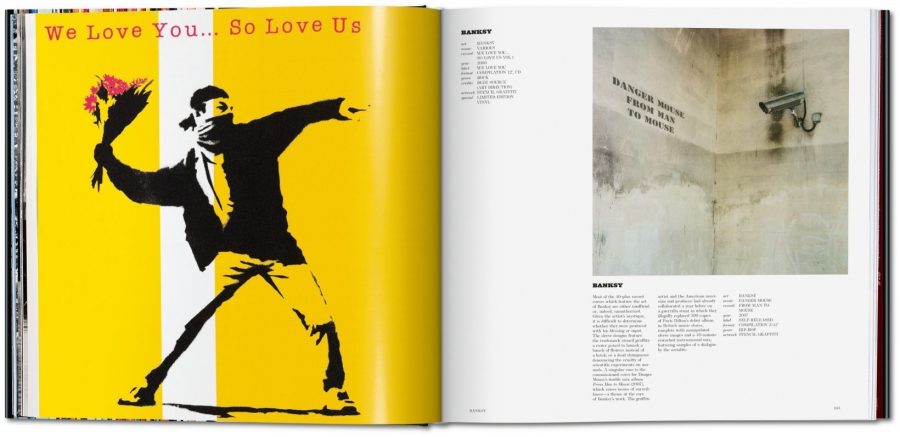
Banksy Launches a New Online Store: Make Purchases Through October 28

Has Banksy sold out? Fans and crit­ics alike of the street-art provo­ca­teur-turned-glob­al­ly rec­og­niz­able brand can argue that ques­tion end­less­ly. But we do know, at least, that Banksy sells: ear­li­er this month he broke his own record when his 2009 paint­ing Devolved Par­lia­ment went for £9.88 mil­lion (about $12.20 mil­lion USD) at Sothe­by’s. Not all the fol­low­ers attract­ed by Banksy’s anti-cap­i­tal­is­tic, anti-cor­po­rate, anti-wealth image can afford to pay quite so much for a Banksy of their own, but if they can come up with any­thing from £10 to £850.00, they stand as much of a chance as any­one else of mak­ing a pur­chase from the artist’s new­ly opened online store, Gross Domes­tic Prod­uct, the sec­ond phase of a project that began, as many of Banksy’s ven­tures have, on a Lon­don street.

In this case it was­n’t a mur­al but a shop, or rather, an instal­la­tion designed to look like a shop, “opened” right in time for Frieze Week, when the art world pass­es through the city. “Tak­ing up large win­dows fac­ing the street, the shop, ‘where art irri­tates life,’ is a clas­sic dis­play of the artist’s inge­nu­ity and razor-sharp sense of rea­son and humor,” writes Jux­tapoz’s Sasha Bogo­jev.

Its stock includ­ed a “baby crib sur­veil­lance mobile toy, along with ‘ear­ly learn­ing count­ing set’ con­sist­ing of wood­en fig­ures of refugees, wel­come mats made from life vests sal­vaged from the shores of the Mediter­ranean, dis­co ball made from old police hel­mets, plates/clocks with run­ning rats, works on can­vas, cush­ions, and even bad­ly done ‘Banksky’ T‑shirts, mugs and plates.” Much to the dis­may of many a Frieze-goer, noth­ing in Banksy’s brick-and-mor­tar store was avail­able for sale.

But every­thing in Banksy’s online store is: “GrossDomesticProduct.com offers a wide range of house­hold prod­ucts, art­works and basi­cal­ly a whole range of Banksy™ knick-knacks,” writes Bogo­jev. “From mugs for which ‘the artist got the kids to do it, then signed the result,’ sculp­tur­al edi­tion made in col­lab­o­ra­tion with Escif, learn­ing sets, t‑shirts” — one mod­eled after Girl with Bal­loon, shred­ded bot­tom half and all — “soft toys, clocks, all the way to two new print edi­tions.” Such is Banksy’s pop­u­lar­i­ty that you might well assume every­thing has already run out, but no: each hope­ful buy­er can reg­is­ter to pur­chase one item — but just one — until Octo­ber 28th, at which point a lot­tery process will deter­mine which of them will actu­al­ly have the priv­i­lege of mak­ing their desired pur­chas­es. In the high­ly like­ly event of “demand out­strip­ping sup­ply,” Gross Domes­tic Prod­uct will use as a deter­min­ing fac­tor appli­cants’ respons­es, con­sist­ing of fifty words or few­er, to the ques­tion, “Why does art mat­ter?”

One hopes that when this lat­est Banksy stunt has fin­ished, the win­ning respons­es to that ques­tion will be made pub­lic; the art-world com­men­tari­at would cer­tain­ly make much of an answer from Banksy him­self. But Banksy-watch­ers know that the artist, what­ev­er his real iden­ti­ty, is always on the move: no soon­er have we learned of his lat­est piece of work, what­ev­er form it takes, than he’s primed the next one to drop. Banksy has described Gross Domes­tic Prod­uct as legal­ly moti­vat­ed, prompt­ed by a greet­ing card com­pa­ny’s attempts “to seize legal cus­tody of the name Banksy from the artist, who has been advised the best way to pre­vent this is to sell his own range of brand­ed mer­chan­dise.” If any­one makes Banksy greet­ing cards, it’s going to be Banksy. And if he were to announce his own Hall­mark Store, lines would sure­ly start form­ing right away.

Relat­ed Con­tent:

Behind the Banksy Stunt: An In-Depth Break­down of the Artist’s Self-Shred­ding Paint­ing

Banksy Strikes Again in Venice

Watch Dis­ma­land — The Offi­cial Unof­fi­cial Film, A Cin­e­mat­ic Jour­ney Through Banksy’s Apoc­a­lyp­tic Theme Park

Banksy Cre­ates a Tiny Repli­ca of The Great Sphinx Of Giza In Queens

Pat­ti Smith Presents Top Web­by Award to Banksy; He Accepts with Self-Mock­ing Video

The Always Bank­able Banksy

Based in Seoul, Col­in Mar­shall writes and broad­casts on cities, lan­guage, and cul­ture. His projects include the book The State­less City: a Walk through 21st-Cen­tu­ry Los Ange­les and the video series The City in Cin­e­ma. Fol­low him on Twit­ter at @colinmarshall or on Face­book.

How to Paint Like Willem De Kooning: Watch Visual Primers from the Museum of Modern Art

Before you learn how to paint like Dutch Amer­i­can Abstract Expres­sion­ist Willem de Koon­ing, you might ask, why should you paint like Willem De Koon­ing? Shouldn’t every artist have his or her own inim­itable per­son­al style? We might ask, why learn to play piano like Nina Simone or write prose like William Faulkn­er? If you stop at mere imi­ta­tion, there may be no good rea­son to mim­ic the mas­ters.

But if you take their tech­niques and make them yours—steal, if you will, their best parts for your work—then, with enough tal­ent and per­sis­tence, you might be on your way toward an inim­itable per­son­al style of your own. Or, you could sim­ply watch these videos on how to paint like De Koon­ing to get a vivid, live-action demon­stra­tion of how the artist him­self did it.

You need nev­er have held a paint­brush to appre­ci­ate the Muse­um of Mod­ern Art’s “How to Paint Like” series, fea­tur­ing videos of MoMA edu­ca­tor and con­ser­va­tor Cory D’Augustine, who shows us how to imi­tate the meth­ods of not only of De Koon­ing, but also Jack­son Pol­lock, Mark Rothko, and Agnes Mar­tin. All of these tuto­ri­als come from D’Augustine’s Cours­era class “In the Stu­dio: Post­war Abstract Paint­ing.”

And as his oth­er videos, here D’Augustine offers a com­pre­hen­sive overview of the artist’s tools and tech­niques: low-vis­cos­i­ty oil paint held in large quan­ti­ties in bowls, rather than small blobs of paint on a palette; the big pow­er­ful full-body ges­tures to achieve “action paint­ing.” If you are try­ing this at home, be advised, D’Augustine moves fast, assum­ing a lot of pri­or expe­ri­ence and a seri­ous artist’s col­lec­tion of sup­plies.  Think more Bob Vila than Bob Ross—you will need a good set of tools. But if you’re aspir­ing to paint like De Koon­ing, odds are you’ve got it cov­ered.

D’Augustine has also been respon­sive to crit­ics in the com­ments, releas­ing the fol­low up Part 2 video, above, to address the absur­di­ty of actu­al­ly “doing a De Koon­ing-esque paint­ing in a day.” Addi­tion­al­ly, as he notes above, De Koon­ing “rein­vent­ed him­self again and again and again,” mean­ing “there cer­tain­ly isn’t one way, there cer­tain­ly aren’t a hun­dred ways, to make a De Koon­ing since he was relent­less­ly inven­tive.”

That is to say, we’re see­ing a curat­ed selec­tion of De Kooning’s mate­ri­als and appli­ca­tion tech­niques, which still may be quite enough to influ­ence a bud­ding painter on the way to a unique tech­nique of her own—or to inform De Koon­ing fans who do not paint, but who have stood before his fear­ful­ly, bru­tal­ly ener­getic can­vas­es and won­dered how they came to be.

Relat­ed Con­tent:

The MoMA Teach­es You How to Paint Like Pol­lock, Rothko, de Koon­ing & Oth­er Abstract Painters

Jack­son Pol­lock 51: Short Film Cap­tures the Painter Cre­at­ing Abstract Expres­sion­ist Art

How the CIA Secret­ly Fund­ed Abstract Expres­sion­ism Dur­ing the Cold War

Josh Jones is a writer and musi­cian based in Durham, NC. Fol­low him at @jdmagness

The Politics & Philosophy of the Bauhaus Design Movement: A Short Introduction

This year marks the cen­ten­ni­al of the Bauhaus, the Ger­man art-and-design school and move­ment whose influ­ence now makes itself felt all over the world. The clean lines and clar­i­ty of func­tion exhib­it­ed by Bauhaus build­ings, imagery, and objects — the very def­i­n­i­tion of what we still describe as “mod­ern” — appeal in a way that tran­scends not just time and space but cul­ture and tra­di­tion, and that’s just as the school’s founder Wal­ter Gropius intend­ed. A for­ward-look­ing utopi­an inter­na­tion­al­ist, Gropius seized the moment in the Ger­many left ruined by the First World War to make his ideals clear in the Bauhaus Man­i­festo: “Togeth­er let us call for, devise, and cre­ate the con­struc­tion of the future, com­pris­ing every­thing in one form,” he writes: “archi­tec­ture, sculp­ture and paint­ing.”

In about a dozen years, how­ev­er, a group with very lit­tle time for the Bauhaus project would sud­den­ly rise to promi­nence in Ger­many: the Nazi par­ty. “Their right-wing ide­ol­o­gy called for a return to tra­di­tion­al Ger­man val­ues,” says reporter Michael Tapp in the Quartz video above, “and their mes­sag­ing car­ried a type­face: Frak­tur.” Put forth by the nazis as the “true” Ger­man font, Frak­tur was “based on Goth­ic script that had been syn­ony­mous with the Ger­man nation­al iden­ti­ty for 800 years.” On the oth­er end of the ide­o­log­i­cal spec­trum, the Bauhaus cre­at­ed “a rad­i­cal new kind of typog­ra­phy,” which Muse­um of Mod­ern Art cura­tor Bar­ry Bergdoll describes as “polit­i­cal­ly charged”: “The Ger­mans are prob­a­bly the only users of the Roman alpha­bet who had giv­en type­script a nation­al­ist sense. To refuse it and redesign the alpha­bet com­plete­ly in the oppo­site direc­tion is to free it of these nation­al asso­ci­a­tions.”

The cul­ture of the Bauhaus also pro­voked pub­lic dis­com­fort: “Locals railed against the strange, androg­y­nous stu­dents, their for­eign mas­ters, their sur­re­al par­ties, and the house band that played jazz and Slav­ic folk music,” writes Dar­ran Ander­son at City­lab. “News­pa­pers and right-wing polit­i­cal par­ties cyn­i­cal­ly tapped into the oppo­si­tion and fueled it, inten­si­fy­ing its anti-Semi­tism and empha­siz­ing that the school was a cos­mopoli­tan threat to sup­posed nation­al puri­ty.” Gropius, for his part, “worked tire­less­ly to keep the school alive,” pre­vent­ing stu­dents from attend­ing protests and gath­er­ing up leaflets print­ed by fel­low Bauhaus instruc­tor Oskar Schlem­mer call­ing the school a “ral­ly­ing point for all those who, with faith in the future and will­ing­ness to storm the heav­ens, wish to build the cathe­dral of social­ism.” In their zeal to purge “degen­er­ate art,” the Nazis closed the Bauhaus’ Dessau school in 1932 and its Berlin branch the fol­low­ing year.

Though some of his fol­low­ers may have been fire­brands, Gropius him­self “was typ­i­cal­ly a mod­er­at­ing influ­ence,” writes Ander­son, “pre­fer­ring to achieve his social­ly con­scious pro­gres­sivism through design rather than pol­i­tics; cre­at­ing hous­ing for work­ers and safe, clean work­places filled with light and air (like the Fagus Fac­to­ry) rather than agi­tat­ing for them.” He also open­ly declared the apo­lit­i­cal nature of the Bauhaus ear­ly on, but his­to­ri­ans of the move­ment can still debate how apo­lit­i­cal it remained, dur­ing its life­time as well as in its last­ing effects. A 2009 MoMA exhi­bi­tion even drew atten­tion to the Bauhaus fig­ures who worked with the Nazis, most notably the painter and archi­tect Franz Ehrlich. But as Ander­son puts it, “there are many Bauhaus tales,” and togeth­er “they show not a sim­ple Bauhaus-ver­sus-the-Nazis dichoto­my but rather how, to vary­ing degrees of brav­ery and caprice, indi­vid­u­als try to sur­vive in the face of tyran­ny.”

Relat­ed Con­tent:

Watch Bauhaus World, a Free Doc­u­men­tary That Cel­e­brates the 100th Anniver­sary of Germany’s Leg­endary Art, Archi­tec­ture & Design School

How the Rad­i­cal Build­ings of the Bauhaus Rev­o­lu­tion­ized Archi­tec­ture: A Short Intro­duc­tion

The Bauhaus Book­shelf: Down­load Orig­i­nal Bauhaus Books, Jour­nals, Man­i­festos & Ads That Still Inspire Design­ers World­wide

An Oral His­to­ry of the Bauhaus: Hear Rare Inter­views (in Eng­lish) with Wal­ter Gropius, Lud­wig Mies van der Rohe & More

Bauhaus, Mod­ernism & Oth­er Design Move­ments Explained by New Ani­mat­ed Video Series

The Nazi’s Philis­tine Grudge Against Abstract Art and The “Degen­er­ate Art Exhi­bi­tion” of 1937

Based in Seoul, Col­in Mar­shall writes and broad­casts on cities, lan­guage, and cul­ture. His projects include the book The State­less City: a Walk through 21st-Cen­tu­ry Los Ange­les and the video series The City in Cin­e­ma. Fol­low him on Twit­ter at @colinmarshall or on Face­book.

William Burroughs Meets Francis Bacon: See Never-Broadcast Footage (1982)

The writ­ing of William S. Bur­roughs and the paint­ings of Fran­cis Bacon take us into often trou­bling but nev­er­the­less com­pelling real­i­ties we could­n’t pos­si­bly glimpse any oth­er way. Some of that effect has to do with the inim­itable (if often unsuc­cess­ful­ly imi­tat­ed) styles they devel­oped for them­selves, and some with what was going on in their unusu­al lives as well as the even wilder realms of their minds. And though no schol­ars have yet turned up a Bur­roughs mono­graph on Bacon’s art, or Bacon-paint­ed illus­tra­tions for a Bur­roughs nov­el — just imag­ine Naked Lunch giv­en that treat­ment — those minds did meet now and again in life, start­ing in Moroc­co six decades ago.

“The two men first met in Tang­iers in the 1950s when Bur­roughs was tech­ni­cal­ly on the run for mur­der­ing his wife after a ‘shoot­ing acci­dent’ dur­ing a drunk­en game of William Tell,” writes Dan­ger­ous Minds’ Paul Gal­lagher. “Bacon was then in a bru­tal and near fatal rela­tion­ship with a vio­lent sadist called Peter Lacey who used to beat him with a leather stud­ded belt.” None oth­er than Allen Gins­berg made the intro­duc­tion between the two men, “as he thought Bacon paint­ed the way Bur­roughs wrote.” But Bur­roughs saw more dif­fer­ences than sim­i­lar­i­ties: “Bacon and I are at oppo­site ends of the spec­trum,” he once said. “He likes mid­dle-aged truck dri­vers and I like young boys. He sneers at immor­tal­i­ty and I think it’s the one thing of impor­tance. Of course we’re asso­ci­at­ed because of our mor­bid sub­ject mat­ter.”

Bacon and Bur­roughs rem­i­nisce about their first meet­ing — what they can remem­ber of it, any­way — in an encounter filmed by the BBC for a 1982 doc­u­men­tary on the writer. “Are­na fol­lowed him to the home and stu­dio of old friend Fran­cis Bacon, where he drops in for a cup of tea and a catch up,” says the BBC’s site. “This meet­ing has nev­er been broad­cast.” But you can see their con­ver­sa­tion pre­sent­ed in a ten-minute edit in the video above. Gal­lagher notes that the cam­era-shy Bur­roughs gets into the spir­it of things only when the talk turns to his favorite sub­jects at the time: “Jajou­ka” — a Moroc­can vil­lage with a dis­tinct musi­cal tra­di­tion — “Mayans, and immor­tal­i­ty.” Bacon, “waspish, bitchy, glee­ful like a naughty school­boy,” throws out barbs left and right about his fel­low artists and Bur­roughs’ fel­low writ­ers.

Bacon also recalls his and Bur­roughs’ “mutu­al friend­ship with Jane and Paul Bowles,” the famous­ly bohemi­an mar­ried cou­ple known for their writ­ing as well as their expat life in Moroc­co, “going on to dis­cuss Jane Bowles’ men­tal decline and the tragedy of her last years being tend­ed to by nuns, a sit­u­a­tion which Bacon thought ghast­ly. Iron­i­cal­ly, Bacon died just over a decade lat­er being tend­ed to by nuns after becom­ing ill in Spain (an asth­ma attack).” Even the most knowl­edgable fans of Bur­roughs, Bacon, and all the illus­tri­ous fig­ures in their world­wide cir­cles sure­ly don’t know the half of what hap­pened when they got togeth­er. And though this ten-minute chat adds lit­tle con­crete infor­ma­tion to the record, it still gets us imag­in­ing what all these artis­tic asso­ci­a­tions might have been like — fir­ing up our imag­i­na­tions being the strong suit of cre­ators like Bacon and Bur­roughs, even decades after they’ve left us to our own real­i­ty.

via Dan­ger­ous Minds

Relat­ed Con­tent:

The Visu­al Art of William S. Bur­roughs: Book Cov­ers, Por­traits, Col­lage, Shot­gun Art & More

Gun Nut William S. Bur­roughs & Gonzo Illus­tra­tor Ralph Stead­man Make Polaroid Por­traits Togeth­er

When William S. Bur­roughs Appeared on Sat­ur­day Night Live: His First TV Appear­ance (1981)

The Dis­ci­pline of D.E.: Gus Van Sant Adapts a Sto­ry by William S. Bur­roughs (1978)

Who Was Joan Vollmer, the Wife William Bur­roughs Alleged­ly Shot While Play­ing William Tell?

Based in Seoul, Col­in Mar­shall writes and broad­casts on cities, lan­guage, and cul­ture. His projects include the book The State­less City: a Walk through 21st-Cen­tu­ry Los Ange­les and the video series The City in Cin­e­ma. Fol­low him on Twit­ter at @colinmarshall or on Face­book.

Download 435 High Resolution Images from John J. Audubon’s The Birds of America

In our expe­ri­ence, bird lovers fall into two gen­er­al cat­e­gories:

Keen­ly obser­vant cat­a­loguers like John James Audubon …

And those of us who can­not resist assign­ing anthro­po­mor­phic per­son­al­i­ties and behav­iors to the 435 stars of Audubon’s The Birds of Amer­i­ca, a stun­ning col­lec­tion of prints from life-size water­col­ors he pro­duced between 1827 and 1838.

Our sus­pi­cions have lit­tle to do with biol­o­gy, but rather, a cer­tain zesti­ness of expres­sion, an overem­phat­ic beak, a droll gleam in the eye.

The Audubon Society’s new­ly redesigned web­site abounds with trea­sure for those in either camp:

Free high res down­loads of all 435 plates.

Mp3s of each specimen’s call.

And vin­tage com­men­tary that effec­tive­ly splits the dif­fer­ence between sci­ence and the unin­ten­tion­al­ly humor­ous locu­tions of anoth­er age.

Take for instance, the Bur­row­ing Owl, as described by self-taught nat­u­ral­ist Thomas Say (1787–1834):

It is delight­ful, dur­ing fine weath­er, to see these live­ly lit­tle crea­tures sport­ing about the entrance of their bur­rows, which are always kept in the neat­est repair, and are often inhab­it­ed by sev­er­al indi­vid­u­als. When alarmed, they imme­di­ate­ly take refuge in their sub­ter­ranean cham­bers; or, if the dread­ed dan­ger be not imme­di­ate­ly impend­ing, they stand near the brink of the entrance, brave­ly bark­ing and flour­ish­ing their tails, or else sit erect to recon­noitre the move­ments of the ene­my.

The notes of ornithol­o­gist John Kirk Townsend (1809 – 1851) sug­gest that not every­one was as tak­en with the species as Say (who was, in all fair­ness, the father of Amer­i­can ento­mol­o­gy):

Noth­ing can be more unpleas­ant than the bag­ging of this species, on account of the fleas with which their plumage swarms, and which in all prob­a­bil­i­ty have been left in the bur­row by the Bad­ger or Mar­mot, at the time it was aban­doned by these ani­mals. I know of no oth­er bird infest­ed by that kind of ver­min. 

The Com­mon Gallinule, above, sug­gests that there’s often more to these birds than meets the eye. His some­what sheep­ish look­ing coun­te­nance belies the red hot love life Audubon recounts:

… the man­i­fes­ta­tions of their ama­to­ry propen­si­ty were quite remark­able. The male birds court­ed the females, both on the land and on the water; they fre­quent­ly spread out their tail like a fan, and moved round each oth­er, emit­ting a mur­mur­ing sound for some sec­onds. The female would after­wards walk to the water’s edge, stand in the water up to her breast, and receive the caress­es of the male, who imme­di­ate­ly after would strut on the water before her, jerk­ing with rapid­i­ty his spread tail for awhile, after which they would both resume their ordi­nary occu­pa­tions.

Being that we are firm­ly plant­ed in the sec­ond type of bird lover’s camp, this ornitho­log­i­cal cor­nu­copia main­ly serves to whet our appetite for more Falseknees, self-described bird nerd Joshua Bark­man’s beau­ti­ful­ly ren­dered web­com­ic.

Yes, Audubon’s Indi­go Birdaka Petit Pape­bleu, “an active and live­ly lit­tle fel­low” who “pos­sess­es much ele­gance in his shape, and also a cer­tain degree of firm­ness in his make” was sep­a­rat­ed by a cen­tu­ry or so from “Mood Indi­go”—we pre­sume that’s the tune stuck in Barkman’s bird’s head—but he does look rather pre­oc­cu­pied, no?

Pos­si­bly just think­ing of meal­worms…

Explore Audubon’s Birds of Amer­i­ca by chrono­log­i­cal or alpha­bet­i­cal order, or by state, and down­load them all for free here.

Relat­ed Con­tent:

Cor­nell Launch­es Archive of 150,000 Bird Calls and Ani­mal Sounds, with Record­ings Going Back to 1929

What Kind of Bird Is That?: A Free App From Cor­nell Will Give You the Answer

Explore an Inter­ac­tive Ver­sion of The Wall of Birds, a 2,500 Square-Foot Mur­al That Doc­u­ments the Evo­lu­tion of Birds Over 375 Mil­lion Years

Mod­ernist Bird­hous­es Inspired by Bauhaus, Frank Lloyd Wright and Joseph Eich­ler

Ayun Hal­l­i­day is an author, illus­tra­tor, the­ater mak­er and Chief Pri­ma­tol­o­gist of the East Vil­lage Inky zine.  Join her in NYC on Mon­day, Novem­ber 7 for her month­ly book-based vari­ety show, Necro­mancers of the Pub­lic Domain. Fol­low her @AyunHalliday.

Download Full Issues of MAVO, the Japanese Avant-Garde Magazine That Announced a New Modernist Movement (1923–1925)

The ear­ly 20th cen­tu­ry artis­tic and lit­er­ary rev­o­lu­tion called Mod­ernism appears in his­to­ry as an almost entire­ly Euro­pean-Amer­i­can phe­nom­e­non. Text­books and syl­labi tend to leave out impor­tant mod­ernist move­ments on oth­er con­ti­nents, which means we miss out on impor­tant cross-con­ti­nen­tal con­ver­sa­tions. Though, to be fair, very few Eng­lish-speak­ing text­book writ­ers and teach­ers have known much about the work of, Mavo, an avant-garde group of Japan­ese artists from the 1920s.

Scant lit­er­a­ture has been avail­able in trans­la­tion. Crit­ics “were often dis­mis­sive of the group,” notes Mar­garet Car­ri­g­an at Hyper­al­ler­gic, “and art his­to­ri­ans have all but ignored them in favor of larg­er con­tem­po­ra­ne­ous move­ments, like Ger­man Expres­sion­ism.” What­ev­er the rea­sons for the slight­ing of ear­ly Japan­ese mod­ernism, we can now try to rec­ti­fy the imbal­ance thanks to online sources cov­er­ing the fas­ci­nat­ing his­to­ry of Mavo—both its inter­est­ing par­al­lels with Euro­pean Mod­ernism and its impor­tant dif­fer­ences.

Or we can begin to get an intrigu­ing sense of these things, more or less, depend­ing on our lev­el of famil­iar­i­ty with Japan­ese lan­guage and cul­ture. MAVO mag­a­zine, edit­ed by Tat­suo Oka­da and Tomoyoshi Muraya­ma, “appeared in 7 issues between July 1924 and August 1925,” writes Mono­skop, who host six of those issues in high res­o­lu­tion scans. (Click on the PDF link under the image of each cov­er.) “By the third issue, the mag­a­zine was thick with adver­tise­ments and the usage of actu­al news­pa­per as its pages.” The orig­i­nal linocuts and “pho­to­graph­ic repro­duc­tions of assem­blage, paint­ing, and graph­ic works” are small and some­times inscrutable in grayscale.

There are many affini­ties with Euro­pean modernisms—dichotomies of play­ful­ness and pre­ci­sion, the love of col­lage and indus­tri­al machin­ery. The his­to­ry of Mavo, like that of mod­ernists world­wide, is a his­to­ry of anar­chic, con­fronta­tion­al art, charged with con­tempt for tra­di­tion. In 1923, the Shin-aichi news­pa­per, notes The Japan Times, cov­ered the sto­ry of a Mavo exhib­it in which artist Takamiza­wa Michi­nao tossed rocks through the win­dows of a state-spon­sored, tra­di­tion­al art exhib­it while Mavo artists dis­played their own abstract can­vas­es out­side the gallery.

Mavo came about as the rebrand­ing of an ear­li­er group, “Japan’s Asso­ci­a­tion of Futur­ist Artists, which became the local off­shoot of the Euro­pean Futur­ist phe­nom­e­non that began in Italy in 1909.” They were eclec­tic, pub­lish­ing crit­i­cism, design­ing posters, build­ings, and dance and the­ater pieces, incor­po­rat­ing Cubism and Dadaist ten­den­cies. Unlike the Ital­ian Futur­ists, who became increas­ing­ly fas­cist in their ori­en­ta­tion, Mavo opposed the con­ser­v­a­tive state. “The Great Kan­to Earth­quake of 1924 brought about a pro­le­tar­i­an and social­ist bent to Mavo activ­i­ties.”

See more of MAVO mag­a­zine at Mono­skop, and learn more about the move­ment at The Japan Times, Hyper­al­ler­gic, and Monoskop’s bib­li­og­ra­phy of a few schol­ar­ly sources in Eng­lish (and Japan­ese, if you read the lan­guage). Also see Gen­nifer Weisen­feld’s book, MAVO: Japan­ese Artists and the Avant-Garde, 1905–1931. If the phrase Japan­ese avant-garde calls up names like Yoko Ono and Yay­oi Kusama, now it may also bring to mind the ear­li­er Mavo and the many artists under its umbrel­la who adapt­ed Euro­pean influ­ences for Japan­ese modes of artis­tic rev­o­lu­tion.

Relat­ed Con­tent:  

A Dig­i­tal Archive of Mod­ernist Mag­a­zines (1890 to 1922): Browse the Lit­er­ary Mag­a­zines Where Mod­ernism Began

Exten­sive Archive of Avant-Garde & Mod­ernist Mag­a­zines (1890–1939) Now Avail­able Online

Down­load Influ­en­tial Avant-Garde Mag­a­zines from the Ear­ly 20th Cen­tu­ry: Dadaism, Sur­re­al­ism, Futur­ism & More

Josh Jones is a writer and musi­cian based in Durham, NC. Fol­low him at @jdmagness

« Go BackMore in this category... »
Quantcast