The Seven Road-Tested Habits of Effective Artists

Fif­teen years ago, a young con­struc­tion work­er named Andrew Price went in search of free 3d soft­ware to help him achieve his goal of ren­der­ing a 3D car.

He stum­bled onto Blender, a just-the-tick­et open source soft­ware that helps users with every aspect of 3D creation—modeling, rig­ging, ani­ma­tion, sim­u­la­tion, ren­der­ing, com­posit­ing, and motion track­ing.

Price describes his ear­ly learn­ing style as “play­ing it by ear,” sam­pling tuto­ri­als, some of which he couldn’t be both­ered to com­plete.

Desire for free­lance gigs led him to forge a new iden­ti­ty, that of a Blender Guru, whose tuto­ri­als, pod­casts, and arti­cles would help oth­er new users get the hang of the soft­ware.

But it wasn’t declar­ing him­self an expert that ulti­mate­ly improved his artis­tic skills. It was hold­ing his own feet over the fire by plac­ing a bet with his younger cousin, who stood to gain $1000 if Price failed to rack up 1,000 “likes” by post­ing 2D draw­ings to Art­Sta­tion with­in a 6‑month peri­od.

(If he succeeded—which he did, 3 days before his self-imposed deadline—his cousin owed him noth­ing. Loss aver­sion proved to be a more pow­er­ful moti­va­tor than any car­rot on a stick…)

In order to snag the req­ui­site likes, Price found that he need­ed to revise some habits and com­mit to a more robust dai­ly prac­tice, a jour­ney he detailed in a pre­sen­ta­tion at the 2016 Blender Con­fer­ence.

Price con­fess­es that the chal­lenge taught him much about draw­ing and paint­ing, but even more about hav­ing an effec­tive artis­tic prac­tice. His sev­en rules apply to any num­ber of cre­ative forms:


Andrew Price’s Rules for an Effec­tive Artist Prac­tice:

  1. Prac­tice Dai­ly

A num­ber of pro­lif­ic artists have sub­scribed to this belief over the years, includ­ing nov­el­ist (and moth­er!) JK Rowl­ing, come­di­an Jer­ry Sein­feld, auto­bi­o­graph­i­cal per­former Mike Bir­bli­gia, and mem­oirist David Sedaris.

If you feel too fried to uphold your end of the bar­gain, pre­tend to go easy on your­self with a lit­tle trick Price picked up from music pro­duc­er Rick Rubin: Do the absolute min­i­mum. You’ll like­ly find that per­form­ing the min­i­mum posi­tions you to do much more than that. Your resis­tance is not so much to the doing as it is to the embark­ing.

  1. Quan­ti­ty over Per­fec­tion­ism Mas­querad­ing as Qual­i­ty

This harkens back to Rule Num­ber One. Who are we to say which of our works will be judged wor­thy. Just keep putting it out there—remember it’s all prac­tice, and law of aver­ages favors those whose out­put is, like Picasso’s, prodi­gious. Don’t stand in the way of progress by split­ting a sin­gle work’s end­less hairs.

  1. Steal With­out Rip­ping Off

Immerse your­self in the cre­ative bril­liance of those you admire. Then prof­it off your own improved efforts, a prac­tice advo­cat­ed by the likes of musi­cian David Bowie, com­put­er vision­ary Steve Jobs, and artist/social com­men­ta­tor Banksy.

  1. Edu­cate Your­self

As a stand-alone, that old chest­nut about prac­tice mak­ing per­fect is not suf­fi­cient to the task. Whether you seek out online tuto­ri­als, as Price did, enroll in a class, or des­ig­nate a men­tor, a con­sci­en­tious com­mit­ment to study your craft will help you to bet­ter mas­ter it.

  1. Give your­self a break

Bang­ing your head against the wall is not good for your brain. Price cel­e­brates author Stephen King’s prac­tice of giv­ing the first draft of a new nov­el six weeks to mar­i­nate. Your break may be short­er. Three days may be ample to juice you up cre­ative­ly. Just make sure it’s in your cal­en­dar to get back to it.

  1. Seek Feed­back

Film­mak­er Tai­ka Wait­i­tirap­per Kanye Westand the big goril­las at Pixar are not threat­ened by oth­ers’ opin­ions. Seek them out. You may learn some­thing.

  1. Cre­ate What You Want To

Pas­sion projects are the key to cre­ative longevi­ty and plea­sur­able process. Don’t cater to a fick­le pub­lic, or the shift­ing sands of fash­ion. Pur­sue the sorts of things that inter­est you.

Implic­it in Price’s sev­en com­mand­ments is the notion that some­thing may have to budge—your night­ly cock­tails, the num­ber of hours spent on social media, that extra half hour in bed after the alarm goes off… Don’t neglect your famil­ial or civic oblig­a­tions, but nei­ther should you short­change your art. Life’s too short.

Read the tran­script of Andrew Price’s Blender Con­fer­ence pre­sen­ta­tion here.

Relat­ed Con­tent:

The Dai­ly Habits of Famous Writ­ers: Franz Kaf­ka, Haru­ki Muraka­mi, Stephen King & More

The Dai­ly Habits of High­ly Pro­duc­tive Philoso­phers: Niet­zsche, Marx & Immanuel Kant

How to Read Many More Books in a Year: Watch a Short Doc­u­men­tary Fea­tur­ing Some of the World’s Most Beau­ti­ful Book­stores

Ayun Hal­l­i­day is an author, illus­tra­tor, the­ater mak­er and Chief Pri­ma­tol­o­gist of the East Vil­lage Inky zine.  Join her in NYC on Mon­day, Decem­ber 9 when her month­ly book-based vari­ety show, Necro­mancers of the Pub­lic Domain cel­e­brates Dennison’s Christ­mas Book (1921). Fol­low her @AyunHalliday.

The Digital Dada Library: Discover the Archive That Preserves the Original Publications of the Experimental Anti-Art Movement Online

Crit­i­cal the­o­rists like Theodor Adorno may have over­reached in claim­ing that all mass cul­ture is mediocre, mech­a­nized pro­pa­gan­da made to jus­ti­fy the sta­tus quo. But that doesn’t mean they were entire­ly wrong. Over and over we see even the most sub­ver­sive art, lit­er­a­ture, film, and music has a way of being tamed and Bowd­ler­ized. Glob­al mega-cor­po­rate indus­tries don’t need to cen­sor what they don’t like; they only need to buy it, rebrand it, or price it out of reach.

So what? Why do we need chal­leng­ing, inde­pen­dent art when we have end­less enter­tain­ment? Is the con­cept a nos­tal­gic, elit­ist, Euro­cen­tric idea? Artists have jus­ti­fied the need for art since antiq­ui­ty, with poet­ic and log­i­cal argu­ments of every kind. But Dada artists of the ear­ly 20th cen­tu­ry broke ranks, build­ing their move­ment on the insight that no defense could pos­si­bly mean any­thing when it came to art’s pur­pose, espe­cial­ly in the face of the tech­no­crat­ic slaugh­ter of World War I.

When the hyper­ra­tional­ism of moder­ni­ty led to mass death and destruc­tion, the only humane response was to declare war on rationalization—to “destroy the hoax­es of rea­son,” as French artist Jean Arp put it. “For the dis­il­lu­sioned artists of the Dada move­ment,” the Muse­um of Mod­ern Art explains, “the war mere­ly con­firmed the degra­da­tion of social struc­tures that led to such vio­lence: cor­rupt and nation­al­ist pol­i­tics, repres­sive social val­ues, and unques­tion­ing con­for­mi­ty of cul­ture and thought.”

Dada took a com­bat­ive stance against, for one thing, the insis­tence that art jus­ti­fy its exis­tence to win estab­lish­ment approval. “All activ­i­ty is vain,” declared poet Tris­tan Tzara in his 1918 “Dada Man­i­festo,” includ­ing the “mon­e­tary sys­tem, phar­ma­ceu­ti­cal prod­uct, or a bare leg adver­tis­ing the ardent ster­ile spring…. The begin­nings of Dada were not the begin­nings of art, but of dis­gust” with the ossi­fied cul­ture of the “nice, nice bour­geois,” who would pre­serve at any cost “the pos­si­bil­i­ty of wal­low­ing in cush­ions and good things to eat.”

“And so Dada,” wrote Tzara, “was born of a need for inde­pen­dence, of a dis­trust toward uni­ty.” Such dec­la­ra­tions aside, the move­ment was decid­ed­ly uni­fied in its aims. “For us, art is not an end in itself,” poet Hugo Ball wrote. “It is an oppor­tu­ni­ty for the true per­cep­tion and crit­i­cism of the times we live in.” This cri­tique required new exper­i­men­tal tech­niques that deformed and repur­posed the tech­nolo­gies of mass cul­ture.

The under­tak­ing would not have been pos­si­ble with­out a Dada pub­lish­ing wing that turned out scores of jour­nals, mag­a­zines, books, leaflets, essays, man­i­festos, etc., writ­ten, designed, edit­ed, illus­trat­ed, pho­tographed, and con­trolled by the artists them­selves. They might find no small amount of irony in the fact that their pro­duc­tions have received the ulti­mate insti­tu­tion­al sanc­tion: housed in “nice, nice bour­geois” muse­ums, libraries, and uni­ver­si­ties around the world.

The Uni­ver­si­ty of Iowa’s Inter­na­tion­al Dada Archive has amassed a con­sid­er­able num­ber of Dada pub­li­ca­tions and offers a wealth of high-qual­i­ty scanned images of the orig­i­nals on their site. “The first sec­tion” of their Dig­i­tal Library “includes some of the major peri­od­i­cals of the Dada move­ment from Zurich, Berlin, Paris, and else­where.” These are not always com­plete runs, though the library has includ­ed “reprints of issues for which we do not own orig­i­nals” to make up for miss­ing items in the col­lec­tion.

The sec­ond sec­tion of the site “includes books by some of the par­tic­i­pants in the Dada move­ment, as well as some of the more ephemer­al Dada-era pub­li­ca­tions, such as exhibiton cat­a­logs and broad­sides.” You’ll find writ­ings by all of the artists men­tioned above, as well as oth­er well-known names like Max Ernst, Paul Elu­ard, George Grosz, Man Ray, Fran­cis Picabia, and more.

All of these pub­li­ca­tions are, of course, in their orig­i­nal Euro­pean lan­guages, though you can find trans­la­tions of many doc­u­ments online. The most influ­en­tial Dada mag­a­zine in Eng­lish, Alfred Stieglitz’s 291, will give mono­lin­gual read­ers a fla­vor of the larg­er scene. Pub­lished in New York between 1915 and 1916, the short-lived jour­nal includ­ed many of the major Euro­pean names. Its first issue cov­ered exper­i­ments like “simul­tanism,” “sin­cerism,” and “idi­o­tism,” and intro­duced visu­al poet­ry to Amer­i­can read­ers. Issue 5–6 fea­tured on its cov­er one of the weird, non­sen­si­cal machines of Fran­cis Picabia.

Dada splin­tered into oth­er move­ments before its artists were forced out of Europe or hound­ed into obscu­ri­ty by the Nazis. Their uni­fied attempt to frag­ment and dis­rupt the dom­i­nance of mass cul­ture was itself frag­ment­ed and dis­rupt­ed by a hor­rif­ic new war machine. But while their ideas may have been co-opt­ed, their spir­it may yet live on. Inspired by their work, per­haps a new gen­er­a­tion will take up the Sisyphean task of mak­ing rad­i­cal, crit­i­cal, exper­i­men­tal art to sub­vert the homog­e­niz­ing jug­ger­naut of the cul­ture indus­try.

Enter the Uni­ver­si­ty of Iowa’s Dig­i­tal Dada Library here.

Relat­ed Con­tent:

Dada Was Born 100 Years Ago: Cel­e­brate the Avant-Garde Move­ment Launched by Hugo Ball on July 14, 1916

Hear the Exper­i­men­tal Music of the Dada Move­ment: Avant-Garde Sounds from a Cen­tu­ry Ago

Down­load All 8 Issues of Dada, the Arts Jour­nal That Pub­li­cized the Avant-Garde Move­ment a Cen­tu­ry Ago (1917–21)

Josh Jones is a writer and musi­cian based in Durham, NC. Fol­low him at @jdmagness

Art Class Instead Of Jail: New Program Lets Young Offenders Take Free Art Classes Rather Than Spend Time in the Criminal System

Art saves lives, and art can also save an indi­vid­ual from the stig­ma of an arrest record, pro­vid­ed that the arrest is for one of 15 non-vio­lent mis­de­meanors.

Project Reset, a muse­um-based ear­ly diver­sion pro­gram in three of New York City’s five bor­oughs, aims to reframe the way youth­ful (and not so youth­ful) offend­ers see them­selves, by con­sid­er­ing an art­work via a col­lec­tive inter­pre­tive process, before using it as the inspi­ra­tion for a col­lage or oil pas­tel-based project of their own.

The stakes are high­er and far more per­son­al than they are on the aver­age pub­lic school field trip. Upon com­ple­tion of a class rang­ing from 2.5 to 4 hours, the participant’s record is wiped clean and their assigned court date is ren­dered moot.

Rather than being herd­ed through a num­ber of gal­leries, par­tic­i­pants zero in on a sin­gle work.

At the Brook­lyn Muse­um, par­tic­i­pants in the under-25 age range get a crash course in Shift­ing the GazeTitus Kaphar’s inten­tion­al palimpsest, in which all the fig­ures in a repli­ca of Frans Hals’ Fam­i­ly Group in a Land­scape are whit­ed out so view­ers may focus in on the only char­ac­ter of col­or, a young boy who appears to be a fam­i­ly ser­vant.

Old­er par­tic­i­pants under­take a sim­i­lar­ly deep dive on The Judge­ment by Bob Thomp­son, an African Amer­i­can artist who was inspired by the con­stant inter­play between good and evil.

While this may strike some as a cushy pun­ish­ment, it’s a legit­i­mate attempt to acquaint par­tic­i­pants with the very real impact their actions could have on future plans—including col­lege admis­sions and job appli­ca­tions.

Man­hat­tan Dis­trict Attor­ney, Cyrus Vance Jr., one of Project Reset’s archi­tects, shared a non-par­ti­san fis­cal take with City Lab’s Rebec­ca Bel­lan that may per­suade naysay­ers who feel the pro­gram rewards bud­ding crim­i­nals by giv­ing them an easy out:

If you jump sub­way turn­stiles in Man­hat­tan, you nev­er go to jail. You can do it 100 times and no court is ever going to send you to jail. So we spend about $2,200 to process a theft of ser­vices arrest for a $2.75 fare. Our jus­tice sys­tem falls most heav­i­ly on com­mu­ni­ties of col­or, and we real­ly need to rethink how we approach these cas­es, both to get bet­ter out­comes, but also to reduce the impact which is very often viewed as tar­get­ed and unfair on par­tic­u­lar com­mu­ni­ties.

Above is a list of the non-vio­lent mis­de­meanors that can chan­nel first timers toward the apt­ly named Project Reset.

via Hyper­al­ler­gic

Relat­ed Con­tent:

Why Med Schools Are Requir­ing Stu­dents to Take Art Class­es, and How It Makes Med Stu­dents Bet­ter Doc­tors

Won­der­ful­ly Off­beat Assign­ments That Artist John Baldessari Gave to His Art Stu­dents (1970)

The Art Insti­tute of Chica­go Puts 44,000+ Works of Art Online: View Them in High Res­o­lu­tion

Ayun Hal­l­i­day is an author, illus­tra­tor, the­ater mak­er and Chief Pri­ma­tol­o­gist of the East Vil­lage Inky zine.  Join her in NYC for her month­ly book-based vari­ety show, Necro­mancers of the Pub­lic Domain. Fol­low her @AyunHalliday.

The Beauty of Degraded Art: Why We Like Scratchy Vinyl, Grainy Film, Wobbly VHS & Other Analog-Media Imperfection

“What­ev­er you find weird, ugly, or nasty about a medi­um will sure­ly become its sig­na­ture,” writes Bri­an Eno in his pub­lished diary A Year with Swollen Appen­dices. “CD dis­tor­tion, the jit­ter­i­ness of dig­i­tal video, the crap sound of 8‑bit — all these will be cher­ished as soon as they can be avoid­ed.” Eno wrote that in 1995, when dig­i­tal audio and video were still cut­ting-edge enough to look, sound, and feel not quite right yet. But when DVD play­ers hit the mar­ket not long there­after, mak­ing it pos­si­ble to watch movies in flaw­less dig­i­tal clar­i­ty, few con­sumers with the means hes­i­tat­ed to make the switch from VHS. Could any of them have imag­ined that we’d one day look back on those chunky tapes and their wob­bly, mud­dy images with fond­ness?

Any­one with much expe­ri­ence watch­ing Youtube has sensed the lengths to which its cre­ators go in order to delib­er­ate­ly intro­duce into their videos the visu­al and son­ic arti­facts of a pre-dig­i­tal age, from VHS col­or bleed and film-sur­face scratch­es to vinyl-record pops and tape hiss. “Why do we grav­i­tate to the flaws that we’ve spent more than a cen­tu­ry try­ing to remove from our media?” asks Noah Lefevre, cre­ator of the Youtube chan­nel Poly­phon­ic, in his video essay “The Beau­ty of Degrad­ed Media.” He finds exam­ples every­where online, even far away from his plat­form of choice: take the many faux-ana­log fil­ters of Insta­gram, an app “built around arti­fi­cial­ly adding in the blem­ish­es and dis­col­orations that dis­ap­peared with the switch to dig­i­tal pho­tog­ra­phy.”

Lefevre even traces human­i­ty’s love of degrad­ed media to works and forms of art long pre­dat­ing the inter­net: take now-mono­chro­mat­ic ancient Greek stat­ues, which “were orig­i­nal­ly paint­ed with bold, bright col­ors, but as the paints fad­ed, the art took on a new mean­ing. The pure white seems to car­ry an immac­u­late beau­ty to it that speaks to our per­cep­tion of Greek philoso­phies and myths cen­turies lat­er.” He likens what he and oth­er dig­i­tal-media cre­ators do today to a kind of reverse kintsu­gi, the tra­di­tion­al Japan­ese art of repair­ing bro­ken pot­tery with con­spic­u­ous gold and sil­ver seams: “Instead of fill­ing in flaws in imper­fect objects, we’re cre­at­ing arti­fi­cial flaws in per­fect objects.” Whether we’re stream­ing video essays and vapor­wave mix­es or watch­ing VHS tapes and spin­ning vinyl records, “we want our media to feel lived in.”

Or as Eno puts it, we want to hear “the sound of fail­ure.” And we’ve always want­ed to hear it: “The dis­tort­ed gui­tar is the sound of some­thing too loud for the medi­um sup­posed to car­ry it. The blues singer with the cracked voice is the sound of an emo­tion­al cry too pow­er­ful for the throat that releas­es it. The excite­ment of grainy film, of bleached-out black and white, is the excite­ment of wit­ness­ing events too momen­tous for the medi­um assigned to it.” This leads into advice for artists, some­thing that Eno — who has made as much use of delib­er­ate imper­fec­tion in his role as a pro­duc­er for acts like U2 and David Bowie as he has in his own music and visu­al art — has long excelled at giv­ing: “When the medi­um fails con­spic­u­ous­ly, and espe­cial­ly if it fails in new ways, the lis­ten­er believes some­thing is hap­pen­ing beyond its lim­its.” It was true of art in the 90s, and it’s even truer of art today.

Relat­ed Con­tent:

A Cel­e­bra­tion of Retro Media: Vinyl, Cas­settes, VHS, and Polaroid Too

When Mistakes/Studio Glitch­es Give Famous Songs Their Per­son­al­i­ty: Pink Floyd, Metal­li­ca, The Breed­ers, Steely Dan & More

Bri­an Eno Explains the Loss of Human­i­ty in Mod­ern Music

How Com­put­ers Ruined Rock Music

Kintsu­gi: The Cen­turies-Old Japan­ese Craft of Repair­ing Pot­tery with Gold & Find­ing Beau­ty in Bro­ken Things

How Ancient Greek Stat­ues Real­ly Looked: Research Reveals Their Bold, Bright Col­ors and Pat­terns

Based in Seoul, Col­in Mar­shall writes and broad­casts on cities, lan­guage, and cul­ture. His projects include the book The State­less City: a Walk through 21st-Cen­tu­ry Los Ange­les and the video series The City in Cin­e­ma. Fol­low him on Twit­ter at @colinmarshall or on Face­book.

The Paintings of Miles Davis: Discover Visual Art Inspired by Kandinsky, Basquiat, Picasso, and Joni Mitchell

Few artists have lived as many cre­ative life­times as Miles Davis did in his 65 years, con­tin­u­ing to evolve even after his death with the posthu­mous release of a lost album Rub­ber­band ear­li­er this year. The album’s cov­er, fea­tur­ing an orig­i­nal paint­ing by Davis him­self, may have turned fans on to anoth­er facet of the composer/bandleader/trumpeter’s artis­tic evolution—his career as a visu­al artist, which he began in earnest just a decade before his 1991 death.

“Dur­ing the ear­ly 1980s,” writes Tara McGin­ley at Dan­ger­ous Minds, Davis “made cre­at­ing art as much a part of his life as mak­ing music…. He was said to have worked obses­sive­ly each day on art when he wasn’t tour­ing and he stud­ied reg­u­lar­ly with New York painter Jo Gel­bard.” Nev­er one to do any­thing by half-mea­sures, Davis turned out can­vas after can­vas, though he didn’t exhib­it much in his life­time.

He paint­ed main­ly for him­self. “It’s like ther­a­py for me,” he said, “and keeps my mind occu­pied with some­thing pos­i­tive when I’m not play­ing music.” Being the intim­i­dat­ing Miles Davis, how­ev­er, it wasn’t exact­ly easy for him to find artis­tic peers with whom he could com­mune. When he first approached Gel­bard, the artist says, “I was scared to death! I could bare­ly speak.”

The two lived in the same New York build­ing and Gel­bard even­tu­al­ly relaxed enough to give Davis lessons, then lat­er became his girl­friend, col­lab­o­rat­ing with him on work like the cov­er of the 1989 album Amand­la. As she char­ac­ter­izes his style:

The way Miles paint­ed was not the way he played or the way he sketched. He was so min­i­mal and light-hand­ed in his sound, in his walk. His body was very light; he was a slight man, a del­i­cate kind of guy. His sketch­es are light and airy and min­i­mal, but when he took his brush and paint, he was dead­ly – he was like a child with paints in kinder­garten. He would pour it on and mix it until it got too mud­dy and over-paint. He just loved the tex­ture and the feel. It got all over his clothes and his hands and his hair and it was just fun for him…

Miles also found a peer in fel­low painter Joni Mitchell. She describes how he called her one day and said, “Joni, I like that paint­ing that you did. Nice col­ors. I want to come over and watch you paint.” Davis, her musi­cal hero, wouldn’t record with her (though she found out lat­er that he owned all her records). “He would talk paint­ing but he wouldn’t talk music with me.”

Davis’ paint­ings are rough and expres­sion­is­tic, a coun­ter­point to the for­mal dis­ci­pline of his music. (McGin­ley suc­cinct­ly describes them as a “sharp, bold and mas­cu­line mix­ture of Kandin­sky, Jean-Michel Basquiat, Picas­so and African trib­al art”.) He didn’t make inroads in the art world, but paint­ing did become “a prof­itable side­line,” not­ed the L.A. Times in ’89. Friends and fel­low musi­cians like Lionel Richie and Quin­cy Jones bought his work. “A mag­a­zine called Du in Zurich bought some of my sketch­es for a spe­cial edi­tion they’re putting out on me,” he said.

In 2013, a hard­cov­er edi­tion of his col­lect­ed paint­ings appeared, with a fore­word by Jones, per­haps the most avid of Miles Davis col­lec­tors. There are many oth­er voic­es in the book, includ­ing author Steve Gutterman—who inter­viewed Davis before his death and writes an introduction—and var­i­ous fam­i­ly mem­bers who con­tribute per­son­al sto­ries. Miles sums up his own “refresh­ing­ly unpre­ten­tious atti­tude” toward his art­work in one brief state­ment: “It ain’t that seri­ous.”

Pick up a copy of Miles Davis: The Col­lect­ed Art­work here.

Note: This post updates mate­r­i­al that first appeared on our site in 2014.

Relat­ed Con­tent:

Kind of Blue: How Miles Davis Changed Jazz

Hear a 65-Hour, Chrono­log­i­cal Playlist of Miles Davis’ Rev­o­lu­tion­ary Jazz Albums

Lis­ten to The Night When Miles Davis Opened for the Grate­ful Dead in 1970

The Influ­ence of Miles Davis Revealed with Data Visu­al­iza­tion: For His 90th Birth­day Today

Josh Jones is a writer and musi­cian based in Durham, NC. Fol­low him at @jdmagness

A Collection of Vintage Fruit Crate Labels Offers a Voluptuous Vision of the Sunshine State

Ah, Flori­da… The Sun­shine State.

Tourists began flock­ing to it in earnest once the rail­roads expand­ed in the late 19th cen­tu­ry, drawn by visions of sun­set beach­es, grace­ful palms, and plump cit­rus fruit in a warm weath­er set­ting.

The fan­ta­sy gath­ered steam in the 1920s when cit­rus grow­ers began affix­ing col­or­ful labels to the fruit crates that shipped out over those same rail­road lines, seek­ing to dis­tin­guish them­selves from the com­pe­ti­tion with mem­o­rable visu­als.

These labels offered lovers of grape­fruit and oranges who were stuck in cold­er climes tan­ta­liz­ing glimpses of a dreamy land filled with Span­ish Moss and grace­ful long-legged birds. Words like “gold­en” and “sun­shine” sealed the deal.

(The real­i­ty of cit­rus pick­ing, then and now, is one of hard labor, usu­al­ly per­formed by under­paid, unskilled migrants.)

The State Library of Florida’s Flori­da Crate Label Col­lec­tion has amassed more than 600 exam­ples from the 1920s through the 1950s, many of which have been dig­i­tized and added to a search­able data­base.

While the major­i­ty of the labels ped­dle the sun­shine state mythos, oth­ers pay homage to grow­ers’ fam­i­ly mem­bers and pets.

Oth­ers like Kil­lar­ney Luck, UmpireSherlock’s Delight, and Watson’s Dream built brand iden­ti­ty by play­ing on the grove’s name or loca­tion, though one does won­der about the mod­els for the deli­cious­ly dour Kiss-Me label. Sib­lings, per­haps? Maybe the Kissim­mee Cit­rus Grow­ers Asso­ci­a­tion dis­ap­proved of the PDA their name seems so ripe for.

Native Amer­i­cans’ promi­nent rep­re­sen­ta­tion like­ly owed as much to the public’s fas­ci­na­tion with West­erns as to the state’s trib­al her­itage, evi­dent in the names of so many loca­tions, like Umatil­la and Immokalee, where cit­rus crops took root.

Mean­while, Mam­myAun­ty, and Dix­ieland brands relied on a stereo­typ­i­cal rep­re­sen­ta­tion of African-Amer­i­cans that had a proven track record with con­sumers of pan­cakes and Cream of Wheat.

The vibrant­ly illus­trat­ed crate labels were put on hold dur­ing World War II, when the bulk of the cit­rus crop was ear­marked for the mil­i­tary.

By the mid-50s, card­board box­es on which com­pa­ny names and logos could be print­ed direct­ly had become the indus­try stan­dard, rel­e­gat­ing crate labels to antique stores, swap meets, and flea mar­kets.

Begin your explo­ration of the Flori­da Crate Label Col­lec­tion here, brows­ing by imageplacecom­pa­ny, or brand name.

Via Kot­tke

Relat­ed Con­tent:

In 1886, the US Gov­ern­ment Com­mis­sioned 7,500 Water­col­or Paint­ings of Every Known Fruit in the World: Down­load Them in High Res­o­lu­tion

An Archive of 3,000 Vin­tage Cook­books Lets You Trav­el Back Through Culi­nary Time

Browse a Col­lec­tion of Over 83,500 Vin­tage Sewing Pat­terns

Ayun Hal­l­i­day is an author, illus­tra­tor, the­ater mak­er and Chief Pri­ma­tol­o­gist of the East Vil­lage Inky zine.  Join her in NYC on Mon­day, Novem­ber 4 when her month­ly book-based vari­ety show, Necro­mancers of the Pub­lic Domain cel­e­brates Louise Jor­dan Miln’s “Woo­ings and Wed­dings in Many Climes (1900). Fol­low her @AyunHalliday.


Explore 1400 Paintings & Drawings by Vincent van Gogh–and Much More–at the Van Gogh Museum’s Online Collection

Read­ers will receive no prizes for guess­ing what they’ll find, broad­ly speak­ing, at the Van Gogh Muse­um. But they may well be sur­prised by the full scope of the Van Gogh and Van Gogh-relat­ed work and infor­ma­tion on offer for their free perusal at the Van Gogh Muse­um’s online col­lec­tion. Nat­u­ral­ly, you can view and learn about all of the paint­ings and draw­ings by Vin­cent van Gogh in the col­lec­tion, includ­ing some of his best-known pieces like The Pota­to Eaters, a scene of “the harsh real­i­ty of coun­try life” the artist delib­er­ate­ly chose for its dif­fi­cul­ty; The Bed­room (or Bed­room in Arles), with its bright col­ors “meant to express absolute ‘repose’ or ‘sleep’”; and, paint­ed between 1886 and 1889, no few­er than 21 self-por­traits, includ­ing Self-Por­trait with Ban­daged Ear, the face we think of when we think of van Gogh him­self.

For van Gogh’s most famous series of flo­ral still-life paint­ings the Van Gogh Muse­um’s online col­lec­tion goes much deep­er, offer­ing an entire sec­tion of its site ded­i­cat­ed to “every­thing about Sun­flowers.”

Among its sub­sec­tions you’ll find the sto­ry of how van Gogh “paint­ed sun­flow­ers as no one before him had ever done,” a look into the con­ser­va­tion of one of the most frag­ile of the artist’s mas­ter­pieces, and even a for-the-young-and-young-at-heart Sun­flow­ers col­or­ing-book page. If you get through all that and still feel your appetite for post-impres­sion­ist ren­der­ings of Helianthus not ful­ly sati­at­ed, the col­lec­tion’s cura­tors also offer a link to van Gogh’s oth­er depic­tions of sun­flow­ers, from Shed with Sun­flow­ers to Sun­flow­ers Gone to Seed.

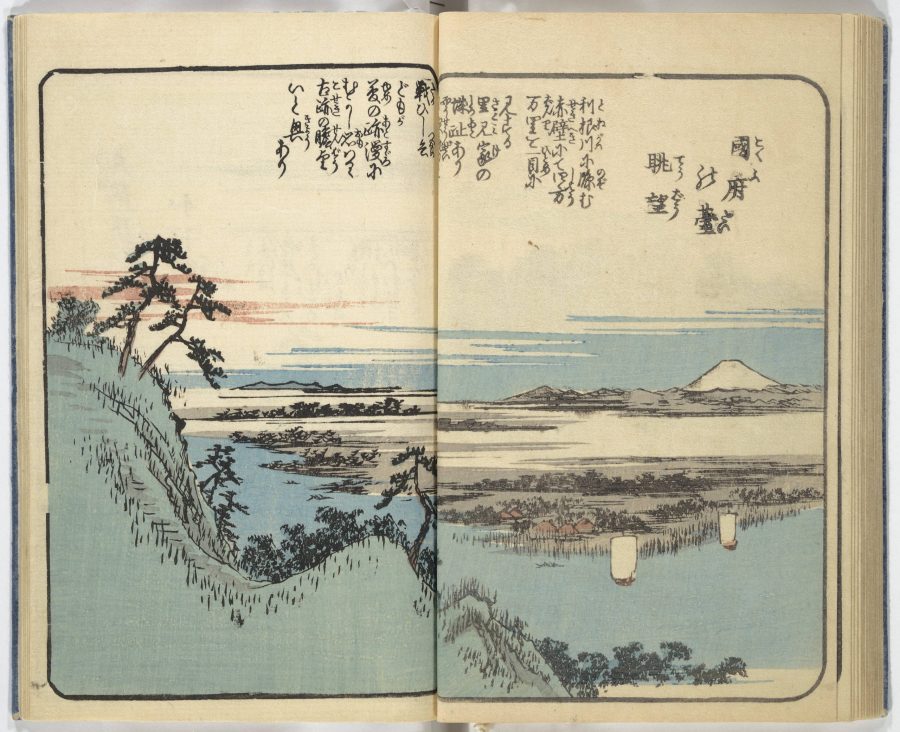
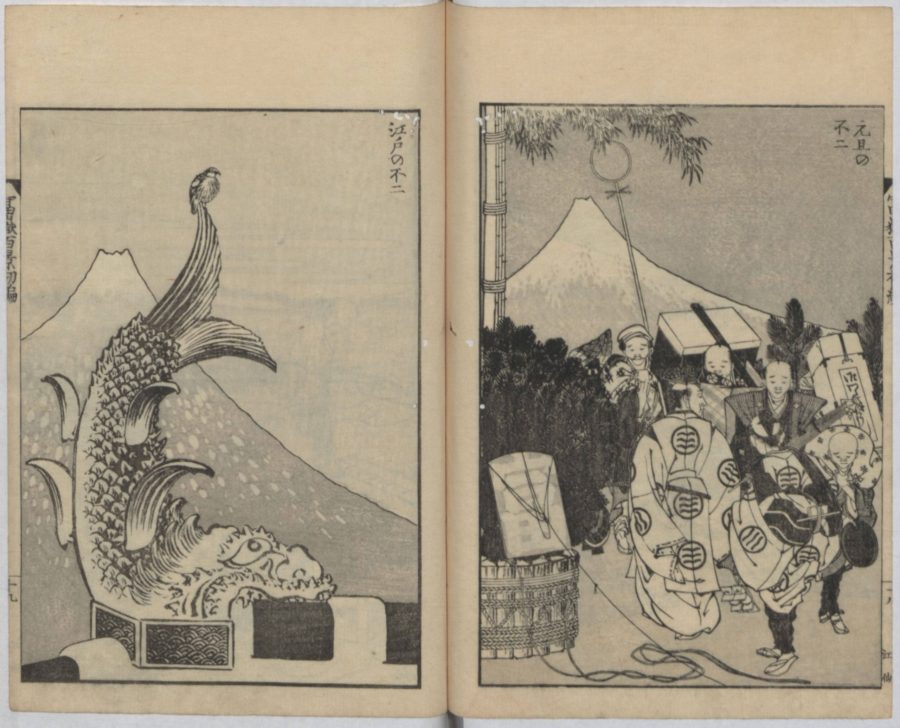
Online or off, col­lec­tions ded­i­cat­ed to the work of a sin­gle artist some­times suf­fer tun­nel vision, pro­vid­ing a wealth of detail about the life and the mas­ter­pieces, but lit­tle in the way of con­text. The Van Gogh Muse­um does­n’t, hav­ing put on view not just van Gogh’s work, but also that of the Japan­ese wood­block mak­ers from whom he drew inspi­ra­tion (pre­vi­ous­ly fea­tured here on Open Cul­ture) as well as that of more recent artists who have drawn their own inspi­ra­tion from van Gogh: Britain’s Jason Brooks, Chi­na’s Zeng Fanzhi, and the Nether­lands’ own Pieter Lau­rens Mol, to say noth­ing of the likes of Edvard Munch and Fran­cis Bacon. Else­where you can even explore “the Parisian print world of the 19th cen­tu­ry,” a “peri­od of artis­tic inno­va­tion and deca­dence” that did more than its part to shape van Gogh’s sen­si­bil­i­ty. As the Van Gogh Muse­um clear­ly under­stands, to know an artist requires immers­ing your­self not just in their work, but in their world as well. Enter the van Gogh online col­lec­tion here.

Relat­ed Con­tent:

Near­ly 1,000 Paint­ings & Draw­ings by Vin­cent van Gogh Now Dig­i­tized and Put Online: View/Download the Col­lec­tion

Down­load Hun­dreds of Van Gogh Paint­ings, Sketch­es & Let­ters in High Res­o­lu­tion

Down­load Vin­cent van Gogh’s Col­lec­tion of 500 Japan­ese Prints, Which Inspired Him to Cre­ate “the Art of the Future”

13 of Van Gogh’s Paint­ings Painstak­ing­ly Brought to Life with 3D Ani­ma­tion & Visu­al Map­ping

A Com­plete Archive of Vin­cent van Gogh’s Let­ters: Beau­ti­ful­ly Illus­trat­ed and Ful­ly Anno­tat­ed

Van Gogh’s Ugli­est Mas­ter­piece: A Break Down of His Late, Great Paint­ing, The Night Café (1888)

Based in Seoul, Col­in Mar­shall writes and broad­casts on cities, lan­guage, and cul­ture. His projects include the book The State­less City: a Walk through 21st-Cen­tu­ry Los Ange­les and the video series The City in Cin­e­ma. Fol­low him on Twit­ter at @colinmarshall or on Face­book.

Salvador Dalí’s Tarot Cards Get Re-Issued: The Occult Meets Surrealism in a Classic Tarot Card Deck

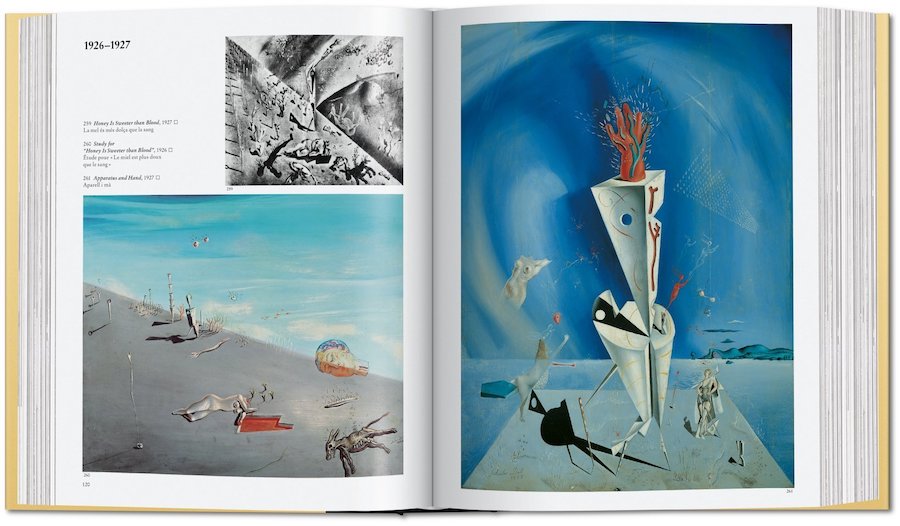
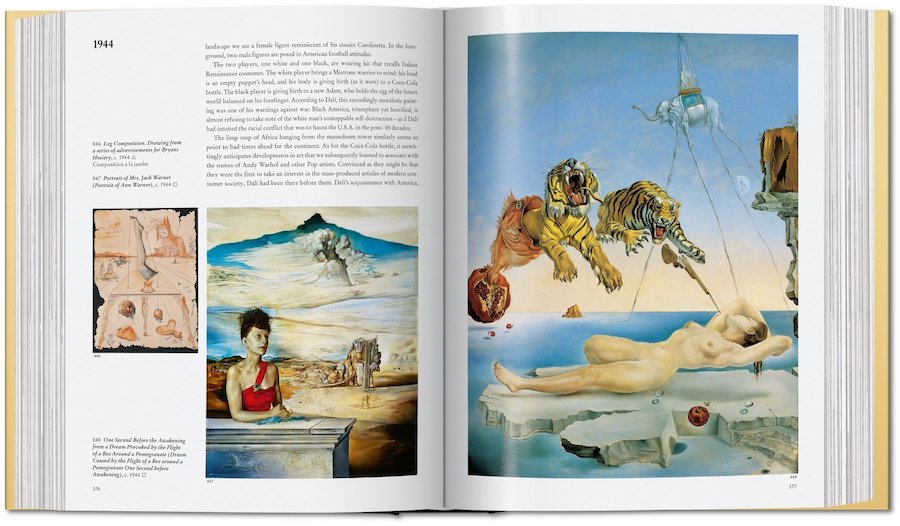
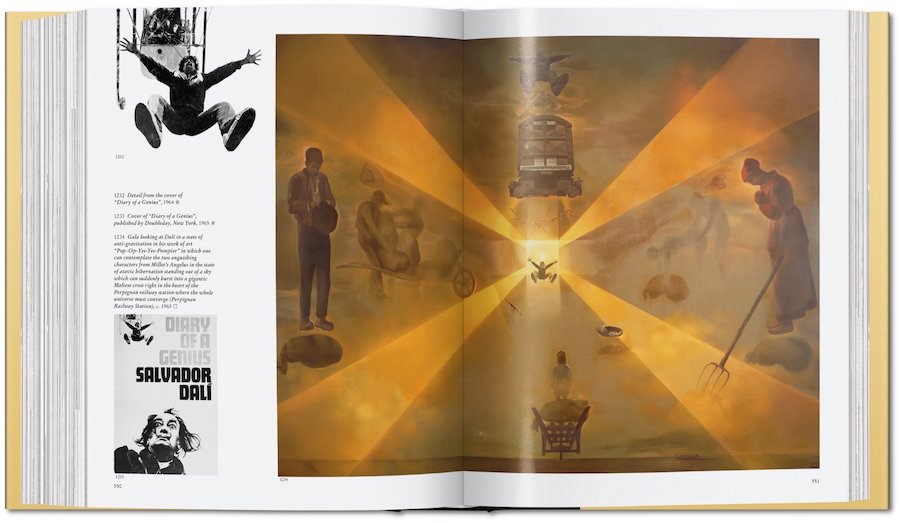
Tarot began as a card game and became a tool of occult div­ina­tion. In that form, with its usu­al­ly elab­o­rate illus­tra­tions, the tarot deck found a major cul­tur­al role as an art object: here on Open Cul­ture we’ve fea­tured decks either designed or inspired by the likes of Aleis­ter Crow­ley, H.R. Giger, Philip K. Dick, and Sal­vador Dalí. That last, whose lim­it­ed edi­tion was pub­lished in 1984, has proven to be enough of an object of desire to gain the atten­tion of Taschen, the pub­lish­er of visu­al­ly (and often, in terms of dimen­sions and weight, phys­i­cal­ly) inten­sive pho­to and art books. Next month they’re bring­ing out a new edi­tion of Dalí’s tarot deck, boxed with a com­pan­ion book by tarot schol­ar Johannes Fiebig.

“Leg­end has it that when prepar­ing props for the James Bond film Live and Let Die, pro­duc­er Albert Broc­coli com­mis­sioned Sur­re­al­ist mae­stro Sal­vador Dalí to cre­ate a cus­tom deck of tarot cards,” says Taschen’s descrip­tion of the prod­uct. (Bond fans will remem­ber Jane Sey­mour as Soli­taire, the tarot read­er whom Roger Moore fate­ful­ly encoun­ters ear­ly in the pic­ture.)

Even though Dalí and Broc­coli ulti­mate­ly could­n’t come to an agree­ment — not least over the amount of mon­ey upon which the artist insist­ed — Dalí decid­ed to see the work through to com­ple­tion on his own.

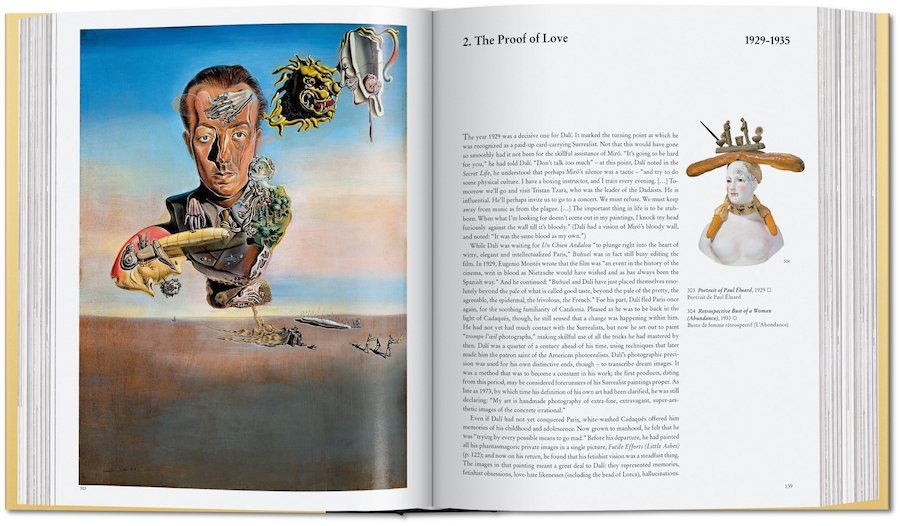
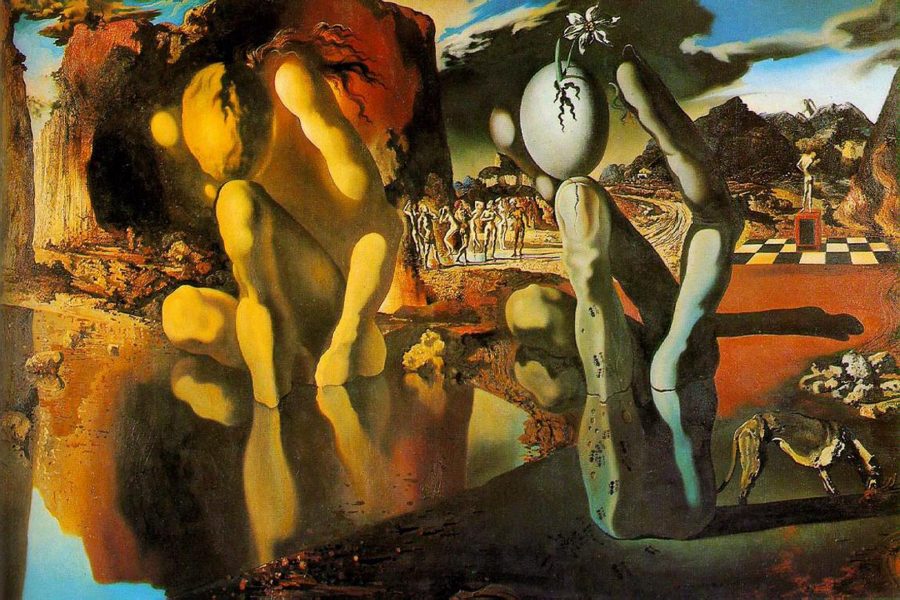
As Josh Jones not­ed when we pre­vi­ous­ly fea­tured Dalí’s tarot, the ear­ly 1970s was an aus­pi­cious time for such a project: “The occult inter­ests of the 60s coun­ter­cul­ture were main­streamed in the 70s thanks to books like Stu­art Kaplan’s Tarot Cards for Fun and For­tune Telling,” and Dalí had suc­cess­ful­ly tapped the mys­ti­cal zeit­geist not long before with his illus­tra­tions for a 1969 edi­tion of Alice’s Adven­tures in Won­der­land. Draw­ing from all the West­ern art that came before his own, Dalí cre­at­ed a tarot deck that Taschen can now pitch as a “sur­re­al kalei­do­scope of Euro­pean art his­to­ry,” a kind of psy­che­del­ic course in West­ern civ­i­liza­tion pre­sent­ed across 78 cards. Dalí also worked him­self in, mak­ing an appear­ance as the Magi­cian and the King of Pen­ta­cles, and includ­ing his wife Gala — whose inter­est in mys­ti­cism sure­ly encour­aged her hus­band’s own enthu­si­asm for the project — as the Empress.

Any­one who has had an inter­est in Dalí’s work (and a lack of will­ing­ness to pay pre­mi­um prices for those first edi­tions) will find them­selves intrigued by Taschen’s Dalí Tarot. Those unfa­mil­iar with the rules of the tarot can rest assured that the com­pan­ion book, in addi­tion to pro­vid­ing sto­ries about the deck­’s con­cep­tion, also includes Fiebig’s expla­na­tions of the mean­ings of the cards as well as how to per­form read­ings with them. Per­ceived cor­rect­ly, so enthu­si­asts say, the cards of the tarot open a win­dow onto an alter­nate per­cep­tion of real­i­ty — a sim­i­lar­i­ty with Dalí’s art hard­ly lost on the artist him­self. Order a copy (set to be released on Novem­ber 15) here.

Relat­ed Con­tent:

The Tarot Card Deck Designed by Sal­vador Dalí

Sal­vador Dalí’s Illus­tra­tions for The Bible (1963)

Sal­vador Dalí’s 1973 Cook­book Gets Reis­sued: Sur­re­al­ist Art Meets Haute Cui­sine

Sal­vador Dalí’s Avant-Garde Christ­mas Cards

Take a Close Look at Basquiat’s Rev­o­lu­tion­ary Art in a New 500-Page, 14-Pound, Large For­mat Book by TASCHEN

Andy Warhol’s Sev­en Hand-Illus­trat­ed Books: Charm­ing, Lit­tle-Known, and Now Avail­able to the World (1952–1959)

Based in Seoul, Col­in Mar­shall writes and broad­casts on cities, lan­guage, and cul­ture. His projects include the book The State­less City: a Walk through 21st-Cen­tu­ry Los Ange­les and the video series The City in Cin­e­ma. Fol­low him on Twit­ter at @colinmarshall or on Face­book.

« Go BackMore in this category... »
Quantcast