Talking Heads Songs Become Midcentury Pulp Novels, Magazines & Advertisements: “Burning Down the House,” “Once in a Lifetime,” and More

Do you like Talk­ing Heads? Writer and visu­al artist Dou­glas Cou­p­land once pro­posed that ques­tion as the truest test of whether you belong to the cohort named by his nov­el Gen­er­a­tion X. Cou­p­land’s con­tem­po­rary col­league in let­ters Jonathan Lethem summed up his own ear­ly Talk­ing Heads mania thus: “At the peak, in 1980 or 1981, my iden­ti­fi­ca­tion was so com­plete that I might have wished to wear the album Fear of Music in place of my head so as to be more clear­ly seen by those around me.” What makes the band that record­ed “Psy­cho Killer,” “This Must Be the Place,” “Once In a Life­time,” and “Burn­ing Down the House” so appeal­ing to the book­ish, and espe­cial­ly the both book­ish and visu­al, born after the Baby Boom or oth­er­wise?

What­ev­er the essence at work, screen­writer and “graph­ic-arts prankster” Todd Alcott taps into it with his lat­est round of pop­u­lar songs-turned-mid­cen­tu­ry book cov­ers, posters, mag­a­zine cov­ers, and oth­er pieces of non-musi­cal graph­ic design. You may remem­ber Alcot­t’s pre­vi­ous adap­ta­tions of the Bea­t­les, Bob Dylan, Joni Mitchell, David Bowie, and Radio­head appear­ing here on Open Cul­ture.

The cul­tur­al­ly lit­er­ate and oblique­ly ref­er­en­tial cat­a­logue of Talk­ing Heads, how­ev­er, may have pro­vid­ed his most suit­able mate­r­i­al yet: “Burn­ing Down the House” becomes a “a 1950s pulp nov­el,” “Life Dur­ing Wartime” a “1950s men’s adven­ture mag­a­zine,” “This Must Be the Place” an “adver­tise­ment for a 1950s sub­ur­ban hous­ing devel­op­ment,” and “Take Me to the Riv­er” the “cov­er of a 1950s-era issue of Field & Stream, with the four mem­bers of the band enjoy­ing a day on the lake.”

Amus­ing even at first glance, these cul­tur­al mash-ups also repay knowl­edge of the band’s work and his­to­ry. “Psy­cho Killer,” with its French lyrics, becomes an issue of Cahiers du Ciné­ma fea­tur­ing David Byrne on a cov­er dat­ed March 1974, “the ear­li­est date the song ‘Psy­cho Killer’ is known to have been per­formed by David Byrne’s band The Artis­tics.” “Once in a Life­time,” quite pos­si­bly the band’s most impres­sive piece of songcraft, becomes an equal­ly lay­ered Alcott image: a “a mag­a­zine adver­tise­ment for the 1962 clas­sic The Man in the Gray Flan­nel Suit, based on the best-sell­er by Sloan Wil­son” — in oth­er words, an ad designed for a mag­a­zine meant to sell a movie based on a book, and a book as tied up with the themes of alien­ation in post­war Amer­i­ca as “Once in a Life­time” itself.

Talk­ing Heads fans will rec­og­nize in Alcot­t’s graph­ics the very same kind of genius for resound­ing lit­er­al-mind­ed­ness cou­pled with sub­tle, some­times obscure wit that char­ac­ter­izes the work of Byrne and his col­lab­o­ra­tors. You can buy prints of these images at his Etsy shop, which also offers many oth­er works of inter­est to those for whom music, books, mag­a­zines, media, and his­to­ry con­sti­tute not sep­a­rate sub­jects but one vast, dense­ly inter­con­nect­ed cul­tur­al field. To those who see the world that way, Alcot­t’s design­ing the cov­er for an album by Byrne or anoth­er of the ex-Heads — or indeed a Jonathan Lethem nov­el — is only a mat­ter of time. Enter Todd Alcot­t’s store here.

Relat­ed Con­tent:

Bea­t­les Songs Re-Imag­ined as Vin­tage Book Cov­ers and Mag­a­zine Pages: “Dri­ve My Car,” “Lucy in the Sky with Dia­monds” & More

David Bowie Songs Reimag­ined as Pulp Fic­tion Book Cov­ers: Space Odd­i­ty, Heroes, Life on Mars & More

Clas­sic Radio­head Songs Re-Imag­ined as a Sci-Fi Book, Pulp Fic­tion Mag­a­zine & Oth­er Nos­tal­gic Arti­facts

Clas­sic Songs by Bob Dylan Re-Imag­ined as Pulp Fic­tion Book Cov­ers: “Like a Rolling Stone,” “A Hard Rain’s A‑Gonna Fall” & More

Songs by Joni Mitchell Re-Imag­ined as Pulp Fic­tion Book Cov­ers & Vin­tage Movie Posters

How Talk­ing Heads and Bri­an Eno Wrote “Once in a Life­time”: Cut­ting Edge, Strange & Utter­ly Bril­liant

Based in Seoul, Col­in Mar­shall writes and broad­casts on cities, lan­guage, and cul­ture. His projects include the book The State­less City: a Walk through 21st-Cen­tu­ry Los Ange­les and the video series The City in Cin­e­ma. Fol­low him on Twit­ter at @colinmarshall or on Face­book.

19th-Century Skeleton Alarm Clock Reminded People Daily of the Shortness of Life: An Introduction to the Memento Mori

Vic­to­ri­an cul­ture can seem grim and even ghoul­ish to us youth-obsessed, death-deny­ing 21st cen­tu­ry mod­erns. The tra­di­tion of death pho­tog­ra­phy, for exam­ple, both fas­ci­nates and repels us, espe­cial­ly por­trai­ture of deceased chil­dren. But the prac­tice “became increas­ing­ly pop­u­lar,” notes the BBC, as “Vic­to­ri­an nurs­eries were plagued by measles, diph­the­ria, scar­let fever, rubella—all of which could be,” and too often were, “fatal.”

Adults did not fare much bet­ter when it came to the epi­dem­ic spread of killer dis­eases. Sur­round­ed inescapably by death, Vic­to­ri­ans coped by invest­ing their world with totemic sym­bols, cul­tur­al arti­facts known as memen­to mori, mean­ing “remem­ber, you must die.” Tuber­cu­lo­sis, cholera, influen­za… at any moment, one might take ill and waste away, and there would like­ly be lit­tle med­ical sci­ence could do about it.

Per­haps the best approach, then, was an accep­tance of death while in the bloom of health, in order to not waste the moment and to learn to pay atten­tion to what mat­tered while one could. Memen­to mori draw­ings, paint­ings, jew­el­ry, pho­tographs, and trin­kets have pop­u­lat­ed Euro­pean cul­tur­al his­to­ry for cen­turies; death as an ever-present com­pan­ion, not to be hid­den away and feared but solemn­ly, respect­ful­ly giv­en its due.

Or maybe not so respect­ful­ly, as the case may be. Some of these nov­el­ties, like the skele­ton alarm clock at the top, look more like they belong at the bot­tom of a fish tank than a prop­er par­lor man­tle. “Pre­sum­ably when the alarm went off,” writes Alli­son Meier at Hyper­al­ler­gic, “the skele­ton would shake its bones.” Wake up, life is short, you could die at any time. “Part of the col­lec­tions of Sci­ence Muse­um, Lon­don, it’s believed to be of Eng­lish ori­gin and date between 1840 and 1900.”

The Tim Bur­ton-esque tchotchke appeared in a 2014 British Library exhib­it called Ter­ror and Won­der: The Goth­ic Imag­i­na­tion, with many oth­er such objects of vary­ing degrees of artistry: “200 objects from a span of 250 years, all cen­tered on the Goth­ic tra­di­tion in art, lit­er­a­ture, music, fash­ion, and most recent­ly film.” Memen­to mori arti­facts offer vis­cer­al reminders that real, dai­ly con­fronta­tions with dis­ease and death were “at the base of much of Goth­ic lit­er­a­ture and art.”

Where we now tend to read the Goth­ic as pri­mar­i­ly reflec­tive of social, cul­tur­al, and reli­gious anx­i­eties, the preva­lence of memen­to mori in Euro­pean homes both low and high (such as Mary Queen of Scots’ skull watch, in an 1896 illus­tra­tion above) shows us just how much the gloomy strain of think­ing that became the mod­ern hor­ror genre derives from a desire to con­front mor­tal­i­ty head on, so to speak, and find­ing that look­ing death in the face brings on ancient uncan­ny dread as much as healthy gal­lows humor and sto­ic, stiff-upper-lip reck­on­ing with the ulti­mate fact of life.

via Lind­sey Fitzhar­ris

Relat­ed Con­tent:

An Artist Cro­chets a Life-Size, Anatom­i­cal­ly-Cor­rect Skele­ton, Com­plete with Organs

Cel­e­brate The Day of the Dead with The Clas­sic Skele­ton Art of José Guadalupe Posa­da

Old Books Bound in Human Skin Found in Har­vard Libraries (and Else­where in Boston)

Josh Jones is a writer and musi­cian based in Durham, NC. Fol­low him at @jdmagness
A 900-Page Pre-Pantone Guide to Color from 1692: A Complete Digital Scan

Human beings got along per­fect­ly well for hun­dreds of mil­len­nia with­out stan­dard­ized tax­onomies of col­or, but they didn’t do so in a glob­al­ly con­nect­ed cul­ture full of logos, brands, and 24/7 screens. It’s arguable whether the world as we now see it would have been pos­si­ble with­out monop­o­lis­tic col­or sys­tems like Pan­tone. They may cir­cum­scribe the visu­al world and dic­tate col­or from above. But they also enable inter­na­tion­al design prin­ci­ples and visu­al lan­guages that trans­late eas­i­ly every­where.

These cir­cum­stances did not yet exist in 1692, when Dutch artist A. Boogert cre­at­ed a huge, almost 900-page book on col­or, Traité des couleurs ser­vant à la pein­ture à l’eau. But they were slow­ly com­ing into being, thanks to stud­ies by philoso­pher-sci­en­tists like Isaac New­ton.

Boogert’s book took enlight­en­ment work on optics in a more rig­or­ous design direc­tion than any of his con­tem­po­raries, antic­i­pat­ing a num­ber of influ­en­tial books on col­or to come in the fol­low­ing cen­turies, such as the art his­to­ry-mak­ing stud­ies by Johann Wolf­gang von Goethe and a book on col­or used by Charles Dar­win dur­ing his Bea­gle voy­age.

Boogert’s exhaus­tive study includes hand­writ­ten notes and descrip­tions and hun­dreds of hand-paint­ed col­or swatch­es. This above-and-beyond effort was not, how­ev­er, made for sci­en­tif­ic or indus­tri­al pur­pos­es but as a guide for artists, show­ing how to mix water­col­ors to make every col­or in the spec­trum. The author even includes a com­pre­hen­sive unit on whites, grays, and blacks. How much his­tor­i­cal influ­ence did Boogert’s text have on the devel­op­ment of stan­dard­ized col­or sys­tems, we might won­der? Hard­ly any at all. Its sin­gle copy, notes Colos­sal, “was prob­a­bly seen by very few eyes.”

The obscure book dis­ap­peared in the archives of the Bib­lio­thèque Méjanes in Aix-en-Provence, France. That is, until its dis­cov­ery recent­ly by Medieval book his­to­ri­an Erik Kwakkel, who post­ed scans on his Tum­blr and trans­lat­ed some of the intro­duc­tion from the orig­i­nal Dutch. Since then, the com­plete text has come online: 898 pages of high-res­o­lu­tion dig­i­tal scans at the Bib­lio­thèque Méjanes site. (Go to this page, click on the pic­ture, then click on the arrows in the low­er right side of the page to move through the book.)

If you read Dutch, all the bet­ter to appre­ci­ate this rare his­toric arti­fact. But you don’t need to under­stand A. Boogert’s expla­na­tions on water­col­or tech­nique to be stag­gered by the incred­i­ble amount of work that went into this ear­ly, over­looked labor of love for sys­tem­at­ic approach­es to col­or. Enter the full text here.

h/t David Hale

Relat­ed Con­tent:

A Vision­ary 115-Year-Old Col­or The­o­ry Man­u­al Returns to Print: Emi­ly Noyes Vanderpoel’s Col­or Prob­lems

The Vibrant Col­or Wheels Designed by Goethe, New­ton & Oth­er The­o­rists of Col­or (1665–1810)

Goethe’s The­o­ry of Col­ors: The 1810 Trea­tise That Inspired Kandin­sky & Ear­ly Abstract Paint­ing

Werner’s Nomen­cla­ture of Colour, the 19th-Cen­tu­ry “Col­or Dic­tio­nary” Used by Charles Dar­win (1814)

Josh Jones is a writer and musi­cian based in Durham, NC. Fol­low him at @jdmagness
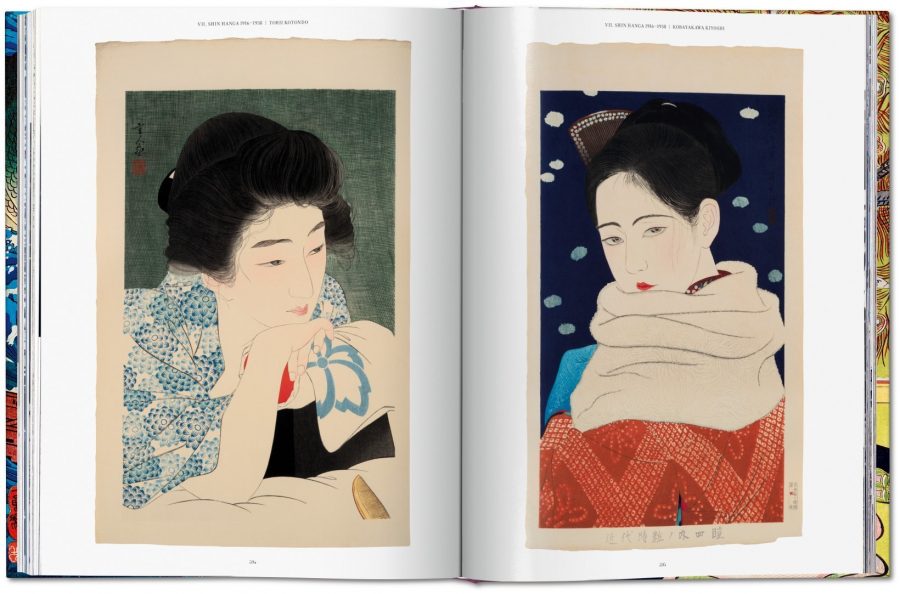
The Japanese Fairy Tale Series: The Illustrated Books That Introduced Western Readers to Japanese Tales (1885–1922)

Every­one in Japan knows the sto­ry of Momo­taro, the boy born from a peach who goes on to defeat the maraud­ing ogres known as oni. The old­est known writ­ten ver­sions of Momo­taro’s adven­tures date back to the 17th cen­tu­ry, but even then the tale almost cer­tain­ly had a long his­to­ry of pas­sage through oral tra­di­tion. And though Momo­taro may well be the best-known Japan­ese folk hero, his sto­ry is just one in a body of folk­lore vast enough that few, even among avid enthu­si­asts, can claim to have mas­tered it in its entire­ty.

That vast body of Japan­ese folk­lore has pro­vid­ed no small amount of inspi­ra­tion to comics, ani­ma­tion, and the oth­er mod­ern forms of sto­ry­telling that have brought many of these folk­tales to wider audi­ences — even glob­al audi­ences, a project that began in the late 19th cen­tu­ry.

Their West­ern pop­u­lar­iza­tion has no greater fig­ure­head than Laf­ca­dio Hearn. A Greek-British writer who moved to Japan in 1890, Hearn lat­er became a nat­u­ral­ized Japan­ese cit­i­zen and wrote such books as Japan­ese Fairy Tales, Kwaidan: Sto­ries and Stud­ies of Strange Things, and The Boy Who Drew Cats.

That last title, an Eng­lish ver­sion of a Japan­ese folk­tale about a child who van­quish­es a gob­lin rat in a monastery by draw­ing its nat­ur­al ene­mies on the monastery walls, was also adapt­ed in a series of beau­ti­ful­ly illus­trat­ed crêpe-paper chil­dren’s books put out by an enter­pris­ing Japan­ese pub­lish­er named Take­jiro Hasegawa. “In twen­ty vol­umes, pub­lished between 1885 and 1922, the Fairy Tale series intro­duced tra­di­tion­al Japan­ese folk tales, first to read­ers of Eng­lish and French, and lat­er to read­ers of Ger­man, Span­ish, Por­tuguese, Dutch, and Russ­ian,” writes the Pub­lic Domain Review’s Christo­pher DeCou.

Want­i­ng to mod­el the books on Japan­ese antholo­gies pub­lished in the six­teenth cen­tu­ry, Hasegawa hired tra­di­tion­al Japan­ese wood­block print­ers like Kobyashi EitakuSuzu­ki Kason, and Chikanobu to illus­trate them. And, for the trans­la­tion work, he drew on the local mis­sion­ary com­mu­ni­ty to which his own Eng­lish edu­ca­tion had put him in con­tact. “The ear­li­est vol­umes in the Japan­ese Fairy Tale Series real­ly were very much a prod­uct of Tokyo’s close-knit expat com­mu­ni­ty,” DeCou writes. A grow­ing West­ern inter­est in Japon­isme, as well as “Hasewaga’s wheel­ing and deal­ing at World’s Fairs” and the good sense to bring the famous Hearn aboard the project, made the Japan­ese Fairy Tale Series into an endur­ing inter­na­tion­al suc­cess.

“At a time when pub­lish­ing hous­es in Lon­don and New York dom­i­nat­ed the mar­ket,” DeCou writes, “Hasegawa’s press in Tokyo was pro­duc­ing equal­ly beau­ti­ful vol­umes using tra­di­tion­al Japan­ese craft­work and broad­cast­ing Japan’s cul­ture to the world.” You can see more pages of the Japan­ese Fairy Tale Books at the Pub­lic Domain Review, and com­plete dig­i­ti­za­tions at the site of book deal­er George Bax­ley as well as at the Pub­lic Library of Cincin­nati and Hamil­ton Coun­ty and the Inter­net Archive. Like Hearn, Hasegawa under­stood that Japan­ese folk­lore had the appeal to cross tem­po­ral and cul­tur­al bound­aries. But could even he have imag­ined that the very books in which he pub­lished them would still draw such fas­ci­na­tion more than a cen­tu­ry lat­er?

via Pub­lic Domain Review

Relat­ed Con­tent:

1,000+ His­toric Japan­ese Illus­trat­ed Books Dig­i­tized & Put Online by the Smith­son­ian: From the Edo & Meji Eras (1600–1912)

Splen­did Hand-Scroll Illus­tra­tions of The Tale of Gen­jii, The First Nov­el Ever Writ­ten (Cir­ca 1120)

A Won­der­ful­ly Illus­trat­ed 1925 Japan­ese Edi­tion of Aesop’s Fables by Leg­endary Children’s Book Illus­tra­tor Takeo Takei

A Japan­ese Illus­trat­ed His­to­ry of Amer­i­ca (1861): Fea­tures George Wash­ing­ton Punch­ing Tigers, John Adams Slay­ing Snakes & Oth­er Fan­tas­tic Scenes

The First Muse­um Ded­i­cat­ed to Japan­ese Folk­lore Mon­sters Is Now Open

Enter a Dig­i­tal Archive of 213,000+ Beau­ti­ful Japan­ese Wood­block Prints

Based in Seoul, Col­in Mar­shall writes and broad­casts on cities, lan­guage, and cul­ture. His projects include the book The State­less City: a Walk through 21st-Cen­tu­ry Los Ange­les and the video series The City in Cin­e­ma. Fol­low him on Twit­ter at @colinmarshall or on Face­book.

What’s the Key to American Gothic’s Enduring Fame? An Introduction to the Iconic American Painting

The Last Sup­per

The Birth of Venus

The Mona Lisa

Amer­i­can Goth­ic, Grant Wood’s cel­e­brat­ed depic­tion of two Depres­sion-era Iowa farm­ers, holds its own against those icon­ic Euro­pean works as one of the world’s most par­o­died art­works.

Vox’s Phil Edwards dis­pens­es with that sta­tus quick­ly in the above video for Over­rat­ed, a series that unpacks the rea­sons behind icon­ic works’ last­ing fame.

By his reck­on­ing, Amer­i­can Goth­ic’s suc­cess hinges on the dual nature of its cre­ator, a native Iowan who trav­eled exten­sive­ly in Europe, grav­i­tat­ing to such sophis­ti­cat­ed fare as Impres­sion­ism, Pointil­lism, and the work of Flem­ish mas­ter Jan van Eyck.

While he didn’t express satirist and cul­tur­al crit­ic H. L. Menck­en’s overt dis­dain for his rur­al-dwelling sub­jects, his ren­der­ing sug­gests that he per­ceived them inca­pable of under­stand­ing the appeal of his own rar­i­fied plea­sures.

As Kar­al Ann Mar­ling, pro­fes­sor of art his­to­ry and Amer­i­can stud­ies at the Uni­ver­si­ty of Min­neso­ta, writes in The Annals of Iowa:

In the ear­ly 1930s, many Iowa farm­ers sus­pect­ed that Wood was mak­ing fun of them in Amer­i­can Goth­ic, that he was a pic­to­r­i­al H. L. Menck­en cas­ti­gat­ing a Mid­west­ern “booboisie.” (He had, after all, lived in Paris briefly and even grew a beard there!) But by 1933, when Amer­i­can Goth­ic was exhib­it­ed in con­junc­tion with the Chica­go Cen­tu­ry of Progress Fair, the paint­ing had become a beloved nation­al sym­bol, sec­ond only to Whistler’s por­trait of his moth­er in the affec­tions of the pub­lic.

Wood, who staged the paint­ing using his sis­ter, his den­tist and a “card­boardy frame house” typ­i­cal of Iowa farms as mod­els, admit­ted that his inten­tions weren’t entire­ly noble:

There is satire in it, but only as there is satire in any real­is­tic state­ment. These are types of peo­ple I have known all my life. I tried to char­ac­ter­ize them truthfully—to make them more like them­selves than they were in actu­al life.

As the Art Insti­tute of Chicago’s Judith Barter observes in an audio guide accom­pa­ny­ing the paint­ing, the dour, over­all-clad farmer betrays a bit of van­i­ty, gussy­ing up in a dress shirt and Sun­day-Go-To-Meet­ing jack­et while his female companion—Wood nev­er revealed if she was sis­ter, wife, or daughter—accessorizes her tidy apron with a cameo brooch in antic­i­pa­tion of hav­ing their like­ness cap­tured.

Author Christo­pher Mor­ley, who first saw Amer­i­can Goth­ic in 1930, when it won the Nor­man Wait Har­ris Bronze Medal at the forty-third Art Insti­tute of Chica­go Annu­al Exhi­bi­tion of Amer­i­can Paint­ings and Sculp­ture, lat­er wrote:

In those sad and yet fanat­i­cal faces may be read much of what is Right and what is Wrong with Amer­i­ca.

Per­haps we are drawn to the reflec­tion of our own foibles, whether we’re ascetic every­day folks or big-for-our-britch­es coun­try-born city slick­ers…

The paint­ing con­tin­ues to delight the mass­es in the Art Insti­tute of Chicago’s Gallery 263.

And when in Eldon, Iowa be sure to pose in front of the his­toric Amer­i­can Goth­ic House, with props kind­ly sup­plied by the adja­cent Amer­i­can Goth­ic House Cen­ter.

Relat­ed Con­tent:

The Mod­els for “Amer­i­can Goth­ic” Pose in Front of the Icon­ic Paint­ing (1942)

The Art Insti­tute of Chica­go Puts 44,000+ Works of Art Online: View Them in High Res­o­lu­tion

Was Jack­son Pol­lock Over­rat­ed? Behind Every Artist There’s an Art Crit­ic, and Behind Pol­lock There Was Clement Green­berg

Ayun Hal­l­i­day is an author, illus­tra­tor, the­ater mak­er and Chief Pri­ma­tol­o­gist of the East Vil­lage Inky zine.  Join her in NYC on Mon­day, Octo­ber 7 when her month­ly book-based vari­ety show, Necro­mancers of the Pub­lic Domaincel­e­brates the art of Aubrey Beard­s­ley. Fol­low her @AyunHalliday.

Watch 15 Films by Designers Charles & Ray Eames

If you’re read­ing this, chances are good that you live in the mod­ern world, or at least vis­it it from time to time. But what do I mean by “mod­ern”? It’s a too-broad term that always requires a def­i­n­i­tion. Some­times, for brevity’s sake, we set­tle for list­ing the names of artists who brought moder­ni­ty into being. When it comes to the tru­ly mod­ern in indus­tri­al design, we get two names in one—the hus­band and wife team of Charles and Ray Eames.

The design world, at least in the U.S., may have been slow­er to catch up to oth­er mod­ernist trends in the arts. That changed dra­mat­i­cal­ly when sev­er­al Euro­pean artists like Wal­ter Gropius immi­grat­ed to the coun­try before, dur­ing and after World War II. But the Amer­i­can Eames left per­haps the most last­ing impact of them all.

The first home they designed and built togeth­er in 1949 as part of the Case Study House Pro­gram became “a mec­ca for archi­tects and design­ers from both near and far,” notes the Eames Office site. “Today it is con­sid­ered one of the most impor­tant post-war res­i­dences any­where in the world.” “Famous for their icon­ic chairs,” writes William Cook at the BBC, the stream­lined objets that “trans­formed our idea of mod­ern fur­ni­ture,” they were also “graph­ic and tex­tile design­ers, archi­tects and film­mak­ers.”

The Eames’ film lega­cy may be less well-known than their rev­o­lu­tions in inte­ri­or design. We’ve all seen or inter­act­ed with innu­mer­able ver­sions of Eames-inspired designs, whether we knew it or not. The pair stat­ed their desire to make uni­ver­sal­ly use­ful cre­ations in their suc­cinct mis­sion state­ment: “We want to make the best for the most for the least.” They meant it. “What works good,” said Ray, “is bet­ter than what looks good because what works good lasts.”

When design “works good,” the Eames under­stood, it might be attrac­tive, or pure­ly func­tion­al, but it will always be acces­si­ble, unob­tru­sive, com­fort­able, and prac­ti­cal. We might notice its con­tours and won­der about its prin­ci­ples, but it works equal­ly well, and maybe bet­ter, if we do not. The Eames films explain how one accom­plish­es such design. “Between 1950 and 1982,” the Eames “made over 125 short films rang­ing from 1–30 min­utes in length,” notes the Eames Office site, declar­ing: “The Eames Films are the Eames Essays.”

If this state­ment has pre­pared you for dry, didac­tic short films filled with jar­gon, pre­pare to be sur­prised by the breadth and depth of the Eames’ curios­i­ty and vision. Here, we have com­piled some of the Eames films, and you can see many, many more (15 in total) with the playlist embed­ded at the bot­tom of the post. At the top, see a brief intro­duc­tion the design­ers’ films. Then, fur­ther down, we have the “bril­liant tour of the uni­verse” that is 1977’s Pow­ers of Ten; 1957’s Day of the Dead, their explo­ration of the Mex­i­can hol­i­day; and 1961’s “Sym­me­try,” one of five shorts in a col­lec­tion made for IBM called Math­e­mat­i­ca Peep Shows.

Just above, see the Eames short House, made after five years of liv­ing in their famed Case Study House #8. The design on dis­play here shows how the Eames “brought into the world a new kind of Cal­i­forn­ian indoor-out­door Mod­ernism,” as Col­in Mar­shall wrote in a recent post here on famous archi­tects’ homes. Their house is “a kind of Mon­dri­an paint­ing made into a liv­able box filled with an idio­syn­crat­ic arrange­ment of arti­facts from all over the world.” Unlike most of the Eames designs, the Case Study house was nev­er put into pro­duc­tion, but in its ele­gant sim­plic­i­ty, we can see all of the cre­ative impuls­es the Eames brought to their redesign of the mod­ern world.

See many more of the Eames filmic essays in this YouTube playlist. There are 15 in total.

Relat­ed Con­tent:

Watch Pow­ers of Ten and Let Design­ers Charles & Ray Eames Take You on a Bril­liant Tour of the Uni­verse

How the Icon­ic Eames Lounge Chair Is Made, From Start to Fin­ish

Vis­it the Homes That Great Archi­tects Designed for Them­selves: Frank Lloyd Wright, Le Cor­busier, Wal­ter Gropius & Frank Gehry

Josh Jones is a writer and musi­cian based in Durham, NC. Fol­low him at @jdmagness
Art Trips: Visit the Art of Cities Around the World, from Los Angeles & London, to Venice and New York

When first we vis­it a city, even a small one, we can’t hope to see all of it. Hence the need for strate­gies of approach and explo­ration: do we walk its main streets? Eat its food and drink its drinks? Vis­it its most beloved book­stores? Sarah Urist Green gets into cities through their art, hard­ly a sur­pris­ing habit for the cre­ator of the PBS Dig­i­tal Stu­dios series The Art Assign­ment. We first fea­tured The Art Assign­ment five years ago here on Open Cul­ture, and Green and her col­lab­o­ra­tors have kept up the good work ever since. In that time their mis­sion of “trav­el­ing around the coun­try, vis­it­ing artists and ask­ing them to give you an art assign­ment” has expand­ed, tak­ing them out­side Amer­i­ca as well. On the road they’ve col­lect­ed not just mate­r­i­al for reg­u­lar episodes, but for spe­cial Art Trips as well.

Their first Art Trip to Los Ange­les, for instance, takes Green and com­pa­ny to the Ham­mer Muse­um, the gal­leries of Cul­ver City (one of which has a show up of Andy Warhol’s shad­ow paint­ings), the Los Ange­les Coun­ty Muse­um of Art (where they walk under Michael Heiz­er’s Lev­i­tat­ed Mass and through Chris Bur­den’s much-Insta­grammed Urban Light), and the then-new­ly-opened Broad Art Muse­um. In between they take side trips for refresh­ment at the not­ed ice cream sand­wich shop Cool­haus (named in hon­or of the Dutch archi­tect) and deep into the Inland Empire city of Bak­ers­field. This com­bi­na­tion of places expect­ed and unex­pect­ed comes not with­out the occa­sion­al tourist cliche, such as Green’s descrip­tion of “the most quin­tes­sen­tial of Los Ange­les expe­ri­ences: dri­ving.”

The Art Assig­ment’s return vis­it to the south­ern Cal­i­forn­ian metrop­o­lis focus­es on “the Los Ange­les hid­ing in plain sight” with Pacif­ic Stan­dard Time: LA/LA, a series of exhi­bi­tions all over the city on Lati­no and Lati­na artists at insti­tu­tions like the Craft and Folk Art Muse­um, the Los Ange­les Cen­tral Library, and the Gef­fen Con­tem­po­rary. All the while Green and her team eat plen­ty of tacos, as any Ange­leno would advise, and the final night of their stay finds them in Grand Park among the shrine-like hand­made offer­ings set up for Día de los Muer­tos, all of them craft­ed with an eeri­ness matched only by their good humor.

Los Ange­les has become an acknowl­edged art cap­i­tal over the past half-cen­tu­ry, but Lon­don, fair to say, has a bit more his­to­ry behind it. The Art Assign­ment’s time in the Eng­lish cap­i­tal coin­cides with Frieze Week, when gal­leries from all over the world descend on Regen­t’s Park to show off their most strik­ing artis­tic wares. Not coin­ci­den­tal­ly, the muse­ums and gal­leries based in the city use the same part of the year to sched­ule some of their most antic­i­pat­ed shows, turn­ing the few days of this Art Trip in Lon­don into a mad rush from Trafal­gar Square to the Nation­al Por­trait Gallery to the Roy­al Acad­e­my of Arts to the Cour­tauld Insti­tute of Art, by which point Green admits the onset of “mas­ter­piece over­load ” — but also has sev­er­al gal­leries, not to men­tion the main event of Frieze itself, to go.

Frieze Week does­n’t come to Detroit, the one­time cap­i­tal of Amer­i­can auto man­u­fac­tur­ing whose pop­u­la­tion peaked in the mid­dle of the 20th cen­tu­ry and whose sub­se­quent hard times, cul­mi­nat­ing in the city’s 2013 bank­rupt­cy, have been chron­i­cled with both fas­ci­na­tion and despair. But The Art Assign­ment finds a Detroit apart from the ruined fac­to­ries, the­aters, and train sta­tions, the stuff of so many inter­net slideshows, at the Motown Muse­um and the Detroit Insti­tute of Arts (home to Diego River­a’s Detroit Indus­try Murals), as well as in folk-art envi­ron­ments like the famous Hei­del­berg Project and pub­lic-art envi­ron­ments like down­town Detroit, whose recent revival has proven as com­pelling as its long decline. But many ruins remain, and artists like Scott Hock­ing have found in them not just their sub­jects but their mate­ri­als as well.

More strik­ing than Detroit’s urban des­o­la­tion is that of anoth­er unlike­ly The Art Assign­ment des­ti­na­tion, Mar­fa, Texas. In his essay “The Repub­lic of Mar­fa,” Sean Wilsey describes it as “a hard­scrab­ble ranch­ing com­mu­ni­ty in the upper Chi­huahuan desert, six­ty miles north of the Mex­i­can bor­der, that inhab­its some of the most beau­ti­ful and intran­si­gent coun­try­side imag­in­able.” In the mid-1970s “the min­i­mal­ist artist Don­ald Judd moved to Mar­fa, exil­ing him­self from what he termed the ‘glib and harsh’ New York art scene, in order to live in a sort of high plains lab­o­ra­to­ry devot­ed to build­ing, sculp­ture, fur­ni­ture design, muse­ol­o­gy, con­ser­va­tion, and a dash of ranch­ing,” and his influ­ence — as well as the pres­ence of his large-scale instal­la­tions — helped to make Mar­fa “a sort of city-state of cat­tle­men, artists, writ­ers, fugi­tives, smug­glers, free-thinkers, envi­ron­men­tal­ists, sol­diers and seces­sion­ists.”

In Mar­fa Green explores the mon­u­men­tal work Judd left behind as well as the mon­u­men­tal work oth­er artists have since con­tributed, includ­ing a project in a con­vert­ed mil­i­tary bar­racks by neon artist Dan Flavin and a fake Pra­da store. Oth­er Art Trip des­ti­na­tions include the likes of Chica­go and Colum­bus, Indi­ana (mod­ern-archi­tec­ture mec­ca and set­ting of the recent fea­ture film by video essay­ist Kog­o­na­da) as well as Tijua­na and the Venice Bien­nale, all of which you can find on one playlist. Green has even done an Art Trip right where she lives, the “bland-lean­ing, chain restau­rant-lov­ing” Mid­west­ern city of Indi­anapo­lis — which boasts the Muse­um of Psy­ch­phon­ics, an under-free­way art instal­la­tion by Vito Acconci, and a fair few bike-share book-share sta­tions as well. We can nev­er ful­ly know the cities we don’t live in, but nor can we ever ful­ly know the cities we do live in either — which, if we nev­er­the­less enjoy the attempt as much as Green does, is no bad thing at all.

Relat­ed Con­tent:

The Art Assign­ment: Learn About Art & the Cre­ative Process in a New Web Series by John & Sarah Green

Amer­i­can Cities Then & Now: See How New York, Los Ange­les & Detroit Look Today, Com­pared to the 1930s and 1940s

Tour the World’s Street Art with Google Street Art

Elec­tric Gui­tars Made from the Detri­tus of Detroit

Video Essay­ist Kog­o­na­da Makes His Own Acclaimed Fea­ture Film: Watch His Trib­utes to Its Inspi­ra­tions Like Ozu, Lin­klater & Mal­ick

Based in Seoul, Col­in Mar­shall writes and broad­casts on cities, lan­guage, and cul­ture. His projects include the book The State­less City: a Walk through 21st-Cen­tu­ry Los Ange­les and the video series The City in Cin­e­ma. Fol­low him on Twit­ter at @colinmarshall or on Face­book.

25 John Lennon Fans Sing His Album, Working Class Hero, Word for Word, and Note for Note

A work­ing class hero is some­thing to be
If you want to be a hero well just fol­low me

- John Lennon, “Work­ing Class Hero

Artist Can­dice Bre­itz knows that a true fan’s con­nec­tion to a beloved musi­cal artist is a source of pow­er, how­ev­er lop­sided the “rela­tion­ship” may be.

Favorite albums are touch­stones that get us through good times and bad.

They pin us to a par­tic­u­lar place and time.

There are patch­es when it feels like a singer we’ve nev­er met is the only one in the world who tru­ly knows us. Just ask your aver­age teenag­er.

A dime will net you dozens upon dozens of Bea­t­les fans, but a per­son who knows all the words to John Lennon / Plas­tic Ono Band, the 1970 solo album that fol­lowed hard on the heels of the Fab Four’s break up inhab­its a far more rar­i­fied stra­ta of fan­dom.

That per­son has earned the man­tle of tried-and-true John fan.

And 25 of those earned a spot in Breitz’s 2006 “Work­ing Class Hero (A Por­trait of John Lennon),” above, a mul­ti-chan­nel sin­ga­long of the afore­men­tioned John Lennon / Plas­tic Ono Band.

As with Breitz’s pre­vi­ous por­traits of Bob Mar­leyMadon­na, and Michael Jack­son, the singer is the ele­phant in the room, the only voice absent from the choir that forms when the par­tic­i­pants’ solo record­ing ses­sions are played simul­ta­ne­ous­ly, as they are in the fin­ished piece.

Recruit­ed by notices in papers through­out the UK, includ­ing the Liv­er­pool Echo, the fans’ degree of devo­tion, as evi­denced by their respons­es to an in-depth ques­tion­naire, mat­tered far and above train­ing, tal­ent, or appear­ance:

I want peo­ple who’ve been fans for 30 years or more, who aren’t shy in front of a cam­era and want to pay trib­ute to John Lennon.

We’d love some Scousers, it would be a great pity not to have a group of Liv­er­pudlians.

Those who made the cut were reim­bursed for trav­el to a record­ing stu­dio at New­cas­tle Uni­ver­si­ty, and filmed wear­ing their own clothes, free to emote or not as they saw fit. Some may have  fall­en shy of the “30 years or more” require­ment, and indeed, may not even have been born at the time of Lennon’s 1980 mur­der.

Just more proof of this legend’s stay­ing pow­er.

Their sta­mi­na is to be con­grat­u­lat­ed. It’s no easy feat to open with “Moth­er,” a lit­er­al scream­er born of Lennon’s for­ays into Pri­mal Ther­a­py.

And the ten­der­ness they bring to qui­eter num­bers like “Love” and “Hold On” is touch­ing indeed. It’s not hard to guess who they’re singing to.

(It’s also real­ly fun to wit­ness them fum­bling through “Hold On”’s ad-libbed “cook­ies,” a salute to Cook­ie Mon­ster that also harkens to the child­hood regres­sion Lennon under­went as part of his Pri­mal Ther­a­py.)

Read­ers, if you were giv­en the oppor­tu­ni­ty to con­tribute to one of Can­dice Breitz’s com­pos­ite celebri­ty por­traits, who would you want to pay trib­ute to, liv­ing or dead?

Relat­ed Con­tent:

30 Fans Joy­ous­ly Sing the Entire­ty of Bob Marley’s Leg­end Album in Uni­son

Hear the Orig­i­nal, Nev­er-Heard Demo of John Lennon’s “Imag­ine”

John Lennon’s Report Card at Age 15: “He Has Too Many Wrong Ambi­tions and His Ener­gy Is Too Often Mis­placed”

Ayun Hal­l­i­day is an author, illus­tra­tor, the­ater mak­er and Chief Pri­ma­tol­o­gist of the East Vil­lage Inkyzine.  Join her in NYC on Mon­day, Octo­ber 7 when her month­ly book-based vari­ety show, Necro­mancers of the Pub­lic Domaincel­e­brates the art of Aubrey Beard­s­ley. Fol­low her @AyunHalliday.


« Go BackMore in this category... »
Quantcast