James Gandolfini Reads from Maurice Sendak’s Children’s Story “In The Night Kitchen”

Two weeks ago, we gave a brief, pass­ing men­tion to a gem of a clip — James Gan­dolfi­ni read­ing from Mau­rice Sendak’s con­tro­ver­sial chil­dren’s book In The Night Kitchen (1970). Giv­en the unfor­tu­nate and untime­ly demise of the actor, it seems worth putting this video direct­ly into the spot­light for a moment. Gan­dolfini’s read­ing took place on Sep­tem­ber 15, 2008 at the 92nd St Y in New York City, at a cel­e­bra­tion held on the occa­sion of Mau­rice Sendak’s 80th birth­day. A fan of Sendak’s great chil­dren’s tales, Gan­dolfi­ni also per­formed the voice of Car­ol in the 2009 film adap­ta­tion of Where The Wild Things Are. Lis­ten below.

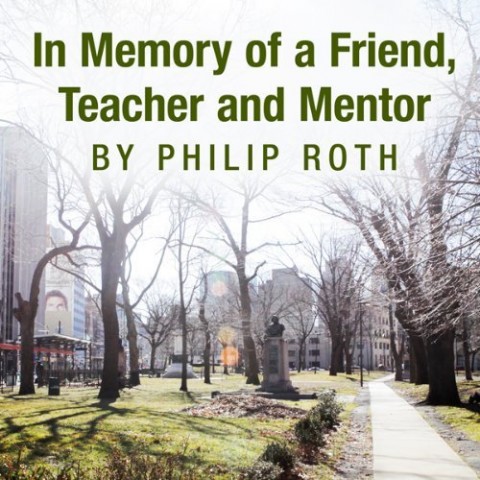
Philip Roth Reads “In Memory of a Friend, Teacher & Mentor” (A Free Download Benefiting a Public Library)

roth reading

Philip Roth announced his retire­ment from the writ­ing life last fall, a few months shy of his 80th birth­day. Now, on a com­put­er in his New York City apart­ment, hangs a Post-It note that reads, “The strug­gle with writ­ing is over.” There won’t be anoth­er nov­el. There won’t be a 29th.

Admir­ers of Philip Roth may have to set­tle for the occa­sion­al odd pub­li­ca­tion, like the eulo­gy Roth pub­lished in the New York Times in April, when his high school teacher and long-time friend passed away. His name was Bob Lowen­stein. He taught at Wee­quahic High School in Newark, New Jer­sey, and Roth came to know him like this:

Bob was my home­room teacher. This meant that I saw him first thing in the morn­ing, every sin­gle day of the school year. I was nev­er to take a lan­guage course with him — I had Made­moi­selle Glucks­man for French and Señori­ta Baleroso for Span­ish — but I didn’t for­get him. Who at Wee­quahic did? Con­se­quent­ly, when it came his turn to be mauled in Congress’s anti-Com­mu­nist cru­sade of the 1940s and 1950s, I fol­lowed his fate as best I could in the sto­ries that I had my par­ents clip from the Newark news­pa­pers and mail to me.

I don’t remem­ber how we came togeth­er again around 1990, about 40 years after I’d grad­u­at­ed Wee­quahic High. I was back in Amer­i­ca from hav­ing lived large­ly abroad for some 12 years, and either I wrote to him about some­thing or he wrote to me about some­thing and we met for lunch at Zel­da and his house in West Orange. In the spir­it of Bob Lowen­stein, I will put the mat­ter in plain lan­guage, direct­ly as I can: I believe we fell in love with each oth­er.

In recent weeks, Roth vis­it­ed the head­quar­ters of Audible.com — also based in Newark, New Jer­sey — and record­ed an audio ver­sion of his trib­ute. You can down­load it for free at Audi­ble (or hear an excerpt below), and, for every down­load, Audi­ble will donate $1 to the Newark Pub­lic Library, cap­ping at $25,000. The down­load requires reg­is­ter­ing with Audi­ble.

Sep­a­rate­ly, if you want to down­load a nov­el by Philip Roth, you can always head over to Audible.com and reg­is­ter for a 30-day free tri­al. You can down­load any audio­book for free. Then, when the tri­al is over, you can con­tin­ue your Audi­ble sub­scrip­tion (as I do — I love the ser­vice), or can­cel it, and still keep the audio book. And, by the way, when­ev­er some­one signs up for a free tri­al, it helps sup­port Open Cul­ture. Also find more great reads in our col­lec­tion of Free Audio Books.

Hear Kurt Vonnegut’s Very First Public Reading from Breakfast of Champions (1970)

When we think of Kurt Von­negut, we tend to think of Slaugh­ter­house-Five. Maybe we also think of the short sto­ry “Har­ri­son Berg­eron,” which gets assigned in class by slight­ly alter­na­tive-mind­ed Eng­lish teach­ers. Now that I think about it, I real­ize that those two works of Von­negut’s have both become movies: George Roy Hill’s Slaugh­ter­house-Five hit the­aters in 1972, and Bruce Pittman’s Har­ri­son Berg­eron debuted on Show­time in 1995. But the beloved­ly cyn­i­cal writer pro­duced four­teen nov­els, eight sto­ry col­lec­tions, and five books of essays, and even if we just explore fur­ther into those adapt­ed for the screen, we find a per­haps under-dis­cussed piece of Von­negutia: Break­fast of Cham­pi­ons, his 1973 fol­low-up to Slaugh­ter­house-Five.

The nov­el exam­ines Dwayne Hoover, a deeply trou­bled Pon­ti­ac sales­man obsessed with the writ­ings of pulp sci-fi author Kil­go­re Trout. You may remem­ber Trout from his role in Von­negut’s pre­vi­ous book, whose “unstuck-in-time” pro­tag­o­nist Bil­ly Pil­grim he invites to his wed­ding anniver­sary. Break­fast of Cham­pi­ons sets Trout on a col­li­sion course with Hoover in the fic­tion­al Amer­i­can town of Mid­land City, bring­ing in a great vari­ety of char­ac­ters, themes, and ele­ments from Von­negut’s oth­er work in so doing. In the clip above, you can hear the author’s very first pub­lic read­ing of the book, record­ed on May 4, 1970 at New York’s 92nd Street Y. After it became avail­able to read­ers three years lat­er, Break­fast of Cham­pi­ons would become a favorite among the Von­negut faith­ful. The 1999 Bruce Willis-star­ring film adap­ta­tion… less so.

Relat­ed Con­tent:

Kurt Von­negut Reads from Slaugh­ter­house-Five

Vonnegut’s Eight Tips on How to Write a Good Short Sto­ry

Kurt Von­negut: “How To Get A Job Like Mine” (2002)

Col­in Mar­shall hosts and pro­duces Note­book on Cities and Cul­ture and writes essays on lit­er­a­ture, film, cities, Asia, and aes­thet­ics. He’s at work on a book about Los Ange­les, A Los Ange­les Primer. Fol­low him on Twit­ter at @colinmarshall.

Free Science Fiction Classics Available on the Web (Updated)

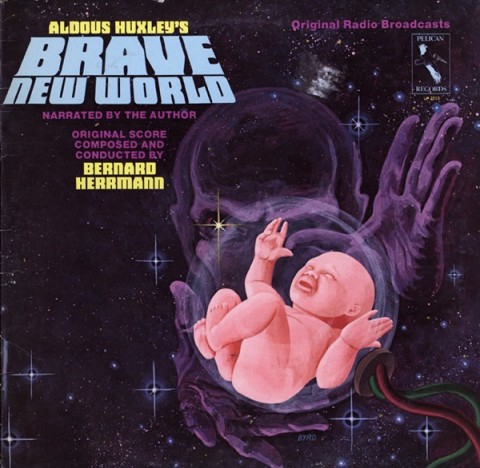
bravenewworldcoverA lit­tle over a year ago, we brought you a roundup of great Sci­ence Fic­tion & Fan­ta­sy clas­sics avail­able on the web. The free col­lec­tion includ­ed every­thing from Aldous Hux­ley read­ing a dra­ma­tized ver­sion of Brave New World, to a BBC radio broad­cast of Isaac Asi­mov’s influ­en­tial Foun­da­tion Tril­o­gy, to an audio­book ver­sion of C.S. Lewis’ The Chron­i­cles of Nar­nia. We’ve been updat­ing the page ever since, adding a Neil Gaiman sto­ry here, and a Philip K. Dick sto­ry there. So if you’re a sci-fi fan, or if you’re friends with a sci-fi fan, you’ll want to pay a new vis­it to our col­lec­tion: Free Sci­ence Fic­tion Clas­sics on the Web: Hux­ley, Orwell, Asi­mov, Gaiman & Beyond. Also, if you notice any great resources miss­ing from the list, don’t hes­i­tate to let us know in the com­ments below.

Note: a num­ber of oth­er sci-fi clas­sics can be found in our col­lec­tions of Free Audio Books and Free eBooks, not to men­tion or big list of Free Movies Online.

Find us on Face­bookTwit­ter and Google Plus and we’ll make it easy to share intel­li­gent media with your friends! 

by | Permalink | Make a Comment ( 1 ) |

Enrich Yourself with Free Courses, Audio Books, eBooks, Movies, Textbooks & More

iphone einstein

How’s that New Year’s res­o­lu­tion going? You know, the one where you promised to make bet­ter use of your free time and learn new things? If you’re off track, fear not. It’s only April. It’s not too late to make good on your promise. And we can help. Below, we’ll tell you how to fill your Kin­dle, iPad, com­put­er, smart­phone, com­put­er, etc. with free intel­li­gent media — great ebooks and audio books, movies, cours­es, and the rest:

Free eBooks: You have always want­ed to read the great works. And now is your chance. When you dive into our Free eBooks col­lec­tion you will find 400 great works by some clas­sic writ­ers (Dick­ens, Dos­to­evsky, Shake­speare and Tol­stoy) and con­tem­po­rary writ­ers (F. Scott Fitzger­ald, Philip K. Dick, Isaac Asi­mov, and Kurt Von­negut). The col­lec­tion also gives you access to the 51-vol­ume Har­vard Clas­sics.

If you’re an iPad/iPhone user, the down­load process is super easy. Just click the “iPad/iPhone” links and you’re good to go. Kin­dle and Nook users will gen­er­al­ly want to click the “Kin­dle + Oth­er For­mats links” to down­load ebook files, but we’d sug­gest watch­ing these instruc­tion­al videos (Kin­dle –Nook) before­hand.

Free Audio Books: What bet­ter way to spend your free time than lis­ten­ing to some of the great­est books ever writ­ten? This page con­tains a vast num­ber of free audio books, includ­ing works by Arthur Conan Doyle, James Joyce, Jane Austen, Edgar Allan Poe, George Orwell and more recent writ­ers — Ita­lo Calvi­no, Vladimir Nabokov, Ray­mond Carv­er, etc. You can down­load these clas­sic books straight to your gagdets, then lis­ten as you go.

[Note: If you’re look­ing for a con­tem­po­rary book, you can down­load one free audio book from Audible.com. Find details on Audi­ble’s no-strings-attached deal here.]

Free Online Cours­es: This list brings togeth­er over 700 free online cours­es from lead­ing uni­ver­si­ties, includ­ing Stan­ford, Yale, MIT, UC Berke­ley, Oxford and beyond. These full-fledged cours­es range across all dis­ci­plines – his­to­ryphysicsphi­los­o­phypsy­chol­o­gy and beyond. Most all of these cours­es are avail­able in audio, and rough­ly 75% are avail­able in video. You can’t receive cred­its or cer­tifi­cates for these cours­es (click here for cours­es that do offer cer­tifi­cates). But the amount of per­son­al enrich­ment you will derive is immea­sur­able.

Free Movies: With a click of a mouse, or a tap of your touch screen, you will have access to 525 great movies. The col­lec­tion hosts many clas­sics, west­erns, indies, doc­u­men­taries, silent films and film noir favorites. It fea­tures work by some of our great direc­tors (Alfred Hitch­cock, Orson Welles, Andrei Tarkovsky, Stan­ley Kubrick, Jean-Luc Godard and David Lynch) and per­for­mances by cin­e­ma leg­ends: John Wayne, Jack Nichol­son, Audrey Hep­burn, Char­lie Chap­lin, and beyond. On this one page, you will find thou­sands of hours of cin­e­ma bliss.

Free Lan­guage Lessons: Per­haps learn­ing a new lan­guage is one of your res­o­lu­tions. Well, here is a great way to do it. Take your pick of 40 lan­guages — Span­ish, French, Ital­ian, Man­darin, Eng­lish, Russ­ian, Dutch, even Finnish, Yid­dish and Esperan­to. These lessons are all free and ready to down­load.

Free Text­books: And one last item for the life­long learn­ers among you. We have scoured the web and pulled togeth­er a list of 150 Free Text­books. It’s a great resource par­tic­u­lar­ly if you’re look­ing to learn math, com­put­er sci­ence or physics on your own. There might be a dia­mond in the rough here for you.

by | Permalink | Make a Comment ( 2 ) |

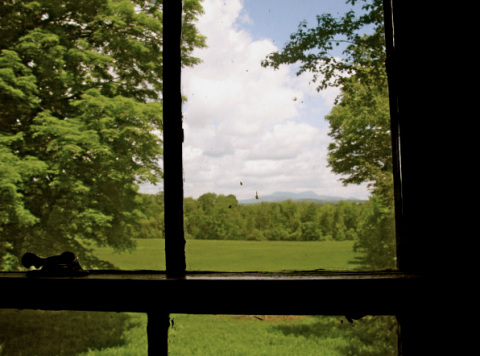
A View From the Room Where Melville Wrote Moby Dick (Plus a Free Celebrity Reading of the Novel)

melville roomIt’s in Pitts­field, Mass­a­chu­setts, right in the midst of the Berk­shires. Need­less to say, not a drop of water in sight.

Now that I’ve got your atten­tion, let me give you an update on The Moby Dick Big Read project. Since we high­light­ed the project last fall, all 135 chap­ters of the great Amer­i­can nov­el have been read by celebri­ties like Til­da Swin­ton, Stephen Fry, Mary Oliv­er, and Simon Cal­low. And now the com­plete set of audio record­ings are online and ready for free down­load. Get them here:  iTunesSound­cloudRSS Feed, or the Big Read web site itself.

We start you off with Tilda’s read­ing of Chap­ter 1 right below.

Pho­to above comes to us via @stevesilberman

by | Permalink | Make a Comment ( 1 ) |

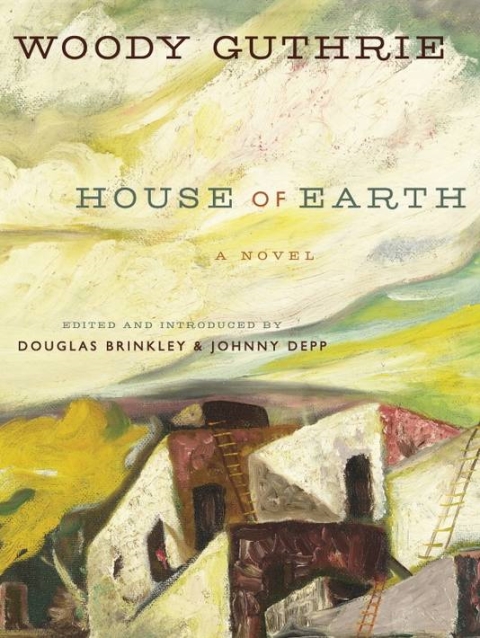
House of Earth: Hear Woody Guthrie’s Lost Novel, Published by Johnny Depp, as an Audio Book

House of earth

Woody Guthrie may have writ­ten as many as 3,000 folk songs, but he did­n’t lim­it him­self there. He also man­aged to write a nov­el called House of Earth, which only last month saw the light of day. To whom do we owe the plea­sure of read­ing this pre­vi­ous­ly unknown adden­dum to the pro­lif­ic singer-song­writer’s career? Why, to his­to­ri­an Dou­glas Brink­ley, actor John­ny Depp, and Guthrie’s daugh­ter Nora. Research­ing a forth­com­ing biog­ra­phy of Bob Dylan, Brink­ley spot­ted a men­tion of House of Earth some­where deep in the files of famous folk-music recordist Alan Lomax. He traced the man­u­script to the Uni­ver­si­ty of Tul­sa library, which had it in stor­age. Depp had recent­ly start­ed his own pub­lish­ing imprint, Infini­tum Nihil, and Brink­ley passed along this promis­ing piece of mate­r­i­al. (The two had known each oth­er for years, hav­ing ini­tial­ly met through that great lit­er­ary con­nec­tor, Dr. Hunter S. Thomp­son.)

With House of Earth, Guthrie wrote a Dust Bowl nov­el, but one very much in tune with his own sen­si­bil­i­ties. Unlike John Stein­beck­’s The Grapes of Wrath, Guthrie’s sto­ry fol­lows not the farm fam­i­lies who fled west, but those who remained on the Texas plains. “Pitched some­where between rur­al real­ism and pro­le­tar­i­an protest,” write Brink­ley and Depp in a New York Times Book Review essay, “some­what sta­t­ic in terms of nar­ra­tive dri­ve, ‘House of Earth’ nonethe­less offers a sear­ing por­trait of the Pan­han­dle and its mar­gin­al­ized Great Depres­sion res­i­dents. Guthrie suc­cess­ful­ly mix­es Steinbeck’s nar­ra­tive verve with D. H. Lawrence’s open­ness to erot­ic explo­ration.” As of this week, you can read and also now hear the book, as read by Will Pat­ton, in an audio ver­sion released by Audible.com. (Find info on how to get it for free below.) At the top of this post, you’ll find a short clip of Pat­ton deliv­er­ing the singer’s prose. Though Guthrie will remain best known for his polit­i­cal­ly-charged songs, his nov­el, which launch­es broad­sides against big finance, big lum­ber, and big agri­cul­ture, should car­ry charge enough for any of his enthu­si­asts.

Note: Do you want to down­load House of Earth from Audi­ble for free? Here’s one way to do it. Just head over to Audible.com and reg­is­ter for a 30-day free tri­al. You can down­load any audio book for free. Then, when the tri­al is over, you can con­tin­ue your Audi­ble sub­scrip­tion, or can­cel it, and still keep the audio book. The choice is yours. And, in full dis­clo­sure, let me tell you that we have a nice arrange­ment with Audi­ble. When­ev­er some­one signs up for a free tri­al, it helps sup­port Open Cul­ture. That’s cool. But frankly, we work with them because I per­son­al­ly use the ser­vice noth­ing short of reli­gious­ly. 

Relat­ed Con­tent:

Woody Guthrie at 100: Cel­e­brate His Amaz­ing Life with a BBC Film

Woody Guthrie’s Fan Let­ter To John Cage and Alan Hov­haness (1947)

375 Free eBooks: Down­load to Kin­dle, iPad/iPhone & Nook

Col­in Mar­shall hosts and pro­duces Note­book on Cities and Cul­ture and writes essays on lit­er­a­ture, film, cities, Asia, and aes­thet­ics. He’s at work on a book about Los Ange­lesA Los Ange­les Primer. Fol­low him on Twit­ter at @colinmarshall.

John Steinbeck Reads Two Short Stories, “The Snake” and “Johnny Bear” in 1953

steinbeck

Image via Wiki­me­dia Com­mons

In an arti­cle orig­i­nal­ly pub­lished in book collector’s jour­nal Firsts Mag­a­zine, book­seller James M. Dour­gar­i­an includes a set of records called “The Colum­bia Lit­er­ary Series” (1953) as an essen­tial part of the “completist’s Stein­beck col­lec­tion.” Dour­gar­i­an describes the set, val­ued at $1,500 in 2007 thus:

The Colum­bia Lit­er­ary Series is a great item, a set of 12 12-inch records with a vari­ety of authors read­ing selec­tions from their works. It was issued in an edu­ca­tion­al edi­tion with a dou­ble slid­ing case, and a deluxe edi­tion housed in a black leather attaché case with snaps. Both issues includ­ed a book­let about the mak­ing of the series, which was edit­ed by God­dard Lieber­son. The Stein­beck record has the author him­self read­ing two of his most famous short sto­ries, “The Snake” and “John­ny Bear.” Oth­er authors in the series are William Saroy­an, the three Sitwells, John Col­lier, Edna Fer­ber, Tru­man Capote, W. Som­er­set Maugh­am, Christo­pher Ish­er­wood, Kather­ine Anne Porter and Aldous Hux­ley.

You can hear Steinbeck’s A‑side con­tri­bu­tion to this illus­tri­ous series below, where he reads “The Snake,” a sto­ry he says “isn’t a sto­ry at all. It’s just some­thing that hap­pened.” Also in his brief intro­duc­tion, the author describes his favorite piece of fan mail ever, from a small-town librar­i­an who wrote that “The Snake” was “the worst sto­ry she had ever read any­where. She was quite upset at its bad­ness.”

On the B‑side, above, Stein­beck reads “John­ny Bear,” a sto­ry about “a mon­ster,” who “real­ly lived in cen­tral Cal­i­for­nia.”

The sto­ries are now added to our col­lec­tion, 1,000 Free Audio Books: Down­load Great Books for Free.

Look­ing for free, pro­fes­sion­al­ly-read audio books from Audible.com? Here’s a great, no-strings-attached deal. If you start a 30 day free tri­al with Audible.com, you can down­load two free audio books of your choice. Get more details on the offer here.

Relat­ed Con­tent:

“Noth­ing Good Gets Away”: John Stein­beck Offers Love Advice in a Let­ter to His Son (1958)

John Steinbeck’s Six Tips for the Aspir­ing Writer and His Nobel Prize Speech

Rare 1959 Audio: Flan­nery O’Connor Reads ‘A Good Man is Hard to Find’

Josh Jones is a writer, edi­tor, and musi­cian based in Wash­ing­ton, DC. Fol­low him @jdmagness

« Go BackMore in this category... »
Quantcast