Hear 20 Hours of Romantic & Victorian Poetry Read by Ralph Fiennes, Dylan Thomas, James Mason & Many More

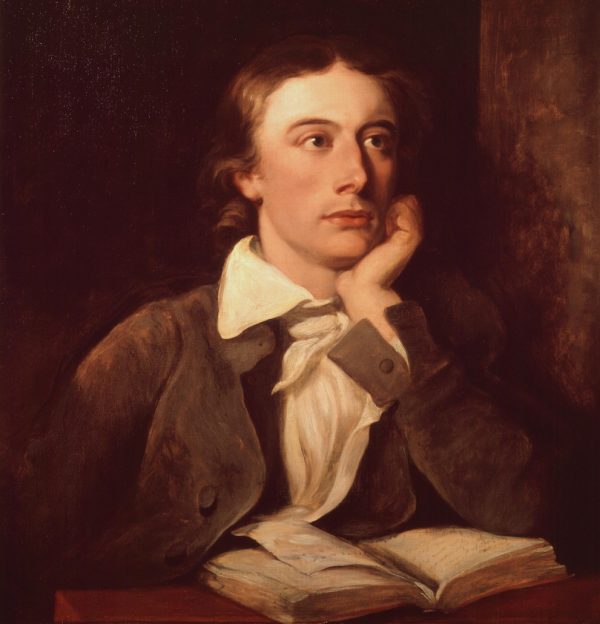
john_keats_by_william_hilton

By the time William Wordsworth and Samuel Tay­lor Coleridge pub­lished their Lyri­cal Bal­lads in 1798, poets in Eng­land had long been celebri­ties and arbiters of taste in mat­ters polit­i­cal and lit­er­ary. The sev­en­teenth cen­tu­ry, for exam­ple, became known as the “Age of Dry­den,” for poet and lit­er­ary crit­ic John Dry­den’s tremen­dous influ­ence. John Mil­ton, Alexan­der Pope, Samuel John­son… these were lit­er­ary men whose writ­ing vied with the era’s philoso­phers and advised its nobil­i­ty and heads of state. By the Roman­tic peri­od of Wordsworth and Coleridge, no poet held such a posi­tion of author­i­ty and influ­ence as had those of the pre­vi­ous two cen­turies.

And yet, we might argue that poetry—and the exalt­ed fig­ure of the poet—became even more sacro­sanct and indis­pens­able to British cul­ture through­out the nine­teenth cen­tu­ry; that poets became, as Per­cy Shel­ley wrote in 1821, the “unac­knowl­edged leg­is­la­tors of the world.” Such a hyper­bol­ic state­ment may seem to con­flict with the aims Wordsworth stat­ed for Roman­tic poet­ry in the Lyri­cal Bal­lads’ pref­ace: “fit­ting to met­ri­cal arrange­ment a selec­tion of the real lan­guage of men in a state of vivid sen­sa­tion.” Yet when we think of Roman­tic poet­ry, we rarely think of the “real lan­guage of men.”

The nine­teenth cen­tu­ry saw the ascen­den­cy of the British Empire to its height dur­ing Victoria’s reign. Whether effect or cause of the hubris of the times, both Roman­tic and Vic­to­ri­an poetry—all the way to the end of Alfred Tennyson’s 12-cycle series Idylls of the King in 1885—gave us myth­i­cal epics filled with grandeur of expres­sion and image, and no small amount of bom­bast. Coleridge’s The Rime of the Ancient Mariner (from the Lyri­cal Bal­lads) and strange “Kubla Khan” showed the way. Keats tells an out­sized tale of the Titans’ fall from Olym­pus in Hype­r­i­on. Shel­ley gave us the bleak impe­r­i­al relics of “Ozy­man­dias.”

There were also, of course, the qui­et love and nature poems of Wordsworth, Keats, John Clare, and Wal­ter De La Mare, all won­der­ful­ly rep­re­sen­ta­tive of a Roman­tic pas­toral tra­di­tion reflect­ing a nos­tal­gia for a rapid­ly trans­form­ing Eng­lish coun­try­side. There were the Ori­en­tal­ist poems of exot­ic won­der, and hero­ic poems of mil­i­tary val­or and rev­o­lu­tion. The lat­er nine­teenth cen­tu­ry revealed even more vari­ety as these strains yield­ed to greater spe­cial­iza­tion, and to expand­ed roles for women poets.

Kipling’s colo­nial­ist vers­es reas­sured British sub­jects of their supe­ri­or sta­tus in the scheme of things, and enter­tained them with fables and moral­i­ty plays. Oscar Wilde refined the aes­theti­cism of Keats with a deca­dent eroti­cism. Broth­er and sis­ter Dante Gabriel Ros­set­ti and Christi­na Ros­set­ti took the Roman­tics’ anti­quar­i­an­ism into the ter­ri­to­ry of medieval and Goth­ic revival. Hus­band and wife Robert and Eliz­a­beth Bar­rett Brown­ing looked also to the Mid­dle Ages, and to Italy. Swin­burne and Ten­nyson upheld the tra­di­tion of the epic, imbu­ing it with their own strange pre­oc­cu­pa­tions. Ger­ard Man­ley Hop­kins did things with lan­guage nev­er attempt­ed before.

All of these poets appear in the Spo­ti­fy playlists here, titled “The Roman­tics” and “The Vic­to­ri­ans,” though you’ll notice that these aren’t mutu­al­ly exclu­sive cat­e­gories. Eliz­a­beth Bar­rett Brown­ing appears in both lists. Ten­nyson, per­haps the longest-lived and most famous poet of the age, spans almost the entire cen­tu­ry.  Keats, whose ear­ly trag­ic death con­tributed to his rock star sta­tus with lat­er read­ers, died most assured­ly a Roman­tic. But the terms hard­ly tell us very much by them­selves, mark­ing con­ven­tion­al ways of divid­ing up the lit­er­a­ture of the nine­teenth cen­tu­ry.

What we might notice about the Eng­lish verse of these two peri­ods on the whole is its ten­den­cy toward exag­ger­at­ed, often florid and over­ly for­mal dic­tion and syn­tax, and its sen­ti­men­tal­ism, high seri­ous­ness, and deco­rum. These are qual­i­ties we often learn to asso­ciate with all poet­ry, or learn to think of as insin­cere and pre­ten­tious.  In the near­ly 20 hours of skilled read­ings here—including some by famous names like James Mason, Dylan Thomas, John Giel­gud, Sir Ralph Richard­son, Boris Karloff, and Ralph Fiennes—we hear a great deal of nuance, sub­tle­ty, irony, and beau­ty. Learn­ing to appre­ci­ate the poet­ic voic­es of over a cen­tu­ry past not only requires famil­iar­i­ty with unusu­al idioms and ideas; it also requires tun­ing our ears to very dif­fer­ent kinds of Eng­lish than our own.

Both playlists will be added to our col­lec­tion, 1,000 Free Audio Books: Down­load Great Books for Free.

Relat­ed Con­tent:

Stream Clas­sic Poet­ry Read­ings from Harvard’s Rich Audio Archive: From W.H. Auden to Dylan Thomas

Library of Con­gress Launch­es New Online Poet­ry Archive, Fea­tur­ing 75 Years of Clas­sic Poet­ry Read­ings

Rare 1930s Audio: W.B. Yeats Reads Four of His Poems

Josh Jones is a writer and musi­cian based in Durham, NC. Fol­low him at @jdmagness

Great 19 Century Poems Read in French: Baudelaire, Rimbaud, Verlaine & More

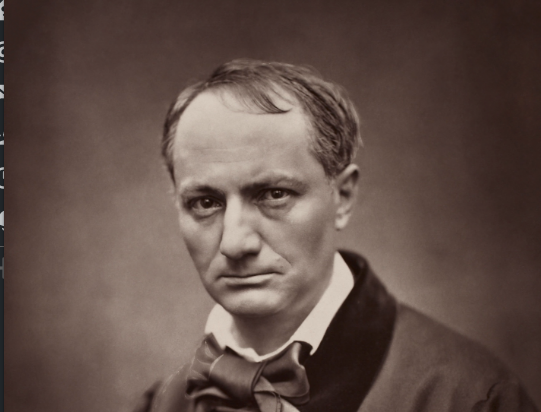
baudelaire

Here’s how Smith­son­ian Folk­ways describes this 1961 album now made avail­able by Spo­ti­fy. (If you need their free soft­ware, down­load it here):

Paul A. Mankin recites the most famous French poet­ry from the 19th Cen­tu­ry. Gérard de Ner­val, Vic­tor Hugo and Alphonse de Lamar­tine, the main poets from the roman­tic peri­od are rep­re­sent­ed, as well as pre­cur­sors of Sym­bol­ism, Paul Ver­laine and Stéphane Mal­lar­mé. In addi­tion, the album includes poems writ­ten by the tor­tured Charles Baude­laire and the unclas­si­fi­able Arthur Rim­baud.

Note: The image above is of Charles Baude­laire.  This album will be added to our col­lec­tion, 1,000 Free Audio Books: Down­load Great Books for Free. Oth­er albums fea­tur­ing Mank­in’s read­ings can also be found there, includ­ing:

  • Mul­ti­ple Authors — 20th Cen­tu­ry French Poet­ry, Nar­rat­ed by Paul Mankin — Spo­ti­fy
  • Mul­ti­ple Authors — French African Poet­ry, Read in French by Paul Mankin — Spo­ti­fy

If you would like to sign up for Open Culture’s free email newslet­ter, please find it here. It’s a great way to see our new posts, all bun­dled in one email, each day.

If you would like to sup­port the mis­sion of Open Cul­ture, con­sid­er mak­ing a dona­tion to our site. It’s hard to rely 100% on ads, and your con­tri­bu­tions will help us con­tin­ue pro­vid­ing the best free cul­tur­al and edu­ca­tion­al mate­ri­als to learn­ers every­where. You can con­tribute through Pay­Pal, Patre­on, and Ven­mo (@openculture). Thanks!

Relat­ed Con­tent:

Free French Lessons

13 Lec­tures from Allen Ginsberg’s “His­to­ry of Poet­ry” Course (1975)

Hear Bill Murray’s Favorite Poems Read Aloud by Mur­ray Him­self & Their Authors


Download Ralph Ellison’s Invisible Man as a Free Audiobook (Available for a Limited Time)

When Ralph Elli­son pub­lished his first nov­el, Invis­i­ble Man, in 1952, it took the lit­er­ary world by storm. Orville Prescott, a lit­er­ary crit­ic at The New York Times, wrote in April of ’52:

Ralph Ellison’s first nov­el, “The Invis­i­ble Man,” is the most impres­sive work of fic­tion by an Amer­i­can Negro which I have ever read. Unlike Richard Wright and Willard Mot­ley, who achieve their best effects by over­pow­er­ing their read­ers with doc­u­men­tary detail, Mr. Elli­son is a fin­ished nov­el­ist who uses words with great skill, who writes with poet­ic inten­si­ty and immense nar­ra­tive dri­ve. “Invis­i­ble Man” has many flaws. It is a sen­sa­tion­al and fever­ish­ly emo­tion­al book. It will shock and sick­en some of its read­ers. But, what­ev­er the final ver­dict on “Invis­i­ble Man” may be, it does mark the appear­ance of a rich­ly tal­ent­ed writer.

Invis­i­ble Man won the U.S. Nation­al Book Award for Fic­tion the fol­low­ing year. And the belief that Elli­son wrote some­thing spe­cial has­n’t dimin­ished since. Case in point: When Mod­ern Library cre­at­ed a list of the 100 best Eng­lish-lan­guage nov­els of the 20th cen­tu­ry, they placed Invis­i­ble Man at num­ber 19.

As Don Katz tells us above, the book touched him deeply dur­ing his col­lege years at NYU. Now the founder and CEO of Audible.com, he’s let­ting you down­load Invis­i­ble Man as a free audio­book. The free down­load is avail­able at Audi­ble and at Ama­zon until Decem­ber 31st. (Audi­ble is an Ama­zon sub­sidiary). Please note that you’ll need to cre­ate an account to get the down­load. But appar­ent­ly no payment/credit card info is required.

Sep­a­rate­ly, I should also men­tion that Audi­ble offers a free 30-day tri­al pro­gram, where they let you down­load two pro­fes­sion­al­ly-read audio­books. At the end of 30 days, you can decide whether to become an Audi­ble sub­scriber or not. Either way, you can keep the two free audio­books. Find more infor­ma­tion on that free tri­al pro­gram here.

Again, the links to down­load Invis­i­ble Man are here: Audi­ble — Ama­zon. And remem­ber, we have more free audio­books in our col­lec­tion, 1,000 Free Audio Books: Down­load Great Books for Free. Most­ly clas­sics.

If you would like to sign up for Open Culture’s free email newslet­ter, please find it here. It’s a great way to see our new posts, all bun­dled in one email, each day.

If you would like to sup­port the mis­sion of Open Cul­ture, con­sid­er mak­ing a dona­tion to our site. It’s hard to rely 100% on ads, and your con­tri­bu­tions will help us con­tin­ue pro­vid­ing the best free cul­tur­al and edu­ca­tion­al mate­ri­als to learn­ers every­where. You can con­tribute through Pay­Pal, Patre­on, and Ven­mo (@openculture). Thanks!

Relat­ed Con­tent

Ralph Elli­son Reads from His Novel-in-Progress,Juneteenth, in Rare Video Footage (1966)

Flan­nery O’Connor Reads ‘A Good Man is Hard to Find’ in Rare 1959 Audio

by | Permalink | Make a Comment ( 5 ) |

Five Short Stories by Leo Tolstoy: A Free AudioBook

tolstoy rules 2

Though known for his long epic nov­els War and Peace and Anna Karen­i­na, Leo Tol­stoy wrote short sto­ries too. Below, you can stream read­ings of five such sto­ries, “The Three Her­mits,” “Three Deaths,” “Albert,” “Ernak, and “God Sees the Truth But Waits.” They’re read by Bart Wolfe, and made freely avail­able on Spo­ti­fy. (If you need Spo­ti­fy’s soft­ware, down­load it here.) If you want to get it from iTunes, it will run you $6.95.

This three-hour record­ing will be added to our col­lec­tion, 1,000 Free Audio Books: Down­load Great Books for Free. Mean­while, if you’d like to down­load two pro­fes­sion­al­ly-read audio­books from Audi­ble for free, get more infor­ma­tion on that here.

Relat­ed Con­tent:

Leo Tol­stoy Cre­ates a List of the 50+ Books That Influ­enced Him Most (1891)

Leo Tolstoy’s 17 “Rules of Life:” Wake at 5am, Help the Poor, & Only Two Broth­el Vis­its Per Month

An Ani­mat­ed Intro­duc­tion to Leo Tol­stoy, and How His Great Nov­els Can Increase Your Emo­tion­al Intel­li­gence

Free Online Lit­er­a­ture Cours­es

by | Permalink | Make a Comment ( 2 ) |

Hear 20 Minutes of Mark Frost’s New Secret History of Twin Peaks, the Book Fans Have Waited 25 Years to Read

We live in a good time to be a Twin Peaks fan. Amid the buzz of a third sea­son of David Lynch and Mark Frost’s inno­v­a­tive­ly sur­re­al prime­time dra­ma pre­mier­ing on Show­time next year, we’ve enjoyed the emer­gence of con­tem­po­rary Twin Peaks-relat­ed mate­ri­als (David Lynch’s hand-drawn map of the tit­u­lar small-town set­ting, the Japan­ese cof­fee com­mer­cials he set there) as well as new­er Twin Peaks-themed projects from oth­er cre­ators (an Atari game, an ele­men­tary school play). And now we can read Frost’s nov­el The Secret His­to­ry of Twin Peaks, billed by its pub­lish­er as “the sto­ry mil­lions of fans have been wait­ing to get their hands on for 25 long years.”

The nov­el­’s “362 pages cov­er what hap­pened to some of the peo­ple of that icon­ic fic­tion­al town since we last saw them 25 years ago, but the time­line starts as ear­ly as the 1800s with the jour­nals of Lewis and Clark,” says fan site Wel­come to Twin Peaks. It also “also offers a deep­er glimpse into the cen­tral mys­tery that was only touched on by the orig­i­nal series, and will include over 100 four-col­or illus­tra­tions and pho­tographs.” The near­ly ten-hour audio­book ver­sion fea­tures the voic­es of orig­i­nal cast mem­bers like Michael Horse as Deputy Hawk, Russ Tam­blyn as Dr. Lawrence Jaco­by, and most Twin Peaks of all, Kyle MacLach­lan as FBI Spe­cial Agent Dale Coop­er.

In the video and audio clips at the top of the post, you can sam­ple The Secret His­to­ry of Twin Peaks’ audio­book expe­ri­ence and get a sense of how it dif­fers from that of a nor­mal audio­book — and how the text itself dif­fers from that of a stan­dard nov­el. It takes the form not of a straight-ahead nar­ra­tive but a thor­ough FBI dossier, the print ver­sion of which Mered­ith Bor­ders of Birth.Movies.Death. describes as “an attrac­tive mul­ti-media hodge­podge, with Xerox­ed mani­la fold­ers and sticky notes, arrest reports, book cov­ers, pho­tos and sketch­es and maps and news­pa­per clip­pings.” The longer excerpt here delves into the sto­ry of Josie Packard, the wid­owed own­er of Packard Sawmill and a par­tic­u­lar­ly mys­te­ri­ous char­ac­ter in a cast of mys­te­ri­ous char­ac­ters. Not to give too much away, but her past involves a fash­ion empire, a Hong Kong drug tri­ad, and a “leg­en­dar­i­ly beau­ti­ful pros­ti­tute.”

As always in Twin Peaks, the more you learn, the stranger things get. But a true fan wants just that, and they can have it and then some by pick­ing up their own copy of the book or audio­book, the lat­ter of which they can get for free if they take audio­book provider Audi­ble up on their 30-day tri­al offer.

via Wel­come to Twin Peaks

Relat­ed Con­tent:

David Lynch Draws a Map of Twin Peaks (to Help Pitch the Show to ABC)

David Lynch Directs a Mini-Sea­son of Twin Peaks in the Form of Japan­ese Cof­fee Com­mer­cials

Play the Twin Peaks Video Game: Retro Fun for David Lynch Fans

Ele­men­tary School Stu­dents Per­form in a Play Inspired by David Lynch’s Twin Peaks

David Lynch’s Twin Peaks Title Sequence, Recre­at­ed in an Adorable Paper Ani­ma­tion

Based in Seoul, Col­in Mar­shall writes and broad­casts on cities and cul­ture. He’s at work on a book about Los Ange­les, A Los Ange­les Primer, the video series The City in Cin­e­ma, the crowd­fund­ed jour­nal­ism project Where Is the City of the Future?, and the Los Ange­les Review of Books’ Korea Blog. Fol­low him on Twit­ter at @colinmarshall or on Face­book.

Hear Vincent Price, Horror Film Legend, Read 8+ Hours of Scary Stories

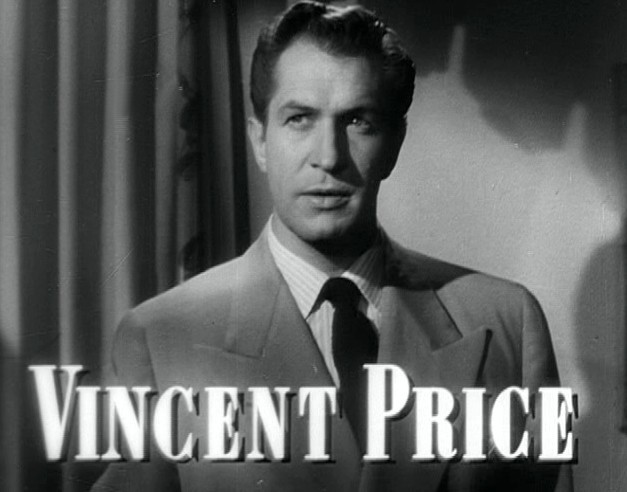
vincent_price_in_laura_trailer

Image via Wiki­me­dia Com­mons

Here’s a good way to inject a lit­tle fright into your Hal­loween cel­e­bra­tion. Below, we’ve pulled togeth­er a playlist fea­tur­ing Vin­cent Price, the icon of so many clas­sic hor­ror films, read­ing 8+ hours of scary sto­ries. The read­ings, avail­able for free on Spo­ti­fy, come from albums record­ed decades ago. The col­lec­tion includes:

  • Tales of Witch­es, Ghosts and Gob­lins (1972)
  • Witch­craft — Mag­ic: An Adven­ture In Demonolo­gy (1969)
  • A Horn­book For Witch­es, Sto­ries And Poems For Hal­loween (1976)
  • Vin­cent Price and Basil Rath­bone Read Edgar Allan Poe Sto­ries & Poems (1954)


If you don’t have Spo­ti­fy’s soft­ware, down­load it here. This Vin­cent Price playlist will be added to our col­lec­tion, 1,000 Free Audio Books: Down­load Great Books for Free.

Relat­ed Con­tent:

Watch Vin­cent, Tim Burton’s Ani­mat­ed Trib­ute to Vin­cent Price & Edgar Allan Poe (1982)

Watch Vin­cent Price Turn Into Edgar Allan Poe & Read Four Clas­sic Poe Sto­ries (1970)

5 Hours of Edgar Allan Poe Sto­ries Read by Vin­cent Price & Basil Rath­bone

by | Permalink | Make a Comment ( 1 ) |

Hear Marshall McLuhan’s The Medium is the Massage (1967)

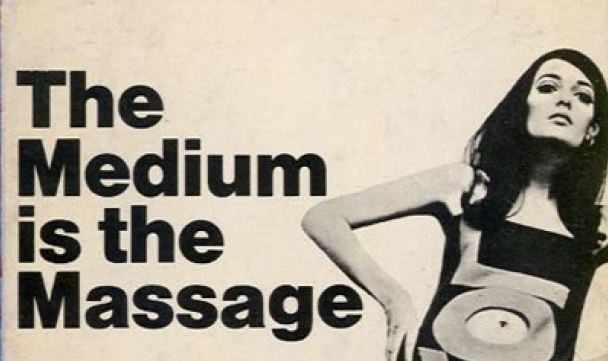
mediummassage

Image via Wiki­me­dia Com­mons

Briefly not­ed: In 1967, Mar­shall McLuhan teamed up with graph­ic design­er Quentin Fiore to write The Medi­um is the Mas­sage, a short 160-page book that offers a con­densed, effec­tive pre­sen­ta­tion of his ideas on the nature of media, com­mu­ni­ca­tion and tech­nol­o­gy. The book was soon accom­pa­nied by an album bear­ing the same name, which Wikipedia describes like this:

An audio record­ing based on the book was made by Colum­bia Records in the late 1960s, pro­duced by John Simon but oth­er­wise keep­ing the same cred­its as the book. The record­ing con­sists of a pas­tiche of state­ments made by McLuhan inter­rupt­ed by oth­er speak­ers, includ­ing peo­ple speak­ing in var­i­ous phona­tions and falset­tos, dis­cor­dant sounds and 1960s inci­den­tal music in what could be con­sid­ered a delib­er­ate attempt to trans­late the dis­con­nect­ed images seen on TV into an audio for­mat, result­ing in the pre­ven­tion of a con­nect­ed stream of con­scious thought. Var­i­ous audio record­ing tech­niques and state­ments are used to illus­trate the rela­tion­ship between spo­ken, lit­er­ary speech and the char­ac­ter­is­tics of elec­tron­ic audio media. McLuhan biog­ra­ph­er Philip Marc­hand called the record­ing “the 1967 equiv­a­lent of a McLuhan video.

One review­er on Ama­zon describes it as “more of a per­for­mance piece than a trea­tise.” And thanks to Spo­ti­fy, you can hear it below, in full. Also find it on YouTube.

The Medi­um is the Mas­sage–yes, it was orig­i­nal­ly spelled that way–will be added to our list: 1,000 Free Audio Books: Down­load Great Books for Free

Relat­ed Con­tent:

Mar­shall McLuhan, W.H. Auden & Buck­min­ster Fuller Debate the Virtues of Mod­ern Tech­nol­o­gy & Media (1971)

Mar­shall McLuhan on the Stu­pid­est Debate in the His­to­ry of Debat­ing (1976)

The Vision­ary Thought of Mar­shall McLuhan, Intro­duced and Demys­ti­fied by Tom Wolfe

McLuhan Said “The Medi­um Is The Mes­sage”; Two Pieces Of Media Decode the Famous Phrase

by | Permalink | Make a Comment ( 2 ) |

Alfred Hitchcock Presents Ghost Stories for Kids (1962)

hitchcock-ghost

“Now of course, the best way to lis­ten to ghost sto­ries is with the lights out,” says the inim­itable Alfred Hitch­cock, as he intro­duces his 1962 vinyl release Alfred Hitch­cock Presents: Ghost Sto­ries for Young Peo­ple. “There is noth­ing like a dark room to attract ghosts and you may like to have some of our mutu­al friends come and lis­ten with you.”

Just in time for Hal­loween, we are shin­ing a flick­er­ing light on this album, released once before on CD and now on Spo­ti­fy. (You can also find it on YouTube.) It will either take lis­ten­ers back to when they were kids, or fright­en a new gen­er­a­tion of young ones for the first time.

Though Hitchcock’s films toyed with spir­its-—Rebec­ca and Ver­ti­go among them-—he nev­er real­ly made straight up mon­ster movies or ghost sto­ries. (Psy­cho and The Birds are the clos­est he ever got.) But once he became a tele­vi­sion host and per­son­al­i­ty in the 1950s, his mis­chie­vous char­ac­ter and his macabre voice made him a nat­ur­al to present all sorts of ghoul­ish antholo­gies, result­ing in numer­ous paper­backs and hard­backs, most of which he had lit­tle to do with but sim­ply bore his name as a stamp of fright­en­ing author­i­ty.

And even before that, Hitch­cock was putting his name to short sus­pense sto­ry col­lec­tions, and a mys­tery mag­a­zine that was start­ed in 1956 and con­tin­ues to this day. We talk about him as one of the best film direc­tors of all time, but he was also a one-man sus­pense and ter­ror indus­try in his day, a can­ny cre­ator who knew the worth of licens­ing his name.

Of the six sto­ries here, the two giv­en writer’s cred­it are “Jim­my Takes Van­ish­ing Lessons” by Wal­ter R. Brooks (a chil­dren’s author who cre­at­ed the talk­ing horse char­ac­ter Mr. Ed) and “The Open Win­dow” by Edwar­dian writer Saki.

Judg­ing from the YouTube com­ments for the crack­ly record­ing post­ed there, these sto­ries have haunt­ed these lis­ten­ers since their child­hood. Kids these days might pre­fer a dish of creep­y­pas­ta, but there’s no deny­ing the pow­er of a voice, creepy music, and sud­den sound effects, all deliv­ered by way of headphones…with the lights off.

Relat­ed Con­tent:

Down­load Issues of “Weird Tales” (1923–1954): The Pio­neer­ing Pulp Hor­ror Mag­a­zine Fea­tures Orig­i­nal Sto­ries by Love­craft, Brad­bury & Many More

Stephen King’s Top 10 All-Time Favorite Books

Alfred Hitchcock’s Rules for Watch­ing Psy­cho (1960)

Ted Mills is a free­lance writer on the arts who cur­rent­ly hosts the FunkZone Pod­cast. You can also fol­low him on Twit­ter at @tedmills, read his oth­er arts writ­ing at tedmills.com and/or watch his films here.

« Go BackMore in this category... »
Quantcast