Good Movies as Old Books: 100 Films Reimagined as Vintage Book Covers

At one time paper­back books were thought of as trash, a term that described their per­ceived artis­tic and cul­tur­al lev­el, pro­duc­tion val­ue, and utter dis­pos­abil­i­ty. This changed in the mid-20th cen­tu­ry, when cer­tain paper­back pub­lish­ers (Dou­ble­day Anchor, for exam­ple, who hired Edward Gorey to design their cov­ers in the 1950s) made a push for respectabil­i­ty. It worked so well that the sig­na­ture aes­thet­ics they devel­oped still, near­ly a life­time lat­er, pique our inter­est more read­i­ly than those of any oth­er era.

Even today, graph­ic design­ers put in the time and effort to mas­ter the art of the mid­cen­tu­ry paper­back cov­er and trans­pose it into oth­er cul­tur­al realms, as Matt Stevens does in his “Good Movies as Old Books” series. In this “ongo­ing per­son­al project,” Stevens writes, “I envi­sion some of my favorite films as vin­tage books. Not a best of list, just movies I love.”

These movies, for the most part, date from more recent times than the mid-20th cen­tu­ry. Some, like Jor­dan Peele’s Us, the Safdie broth­ers’ Uncut Gems, and Bong Joon-ho’s Par­a­site, came out just last year. The old­est pic­tures among them, such as Alfred Hitch­cock­’s The Birds, date from the ear­ly 1960s, when this type of graph­ic design had reached the peak of its pop­u­lar­i­ty.

Suit­ably, Stevens also gives the retro treat­ment to a few already styl­ized peri­od pieces like Steven Spiel­berg’s Raiders of the Lost Ark, Joe John­ston’s The Rock­e­teer, and Andrew Nic­col’s Gat­taca, a sci-fi vision of the future itself imbued with the aes­thet­ics of the 1940s. Each and every one of Stevens’ beloved-movies-turned-old-books looks con­vinc­ing as a work of graph­ic design from rough­ly the decade and a half after the Sec­ond World War, and some even include real­is­tic creas­es and price tags. This makes us reflect on the con­nec­tions cer­tain of these films have to lit­er­a­ture, most obvi­ous­ly those, like David Fincher’s Fight Club and Stephen Frears’ High Fideli­ty, adapt­ed from nov­els in the first place.

More sub­tle are Rian John­son’s recent Knives Out, a thor­ough­go­ing trib­ute to (if not an adap­ta­tion of) the work of Agatha Christie; Rid­ley Scot­t’s Blade Run­ner, which hybridizes a Philip K. Dick novel­la with pulp detec­tive noir; and Wes Ander­son­’s Rush­more, a state­ment of its direc­tor’s intent to revive the look and feel of the ear­ly 1960s (its books and oth­er­wise) for his own cin­e­mat­ic pur­pos­es. Stevens has made these imag­ined cov­ers avail­able for pur­chase as prints, but some retro design-inclined, bib­lio­philic film fans may pre­fer to own them in 21st-cen­tu­ry book form. See all of his adap­ta­tions in web for­mat here.

via Colos­sal

Relat­ed Con­tent:

157 Ani­mat­ed Min­i­mal­ist Mid-Cen­tu­ry Book Cov­ers

Vin­tage Book & Record Cov­ers Brought to Life in a Mes­mer­iz­ing Ani­mat­ed Video

When Edward Gorey Designed Book Cov­ers for Clas­sic Nov­els: See His Iron­ic-Goth­ic Take on Dick­ens, Con­rad, Poe & More

Songs by David Bowie, Elvis Costel­lo, Talk­ing Heads & More Re-Imag­ined as Pulp Fic­tion Book Cov­ers

Clas­sic Songs Re-Imag­ined as Vin­tage Book Cov­ers Dur­ing Our Trou­bled Times: “Under Pres­sure,” “It’s the End of the World as We Know It,” “Shel­ter from the Storm” & More

Based in Seoul, Col­in Mar­shall writes and broad­casts on cities, lan­guage, and cul­ture. His projects include the book The State­less City: a Walk through 21st-Cen­tu­ry Los Ange­les and the video series The City in Cin­e­ma. Fol­low him on Twit­ter at @colinmarshall, on Face­book, or on Insta­gram.

Four Classic Prince Songs Re-Imagined as Pulp Fiction Covers: When Doves Cry, Little Red Corvette & More

There’s a book-lined Knowl­edge Room in the late Prince Rogers Nel­son’s Pais­ley Park, but the Prince-inspired faux-books that artist Todd Alcott imag­ines are prob­a­bly bet­ter suit­ed to the estate’s pur­ple-lit Relax­ation Room.

The Knowl­edge Room was con­ceived of as a library where the world’s most famous con­vert to Jehovah’s Wit­ness­es could delve into reli­gious lit­er­a­ture, reflect on the mean­ing of life, and study the Bible deep into the night.

Alcott’s cov­ers harken to an ear­li­er stage in Prince’s evolution—one the star even­tu­al­ly disavowed—as well as sev­er­al bygone eras of book design.

Lyri­cal­ly, there’s no mis­tak­ing what Prince’s noto­ri­ous 1984 “Dar­ling Nik­ki” is about. There’s a direct line between it and the cre­ation of parental advi­so­ry stick­ers for musi­cal releas­es con­tain­ing what is polite­ly referred to as “mature con­tent.”

Alcott’s 1950s pulp nov­el treat­ment, above, is sim­i­lar­ly graph­ic. Those skintight pur­ple curves are a promise that even pur­pler prose lays with­in, or would, were there any text couched behind that steamy cov­er.

When Doves Cry” makes for a pret­ty pur­ple cov­er, too. In this case, the inspi­ra­tion is a 1950s self-help book, enriched with some Freudi­an taglines from Prince’s own pen. (“Maybe you’re just like my moth­er, she’s nev­er sat­is­fied.”)

Alcott remem­bers Prince being “an incred­i­bly lib­er­at­ing fig­ure” when he burst onto the scene:

There was his flam­boy­ant, out­ra­geous sex­u­al­i­ty, but also his musi­cal omniv­o­rous­ness; he played funk, rock, pop, jazz, every­thing. Pur­ple Rain was the Sergeant Pepper’s of its day, a wall-to-wall bril­liant album that every­one could rec­og­nize as a remark­able achieve­ment. I remem­ber when I first saw Pur­ple Rain, at the very begin­ning of the movie, before the movie has even begun, the Warn­er Bros logo came up and you heard the sound of an expec­tant crowd, and an announc­er says “Ladies and Gen­tle­men, The Rev­o­lu­tion,” and the first shot is of Prince, back­lit, sil­hou­et­ted in pur­ple against a dense mist, and he says “Dear­ly beloved, we have gath­ered here today to get through this thing called life.” And I was instant­ly, incon­tro­vert­ibly, a fan for life. The con­fi­dence of that open­ing, the sheer audac­i­ty of it, adopt­ing the tone of a priest at a wed­ding, in his Hen­drix out­fit and hair­do, the sheer gutsi­ness of that state­ment, alone, just blew me away. And then he pro­ceed­ed to play “Let’s Go Crazy” which com­plete­ly lived up to that open­ing. After that he could have run Buick ads for the rest of the movie and I’d still be a fan.

Decades lat­er, I was sit­ting in a Sub­way restau­rant at the end of a very, very long, tir­ing day, and was feel­ing com­plete­ly exhaust­ed and mis­er­able, and out of nowhere, “When Doves Cry” came on the sound sys­tem. And I was remind­ed that the song, which was a huge hit in 1984, the song of the year, had no bass line. The arrange­ment of it made no sense. It was a song put togeth­er by force of will, with its met­al gui­tar and its synth strings and its elec­tron­ic drums. And in that moment, at the end of a long, tir­ing day, I was remind­ed that mir­a­cles are pos­si­ble.

Alcott’s mirac­u­lous graph­ic trans­for­ma­tions are round­ed out with a com­par­a­tive­ly under­stat­ed 1930s mur­der mys­tery, Pur­ple Rain and an inge­nious Lit­tle Red Corvette owner’s man­u­al dat­ing to the mid-60s. Prints of Todd Alcott’s Prince-inspired paper­back cov­ers are avail­able in his Etsy shop.

Relat­ed Con­tent: 

Prince (RIP) Per­forms Ear­ly Hits in a 1982 Con­cert: “Con­tro­ver­sy,” “I Wan­na Be Your Lover” & More

Clas­sic Songs Re-Imag­ined as Vin­tage Book Cov­ers Dur­ing Our Trou­bled Times: “Under Pres­sure,” “It’s the End of the World as We Know It,” “Shel­ter from the Storm” & More

Clas­sic Radio­head Songs Re-Imag­ined as a Sci-Fi Book, Pulp Fic­tion Mag­a­zine & Oth­er Nos­tal­gic Arti­facts

Ayun Hal­l­i­day is an author, illus­tra­tor, the­ater mak­er and Chief Pri­ma­tol­o­gist of the East Vil­lage Inky zine. Fol­low her @AyunHalliday.

Watch the First Trailer for Dune, Denis Villeneuve’s Adaptation of Frank Herbert’s Classic Sci-Fi Novel

It takes a fear­less film­mak­er indeed to adapt Dune. Atop its rich lin­guis­tic, polit­i­cal, philo­soph­i­cal, reli­gious, and eco­log­i­cal foun­da­tions, Frank Her­bert’s saga-launch­ing 1965 nov­el also hap­pens to have a plot “con­vo­lut­ed to the point of pain.” So writes David Fos­ter Wal­lace in his essay on David Lynch, who direct­ed the first cin­e­mat­ic ver­sion of Dune in 1984. That the result is remem­bered as a “huge, pre­ten­tious, inco­her­ent flop” (with an accom­pa­ny­ing glos­sary hand­out) owes to a vari­ety of fac­tors, not least stu­dio med­dling and the unsur­pris­ing incom­pat­i­bil­i­ty of the man who made Eraser­head with large-scale Hol­ly­wood sci-fi. The ques­tion lin­gered: could Dune be suc­cess­ful­ly adapt­ed at all?

Well before Lynch took his crack, El Topo and The Holy Moun­tain direc­tor Ale­jan­dro Jodor­owsky put togeth­er his own Dune adap­ta­tion. If all had gone well it would have come out as a ten-hour film fea­tur­ing the art of H.R. Giger and Moe­bius as well as the per­for­mances of Orson Welles, Glo­ria Swan­son, David Car­ra­dine, Alain Delon, Mick Jag­ger, and Sal­vador Dalí.

But all did not go well, and cin­e­ma was deprived of what would have been a sin­gu­lar spec­ta­cle no mat­ter how it turned out. At least one ele­ment of Jodor­owsky’s Dune has sur­vived, how­ev­er, in the lat­est attempt to bring Her­bert’s com­plex best­seller to the screen: the music of Pink Floyd, heard in the just-released trail­er for Denis Vil­leneu­ve’s Dune, star­ring Tim­o­th­ée Chalemet as the young hero Paul Atrei­des (as well as Oscar Isaac, Josh Brolin, and a host of oth­er cur­rent­ly big names), sched­uled for release in Decem­ber.

If a cred­i­ble Dune movie is pos­si­ble, Vil­leneuve is the man to direct it. His pre­vi­ous two pic­tures, Blade Run­ner 2049 and the alien-vis­i­ta­tion dra­ma Arrival, demon­strate not just his capa­bil­i­ties with sci­ence fic­tion but his sense of the sub­lime. Begin­ning with its set­ting, the desert-waste­land plan­et of Arrakis, Dune demands to be envi­sioned with the kind of beau­ty that inspires some­thing close to dread and fear. (The first direc­tor asked to adapt Dune was David Lean, per­haps due to his track record with majes­tic views of sand.) Vil­leneuve has also made the wise choice of refus­ing to com­press the entire book into a sin­gle fea­ture, pre­sent­ing this as the first of a two-part adap­ta­tion. And as a life­long Dune fan, he under­stands the atti­tude nec­es­sary to approach­ing this chal­lenge: “Fear is the mind-killer,” as Paul famous­ly puts it — so famous­ly that the trail­er could­n’t pos­si­bly exclude Cha­la­met’s deliv­ery of the line.

Relat­ed Con­tent:

Why You Should Read Dune: An Ani­mat­ed Intro­duc­tion to Frank Herbert’s Eco­log­i­cal, Psy­cho­log­i­cal Sci-Fi Epic

The 14-Hour Epic Film, Dune, That Ale­jan­dro Jodor­owsky, Pink Floyd, Sal­vador Dalí, Moe­bius, Orson Welles & Mick Jag­ger Nev­er Made

Moe­bius’ Sto­ry­boards & Con­cept Art for Jodorowsky’s Dune

Based in Seoul, Col­in Mar­shall writes and broad­casts on cities, lan­guage, and cul­ture. His projects include the book The State­less City: a Walk through 21st-Cen­tu­ry Los Ange­les and the video series The City in Cin­e­ma. Fol­low him on Twit­ter at @colinmarshall, on Face­book, or on Insta­gram.

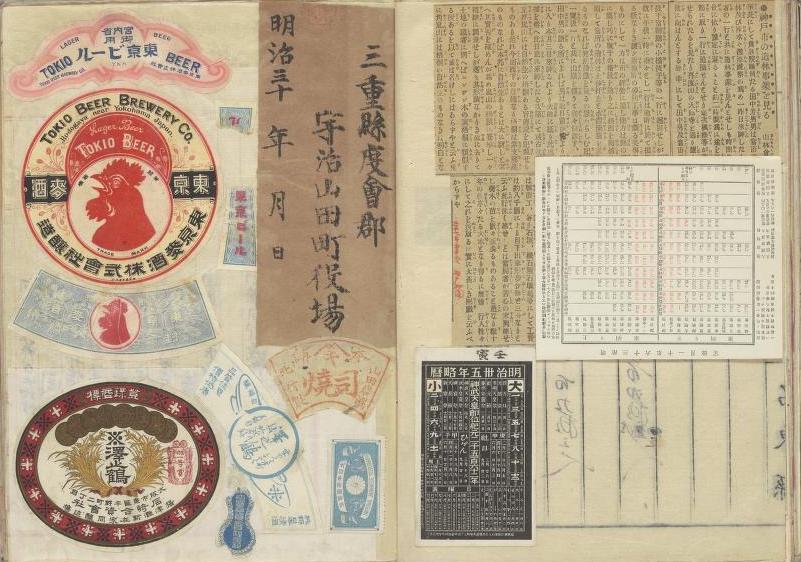
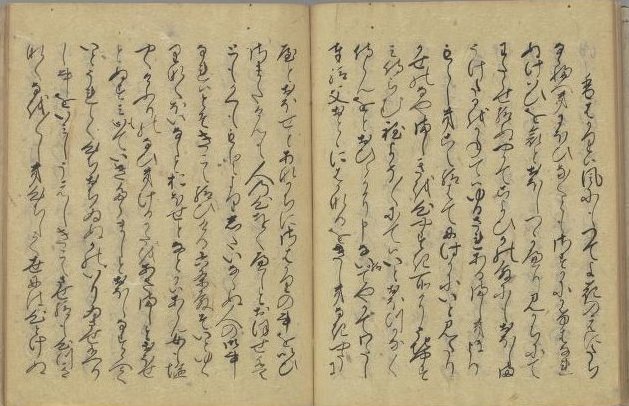
Behold a Beautiful 400-Year-Old ‘Friendship Book’ Featuring the Signatures of Historic Figures

Main­tain­ing the bal­ance of pow­er among Euro­pean states has always been a fraught affair, but it was espe­cial­ly so in the years when mer­can­til­ism made frag­ile alliances dur­ing the reli­gious wars of the 17th cen­tu­ry. This was a time when mer­chants made excel­lent diplo­mats, not only because they trav­eled exten­sive­ly and learned for­eign tongues and cus­toms, but because they spoke the uni­ver­sal lan­guage of trade.

Ger­man mer­chant and diplo­mat Philipp Hain­hofer from Augs­burg was such a fig­ure, trav­el­ing from court to court to meet with Europe’s renowned dig­ni­taries. As he did so, he would ask them to sign his album ami­co­rum, or “friend­ship book,” also called a stamm­buch. Each sign­er would then “com­mis­sion an artist to cre­ate a paint­ing accom­pa­ny­ing their sig­na­tures,” Ali­son Flood writes at The Guardian.

“There are around 100 draw­ings” in his auto­graph book, known as the Große Stamm­buch, “which took more than 50 years to com­pile.” After Hainhofer’s death in 1647, his friend August the Younger—who helped col­lect the hun­dreds of thou­sand of books in the Her­zog August Bibliothek—tried to acquire the book but failed. Now it has final­ly land­ed in the huge library, one of the world’s old­est, almost 400 years lat­er, after a pur­chase at a pri­vate auc­tion this week.

Friend­ship books were com­mon­ly used at the time to record the names of fam­i­ly and friends. Stu­dents used them as year­books, and Hain­hofer began his col­lec­tion of sig­na­tures as a col­lege stu­dent. He grad­u­al­ly gained a select clien­tele as his career advanced. Sig­na­to­ries, the His­to­ry Blog points out, “include Holy Roman Emper­or Rudolf II, anoth­er HRE Matthias, Chris­t­ian IV of Den­mark and Nor­way, Cosi­mo II de’Medici, Grand Duke of Tus­cany…” and many oth­ers.

Hainhofer’s Große Stamm­buch is, as you can see, a beau­ti­ful work of art—or almost 100 col­lect­ed works of art—in its own right. “The elab­o­rate­ness of the illus­tra­tions direct­ly cor­re­sponds to the signatory’s sta­tus and rank in soci­ety,” as Grace Ebert notes at Colos­sal. It is also a fas­ci­nat­ing record of Ear­ly Mod­ern Euro­pean pol­i­tics, trade, and diplo­ma­cy, a fine art all its own.

via Colos­sal

Relat­ed Con­tent:  

160,000 Pages of Glo­ri­ous Medieval Man­u­scripts Dig­i­tized: Vis­it the Bib­lio­the­ca Philadel­phien­sis

800 Illu­mi­nat­ed Medieval Man­u­scripts Are Now Online: Browse & Down­load Them Cour­tesy of the British Library and Bib­lio­thèque Nationale de France

The Vat­i­can Library Goes Online and Dig­i­tizes Tens of Thou­sands of Man­u­scripts, Books, Coins, and More

Josh Jones is a writer and musi­cian based in Durham, NC. Fol­low him at @jdmagness

A Beautiful 1897 Illustrated Book Shows How Flowers Become Art Nouveau Designs

The art of draw­ing is not the art of observ­ing forms and objects alone, it is not mere mim­ic­ry of these objects; it is the art of know­ing how far and where­in, and with what just lim­i­ta­tions, those forms and objects can be repro­duced in a pic­ture, or in a dec­o­ra­tive work. — Eugène Gras­set, 1896

Flow­ers loomed large in Art Nou­veau, from the volup­tuous flo­ral head­pieces that crowned Alphonse Mucha’s female fig­ures to the stained glass ros­es favored by archi­tect Charles Ren­nie Mack­in­tosh.

Graph­ic design­er Eugène Gras­set’s 1897 book, Plants and Their Appli­ca­tion to Orna­ment, vivid­ly demon­strates the ways in which nature was dis­tilled into pop­u­lar dec­o­ra­tive motifs at the end of the 19th-cen­tu­ry.


Twen­ty-four flow­er­ing plants were select­ed for con­sid­er­a­tion, from hum­ble spec­i­mens like dan­de­lions and this­tle to such Art Nou­veau heavy hit­ters as pop­pies and iris­es.

Each flower is rep­re­sent­ed by a real­is­tic botan­i­cal study, with two addi­tion­al col­or plates in which its form is flat­tened out and mined for its dec­o­ra­tive, styl­is­tic ele­ments.


The plates were ren­dered by Grasset’s stu­dents at the École Guérin, young artists whom he had “for­bid­den to con­de­scend to the art of base and servile imi­ta­tion”:

The art of draw­ing is not the art of observ­ing forms and objects alone, it is not mere mim­ic­ry of these objects; it is the art of know­ing how far and where­in, and with what just lim­i­ta­tions, those forms and objects can be repro­duced in a pic­ture, or in a dec­o­ra­tive work.

He also expect­ed stu­dents to hone their pow­ers of obser­va­tion through intense study of the organ­ic struc­tures that would pro­vide their inspi­ra­tion, becom­ing inti­mate­ly acquaint­ed with the char­ac­ter of petal, leaf, and stem:

Beau­ti­ful lines are the foun­da­tion of all beau­ty. In a work of art, what­ev­er it be, appar­ent or hid­den sym­me­try is the vis­i­ble or secret cause of the plea­sure we feel. Every­thing that is cre­at­ed must have some rep­e­ti­tion in its parts to be under­stood, retained in the mem­o­ry, and per­ceived as a whole

When it came to adorn­ing house­hold imple­ments such as vas­es and plates, Gras­set insist­ed that dec­o­ra­tive ele­ments exist in har­mo­ny with their hosts, snip­ing that any artist who would dis­tort form with ill con­sid­ered flour­ish­es should make a bas-relief instead.

Thus­ly do chrysan­the­mum stems pro­vide log­i­cal-look­ing bal­last for a chan­de­lier, and a dandelion’s curved leaves hug the con­tours of a table leg.

Gras­set’s best known stu­dent, Mau­rice Pil­lard Verneuil, whose career spanned Art Nou­veau to Art Deco, absorbed and artic­u­lat­ed the master’s teach­ings:


It is no longer the nature (artists) see that they rep­re­sent, that they tran­scribe, but the nature that they aspire to see; nature more per­fect and more beau­ti­ful and of which they have the inte­ri­or vision.


View Eugène Grasset’s Plants and Their Appli­ca­tion to Orna­ment as part of the New York Pub­lic Library’s Dig­i­tal Col­lec­tions here. Or find illus­tra­tions at Raw­Pix­el.

via The Pub­lic Domain Review

Relat­ed Con­tent:

His­toric Man­u­script Filled with Beau­ti­ful Illus­tra­tions of Cuban Flow­ers & Plants Is Now Online (1826 )

Beau­ti­ful Hand-Col­ored Japan­ese Flow­ers Cre­at­ed by the Pio­neer­ing Pho­tog­ra­ph­er Ogawa Kazu­masa (1896)

Dis­cov­er Emi­ly Dickinson’s Herbar­i­um: A Beau­ti­ful Dig­i­tal Edi­tion of the Poet’s Col­lec­tion of Pressed Plants & Flow­ers Is Now Online

Ayun Hal­l­i­day is an author, illus­tra­tor, the­ater mak­er and Chief Pri­ma­tol­o­gist of the East Vil­lage Inky zine.  Fol­low her @AyunHalliday.

Sylvia Beach Tells the Story of Founding Shakespeare and Company, Publishing Joyce’s Ulysses, Selling Copies of Hemingway’s First Book & More (1962)

Revis­it­ing Ernest Hemingway’s A Move­able Feast a cou­ple of decades after I read it last, I notice a few things right away: I am still moved by the prose and think it’s as impres­sive as ever; I am less moved by the machis­mo and alco­holism and more inter­est­ed in char­ac­ters like Sylvia Beach, founder of Shake­speare and Com­pa­ny, the book­store that served as a base of oper­a­tions for the famed Lost Gen­er­a­tion of writ­ers in Paris.

“Sylvia had a live­ly, sharply sculp­tured face, brown eyes that were as alive as a small animal’s and as gay as a young girl’s,” Hem­ing­way wrote of her in his mem­oir. “She was kind, cheer­ful and inter­est­ed, and loved to make jokes and gos­sip. No one that I ever knew was nicer to me.” Indeed, Hem­ing­way also “recounts being giv­en access to the whole of Sylvia Beach’s library at Shake­speare and Com­pa­ny for free after his first vis­it,” notes writer RJ Smith.

Beach found­ed the shop in 1919, encour­aged (and fund­ed) by her part­ner Adri­enne Mon­nier, who owned a French-lan­guage book­store. Beach’s most­ly Eng­lish-lan­guage Shake­speare and Com­pa­ny would become a lend­ing-library, post office, bank, and even hotel for authors who con­gre­gat­ed there. She sup­port­ed the great expa­tri­ate mod­ernists and host­ed French writ­ers like André Gide and Paul Valéry. She also pub­lished James Joyce’s Ulysses in 1922 when no one else would, after ear­li­er pub­lished excerpts were deemed “obscene.”

Joyce was shaped by Paris, and owed a huge debt of grat­i­tude to Beach, just as read­ers of Ulysses do almost 100 years lat­er. Forty years after the novel’s pub­li­ca­tion, Beach trav­eled to Ire­land to cel­e­brate and sat down for the long inter­view above in which she remem­bers those heady times. She also tells the sto­ry of how a Pres­by­ter­ian minister’s daughter—who went to church in Prince­ton, NJ with Grover Cleve­land and Woodrow Wilson—became a pio­neer­ing out les­bian mod­ernist book­seller in Paris.

Beach remem­bers meet­ing “all the French writ­ers” at Monnier’s shop after her time study­ing at the Sor­bonne and how Amer­i­can writ­ers all came to Paris to escape pro­hi­bi­tion at home. “For Hem­ing­way and his most of his friends,” says Har­vard his­to­ri­an Patrice Higonnet, “Paris was one long binge, all the more enjoy­able because it wasn’t very expen­sive.” For Beach, Paris became home, and Shake­speare and Com­pa­ny a home away from home for waves of expats until the Nazis shut it down in 1941. (Ten years lat­er, a dif­fer­ent Shake­speare and Com­pa­ny was opened by book­seller George Whit­man.)

“They were dis­gust­ed in Amer­i­ca because they couldn’t get a drink,” Beach says, “and they couldn’t get Ulysses. I used to think those were the two great caus­es of their dis­con­tent.” Her inter­views, let­ters, and her own mem­oir, Shake­speare and Com­pa­ny, tell the sto­ry of the Lost Gen­er­a­tion from her point of view, one ani­mat­ed by an absolute devo­tion to lit­er­a­ture, and in par­tic­u­lar, to Joyce, who did not rec­i­p­ro­cate. When Ulysses sold to Ran­dom House in 1932, he offered her no share of his very large advance.

Beach was for­giv­ing. “I under­stood from the first,” she said, “that work­ing with or for Mr. Joyce, the plea­sure was mine—an infi­nite plea­sure: the prof­its were for him.” She was doing some­thing oth­er than run­ning a busi­ness. She was “cross-fer­til­iz­ing,” as French writer Andre Cham­son put it. “She did more to link Eng­land, the Unit­ed States, Ire­land, and France than four great ambas­sadors com­bined.” She did so by giv­ing writ­ers what they need­ed to make the work she knew they could, at a very rare time and place in which such a thing was briefly pos­si­ble.

Relat­ed Con­tent:

Begin­nings Pro­files Shake­speare and Company’s Sylvia Beach Whit­man

The Shake­speare and Com­pa­ny Project Dig­i­tizes the Records of the Famous Book­store, Show­ing the Read­ing Habits of the Lost Gen­er­a­tion

F. Scott Fitzger­ald Has a Strange Din­ner with James Joyce & Draws a Cute Sketch of It (1928)

Josh Jones is a writer and musi­cian based in Durham, NC. Fol­low him at @jdmagness

There Are Only 37 Possible Stories, According to This 1919 Manual for Screenwriters

“Great lit­er­a­ture is one of two sto­ries,” we often quote Leo Tol­stoy as say­ing: “a man goes on a jour­ney or a stranger comes to town.” That’s all well and good for the author of War and Peace, but what about the thou­sands of screen­writ­ers strug­gling to come up with the next hit movie, the next hit tele­vi­sion series, the next hit plat­form-spe­cif­ic web and/or mobile series? Some, of course, have found in that apho­rism a fruit­ful start­ing point, but oth­ers opt for dif­fer­ent premis­es that num­ber the basic plots at three (William Fos­ter-Har­ris), six (researchers at the Uni­ver­si­ty of Vermont’s Com­pu­ta­tion­al Sto­ry Lab), twen­ty (Ronald Tobias), 36 (George Polti) — or, as some strug­gling screen­writ­ers of a cen­tu­ry ago read, 37.

The year was 1919. Amer­i­ca’s biggest block­busters includ­ed D.W. Grif­fith’s Bro­ken Blos­soms, Cecil B. DeMille’s Male and Female, and The Mir­a­cle Man, which made Lon Chaney into a sil­ver-screen icon. The many aspi­rants look­ing to write their way into the ever more cel­e­brat­ed and lucra­tive movie busi­ness could turn to a new­ly pub­lished man­u­al called Ten Mil­lion Pho­to­play Plots by Wycliff Aber Hill. “Hill, who pub­lished more than one aid to strug­gling ‘sce­nar­ists,’ posi­tioned him­self as an author­i­ty on the types of sto­ries that would work well onscreen,” writes Slate’s Rebec­ca Onion. In this book he pro­vides a “tax­on­o­my of pos­si­ble types of dra­mat­ic ‘sit­u­a­tions,’ first run­ning them down in out­line form, then describ­ing each more com­plete­ly and offer­ing pos­si­ble vari­a­tions.”

Hill’s 37 basic dra­mat­ic sit­u­a­tions include such “hap­py sit­u­a­tions” as “res­cue,” “loved ones lost and recov­ered,” and “a mir­a­cle of God”; such “pathet­ic sit­u­a­tions” as “love’s obsta­cles,” “rival­ry between unequals,” and “a mys­tery”; and such “dis­as­trous sit­u­a­tions pre­cip­i­tat­ed with­out crim­i­nal intent” as “pos­sessed of an ambi­tion,” “enmi­ty between kins­men,” and “vengeance.” (Nat­u­ral­ly, Hill also includes a sep­a­rate cat­e­go­ry involv­ing crim­i­nal intent.) These dra­mat­ic con­cepts then break down into more spe­cif­ic sce­nar­ios like “res­cue by strangers who are grate­ful for favors giv­en them by the unfor­tu­nate one,” “an appeal for refuge by the ship­wrecked,” “the sac­ri­fice of hap­pi­ness for the sake of a loved one where the sac­ri­fice is caused by unjust laws,” and “con­ge­nial rela­tions between hus­band and wife made impos­si­ble by the par­ents-in-law.”

Already more than a few films new and old come to mind whose sto­ries pro­ceed from such dra­mat­ic con­cepts. Indeed, one could think of exam­ples from not just cin­e­ma but lit­er­a­ture, tele­vi­sion, the­ater, comics, and oth­er forms of nar­ra­tive art besides. Sit­u­a­tions we all know from real life may also fol­low sim­i­lar con­tours, which plays no small part in giv­ing them their impact when prop­er­ly trans­lat­ed to the screen. Clear­ly aim­ing for time­less­ness, Hill enu­mer­ates plots that could have been employed in sto­ries cen­turies before his time, and will con­tin­ue to be long after ours. But what, exact­ly, is the rela­tion­ship between plot and sto­ry? We now quote E.M. Forster on the mat­ter, specif­i­cal­ly a line from his Aspects of the Nov­el — a book for which Ten Mil­lion Pho­to­play Plots’ first read­ers would have to wait eight more years.

Relat­ed Con­tent:

Kurt Von­negut Dia­grams the Shape of All Sto­ries in a Master’s The­sis Reject­ed by U. Chica­go

Decod­ing the Screen­plays of The Shin­ing, Moon­rise King­dom & The Dark Knight: Watch Lessons from the Screen­play

10 Tips on How to Write a Great Screen­play from Bil­ly Wilder: Pearls of Wis­dom from the Direc­tor of Sun­set Boule­vard, Some Like It Hot, Dou­ble Indem­ni­ty & More

Ray­mond Chan­dler: There’s No Art of the Screen­play in Hol­ly­wood

Aaron Sorkin, Cre­ator of The West Wing & The Social Net­work, Teach­es Screen­writ­ing in an Online Class

Based in Seoul, Col­in Mar­shall writes and broad­casts on cities, lan­guage, and cul­ture. His projects include the book The State­less City: a Walk through 21st-Cen­tu­ry Los Ange­les and the video series The City in Cin­e­ma. Fol­low him on Twit­ter at @colinmarshall, on Face­book, or on Insta­gram.

Essential Reads on Feminism: The New York Public Library Creates a Reading List to Honor the 100th Anniversary of the 19th Amendment

We may all have the best of inten­tions when we col­lect and share read­ing lists. We buy the books, stack them neat­ly by the chair or bed, then some­thing hap­pens. Like… lit­er­al­ly, every day, some­thing hap­pens…. Let’s cut our­selves some slack. We’ll get to those books, or give them away to peo­ple who will read them, which is also a good thing to do.

But even if we can’t keep up, read­ing lists are still essen­tial edu­ca­tion­al tools, espe­cial­ly for kids, young adults, and their par­ents and teach­ers. As we cel­e­brate the cen­te­nary of the 19th Amend­ment (which fell on August 18th) and talk about its many short­com­ings, it may be more impor­tant than ever to under­stand the U.S. his­to­ry that brought us to the cur­rent moment.

This is a his­to­ry in which—whether rights were guar­an­teed by the con­sti­tu­tion or not—peo­ple his­tor­i­cal­ly denied suf­frage have always had to strug­gle. Each gen­er­a­tion of women, but most espe­cial­ly Black, Lat­inx, Indige­nous, and LGBTQ women, must claim or reclaim basic rights, lib­er­ties, and pro­tec­tions. More than ever, fem­i­nist read­ing lists reflect the vast dif­fer­ences in col­lec­tive and per­son­al expe­ri­ence that fall under the label “Fem­i­nist.”

To illus­trate the con­tin­ued crit­i­cal impor­tance of fem­i­nist his­to­ry, the­o­ry, and lit­er­a­ture, the New York Pub­lic Library pub­lished read­ing lists for adults, kids, and teens on the 19th Amendment’s 100th anniver­sary. These books can help cre­ate com­mu­ni­ty and sol­i­dar­i­ty and inspire deep reflec­tion as kids are pushed back into schools and par­ents and teach­ers try to help them cope.

The adult list con­tains 126 books and includes links to the library cat­a­log or e‑Book edi­tions. “The titles bridge the past and present of fem­i­nist move­ments, from Simone de Beauvoir’s The Inde­pen­dent Woman (1949) to Rox­ane Gay’s Bad Fem­i­nist: Essays (2014), and from the ear­li­est man­i­festos for equal­i­ty to con­tem­po­rary writ­ings on inter­sec­tion­al­i­ty,” Valenti­na Di Lis­cia writes at Hyper­al­ler­gic.

The lists for kids and teens are of a more man­age­able length, and “if you’re look­ing to stock the book­shelves before his­to­ry class starts this fall,” you can hard­ly do bet­ter than to start with these titles (or just book­mark the lists for now), as Danielle Valente—who help­ful­ly tran­scribes both lists, below—notes at Time Out New York.

NYPL’s Essen­tial Reads on Fem­i­nism: For Kids 

  • Black Girl Mag­ic by Mahogany L. Browne
  • Black Women Who Dared by Nao­mi M. Moy­er
  • Bold & Brave: Ten Heroes Who Won Women the Right to Vote by Sen­a­tor Kirsten Gilli­brand,
  • Brave. Black. First. 50+ African Amer­i­can Women Who Changed the World by Cheryl Willis Hud­son
  • Delores Huer­ta: A Hero to Migrant Work­ers by Sarah War­ren
  • Eliz­a­beth Start­ed All the Trou­ble by Doreen Rap­pa­port
  • Equal­i­ty’s Call: The Sto­ry of Vot­ing Rights in Amer­i­ca by Deb­o­rah Diesen
  • Good Night Sto­ries for Rebel Girls: 100 Tales of Extra­or­di­nary Women by Ele­na Fav­il­li and Francesca Cav­al­lo
  • The Gut­sy Girl: Escapades for Your Life of Epic Adven­ture by Car­o­line Paul
  • Heart on Fire: Susan B. Antho­ny Votes for Pres­i­dent by Ann Malaspina
  • Her­sto­ry: 50 Women and Girls Who Shook Up the World by Kather­ine Hal­li­gan
  • I Am Enough by Grace Byers
  • I am Jazz by Jes­si­ca Herthel and Jazz Jen­nings
  • Ida B. Wells: Let the Truth Be Told by Wal­ter Dean Myers
  • It Feels Good to Be Your­self: A Book About Gen­der Iden­ti­ty by There­sa Thorn
  • Julián Is a Mer­maid by Jes­si­ca Love
  • Lead­ing the Way: Women in Pow­er by Janet How­ell and There­sa How­ell
  • Lil­lian’s Right to Vote: A Cel­e­bra­tion of the Vot­ing Rights Act of 1965 by Jon­ah Win­ter
  • Lim­it­less: 24 Remark­able Amer­i­can Women of Vision, Grit, and Guts by Leah Tinari
  • Lit­tle Lead­ers: Bold Women in Black His­to­ry by Vashti Har­ri­son
  • Lucía the Luchado­ra by Cyn­thia Leonor Garza
  • Malala’s Mag­ic Pen­cil by Malala Yousafzai
  • Miss Paul and the Pres­i­dent: The Cre­ative Cam­paign for Wom­en’s Right to Vote by Dean Rob­bins
  • The Moon With­in by Aida Salazar
  • My Name Is Truth: The Life of Sojourn­er Truth by Ann Turn­er
  • Noto­ri­ous RBG: The Life and Times of Ruth Bad­er Gins­burg by Irin Car­mon and Shana Knizh­nik
  • Rad Amer­i­can Women A–Z: Rebels, Trail­blaz­ers, and Vision­ar­ies Who Shaped Our His­to­ry… and Our Future! by Kate Schatz
  • Ros­es and Rad­i­cals: The Epic Sto­ry of How Amer­i­can Women Won the Right to Vote by Susan Zimet
  • Shak­ing Things Up: 14 Young Women Who Changed the World by Susan Hood
  • She Per­sist­ed: 13 Amer­i­can Women Who Changed the World by Chelsea Clin­ton
  • They, She, He, Me: Free to Be! by Maya Gon­za­lez and Matthew SG
  • Women Win the Vote!: 19 for the 19th Amend­ment by Nan­cy B. Kennedy


New York Pub­lic Library’s Essen­tial Reads on Fem­i­nism: For Teens 

  • Alice Paul and the Fight for Wom­en’s Rights by Deb­o­rah Kops
  • Ask a Queer Chick: A Guide to Sex, Love, and Life for Girls Who Dig Girls by Lind­say King-Miller
  • Because I Was a Girl: True Sto­ries for Girls of All Ages by Melis­sa de la Cruz
  • Beyond Magen­ta: Trans­gen­der Teens Speak Out by Susan Kuk­lin
  • Beyond the Gen­der Bina­ry by Alok Vaid-Menon
  • Brazen: Rebel Ladies Who Rocked the World by Péné­lope Bagieu
  • The Bride Was a Boy by Chii
  • Col­o­nize This!: Young Women of Col­or on Today’s Fem­i­nism by Daisy Hernán­dez and Bushra Rehman (eds.)
  • Dear Ijeawele, or a Fem­i­nist Man­i­festo In Fif­teen Sug­ges­tions by Chi­ma­man­da Ngozi Adichie
  • Fem­i­nism Is… by Alexan­dra Black, Lau­ra Buller, Emi­ly Hoyle and Dr. Megan Todd
  • Fem­i­nism: Rein­vent­ing the F‑Word by Nadia Abushanab Hig­gins
  • Fierce Femmes and Noto­ri­ous Liars: A Dan­ger­ous Trans Girl’s Con­fab­u­lous Mem­oir by Kai Cheng Thom
  • Fight Like a Girl: 50 Fem­i­nists Who Changed the World by Lau­ra Bar­cel­la
  • Full Frontal Fem­i­nism: A Young Wom­an’s Guide to Why Fem­i­nism Mat­ters by Jes­si­ca Valen­ti
  • Girl Ris­ing: Chang­ing the World One Girl at a Time by Tanya Lee Stone
  • Girls Resist!: A Guide to Activism, Lead­er­ship, and Start­ing a Rev­o­lu­tion by Kae­Lyn Rich
  • Girls Write Now: Two Decades of True Sto­ries from Young Female Voic­es
  • Here We Are: Fem­i­nism for the Real World by Kel­ly Jensen (ed.)
  • I Know Why the Caged Bird Sings by Maya Angelou
  • I, Rigob­er­ta Menchú: An Indi­an Woman In Guatemala by Rigob­er­ta Menchú
  • Light­ing the Fires of Free­dom: African Amer­i­can Women in the Civ­il Rights Move­ment by Janet Dewart Bell
  • Mod­ern Her­sto­ry: Sto­ries of Women and Non­bi­na­ry Peo­ple Rewrit­ing His­to­ry by Blair Imani
  • Mus­lim Girl: A Com­ing of Age by Amani Al-Khataht­beh
  • Not for Our­selves Alone: The Sto­ry of Eliz­a­beth Cady Stan­ton and Susan B. Antho­ny by Geof­frey C. Ward and Ken Burns
  • #NotY­our­Princess: Voic­es of Native Amer­i­can Women by Lisa Charley­boy and Mary Beth Leatherdale (eds.)
  • Rethink­ing Nor­mal: A Mem­oir in Tran­si­tion by Katie Rain Hill
  • She Came to Slay: The Life and Times of Har­ri­et Tub­man by Eri­ca Arm­strong Dun­bar
  • Sis­sy: A Com­ing-of-Gen­der Sto­ry by Jacob Tobia
  • Tomboy: A Graph­ic Mem­oir by Liz Prince
  • Trans Teen Sur­vival Guide by Owl and Fox Fish­er
  • Trans+: Love, Sex, Romance, and Being You by Kathryn Gon­za­les and Karen Rayne
  • Votes for Women!: Amer­i­can Suf­frag­ists and the Bat­tle for the Bal­lot by Winifred Con­kling
  • With Courage and Cloth: Win­ning the Fight for a Wom­an’s Right to Vote by Ann Bausum
  • You Don’t Have to Like Me: Essays on Grow­ing Up, Speak­ing Out, and Find­ing Fem­i­nism by Ali­da Nugent
  • Ama­zons, Abo­li­tion­ists, and Activists: A Graph­ic His­to­ry of Wom­en’s Fight for Their Rights by Mik­ki Kendall

This is, indeed, an excel­lent place to start. Giv­en younger gen­er­a­tions’ lev­els of engage­ment with cur­rent events, it’s like­ly your kids or stu­dents are already famil­iar with many of the new­er books on the lists.

And if you, your­self, need some less daunt­ing bib­li­ogra­phies to get you start­ed, you might also check out Emi­ly Temple’s “40 New Fem­i­nist Clas­sics” list on LitHub or her (short­er and less diverse) “10 Essen­tial Fem­i­nist Books” at The Atlantic, or fem­i­nist writer Mona Eltahawy’s list of Black fem­i­nist books on Twit­ter, or for­mer NFL play­er Wade Davis and Cor­nell Eng­lish pro­fes­sor Muko­ma Wa Ngugi’s lists for “men who care about fem­i­nism.”

If there’s any over­ar­ch­ing theme to be found among such a vast and ever-expand­ing canon of fem­i­nist lit­er­a­ture, it might be summed up best in the title of a recent Angela Davis book on fem­i­nist move­ments around the world: “Free­dom is a con­stant strug­gle.”

Relat­ed Con­tent:

11 Essen­tial Fem­i­nist Books: A New Read­ing List by The New York Pub­lic Library

Down­load All 239 Issues of Land­mark UK Fem­i­nist Mag­a­zine Spare Rib Free Online

103 Essen­tial Films By Female Film­mak­ers: Clue­less, Lost In Trans­la­tion, Ishtar and More

Josh Jones is a writer and musi­cian based in Durham, NC. Fol­low him at @jdmagness

« Go BackMore in this category... »
Quantcast