Joni Mitchell Publishes a Book of Her Rarely Seen Paintings & Poetry

Self Portrait.”Art work by Joni Mitchell, from “Morn­ing Glo­ry on the Vine” / Cour­tesy Houghton Mif­flin Har­court

Joni Mitchell is a woman of many talents—too many for the label “singer-song­writer” to encom­pass. It does not cap­ture the lit­er­ary depth of her lyri­cism, the unique strength of her dis­tinc­tive voice, or the deft­ness and ver­sa­til­i­ty of her gui­tar play­ing. Nor the fact that she’s one of the most inter­est­ing per­son­al­i­ties in rock (or folk-rock­/­folk/­folk-jazz, what­ev­er). Mitchell’s biog­ra­phy is riv­et­ing; her chat­ty and can­tan­ker­ous inter­views a treat.

And, if you some­how didn’t know from her many album cov­ers, Mitchell is also an accom­plished visu­al artist. “I have always thought of myself as a painter derailed by cir­cum­stance,” she said in 2000. “I sing my sor­row and I paint my joy.” It’s a great quote, though she also sings her joy and paints sorrow—as in the por­trait of her hero, Miles Davis, made just after his death. (Davis was a painter too, and they bond­ed over art.)

Mitchell began sell­ing her work “when I was in high school to den­tists, doctors—small time,” she told Rolling Stone in 1990. She has writ­ten poet­ry since her teenage years. Her imag­is­tic song­writ­ing came from a love of lit­er­ary lan­guage. “I wrote poet­ry,” she says, “and I always want­ed to make music. But I nev­er put the two things togeth­er,” until she heard Dylan’s “Pos­i­tive­ly Fourth Street” and real­ized “you could make your songs lit­er­a­ture.”

Painter, poet, singer, song­writer, guitarist—all of the artis­tic sides of Mitchell have min­gled through­out her career in the visu­al splen­dor of her cov­ers, com­po­si­tions, and lyrics. They also came togeth­er in a rare 1971 book. After the release of Blue, Mitchell “gath­ered more than thir­ty draw­ings and water­col­ors in a ring binder and paired them with hand­writ­ten lyrics and bits of poet­ry,” writes Aman­da Petru­sich at The New York­er.

She had the book hand­bound in an edi­tion of 100 copies and gave it to friends for the hol­i­days, call­ing it “The Christ­mas Book.” Now it has a dif­fer­ent title, Morn­ing Glo­ry on the Vine, for a new edi­tion to be released Octo­ber 22nd. Part of the exten­sive cel­e­bra­tions for Mitchell’s 75th birth­day, this edi­tion ful­fills a decade-long desire for the artist. “I always want­ed to redo it and sim­pli­fy the pre­sen­ta­tion,” she tells Petru­sich. “Work is meant to be seen.”

The col­lec­tion “feels con­so­nant with Mitchell’s song­writ­ing” in that it cap­tures “tan­ta­liz­ing details about home,” in this case the home in Lau­rel Canyon that she shared with Gra­ham Nash, the inspi­ra­tion for the Cros­by, Stills & Nash song “Our House.” Still life com­po­si­tions and self-por­traits, both “vivid” and “inti­mate,” com­ple­ment her vul­ner­a­ble, play­ful, “fun­ny and weird,” lyrics and vers­es. You can see more of the paint­ings from Morn­ing Glo­ry on the Vine at The New York­er and order a copy of the book here.

Relat­ed Con­tent:

See Clas­sic Per­for­mances of Joni Mitchell from the Very Ear­ly Years–Before She Was Even Named Joni Mitchell (1965/66)

How Joni Mitchell Wrote “Wood­stock,” the Song that Defined the Leg­endary Music Fes­ti­val, Even Though She Wasn’t There (1969)

Songs by Joni Mitchell Re-Imag­ined as Pulp Fic­tion Book Cov­ers & Vin­tage Movie Posters

Josh Jones is a writer and musi­cian based in Durham, NC. Fol­low him at @jdmagness

F. Scott Fitzgerald Creates a List of 22 Essential Books (1936)


In 1936 — per­haps the dark­est year of his life — F. Scott Fitzger­ald was con­va­lesc­ing in a hotel in Asheville, North Car­oli­na, when he offered his nurse a list of 22 books he thought were essen­tial read­ing. The list, above, is writ­ten in the nurse’s hand.

Fitzger­ald had moved into Asheville’s Grove Park Inn that April after trans­fer­ring his wife Zel­da, a psy­chi­atric patient, to near­by High­land Hos­pi­tal. It was the same month that Esquire pub­lished his essay “The Crack Up”, in which he con­fessed to a grow­ing aware­ness that “my life had been a draw­ing on resources that I did not pos­sess, that I had been mort­gag­ing myself phys­i­cal­ly and spir­i­tu­al­ly up to the hilt.”

Fitzger­ald’s finan­cial and drink­ing prob­lems had reached a crit­i­cal stage. That sum­mer he frac­tured his shoul­der while div­ing into the hotel swim­ming pool, and some­time lat­er, accord­ing to Michael Cody at the Uni­ver­si­ty of South Car­oli­na’s Fitzger­ald Web site, “he fired a revolver in a sui­cide threat, after which the hotel refused to let him stay with­out a nurse. He was attend­ed there­after by Dorothy Richard­son, whose chief duties were to pro­vide him com­pa­ny and try to keep him from drink­ing too much. In typ­i­cal Fitzger­ald fash­ion, he devel­oped a friend­ship with Miss Richard­son and attempt­ed to edu­cate her by pro­vid­ing her with a read­ing list.”

It’s a curi­ous list. Shake­speare is omit­ted. So is James Joyce. But Nor­man Dou­glas and Arnold Ben­nett make the cut. Fitzger­ald appears to have restrict­ed his selec­tions to books that were avail­able at that time in Mod­ern Library edi­tions. At the top of the page, Richard­son writes “These are books that Scott thought should be required read­ing.”

via The Uni­ver­si­ty of South Car­oli­na

Relat­ed Con­tent:

Ernest Hem­ing­way Cre­ates a Read­ing List for a Young Writer, 1934

Sev­en Tips From F. Scott Fitzger­ald on How to Write Fic­tion

Rare Footage of Scott and Zel­da Fitzger­ald From the 1920s

The Story of Ziggy Stardust Gets Chronicled in a New Graphic Novel, Featuring a Foreword by Neil Gaiman

Film has always been a medi­um that seeks to enter­tain as well as edi­fy, fram­ing thrills and chills for prof­it, and fram­ing com­po­si­tions deserv­ing of the label of “art.” Very often it has done both at the same time. Every casu­al stu­dent of the medi­um will, at least, admit this much. But nev­er have the dif­fer­ences between movie art and enter­tain­ment seemed as mag­ni­fied and polar­ized as they are now, in the midst of debates about com­ic book fran­chis­es and the fine art we call cin­e­ma.

What­ev­er the rea­sons, film has not reached the détente between art and enter­tain­ment achieved by pop­u­lar music—another medi­um depen­dent on late-19th/20th cen­tu­ry record­ing tech­nolo­gies and born of a thor­ough­ly mod­ern com­mer­cial matrix. Of course, not all pop aspires to art. But the idea that music can be huge­ly entertaining—drawing on the “low” gen­res of fan­ta­sy, sci­ence fic­tion, and com­ic books—and also wor­thy of cul­tur­al immor­tal­i­ty has become uncon­tro­ver­sial in large part because of the career of one musi­cian.

David Bowie, rock and roll’s orig­i­nal space alien super­hero, used his bank­able per­son­ae through the decades to give cre­dence to the idea of “art rock,” to real­ize its glam pos­si­bil­i­ties, to turn the rock auteur into an actor. He learned from a host of exper­i­menters, both his direct influ­ences and his spir­i­tu­al pre­de­ces­sors. And he inspired a legion of suc­ces­sors who weren’t afraid to play char­ac­ters in their work, to mix inter­ests in phi­los­o­phy, lit­er­a­ture, and the occult with the flam­boy­ant, campy styles of the comics. (A mix comics them­selves played with in both pop­u­lar and under­ground man­i­fes­ta­tions.)

Bowie embod­ied the future when he appeared on the scene as Zig­gy in 1972, after years of labor­ing in obscu­ri­ty and a few fleet­ing brush­es with fame. “The incar­na­tions of David Bowie were, in them­selves, sci­ence fic­tion­al, “writes Neil Gaiman in the for­ward to a new graph­ic nov­el, BOWIE: Star­dust, Ray­guns, & Moon­age Day­dreams, which tells the sto­ry of Bowie’s rise as Zig­gy. “All I was miss­ing was a Bowie com­ic,” says Gaiman of his own fan­dom. “And, miss­ing it, I would draw bad Bowie comics myself.” Zig­gy Star­dust espe­cial­ly called for such treat­ment.

Bowie wore the glam rock Mar­t­ian mask with such com­mit­ment no one doubt­ed that he meant it—only what, exact­ly, he meant by it. “He defied clas­si­fi­ca­tion,” notes Simon & Schus­ter, “with his psy­che­del­ic aes­thet­ics, his larg­er-than-life image, and his way of hov­er­ing on the bor­der of the sur­re­al.” Fit­ting­ly, the com­ic is drawn by an artist who real­ized a psy­che­del­ic, sur­re­al­ist cre­ative vision of Neil Gaiman’s: Michael Allred, who worked on the Sand­man series.

The sto­ry, “part biog­ra­phy and part imag­i­na­tion,” reports Rolling Stone, is writ­ten by Steve Hor­ton and col­ored by Lau­ra Allred. You can order a copy here.

via Rolling Stone

Relat­ed Con­tent:

96 Draw­ings of David Bowie by the “World’s Best Com­ic Artists”: Michel Gondry, Kate Beat­on & More

David Bowie Songs Reimag­ined as Pulp Fic­tion Book Cov­ers: Space Odd­i­ty, Heroes, Life on Mars & More

Fred­die Mer­cury Reimag­ined as Com­ic Book Heroes

Josh Jones is a writer and musi­cian based in Durham, NC. Fol­low him at @jdmagness

A 900-Page Pre-Pantone Guide to Color from 1692: A Complete Digital Scan

Human beings got along per­fect­ly well for hun­dreds of mil­len­nia with­out stan­dard­ized tax­onomies of col­or, but they didn’t do so in a glob­al­ly con­nect­ed cul­ture full of logos, brands, and 24/7 screens. It’s arguable whether the world as we now see it would have been pos­si­ble with­out monop­o­lis­tic col­or sys­tems like Pan­tone. They may cir­cum­scribe the visu­al world and dic­tate col­or from above. But they also enable inter­na­tion­al design prin­ci­ples and visu­al lan­guages that trans­late eas­i­ly every­where.

These cir­cum­stances did not yet exist in 1692, when Dutch artist A. Boogert cre­at­ed a huge, almost 900-page book on col­or, Traité des couleurs ser­vant à la pein­ture à l’eau. But they were slow­ly com­ing into being, thanks to stud­ies by philoso­pher-sci­en­tists like Isaac New­ton.

Boogert’s book took enlight­en­ment work on optics in a more rig­or­ous design direc­tion than any of his con­tem­po­raries, antic­i­pat­ing a num­ber of influ­en­tial books on col­or to come in the fol­low­ing cen­turies, such as the art his­to­ry-mak­ing stud­ies by Johann Wolf­gang von Goethe and a book on col­or used by Charles Dar­win dur­ing his Bea­gle voy­age.

Boogert’s exhaus­tive study includes hand­writ­ten notes and descrip­tions and hun­dreds of hand-paint­ed col­or swatch­es. This above-and-beyond effort was not, how­ev­er, made for sci­en­tif­ic or indus­tri­al pur­pos­es but as a guide for artists, show­ing how to mix water­col­ors to make every col­or in the spec­trum. The author even includes a com­pre­hen­sive unit on whites, grays, and blacks. How much his­tor­i­cal influ­ence did Boogert’s text have on the devel­op­ment of stan­dard­ized col­or sys­tems, we might won­der? Hard­ly any at all. Its sin­gle copy, notes Colos­sal, “was prob­a­bly seen by very few eyes.”

The obscure book dis­ap­peared in the archives of the Bib­lio­thèque Méjanes in Aix-en-Provence, France. That is, until its dis­cov­ery recent­ly by Medieval book his­to­ri­an Erik Kwakkel, who post­ed scans on his Tum­blr and trans­lat­ed some of the intro­duc­tion from the orig­i­nal Dutch. Since then, the com­plete text has come online: 898 pages of high-res­o­lu­tion dig­i­tal scans at the Bib­lio­thèque Méjanes site. (Go to this page, click on the pic­ture, then click on the arrows in the low­er right side of the page to move through the book.)

If you read Dutch, all the bet­ter to appre­ci­ate this rare his­toric arti­fact. But you don’t need to under­stand A. Boogert’s expla­na­tions on water­col­or tech­nique to be stag­gered by the incred­i­ble amount of work that went into this ear­ly, over­looked labor of love for sys­tem­at­ic approach­es to col­or. Enter the full text here.

h/t David Hale

Relat­ed Con­tent:

A Vision­ary 115-Year-Old Col­or The­o­ry Man­u­al Returns to Print: Emi­ly Noyes Vanderpoel’s Col­or Prob­lems

The Vibrant Col­or Wheels Designed by Goethe, New­ton & Oth­er The­o­rists of Col­or (1665–1810)

Goethe’s The­o­ry of Col­ors: The 1810 Trea­tise That Inspired Kandin­sky & Ear­ly Abstract Paint­ing

Werner’s Nomen­cla­ture of Colour, the 19th-Cen­tu­ry “Col­or Dic­tio­nary” Used by Charles Dar­win (1814)

Josh Jones is a writer and musi­cian based in Durham, NC. Fol­low him at @jdmagness

The Japanese Fairy Tale Series: The Illustrated Books That Introduced Western Readers to Japanese Tales (1885–1922)

Every­one in Japan knows the sto­ry of Momo­taro, the boy born from a peach who goes on to defeat the maraud­ing ogres known as oni. The old­est known writ­ten ver­sions of Momo­taro’s adven­tures date back to the 17th cen­tu­ry, but even then the tale almost cer­tain­ly had a long his­to­ry of pas­sage through oral tra­di­tion. And though Momo­taro may well be the best-known Japan­ese folk hero, his sto­ry is just one in a body of folk­lore vast enough that few, even among avid enthu­si­asts, can claim to have mas­tered it in its entire­ty.

That vast body of Japan­ese folk­lore has pro­vid­ed no small amount of inspi­ra­tion to comics, ani­ma­tion, and the oth­er mod­ern forms of sto­ry­telling that have brought many of these folk­tales to wider audi­ences — even glob­al audi­ences, a project that began in the late 19th cen­tu­ry.

Their West­ern pop­u­lar­iza­tion has no greater fig­ure­head than Laf­ca­dio Hearn. A Greek-British writer who moved to Japan in 1890, Hearn lat­er became a nat­u­ral­ized Japan­ese cit­i­zen and wrote such books as Japan­ese Fairy Tales, Kwaidan: Sto­ries and Stud­ies of Strange Things, and The Boy Who Drew Cats.

That last title, an Eng­lish ver­sion of a Japan­ese folk­tale about a child who van­quish­es a gob­lin rat in a monastery by draw­ing its nat­ur­al ene­mies on the monastery walls, was also adapt­ed in a series of beau­ti­ful­ly illus­trat­ed crêpe-paper chil­dren’s books put out by an enter­pris­ing Japan­ese pub­lish­er named Take­jiro Hasegawa. “In twen­ty vol­umes, pub­lished between 1885 and 1922, the Fairy Tale series intro­duced tra­di­tion­al Japan­ese folk tales, first to read­ers of Eng­lish and French, and lat­er to read­ers of Ger­man, Span­ish, Por­tuguese, Dutch, and Russ­ian,” writes the Pub­lic Domain Review’s Christo­pher DeCou.

Want­i­ng to mod­el the books on Japan­ese antholo­gies pub­lished in the six­teenth cen­tu­ry, Hasegawa hired tra­di­tion­al Japan­ese wood­block print­ers like Kobyashi EitakuSuzu­ki Kason, and Chikanobu to illus­trate them. And, for the trans­la­tion work, he drew on the local mis­sion­ary com­mu­ni­ty to which his own Eng­lish edu­ca­tion had put him in con­tact. “The ear­li­est vol­umes in the Japan­ese Fairy Tale Series real­ly were very much a prod­uct of Tokyo’s close-knit expat com­mu­ni­ty,” DeCou writes. A grow­ing West­ern inter­est in Japon­isme, as well as “Hasewaga’s wheel­ing and deal­ing at World’s Fairs” and the good sense to bring the famous Hearn aboard the project, made the Japan­ese Fairy Tale Series into an endur­ing inter­na­tion­al suc­cess.

“At a time when pub­lish­ing hous­es in Lon­don and New York dom­i­nat­ed the mar­ket,” DeCou writes, “Hasegawa’s press in Tokyo was pro­duc­ing equal­ly beau­ti­ful vol­umes using tra­di­tion­al Japan­ese craft­work and broad­cast­ing Japan’s cul­ture to the world.” You can see more pages of the Japan­ese Fairy Tale Books at the Pub­lic Domain Review, and com­plete dig­i­ti­za­tions at the site of book deal­er George Bax­ley as well as at the Pub­lic Library of Cincin­nati and Hamil­ton Coun­ty and the Inter­net Archive. Like Hearn, Hasegawa under­stood that Japan­ese folk­lore had the appeal to cross tem­po­ral and cul­tur­al bound­aries. But could even he have imag­ined that the very books in which he pub­lished them would still draw such fas­ci­na­tion more than a cen­tu­ry lat­er?

via Pub­lic Domain Review

Relat­ed Con­tent:

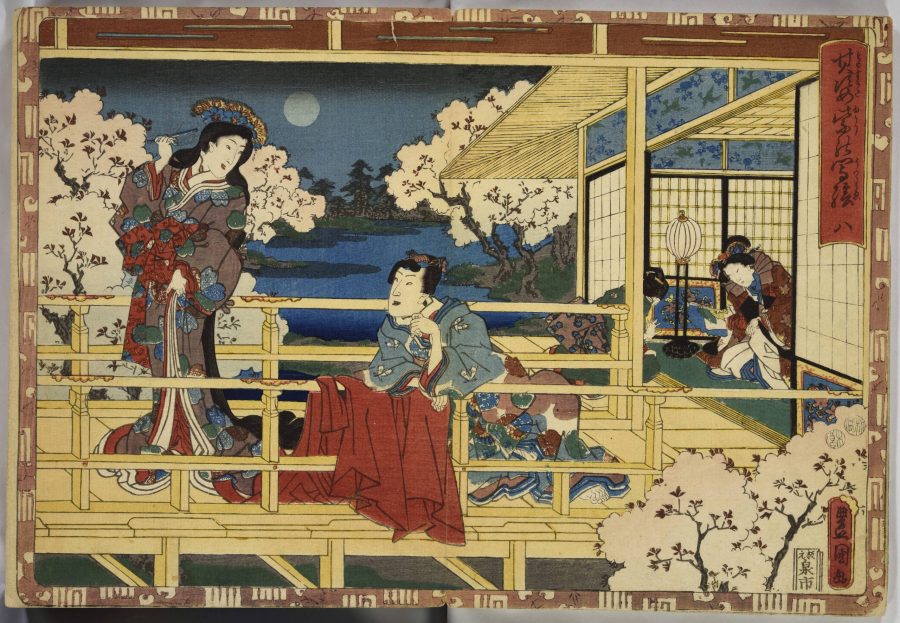
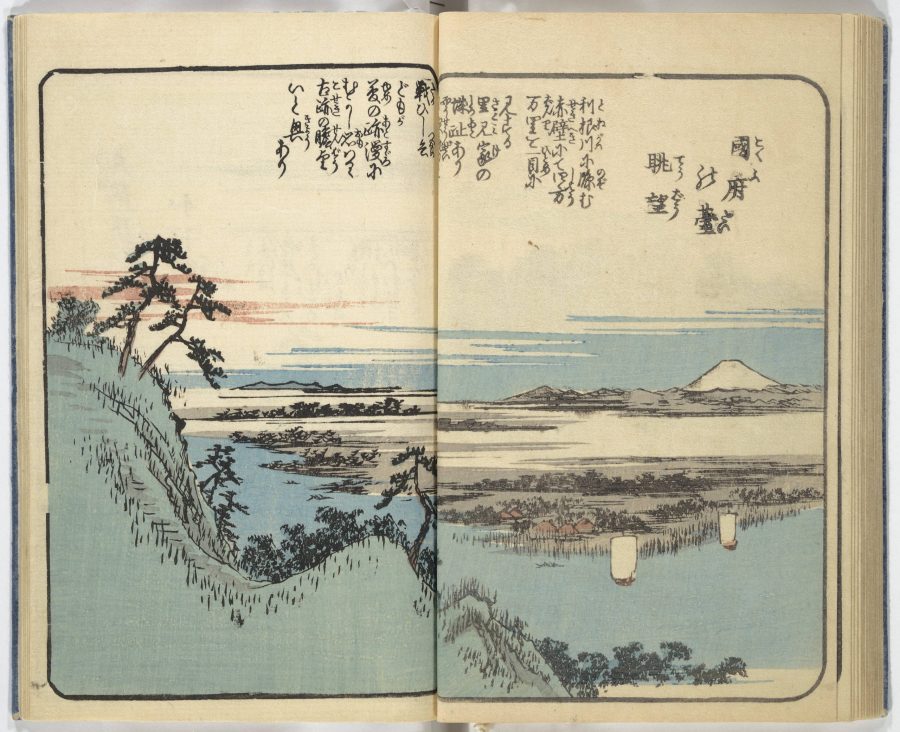
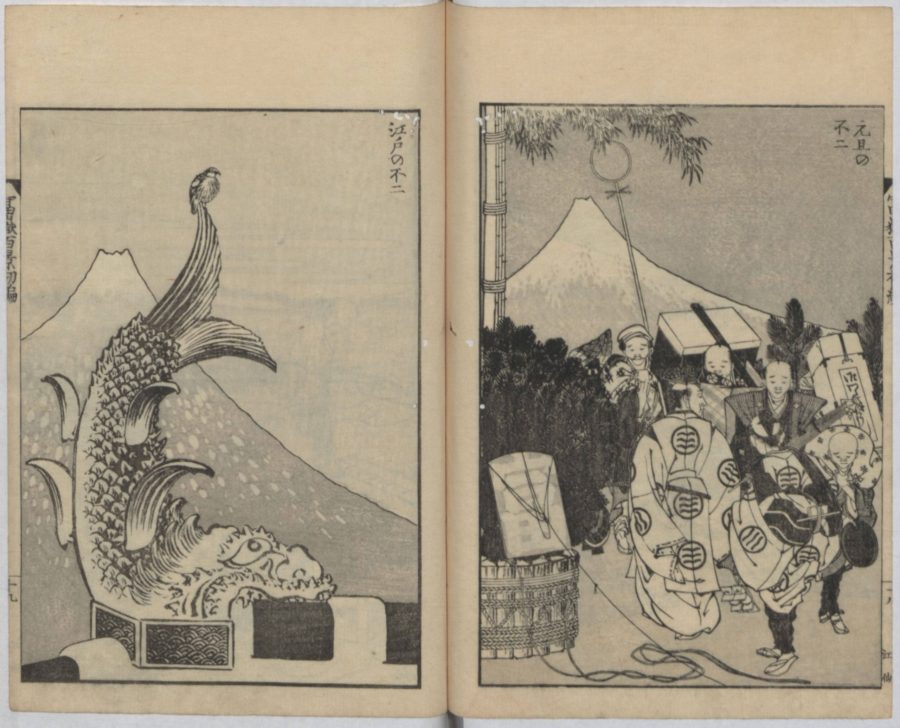
1,000+ His­toric Japan­ese Illus­trat­ed Books Dig­i­tized & Put Online by the Smith­son­ian: From the Edo & Meji Eras (1600–1912)

Splen­did Hand-Scroll Illus­tra­tions of The Tale of Gen­jii, The First Nov­el Ever Writ­ten (Cir­ca 1120)

A Won­der­ful­ly Illus­trat­ed 1925 Japan­ese Edi­tion of Aesop’s Fables by Leg­endary Children’s Book Illus­tra­tor Takeo Takei

A Japan­ese Illus­trat­ed His­to­ry of Amer­i­ca (1861): Fea­tures George Wash­ing­ton Punch­ing Tigers, John Adams Slay­ing Snakes & Oth­er Fan­tas­tic Scenes

The First Muse­um Ded­i­cat­ed to Japan­ese Folk­lore Mon­sters Is Now Open

Enter a Dig­i­tal Archive of 213,000+ Beau­ti­ful Japan­ese Wood­block Prints

Based in Seoul, Col­in Mar­shall writes and broad­casts on cities, lan­guage, and cul­ture. His projects include the book The State­less City: a Walk through 21st-Cen­tu­ry Los Ange­les and the video series The City in Cin­e­ma. Fol­low him on Twit­ter at @colinmarshall or on Face­book.

Libraries & Archivists Are Digitizing 480,000 Books Published in 20th Century That Are Secretly in the Public Domain

Image by Jason “Textfiles” Scott, via Wiki­me­dia Com­mons

All books in the pub­lic domain are free. Most books in the pub­lic domain are, by def­i­n­i­tion, on the old side, and a great many aren’t easy to find in any case. But the books now being scanned and uploaded by libraries aren’t quite so old, and they’ll soon get much eas­i­er to find. They’ve fall­en through a loop­hole because their copy­right-hold­ers nev­er renewed their copy­right, but until recent­ly the tech­nol­o­gy was­n’t quite in place to reli­ably iden­ti­fy and dig­i­tal­ly store them.

Now, though, as Vice’s Karl Bode writes, “a coali­tion of archivists, activists, and libraries are work­ing over­time to make it eas­i­er to iden­ti­fy the many books that are secret­ly in the pub­lic domain, dig­i­tize them, and make them freely avail­able online to every­one.” These were pub­lished between 1923 and 1964, and the goal of this dig­i­ti­za­tion project is to upload all of these sur­pris­ing­ly out-of-copy­right books to the Inter­net Archive, a glimpse of whose book-scan­ning oper­a­tion appears above.

“His­tor­i­cal­ly, it’s been fair­ly easy to tell whether a book pub­lished between 1923 and 1964 had its copy­right renewed, because the renew­al records were already dig­i­tized,” writes Bode. “But prov­ing that a book hadn’t had its copy­right renewed has his­tor­i­cal­ly been more dif­fi­cult.” You can learn more about what it takes to do that from this blog post by New York Pub­lic Library Senior Prod­uct Man­ag­er Sean Red­mond, who first crunched the num­bers and esti­mat­ed that 70 per­cent of the titles pub­lished over those 41 years may now be out of copy­right: “around 480,000 pub­lic domain books, in oth­er words.”

The first impor­tant stage is the con­ver­sion of copy­right records into the XML for­mat, a large part of which the New York Pub­lic Library has recent­ly com­plet­ed. Bode also men­tions a soft­ware devel­op­er and sci­ence fic­tion author named Leonard Richard­son who has writ­ten Python scripts to expe­dite the process (includ­ing a match­ing script to iden­ti­fy poten­tial­ly non-renewed copy­rights in the Inter­net Archive col­lec­tion) and a bot that iden­ti­fies new­ly dis­cov­ered secret­ly pub­lic-domain books dai­ly. Richard­son him­self under­scores the neces­si­ty of vol­un­teers to take on tasks like seek­ing out a copy of each such book, “scan­ning it, proof­ing it, then putting out HTML and plain-text edi­tions.”

This work is now hap­pen­ing at Amer­i­can libraries and among vol­un­teers from orga­ni­za­tions like Project Guten­berg. The Inter­net Archive’s Jason Scott has also pitched in with his own resources, recent­ly putting out a call for more help on the “very bor­ing, VERY BORING (did I men­tion bor­ing)” project of deter­min­ing “which books are actu­al­ly in the pub­lic domain to either sur­face them on or help make a hitlist.” Of course, many more obvi­ous­ly stim­u­lat­ing tasks exist even in the realm of dig­i­tal archiv­ing. But then, each secret­ly pub­lic-domain book iden­ti­fied, found, scanned, and uploaded brings human­i­ty’s print and dig­i­tal civ­i­liza­tions one step clos­er togeth­er. What­ev­er comes out of that union, it cer­tain­ly won’t be bor­ing.

via Vice

Relat­ed Con­tent:

Pub­lic Domain Day Is Final­ly Here!: Copy­right­ed Works Have Entered the Pub­lic Domain Today for the First Time in 21 Years

11,000 Dig­i­tized Books From 1923 Are Now Avail­able Online at the Inter­net Archive

British Library to Offer 65,000 Free eBooks

Down­load for Free 2.6 Mil­lion Images from Books Pub­lished Over Last 500 Years on Flickr

Free: You Can Now Read Clas­sic Books by MIT Press on Archive.org

The Library of Con­gress Launch­es the Nation­al Screen­ing Room, Putting Online Hun­dreds of His­toric Films

Based in Seoul, Col­in Mar­shall writes and broad­casts on cities, lan­guage, and cul­ture. His projects include the book The State­less City: a Walk through 21st-Cen­tu­ry Los Ange­les and the video series The City in Cin­e­ma. Fol­low him on Twit­ter at @colinmarshall or on Face­book.

Public Library Receipt Shows How Much Money You’ve Saved by Borrowing Books, Instead of Buying Them

Wichi­ta Pub­lic Library has a neat sys­tem. They write on their blog: “Every time mate­ri­als are bor­rowed from the Wichi­ta Pub­lic Library (WPL) cus­tomers receive a receipt show­ing how much they have saved in that vis­it, the year to date, and their life­time sav­ings. The infor­ma­tion is dis­played on the receipt sim­i­lar to the ways that retail stores show sav­ings to club mem­bers or coupon users.” They then go on to add: “So far this year, the high­est dol­lar amount saved by a cus­tomer’s account is $64,734.12. And the high­est dol­lar amount saved by a cus­tomer’s account since this fea­ture was imple­ment­ed is $196,076.21.” Every book adds up…

If you would like to sign up for Open Culture’s free email newslet­ter, please find it here. It’s a great way to see our new posts, all bun­dled in one email, each day.

If you would like to sup­port the mis­sion of Open Cul­ture, con­sid­er mak­ing a dona­tion to our site. It’s hard to rely 100% on ads, and your con­tri­bu­tions will help us con­tin­ue pro­vid­ing the best free cul­tur­al and edu­ca­tion­al mate­ri­als to learn­ers every­where. You can con­tribute through Pay­Pal, Patre­on, and Ven­mo (@openculture). Thanks!

via Red­dit/Boing Boing

by | Permalink | Make a Comment ( 9 ) |

Why Should You Read Haruki Murakami? An Animated Video on His “Epic Literary Puzzle” Kafka on the Shore Makes the Case

Haru­ki Murakami’s vast inter­na­tion­al fan base includes peo­ple ded­i­cat­ed to lit­er­a­ture. It also includes peo­ple who have bare­ly cracked any books in their lives — apart, that is, from Murakami’s nov­els with their dis­tinc­tive mix­ture of the light­heart­ed with the grim and the mun­dane with the uncan­ny. Since the pub­li­ca­tion of his first nov­el, Hear the Wind Sing, 40 years ago in his native Japan, Muraka­mi has become both a lit­er­ary phe­nom­e­non and an extra-lit­er­ary phe­nom­e­non, and dif­fer­ent read­ers endorse dif­fer­ent paths into his unique tex­tu­al realm.

The TED-Ed video above makes the case for one fan favorite in par­tic­u­lar: 2002’s Kaf­ka on the Shore, an “epic lit­er­ary puz­zle filled with time trav­el, hid­den his­to­ries, and mag­i­cal under­worlds. Read­ers delight in dis­cov­er­ing how the mind-bend­ing imagery, whim­si­cal char­ac­ters and eerie coin­ci­dences fit togeth­er.” So says the video’s nar­ra­tor, read­ing from a les­son writ­ten by lit­er­ary schol­ar Iseult Gille­spie (who has also made cas­es for Charles Dick­ens, Vir­ginia Woolf, and Ray Brad­bury).

Muraka­mi tells this sto­ry, and keeps it fresh through more than 500 pages, by alter­nat­ing between two point-of-view char­ac­ters: a teenag­er “des­per­ate to escape his tyran­ni­cal father and the fam­i­ly curse he feels doomed to repeat,” who “renames him­self Kaf­ka after his favorite author and runs away from home,” and an old man with “a mys­te­ri­ous knack for talk­ing to cats.”

When the lat­ter is com­mis­sioned to use his unusu­al skill to track down a lost pet, “he’s thrown onto a dan­ger­ous path that runs par­al­lel to Kafka’s.” Soon, “prophe­cies come true, por­tals to dif­fer­ent dimen­sions open up — and fish and leech­es begin rain­ing from the sky.” But it’s all of a piece with Murakami’s body of work, with its nov­els and sto­ries that “often forge fan­tas­tic con­nec­tions between per­son­al expe­ri­ence, super­nat­ur­al pos­si­bil­i­ties, and Japan­ese his­to­ry.” His â€śref­er­ences to West­ern soci­ety and Japan­ese cus­toms tum­ble over each oth­er, from lit­er­a­ture and fash­ion to food and ghost sto­ries.”

All of it comes tied togeth­er with threads of music: “As the run­away Kaf­ka wan­ders the streets of a strange city, Led Zep­pelin and Prince keep him com­pa­ny,” and he lat­er befriends a librar­i­an who “intro­duces him to clas­si­cal music like Schu­bert.” Safe to say that such ref­er­ences put some dis­tance between Murakami’s work and that of his char­ac­ter Kafka’s favorite writer, to whom Muraka­mi him­self has been com­pared. Kaf­ka on the Shore show­cas­es Murakami’s sto­ry­telling sen­si­bil­i­ty, but is it in any sense Kafkaesque? You’ll have plen­ty more ques­tions after tak­ing the plunge into Murakami’s real­i­ty, but there’s anoth­er TED-Ed les­son that might at least help you answer that one.

Relat­ed Con­tent:

An Intro­duc­tion to the World of Haru­ki Muraka­mi Through Doc­u­men­taries, Sto­ries, Ani­ma­tion, Music Playlists & More

Read 6 Sto­ries By Haru­ki Muraka­mi Free Online

What Does “Kafkaesque” Real­ly Mean? A Short Ani­mat­ed Video Explains

Why Should We Read Charles Dick­ens? A TED-Ed Ani­ma­tion Makes the Case

Why Should We Read Ray Bradbury’s Fahren­heit 451? A New TED-Ed Ani­ma­tion Explains

Why Should We Read Vir­ginia Woolf? A TED-Ed Ani­ma­tion Makes the Case

Based in Seoul, Col­in Mar­shall writes and broad­casts on cities, lan­guage, and cul­ture. His projects include the book The State­less City: a Walk through 21st-Cen­tu­ry Los Ange­les and the video series The City in Cin­e­ma. Fol­low him on Twit­ter at @colinmarshall or on Face­book.

« Go BackMore in this category... »
Quantcast