Library of Congress Launches New Online Poetry Archive, Featuring 75 Years of Classic Poetry Readings

LOC poetry archive frost

Image by Fred Palum­bo, made avail­able by the Library of Con­gress.

Put THIS in your pock­et. The Library of Con­gress is cel­e­brat­ing Nation­al Poet­ry Month by launch­ing its new Archive of Record­ed Poet­ry and Lit­er­a­ture. It debuts with 50 choice poet­ry record­ings, span­ning 75 years of time. In the past, you’d have had to vis­it the library in per­son to lis­ten to these good­ies on reel-to-reel tape. Now you can take them to the gym, plug in as you wash dish­es, post online links for your min­ions to enjoy.

New­ly ensconced Con­sul­tant in Poet­ry Gwen­dolyn Brooks (was there ever a more rec­og­niz­able voice?) pref­aces her read­ing by pledg­ing her inten­tion to reg­is­ter “on the pub­lic con­scious­ness and con­science the gen­er­al­ly neglect­ed rich­ness of ‘minor­i­ty poet­ry.’”

Robert Frost tells Ran­dall Jar­rell of his desire to iden­ti­fy Amer­i­can antiq­ui­ty — to fea­ture in his poet­ry a woodchopper’s hut that looks “as old as Baby­lon.”

Paul Mul­doon shares the sto­ry of how he came to own the eel­skin bag that is the star of “The Brief­case.”

Arm­chair trav­el­ers who still yearn to make that trip to DC in their minds will enjoy Eliz­a­beth Bish­op’s “View of the Capi­tol from the Library of Con­gress” (at the 4:02 mark), read at the Library of Con­gress’s own Coolidge Audi­to­ri­um. Vis­i­tors can also stream read­ings by Ray Brad­bury (below), Mar­garet Atwood, and Kurt Von­negut.

As part of its ongo­ing com­mit­ment to the form, the Library will be adding to the online archive on a month­ly basis. Let every month be Poet­ry Month! You can stream the com­plete col­lec­tion here.

Relat­ed Con­tent:

Penn Sound: Fan­tas­tic Audio Archive of Mod­ern & Con­tem­po­rary Poets

Stream Clas­sic Poet­ry Read­ings from Harvard’s Rich Audio Archive: From W.H. Auden to Dylan Thomas

Lis­ten to 90 Famous Authors & Celebri­ties Read Great Sto­ries & Poems

Ayun Hal­l­i­day is an author, illus­tra­tor, and Chief Pri­ma­tol­o­gist of the East Vil­lage Inky zine. Fol­low her @AyunHalliday

Henry Miller Makes a List of “The 100 Books That Influenced Me Most”

Henry_Miller_1940

Image licensed under Pub­lic Domain via Wiki­me­dia Com­mons

Take a sur­vey of a hun­dred writ­ers from the mid- to late-twen­ti­eth cen­tu­ry about the books that influ­enced them most and you’re bound to find plen­ty of Hen­ry Miller tucked in with the Vic­to­ri­ans, the Rus­sians, and the Beats. The Brook­lyn-raised author of such noto­ri­ous­ly banned nov­els as Trop­ic of Capri­corn and Trop­ic of Can­cer has long appealed to con­tem­po­rary writ­ers not only because of his frank explo­rations of sex­u­al­i­ty and oth­er taboo sub­jects but also because—like so many avant-garde and not so avant-garde writ­ers after him—he had the audac­i­ty to present his own life and loves as lit­er­ary mate­r­i­al. Long before the mem­oir became the dom­i­nant force in Amer­i­can let­ters, with all of the atten­dant con­tro­ver­sies about truth-telling in the form, Miller blend­ed fact and fic­tion in ways that made it hard to tell where one end­ed and the oth­er began.

Miller’s rep­u­ta­tion for liv­ing his fiction—or fic­tion­al­iz­ing his life—may have led many read­ers with only a pass­ing famil­iar­i­ty with his books to regard him as a kind of shame­less self-mythol­o­giz­er. The char­ac­ter­i­za­tion isn’t nec­es­sar­i­ly wrong, but it only cap­tures part of the sto­ry. Like every seri­ous writer, Miller was also a seri­ous read­er, and his work is as much informed by the books he loved as by the women he loved.

Miller freely acknowl­edged the lit­er­ary rela­tion­ships in his life, the authors who exert­ed influ­ence on his work and whose styles and ideas he bor­rowed and made his own. He wrote an entire book on the sub­ject, The Books in My Life, which Maria Popo­va at Brain Pick­ings describes as “a sin­gu­lar lens on his approach to read­ing.” In the book, Miller’s “cen­tral con­cern is a kind of anato­my of influ­ence,” Popo­va writes, tak­ing a phrase from lit­er­ary crit­ic Harold Bloom.

In his med­i­ta­tion on “his sources of cre­ative spark,” Miller dis­cuss­es at length his ideas about edu­ca­tion, and its many fail­ings. And in the book’s appendix—as if antic­i­pat­ing our cur­rent mania for lists—he makes a com­pre­hen­sive record of “The 100 Books that Influ­enced Me Most.” See Miller’s com­plete list below, and read The Books in My Life free at the Open Library. A fair num­ber of the books on Miller’s list can be found in our col­lec­tion, 800 Free eBooks for iPad, Kin­dle & Oth­er Devices.

1 Ancient Greek Drama­tists
2 Ara­bi­an Nights (for chil­dren)
3 Eliz­a­bethan Play­wrights (except­ing Shake­speare)
4 Euro­pean Play­wrights of 19th Cen­tu­ry
5 Greek Myths and Leg­ends
6 Knights of King Arthur’s Court
7 Abèlard, Pierre, The Sto­ry of My Mis­for­tunes
8 Alain-Fournier, The Wan­der­er
9 Ander­sen, Hans Chris­t­ian, Fairy Tales
10 Anony­mous, Diary of a Lost One
11 Balzac, Hon­oré de, Seraphi­ta
12 Balzac, Hon­oré de, Louis Lam­bert
13 Bel­lamy, Edward, Look­ing Back­ward
14 Bel­loc, Hilaire, The Path to Rome
15 Blavatsky, Mme. H. P., The Secret Doc­trine
16 Boc­cac­cio, Gio­van­ni, The Decameron
17 Bre­ton, André, Nad­ja
18 Bronte, Emi­ly, Wuther­ing Heights
19 Bul­wyer-Lyt­ton, Edward, Last Days of Pom­peii
20 Car­roll, Lewis, Alice in Won­der­land
21 Céline, Louis-Fer­di­nand, Jour­ney to the End of the Night
22 Celli­ni, Ben­venu­to, Auto­bi­og­ra­phy
23 Cen­drars, Blaise, Vir­tu­al­ly the com­plete works
24 Chester­ton, G.K., Saint Fran­cis of Assisi
25 Con­rad, Joseph, His works in gen­er­al
26 Coop­er James Fen­i­more, Leather­stock­ing Tales
27 Defoe, Daniel, Robin­son Cru­soe
28 De Ner­val, Gérard, His works in gen­er­al
29 Dos­toievsky, Feodor, His works in gen­er­al
30 Dreis­er, Theodore, His works in gen­er­al
31 Duhamel, Geoges, Salavin Series
32 Du Mau­ri­er, George, Tril­by
33 Dumas, Alexan­der, The Three Mus­ke­teers
34 Eck­er­mann, Johann, Con­ver­sa­tions with Goethe
35 Eltzbach­er, Paul, Anar­chism
36 Emer­son, Ralph Wal­do, Rep­re­sen­ta­tive Men
37 Fab­re, Hen­ri, His works in gen­er­al
38 Fau­re, Elie, The His­to­ry of Art
39 Fenol­losa, Ernest, The Chi­nese Writ­ten Char­ac­ter as a Medi­um for Poet­ry
40 Gide, André, Dos­toievs­ki
41 Giono, Jean, Refus d’Obéis­sance
42 Giono, Jean, Que ma joie domeure
43 Giono, Jean, Jean le Bleu
44 Grimm Broth­ers, Fairy Tales
45 Gutkind, Erich, The Absolute Col­lec­tive
46 Hag­gard, Rid­er, She
47 Ham­sun, Knut, His works in gen­er­al
48 Hen­ty, G. A., His works in gen­er­al
49 Hesse, Her­mann, Sid­dhartha
50 Hud­son, W. H., His works in gen­er­al
51 Hugo, Vic­tor, Les Mis­érables
52 Huys­mans, Joris Karl, Against the Grain
53 Joyce, James, Ulysses
54 Key­ser­ling, Her­mann, South Amer­i­can Med­i­ta­tions
55 Kropotkin, Peter, Mutu­al Aid
56 Lao-tse, Tao Teh Ch’ing
57 Latzko, Andreas, Men in War
58 Long, Haniel, Inter­lin­ear to Cabeza de Vaca
59 M, Gospel of Ramakr­ish­na
60 Machen, Arthur, The Hill of Dreams
61 Maeter­linck, Mau­rice, His works in gen­er­al
62 Mann, Thomas, The Mag­ic Moun­tain
63 Menck­en, H. L., Prej­u­dices
64 Niet­zsche, His works in gen­er­al
65 Nijin­sky, Diary
66 Nord­hoff & Hall, Pit­cairn Island
67 Nos­tradamus, The Cen­turies
68 Peck, George Wilbur, Peck­’s Bad Boy
69 Per­ci­val, W. O., William Blake’s Cir­cle of Des­tiny
70 Petro­n­ius, The Satyri­con
71 Plutarch, Lives
72 Powys, John Cow­per, Visions and Revi­sions
73 Prescott, William H., Con­quest of Mex­i­co
74 Prescott, William H., Con­quest of Peru
75 Proust, Mar­cel, Remem­brance of Things Past
76 Rabelais, Gar­gan­tua and Pan­ta­gru­el
77 Rim­baud, Jean-Arthur, His works in gen­er­al
78 Rol­land, Romain, Jean-Christophe
79 Rol­land, Romain, Prophets of the New India
80 Rud­h­yar, Dane, Astrol­o­gy of Per­son­al­i­ty
81 Saltus, Edgar, The Impe­r­i­al Pur­ple
82 Scott, Sir Wal­ter, Ivan­hoe
83 Sienkiewicz, Hen­ry, Quo Vadis
84 Sike­lianos, Angh­e­los, Proanakrous­ma
85 Sin­nett, A. P., Eso­teric Bud­dhism
86 Spencer, Her­bert, Auto­bi­og­ra­phy
87 Spen­gler, Oswald, The Decline of the West
88 Strind­berg, August, The Infer­no
89 Suarès, Car­lo, Krish­na­mur­ti
90 Suzu­ki, Daisetz Teitaro, Zen Bud­dhism
91 Swift, Jonathan, Guil­liv­er’s Trav­els
92 Ten­nyson, Alfred, Idylls of the King
93 Thore­au, Hen­ry David, Civ­il Dis­obe­di­ence & Oth­er Essays
94 Twain, Mark, Adven­tures of Huck­le­ber­ry Finn
95 Van Gogh, Vin­cent, Let­ters to Theo
96 Wasser­mann, Jacob, The Mau­r­iz­ius Case (Tril­o­gy)
97 Weigall, Arthur, Akhna­ton
98 Welch, Gal­braith, The Unveil­ing of Tim­buc­too
99 Wer­fel, Franz, Star of the Unborn
100 Whit­man, Walt, Leaves of Grass

If you would like to sign up for Open Culture’s free email newslet­ter, please find it here. It’s a great way to see our new posts, all bun­dled in one email, each day.

If you would like to sup­port the mis­sion of Open Cul­ture, con­sid­er mak­ing a dona­tion to our site. It’s hard to rely 100% on ads, and your con­tri­bu­tions will help us con­tin­ue pro­vid­ing the best free cul­tur­al and edu­ca­tion­al mate­ri­als to learn­ers every­where. You can con­tribute through Pay­Pal, Patre­on, and Ven­mo (@openculture). Thanks!

Relat­ed Con­tent:

Leo Tol­stoy Cre­ates a List of the 50+ Books That Influ­enced Him Most (1891)

28 Impor­tant Philoso­phers List the Books That Influ­enced Them Most Dur­ing Their Col­lege Days

Stephen King Cre­ates a List of 96 Books for Aspir­ing Writ­ers to Read

Josh Jones is a writer and musi­cian based in Durham, NC. Fol­low him at @jdmagness

T.S. Eliot, Edith Wharton & Gertrude Stein Tell F. Scott Fitzgerald That Gatsby is Great, While Critics Called It a Dud (1925)

gatsby cover

This month marks the 90th anniver­sary of the pub­li­ca­tion of F. Scott Fitzger­ald’s mas­ter­piece, The Great Gats­by. Per­haps no oth­er book so embod­ies the ide­al of the Great Amer­i­can Nov­el as Gats­by — and yet, when it first came out 90 years ago, it was regard­ed as a flop. As a head­line writer for the New York World put it, “F. SCOTT FITZGERALD’S LATEST A DUD.”

Fitzger­ald had a lot rid­ing on Gats­by. He and his wife Zel­da were liv­ing beyond their means, and he was des­per­ate­ly hop­ing the book would bring finan­cial secu­ri­ty as well as crit­i­cal respect. On April 10, 1925 he wrote a let­ter to his edi­tor, Maxwell Perkins:

Dear Max
The book comes out today and I am over­come with fears and fore­bod­ings. Sup­pos­ing women did­n’t like the book because it has no impor­tant woman in it, and crit­ics did­n’t like it because it dealt with the rich and and con­tained no peas­ants bor­rowed out of Tess in it and set to work in Ida­ho? Sup­pose it did­n’t even wipe out my debt to you — why it’ll have to sell 20,000 copies even to do that!

The author’s fears and fore­bod­ings were more or less real­ized. The first print run of 20,870 copies sold slow­ly. A sec­ond run of 3,000 was ordered a few months lat­er, but many of those copies were still gath­er­ing dust on the ware­house shelves when Fitzger­ald died in 1940. And while a few crit­ics rec­og­nized Gats­by’s bril­liance, many missed it. H.L. Menck­en, for exam­ple, praised Fitzger­ald’s matur­ing crafts­man­ship as a prose styl­ist but sav­aged the sto­ry itself, call­ing it “no more than a glo­ri­fied anec­dote.”

It must have cheered the author up, then, to receive let­ters of praise from sev­er­al of the most influ­en­tial writ­ers of his time. Fitzger­ald had sent inscribed copies of the book to Edith Whar­ton, Gertrude Stein and T.S. Eliot — all of whom respond­ed. Of the three, Whar­ton was the most tepid in her praise, with echoes of Menck­en run­ning through her com­ments:

Dear Mr. Fitzger­ald,
   I have been wan­der­ing for the last weeks and found your nov­el — with it’s friend­ly ded­i­ca­tion — await­ing me here on my arrival, a few days ago.
   I am touched at your send­ing me a copy, for I feel that to your gen­er­a­tion, which has tak­en such a fly­ing leap into the future, I must rep­re­sent the lit­er­ary equiv­a­lent of tuft­ed fur­ni­ture and gas chan­de­liers. So you will under­stand that it is in the spir­it of sin­cere dep­re­ca­tion that I shall ven­ture, in a few days, to offer you in return the last prod­uct of my man­u­fac­to­ry.
   Mean­while, let me say at once how much I like Gats­by, or rather His Book, & how great a leap I think you have tak­en this time — in advance upon your pre­vi­ous work. My present quar­rel with you is only this: that to make Gats­by real­ly Great, you ought to have giv­en us his ear­ly career (not from the cra­dle — but from his vis­it to the yacht, if not before) instead of a short résumé of it. That would have sit­u­at­ed him, and made his final tragedy a tragedy instead of a “fate divers” for the morn­ing papers.
   But you’ll tell me that’s the old way, and con­se­quent­ly not your way…

Whar­ton made it clear she thought of Gats­by as a lit­er­ary advance only in respect to Fitzger­ald’s own ear­li­er work. Gertrude Stein allowed only that the new book was “dif­fer­ent and old­er”:

My dear Fitzger­ald:
   Here we are and have read your book and it is a good book. I like the melody of your ded­i­ca­tion and it shows that you have a back­ground of beau­ty and ten­der­ness and that is a com­fort. The next good thing is that you write nat­u­ral­ly in sen­tences and that too is a com­fort. You write nat­u­ral­ly in sen­tences and one can read all of them and that among oth­er things is a com­fort. You are cre­at­ing the con­tem­po­rary world much as Thack­er­ay did his in Pen­den­nis and Van­i­ty Fair and this isn’t a bad com­pli­ment. You make a mod­ern world and a mod­ern orgy strange­ly enough it was nev­er done until you did it in This Side of Par­adise. My belief in This Side of Par­adise was alright. This is as good a book and dif­fer­ent and old­er and that is what one does, one does not get bet­ter but dif­fer­ent and old­er and that is always a plea­sure. Best of luck to you always, and thanks so much for the very gen­uine plea­sure you have giv­en me.

The strongest and least equiv­o­cal praise came from Eliot:

Dear Mr. Scott Fitzger­ald,
   The Great Gats­by with your charm­ing and over­pow­er­ing inscrip­tion arrived the very morn­ing I was leav­ing in some haste for a sea voy­age advised by my doc­tor. I there­fore left it behind and only read it on my return a few days ago. I have, how­ev­er, now read it three times. I am not in the least influ­enced by your remark about myself when I say that it has inter­est­ed and excit­ed me more than any new nov­el I have seen, either Eng­lish or Amer­i­can, for a num­ber of years.
   When I have more time I should like to write to you more ful­ly and tell you exact­ly why it seems to me such a remark­able book. In fact it seems to me to be the first step that Amer­i­can fic­tion has tak­en since Hen­ry James.

Fitzger­ald was espe­cial­ly pleased with that last line. “I can’t express just how good your let­ter made me feel,” he wrote back to Eliot “– it was eas­i­ly the nicest thing that’s hap­pened to me in con­nec­tion with Gats­by.”

Relat­ed Con­tent:

See F. Scott Fitzgerald’s Hand­writ­ten Man­u­scripts for The Great Gats­by, This Side of Par­adise & More

Sylvia Plath Anno­tates Her Copy of The Great Gats­by

Haru­ki Muraka­mi Trans­lates The Great Gats­by, the Nov­el That Influ­enced Him Most

83 Years of Great Gats­by Book Cov­er Designs: A Pho­to Gallery 

Down­load 55 Free Online Lit­er­a­ture Cours­es: From Dante and Mil­ton to Ker­ouac and Tolkien

Langston Hughes Reveals the Rhythms in Art & Life in a Wonderful Illustrated Book for Kids (1954)

Rhythms

If you have to ask what jazz is, Louis Arm­strong sup­pos­ed­ly said, you’ll nev­er know. But the poet Langston Hugh­es, who in his 1955 First Book of Jazz reveals him­self as a great enthu­si­ast of Arm­strong indeed, seems to have oper­at­ed on a very dif­fer­ent premise. Hugh­es pitched that book, which we fea­tured last month, toward chil­dren, an audi­ence that, at their best, embod­ies inquis­i­tive­ness: they have to ask what every­thing is. And before Hugh­es could explain jazz to them, he had to explain rhythm.

Rhythm2

“Rhythm is some­thing we share in com­mon, you and I,” Hugh­es writes in 1954’s The First Book of Rhythm, “with all the plants and ani­mals and peo­ple in the world, and with the stars and moon and sun, and all the whole vast won­der­ful uni­verse beyond this won­der­ful earth which is our home.” It does­n’t just belong in music, he says; it belongs pret­ty much every­where, from the realm of nature to those of ath­let­ics, machines, fur­ni­ture — every­thing in “this won­der­ful world,” in his view, has its own rhythm.

Rhythm3

If explain­ing jazz to kids strikes you as a daunt­ing task, then just imag­ine explain­ing this more abstract foun­da­tion­al qual­i­ty of jazz, find­ing it in a host of dif­fer­ent domains, and then lay­ing it all out in terms that will engage an ele­men­tary school­er. But only such a mas­ter of lan­guage and lover of sound like Hugh­es could do it with such over­all vital­i­ty and con­ci­sion, even if the sub­ject, as Ariel S. Win­ter writes at We Too Were Chil­dren, Mr. Bar­rie, moves Hugh­es to get “too lyri­cal, too abstract, caught up in his song of the world,” some­how drift­ing from an obser­va­tion of the rhythm of knit­ting nee­dles to the con­clu­sion that every­one “should arrange her hair to suit the shape of her face.”

Rhythm4

You can read The First Book of Rhythm in its entire­ty, and gaze upon Robin King’s detailed and well-inte­grat­ed illus­tra­tions, in this Flickr pho­to set. (You can also buy old copies on Ama­zon.) Per­haps you once wrote your­self off as hope­less­ly rhythm­less, unable even to say for sure that you know what rhythm is. If so, Langston Hugh­es has writ­ten the book for you — no mat­ter your age, just your curios­i­ty.

Rhythm5

Relat­ed Con­tent:

Langston Hugh­es Presents the His­to­ry of Jazz in an Illus­trat­ed Children’s Book (1955)

Watch Langston Hugh­es Read Poet­ry from His First Col­lec­tion, The Weary Blues (1958)

A Child’s Intro­duc­tion to Jazz by Can­non­ball Adder­ley (with Louis Arm­strong & Thelo­nious Monk)

Charles Min­gus Explains in His Gram­my-Win­ning Essay “What is a Jazz Com­pos­er?”

Col­in Mar­shall hosts and pro­duces Note­book on Cities and Cul­ture as well as the video series The City in Cin­e­ma and writes essays on cities, lan­guage, Asia, and men’s style. He’s at work on a book about Los Ange­les, A Los Ange­les Primer. Fol­low him on Twit­ter at @colinmarshall or on Face­book.

Every Literary Reference Made by Sterling Archer in One Supercut

Ser­e­na Bram­ble, the mas­ter­mind behind this super­cut writes, “Ster­ling Archer, the mod­ern take-down of James Bond on Adam Reed’s cult ani­mat­ed show Archer, is many things,” includ­ing a book nerd, “but that last detail has always been a quirk in the show, with lit­er­ary ref­er­ences spout­ed out almost as often as jokes about oral sex.” If you’ve watched the show, you may have caught the ref­er­ences to Chekhov, Tolkien and Orwell, just to name a few. But, in case you did­n’t, Bram­ble’s super­cut gath­ers them togeth­er and shows proof that Archer’s cre­ator indeed had a “tenure as a frus­trat­ed Eng­lish major.” Check it out.

via Indiewire

Read An Illustrated Book of Bad Arguments: A Fun Primer on How to Strengthen, Not Weaken, Your Arguments

bad arguments.jpg

The sci­ence of argu­men­ta­tion can seem com­pli­cat­ed, but in day-to-day terms, it quite often comes down to com­pet­ing emo­tions. Polit­i­cal dis­agree­ments thrive on dis­gust and fear; we shut down our rea­son­ing when we feel stressed or angry; and it is dif­fi­cult to get oppo­nents to hear us, whether they agree or not, if we do not exhib­it any sym­pa­thy for their posi­tion, hard as that may be.

How­ev­er, sub­jects in tests told not to feel any­thing about an issue before view­ing media about it tend to be more sup­port­ive. They’ve had some oppor­tu­ni­ty to access high­er order think­ing skills and to over­ride knee-jerk reac­tions. Most argu­ments take place in the fray—family din­ners, online forum wars—but even in these cas­es, apply­ing the best of our rea­son­ing, before, dur­ing, or after, can put us in bet­ter stead. As Ali Almos­sawi, author of An Illus­trat­ed Book of Bad Argu­ments (read online ver­sion here) puts it in his pref­ace:

… for­mal­iz­ing one’s rea­son­ing [can] lead to use­ful ben­e­fits such as clar­i­ty of thought and expres­sion, objec­tiv­i­ty and greater con­fi­dence. The abil­i­ty to ana­lyze argu­ments also help[s] pro­vide a yard­stick for know­ing when to with­draw from dis­cus­sions that would most like­ly be futile.

Almossawi’s strat­e­gy to mit­i­gate bad, or wast­ed, think­ing comes in the form of an inoc­u­la­tion. He quotes Stephen King, who “describes his expe­ri­ence of read­ing a par­tic­u­lar­ly ter­ri­ble nov­el as, ‘the lit­er­ary equiv­a­lent of a small­pox vac­ci­na­tion.’” Rather than a Ciceron­ian trea­tise on what makes a good argu­ment, Almos­sawi presents us with nine­teen exam­ples of the bad: infor­mal log­i­cal fal­lac­i­es we may be famil­iar with—Appeal to Author­i­ty (below), Cir­cu­lar Rea­son­ing (fur­ther down), Slip­pery Slope (bottom)—as well as many we may not be.

Appeal to Authority

The twist here is in Ale­jan­dro Giraldo’s play­ful illus­tra­tions, and the mem­o­rable exam­ples that fol­low Almossawi’s descrip­tions. Inspired part­ly by “alle­gories such as Orwell’s Ani­mal Farm and part­ly by the humor­ous non­sense of works such as Lewis Carroll’s sto­ries and poems,” the draw­ings are also high­ly rem­i­nis­cent, if not very much inspired by, the baroque car­toons of Tony Mil­lion­aire. The art is rich and full of sur­pris­es; the sam­ple argu­ments sil­ly but effec­tive at mak­ing the point.

Circular Reasoning

The next time you find your­self melt­ing down over a dis­agree­ment, it will like­ly help to take a time out and refresh your­self with this use­ful primer. If noth­ing else, it will give you some insight into the short­com­ings of your own argu­ments, and maybe some mea­sure of when to drop the sub­ject alto­geth­er. As Richard Feynman—quoted in an epi­logue to the book—once remarked, “The first prin­ci­ple is that you must not fool your­self and you are the eas­i­est per­son to fool.”  Find the book online here, or pur­chase a copy here.

Slippery Slope

Relat­ed Con­tent:

130+ Free Online Phi­los­o­phy Cours­es

A Guide to Log­i­cal Fal­lac­i­es: The “Ad Hominem,” “Straw­man” & Oth­er Fal­lac­i­es Explained in 2‑Minute Videos

Philoso­pher Daniel Den­nett Presents Sev­en Tools For Crit­i­cal Think­ing

Oxford’s Free Course Crit­i­cal Rea­son­ing For Begin­ners Will Teach You to Think Like a Philoso­pher

Josh Jones is a writer and musi­cian based in Durham, NC. Fol­low him at @jdmagness

Watch Stars Read Classic Children’s Books: Betty White, James Earl Jones, Rita Moreno & Many More

As if we need­ed the competition—am I right, parents?—of some very excel­lent children’s books read by some beloved stars of stage and screen, and even a for­mer vice pres­i­dent. With Sto­ry­line Online, the SAG Foun­da­tion, char­i­ta­ble arm of the Screen Actor’s Guild, has brought togeth­er top tal­ent for enthu­si­as­tic read­ings of books like William Steig’s Brave Irene, read by Al Gore, Satoshi Kitamura’s Me and My Cat, read by Eli­jah Wood, and Patri­cia Polacco’s Thank You, Mr. Falk­er, read by the fan­tas­tic Jane Kacz­marek. There are so many read­ings (28 total), I could go on… so I will. How about Bet­ty White’s irre­sistible read­ing of Har­ry the Dirty Dog, just above? Or Rita Moreno read­ing of I Need My Mon­ster, below, a light­heart­ed sto­ry about our need for dark­ness? Or James Earl Jones, who touch­ing­ly dis­cuss­es his own child­hood strug­gles with read­ing aloud, and tells the sto­ry of To Be a Drum, fur­ther down?

I won’t be able to resist show­ing these to my three-year-old, and if she prefers the read­ings of high­ly acclaimed actors over mine, well, I can’t say I blame her. Each video fea­tures not only the faces and voic­es of the actors, but also some fine ani­ma­tion of each storybook’s art. The pur­pose of the project, writes the SAG Foun­da­tion, is to “strength­en com­pre­hen­sion and ver­bal and writ­ten skills for Eng­lish-lan­guage learn­ers world­wide.” To that end, “Sto­ry­line Online is avail­able online 24 hours a day for chil­dren, par­ents, and edu­ca­tors” with “sup­ple­men­tal cur­ricu­lum devel­oped by a lit­er­a­cy spe­cial­ist.” The phrase “Eng­lish-lan­guage learn­ers” should not make you think this pro­gram is only geared toward non-native speak­ers. Young chil­dren in Eng­lish speak­ing coun­tries are still only learn­ing the lan­guage, and there’s no bet­ter way for them than to read and be read to.

As a mat­ter of fact, we’re all still learning—as James Earl Jones says, we need to prac­tice, no mat­ter how old we are: prac­tice tun­ing our ears to the sounds of well-turned phras­es and appre­ci­at­ing the delight of a story—about a dirty dog, a mon­ster, cat, cow, or lion—unfolding. So go on, don’t wor­ry if you don’t have chil­dren, or if they hap­pen to be else­where at the moment. Don’t deny your­self the plea­sure of hear­ing Robert Guil­laume read Chih-Yuan Chen’s Guji Guji, or Annette Ben­ing read Avi Slodovnick’s The Tooth, or… alright, just go see the full list of books and read­ers here… or see Sto­ry­time Online’s Youtube page for access to the full archive of videos.

Relat­ed Con­tent:

The Inter­na­tion­al Children’s Dig­i­tal Library Offers Free eBooks for Kids in Over 40 Lan­guages

Stephen Fry Reads You Have To F**king Eat, the New Mock Children’s Book by Adam Mans­bach

Rolling Stones Drum­mer Char­lie Watts Writes a Children’s Book Cel­e­brat­ing Char­lie Park­er (1964)

Josh Jones is a writer and musi­cian based in Durham, NC. Fol­low him at @jdmagness

Marshall McLuhan’s Strange Reading Habit: “I Read Only the Right-Hand Page of Serious Books”

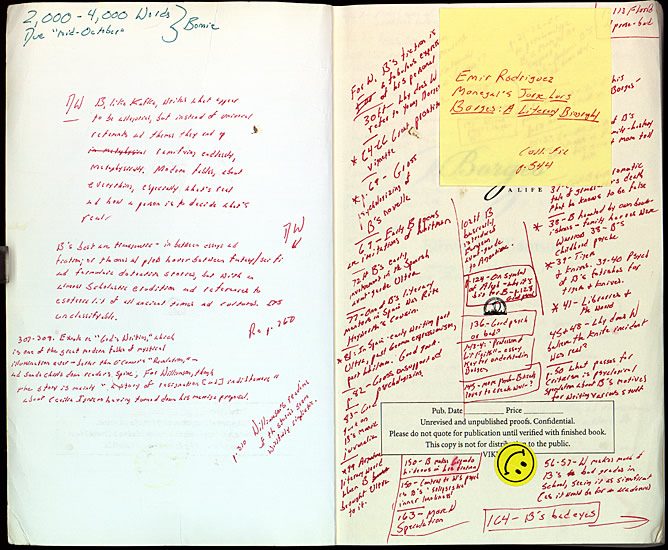
No doubt about it, Mar­shall McLuhan was a cryp­tic thinker and a bit of an odd duck. Ear­li­er this week, Col­in Mar­shall brought you an Intro­duc­tion to Mar­shall McLuhan, pre­sent­ed by Tom Wolfe (best known for The Elec­tric Kool-Aid Acid Test and ‎The Bon­fire of the Van­i­ties). In putting togeth­er that post, we stum­bled upon anoth­er gem of a video, a tes­ta­ment to McLuhan’s quirk­i­ness — and we mean that in the best pos­si­ble way. Above McLuhan, kick­ing back on a couch, reveals his “pecu­liar read­ing habit,” admit­ting: “If it’s a friv­o­lous, relax­ing book, I read every word. But seri­ous books I read on the right-hand side only because I’ve dis­cov­ered enor­mous redun­dan­cy in any well-writ­ten book, and I find that by read­ing only the right-hand page this keeps me very wide awake, fill­ing in the oth­er page out of my own noo­dle.” There’s a bit of hubris in that approach, but also a cer­tain amount of cre­ativ­i­ty too. Per­haps you’ll want to give it a try.

If you would like to sign up for Open Culture’s free email newslet­ter, please find it here. It’s a great way to see our new posts, all bun­dled in one email, each day.

If you would like to sup­port the mis­sion of Open Cul­ture, con­sid­er mak­ing a dona­tion to our site. It’s hard to rely 100% on ads, and your con­tri­bu­tions will help us con­tin­ue pro­vid­ing the best free cul­tur­al and edu­ca­tion­al mate­ri­als to learn­ers every­where. You can con­tribute through Pay­Pal, Patre­on, and Ven­mo (@openculture). Thanks!

Relat­ed Con­tent:

The Vision­ary Thought of Mar­shall McLuhan, Intro­duced and Demys­ti­fied by Tom Wolfe

Has Tech­nol­o­gy Changed Us?: BBC Ani­ma­tions Answer the Ques­tion with the Help of Mar­shall McLuhan

McLuhan Said “The Medi­um Is The Mes­sage”; Two Pieces Of Media Decode the Famous Phrase

Mar­shall McLuhan: The World is a Glob­al Vil­lage

by | Permalink | Make a Comment ( 1 ) |

« Go BackMore in this category... »
Quantcast