Sherlock Holmes Is Now in the Public Domain, Declares US Judge

sherlock_holmes_in_public domain

Chief Judge Rubén Castil­lo of the Unit­ed States Dis­trict Court of the North­ern Dis­trict of Illi­nois has ruled that the char­ac­ters and sto­ry lines used in 50 Sher­lock Holmes texts pub­lished by Arthur Conan Doyle before Jan. 1, 1923 “are no longer cov­ered by Unit­ed States copy­right law and can be freely used by cre­ators with­out pay­ing any licens­ing fee to the Conan Doyle estate,” reports The New York Times. This gives con­tem­po­rary authors the abil­i­ty to write their own Sher­lock Holmes mys­tery sto­ries and keep con­tribut­ing to a rich tra­di­tion of detec­tive fic­tion. It would also seem­ing­ly put pre-1923 texts firm­ly in the pub­lic domain. (You can find The Adven­tures of Sher­lock Holmes and oth­er relat­ed sto­ries in our Free eBooks and Free Audio Books col­lec­tions. ) Leslie S. Klinger, the edi­tor of The Com­plete Anno­tat­ed Sher­lock Holmes, who filed the civ­il suit, praised the judge’s deci­sion, say­ing “Peo­ple want to cel­e­brate Holmes and Wat­son, and now they can do that with­out fear.” Now it’s time for them to write some­thing that can hold a can­dle to what Conan Doyle cre­at­ed those many years ago.

Don’t miss any­thing from Open Cul­ture. Sign up for our Dai­ly Email or RSS Feed. And we’ll send cul­tur­al curiosi­ties your way, every day.

via Arts Beat

Relat­ed Con­tent:

Arthur Conan Doyle Dis­cuss­es Sher­lock Holmes and Psy­chics in a Rare Filmed Inter­view (1927)

Arthur Conan Doyle & The Cot­tin­g­ley Fairies: How Two Young Girls Fooled Sher­lock Holmes’ Cre­ator

Arthur Conan Doyle Fills Out the Ques­tion­naire Made Famous By Mar­cel Proust (1899)

Watch John Cleese as Sher­lock Holmes in The Strange Case of the End of Civ­i­liza­tion as We Know It

by | Permalink | Make a Comment ( 3 ) |

New Art Edition of James Joyce’s Ulysses Features All 265,000 Words Written by Hand on Big Wooden Poles

ulysses art book

This week, Stephen Gertz, the edi­tor of Book Tryst, has on dis­play an Incred­i­ble Art Edi­tion of James Joyce’s Ulysses. Here’s how he describes the ambi­tious project:

James Joyce com­plet­ed his nov­el, Ulysses, on Octo­ber 30, 1921. Nine­ty years lat­er, on Octo­ber 30, 2011, Char­lene Matthews, the Los Ange­les-based book artist and book­binder recent­ly the sub­ject of a pro­file in Stu­dios mag­a­zine, began work on an extra­or­di­nary edi­tion of the book, based upon Sylvia Beach’s true first edi­tion with all its typos includ­ed.

Two years lat­er, on Octo­ber 30, 2013, she com­plet­ed it: the entire text of Ulysses — all of its approx­i­mate­ly 265,000 words in eigh­teen episodes — tran­scribed by hand onto thir­ty-eight sev­en-foot tall, two-inch diam­e­ter poles: Ulysses as a land­scape to phys­i­cal­ly move through; the nov­el as lit­er­ary grove, Ulysses as trees of of life with lan­guage as fra­grant, hal­lu­ci­na­to­ry bark, and trunks reach­ing toward the sky.

Head over to Book­tryst to look over a gallery of images and learn more about Matthews’ grand under­tak­ing. And if you’d like a nice intro­duc­tion to Ulysses, please see some of the instruc­tive mate­r­i­al we’ve list­ed below.

Don’t miss any­thing from Open Cul­ture. Sign up for our Dai­ly Email orRSS Feed. And we’ll send qual­i­ty cul­ture your way, every day.

Relat­ed Con­tent:

James Joyce’s Ulysses: Down­load the Free Audio Book

Read Joyce’s Ulysses Line by Line, for the Next 22 Years, with Frank Delaney’s Pod­cast

Hear James Joyce Read a Pas­sage From Ulysses, 1924

The Very First Reviews of James Joyce’s Ulysses: “A Work of High Genius” (1922)

Vir­ginia Woolf Writes About Joyce’s Ulysses, “Nev­er Did Any Book So Bore Me,” and Quits at Page 200

Vladimir Nabokov Cre­ates a Hand-Drawn Map of James Joyce’s Ulysses


Mike Tyson Lists the Philosophy & History Books He’s Reading These Days

Mike_Tyson_Portrait

Last year, Mike Tyson staged a one-man Broad­way show, direct­ed by Spike Lee, called “Mike Tyson: The Undis­put­ed Truth.” In Novem­ber, the box­ing leg­end pub­lished an auto­bi­og­ra­phy by the same title. And now comes this: a short let­ter in The Wall Street Jour­nal where Iron Mike lists the phi­los­o­phy and his­to­ry texts he’s read­ing these days. The list includes:

  • The Quotable Kierkegaard, edit­ed by Gor­don Mari­no, “a col­lec­tion of awe­some quotes from that great Dan­ish philoso­pher.”

[Note: Niet­zsche is his favorite philoso­pher. Says Tyson, “He’s just insane. You have to have an IQ of at least 300 to tru­ly under­stand him.”

Why? Because “Alexan­der kept push­ing for­ward. He did­n’t want to have to go home and be dom­i­nat­ed by his moth­er.” The same impulse drove Tyson to box his way out of Brownsville, Brook­lyn. That’s all cov­ered in his auto­bi­og­ra­phy.

What else is Tyson read­ing? Love let­ters. He men­tions Napoleon’s love let­ters to Josephine, and Vir­ginia Woolf’s let­ter to her hus­band before com­mit­ting sui­cide. Tyson then quips “I don’t real­ly do any light read­ing, just deep, deep stuff. I’m not a light kind of guy.”

Get more at The Wall Street Jour­nal.

H/T Par­tial­ly Exam­ined Life

Relat­ed Con­tent:

Iron Mike Tyson Sings “The Girl From Ipane­ma”

The Phi­los­o­phy of Kierkegaard, the First Exis­ten­tial­ist Philoso­pher, Revis­it­ed in 1984 Doc­u­men­tary

Wal­ter Kaufmann’s Clas­sic Lec­tures on Niet­zsche, Kierkegaard and Sartre (1960)

Down­load 90 Free Phi­los­o­phy Cours­es and Start Liv­ing the Exam­ined Life

by | Permalink | Make a Comment ( 8 ) |

Gustave Doré’s Exquisite Engravings of Cervantes’ Don Quixote

QuixoteandPanza

In a now defunct list­ing from Bau­man Rare Books for an 1868 edi­tion of Miguel de Cer­vantes’ Don Quixote with illus­tra­tions by Gus­tave Doré, we find the fol­low­ing unat­trib­uted quo­ta­tion: “in every Eng­lish-speak­ing home where they can spell the word ‘art,’ you will find Doré edi­tions.” It’s odd that the homes should be “Eng­lish-speak­ing” when Doré’s illus­tra­tions were orig­i­nal­ly an 1860 French com­mis­sion, but the quote at least demon­strates the enor­mous pop­u­lar­i­ty of Doré’s Quixote. His ren­der­ings were so influ­en­tial they deter­mined the look of Quixote and San­cho Pan­za in many sub­se­quent illus­trat­ed ver­sions, stage and film pro­duc­tions, and read­ers’ imag­i­na­tions.

Per­haps the most suc­cess­ful illus­tra­tor of the 19th cen­tu­ry, the dap­per Doré was also at work on a momen­tous commission—this time from an Eng­lish publisher—to illus­trate the Bible. He went on to edi­tions of Rime of the Ancient Mariner, Par­adise Lost, The Divine Com­e­dy, Poe’s The Raven, and many oth­er famous works of lit­er­a­ture. But his Don Quixote may be the lit­er­ary com­mis­sion for which he’s best remem­bered.

QuixoteCaged

Doré appar­ent­ly entered a crowd­ed field when he took on Cer­vantes’ foun­da­tion­al text. For a lit­tle con­text, Bau­man Rare Books also quotes a cer­tain schol­ar sur­named “Ray,” who offers this pré­cis of the edition’s cre­ation:

Don Quixote was a text cal­cu­lat­ed to test even Doré. He was match­ing him­self against Coypel and Tony Johan­not, not to men­tion the Span­ish illus­tra­tors of the great Ibar­ra edi­tion pub­lished in Madrid in 1780. He met the chal­lenge superbly… At first he intend­ed only 40 designs, but Cer­vantes’ book cap­tured his imag­i­na­tion, and he arranged for a major work… Don Quixote and San­cho Pan­za reached their defin­i­tive ren­der­ing in Doré’s designs.

Doré end­ed up com­plet­ing over 200 illus­tra­tions for his edi­tion. You can see a cou­ple of those “defin­i­tive,” and exquis­ite, engrav­ings above and below. The edi­tors of Bib­liokept main­tain a sep­a­rate site post­ing all of the Doré Quixote illus­tra­tions. Project Guten­berg has an Eng­lish full text Quixote with the illus­tra­tions scanned in, and the Uni­ver­si­ty of Buf­fa­lo has an exten­sive search­able dig­i­tal col­lec­tion of Doré illus­tra­tions. And if you just have to con­form to the tastes of “every Eng­lish-speak­ing home where they can spell the word ‘art’ ” and own a Doré Quixote of your own, you can pur­chase a re-cre­ation of an 1870 edi­tion for only three month­ly install­ments of $125. It’s a “pub­lish­ing trea­sure.” Prince­ton Uni­ver­si­ty has more infor­ma­tion on the engrav­ings.

QuixoteHanging

via Bib­liokept

Relat­ed Con­tent:

Gus­tave Doré’s Dra­mat­ic Illus­tra­tions of Dante’s Divine Com­e­dy

Sal­vador Dalí’s 100 Illus­tra­tions of Dante’s The Divine Com­e­dy

Hen­ri Matisse Illus­trates 1935 Edi­tion of James Joyce’s Ulysses

See Pablo Picasso’s Spare, Ten­der Illus­tra­tions For a Lim­it­ed Edi­tion of Aristo­phanes’ Lysis­tra­ta (1934)

Josh Jones is a writer and musi­cian based in Durham, NC. Fol­low him at @jdmagness

View Bill Gates’ Mobile Library: The Books & Courses That Help Him Change The World

Step­ping down as Microsoft’s chief exec­u­tive offi­cer in 2000 had giv­en Bill Gates some extra time, which the auto­di­dact imme­di­ate­ly expend­ed by attempt­ing to learn… well, every­thing. Per­haps Gates threw him­self at learn­ing to make up for aban­don­ing col­lege for greater pursuits—he attend­ed Har­vard but left after two years’ study to pur­sue his pas­sion for com­put­ers. What­ev­er his rea­sons, Gates has begun to assid­u­ous­ly learn all he can about the world, and is record­ing his edu­ca­tion process for pos­ter­i­ty on his web­site, The Gates Notes. As the video above explains, Microsoft’s founder has lis­tened to hun­dreds of hours of uni­ver­si­ty lec­tures from The Teach­ing Com­pa­ny; he got hooked after lis­ten­ing to Robert Whap­les’ Mod­ern Eco­nom­ic Issues and breez­ing through Tim­o­thy Tay­lor’s Amer­i­ca and the New Glob­al Econ­o­my. His num­ber one pick? Big His­to­ry which is taught by David Chris­t­ian and, Gates says, “is still my favorite course of all. The course is so broad that it syn­the­sizes the his­to­ry of every­thing includ­ing the sci­ences into one frame­work.”

Wher­ev­er Gates trav­els, he is also eter­nal­ly accom­pa­nied by his read­ing bag. Sur­prised that the her­ald of the dig­i­tal age is pack­ing paper­backs? Don’t be. “I’m still pret­ty much an old-school print guy,” Gates writes, “because I like to jot notes in the mar­gins, but I assume I’ll move over to ebooks when anno­ta­tion fea­tures get bet­ter.”

Last week, Gates showed WIRED the con­tents of his decid­ed­ly 20th cen­tu­ry mobile library. The books, which Gates replen­ish­es at an impres­sive rate, encom­pass an admirable breadth of top­ics. As befit­ting the over­seer of the Bill and Melin­da Gates Foun­da­tion, the major­i­ty of Gates’ read­ing con­sists of non-fic­tion (only Gary Shteyn­gart’s recent nov­el made the fic­tion cut this round). His­to­ry, psy­chol­o­gy, sci­ence, sound busi­ness coun­sel, soci­ol­o­gy, eco­nom­ics, and his­to­ry all make up the dizzy­ing array of Gates’ every­day read­ing. Here is a selec­tion from WIRED’s par­tial list, includ­ing Gates’ own com­ments on the impor­tance of each choice:

-Feynman’s Tips on Physics by Richard Feyn­man– A short com­pan­ion book to Richard Feynman’s clas­sic Lec­tures on Physics. Always worth­while to return to the feet of the mas­ter.

-Super Sad True Love Sto­ry: A Nov­el by Gary Shteyn­gart– I don’t read a lot of fic­tion, but I thought this was an inter­est­ing study of the moral impli­ca­tions of tech­nol­o­gy. Will tech­nol­o­gy con­tribute to everyone’s well-being or just make peo­ple more nar­cis­sis­tic?

-The Car­toon Intro­duc­tion to Sta­tis­tics by Grady Klein– Bought this to use with one of my kids. Help­ful in explain­ing a com­pli­cat­ed sub­ject to a teenag­er.

-The Path Between the Seas: The Cre­ation of the Pana­ma Canal by David McCul­lough – I read this to pre­pare for a fam­i­ly vaca­tion to Pana­ma. It’s pure McCul­lough: epic dra­ma, polit­i­cal intrigue, heart­break­ing defeats, and even­tu­al tri­umph.

-The Bet­ter Angels of Our Nature: Why Vio­lence Has Declined by Steven Pinker– One of the most impor­tant books I’ve read. Steven Pinker demon­strates how the world evolved to be far less vio­lent. Coun­ter­in­tu­itive, if you watch the news, but true.

We’ve also used the trusty Con­trol + Scroll func­tion to zoom in and name a few addi­tion­al titles:

An Uncer­tain Glo­ry: India and its Con­tra­dic­tions by Jean Drèze and Amartya Sen

Engi­neers of Vic­to­ry: The Prob­lem Solvers Who Turned The Tide in The Sec­ond World War by Paul Kennedy

The Price of Inequal­i­ty: How Today’s Divid­ed Soci­ety Endan­gers Our Future by Joseph Stiglitz

Why Does Col­lege Cost So Much? By Robert Archibald and David Feld­man

Mon­do Agnel­li: Fiat, Chrysler, and the Pow­er of a Dynasty by Jen­nifer Clark

How Chil­dren Suc­ceed: Grit, Curios­i­ty, and the Hid­den Pow­er of Char­ac­ter by Paul Tough

The One World School­house: Edu­ca­tion Reimag­ined by Salman Khan

Far From The Tree by Andrew Solomon

For the orig­i­nal list, head over to WIRED. For more of Gates’ com­men­tary, check out his site, The Gates Notes, here. You can also con­tin­ue your self-edu­ca­tion by vis­it­ing our lists of Free Online Cours­es, Free eBooks, Free Audio Books, Free Lan­guage Lessons, Free Text­books, and Free MOOCs.

Ilia Blin­d­er­man is a Mon­tre­al-based cul­ture and sci­ence writer. Fol­low him at @iliablinderman.

The Pulp Fiction Archive: The Cheap, Thrilling Stories That Entertained a Generation of Readers (1896–1946)

Phantm_d

For the first half of the twen­ti­eth cen­tu­ry, pulp mag­a­zines were a quin­tes­sen­tial form of Amer­i­can enter­tain­ment. Print­ed on cheap, wood pulp paper, the “pulps” (as opposed to the “glossies” or “slicks,” such as The New York­er) had names like The Black Mask and Amaz­ing Sto­ries, and promised read­ers sup­pos­ed­ly true accounts of adven­ture, exploita­tion, hero­ism, and inge­nu­ity. Such out­lets offered a steady stream of work for sta­bles of fic­tion writ­ers, with con­tent rang­ing from short sto­ries about intre­pid explor­ers sav­ing damsels from Nazis/Communists (depend­ing on the pre­cise time of pub­li­ca­tion) to nov­el-length man vs. beast accounts of courage and cun­ning. This, inci­den­tal­ly, gave birth to the term “pulp fic­tion,” pop­u­lar­ized in the 1990s by Quentin Tarantino’s epony­mous film.

In the 1950s, the pulps went into a steep decline. In addi­tion to tele­vi­sion, paper­back nov­els, and com­ic books, the pulps were over­tak­en by the more explic­it, and even low­er brow men’s adven­ture mag­a­zines (read­ers of Tru­man Capote’s In Cold Blood may remem­ber Per­ry Smith, the socio­path­ic mis­fit who mur­dered the Clut­ter fam­i­ly, being an enthu­si­as­tic read­er of these ear­ly lads’ mags). Thanks to The Pulp Mag­a­zines Project, how­ev­er, many of the most famous pub­li­ca­tions remain acces­si­ble today through a well-designed online inter­face. Hun­dreds of issues have been archived in the data­base that spans from 1896 through to 1946. It includes large mag­a­zines, such as The Argosy and Adven­ture, and small­er, more spe­cial­ized fare, such as Air Won­der Sto­ries and Bas­ket­ball Sto­ries. Although good writ­ing occa­sion­al­ly made its way into the pulps, don’t expect these mag­a­zines to mir­ror the lit­er­ary depth of seri­al­ized pub­li­ca­tions of the 19th cen­tu­ry; rather, the archive pro­vides a ter­rif­i­cal­ly enter­tain­ing look at the pop­u­lar read­ing of ear­ly 20th cen­tu­ry Amer­i­ca.

To browse the com­plete data­base, head over to The Pulp Mag­a­zines Project.

If you would like to sign up for Open Culture’s free email newslet­ter, please find it here. It’s a great way to see our new posts, all bun­dled in one email, each day.

If you would like to sup­port the mis­sion of Open Cul­ture, con­sid­er mak­ing a dona­tion to our site. It’s hard to rely 100% on ads, and your con­tri­bu­tions will help us con­tin­ue pro­vid­ing the best free cul­tur­al and edu­ca­tion­al mate­ri­als to learn­ers every­where. You can con­tribute through Pay­Pal, Patre­on, and Ven­mo (@openculture). Thanks!

Relat­ed Con­tent:

Quentin Taran­ti­no Gives Sneak Peek of Pulp Fic­tion to Jon Stew­art (1994)

Isaac Asi­mov Recalls the Gold­en Age of Sci­ence Fic­tion (1937–1950)

Did Shake­speare Write Pulp Fic­tion? (No, But If He Did, It’d Sound Like This)

Down­load 14 Great Sci-Fi Sto­ries by Philip K. Dick as Free Audio Books and Free eBooks

The History of Economics & Economic Theory Explained with Comics, Starting with Adam Smith

economix adam smith

“Every­one has ques­tions about the econ­o­my. I start­ed look­ing for the answers in eco­nom­ics. I found enough insights to get me inter­est­ed, but I could­n’t seem to make the insights add up. I went back to the orig­i­nal sources, the great econ­o­mists, and start­ed to see a big pic­ture. And while the whole pic­ture was com­pli­cat­ed, no one part of it was all that hard to under­stand. I could see that all this infor­ma­tion made a sto­ry. But I could­n’t find a book that told the sto­ry in an acces­si­ble way. So I decid­ed to write one, in the most acces­si­ble form I knew: comics.”

Thus begins Michael Good­win’s new book Economix: How Our Econ­o­my Works (and Does­n’t Work) in Words and Pic­tures.

The book cov­ers two (plus) cen­turies of eco­nom­ic his­to­ry. It starts with the Phys­iocrats, Adam Smith and the­o­ret­i­cal devel­op­ment of cap­i­tal­ism, and then steams ahead into the 19th cen­tu­ry, cov­er­ing the Indus­tri­al Rev­o­lu­tion, the rise of big busi­ness and big finance. Next comes the action packed 20th cen­tu­ry: the Great Depres­sion, the New Deal, the threat from Com­mu­nism dur­ing the Cold War, the tax reforms of the Rea­gan era, and even­tu­al­ly the crash of 2008 and Occu­py Wall Street. Along the way, Good­win and the illus­tra­tor Dan E. Burr demys­ti­fy the eco­nom­ic the­o­ries of fig­ures like Ricar­do, Marx, Malthus, Keynes, Fried­man and Hayek — all in a sub­stan­tive but approach­able way.

As with most treat­ments of mod­ern eco­nom­ics, the book starts with Adam Smith. To get a feel for Good­win’s approach, you can dive into the first chap­ter of Economix, which grap­ples with Smith’s the­o­ries about the free mar­ket, divi­sion of labor and the Invis­i­ble Hand. Economix can be pur­chased online here.

If you would like to sign up for Open Culture’s free email newslet­ter, please find it here. It’s a great way to see our new posts, all bun­dled in one email, each day.

If you would like to sup­port the mis­sion of Open Cul­ture, con­sid­er mak­ing a dona­tion to our site. It’s hard to rely 100% on ads, and your con­tri­bu­tions will help us con­tin­ue pro­vid­ing the best free cul­tur­al and edu­ca­tion­al mate­ri­als to learn­ers every­where. You can con­tribute through Pay­Pal, Patre­on, and Ven­mo (@openculture). Thanks!

Relat­ed Con­tent:

An Intro­duc­tion to Great Econ­o­mists — Adam Smith, the Phys­iocrats & More — Pre­sent­ed in a Free Online Course

60-Sec­ond Adven­tures in Eco­nom­ics: An Ani­mat­ed Intro to The Invis­i­ble Hand and Oth­er Eco­nom­ic Ideas

Read­ing Marx’s Cap­i­tal with David Har­vey (Free Course)

by | Permalink | Make a Comment ( 11 ) |

The Library: A World History Presents a Stunning Visual Survey of The World’s Great Libraries

strahov-abbey-library-horizontal-large-gallery1

Volu­mi­nous­ly well-read author and ama­teur librar­i­an Alber­to Manguel opens The Library at Night, a com­pen­dious trea­tise on the role of the library in human cul­ture, with a star­tling­ly bleak ques­tion. “Why then do we do it?” He asks, why do we “con­tin­ue to assem­ble what­ev­er scraps of infor­ma­tion we can gath­er in scrolls and books and com­put­er chips, on shelf after library shelf” when “out­side the­ol­o­gy and fan­tas­tic lit­er­a­ture, few can doubt that the main fea­tures of our uni­verse are its dearth of mean­ing and lack of dis­cernible pur­pose.” Manguel goes on—in beau­ti­ful­ly illus­trat­ed chap­ter after themed chapter—to list in fine detail the host of virtues each of his favorite libraries pos­sess­es, answer­ing his own ques­tion by ref­er­ence to the beau­ti­ful micro­cos­mic orders great libraries man­i­fest.

tripitaka-koreana-library-horizontal-large-gallery1

A new book, The Library: A World His­to­ry by author James Camp­bell and pho­tog­ra­ph­er Will Pryce, takes a more work­man­like approach to the sub­ject, steer­ing clear of Manguel’s meta­physics. Even so, the book will deeply move lovers of libraries and his­to­ri­ans alike, per­haps even to ecsta­sy. One Ama­zon review­er put it sim­ply: “Book Porn at its best.”

Boing Boing calls Pryce’s pho­tographs “the cen­ter­piece of the book,” and you can see why in a cou­ple of selec­tions here. Even with­out his eye­sight, this is a project that would have delight­ed that rhap­sodist of the library, Jorge Luis Borges. At the top, see the Stra­hov Abbey library in Prague. Halfway across the world, we have the Trip­i­ta­ka Kore­ana library in South Korea (above). CNN has a gallery of Pryce’s pho­to­graph­ic trib­utes to the world’s great­est libraries, and find here a crit­i­cal review of the book by The Guardian’s Tom Lam­ont, who laments that the book sole­ly “focus­es on insti­tu­tions cre­at­ed for the priv­i­leged.”

Relat­ed Con­tent:

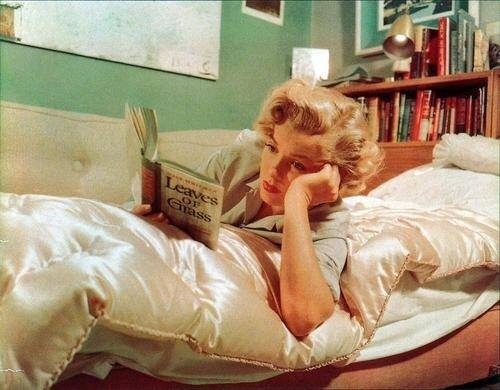
A Look Inside Mar­i­lyn Monroe’s Per­son­al Library

The Odd Col­lec­tion of Books in the Guan­tanamo Prison Library

David Fos­ter Wallace’s Love of Lan­guage Revealed by the Books in His Per­son­al Library

Josh Jones is a writer and musi­cian based in Durham, NC. Fol­low him at @jdmagness

« Go BackMore in this category... »
Quantcast