New Digital Archive, “Richard Pryor’s Peoria,” Takes You Inside the Dark, Lively World That Shaped the Pioneering Comedian

By Scott Saul:

Richard Pry­or is a leg­endary com­ic, and for good rea­son. He had extra­or­di­nary gifts as a mim­ic, sto­ry­teller, phys­i­cal come­di­an, satirist, and impro­vis­ing actor — gifts he brought togeth­er in an act that had the dan­ger­ous elec­tric­i­ty of an unin­su­lat­ed wire. Mean­while he estab­lished a feed­back loop between his act and his per­son­al life, mak­ing use of all those stage chops to draw com­e­dy out of a life that was painful­ly full of self-sab­o­tage, may­hem, and var­i­ous forms of abuse.

It was my task, as Pryor’s biog­ra­ph­er, to probe the leg­ends of his life, start­ing with the vivid sto­ries he told of his for­ma­tive years in the red-light dis­trict of Peo­ria, Illi­nois. In his stage act and rem­i­nis­cences, Pry­or relat­ed how he’d been raised in a broth­el by a grand­moth­er and father who worked, respec­tive­ly, as madam and pimp, and how he had both suf­fered at their hands and learned from them. He told, too, how he’d made his way in a larg­er world that, while bru­tal, was also touched with grace — that grace he felt when he ven­tured onstage, at school or in a club, and start­ed to find him­self as a per­former. 

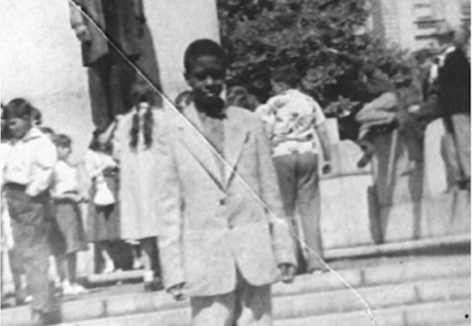
 young pryor

Ear­li­er biog­ra­phers had won­dered how much Pry­or had embell­ished his past in build­ing his act around his life sto­ry. In my research I dis­cov­ered a moth­er­lode of mate­r­i­al — fam­i­ly pho­tos, court records, news­pa­per arti­cles, and more — that not only cor­rob­o­rat­ed the out­lines of Pryor’s sto­ry but also filled in the pic­ture and gave it a his­tor­i­cal depth. I could see, for instance, how Pryor’s taboo-bust­ing com­e­dy was root­ed in his child­hood envi­ron­ment, a black work­ing-class under­ground where taboos were bust­ed on a reg­u­lar basis, and hypocrisies called to account. You can watch a short, four-minute film above that sets the sto­ry of the young Richard and his fam­i­ly against the back­drop of “Roarin’ Peo­ria.”

RP-highschool-recordslores-clip1

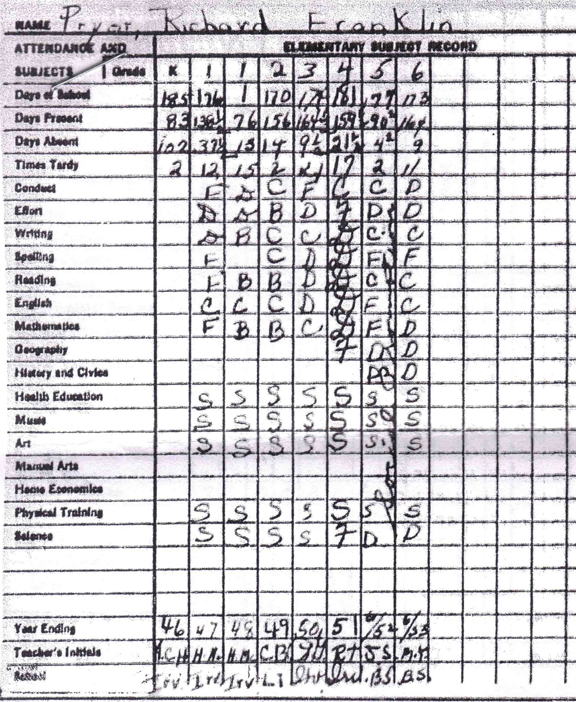
Ulti­mate­ly, I dis­cov­ered so much in my research into Pryor’s for­ma­tive years that I felt it couldn’t be con­tained in the book I was writ­ing (in which Pryor’s first two decades in Peo­ria make up only one of five sec­tions). So I built a dig­i­tal com­pan­ion where you can explore over 200 doc­u­ments from “Richard Pryor’s Peo­ria”. Here you can see, through the young Richard’s report card, how he strug­gled in the con­fines of Peo­ria schools. You can see, through the divorce case of his par­ents, how his moth­er (con­trary to reports that she aban­doned him) tried, unsuc­cess­ful­ly, to steal Richard away from his grand­moth­er and father, and from the red-light dis­trict itself. You can see, through the paper trail of Richard’s for­mi­da­ble grand­moth­er Marie, how she fought — with wil­i­ness and blunt force — against her abu­sive hus­band and against the sys­tem of Jim Crow. And you can vis­it the var­i­ous scenes of Richard’s youth, from his family’s tav­ern and the com­mu­ni­ty cen­ter where he first took the stage to the some­times rau­coussome­times styl­ish clubs where he got his start as an enter­tain­er. 

Richard Pry­or was an excep­tion­al human being — a genius who changed the rules of com­e­dy in Amer­i­ca — and the web­site aims to show how the seeds of that genius were plant­ed. At the same time, it sug­gests how Pryor’s life sto­ry makes rich­er sense when set against larg­er his­tor­i­cal back­drops: the sto­ry of how the Midwest’s pre­mier “Sin City” became, dur­ing the Cold War, a lead­ing “All-Amer­i­can City”; the sto­ry of how black neigh­bor­hoods were demol­ished in “urban renew­al” efforts (Pryor’s child­hood home was itself tar­get­ed by a wreck­ing ball so that Peo­ria might be linked to an inter­state high­way); and, most of all, the sto­ry of how black Amer­i­cans, while locked into seg­re­ga­tion in the Mid­west, defied that sys­tem in inven­tive and force­ful ways.

This post is by Scott Saul, the author of Becom­ing Richard Pry­or (Harper­Collins), now out in paper­back.  He teach­es Amer­i­can his­to­ry and lit­er­a­ture at UC-Berke­ley, and also is the host of the Chap­ter & Verse pod­cast. Fol­low him on Twit­ter @scottsaul4.

David Foster Wallace Reads Franz Kafka’s Short Story “A Little Fable” (and Explains Why Comedy Is Key to Kafka)

Just last night I was out with a nov­el­ist friend, one of whose books a review­er described as “the fun­ny ver­sion of Kaf­ka.” While he sure­ly appre­ci­at­ed the praise, my friend had an objec­tion: “But Kaf­ka is already com­e­dy!” Casu­al read­ers, many of whom haven’t set eyes on Franz Kaf­ka since col­lege, might car­ry with them a men­tal image of the ear­ly 20th-cen­tu­ry Aus­tria-Hun­gary-born writer as a crafts­man of pure bleak­ness: of frus­trat­ing­ly inac­ces­si­ble cas­tles, of per­se­cu­tion for unex­plained crimes, of hope­less bat­tles with bureau­cra­cy, of sales­men trans­formed into giant bugs. But Kaf­ka enthu­si­asts know well the humor from which all that springs, and their ranks have always con­tained quite a few oth­er nov­el­ists will­ing to point it out.

None of them have done it quite so elo­quent­ly as David Fos­ter Wal­lace, who deliv­ered a ten-minute speech on the sub­ject at the 1998 sym­po­sium “Meta­mor­pho­sis: A New Kaf­ka,” which lat­er appeared in print in Harp­er’s Mag­a­zine, where he act­ed as con­tribut­ing edi­tor. He begins, by way of illus­trat­ing Kafka’s com­e­dy, with the short­er-than-short 1920 sto­ry “A Lit­tle Fable”:

“Alas,” said the mouse, “the whole world is grow­ing small­er every day. At the begin­ning it was so big that I was afraid, I kept run­ning and run­ning, and I was glad when I saw walls far away to the right and left, but these long walls have nar­rowed so quick­ly that I am in the last cham­ber already, and there in the cor­ner stands the trap that I must run into.”

“You only need to change your direc­tion,” said the cat, and ate it up.

He also men­tions that he’d already giv­en up teach­ing the sto­ry in lit­er­a­ture class­es (one of whose syl­labi we’ve pre­vi­ous­ly fea­tured), which leads him to explain the “sig­nal frus­tra­tion in try­ing to read Kaf­ka with col­lege stu­dents,” that “it is next to impos­si­ble to get them to see that Kaf­ka is fun­ny… nor to appre­ci­ate the way fun­ni­ness is bound up with the extra­or­di­nary pow­er of his sto­ries.” Part of the prob­lem aris­es from the fact that “Kafka’s humor has almost none of the par­tic­u­lar forms and codes of con­tem­po­rary U.S. amuse­ment,” espe­cial­ly to “chil­dren whom our cul­ture has trained to see jokes as enter­tain­ment and enter­tain­ment as reas­sur­ance.” So what kind of jokes can we find in Kafka’s sto­ries, if we know how to get them?

There­in, Wal­lace argues, lies anoth­er part of the prob­lem: “It’s not that stu­dents don’t ‘get’ Kafka’s humor but that we’ve taught them that humor is some­thing you get — the same way we’ve taught them that a self is some­thing you just have,” all of which gets in the way of per­ceiv­ing “the real­ly cen­tral Kaf­ka joke — that the hor­rif­ic strug­gle to estab­lish a human self results in a self whose human­i­ty is insep­a­ra­ble from that hor­rif­ic strug­gle.” Of course, as Wal­lace adds in one of his sig­na­ture foot­notes, since “most of us Amer­i­cans come to art essen­tial­ly to for­get our­selves — to pre­tend for a while that we’re not mice and all walls are par­al­lel and the cat can be out­run — it’s no acci­dent that we’re going to see ‘A Lit­tle Fable’ as not all that fun­ny.” But read enough Kaf­ka, prefer­ably out­side the walls of a class­room, and you’ll get a much more expan­sive sense of humor itself.

Relat­ed Con­tent:

David Fos­ter Wallace’s 1994 Syl­labus

Four Franz Kaf­ka Ani­ma­tions: Enjoy Cre­ative Ani­mat­ed Shorts from Poland, Japan, Rus­sia & Cana­da

Franz Kafka’s Kafkaesque Love Let­ters

Vladimir Nabokov Makes Edi­to­r­i­al Tweaks to Franz Kafka’s Novel­la The Meta­mor­pho­sis

Franz Kaf­ka Says the Insect in The Meta­mor­pho­sis Should Nev­er Be Drawn; Vladimir Nabokov Draws It Any­way

Franz Kafka’s It’s a Won­der­ful Life: The Oscar-Win­ning Film About Kaf­ka Writ­ing The Meta­mor­pho­sis

The Art of Franz Kaf­ka: Draw­ings from 1907–1917

The Ani­mat­ed Franz Kaf­ka Rock Opera

Based in Seoul, Col­in Mar­shall writes and broad­casts on cities, lan­guage, and style. He’s at work on a book about Los Ange­les, A Los Ange­les Primer, the video series The City in Cin­e­ma, the crowd­fund­ed jour­nal­ism project Where Is the City of the Future?, and the Los Ange­les Review of Books’ Korea Blog. Fol­low him on Twit­ter at @colinmarshall or on Face­book.

Hear the Experimental Piano Jazz Album by Comedian H. Jon Benjamin — Who Can’t Play Piano

I won­der: do the fan bases of mod­ern com­e­dy and mod­ern jazz over­lap at all? At first, it’s hard to imag­ine two artis­tic worlds far­ther apart, with the come­di­ans seem­ing like unse­ri­ous goof­balls who con­sid­er noth­ing sacred and the jazz play­ers seem­ing like seri­ous artists who regard their musi­cal tra­di­tion as sacred indeed. But look clos­er and the dif­fer­ence does­n’t seem as stark as all that: com­e­dy and jazz, both per­for­ma­tive pur­suits, demand from those who want to suc­ceed in them an almost obses­sive com­mit­ment to improv­ing their craft. And the best prac­ti­tion­ers of both, despite acknowl­edg­ing the impor­tance of learn­ing and build­ing upon the work of their antecedents, have to know when to break from tra­di­tion and exper­i­ment.

So per­haps H. Jon Ben­jam­in’s new album Well, I Should Have, which brings com­e­dy and jazz togeth­er but not in the way any of us would have expect­ed, comes as some­thing of an inevitabil­i­ty. Ben­jamin, a come­di­an best known for doing voic­es on such ani­mat­ed shows as ArcherBob’s Burg­ersDr. Katz: Pro­fes­sion­al Ther­a­pist and Home Movies, has put out not a record of sketch­es or stand-up mate­r­i­al, but of actu­al jazz music, with him sit­ting at the piano. The comedic ele­ment? The album has a sub­ti­tle: … Learned to Play the Piano.

“I don’t play piano at all,” Ben­jamin dead­pans in the trail­er for Well, I Should Have… at the top of the post. “And I’m not a huge fan of jazz. I nev­er was. And that’s why I thought it would be fun­ny to make a jazz album.” To com­pen­sate for his total lack of skill or expe­ri­ence at his instru­ment, Ben­jamin brought three gen­uine jazz pro­fes­sion­als into the stu­dio to fill out the quar­tet: Scott Kre­itzer on sax­o­phone, David Finck on bass, and Jonathan Peretz on drums, all of whom do their best to build legit­i­mate com­po­si­tions around Ben­jam­in’s near-ran­dom pok­ing and slap­ping of the ivories. Here we see — or rather hear — revealed some­thing else in com­mon between come­di­ans and jazz musi­cians: both need to impro­vise.

In the end, you could lis­ten to this as either a con­cep­tu­al com­e­dy album, a con­cep­tu­al jazz album, or both. You can hear selec­tions from it (though, giv­en the videos’ geo-restric­tion, that depends on which coun­try you’re in) in the playlist just above. For most of us, show­ing up to a record­ing ses­sion com­plete­ly igno­rant of the instru­ment we have to play con­sti­tutes the stuff of night­mares, but Ben­jamin uses it as an oppor­tu­ni­ty to play a role he calls “Jazz Dare­dev­il.” Does this count as real com­e­dy? It cer­tain­ly gets me laugh­ing. I’ll leave the oth­er obvi­ous ques­tion to the seri­ous jazz afi­ciona­dos, who seem to enjoy only one thing almost as much as lis­ten­ing to jazz: argu­ing over what counts as jazz. If Ben­jamin has a par­tic­u­lar joke to make with all this, it may be on them.

via Metafil­ter

Relat­ed Con­tent:

This is Your Brain on Jazz Impro­vi­sa­tion: The Neu­ro­science of Cre­ativ­i­ty

Philoso­pher Jacques Der­ri­da Inter­views Jazz Leg­end Ornette Cole­man: Talk Impro­vi­sa­tion, Lan­guage & Racism (1997)

10 Great Per­for­mances From 10 Leg­endary Jazz Artists: Djan­go, Miles, Monk, Coltrane & More

Based in Seoul, Col­in Mar­shall writes and broad­casts on cities and cul­ture. He’s at work on a book about Los Ange­les, A Los Ange­les Primer, the video series The City in Cin­e­ma, the crowd­fund­ed jour­nal­ism project Where Is the City of the Future?, and the Los Ange­les Review of Books’ Korea Blog. Fol­low him on Twit­ter at @colinmarshall or on Face­book.

David Bowie Sings Impressions of Bruce Springsteen, Lou Reed, Iggy Pop, Tom Waits & More In Studio Outtakes (1985)

We knew David Bowie could pret­ty much do it all—glam rock, jazz, funk, Philly soul, cabaret, pop, drum and bass, folk, avant-garde, you name it. In front of the cam­era, he could stretch him­self into the beau­ti­ful but wound­ed alien in The Man Who Fell to Earth, the scary-sexy-cool Gob­lin King of Labyrinth, the mys­ti­cal genius Tes­la in The Pres­tige. Noth­ing he attempt­ed seemed beyond his grasp, includ­ing, as you can hear above, off-the-cuff, most­ly spot-on impres­sions of friends and fel­low singers like Iggy Pop, Lou Reed, Tom Waits, and Bruce Spring­steen.

The audio clip you hear comes from out­takes pro­duc­er Mark Saun­ders hap­pened to cap­ture on tape dur­ing the 1985 ses­sions for the Absolute Begin­ners film sound­track (“a bet­ter sound­track than it was a movie!” Saun­ders remarks).

While record­ing a lead vocal, Saun­ders writes, Bowie “broke into the imper­son­ations and I real­ized that these might get erased at some point, so I quick­ly put a cas­sette in and hit ‘record.’” You can read his full rec­ol­lec­tions at The Talk­house in a short essay he wrote to accom­pa­ny the audio—introduced by Zach Stag­gers of indie band the So So Glos, who writes:

Bowie goes through a hand­ful of sung impres­sions, includ­ing but not lim­it­ed to, Bruce Spring­steen, Iggy Pop, Tom Waits, Loud Reed and Antho­ny New­ly, who was such a big influ­ence on the icon­ic singer that the imper­son­ation almost sounds like Bowie mim­ic­k­ing him­self. Between takes you can hear Bowie hav­ing fun and going back and forth with the engi­neers. Jokes.

Bowie also does what sounds like Bob Dylan (or Tom Pet­ty, or Marc Bolan as some have spec­u­lat­ed?) in the sec­ond take and a pass­able Neil Young in the last. His Spring­steen, Reed, and Pop are excel­lent (Bowie called the Iggy impres­sion “dif­fi­cult, he’s some­where between all of them.”)  He clos­es the impromp­tu per­for­mance with “That’s it, night night.”

Bowie did indeed have jokes, though any­one who fol­lowed him over the decades knows of his comedic tal­ents, whether play­ing straight man to Ricky Ger­vais’ obnox­ious super­fan or dis­play­ing impec­ca­ble tim­ing in his dead­pan deliv­ery of “Bowie Secrets” from Late Night With Conan O’Brien in 2002.

Despite the kiss-off he gives Ger­vais in their com­e­dy bit, those who knew and worked with Bowie all tes­ti­fy that he nev­er took him­self too seri­ous­ly or, as Saun­ders remem­bers, threw his weight around by “using a big rock star ‘Hey, I’m David Bowie and I want it done my way.” He may have seemed to many like an alien or a god, but he was appar­ent­ly in per­son a pret­ty hum­ble, and very fun­ny, guy.

via Rolling Stone

Relat­ed Con­tent:

David Bowie Per­forms a Live Acoustic Ver­sion of “Heroes,” with a Bot­tle Cap Strapped to His Shoe, Keep­ing the Beat

David Bowie Gives Grad­u­a­tion Speech At Berklee Col­lege of Music: “Music Has Been My Door­way of Per­cep­tion” (1999)

David Bowie (RIP) Sings “Changes” in His Last Live Per­for­mance, 2006

Josh Jones is a writer and musi­cian based in Durham, NC. Fol­low him at @jdmagness

John Cleese’s Advice to Young Artists: “Steal Anything You Think Is Really Good”

So you want to be a rock and roll star? Or a writer, or a film­mak­er, or a come­di­an, or what-have-you…. And yet, you don’t know where to start. You’ve heard you need to find your own voice, but it’s dif­fi­cult to know what that is when you’re just begin­ning. You have too lit­tle expe­ri­ence to know what works for you and what doesn’t. So? “Steal,” as the great John Cleese advis­es above, “or bor­row or, as the artists would say, ‘be influ­enced by’ any­thing that you think is real­ly good and real­ly fun­ny and appeals to you. If you study that and try to repro­duce it in some way, then it’ll have your own stamp on it. But you have a chance of get­ting off the ground with some­thing like that.”

Cleese goes on to sen­si­bly explain why it’s near­ly impos­si­ble to start with some­thing com­plete­ly new and orig­i­nal; it’s like “try­ing to fly a plane with­out any lessons.” We all learn the rudi­ments of every­thing we know by imi­tat­ing oth­ers at first, so this advice to the bud­ding writer and artist shouldn’t sound too rad­i­cal. But if you need more val­i­da­tion for it, con­sid­er William Faulkner’s exhor­ta­tion to take what­ev­er you need from oth­er writ­ers. The begin­ning writer, Faulkn­er told a class at the Uni­ver­si­ty of Vir­ginia, “takes what­ev­er he needs, wher­ev­er he needs, and he does that open­ly and hon­est­ly.” There’s no shame in it, unless you fail to ever make it your own. Or, says Faulkn­er, to make some­thing so good that oth­ers will steal from you.

One the­o­ry of how this works in lit­er­a­ture comes from crit­ic Harold Bloom, who argued in The Anx­i­ety of Influ­ence that every major poet more or less stole from pre­vi­ous major poets; yet they so mis­read or mis­in­ter­pret­ed their influ­ences that they couldn’t help but pro­duce orig­i­nal work. T.S. Eliot advanced a more con­ser­v­a­tive ver­sion of the claim in his essay “Tra­di­tion and the Indi­vid­ual Tal­ent.” We have a “ten­den­cy to insist,” wrote Eliot, on “those aspects or parts of [a poet’s] work in which he least resem­bles any­one else.” (Both Eliot and Faulkn­er used the mas­cu­line as a uni­ver­sal pro­noun; what­ev­er their bias­es, no gen­der exclu­sion is implied here.) On the con­trary, “if we approach a poet with­out this prej­u­dice we shall often find that not only the best, but the most indi­vid­ual parts of his work may be those in which the dead poets, his ances­tors, assert their immor­tal­i­ty most vig­or­ous­ly.”

It may have been a require­ment for Eliot that his lit­er­ary pre­de­ces­sors be long deceased, but John Cleese sug­gests no such thing. In fact, he worked close­ly with many of his favorite com­e­dy writ­ers. The point he makes is that one should “copy some­one who’s real­ly good” in order to “get off the ground.” In time—whether through becom­ing bet­ter than your influ­ences, or mis­read­ing them, or com­bin­ing their parts into a new whole—you will, Cleese and many oth­er wise writ­ers sug­gest, devel­op your own style.

Cleese has lib­er­al­ly dis­cussed his influ­ences, in his recent auto­bi­og­ra­phy and else­where, and one can clear­ly see in his work the impres­sion comedic for­bears like Lau­rel and Hardy and the writer/actors of The Goon Show had on him. But what­ev­er he stole or bor­rowed from those come­di­ans he also made entire­ly his own through prac­tice and per­se­ver­ance. Just above, see a tele­vi­sion spe­cial on Cleese’s com­e­dy heroes, with inter­views from Cleese, leg­ends who fol­lowed him, like Rik May­all and Steve Mar­tin, and those who worked side-by-side with him on Mon­ty Python and oth­er clas­sic shows.

Relat­ed Con­tent:

John Cleese Explores the Health Ben­e­fits of Laugh­ter

John Cleese’s Eulo­gy for Gra­ham Chap­man: ‘Good Rid­dance, the Free-Load­ing Bas­tard, I Hope He Fries’

John Cleese’s Phi­los­o­phy of Cre­ativ­i­ty: Cre­at­ing Oases for Child­like Play

John Cleese, Ringo Starr and Peter Sell­ers Trash Price­less Art (1969)

Josh Jones is a writer and musi­cian based in Durham, NC. Fol­low him at @jdmagness

Art Exhibit on Bill Murray Opens in the UK


Some­body get us Bill Mur­ray stat!

The actor and sec­u­lar saint has no direct involve­ment with BILL MURRAY: A Sto­ry of Dis­tance, Size, and Sin­cer­i­ty at the BALTIC Cen­tre for Con­tem­po­rary Art but the inter­view with artist Bri­an Grif­fiths, above, sug­gests that he should.

The major­i­ty of cre­atives pig­gy­back­ing on Murray’s pop­u­lar­i­ty these days would seem to be entre­pre­neur­ial crafts­peo­ple, where­as Grif­fiths is a fine artist. Pre­vi­ous projects include a Romani wag­on com­prised of sec­ond­hand fur­ni­ture and a series of his­tor­i­cal­ly cos­tumed busts cast from actor Peter Lorre’s death mask.

BALTIC’s web­site pro­vides some con­text for the cur­rent instal­la­tion, a series of nine mod­el build­ings in var­i­ous archi­tec­tur­al styles, fes­tooned with Murray’s face and oth­er visu­al indi­ca­tors from his con­sid­er­able oeu­vre:

Bill Mur­ray is always authen­tic. He is con­sis­tent­ly ‘BILL MURRAY’. His sin­gu­lar­i­ty breaks into irre­ducible ambi­gu­i­ties and con­tra­dic­tions – Bill the glob­al super­star, the guy-next-door, anti-brand brand, irre­press­ible lothario, dig­ni­fied clown and droll philoso­pher. This exhi­bi­tion takes these and many oth­er char­ac­ter­is­tics as an approach, turn­ing them into a fan­ta­sy car­i­ca­ture and a poet­ic tableau of scaled down archi­tec­ture and col­lec­tions.

Per­haps Grif­fiths was hav­ing an off day when the cam­era crew showed up to inter­view him about BILL MURRAY: A Sto­ry of Dis­tance, Size, and Sin­cer­i­ty. A Cre­ative Art Prac­tice stu­dent who attend­ed his guest lec­ture at Sheffield Halam Uni­ver­si­ty ear­li­er this year found him to be an enter­tain­ing and sim­i­lar­ly unpre­ten­tious speak­er.

The five minute talk above had the oppo­site effect.

I’d like to pro­pose a reshoot, star­ring Bill Mur­ray. Imag­ine what his par­tic­u­lar com­ic genius could bring to the tran­script above?

Saint Bill has demon­strat­ed that he is will­ing to work below scale when he believes in a project. Per­haps he would accept an exhi­bi­tion t‑shirt in return for liven­ing up this limp artis­tic state­ment.

(Might be what the artist was angling for all along…)

via Hyper­al­ler­gic

Relat­ed Con­tent:

Lis­ten to Bill Mur­ray Lead a Guid­ed Medi­a­tion on How It Feels to Be Bill Mur­ray

An Ani­mat­ed Bill Mur­ray on the Advan­tages & Dis­ad­van­tages of Fame

Bill Mur­ray Sings the Poet­ry of Bob Dylan: Shel­ter From the Storm

Ayun Hal­l­i­day is an author, illus­tra­tor, and Chief Pri­ma­tol­o­gist of the East Vil­lage Inky zine. Fol­low her @AyunHalliday

Downton Abbey Actors Perform Scene from the Show with American Accents

How­ev­er stiff they may seem on the show, the cast of Down­ton Abbey can let down its hair and have some fun. Last Christ­mas, they put togeth­er a fun par­o­dy episode, where, bor­row­ing from It’s a Won­der­ful Life, they asked us to imag­ine what dai­ly life at the Abbey would look like if Lady Grantham spent her days cavort­ing with George Clooney rather than Lord Grantham.

Now, right before the show’s final sea­son starts air­ing in the US on Jan­u­ary 3, sev­er­al cast mem­bers are giv­ing us anoth­er sce­nario to con­sid­er: What would it look if Down­ton Abbey was per­formed only with Amer­i­can accents? Appear­ing on The Late Show with Stephen Col­bert, Michelle Dock­ery (Lady Mary Craw­ley), Hugh Bon­neville (Lord Grantham) and Allen Leech (Tom Bran­som) per­formed an actu­al scene in their best Amer­i­can accents, and it’s a sight to behold. Par­tic­u­lar­ly Allen, he’s a trip.

Fol­low Open Cul­ture on Face­book and Twit­ter and share intel­li­gent media with your friends. Or bet­ter yet, sign up for our dai­ly email and get a dai­ly dose of Open Cul­ture in your inbox. And if you want to make sure that our posts def­i­nite­ly appear in your Face­book news­feed, just fol­low these sim­ple steps.

Relat­ed Con­tent:

A Fun Par­o­dy of Down­ton Abbey Fea­tures George Clooney & the Cast of the Show

Three Actress­es from Down­ton Abbey Play a Raunchy Card Game (NSFW)

One Woman, 17 British Accents

Watch Meryl Streep Have Fun with Accents: Bronx, Pol­ish, Irish, Aus­tralian, Yid­dish & More

Casablanca’s Hilarious Alternative Final Scene Featuring Saturday Night Live’s Kate McKinnon: Pragmatism Carries the Day!

The clas­sic film Casablan­ca is peren­ni­al­ly ripe for par­o­dy, but for some rea­son, its spoofs usu­al­ly con­fine them­selves to Rick­’s Café Améri­cain. It’s rare that any­one gets fun­ny with the famous final scene, where (spoil­er!) Humphrey Bog­a­rt’s Rick sac­ri­fices his per­son­al hap­pi­ness, insist­ing that his beloved board a plane that will safe­ly car­ry her and her hus­band, a leader of the Czech Resis­tance, away from Vichy-con­tolled Casablan­ca.

There are excep­tions of course.

Bugs Bun­ny

The Simp­sons

Woody Allen

Sat­ur­day Night Live’s Kate McK­in­non bests them all with a dewy-eyed Ingrid Bergman impres­sion nail­ing the Swedish-born actress’ glo­ri­ous­ly cin­e­mat­ic mid­dle Atlantic accent, described by writer Trey Tay­lor in The Atlantic as a learned “hybrid of Britain’s Received Pro­nun­ci­a­tion and stan­dard Amer­i­can Eng­lish as it exists today.”

It’s a refresh­ing change to see the Ilsa char­ac­ter dri­ving the laughs.

McKinnon’s scene part­ner, J.K. Sim­mons, gives an equal­ly cred­i­ble per­for­mance as Bogart’s Rick. The award-win­ning actor has demon­stra­ble com­ic chops, but for this sketch, the writ­ers wise­ly had him play it dead seri­ous.

The play­ers are fur­ther abet­ted by the design team’s faith­ful exe­cu­tion of the orig­i­nal, includ­ing cos­tumes by Tom Broeck­er and Eric Jus­t­ian. Who wouldn’t want to wear that hat?

Much of Julius J. Epstein, Philip G. Epstein, and Howard Koch’s orig­i­nal dia­logue was left intact. It’s repro­duced below for your scruti­ny, along with Bog­a­rt and Bergman’s per­for­mance.

You’ll notice one sig­nif­i­cant line reas­sign­ment, neces­si­tat­ed by this Ilsa’s prag­mat­ic response to the pos­si­bil­i­ty of wind­ing up in a con­cen­tra­tion camp.

As in the orig­i­nal, love does not tri­umph, but they’ll always have Paris.

INT./EXT. AIRPORT HANGAR — NIGHT

Rick takes the let­ters of tran­sit out of his pock­et and

hands them to Renault, who turns and walks toward the hangar.

RICK

If you don’t mind, you fill in the names. That will make it even more offi­cial.

RENAULT

You think of every­thing, don’t you?

RICK

(qui­et­ly And the names are Mr. and Mrs. Vic­tor Las­z­lo.

Renault stops dead in his tracks, and turns around.  Both Ilsa and Renault look at Rick with aston­ish­ment.

ILSA

But why my name, Richard?

RICK

Because you’re get­ting on that plane.

ILSA

(con­fused)  I don’t under­stand. What about you?

RICK

I’m stay­ing here with him ’til the plane gets safe­ly away.

Rick­’s inten­tion sud­den­ly dawns on Ilsa.

ILSA

No, Richard, no. What has hap­pened to you? Last night we said —

RICK

Last night we said a great many things. You said I was to do the  think­ing for both of us. Well, I’ve done a lot of it since then and it all adds up to one thing. You’re get­ting on that plane with Vic­tor where you belong.

ILSA

 (protest­ing) But Richard, no, I, I —

RICK

You’ve got to lis­ten to me. Do you have any idea what you’d have to look for­ward to if you stayed here? Nine chances out of ten we’d both wind up in a con­cen­tra­tion camp. Isn’t that true, Louis?

 Renault coun­ter­signs the papers.

RENAULT

I’m afraid Major Strass­er would insist.

ILSA

You’re say­ing this only to make me go.

RICK

I’m say­ing it because it’s true. Inside of us we both know you belong with Vic­tor. You’re part

of his work, the thing that keeps him going. If that plane leaves the ground and you’re not with

him, you’ll regret it.

ILSA

No.

RICK

Maybe not today, maybe not tomor­row, but soon, and for the rest of your life.

ILSA

But what about us?

RICK

We’ll always have Paris. We did­n’t have, we’d lost it, until you came to Casablan­ca. We got it back last night.

ILSA

And I said I would nev­er leave you.

RICK

And you nev­er will. But I’ve got a job to do, too. Where I’m going you can’t fol­low. What I’ve got to do you can’t be any part of. Ilsa, I’m no good at being noble, but it does­n’t take much to see that the prob­lems of three lit­tle peo­ple don’t amount to a hill of beans in this crazy world. Some­day you’ll under­stand that.  Now, now…

Ilsa’s eyes well up with tears.  Rick puts his hand to her chin and rais­es her face to meet his own.

RICK

Here’s look­ing at you, kid.

If McKinnon’s take on Ingrid Bergman leaves you scream­ing for more, here are Hillary Rod­ham Clin­ton, Justin Bieber and Ellen DeGeneres.

Relat­ed Con­tent:

Watch Twin Beaks, Sesame Street’s Par­o­dy of David Lynch’s Icon­ic TV Show (1990)

A Fun Par­o­dy of Down­ton Abbey Fea­tures George Clooney & the Cast of the Show

The Bea­t­les Per­form in a Spoof of Shakespeare’s A Mid­sum­mer Night’s Dream, 1964

Ayun Hal­l­i­day is an author, illus­tra­tor, and Chief Pri­ma­tol­o­gist of the East Vil­lage Inky zine.Follow her @AyunHalliday

« Go BackMore in this category... »
Quantcast