How to Draw in the Style of Japanese Manga: A Series of Free & Wildly Popular Video Tutorials from Artist Mark Crilley

In Japan, the word man­ga refers broad­ly to the art form we know in Eng­lish as comics. But as used in the West, it refers to a com­ic art style with dis­tinc­tive aes­thet­ic and sto­ry­telling con­ven­tions of its own, orig­i­nat­ing from but now no longer lim­it­ed to Japan. Just as the past cen­tu­ry or so has seen the emer­gence of West­ern mas­ters of such things thor­ough­ly Japan­ese as sushi, judo, and even tea cer­e­mo­ny, the past few decades brought us the work of the West­ern man­ga­ka, or man­ga artist. Mark Cril­ley stands as one of the best-known prac­ti­tion­ers of that short tra­di­tion, thanks not only to his art but to his efforts to teach fans how to draw in the style of Japan­ese man­ga them­selves as well.

Apart from com­ic-book series like Akiko, Miki Falls, and Brody’s Ghost, the Detroit-born Cril­ley has also pub­lished a tril­o­gy of Mas­ter­ing Man­ga instruc­tion­al books. In an inter­view with Wired, he frames his own man­ga-mas­ter­ing process as a project sim­i­lar to lan­guage-learn­ing: “When I went to Tai­wan to teach Eng­lish after grad­u­at­ing from col­lege, I threw myself into learn­ing Chi­nese with a real ‘tun­nel vision’ kind of ded­i­ca­tion. As a result I became con­ver­sa­tion­al in Man­darin with­in about a year. More recent­ly I decid­ed to teach myself how to draw in a man­ga-influ­enced style and thus focused exclu­sive­ly on that for many months.”

Cril­ley first took to Youtube to pro­mote his then-new man­ga series, but he “soon found that peo­ple were watch­ing my videos as draw­ing lessons. As more peo­ple watched I got hooked on pass­ing on draw­ing tips to the next gen­er­a­tion, and so I con­tin­ued pro­duc­ing more and more instruc­tion­al videos.”

More young­sters seem to have an inter­est in draw­ing in the style of Japan­ese comics and ani­ma­tion than ever (at least if my friends’ kids are gen­er­a­tional­ly rep­re­sen­ta­tive), and Cril­ley finds that they “appre­ci­ate hav­ing an art teacher who takes man­ga seri­ous­ly, and doesn’t dis­miss it as an infe­ri­or art form. I’m sure plen­ty of art teach­ers are all, ‘Stop draw­ing those saucer-eyed char­ac­ters! Draw this still life instead!’ ”

Not to say that Cril­ley does­n’t appre­ci­ate real­ism: he’s put out a whole book on the sub­ject, and some of his instruc­tion­al videos cov­er how to draw life­like eyes (a tuto­r­i­al that has drawn 27 mil­lion views and count­ing), leop­ards, mush­rooms, and much else besides. But for the aspir­ing man­ga­ka of any nation­al­i­ty, his Youtube chan­nel offers a wealth of lessons on how to draw every­thing from faces to clothes to fig­ures in motion to big eyes in the man­ga aes­thet­ic. But as he sure­ly knows — hav­ing cit­ed in the Wired inter­view a wide range of influ­ences from Star Wars to Mad mag­a­zine to Mon­ty Python’s Fly­ing Cir­cus — if you want to tru­ly find your own style, you can’t lim­it your­self to any one source of inspi­ra­tion. Acquire the skills, of course, but then take them to new places.

You can see a playlist of 256 how-to-draw videos by Cril­ley here. Or a series of small­er draw­ing playlists here.

Relat­ed Con­tent:

A Big List of Free Art Lessons on YouTube

How to Draw the Human Face & Head: A Free 3‑Hour Tuto­r­i­al

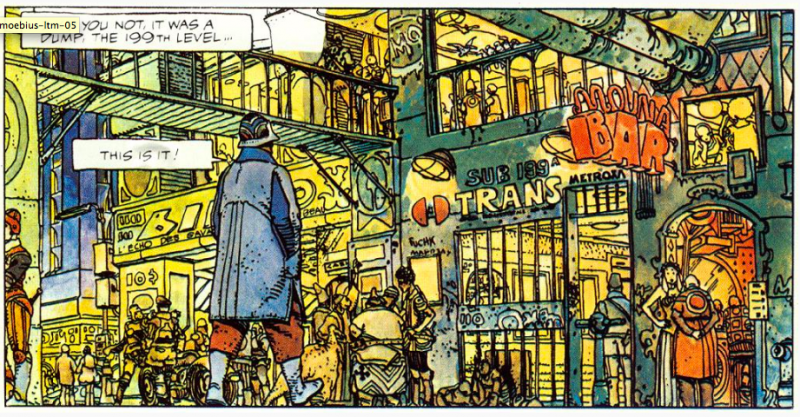
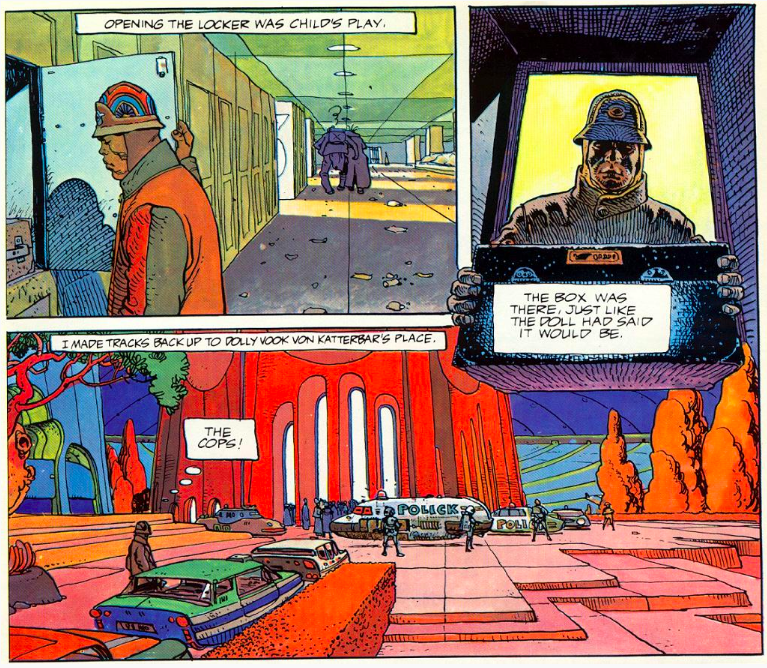
Watch Ground­break­ing Com­ic Artist Mœbius Draw His Char­ac­ters in Real Time

Car­toon­ist Lyn­da Bar­ry Shows You How to Draw Bat­man in Her UW-Madi­son Course, “Mak­ing Comics”

W.B. Yeats’ Poem “When You Are Old” Adapt­ed into a Japan­ese Man­ga Com­ic

Based in Seoul, Col­in Mar­shall writes and broad­casts on cities and cul­ture. His projects include the book The State­less City: a Walk through 21st-Cen­tu­ry Los Ange­les and the video series The City in Cin­e­ma. Fol­low him on Twit­ter at @colinmarshall or on Face­book.

Underground Cartoonist Robert Crumb Creates an Illustrated Introduction to Franz Kafka’s Life and Work

The use of an author’s name as an adjec­tive to describe some kind of gen­er­al style can seem, well, lazy, in a wink-wink, “you know what I mean,” kind of way. One must leave it to read­ers to decide whether deploy­ing a “Bald­win­ian” or a “Woolfi­an,” or an “Orwellian” or “Dick­en­sian,” is jus­ti­fied. When it comes to “Kafkaesque,” we may find rea­son to con­sid­er aban­don­ing the word alto­geth­er. Not because we don’t know what it means, but because we think it means what Kaf­ka meant, rather than what he wrote. Maybe turn­ing him into short­hand, “a clever ref­er­ence,” writes Chris Barsan­ti, pre­pares us to seri­ous­ly mis­un­der­stand his work.

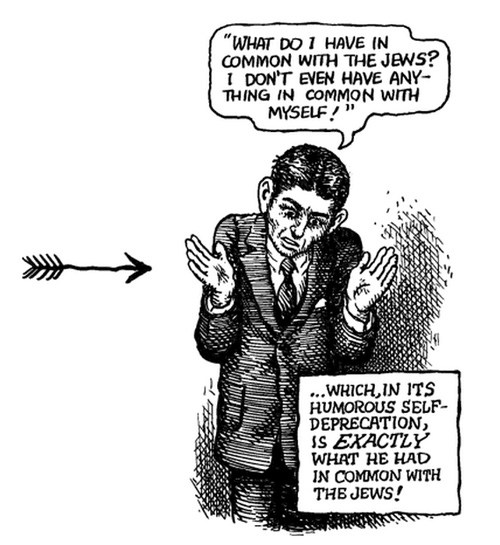
The prob­lem moti­vat­ed author David Zane Mairowitz and under­ground comics leg­end Robert Crumb to cre­ate a graph­ic biog­ra­phy, first pub­lished in 1990 as Kaf­ka for Begin­ners. “The book,” writes Barsan­ti of a 2007 Fan­to­graph­ics edi­tion called Kaf­ka, “states its case rather plain: ‘No writer of our time, and prob­a­bly none since Shake­speare, has been so wide­ly over-inter­pret­ed and pigeon holed… [Kafkaesque] is an adjec­tive that takes on almost myth­ic pro­por­tions in our time, irrev­o­ca­bly tied to fan­tasies of doom and gloom, ignor­ing the intri­cate Jew­ish Joke that weaves itself through the bulk of Kafka’s work.’” Or, as Maria Popo­va puts it, “Kafka’s sto­ries, how­ev­er grim, are near­ly always also… fun­ny.”

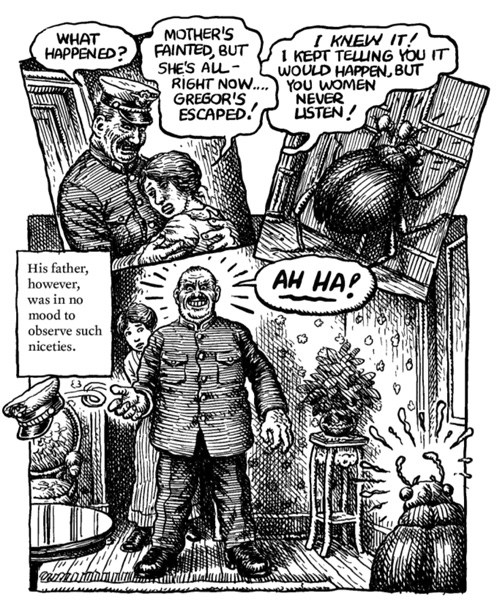
Much of that humor derives from “the author’s cop­ing mech­a­nisms amid Prague’s anti-Semit­ic cul­tur­al cli­mate.” Mairowitz describes Kafka’s Jew­ish humor as “healthy anti-Semi­tism.… but soon­er or lat­er, even the most hate­ful of Jew­ish self-hatreds has to turn around and laugh at itself.” Crumb pro­vides graph­ic illus­tra­tions of Kafka’s espe­cial­ly mor­dant, absur­dist humor in adap­ta­tions of The Meta­mor­pho­sis, A Hunger Artist, In the Penal Colony, and The Judge­ment and brief sketch­es from The Tri­al, The Cas­tle, and Ameri­ka. These illus­tra­tions draw out the grotesque nature of Kafka’s humor from the start, Barstan­ti notes, “with a grue­some graph­ic ren­der­ing of Kafka’s night­mares of his own death.”

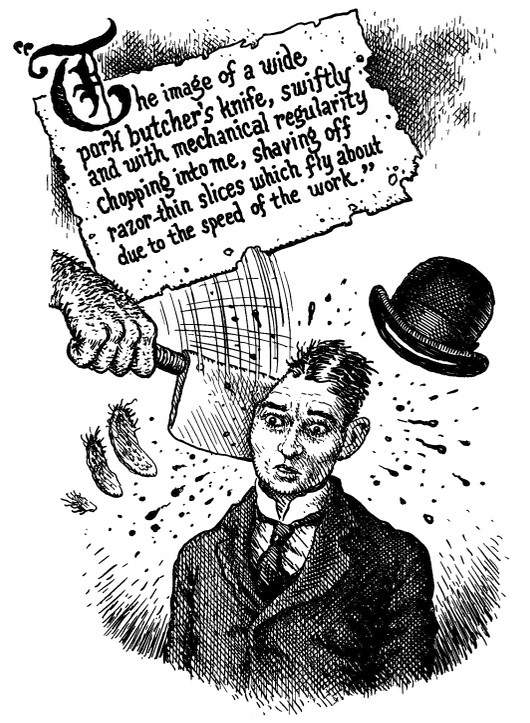
Kafka’s self-vio­lence leaps out at us in its incred­i­ble speci­fici­ty, which can pro­duce hor­rors, like the ghoul­ish exe­cu­tion of “In the Penal Colony,” and dark­ly fun­ny fan­tasies like a “pork butcher’s knife” send­ing thin slices of Kaf­ka fly­ing around the room, “due to the speed of the work.” Turned into cold cuts, as it were. Crumb’s illus­tra­tion (top), imag­ines this gris­ly joke with exquis­ite glee—halo of blood spurts like squig­gly excla­ma­tion marks and bowler hat tak­ing flight. Along with Mairowitz’s lit­er­ary analy­sis and bio­graph­i­cal detail, Crumb’s fine­ly ren­dered illus­tra­tions make Kaf­ka an “invalu­able book,” Barsan­ti writes, one that gives Kaf­ka “back his soul.”

One only wish­es they had paid more atten­tion to Kafka’s weird ani­mal sto­ries, some of the fun­ni­est he ever wrote. Sto­ries like “Inves­ti­ga­tions of a Dog” and “In Our Syn­a­gogue” express with more vivid imag­i­na­tion and wicked humor Kafka’s pro­found­ly ambiva­lent rela­tion­ship to Judaism and to him­self as a “tor­tured, gen­tle, cru­el, and bril­liant,” and yet very fun­ny, out­sider.

via Brain Pick­ings

Relat­ed Con­tent:

What Does “Kafkaesque” Real­ly Mean? A Short Ani­mat­ed Video Explains

R. Crumb Shows Us How He Illus­trat­ed Gen­e­sis: A Faith­ful, Idio­syn­crat­ic Illus­tra­tion of All 50 Chap­ters

Robert Crumb Illus­trates Philip K. Dick’s Infa­mous, Hal­lu­ci­na­to­ry Meet­ing with God (1974)

Three Charles Bukows­ki Books Illus­trat­ed by Robert Crumb: Under­ground Com­ic Art Meets Out­sider Lit­er­a­ture

Josh Jones is a writer and musi­cian based in Durham, NC. Fol­low him at @jdmagness

How Art Spiegelman Designs Comic Books: A Breakdown of His Masterpiece, Maus

Maus, car­toon­ist Art Spiegel­man’s ground­break­ing, Pulitzer Prize-win­ning account of his com­pli­cat­ed rela­tion­ship with his Holo­caust sur­vivor father, is a sto­ry that lingers.

Spiegel­man famous­ly chose to depict the Jews as mice and the Nazis as cats. Non-Jew­ish civil­ians of his father’s native Poland were ren­dered as pigs. He flirt­ed with the idea of depict­ing his French-born wife, the New Yorker’s art edi­tor, Françoise Mouly, as a frog or a poo­dle, until she con­vinced him that her con­ver­sion to Judaism mer­it­ed mouse­hood, too.

The char­ac­ters’ anthro­po­mor­phism is not the only visu­al inno­va­tion, as the Nerd­writer, Evan Puschak, points out above.

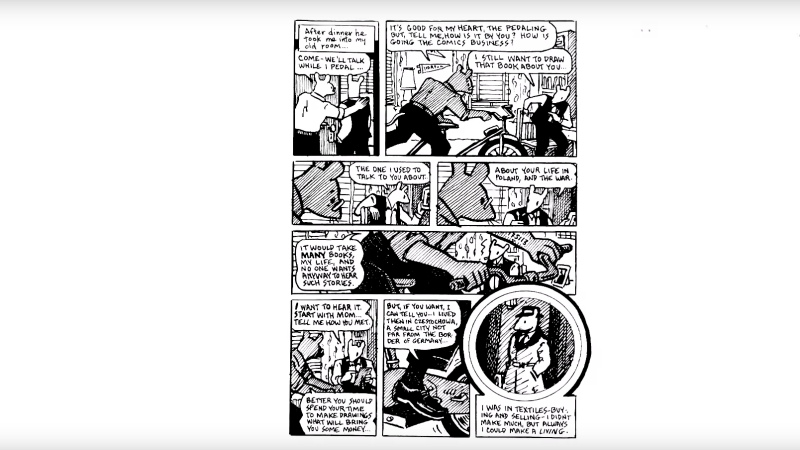
Draw­ing on inter­views in Meta­Maus: A Look Inside a Mod­ern Clas­sic, taped con­ver­sa­tions with Neil Gaiman, and the Uni­ver­si­ty of Washington’s Mar­cia Alvar, and oth­er sources, the Nerd­writer pans an eight-pan­el page from the first chap­ter for max­i­mum mean­ing.

On first glance, noth­ing much appears to be hap­pen­ing on that page—hoping to con­vince his elder­ly father to sub­mit to inter­views for the book that would even­tu­al­ly become Maus, Spiegel­man trails him to his child­hood bed­room, which the old­er man has equipped with an exer­cise bike that he ped­als in dress shoes and black socks.

But, as Spiegel­man him­self once point­ed out:

Those pan­els are each units of time. You see them simul­ta­ne­ous­ly, so you have var­i­ous moments in time simul­ta­ne­ous­ly made present. 

Read­ers must force them­selves to pro­ceed slow­ly in order to ful­ly appre­ci­ate the coex­is­tence of all those moments.

Left to our own devices, we might pick up on the senior Spiegelman’s con­cen­tra­tion camp tat­too, or the intro­duc­tion of Art’s late moth­er via the framed pho­to he shows him­self pick­ing up.

But Puschak takes us on an even deep­er dive, not­ing the sig­nif­i­cance of Art’s place­ment in the long mid-page pan­el. Watch out for the 4:30 mark, anoth­er visu­al stun­ner is teased out in a man­ner rem­i­nis­cent of the rev­e­la­tion of a mes­sage writ­ten in invis­i­ble ink.

So Maus con­ferred com­mer­cial suc­cess upon its cre­ator, while hang­ing onto some of the bold visu­al exper­i­ments from ear­li­er in his career, when he and Mouly helped dri­ve the under­ground comix scene—the past and present entwined yet again.

And this is just one page. Should you ven­ture forth in search of fur­ther visu­al cues lat­er in the text, please use the com­ments sec­tion to share your dis­cov­er­ies.

Relat­ed Con­tent:

R. Crumb Shows Us How He Illus­trat­ed Gen­e­sis: A Faith­ful, Idio­syn­crat­ic Illus­tra­tion of All 50 Chap­ters

23 Car­toon­ists Unite to Demand Action to Reduce Gun Vio­lence: Watch the Result

Lyn­da Bar­ry on How the Smart­phone Is Endan­ger­ing Three Ingre­di­ents of Cre­ativ­i­ty: Lone­li­ness, Uncer­tain­ty & Bore­dom

Ayun Hal­l­i­day is an author, illus­tra­tor, the­ater mak­er and Chief Pri­ma­tol­o­gist of the East Vil­lage Inky zine.  Fol­low her @AyunHalliday.

The Philosophy of Rick and Morty: What Everyone’s New Favorite Cartoon Has in Common with Albert Camus

“Nobody exists on pur­pose, nobody belongs any­where, every­body’s gonna die.” So, in one episode of Rick and Morty, says the four­teen-year-old Morty Smith, one of the show’s tit­u­lar co-pro­tag­o­nists. With the oth­er, a mad sci­en­tist by the name of Rick Sanchez, who also hap­pens to be Morty’s grand­fa­ther, he con­sti­tutes the ani­mat­ed team that has enter­tained thou­sands and thou­sands of view­ers — and made insa­tiable fans of seem­ing­ly all of them — over the past four years. To those few who haven’t yet seen the show, it may just look like a sil­ly car­toon, but the true fans under­stand that under­neath all of the mem­o­rable gags and quotable lines lies an unusu­al philo­soph­i­cal depth.

“The human desire to ful­fill some spe­cial exis­ten­tial pur­pose has exist­ed through­out his­to­ry,” says video essay­ist Will Schoder in his analy­sis of the phi­los­o­phy of Rick and Morty. But the tit­u­lar duo’s adven­tures through all pos­si­ble real­i­ties of the “mul­ti­verse” ensure that they expe­ri­ence first­hand the utter mean­ing­less­ness of each indi­vid­ual real­i­ty.

When Morty breaks that bleak-sound­ing news to his sis­ter Sum­mer with the now oft-quot­ed line above, he actu­al­ly deliv­ers a “com­fort­ing mes­sage”: once you con­front the ran­dom­ness of the uni­verse, as Rick and Morty con­stant­ly do, “the only option is to find impor­tance in the stuff right in front of you,” and their adven­tures show that “friends, fam­i­ly, and doing what we enjoy are far more impor­tant than any unsolv­able ques­tions about exis­tence.”

Schoder, also the author of a video essay on Rick and Morty co-cre­ator Dan Har­mon’s mytho­log­i­cal sto­ry­telling tech­nique as well as one we’ve pre­vi­ous­ly fea­tured about David Fos­ter Wal­lace’s cri­tique of post­mod­ernism, makes the clear philo­soph­i­cal con­nec­tion to Albert Camus. The philoso­pher and author of The Stranger wrote and thought a great deal about the “con­tra­dic­tion between humans’ desire to find mean­ing in life and the mean­ing­less­ness of the uni­verse,” and the absur­di­ty that results, a notion the car­toon has dra­ma­tized over and over again, with an ever-height­en­ing absur­di­ty. We must, like Sisy­phus eter­nal­ly push­ing his rock uphill, rec­og­nize the true nature of our sit­u­a­tion yet defi­ant­ly con­tin­ue “to explore and search for mean­ing.” Morty, as any fan well knows, offers Sum­mer anoth­er solu­tion to her despair: “Come watch TV.”

Relat­ed Con­tent:

Albert Camus: The Mad­ness of Sin­cer­i­ty — 1997 Doc­u­men­tary Revis­its the Philosopher’s Life & Work

David Fos­ter Wal­lace on What’s Wrong with Post­mod­ernism: A Video Essay

The Phi­los­o­phy of The Matrix: From Pla­to and Descartes, to East­ern Phi­los­o­phy

The Phi­los­o­phy of Bill Mur­ray: The Intel­lec­tu­al Foun­da­tions of His Comedic Per­sona

Based in Seoul, Col­in Mar­shall writes and broad­casts on cities and cul­ture. His projects include the book The State­less City: a Walk through 21st-Cen­tu­ry Los Ange­les and the video series The City in Cin­e­ma. Fol­low him on Twit­ter at @colinmarshall or on Face­book.

Alan Watts Explains the Meaning of the Tao, with the Help of the Greatest Nancy Panel Ever Drawn

A Nan­cy pan­el is an irre­ducible con­cept, an atom, and the com­ic strip is a mol­e­cule. — comics the­o­rist Scott McCloud

A lit­tle over ten years ago, car­toon­ist Jim Woodring iso­lat­ed a sin­gle image from Ernie Bushmiller’s long-run­ning and deeply polar­iz­ing Nan­cy com­ic strip, cel­e­brat­ing it on his blog, the Woodring Mon­i­tor, as “the great­est Nan­cy pan­el ever drawn.”

What makes this pan­el the great­est? Woodring declined to elab­o­rate, though his read­ers eager­ly shared the­o­ries—and some befuddlement—in the com­ments sec­tion:

Slug­go has reached the per­fect state of no-effort, the satori-like denial of the “small mind” and all of the suf­fer­ing that comes with it.

… it’s the com­ic equiv­a­lent of a koan—something designed to tie our ratio­nal mind in knots so that we can glimpse enlight­en­ment.

Slug­go smiles because he knows a secret. He says no because he rejects con­sen­sus real­i­ty. He floats along because he doesn’t fight life—he sees the main­te­nance of the har­mo­ny and is one with that har­mo­ny. He knows all paths lead away from home. Instead he goes with­in and knows free­dom.

“I am con­tent. I need noth­ing, I will do noth­ing, I am fine as I am.”

Anoth­er fan, Glyph Jock­ey’s Lex 10, took it one step fur­ther, remov­ing the speech bub­ble before tak­ing Slug­go on an ani­mat­ed trip through the cos­mos, nar­rat­ed by philoso­pher Alan Watts:

In the state of being in accor­dance with the Tao, there is a cer­tain feel­ing of weight­less­ness, par­al­lel to the weight­less­ness that peo­ple feel when they get into out­er space or when they go deep into the ocean.

Gab­by Pahinui’s “Pu’uanahulu” and Ramayana imagery bestow added hyp­not­ic appeal.

Revis­it this strange lit­tle ani­mat­ed gem the next time your head­’s about to explode from stress. Don’t ques­tion or get too hung up on mean­ings, just go with the flow, like Slug­go and Watts.

Could oth­er Nan­cy pan­els serve as vehi­cles for Taoist enlight­en­ment? May­haps:

Bushmiller’s strong point was nev­er the con­tent of his com­ic strip’s jokey plots—a friend once described him as ‘a moron on an acid trip.’ In fact, the gags were even sim­pler than was nec­es­sary for a ‘chil­dren’s’ strip. That’s because they were just a vehi­cle for the con­trolled and bril­liant manip­u­la­tion of rep­e­ti­tion and vari­ety that gave the strip its unique visu­al rhythm and com­po­si­tion. Bush­miller chore­o­graphed his famil­iar for­mal ele­ments inside the tight­est frame of any major strip, and that helped make it the most beau­ti­ful, as a whole, of any in the papers.” — Tom Smuck­er, The Vil­lage Voice, 1982

Recent­ly, Bushmiller’s Nan­cy has been enjoy­ing a renais­sance. The strip that many casu­al read­ers of the fun­ny pages dis­missed as bor­ing or dumb is revered by many cel­e­brat­ed car­toon­ists, includ­ing Bill Grif­fith, Daniel Clowes, and Art Spiegel­man.

This month sees the pub­li­ca­tion of Paul Karasik and Mark New­gar­den’s How to Read Nan­cy, a book length analy­sis of one sin­gle strip, which also func­tions as a how-to and his­to­ry of the com­ic medi­um. This hot­ly antic­i­pat­ed vol­ume has in turn giv­en rise to a live­ly online How To Read Nan­cy Read­ing Group, a hotbed of fan art, altered pan­els, and Nan­cy strips from around the world.

Invite your pals over to play com­ic the­o­rist Scott McCloud’s Dadaist game Five Card Nan­cy or take the online ver­sion for a solo spin.

And for those who require con­text, here is the orig­i­nal strip from which the float­ing Slug­go pan­el is drawn.

Appar­ent­ly the key to the Tao is a plas­tic ham­mock…

Relat­ed Con­tent:

The Wis­dom of Alan Watts in Four Thought-Pro­vok­ing Ani­ma­tions

Three Charles Bukows­ki Books Illus­trat­ed by Robert Crumb: Under­ground Com­ic Art Meets Out­sider Lit­er­a­ture

Fol­low Car­toon­ist Lyn­da Barry’s 2017 “Mak­ing Comics” Class Online, Pre­sent­ed at UW-Wis­con­sin

Down­load Over 22,000 Gold­en & Sil­ver Age Com­ic Books from the Com­ic Book Plus Archive

Ayun Hal­l­i­day is an author, illus­tra­tor, the­ater mak­er and Chief Pri­ma­tol­o­gist of the East Vil­lage Inky zine.  Fol­low her @AyunHalliday.

Download Theft! A History of Music, a New Free Graphic Novel Exploring 2,000 Years of Musical Borrowing

From the team behind the 2006 fair use com­ic Bound by Law comes a new fair use com­ic, Theft! A His­to­ry of MusicCre­at­ed by James Boyle and Jen­nifer Jenk­ins, two law school profs from Duke Uni­ver­si­ty, Theft! A His­to­ry of Music is “a graph­ic nov­el lay­ing out a 2000-year long his­to­ry of musi­cal bor­row­ing from Pla­to to rap.” The book’s blurb adds:

This com­ic lays out 2000 years of musi­cal his­to­ry. … Again and again there have been attempts to police music; to restrict bor­row­ing and cul­tur­al cross-fer­til­iza­tion. But music builds on itself. To those who think that mash-ups and sam­pling start­ed with YouTube or the DJ’s turnta­bles, it might be shock­ing to find that musi­cians have been bor­row­ing – exten­sive­ly bor­row­ing – from each oth­er since music began. Then why try to stop that process? The rea­sons var­ied. Phi­los­o­phy, reli­gion, pol­i­tics, race – again and again, race – and law. And because music affects us so deeply, those strug­gles were pas­sion­ate ones. They still are.

The his­to­ry in this book runs from Pla­to to Blurred Lines and beyond. You will read about the Holy Roman Empire’s attempts to stan­dard­ize reli­gious music using the first great musi­cal tech­nol­o­gy (nota­tion) and the inevitable back­fire of that attempt. You will read about trou­ba­dours and church com­posers, swap­ping tunes (and remark­ably pro­fane lyrics), chang­ing both reli­gion and music in the process. You will see dia­tribes against jazz for cor­rupt­ing musi­cal cul­ture, against rock and roll for breach­ing the col­or-line. You will learn about the law­suits that, sur­pris­ing­ly, shaped rap. You will read the sto­ry of some of music’s icon­o­clasts – from Han­del and Beethoven to Robert John­son, Chuck Berry, Lit­tle Richard, Ray Charles, the British Inva­sion and Pub­lic Ene­my.

To under­stand this his­to­ry ful­ly, one has to roam wider still – into musi­cal tech­nolo­gies from nota­tion to the sam­ple deck, aes­thet­ics, the incen­tive sys­tems that got musi­cians paid, and law’s 250 year strug­gle to assim­i­late music, with­out destroy­ing it in the process. Would jazz, soul or rock and roll be legal if they were rein­vent­ed today? We are not sure. Which as you will read, is pro­found­ly wor­ry­ing because today, more than ever, we need the arts.

All of this makes up our sto­ry. It is assured­ly not the only his­to­ry of music. But it is def­i­nite­ly a part – and a fas­ci­nat­ing part – of that his­to­ry…

Released under a Cre­ative Com­mons license, the book is free to down­load online. Or you can buy a nice paper­back ver­sion on Ama­zon.

The video above offers anoth­er intro­duc­tion to the graph­ic nov­el. And you can read an inter­view with the authors over on the Cre­ative Com­mons web­site.

If you would like to sign up for Open Culture’s free email newslet­ter, please find it here. It’s a great way to see our new posts, all bun­dled in one email, each day.

If you would like to sup­port the mis­sion of Open Cul­ture, con­sid­er mak­ing a dona­tion to our site. It’s hard to rely 100% on ads, and your con­tri­bu­tions will help us con­tin­ue pro­vid­ing the best free cul­tur­al and edu­ca­tion­al mate­ri­als to learn­ers every­where. You can con­tribute through Pay­Pal, Patre­on, and Ven­mo (@openculture). Thanks!

Relat­ed Con­tent:

Bound by Law?: Free Com­ic Book Explains How Copy­right Com­pli­cates Art

Down­load 15,000+ Free Gold­en Age Comics from the Dig­i­tal Com­ic Muse­um

Down­load Over 22,000 Gold­en & Sil­ver Age Com­ic Books from the Com­ic Book Plus Archive

by | Permalink | Make a Comment ( 1 ) |

Follow Cartoonist Lynda Barry’s 2017 “Making Comics” Class Online, Presented at UW-Wisconsin

Pro­fes­sor Skeletor—aka car­toon­ist and edu­ca­tor Lyn­da Bar­ry—is at it again. Mak­ing Comics (& oth­er Graph­ic For­ma­tions), her fall offer­ing at the Uni­ver­si­ty of Wisconsin’s Insti­tute for Dis­cov­ery is just get­ting under­way.

Those of us who can’t study in per­son with an edu­ca­tor whose depart­ment chair called her “the best class­room teacher” that he’s ever seen can hap­pi­ly fol­low along online.

As always, her hand­writ­ten home­work assign­ments will be post­ed to her Near­sight­ed Mon­key tum­blr account, along with in-class reflec­tions and inspi­ra­tional bits and bobs pulled off the Inter­net.

The first task, famil­iar to read­ers of her Syl­labus work­book, is to begin a dai­ly diary prac­tice, fill­ing in a tem­plate frame of Barry’s own devis­ing.

Begin by putting your phone on air­plane mode. “The phone gives us a lot but it takes away three key ele­ments of dis­cov­ery: lone­li­ness, uncer­tain­ty and bore­dom,” she stat­ed last year, on a vis­it to NASA’s God­dard Space Flight Cen­ter. “Those have always been where cre­ative ideas come from.”

Amen.

Any one of the exer­cis­es will renew your pow­ers of obser­va­tion and sense of con­nec­tion with the world around you. Don’t be sur­prised if you find your­self get­ting up ear­ly or skip­ping some must-see TV in order to ful­ly com­ply with Pro­fes­sor Skeletor’s feel-good assign­ments. There are no wrong answers, pro­vid­ed you go at the assign­ments with ener­gy and a will­ing­ness to play. As Bar­ry said in an inter­view:

Because we tend to give up on the arts so ear­ly in life, I became real­ly inter­est­ed in what would hap­pen if we rein­tro­duce the arts with­out the thought of ‘you’re going to do this to become a great writer or painter,’ but rather that it might help peo­ple with the oth­er work in their field.

For added val­ue, com­plete your first dai­ly diary frame to an audio record­ing of Barry’s timed instruc­tion here. (Ignore the back­ground noise of your teacher’s life—her sneez­ing cat, her hap­py pet birds—or bet­ter yet, let her household’s zesty ener­gy seep into your work.)

Relat­ed Con­tent:

Lyn­da Barry’s Illus­trat­ed Syl­labus & Home­work Assign­ments from Her New UW-Madi­son Course, “Mak­ing Comics”

Lyn­da Barry’s Won­der­ful­ly Illus­trat­ed Syl­labus & Home­work Assign­ments from Her UW-Madi­son Class, “The Unthink­able Mind”

Join Car­toon­ist Lyn­da Bar­ry for a Uni­ver­si­ty-Lev­el Course on Doo­dling and Neu­ro­science

Ayun Hal­l­i­day is an author, illus­tra­tor, the­ater mak­er and Chief Pri­ma­tol­o­gist of the East Vil­lage Inky zine.  Fol­low her @AyunHalliday.

Gonzo Illustrator Ralph Steadman Draws the American Presidents, from Nixon to Trump

In a 2012 inter­view with Nation­al Pub­lic Radio, car­toon­ist Ralph Stead­man, best known for his col­lab­o­ra­tions with Gonzo jour­nal­ist Hunter S. Thomp­son, lament­ed the qual­i­ty of the can­di­dates in that year’s Pres­i­den­tial race:

The prob­lem is there are no Nixons around at the moment. That’s what we need — we need a real good Nixon to give some­thing for oth­er peo­ple to get their teeth into, to real­ly … loathe him, to become them­selves more effec­tive as oppo­si­tion lead­ers.

Alas, his prayers have been answered.

Stead­man, who has brought his inky sen­si­bil­i­ties to bear on such works as Ani­mal Farm and Alice in Won­der­land, has a new Amer­i­can pres­i­dent to add to the col­lec­tion he dis­cussed sev­er­al years ago, in the video above.

Steadman’s pen was the sword that ren­dered Ger­ald Ford as a scare­crow, Ronald Rea­gan as a vam­pire, and George W. Bush as a mon­key in a cage of his own mak­ing.

Barack Oba­ma, one of the can­di­dates in that com­par­a­tive­ly bland 2012 elec­tion, is depict­ed as a tena­cious, slen­der vine, strain­ing ever upward.

Jim­my Carter, some­what less benign­ly, is a pup­py eager­ly fetch­ing a stick with which to par­don Nixon, the Welsh cartoonist’s dark muse, first encoun­tered when he accom­pa­nied Thomp­son on the road trip that yield­ed Fear and Loathing: On the Cam­paign Trail ’72.

And now…

Don­ald Trump has giv­en Stead­man rea­son to come out fight­ing. With luck, he’ll stay out as long as his ser­vices are required. The above por­trait, titled “Porky Pie,” was sent, unso­licit­ed, to Ger­ry Brakus, an edi­tor of the New States­man, who pub­lished it on Decem­ber 17, 2015.

At the time, Stead­man had no rea­son to believe the man he’d anthro­po­mor­phized as a human pig hybrid, squeezed into bloody flag-print under­pants, would become the 45th pres­i­dent:

Trump is unthink­able. A thug and a moles­ter. Who wants him?

The por­trait’s hideous­ness speaks vol­umes, but it’s also worth look­ing beyond the obvi­ous-seem­ing inspi­ra­tion for the title to a ref­er­ence few Amer­i­cans would get. “Pork pie”—or porky—is Cock­ney rhyming slang for “a lie.”

See a gallery of Steadman’s por­traits of Amer­i­can pres­i­dents on his web­site.

Relat­ed Con­tent:

Ralph Steadman’s Sur­re­al­ist Illus­tra­tions of George Orwell’s Ani­mal Farm (1995)

How Hunter S. Thomp­son — and Psilo­cy­bin — Influ­enced the Art of Ralph Stead­man, Cre­at­ing the “Gonzo” Style

Break­ing Bad Illus­trat­ed by Gonzo Artist Ralph Stead­man

Ayun Hal­l­i­day is an author, illus­tra­tor, the­ater mak­er and Chief Pri­ma­tol­o­gist of the East Vil­lage Inky zine.  Fol­low her @AyunHalliday

« Go BackMore in this category... »
Quantcast