Interactive Music Video Lets You Explore the Apartments on the Cover of Led Zeppelin’s Physical Graffiti

Dig that heavy met­al / Under­neath your hood / Baby I can work all night / Believe I got the per­fect tools / Talkin’ bout love

Last Feb­ru­ary, Led Zep­pelin released a deluxe, re-mas­tered ver­sion of their sprawl­ing 1975 dou­ble album Phys­i­cal Graf­fi­ti, a record per­haps best known for the epic, orches­tral grandeur of the 8 1/2 minute “Kash­mir” (not to be out­done by the 11-minute “In My Time of Dying”). In an album full of styl­is­tic depar­tures and sol­id returns to form, one track, “Tram­pled Under Foot,” man­ages to be both, dri­ven by down-and-dirty blues and uptown 70s funk, cour­tesy of John Paul Jones’ Ste­vie Won­der-inspired organ groove. With lyrics Robert Plant him­self described as “raunchy,” the song—one of Plant’s favorites—may be the band’s most 70s-sound­ing. That’s not to say it’s dat­ed, only that it most per­fect­ly cap­tures the sound of the Amer­i­can street rep­re­sent­ed on the album cov­er, a shot of two adja­cent ten­e­ments on New York City’s St. Mark’s Place.

Room-10---Kitchen-Girls

Now, lis­ten­ers can enter those build­ings and tool around the apart­ments, cour­tesy of the inter­ac­tive video at the top of the post (view it in a larg­er for­mat here), which fea­tures a pre­vi­ous­ly unre­leased rough mix of the track called “Brandy & Coke.” Con­ceived and direct­ed by Hal Kirk­land, the video pulls togeth­er some of my favorite things—the peri­od design and styling of That ‘70s Show, the most inven­tive tricks of the music video age, a la Tom Pet­ty or Peter Gabriel, and of course, Zep—with the added 21st cen­tu­ry tech­nol­o­gy of online inter­ac­tiv­i­ty. Click the arrow keys while the video plays and you’re trans­port­ed from one vivid tableaux to anoth­er, some rep­re­sent­ing funky apart­ment scenes, oth­ers some­thing else entire­ly. The video also inte­grates footage from Zeppelin’s per­for­mance of the song at Earl’s Court in ’75.

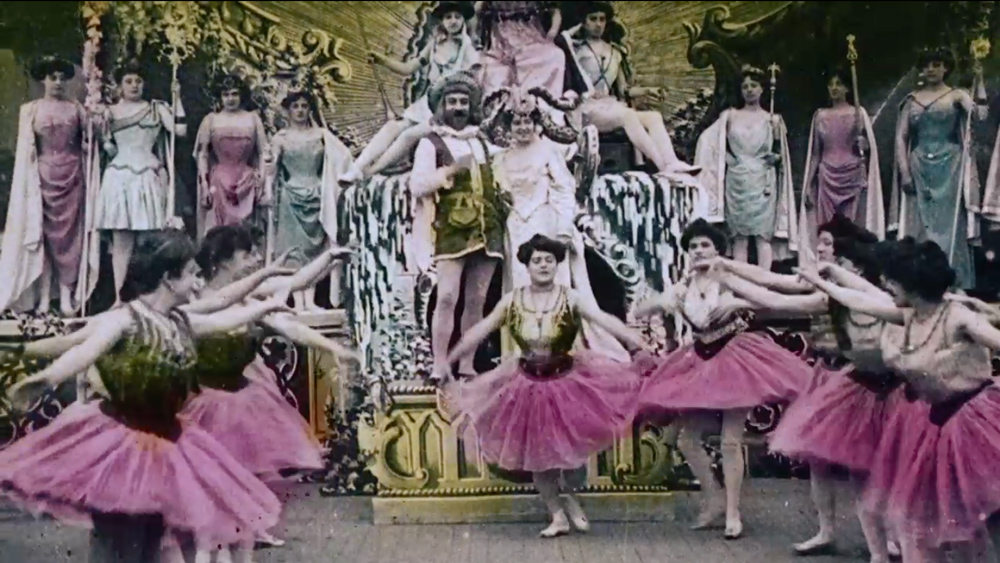
Room-7---King-and-Queen

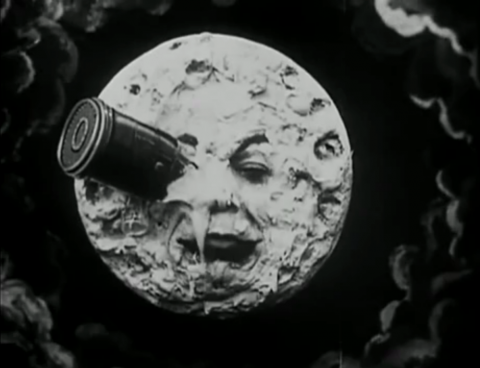
Clever ref­er­ences abound, like the nod to god­fa­ther of fan­ta­sy cin­e­ma Georges Méliès (above) and an allu­sion to the clas­sic MTV moon land­ing intro (below). Over­all, it’s an aston­ish­ing visu­al feast that hear­kens back to the very best in music video tech­nol­o­gy, a seem­ing­ly lost art that Kirk­land and com­pa­ny may sin­gle­hand­ed­ly res­ur­rect. See Kirkland’s site for more of his inter­net age music video cre­ations, includ­ing “Sour—Hibi No Neiro,” shot entire­ly on web­cams.

Room-14---Astronaut-Cockpit

Relat­ed Con­tent:

Led Zep­pelin Plays One of Its Ear­li­est Con­certs (Dan­ish TV, 1969)

Hear Led Zeppelin’s Mind-Blow­ing First Record­ed Con­cert Ever (1968)

Jim­my Page Describes the Cre­ation of Led Zeppelin’s “Whole Lot­ta Love”

Josh Jones is a writer and musi­cian based in Durham, NC. Fol­low him at @jdmagness

Alan Alda Uses Improv to Teach Scientists How to Communicate Their Ideas

Woe to the famous actor who dares to write a nov­el or start a band or design a line of cloth­ing. The pub­lic can be awful­ly snob­by about such extracur­ric­u­lar pur­suits. We reward our chil­dren for cul­ti­vat­ing a wide range of inter­ests, but heav­en for­fend a celebri­ty who wan­ders away from the accept­ed script.

Hacks! Poseurs! Wannabes!

There are excep­tions, of course. I don’t see too many peo­ple tak­ing pot­shots at Leonard Nimoy’s pas­sion for pho­tog­ra­phy, Ed Beg­ley Jr.’s com­mit­ment to the envi­ron­ment, or the Won­der Years’ Dan­i­ca McKel­lar’s devo­tion to math.

(Per­son­al­ly, I will brook no unkind words toward ani­mal lov­ing TV dad Dick Van Pat­ten, not after he fathered the only cat food the small mam­mal with whom I live a lie will deign to eat.)

If there’s a for­mu­la to be gleaned from these exam­ples, it’s like­ly a syn­the­sis of icon­ic role, num­ber of years spent on the pas­time of choice, and a rabid curios­i­ty of the sort that dri­ves ordi­nary mor­tals to become edu­ca­tors. Once a pub­lic fig­ure is in pos­ses­sion of that for­mu­la, the pub­lic he or she serves will grant a pass to pur­sue a side inter­est.

I’m not sure that sci­ence could be called a side inter­est of Alan Alda’s.

Not when he ranks host­ing Sci­en­tif­ic Amer­i­can Fron­tiers  as the pin­na­cle of his TV career.

He played physi­cist Richard Feyn­man onstage, and has writ­ten plays about Albert Ein­stein and Marie Curie. He’s one of the annu­al World Sci­ence Fes­ti­val’s MVPs. At this rate, his love of sci­ence seems des­tined to car­ry him from cra­dle to grave.

By now, he’s prob­a­bly met more sci­en­tists than M*A*S*H fans—enough to sug­gest a trou­bling gap between the sci­en­tif­ic  mes­sage and the man­ner in which it’s deliv­ered. To put it anoth­er way, if you think sci­ence is bor­ing, per­haps the trou­ble is with the sci­en­tist.

The solu­tion? Improv train­ing.

Uh oh. Is there a dan­ger this knife could cut both ways? Will some emi­nent biol­o­gist or astronomer be pil­lo­ried for play­ing freeze tag a bit too zest­ful­ly or join­ing a lev­el 1 team at the Annoy­ance or UCB East? Like, how dare Stephen Hawk­ing think he can make a machine?

It’s worth the risk (tech­ni­cal­ly, Alda espous­es Vio­la Spolin’s explorato­ry impro­vi­sa­tion form over the kind with a strict­ly comedic goal, but c’mon. I know a gate­way drug when I see one…)

His belief is that sci­en­tists who study improv are bet­ter equipped to com­mu­ni­cate the com­pli­cat­ed nature of their work to pub­lic offi­cials, the media, and for­mer the­ater majors such as myself. The lev­el of engage­ment, flex­i­bil­i­ty, and aware­ness that impro­vi­sa­tion requires of its prac­ti­tion­ers are also the stuff of good TED talks.

Watch the “before and after” pre­sen­ta­tions of par­tic­i­pants in his improv work­shop at the Alan Alda Cen­ter for Com­mu­ni­cat­ing Sci­ence at Stony Brook Uni­ver­si­ty, above. His the­sis holds water, it would seem. Improv hones the sens­es and helps one to clar­i­fy what is essen­tial in any scene. Even the solo scene where­in one explains wave par­ti­cle dual­i­ty or spe­cial­ized leaf forms to one’s fel­low adults.

I’ll bet those same improv-based skills could help a TV star to per­suade his stu­dents that he’s just as approach­able and sup­port­ive as any old teacher. (Maybe even more so, to judge by his han­dling of an invis­i­ble jar of jel­ly­fish that slips through one sci­en­tist’s fin­gers.)

Relat­ed Con­tent:

What Is a Flame?: The First Prize-Win­ner at Alan Alda’s Sci­ence Video Com­pe­ti­tion

Adam Sav­age (Host of Myth­Busters) Explains How Sim­ple Ideas Become Great Sci­en­tif­ic Dis­cov­er­ies

Charles & Ray Eames’ A Com­mu­ni­ca­tions Primer Explains the Key to Clear Com­mu­ni­ca­tion in the Mod­ern Age (1953)

Ayun Hal­l­i­day is an author and illus­tra­tor who teach­es improv to teenage girls. Fol­low her @AyunHalliday

Devo’s Mark Mothersbaugh & Other Arists Tell Their Musical Stories in the Animated Video Series, “California Inspires Me”

I’ve lived all of my life in var­i­ous cities on the East Coast, north and south. Var­i­ous cul­tur­al and geo­graph­ic fea­tures of the mid-Atlantic have shaped me in ways I’m prob­a­bly only par­tial­ly aware of. But this past sum­mer I spent more time on the West Coast—L.A. to be precise—than I ever have before, and I found it com­plete­ly refresh­ing. Of course, mass com­merce being what it is, no mat­ter where you go in the U.S., you run smack into a Tar­get, usu­al­ly flanked by strips of oth­er tedious­ly famil­iar chains. But instead of the tow­er­ing pines of my cur­rent locale, I gazed up at lan­guid palm fronds, and instead of the typ­i­cal East Coast swel­ter, I rel­ished the arid heat and the faint ocean tang in the air. A change in cli­mate changes one’s per­cep­tions of the world, and that’s not even to men­tion my—admittedly superficial—tourist’s appre­ci­a­tion of myr­i­ad archi­tec­tur­al, culi­nary, and oth­er SoCal eccen­tric­i­ties.

On return­ing and set­tling back into the grind, I still felt the pull west­ward, toward L.A.’s weird­ness. This is unsurprising—it’s a city, and a state, that have always sym­bol­ized escapism, as well as dis­ap­point­ment, whether that of the Joads, Nor­ma Desmond, or count­less real anony­mous hope­fuls. The sto­ry of mov­ing west in pur­suit of some Amer­i­can Dream is as old as Lewis and Clark and as new as Devo, one of whose found­ing mem­bers, native Cal­i­forn­ian Mark Moth­ers­baugh, nar­rates above his jour­ney to Hol­ly­wood with his band­mates after col­lege at Kent State (at the top of the post). He begins with some for­ma­tive child­hood experiences—getting his first pair of glass­es in 2nd grade (Moth­ers­baugh is legal­ly blind), see­ing the Bea­t­les on Ed Sul­li­van. He then tells, in brief, the sto­ry of Devo vs. the record com­pa­ny, or how a quirky art-rock band co-opt­ed Madi­son Avenue strate­gies to “tell the good news of de-evo­lu­tion,” only to them­selves become a com­mod­i­ty after scor­ing a hit with “Whip It.”

The video is part of a series called “Cal­i­for­nia Inspires Me,” a col­lab­o­ra­tion between Google Play and Cal­i­for­nia Sun­day mag­a­zine. Beneath Mothersbaugh’s ani­mat­ed sto­ry, see one from film­mak­er and artist Mike Mills, who talks about skate­board­ing and punk rock in his L.A. youth. In the video above, singer/songwriter Thao Nguyen shares her “real­ly deep appre­ci­a­tion for the his­to­ry of San Fran­cis­co in music.” And below, Jack Black relates his expe­ri­ences grow­ing up in the “deep, deep South” of South­ern Cal­i­for­nia, specif­i­cal­ly Her­mosa Beach, with its surf cul­ture, and “free-wheel­ing hip­pie love.” If there’s one thing that ties all four videos together—besides the music by Shan­non Ferguson—it’s the mel­low per­son­al­i­ties of the four Cal­i­forn­ian artists. Watch­ing the series from my cur­rent­ly blus­tery win­ter cli­mate gave me the East Coast jit­ters, fir­ing up that urge again to hit the dusty trail and revis­it, or maybe relo­cate to the Sun­shine State.

Relat­ed Con­tent:

Watch Huell Howser’s Decades of Tele­vi­sion Trav­els Online. It’s Cal­i­for­nia Gold!

The Mas­ter­mind of Devo, Mark Moth­ers­baugh, Shows Off His Syn­the­siz­er Col­lec­tion

Josh Jones is a writer and musi­cian based in Durham, NC. Fol­low him at @jdmagness

The Hedge Maze from The Shining Gets Recreated by Mythbuster’s Adam Savage

Like myself, Adam Sav­age went to the trav­el­ing Stan­ley Kubrick exhi­bi­tion at LACMA last year and stayed sev­er­al hours, just absorb­ing all the genius, from the scripts to the slates to the blue­prints and the cos­tumes to the props. Unlike myself, he went back two more times, that lucky man! Because the Myth­buster noticed that the Hedge Maze prop in The Shin­ing sec­tion did not look like the one in the film in any way. In fact, it looked kin­da cheap. So, being Adam Sav­age, a man for whom prop-mak­ing is one of a series of child­hood obses­sions turned jobs, he set out to accu­rate­ly recre­ate the maze mod­el from the film.

In this fas­ci­nat­ing video (top) from his YouTube series Test­ed, we get a step-by-step walk­through of the process. The LACMA mod­el used plas­tic foam; Sav­age goes for a stur­dy par­ti­cle board, made to look like hedges through spray paint and flock­ing. His atten­tion to detail goes down to the crowns at the tops of the out­er maze wall, a news­pa­per kiosk and minia­ture map of the maze. He even geeks out (in the best way, of course!) about the scale mod­el fig­ures (at $4 a pop) he buys to pop­u­late the maze. (Strange­ly, there’s no rep­re­sen­ta­tion of Jack, Wendy, Dan­ny or even Hal­lo­ran to be seen.)
Savage’s ener­gy is infec­tious and if some of us had the time (55 hours total) and income to do this–and an under­stand­ing spouse–wouldn’t a lot of us love to trav­el down this rab­bit hole?

The film ends with a nice sur­prise that I won’t spoil, but let’s just say the uni­verse gets set right for once.

P.S. Does any­body know what is writ­ten on Savage’s work­sheet? Is it his ver­sion of “All Work and No Play…”?

via Metafil­ter

Relat­ed Con­tent:

Stan­ley Kubrick’s List of Top 10 Films (The First and Only List He Ever Cre­at­ed)

Saul Bass’ Reject­ed Poster Con­cepts for The Shin­ing (and His Pret­ty Excel­lent Sig­na­ture)

Stan­ley Kubrick’s Anno­tat­ed Copy of Stephen King’s The Shin­ing

Ted Mills is a free­lance writer on the arts who cur­rent­ly hosts the FunkZone Pod­cast. You can also fol­low him on Twit­ter at @tedmills and/or watch his films here.

Cartoonist Lynda Barry Shows You How to Draw Batman in Her UW-Madison Course, “Making Comics”

How do you draw Bat­man?

Don’t say you don’t, or that you can’t. Accord­ing to car­toon­ist and edu­ca­tor Lyn­da Bar­ry, we’re all capa­ble of get­ting Bat­man down on paper in one form or anoth­er.

He may not resem­ble Adam West or Michael Keaton or any­thing artists Frank Miller or Neal Adams might ren­der, but so what?

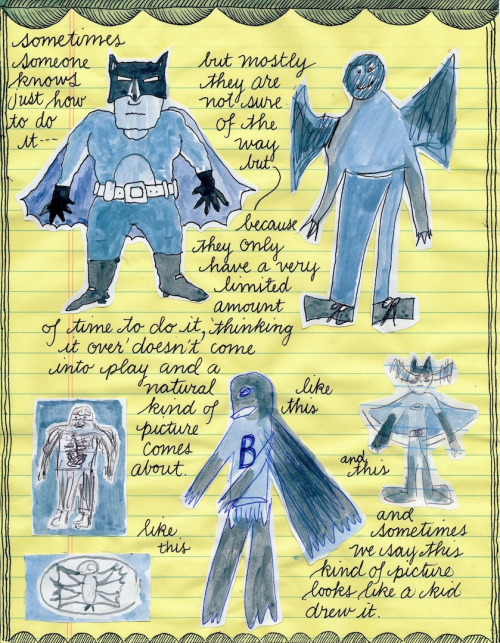
You have the abil­i­ty to cre­ate a rec­og­niz­able Bat­man because Batman’s basic shape is uni­ver­sal­ly agreed upon, much like that of a car or a cat. Whether you know it or not, you have inter­nal­ized that basic shape. This alone con­fers a degree of pro­fi­cien­cy.

As proof of that, Bar­ry would ask you to draw him in 15 sec­onds. A time con­straint of that order has no room for fret­ting and self doubt. Only fren­zied scrib­bling.

It also lev­els the play­ing field a bit. At 15 sec­onds, a novice’s Bat­man can hold his own against that of a skilled draftsper­son.

Try it. Did you get pointy ears? A cape? A mask of some sort? Legs?

I’ll bet you did.

Barry Batman 1

Once you’ve proved to your­self that you can draw Bat­man, you’re ready to tack­le a more com­plex assign­ment: per­haps a four pan­el strip in which Bat­man throws up and screams.

This is prob­a­bly a lot eas­i­er than draw­ing him scal­ing the side of a build­ing or bat­tling the Jok­er. Why? Per­son­al expe­ri­ence. Any­body who’s ever lost his or her lunch can draw on the cel­lu­lar mem­o­ry of that event.

Fold a piece of paper into quar­ters and give it a whirl.

Then reward your­self with the video up top, a col­lec­tion of stu­dent-cre­at­ed work from the Mak­ing Comics class Bar­ry taught last fall at the great Uni­ver­si­ty of Wis­con­sin.

You may notice that many of the Bat­men there­in sport big, round heads. Like the 15-sec­ond rule, this is the influ­ence of Ivan Brunet­ti, author of Car­toon­ing: Phi­los­o­phy and Prac­tice, a book Bar­ry ref­er­ences in both her class­es and the recent­ly pub­lished Syl­labus: Notes from an Acci­den­tal Pro­fes­sor.

With everyone’s Bat­man rock­ing a Char­lie Brown-sized nog­gin and sim­ple rub­ber hose style limbs, there’s less temp­ta­tion to get bogged down in com­par­isons.

Okay, so maybe some peo­ple are bet­ter than oth­ers when it comes to draw­ing toi­lets. No big­gie. Keep at it. We improve through prac­tice, and you can’t prac­tice if you don’t start.

Barry Batman 2

Once you’ve drawn Bat­man throw­ing up and scream­ing, there’s no end to the pos­si­bil­i­ties. Bar­ry has an even big­ger col­lec­tion of stu­dent work (sec­ond video above), in which you’ll find the Caped Cru­sad­er doing laun­dry, using a lap­top, call­ing in sick to work, read­ing Under­stand­ing Comics, eat­ing Saltines… all the stuff one would expect giv­en that part of the orig­i­nal assign­ment was to envi­sion one­self as Bat­man.

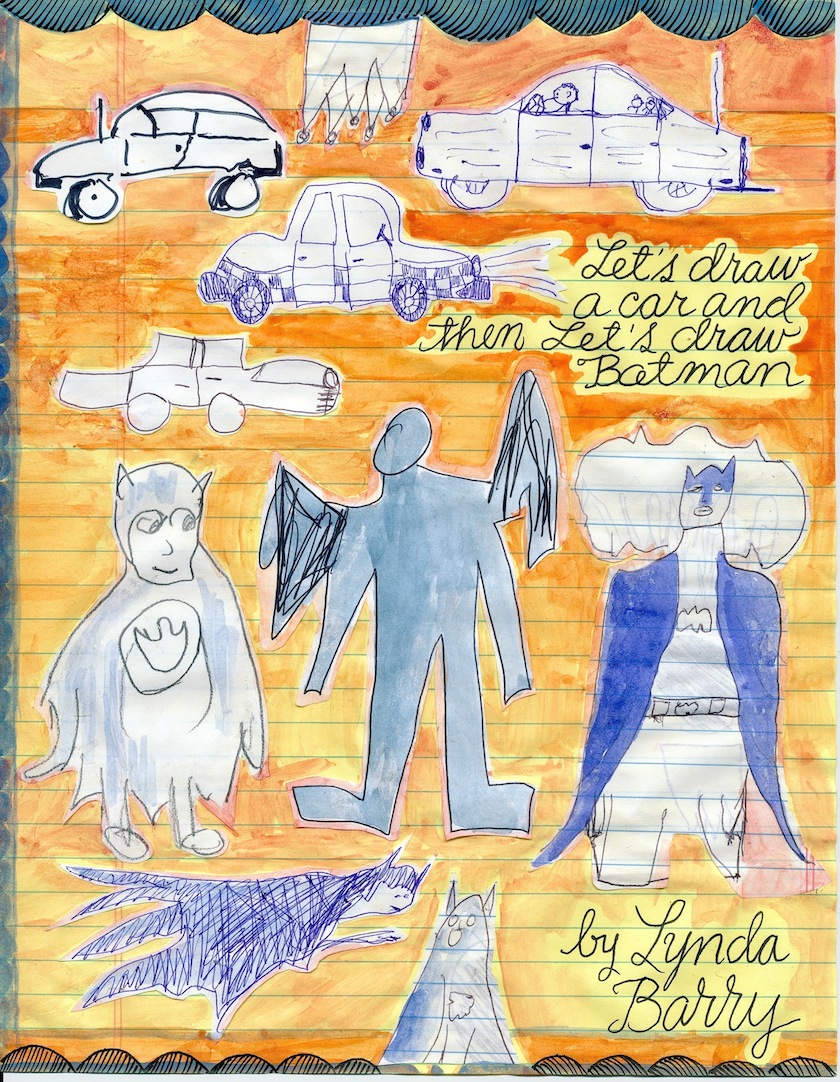
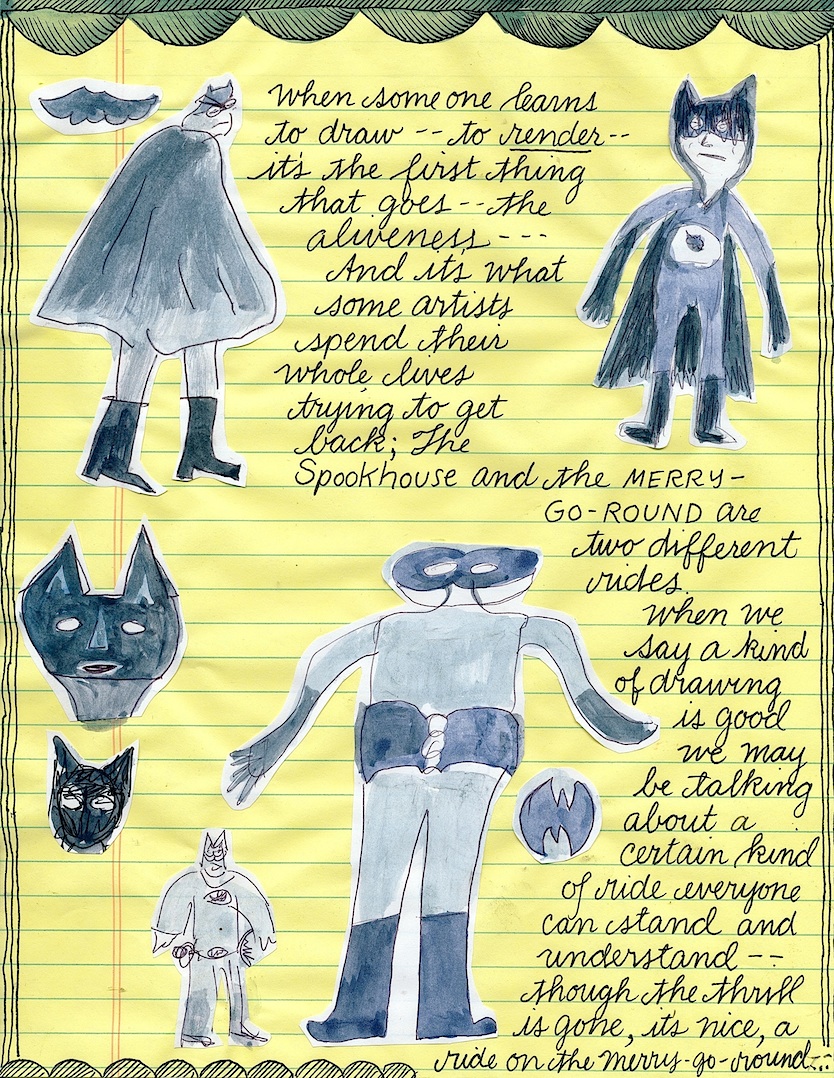
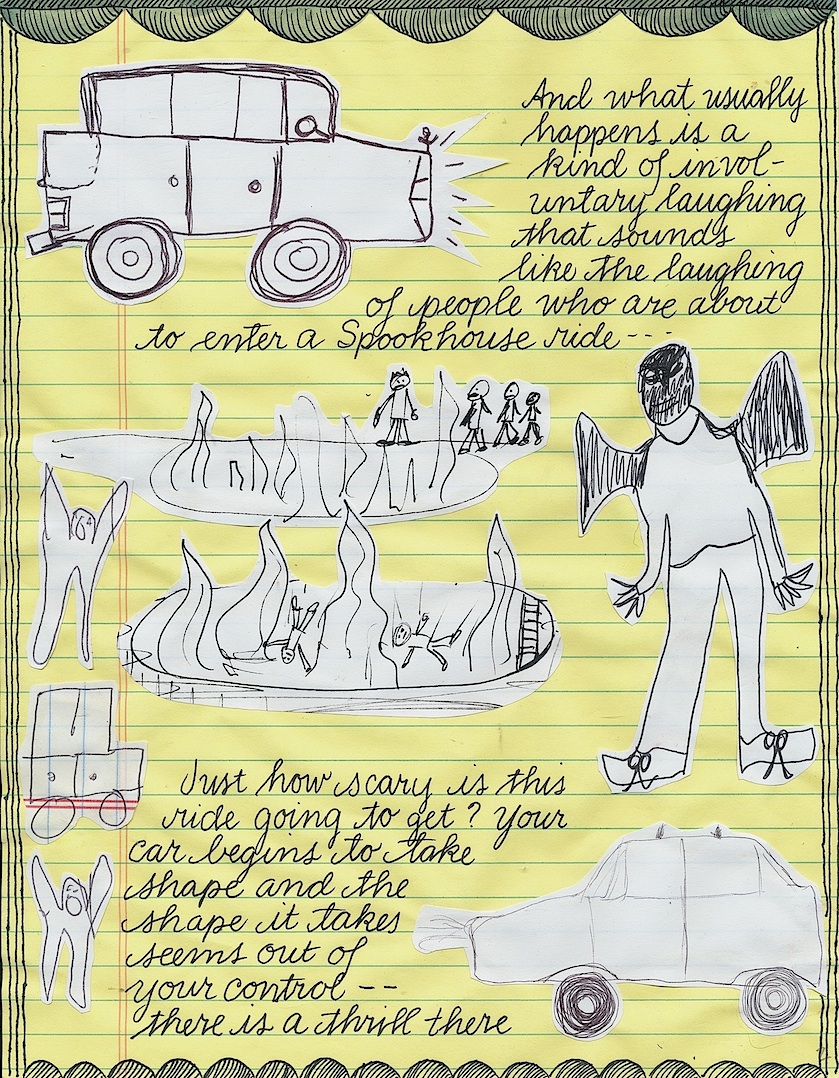
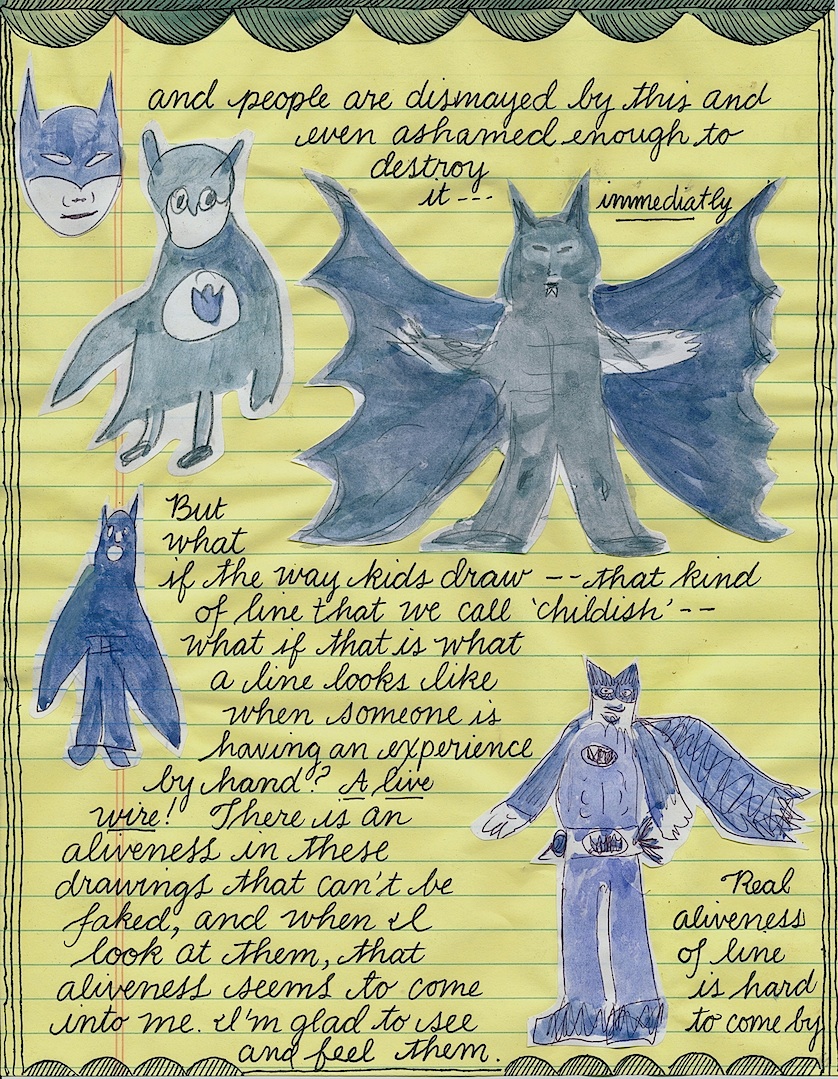
More of Lyn­da Barry’s Bat­man-relat­ed draw­ing phi­los­o­phy from Syl­labus can be found above and down below:

Barry Batman 3

Barry Batman 4

Barry Batman 5

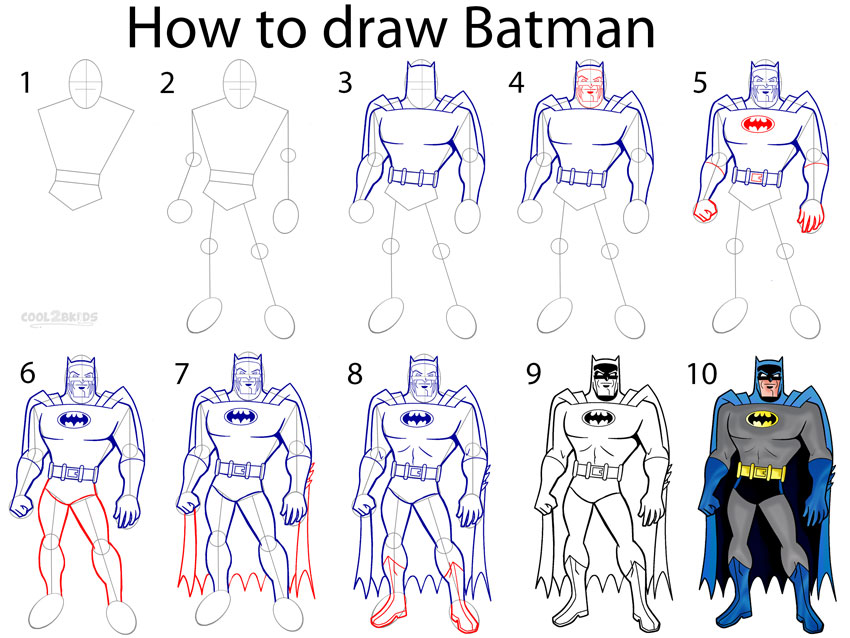
No mat­ter what any­one tells you (see below), there’s no right way to draw Bat­man!

How-to-Draw-Batman-Step-by-Step

Relat­ed Con­tent: 

Lyn­da Barry’s Won­der­ful­ly Illus­trat­ed Syl­labus & Home­work Assign­ments from Her UW-Madi­son Class, “The Unthink­able Mind”

Lyn­da Bar­ry, Car­toon­ist Turned Pro­fes­sor, Gives Her Old Fash­ioned Take on the Future of Edu­ca­tion

Car­toon­ist Lyn­da Bar­ry Reveals the Best Way to Mem­o­rize Poet­ry

Ayun Hal­l­i­day is an author, illus­tra­tor, and Chief Pri­ma­tol­o­gist of the East Vil­lage Inky zine. Fol­low her @AyunHalliday

The Public Domain Project Makes 10,000 Film Clips, 64,000 Images & 100s of Audio Files Free to Use

Sure, we love the inter­net for how it makes freely avail­able so many cul­tur­al arti­facts. And sure, we also love the inter­net for how it allows us to dis­sem­i­nate our own work. But the inter­net gets the most inter­est­ing, I would sub­mit, when it makes freely avail­able cul­tur­al arti­facts with the express pur­pose of let­ting cre­ators use them in their own work — which we then all get to expe­ri­ence through the inter­net. The new Pub­lic Domain Project will soon become an impor­tant resource for many such cre­ators, offer­ing as it does “thou­sands of his­toric media files for your cre­ative projects, com­plete­ly free and made avail­able by Pond5,” an enti­ty that brands itself as “the world’s most vibrant mar­ket­place for cre­ativ­i­ty.”

trip to the moon public domain

So what can you find to use in the Pub­lic Domain Project? As of this writ­ing, it offers 9715 pieces of footage, 473 audio files, 64,535 images, and 121 3D mod­els. “The project includes dig­i­tal mod­els of NASA tools and satel­lites, Georges Méliès’ 1902 film, A Trip To The Moon, speech­es by polit­i­cal fig­ures like Win­ston Churchill and Mar­tin Luther King, Jr., record­ings of per­for­mances from com­posers like Beethoven, and a laid-back pic­ture of Pres­i­dent Oba­ma play­ing pool,” says a post at The Cre­ators Project explain­ing the site’s back­ground.

In the Pub­lic Domain Pro­jec­t’s expand­ing archives you will also find clips of every­thing, from rock­et launch­es to film of old New York to very, very ear­ly cat videos, to, of course, mush­room clouds. I imag­ine that some future Chris Mark­er could make cre­ative use of this stuff indeed, and if they need a score, they could use a con­cer­to for pizzi­ca­to and ten instru­ments, Chopin’s “Noc­turne in E Flat Major,” or maybe “John­ny Get Your Gun.” Alter­na­tive­ly, they could part out the very first doc­u­men­tary and use the Pub­lic Domain Pro­jec­t’s bits and pieces of Dzi­ga Ver­tov’s Man With a Movie Cam­eraWhat­ev­er you want to cre­ate, the usable pub­lic domain can only grow more fruit­ful, so you might as well get mix­ing, remix­ing, and shar­ing, as Pond5 puts it, right away. Vis­it The Pub­lic Domain Project here.

via The Cre­ators Project

Relat­ed Con­tent:

Kandin­sky, Mon­dri­an, Munch & Flem­ing Entered Pub­lic Domain in 2015 — But Welles, Achebe, and “Pur­ple Peo­ple Eater” Didn’t

Sher­lock Holmes Is Now in the Pub­lic Domain, Declares US Judge

The British Library Puts 1,000,000 Images into the Pub­lic Domain, Mak­ing Them Free to Reuse & Remix

A Cab­i­net of Curiosi­ties: Dis­cov­er The Pub­lic Domain Review’s New Book of Essays

Col­in Mar­shall hosts and pro­duces Note­book on Cities and Cul­ture as well as the video series The City in Cin­e­ma and writes essays on cities, lan­guage, Asia, and men’s style. He’s at work on a book about Los Ange­les, A Los Ange­les Primer. Fol­low him on Twit­ter at @colinmarshall or on Face­book.

The Daily Routines of Famous Creative People, Presented in an Interactive Infographic

creative people infographic
Click the image above to access the inter­ac­tive info­graph­ic.
The dai­ly life of great authors, artists and philoso­phers has long been the sub­ject of fas­ci­na­tion among those who look upon their work in awe. After all, life can often feel like, to quote Elbert Hub­bard, “one damned thing after anoth­er” — a con­stant mud­dle of oblig­a­tions and respon­si­bil­i­ties inter­spersed with moments of fleet­ing plea­sure, wrapped in gnaw­ing low-lev­el exis­ten­tial pan­ic. (Or, at least, it does to me.) Yet some peo­ple man­age to tran­scend this per­pet­u­al bar­rage of office meet­ings, com­muter traf­fic and the unholy allure of real­i­ty TV to cre­ate bril­liant work. It’s easy to think that the key to their suc­cess is how they struc­ture their day.

Mason Currey’s blog-turned-book Dai­ly Rit­u­als describes the worka­day life of great minds from W.H. Auden to Immanuel Kant, from Flan­nery O’Connor to Franz Kaf­ka. The one thing that Currey’s project under­lines is that there is no mag­ic bul­let. The dai­ly rou­tines are as var­ied as the peo­ple who fol­low them– though long walks, a ridicu­lous­ly ear­ly wake up time and a stiff drink are com­mon to many.

One school of thought for cre­at­ing is summed up by Gus­tave Flaubert’s max­im, “Be reg­u­lar and order­ly in your life, so that you may be vio­lent and orig­i­nal in your work.” Haru­ki Muraka­mi has a famous­ly rigid rou­tine that involves get­ting up at 4am and writ­ing for nine hours straight, fol­lowed by a dai­ly 10km run. “The rep­e­ti­tion itself becomes the impor­tant thing; it’s a form of mes­merism. I mes­mer­ize myself to reach a deep­er state of mind. But to hold to such rep­e­ti­tion for so long—six months to a year—requires a good amount of men­tal and phys­i­cal strength. In that sense, writ­ing a long nov­el is like sur­vival train­ing. Phys­i­cal strength is as nec­es­sary as artis­tic sen­si­tiv­i­ty.” He admits that his sched­ule allows lit­tle room for a social life.

Then there’s the fan­tas­ti­cal­ly pro­lif­ic Bel­gian author George Simenon, who some­how man­aged to crank out 425 books over the course of his career. He would go for weeks with­out writ­ing, fol­lowed by short bursts of fren­zied activ­i­ty. He would also wear the same out­fit every­day while work­ing on his nov­el, reg­u­lar­ly take tran­quil­iz­ers and some­how find the time to have sex with up to four dif­fer­ent women a day.

Most writ­ers fall some­where in between. Toni Mor­ri­son, for instance, has a rou­tine that that seems far more relat­able than the super­man sched­ules of Muraka­mi or Sime­on. Since she jug­gled rais­ing two chil­dren and a full time job as an edi­tor at Ran­dom House, Mor­ri­son sim­ply wrote when she could. “I am not able to write reg­u­lar­ly,” she once told The Paris Review. “I have nev­er been able to do that—mostly because I have always had a nine-to-five job. I had to write either in between those hours, hur­ried­ly, or spend a lot of week­end and predawn time.”

Above is a way cool info­graph­ic of the dai­ly rou­tines of 26 dif­fer­ent cre­ators, cre­at­ed by Podio.com. And if you want to see an inter­ac­tive ver­sion of the same graph­ic but with rollover bits of triv­ia, just click here. You’ll learn that Voltaire slept only 4 hours a day and worked con­stant­ly. Vic­tor Hugo pre­ferred to take a morn­ing ice bath on his roof. And Maya Angelou pre­ferred to work in an anony­mous hotel room.

via Thi­sis­Colos­sal

Relat­ed Con­tent:

The Dai­ly Habits of High­ly Pro­duc­tive Philoso­phers: Niet­zsche, Marx & Immanuel Kant

John Updike’s Advice to Young Writ­ers: ‘Reserve an Hour a Day’

John Cleese’s Phi­los­o­phy of Cre­ativ­i­ty: Cre­at­ing Oases for Child­like Play

Jonathan Crow is a Los Ange­les-based writer and film­mak­er whose work has appeared in Yahoo!, The Hol­ly­wood Reporter, and oth­er pub­li­ca­tions. You can fol­low him at @jonccrow. And check out his blog Veep­to­pus, fea­tur­ing lots of pic­tures of bad­gers and even more pic­tures of vice pres­i­dents with octo­pus­es on their heads.  The Veep­to­pus store is here.

Patti Smith and David Lynch Talk About the Source of Their Ideas & Creative Inspiration


Where do artis­tic ideas come from?

The col­lec­tive uncon­scious?

Cheesy cov­ers of 50s pop tunes?

The ghost of Jer­ry Gar­cia?

Per­haps rather than try­ing to iden­ti­fy the source, we should work toward being open to inspi­ra­tion in what­ev­er guise it presents itself.  It’s an approach that cer­tain­ly seems to be work­ing for Pat­ti Smith and David Lynch, aka the God­moth­er of Punk and Jim­my Stew­art from Mars, both a shock­ing­ly youth­ful 69.

One of the most excit­ing things about their recent seg­ment for the BBC’s News­night “Encoun­ters” series is watch­ing how appre­cia­tive these vet­er­ans are of each other’s process.

“I want a copy of what you just said,” Smith gasps, after Lynch likens the begin­nings of a cre­ative process to being in pos­ses­sion of a sin­gle, intrigu­ing puz­zle piece, know­ing that a com­plet­ed ver­sion exists in the adja­cent room.

Lynch, a long­time advo­cate of tran­scen­den­tal med­i­ta­tion, smiles benign­ly as Smith wax­es poet­ic about the for­ma­tion of her ideas.

As artists, they’re com­mit­ted to peek­ing beneath the veneer. “What’s more hor­ri­fy­ing than nor­mal­cy?” Smith asks.

It does seem impor­tant to note how both of these long­time prac­ti­tion­ers men­tion jot­ting their ideas down imme­di­ate­ly fol­low­ing the muse’s vis­it.

Also what I wouldn’t give for a ring­tone of Lynch say­ing, “I want to talk to you about Pussy Riot,” as sin­cere­ly and earnest­ly as Mr. Rogers!

Relat­ed Con­tent:

Pat­ti Smith Doc­u­men­tary Dream of Life Beau­ti­ful­ly Cap­tures the Author’s Life and Long Career (2008)

David Lynch Explains How Med­i­ta­tion Enhances Our Cre­ativ­i­ty

David Lynch Lists His Favorite Films & Direc­tors, Includ­ing Felli­ni, Wilder, Tati & Hitch­cock

Ayun Hal­l­i­day is an author, home­school­er, and Chief Pri­ma­tol­o­gist of the East Vil­lage Inky zine. Fol­low her @AyunHalliday

« Go BackMore in this category... »
Quantcast