10 Rules for Writers by Etgar Keret, the Israeli Master of the Short and Strange

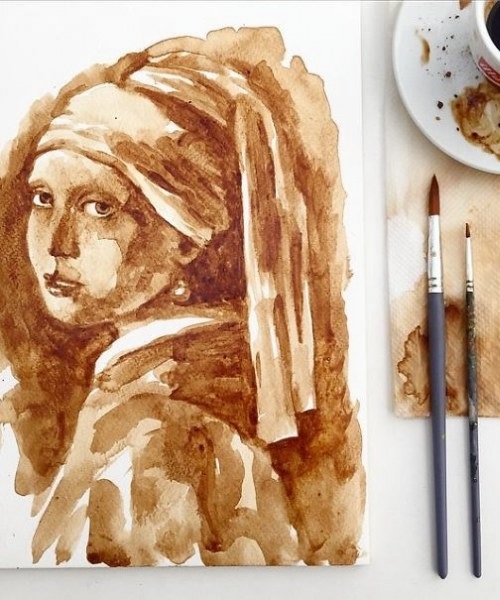
Etgar Keret, above, is a best sell­ing author and award-win­ning film­mak­er with the soul of a teenage zine pub­lish­er. He’s a mas­ter of the strange and short who plays by his own rules. This sounds like a recipe for out­sider sta­tus but Keret fre­quent­ly pops up in The New York Times, The New York­er, and on pub­lic radio’s This Amer­i­can Life.

The child of Holo­caust sur­vivors told Tikkun that he began writ­ing sto­ries as a way out of his mis­er­able exis­tence as a stut­ter­ing 19-year-old sol­dier in the Israeli army. This may explain why he’s so gen­er­ous with young fans, hand­ing his sto­ries over to them to inter­pret in short films and ani­ma­tions.

When Rook­ie, a web­site for teenage girls, invit­ed him to share ten writ­ing tips, he play­ful­ly oblig­ed. It’s worth not­ing that he refrained from pre­scrib­ing some­thing that’s a sta­ple of oth­er authors’ tip lists — the adop­tion of a dai­ly writ­ing prac­tice. As he told the San Fran­cis­co Bay Guardian:

For me, the term “writ­ing rou­tine” sounds like an oxy­moron. It is a bit like say­ing “hav­ing-a-once-in-a-life­time-insight-which-makes-you-want-to burst-into-tears rou­tine.”

With no fur­ther ado, here are his ten rules for writ­ers, along with a lib­er­al sprin­kling of some of my favorite Keret sto­ries.

1. Make sure you enjoy writ­ing.

You won’t find Keret com­par­ing his cho­sen pro­fes­sion to open­ing a vein. As he told Rook­ie:

Writ­ing is a way to live anoth­er life…be grate­ful for the oppor­tu­ni­ty to expand the scope of your life.

2. Love your char­ac­ters.

…though few will ever seem as lov­able as the girl in Goran Dukic’s charm­ing ani­ma­tion of  Keret’s sto­ry “What Do We Have In Our Pock­ets?” below.

3. When you’re writ­ing, you don’t owe any­thing to any­one.

Don’t equate lov­ing your char­ac­ters with treat­ing them nice­ly. See Keret’s sto­ry “Fun­gus.”

4. Always start from the mid­dle.

This is per­haps Keret’s most con­ven­tion­al tip, though his writ­ing shows he’s any­thing but con­ven­tion­al when it comes to locat­ing that mid­dle. His novel­la, Kneller’s Hap­py Campers (on which the film Wrist­cut­ters: A Love Sto­ry, star­ring Tom Waits, was based) man­ages to start at the begin­ning, mid­dle and end.

5. Try not to know how it ends.

At the very least, be pre­pared to dig your­self out to a dif­fer­ent real­i­ty, like the nar­ra­tor in Keret’s very short sto­ry “Mys­tique,” read below by actor Willem Dafoe.

6. Don’t use any­thing just because “that’s how it always is.”

Here, Keret is refer­ring to what he termed “the shrine of form” in an inter­view with his great admir­er, broad­cast­er Ira Glass, but his con­tent is sim­i­lar­ly unfet­tered.  If your writing’s become bogged down by real­i­ty, try intro­duc­ing a mag­ic fish who’s flu­ent in every­thing, as in “What, of This Gold­fish, Would You Wish?,” read by author Gary Shteyn­gart, below.

7. Write like your­self.

Leave the crit­ics hold­ing the bag on com­par­isons to Franz Kaf­ka, Kurt Von­negut and Woody Allen, Lydia Davis, Amos Oz, Don­ald Barthelme

8. Make sure you’re all alone in the room when you write.

um…Etgar? Does this mean I have to give up my cof­fice?

9. Let peo­ple who like what you write encour­age you.

Nerts to under­min­ers, fren­e­mies, with­er­ing inter­nal edi­tors, and delib­er­ate­ly hate­ful review­ers!

10. Hear what every­one has to say but don’t lis­ten to any­one (except me).

Read the Rook­ie inter­view in which Keret expands on his rules.

via Rook­ie

Relat­ed Con­tent:

Stephen Kings’ Top 20 Rules for Writ­ers

Kurt Von­negut’s 8 Tips on How to Write a Good Short Sto­ry

Ray Brad­bury Gives 12 Piece of Writ­ing Advice to Young Authors (2001)

Ayun Hal­l­i­day is an author, illus­tra­tor, and Chief Pri­ma­tol­o­gist of the East Vil­lage Inky zine. Fol­low her @AyunHalliday

How Walking Fosters Creativity: Stanford Researchers Confirm What Philosophers and Writers Have Always Known

Walking

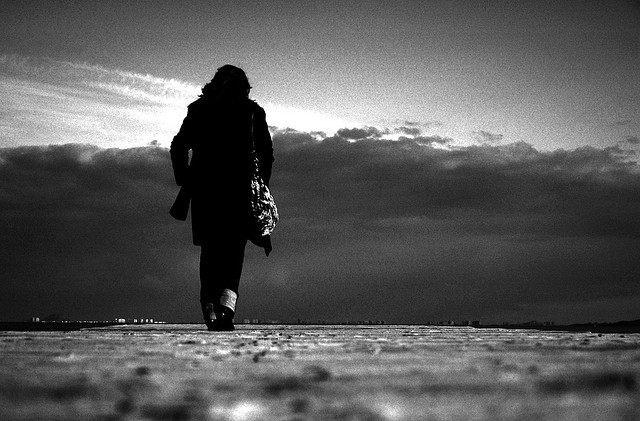
Image via Diego Sevil­la Ruiz

A cer­tain Zen proverb goes some­thing like this: “A five year old can under­stand it, but an 80 year old can­not do it.” The sub­ject of this rid­dle-like say­ing has been described as “mindfulness”—or being absorbed in the moment, free from rou­tine men­tal habits. In many East­ern med­i­ta­tive tra­di­tions, one can achieve such a state by walk­ing just as well as by sit­ting still—and many a poet and teacher has pre­ferred the ambu­la­to­ry method.

This is equal­ly so in the West, where we have an entire school of ancient philosophy—the “peri­patet­ic”—that derives from Aris­to­tle and his con­tem­po­raries’ pen­chant for doing their best work while in leisure­ly motion. Friedrich Niet­zsche, an almost fanat­i­cal walk­er, once wrote, “all tru­ly great thoughts are con­ceived by walk­ing.” Niet­zsche’s moun­tain walks were ath­let­ic, but walk­ing—Frédéric Gros main­tains in his A Phi­los­o­phy of Walk­ing—is not a sport; it is “the best way to go more slow­ly than any oth­er method that has ever been found.”

Gros dis­cuss­es the cen­tral­i­ty of walk­ing in the lives of Niet­zsche, Rim­baud, Kant, Rousseau, and Thore­au. Like­wise, Rebec­ca Sol­nit has pro­filed the essen­tial walks of lit­er­ary fig­ures such as William Wordsworth, Jane Austen, and Gary Sny­der in her book Wan­der­lust, which argues for the neces­si­ty of walk­ing in our own age, when doing so is almost entire­ly unnec­es­sary most of the time. As great walk­ers of the past and present have made abun­dant­ly clear—anecdotally at least—we see a sig­nif­i­cant link between walk­ing and cre­ative think­ing.

More gen­er­al­ly, writes Fer­ris Jabr in The New York­er, “the way we move our bod­ies fur­ther changes the nature of our thoughts, and vice ver­sa.” Apply­ing mod­ern research meth­ods to ancient wis­dom has allowed psy­chol­o­gists to quan­ti­fy the ways in which this hap­pens, and to begin to explain why. Jabr sum­ma­rizes the exper­i­ments of two Stan­ford walk­ing researchers, Mar­i­ly Oppez­zo and her men­tor Daniel Schwartz, who found that almost two hun­dred stu­dents test­ed showed marked­ly height­ened cre­ative abil­i­ties while walk­ing. Walk­ing, Jabr writes in poet­ic terms, works by “set­ting the mind adrift on a froth­ing sea of thought.” (Hear Dr. Oppez­zo dis­cuss her study in a Min­neso­ta pub­lic radio inter­view above.)

Oppez­zo and Schwartz spec­u­late, “future stud­ies would like­ly deter­mine a com­plex path­way that extends from the phys­i­cal act of walk­ing to phys­i­o­log­i­cal changes to the cog­ni­tive con­trol of imag­i­na­tion.” They rec­og­nize that this dis­cov­ery must also account for such vari­ables as when one walks, and—as so many notable walk­ers have stressed—where. Researchers at the Uni­ver­si­ty of Michi­gan have tack­led the where ques­tion in a paper titled “The Cog­ni­tive Ben­e­fits of Inter­act­ing with Nature.” Their study, writes Jabr, showed that “stu­dents who ambled through an arbore­tum improved their per­for­mance on a mem­o­ry test more than stu­dents who walked along city streets.”

One won­ders what James Joyce—whose Ulysses is built almost entire­ly on a scaf­fold­ing of walks around Dublin—would make of this. Or Wal­ter Ben­jamin, whose con­cept of the flâneur, an arche­typ­al urban wan­der­er, derives direct­ly from the insights of that most imag­i­na­tive deca­dent poet, Charles Baude­laire. Clas­si­cal walk­ers, Roman­tic walk­ers, Mod­ernist walkers—all rec­og­nized the cre­ative impor­tance of this sim­ple move­ment in time and space, one we work so hard to mas­ter in our first years, and some­times lose in lat­er life if we acquire it. Going for a walk, con­tem­po­rary research confirms—a mun­dane activ­i­ty far too eas­i­ly tak­en for granted—may be one of the most salu­tary means of achiev­ing states of enlight­en­ment, lit­er­ary, philo­soph­i­cal, or oth­er­wise, whether we roam through ancient forests, over the Alps, or to the cor­ner store.

via The New York­er/Stan­ford News

Relat­ed Con­tent:

Why You Do Your Best Think­ing In The Show­er: Cre­ativ­i­ty & the “Incu­ba­tion Peri­od”

The Psy­chol­o­gy of Messi­ness & Cre­ativ­i­ty: Research Shows How a Messy Desk and Cre­ative Work Go Hand in Hand

John Cleese’s Phi­los­o­phy of Cre­ativ­i­ty: Cre­at­ing Oases for Child­like Play

Free Online Psy­chol­o­gy Cours­es

Josh Jones is a writer and musi­cian based in Durham, NC. Fol­low him at @jdmagness

The Psychology of Messiness & Creativity: Research Shows How a Messy Desk and Creative Work Go Hand in Hand

Emin-My-Bed

You may have come into con­tact at some point with Tracey Emin’s My Bed, an art instal­la­tion that repro­duces her pri­vate space dur­ing a time when she spent four days as a shut-in in 1998, “heart­bro­ken”: the bed’s unmade, the bed­side strewn with cig­a­rettes, moc­casins, a bot­tle of booze, food, and “what appears to be a six­teen year old con­dom”…. If you were savvy enough to be Tracey Emin in 1998—and none of us were—you would have sold that messy room for over four mil­lion dol­lars last year at a Christie’s auc­tion. I doubt anoth­er buy­er of that cal­iber will come along for a knock-off, but this doesn’t mean the mess­es we make while slob­bing around our own homes are with­out their own, intan­gi­ble, val­ue.

Those mess­es, in fact, may be seedbeds of cre­ativ­i­ty, con­firm­ing a cliché as per­sis­tent as the one about doc­tors’ hand­writ­ing, and per­haps as accu­rate. It seems a messy desk, room, or stu­dio may gen­uine­ly be a mark of genius at work. Albert Ein­stein for exam­ple, writes Elite Dai­ly, had a desk that “looked like a spite­ful ex-girl­friend had a mis­sion to destroy his work­space.” Ein­stein respond­ed to crit­i­cism of his work habits by ask­ing, “If a clut­tered desk is a sign of a clut­tered mind, then what are we to think of an emp­ty desk?”

Mark Twain also had a messy desk, “per­haps even more clut­tered than that of Albert Ein­stein.” To find out whether the messi­ness trait’s rela­tion to cre­ativ­i­ty is sim­ply an “urban leg­end” or not, Kath­leen Vohs (a researcher at the Uni­ver­si­ty of Min­neso­ta’s Carl­son School of Man­age­ment) and her col­leagues con­duct­ed a series of exper­i­ments in both tidy and unruly spaces with 188 adults giv­en tasks to choose from.

Vohs describes her find­ings in the New York Times, con­clud­ing that messi­ness and cre­ativ­i­ty are at least very strong­ly cor­re­lat­ed, and that “while clean­ing up cer­tain­ly has its ben­e­fits, clean spaces might be too con­ven­tion­al to let inspi­ra­tion flow.” But there are trade-offs. Read about them in Vohs’ paper—“Phys­i­cal Order Pro­duces Healthy Choic­es, Gen­eros­i­ty, and Con­ven­tion­al­i­ty, Where­as Dis­or­der Pro­duces Cre­ativ­i­ty.” And just above, see Vohs’ co-author Joe Red­den, Assis­tant Pro­fes­sor of Mar­ket­ing at the Uni­ver­si­ty of Minnesota’s Carl­son School of Man­age­ment, dis­cuss the team’s fas­ci­nat­ing results. If con­duct­ing such an exper­i­ment on your­self, it might be best to do so in a space that’s all your own, though, like the rest of us, you’re too late to cre­ative­ly turn the mess you make into lucra­tive con­cep­tu­al art.

Relat­ed Con­tent:

Albert Ein­stein Tells His Son The Key to Learn­ing & Hap­pi­ness is Los­ing Your­self in Cre­ativ­i­ty (or “Find­ing Flow”)

Why You Do Your Best Think­ing In The Show­er: Cre­ativ­i­ty & the “Incu­ba­tion Peri­od”

John Cleese’s Phi­los­o­phy of Cre­ativ­i­ty: Cre­at­ing Oases for Child­like Play

Josh Jones is a writer and musi­cian based in Durham, NC. Fol­low him at @jdmagness

My First Time: Paris Review Video Series Features Writers Talking About Getting Started as Writers

Do you spend your days sweat­ing blood over a lap­top, work­ing on a nov­el or poem or screen­play that always seems to fall short of the bril­liant ver­sion that is in your head? Are you ter­ri­fied that if you don’t squeeze out a first nov­el that will instant­ly make you the toast of the New York lit­er­ary estab­lish­ment you will be an abject fail­ure? Do you feel com­pelled to work on a book but are still plagued with the slow cor­ro­sive drip of doubt? Well, take heart. Every­one feels like that when he or she starts out.

The Paris Review, one of the most impor­tant lit­er­ary mag­a­zines around, made its name with long, in-depth inter­views with lit­er­ary fig­ures. Now they are launch­ing a video series called “My First Time,” where they inter­view authors, car­toon­ists and play­wrights about the begin­ning of their careers.

“This is a chance to see how suc­cess­ful authors got their start, in their own words,” as the Paris Review’s Dan Piepen­bring writes. “It’s a por­trait of the artist as a begin­ner and a look at the cre­ative process, in all its joy, abjec­tion, delu­sion, and eupho­ria.”

It’s strange­ly com­fort­ing to watch these peo­ple talk about strug­gling with all the psy­cho­log­i­cal crap that con­fronts any­one who has the audac­i­ty to try to cre­ate. They suc­ceed­ed. Maybe you can too.

Above is the trail­er for the series and low­er down are inter­views with author J. Robert Lennon, car­toon­ist Gabrielle Bell and play­wright Bran­den Jacobs-Jenk­ins.

Relat­ed Con­tent:

The Paris Review Inter­views Now Online

Ray Brad­bury Gives 12 Pieces of Writ­ing Advice to Young Authors (2001)

H.P. Love­craft High­lights the 20 “Types of Mis­takes” Young Writ­ers Make

Jonathan Crow is a Los Ange­les-based writer and film­mak­er whose work has appeared in Yahoo!, The Hol­ly­wood Reporter, and oth­er pub­li­ca­tions. You can fol­low him at @jonccrow. And check out his blog Veep­to­pus, fea­tur­ing pic­tures of vice pres­i­dents with octo­pus­es on their heads.  The Veep­to­pus store is here.


Robert De Niro Tells Graduating NYU Arts Grads, “You Made It… And You’re F*cked”

I’ve attend­ed my share of grad­u­a­tions and hence my share of grad­u­a­tion speeches—from politi­cians more inter­est­ed in stump­ing than inspir­ing their audi­ence; to local TV per­son­al­i­ties assur­ing grad­u­ates they too could become local TV per­son­al­i­ties; to the real Patch Adams, who wasn’t near­ly as fun­ny as Robin Williams in his less-than-fun­ny turn as Patch Adams. My expe­ri­ence has taught me that grad­u­a­tion speech­es gen­er­al­ly suck.

But not for the most recent batch of grad­u­ates of NYU’s Tisch School of the Arts, who got both brac­ing hon­esty and career val­i­da­tion from a speak­er most like­ly to give it to you straight. With his trade­mark foul-mouth gruff­ness, De Niro told the grad­u­at­ing class what every aspir­ing artist needs to know: “You made it,” he said, “and you’re f*cked.” The world, De Niro told his audi­ence, is not open­ing its arms to embrace art school grads. For all our pop cul­tur­al cel­e­bra­tion of cre­ativ­i­ty, the so-called “cre­ative class”—as we’re told again and again—is most­ly in decline.

Of course it’s nev­er been an easy road for artists. De Niro knows this full well not only through his own ear­ly expe­ri­ences before super­star­dom but from his upbring­ing: both his moth­er and father were bohemi­an painters with tur­bu­lent, fas­ci­nat­ing lives. And so he also knows of what he speaks when he tells the NYU grads that they “didn’t have a choice.” Where prag­mat­ic account­ing grads may be “pas­sion­ate about account­ing,” De Niro says, “it’s more like­ly that they used rea­son and log­ic and com­mon sense to reach for a career that could give them the expec­ta­tion of suc­cess and sta­bil­i­ty.”

Not the arts grads, the famous actor says: “You dis­cov­ered a tal­ent, devel­oped an ambi­tion and rec­og­nized your pas­sion.” Their path, he sug­gests, is one of self-actu­al­iza­tion:

When it comes to the arts, pas­sion should always trump com­mon sense. You aren’t just fol­low­ing dreams, you’re reach­ing for your des­tiny. You’re a dancer, a singer, a chore­o­g­ra­ph­er, a musi­cian, a film­mak­er, a writer, a pho­tog­ra­ph­er, a direc­tor, a pro­duc­er, an actor, an artist. Yeah, you’re f***ed. The good news is that that’s not a bad place to start.

Maybe not. And maybe, for those dri­ven to sing, dance, paint, write, etc., it’s the only place to start. Grant­ed, NYU stu­dents are already a pret­ty select and priv­i­leged bunch, who cer­tain­ly have a leg up com­pared to a great many oth­er strug­gling artists. Nev­er­the­less, giv­en cur­rent eco­nom­ic real­i­ties and the U.S.’s depress­ing aver­sion to arts edu­ca­tion and fund­ing, these grads have a par­tic­u­lar­ly dif­fi­cult road ahead, De Niro says. And who bet­ter to deliv­er that hard truth with such con­vic­tion and good humor?

h/t @sheerly

Relat­ed Con­tent:

David Byrne’s Grad­u­a­tion Speech Offers Trou­bling and Encour­ag­ing Advice for Stu­dents in the Arts

Jim Car­rey Com­mence­ment Speech: It’s Bet­ter to Fail at What You Love Than Fail at What You Don’t

‘This Is Water’: Com­plete Audio of David Fos­ter Wallace’s Keny­on Grad­u­a­tion Speech (2005)

Josh Jones is a writer and musi­cian based in Durham, NC. Fol­low him at @jdmagness

An Animated Ray Bradbury Explains Why It Takes Being a “Dedicated Madman” to Be a Writer

The good folks at Blank on Blank have been breath­ing new life into long-lost record­ed inter­views with cul­tur­al icons by turn­ing them into ani­mat­ed shorts. In the past, they have made films fea­tur­ing the likes of Janis JoplinDavid Fos­ter Wal­lace, Jim Mor­ri­son and Dave Brubeck. For their most recent release, they do Ray Brad­bury, the beloved sci-fi author and mono­rail enthu­si­ast. You can watch it above.

In 2012, Lisa Potts found a cas­sette tape wedged behind a dress­er. It con­tained an inter­view she did with Brad­bury back in 1972 when she was a stu­dent jour­nal­ist. Potts and fel­low stu­dent Chadd Coates talked to the author in the back of a car while they were mak­ing their way from Bradbury’s West L.A. home to Chap­man Col­lege in Orange Coun­ty where he was slat­ed to give a lec­ture.

In the inter­view, Brad­bury expounds on a wide range of top­ics – from the impor­tance of friends – “That’s what friends are, the peo­ple who share your crazy out­look and pro­tect you from the world” – to his fear of dri­ving – “The whole activ­i­ty is stu­pid.”

But the area where he seems to get the most pas­sion­ate is, not sur­pris­ing­ly, about the act of cre­at­ing. Accord­ing to Brad­bury, you don’t need a fan­cy, over­priced MFA to write. He nev­er went to col­lege after all. His school was his local pub­lic library. What you real­ly need to be a writer is an obses­sive love of writ­ing, friends who are will­ing to nour­ish your obses­sion and a will­ing­ness to be a lit­tle crazy.

I am a ded­i­cat­ed mad­man, and that becomes its own train­ing. If you can’t resist, if the type­writer is like can­dy to you, you train your­self for a life­time. Every sin­gle day of your life, some wild new thing to be done. You write to please your­self. You write for the joy of writ­ing. Then your pub­lic reads you and it begins to gath­er around your sell­ing a pota­to peel­er in an alley, you know. The enthu­si­asm, the joy itself draws me. So that means every day of my life I’ve writ­ten. When the joy stops, I’ll stop writ­ing.

For any­one sweat­ing blood in a cof­fee shop over a stub­born screen­play or nov­el, lines like that are balm for the soul. The whole inter­view has this same infec­tious joy of cre­at­ing. Brad­bury, by the way, wrote up until he died at the age of 91.

Relat­ed Con­tent:

Ray Brad­bury Gives 12 Pieces of Writ­ing Advice to Young Authors (2001)

A Day in the After­life: Revis­it­ing the Life & Times of Philip K. Dick

Ani­ma­tions Revive Lost Inter­views with David Fos­ter Wal­lace, Jim Mor­ri­son & Dave Brubeck

Jonathan Crow is a Los Ange­les-based writer and film­mak­er whose work has appeared in Yahoo!, The Hol­ly­wood Reporter, and oth­er pub­li­ca­tions. You can fol­low him at @jonccrow. And check out his blog Veep­to­pus, fea­tur­ing lots of pic­tures of bad­gers and even more pic­tures of vice pres­i­dents with octo­pus­es on their heads.  The Veep­to­pus store is here.

Interactive Music Video Lets You Explore the Apartments on the Cover of Led Zeppelin’s Physical Graffiti

Dig that heavy met­al / Under­neath your hood / Baby I can work all night / Believe I got the per­fect tools / Talkin’ bout love

Last Feb­ru­ary, Led Zep­pelin released a deluxe, re-mas­tered ver­sion of their sprawl­ing 1975 dou­ble album Phys­i­cal Graf­fi­ti, a record per­haps best known for the epic, orches­tral grandeur of the 8 1/2 minute “Kash­mir” (not to be out­done by the 11-minute “In My Time of Dying”). In an album full of styl­is­tic depar­tures and sol­id returns to form, one track, “Tram­pled Under Foot,” man­ages to be both, dri­ven by down-and-dirty blues and uptown 70s funk, cour­tesy of John Paul Jones’ Ste­vie Won­der-inspired organ groove. With lyrics Robert Plant him­self described as “raunchy,” the song—one of Plant’s favorites—may be the band’s most 70s-sound­ing. That’s not to say it’s dat­ed, only that it most per­fect­ly cap­tures the sound of the Amer­i­can street rep­re­sent­ed on the album cov­er, a shot of two adja­cent ten­e­ments on New York City’s St. Mark’s Place.

Room-10---Kitchen-Girls

Now, lis­ten­ers can enter those build­ings and tool around the apart­ments, cour­tesy of the inter­ac­tive video at the top of the post (view it in a larg­er for­mat here), which fea­tures a pre­vi­ous­ly unre­leased rough mix of the track called “Brandy & Coke.” Con­ceived and direct­ed by Hal Kirk­land, the video pulls togeth­er some of my favorite things—the peri­od design and styling of That ‘70s Show, the most inven­tive tricks of the music video age, a la Tom Pet­ty or Peter Gabriel, and of course, Zep—with the added 21st cen­tu­ry tech­nol­o­gy of online inter­ac­tiv­i­ty. Click the arrow keys while the video plays and you’re trans­port­ed from one vivid tableaux to anoth­er, some rep­re­sent­ing funky apart­ment scenes, oth­ers some­thing else entire­ly. The video also inte­grates footage from Zeppelin’s per­for­mance of the song at Earl’s Court in ’75.

Room-7---King-and-Queen

Clever ref­er­ences abound, like the nod to god­fa­ther of fan­ta­sy cin­e­ma Georges Méliès (above) and an allu­sion to the clas­sic MTV moon land­ing intro (below). Over­all, it’s an aston­ish­ing visu­al feast that hear­kens back to the very best in music video tech­nol­o­gy, a seem­ing­ly lost art that Kirk­land and com­pa­ny may sin­gle­hand­ed­ly res­ur­rect. See Kirkland’s site for more of his inter­net age music video cre­ations, includ­ing “Sour—Hibi No Neiro,” shot entire­ly on web­cams.

Room-14---Astronaut-Cockpit

Relat­ed Con­tent:

Led Zep­pelin Plays One of Its Ear­li­est Con­certs (Dan­ish TV, 1969)

Hear Led Zeppelin’s Mind-Blow­ing First Record­ed Con­cert Ever (1968)

Jim­my Page Describes the Cre­ation of Led Zeppelin’s “Whole Lot­ta Love”

Josh Jones is a writer and musi­cian based in Durham, NC. Fol­low him at @jdmagness

Alan Alda Uses Improv to Teach Scientists How to Communicate Their Ideas

Woe to the famous actor who dares to write a nov­el or start a band or design a line of cloth­ing. The pub­lic can be awful­ly snob­by about such extracur­ric­u­lar pur­suits. We reward our chil­dren for cul­ti­vat­ing a wide range of inter­ests, but heav­en for­fend a celebri­ty who wan­ders away from the accept­ed script.

Hacks! Poseurs! Wannabes!

There are excep­tions, of course. I don’t see too many peo­ple tak­ing pot­shots at Leonard Nimoy’s pas­sion for pho­tog­ra­phy, Ed Beg­ley Jr.’s com­mit­ment to the envi­ron­ment, or the Won­der Years’ Dan­i­ca McKel­lar’s devo­tion to math.

(Per­son­al­ly, I will brook no unkind words toward ani­mal lov­ing TV dad Dick Van Pat­ten, not after he fathered the only cat food the small mam­mal with whom I live a lie will deign to eat.)

If there’s a for­mu­la to be gleaned from these exam­ples, it’s like­ly a syn­the­sis of icon­ic role, num­ber of years spent on the pas­time of choice, and a rabid curios­i­ty of the sort that dri­ves ordi­nary mor­tals to become edu­ca­tors. Once a pub­lic fig­ure is in pos­ses­sion of that for­mu­la, the pub­lic he or she serves will grant a pass to pur­sue a side inter­est.

I’m not sure that sci­ence could be called a side inter­est of Alan Alda’s.

Not when he ranks host­ing Sci­en­tif­ic Amer­i­can Fron­tiers  as the pin­na­cle of his TV career.

He played physi­cist Richard Feyn­man onstage, and has writ­ten plays about Albert Ein­stein and Marie Curie. He’s one of the annu­al World Sci­ence Fes­ti­val’s MVPs. At this rate, his love of sci­ence seems des­tined to car­ry him from cra­dle to grave.

By now, he’s prob­a­bly met more sci­en­tists than M*A*S*H fans—enough to sug­gest a trou­bling gap between the sci­en­tif­ic  mes­sage and the man­ner in which it’s deliv­ered. To put it anoth­er way, if you think sci­ence is bor­ing, per­haps the trou­ble is with the sci­en­tist.

The solu­tion? Improv train­ing.

Uh oh. Is there a dan­ger this knife could cut both ways? Will some emi­nent biol­o­gist or astronomer be pil­lo­ried for play­ing freeze tag a bit too zest­ful­ly or join­ing a lev­el 1 team at the Annoy­ance or UCB East? Like, how dare Stephen Hawk­ing think he can make a machine?

It’s worth the risk (tech­ni­cal­ly, Alda espous­es Vio­la Spolin’s explorato­ry impro­vi­sa­tion form over the kind with a strict­ly comedic goal, but c’mon. I know a gate­way drug when I see one…)

His belief is that sci­en­tists who study improv are bet­ter equipped to com­mu­ni­cate the com­pli­cat­ed nature of their work to pub­lic offi­cials, the media, and for­mer the­ater majors such as myself. The lev­el of engage­ment, flex­i­bil­i­ty, and aware­ness that impro­vi­sa­tion requires of its prac­ti­tion­ers are also the stuff of good TED talks.

Watch the “before and after” pre­sen­ta­tions of par­tic­i­pants in his improv work­shop at the Alan Alda Cen­ter for Com­mu­ni­cat­ing Sci­ence at Stony Brook Uni­ver­si­ty, above. His the­sis holds water, it would seem. Improv hones the sens­es and helps one to clar­i­fy what is essen­tial in any scene. Even the solo scene where­in one explains wave par­ti­cle dual­i­ty or spe­cial­ized leaf forms to one’s fel­low adults.

I’ll bet those same improv-based skills could help a TV star to per­suade his stu­dents that he’s just as approach­able and sup­port­ive as any old teacher. (Maybe even more so, to judge by his han­dling of an invis­i­ble jar of jel­ly­fish that slips through one sci­en­tist’s fin­gers.)

Relat­ed Con­tent:

What Is a Flame?: The First Prize-Win­ner at Alan Alda’s Sci­ence Video Com­pe­ti­tion

Adam Sav­age (Host of Myth­Busters) Explains How Sim­ple Ideas Become Great Sci­en­tif­ic Dis­cov­er­ies

Charles & Ray Eames’ A Com­mu­ni­ca­tions Primer Explains the Key to Clear Com­mu­ni­ca­tion in the Mod­ern Age (1953)

Ayun Hal­l­i­day is an author and illus­tra­tor who teach­es improv to teenage girls. Fol­low her @AyunHalliday

« Go BackMore in this category... »
Quantcast