Watch Bauhaus World, a Free Documentary That Celebrates the 100th Anniversary of Germany’s Legendary Art, Architecture & Design School

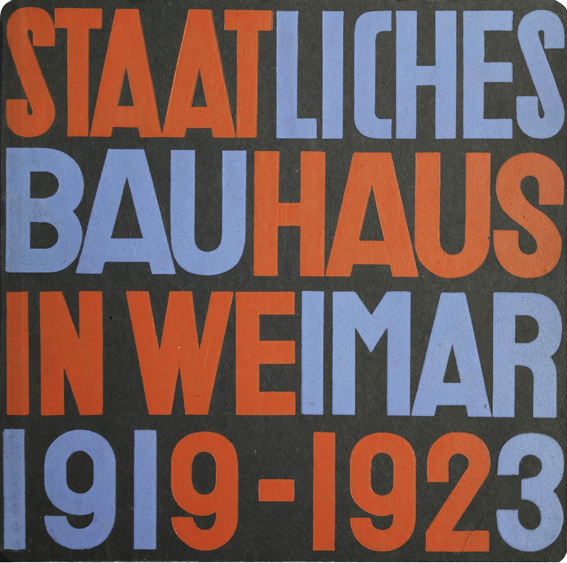
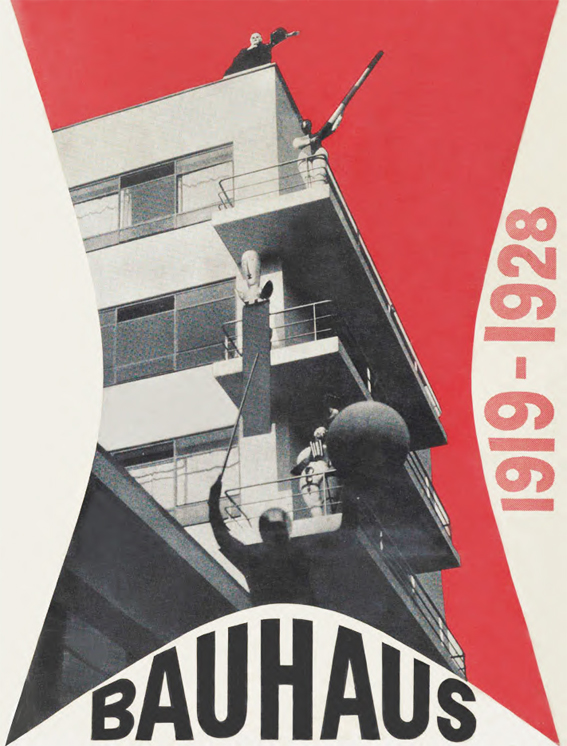
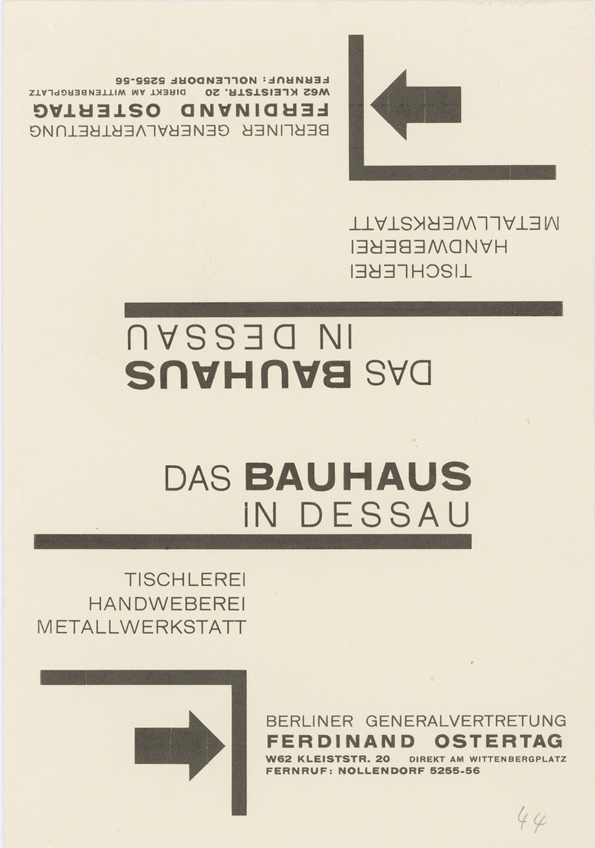
This April 1st marks the 100th anniver­sary of the found­ing of the Bauhaus, the Ger­man art school that, though short-lived, launched an entire design move­ment with a stark, func­tion­al aes­thet­ic all its own. It can be tempt­ing, look­ing into that aes­thet­ic that finds the beau­ty in indus­try and the indus­try in beau­ty, to regard it as pure­ly a prod­uct of its time and place, specif­i­cal­ly a 20th-cen­tu­ry Europe between the wars search­ing for ways to invent the future. But as revealed in Bauhaus World, this three-part doc­u­men­tary from Ger­man broad­cast­er Deutsche Welle, the lega­cy of the Bauhaus lives on not just in the rep­u­ta­tions of its best known orig­i­nal mem­bers — Wal­ter Gropius, Paul Klee, Lás­zló Moholy-Nagy, and Josef Albers, among oth­ers — but in the cur­rent­ly active cre­ators it con­tin­ues to inspire in every cor­ner of the Earth.

“What do esca­la­tors in Medel­lín, Ara­bic let­ter­ing in Amman, sto­ry-telling fur­ni­ture from Lon­don, urban farm­ing in Detroit and a co-liv­ing com­plex in Tokyo have to do with the Bauhaus?” asks Deutsche Welle’s web site. They all draw from “the influ­ence that the phi­los­o­phy of the Bauhaus move­ment still exerts on the glob­al­ized soci­ety of the 21st cen­tu­ry,” a time that has its soci­etal par­al­lels with the year 1919.

To illus­trate those par­al­lels as well as the con­tin­u­ing rel­e­vance of Bauhaus teach­ings, “we meet archi­tects, urban plan­ners, design­ers and artists from around the globe who, in the spir­it of the Bauhaus, want to rethink and change the world.” True to its title, Bauhaus World’s jour­ney involves a wide vari­ety of coun­tries, and not just Euro­pean ones: dif­fer­ent seg­ments pro­file the work of Bauhaus-influ­enced design­ers every­where from Mex­i­co to Jor­dan, Colom­bia to Israel, the Unit­ed States to Japan.

It’s in Japan, in fact, that the first part of Bauhaus World, “The Code,” finds the out­er reach­es of the spread of Bauhaus that began with the exile of its mem­bers from Nazi Ger­many. The sec­ond part, “The Effect,” deals with the endur­ing influ­ence that has turned Bauhaus and its prin­ci­ples from a move­ment to a brand, one that has poten­tial­ly done more than its share to make us as design-obsessed as we’ve become in the 21st cen­tu­ry — a cen­tu­ry that, the third and final part “The Utopia” con­sid­ers, may or may not have a place for the orig­i­nal Bauhaus ideals. But what­ev­er Gropius, Klee, Moholy-Nagy, Albers, and the rest would think of what the Bauhaus they cre­at­ed has become over the past hun­dred years, over the next hun­dred years more and more design­ers — emerg­ing from a wider and wider vari­ety of soci­eties and tra­di­tions — will come to see them­selves as its descen­dants.

Bauhaus World will be added to our list of Free Doc­u­men­taries, a sub­set of our col­lec­tion, 4,000+ Free Movies Online: Great Clas­sics, Indies, Noir, West­erns, Doc­u­men­taries & More.

Relat­ed Con­tent:

How the Rad­i­cal Build­ings of the Bauhaus Rev­o­lu­tion­ized Archi­tec­ture: A Short Intro­duc­tion

An Oral His­to­ry of the Bauhaus: Hear Rare Inter­views (in Eng­lish) with Wal­ter Gropius, Lud­wig Mies van der Rohe & More

32,000+ Bauhaus Art Objects Made Avail­able Online by Har­vard Muse­um Web­site

The Female Pio­neers of the Bauhaus Art Move­ment: Dis­cov­er Gertrud Arndt, Mar­i­anne Brandt, Anni Albers & Oth­er For­got­ten Inno­va­tors

Down­load Beau­ti­ful­ly-Designed Bauhaus Books & Jour­nals for Free: Gropius, Klee, Kandin­sky, Moholy-Nagy & More

Based in Seoul, Col­in Mar­shall writes and broad­casts on cities, lan­guage, and cul­ture. His projects include the book The State­less City: a Walk through 21st-Cen­tu­ry Los Ange­les and the video series The City in Cin­e­ma. Fol­low him on Twit­ter at @colinmarshall or on Face­book.

Dieter Rams Lists the 10 Timeless Principles of Good Design–Backed by Music by Brian Eno

Near­ly all of us have heard the dic­tum “Less, but bet­ter,” and near­ly all of us have used Braun prod­ucts. But how many of us know that both of those owe their con­sid­er­able pop­u­lar­i­ty to the same man? After study­ing archi­tec­ture, inte­ri­or dec­o­ra­tion, and car­pen­try, the Ger­man indus­tri­al design­er Dieter Rams spent 40 years at Braun, most of them as the com­pa­ny’s chief design offi­cer. There he cre­at­ed such hits as the 606 uni­ver­sal shelv­ing sys­tem, the SK61 record play­er, and the ET66 cal­cu­la­tor. That last pro­vid­ed the mod­el for the cal­cu­la­tor appli­ca­tion inter­face in Apple’s iOS 3, among oth­er homages Apple has paid to Rams.

Rams, in turn, has been com­pli­men­ta­ry to Apple, call­ing it one of the few com­pa­nies in exis­tence that designs prod­ucts accord­ing to his prin­ci­ples. Any­one can sense the affin­i­ty between the most endur­ing Apple prod­ucts and Rams-designed Braun prod­ucts, but what are those prin­ci­ples?

You can hear them laid out by the man him­self him­self in the trail­er above for Rams, last year’s doc­u­men­tary by Gary Hus­twit, he of Hel­veti­ca (the doc­u­men­tary about the font) and Objec­ti­fied (the doc­u­men­tary about indus­tri­al design that fea­tured Rams as an inter­vie­wee). The list is as fol­lows:

  1. Good design is inno­v­a­tive. “Design always comes about in con­nec­tion with inno­v­a­tive tech­nol­o­gy. How can design be good if the tech­nol­o­gy is not on the same lev­el?”
  2. Good design makes a prod­uct use­ful. “Good design opti­mizes use­ful­ness and ignores any­thing that does­n’t serve the pur­pose or works against it.”
  3. Good design is aes­thet­ic. “Objects you use dai­ly sig­nif­i­cant­ly shape your sur­round­ings and your sense of well-being. Only some­thing that is well-made can be beau­ti­ful.”
  4. Good design makes a prod­uct under­stand­able. “It makes it easy to under­stand the struc­ture of the prod­uct. Even more, it can make the prod­uct ‘talk.’ Ide­al­ly, it explains itself best.”
  5. Good design is unob­tru­sive. “Prod­ucts that serve a pur­pose have the char­ac­ter­is­tics of a tool. Their design should be neu­tral and leave room for the user’s self-expres­sion.”
  6. Good design is hon­est. “Hon­est means not try­ing to make a prod­uct look more inno­v­a­tive, pow­er­ful, or valu­able than it real­ly is.”
  7. Good design is long-last­ing. “In con­trast to fash­ion­able design, it lasts many years even in our cur­rent throw­away soci­ety.”
  8. Good design is thor­ough down to the last detail. “Noth­ing should be arbi­trary or left to chance. Thor­ough­ness and pre­ci­sion are expres­sions of respect for the user.”
  9. Good design is envi­ron­men­tal­ly friend­ly. “Design makes an impor­tant con­tri­bu­tion to pre­serv­ing the envi­ron­ment. It con­serves resources and min­i­mizes phys­i­cal and visu­al pol­lu­tion.”
  10. Good design is as lit­tle design as pos­si­ble. “Back to sim­plic­i­ty. Back to puri­ty. Less, but bet­ter.”

The trail­er illus­trates each of these prin­ci­ples with one of Rams’ designs, devel­oped at Braun or else­where: the T 1000 CD radio, the MPZ 21 cit­rus juicer, the 740 stool, the 620 chair. Though designed forty, fifty, even six­ty years ago, these gad­gets and pieces of fur­ni­ture have stood the test of time. Some have even made a return to the mar­ket in recent years of our both aes­thet­i­cal­ly and envi­ron­men­tal­ly con­scious age. You can watch Rams on Vimeo on Demand, and if you do, you’ll not only get to enjoy its Bri­an Eno-com­posed score, you’ll learn much more about how Rams designed his most beloved prod­ucts — and about where he still sees ways to improve them. That holds true even for his design prin­ci­ples them­selves: “I always empha­sized that they weren’t meant to last for­ev­er,” he says. “They should be updat­ed.”

via Uncrate

Relat­ed Con­tent:

Bauhaus, Mod­ernism & Oth­er Design Move­ments Explained by New Ani­mat­ed Video Series

Pao­la Antonel­li on Design as the Inter­face Between Progress and Human­i­ty

Saul Bass’ Oscar-Win­ning Ani­mat­ed Short Pon­ders Why Man Cre­ates

Saul Bass’ Advice for Design­ers: Make Some­thing Beau­ti­ful and Don’t Wor­ry About the Mon­ey

Sketch­es of Artists by the Late New Media Design­er Hill­man Cur­tis

Abstract: Netflix’s New Doc­u­men­tary Series About “the Art of Design” Pre­mieres Today

Based in Seoul, Col­in Mar­shall writes and broad­casts on cities, lan­guage, and cul­ture. His projects include the book The State­less City: a Walk through 21st-Cen­tu­ry Los Ange­les and the video series The City in Cin­e­ma. Fol­low him on Twit­ter at @colinmarshall or on Face­book.

Librarian Honors a Dying Tree by Turning It Into a Little Free Library

And then she said to Anni­ka, “Why don’t you feel in that old tree stump? One prac­ti­cal­ly always finds things in old tree stumps.” 

- Pip­pi Long­stock­ing, Astrid Lind­gren 

Remem­ber that oth­er clas­sic of chil­dren’s lit­er­a­ture, where­in a boy runs from the city to a seclud­ed moun­tain, tak­ing up res­i­dence in an old tree he hol­lows into a cozy shel­ter?

Pub­lic librar­i­an and artist Shar­alee Armitage Howard’s Lit­tle Free Library is a bit like that, except there was no run­ning involved.

When the ven­er­a­ble and ail­ing cot­ton­wood in her Coeur d’Alene front yard began drop­ping branch­es on cars parked below, Howard faced the inevitable. But rather than chop the tree even with the ground, she arranged with the removal crew to leave a con­sid­er­able amount of stump intact.

Then, in a Pip­pi Long­stock­ing-ish move, she filled it with books for her neigh­bors and strangers to dis­cov­er.

The inte­ri­or has a snug, wood­land vibe, wor­thy of Beat­rix Pot­ter or Ali­son Utt­ley, with tidy shelves, soft light­ing, and a shin­gled roof to pro­tect the con­tents from the ele­ments.

Ever since Decem­ber, when Howard post­ed pho­tos to social media, the fairy­tale-like struc­ture has been engen­der­ing epic amounts of glob­al good­will.

What a beau­ti­ful way to pre­serve and hon­or a tree that stood for well over a cen­tu­ry.

One of the few naysay­ers is Red­dit user dis­cern­ing­per­vert, who is per­haps not giv­ing voice to the Lorax, so much as Thalia, Muse of Com­e­dy, when he writes:

It’s like a house of hor­rors for trees. Inside the corpse of their for­mer com­rade are the processed rem­nants of their tree­broth­ers and treesisters.

A lit­er­al Tree­house of Hor­ror…

Vis­it Howard’s Lit­tle Free Library (char­ter #8206) the next time you’re in Ida­ho. Or install one of your own.

(Those with trees to throw at the cause may want to begin with the stump hol­low­ing tuto­r­i­al below.)

via Twist­ed Sifter

Relat­ed Con­tent:

RIP Todd Bol, Founder of the Lit­tle Free Library Move­ment: He Leaves Behind 75,000 Small Libraries That Pro­mote Read­ing World­wide

Free Libraries Shaped Like Doc­tor Who’s Time-Trav­el­ing TARDIS Pop Up in Detroit, Saska­toon, Macon & Oth­er Cities

Grow­ing Up Sur­round­ed by Books Has a Last­ing Pos­i­tive Effect on the Brain, Says a New Sci­en­tif­ic Study

Ayun Hal­l­i­day is an author, illus­tra­tor, the­ater mak­er and Chief Pri­ma­tol­o­gist of the East Vil­lage Inky zine.  See her onstage in New York City in Feb­ru­ary as host of  The­ater of the Apes book-based vari­ety show, Necro­mancers of the Pub­lic Domain. Fol­low her @AyunHalliday.

Vintage Geological Maps Get Turned Into 3D Topographical Wonders

What good is an old-fash­ioned map in the age of apps?

One need not be a moun­taineer, geo­sci­en­tist, or civ­il engi­neer to get the topo­graph­i­cal lay of the land with a speed and accu­ra­cy that would have blown Lewis and Clark’s minds’ right through the top of the lynx and otter top­pers they took to wear­ing after their stan­dard issue army lids wore out.

There’s still some­thing to be said for the old ways, though.

Graph­ic design­er Scott Rein­hard has all the lat­est tech­no­log­i­cal advances at his dis­pos­al, but it took com­bin­ing them with hun­dred-year-old maps for him to get a tru­ly 3‑D appre­ci­a­tion for loca­tions he has vis­it­ed around the Unit­ed States, as well as his child­hood home.

A son of Indi­ana, Rein­hard told Colossal’s Kate Sierzputows­ki that he found some Grand Teton-type excite­ment in the noto­ri­ous­ly flat Hoosier State once he start­ed mar­ry­ing offi­cial nation­al geospa­tial data to vin­tage map designs:

 When I began ren­der­ing the ele­va­tion data for the state, the sto­ry of the land emerged. The glac­i­ers that reced­ed across the north­ern half of the state after the last ice age scraped and gouged and shaped the land in a way that is spec­tac­u­lar­ly clear…I felt empow­ered by the abil­i­ty to col­lect and process the vast amounts of infor­ma­tion freely avail­able, and cre­ate beau­ti­ful images.

(The gov­ern­ment shut-down has not dam­aged the accu­ra­cy of Reinhard’s maps, but the U.S. Geo­log­i­cal Survey’s web­site does warn the pub­lic that the effects of any earth­quakes or oth­er force majeure occur­ring dur­ing this black-out peri­od will not imme­di­ate­ly be reflect­ed in their topos.)

(Nor are they able to respond to any inquiries, which puts a damper on hol­i­day week­end plans for mak­ing salt dough maps, anoth­er Hoosier state fave, at least in 1974…)

As writer Jason Kot­tke notes, the shad­ows the moun­tains cast on the mar­gins of Reinhard’s maps are a par­tic­u­lar­ly effec­tive opti­cal trick.

You can see more of Reinhard’s dig­i­tal­ly enhanced maps from the late 19th and ear­ly 20th-cen­tu­ry, and order prints in his online shop.

via Kot­tke/Colos­sal

Relat­ed Con­tent:

View and Down­load Near­ly 60,000 Maps from the U.S. Geo­log­i­cal Sur­vey (USGS)

Down­load 67,000 His­toric Maps (in High Res­o­lu­tion) from the Won­der­ful David Rum­sey Map Col­lec­tion

The His­to­ry of Car­tog­ra­phy, “the Most Ambi­tious Overview of Map Mak­ing Ever Under­tak­en,” Is Free Online

Ayun Hal­l­i­day is an author, illus­tra­tor, the­ater mak­er and Chief Pri­ma­tol­o­gist of the East Vil­lage Inky zine.  See her onstage in New York City in Feb­ru­ary as host of  The­ater of the Apes book-based vari­ety show, Necro­mancers of the Pub­lic Domain. Fol­low her @AyunHalliday.

An Illustrated and Interactive Dante’s Inferno: Explore a New Digital Companion to the Great 14th-Century Epic Poem

Medieval con­cep­tions of hell may have lit­tle effect on the laws and social mores of our sec­u­lar age. But they sure as hell did in the late 15th cen­tu­ry, when the first illus­trat­ed edi­tions of Dante’s Infer­no appeared. A 1481 edi­tion con­tained art based on a series of unfin­ished illus­tra­tions by Renais­sance mas­ter San­dro Bot­ti­cel­li. In 1491, the first ful­ly-illus­trat­ed edi­tion of the Infer­no arrived. As were most print­ed works at the time, these books were elab­o­rate and expen­sive, reflect­ing the very seri­ous treat­ment the sub­ject of Dante’s work received.

Cen­turies lat­er, Dante’s work has not lost its effect on our imag­i­na­tions. Though most peo­ple are far less like­ly to enter­tain belief in a giant corkscrew pit beneath the earth full of tor­tured souls, it remains a vivid, chill­ing (so to speak) metaphor. The epic poem’s lan­guage moves and entrances us; its psy­cho­log­i­cal insights daz­zle; its for­mal inno­va­tions con­tin­ue to awe; and its images still shock, amuse, and ter­ri­fy.

Every decade, it seems, pro­duces some new, fresh visu­al take on the Infer­no, from Bot­ti­cel­li to the stun­ning ren­der­ings of William Blake, Gus­tave Doré, Alber­to Mar­ti­ni, Sal­vador Dali, Robert Rauschen­berg.…

This is daunt­ing com­pa­ny, and the online, inter­ac­tive com­pan­ion to the Infer­no you see screen-shot­ted here does not attempt to join their ranks. Its charm­ing, children’s‑book-graphic visu­al pre­sen­ta­tion takes a G‑rated approach, ditch­ing accu­rate human anato­my and hor­rif­ic vio­lence for a car­toon­ish video game romp through hell that makes it seem like a super fun, if super weird, place to vis­it. Cre­at­ed by Alpaca, an Ital­ian design coop­er­a­tive, and design stu­dio Molotro, the tool aims to be “a synsemic access point to Dante’s lit­er­a­ture, aid­ing its study.”

What it lacks in visu­al high seri­ous­ness, it makes up for in util­i­ty. In this bril­liant­ly sim­ple design you can leap from Can­to to Can­to, learn the cir­cle each one cov­ers, the kind of sin­ners who inhab­it it, and the main char­ac­ters in each. Click on select­ed fig­ures in the graph­ic to see char­ac­ter names and quot­ed excerpts from the poem. A much longer list of char­ac­ters serves as an index, quick­ly link­ing each name to a Can­to, quo­ta­tion, cir­cle, and sin. The Ital­ian site links to the orig­i­nal poem on Wikipedia. The Eng­lish ver­sion’s anno­ta­tions link to Hen­ry Wadsworth Longfellow’s 1867 trans­la­tion.

Access Can­tos and Char­ac­ters in menus at the top of the main page or use the zoom but­ton to move clos­er into any point in the topo­graph­i­cal map and begin click­ing on car­toon fig­ures in var­i­ous stages of tor­tured dis­tress. See Behance for an illus­trat­ed guide through the online Infer­no, a com­i­cal-look­ing tool with very seri­ous appli­ca­tions for stu­dents of Dante’s poem. If you’re new to the Infer­no, dive right in here. Hell awaits, as it has for mil­lions of fas­ci­nat­ed read­ers for 800 years.

via Metafil­ter

Relat­ed Con­tent:

A Free Course on Dante’s Divine Com­e­dy from Yale Uni­ver­si­ty

Visu­al­iz­ing Dante’s Hell: See Maps & Draw­ings of Dante’s Infer­no from the Renais­sance Through Today

Artists Illus­trate Dante’s Divine Com­e­dy Through the Ages: Doré, Blake, Bot­ti­cel­li, Mœbius & More

A Dig­i­tal Archive of the Ear­li­est Illus­trat­ed Edi­tions of Dante’s Divine Com­e­dy (1487–1568)

Alber­to Martini’s Haunt­ing Illus­tra­tions of Dante’s Divine Com­e­dy (1901–1944)

Josh Jones is a writer and musi­cian based in Durham, NC. Fol­low him at @jdmagness

NASA Creates Movie Parody Posters for Its Expedition Flights: Download Parodies of Metropolis, The Matrix, The Hitchhiker’s Guide to the Galaxy and More

For just over eigh­teen years now, NASA has been con­duct­ing expe­di­tions to the Inter­na­tion­al Space Sta­tion. Each of these mis­sions has not just a name, or at least a num­ber (last week saw the launch of Expe­di­tion 58), but an offi­cial poster with a group pho­to of the crew. “These posters were used to adver­tise expe­di­tions and were also hung in NASA facil­i­ties and oth­er gov­ern­ment orga­ni­za­tions,” says Bored Pan­da. “How­ev­er, when astro­nauts got bored of the stan­dard group pho­tos they decid­ed to spice things up a bit.”

And “what’s a bet­ter way to do that oth­er than throw­ing in some pop cul­ture ref­er­ences?” As any­one who has ever worked with sci­en­tists knows, a fair few of them have some­how made them­selves into liv­ing com­pen­dia of knowl­edge of not just their field but their favorite books, movies, and tele­vi­sion shows — not always, but very often, books, movies, and tele­vi­sion shows sci­ence-fic­tion­al in nature.

The prime exam­ple, it hard­ly bears men­tion­ing, would be Star Trek, but the well of fan­dom at NASA runs much deep­er than that.

You’ll get a sense of how far that well goes if you have a look through the Expe­di­tion poster archive at NASA’s web site. There you’ll find not just pop cul­ture ref­er­ences but elab­o­rate­ly designed trib­utes — down­load­able in high res­o­lu­tion — to the likes of not just Star Trek but Star WarsThe MatrixThe Hitch­hik­er’s Guide to the Galaxy (the sole pos­si­ble theme, Dou­glas Adams fans will agree, for Expe­di­tion 42), and even Fritz Lang’s Metrop­o­lis, which first gave dystopi­an sci-fi its visu­al form in 1927 (and which you can watch here). Albums are also fair game, as evi­denced by the Abbey Road poster for Expe­di­tion 26.

Bored Pan­da calls these posters “hilar­i­ous­ly awk­ward,” but opin­ions do vary: “I love them,” writes Boing Boing’s Rusty Blazen­hoff. “I think they’re fun and cre­ative.” And what­ev­er you think of the con­cepts, can you fail to be impressed by the sheer atten­tion to detail that has clear­ly gone into repli­cat­ing the source images? It’s all more or less in line with the for­mi­da­ble graph­ic design skill at NASA, pre­vi­ous­ly fea­tured here on Open Cul­ture, that has gone into its posters cel­e­brat­ing space trav­el and the 40th anniver­sary of the Voy­ager mis­sions.

Going through the Expe­di­tion poster archive, I notice that none seems yet to have paid trib­ute to Andrei Tarkovsky’s Solarissure­ly one of the most pow­er­ful pieces of out­er space-relat­ed cin­e­ma ever made. Grant­ed, that film has much less to do with team­work and cama­raderie than the intense psy­cho­log­i­cal iso­la­tion of the indi­vid­ual, which would make it tricky indeed to recre­ate any of its mem­o­rable images as proud group pho­tos. But if NASA’s poster design­ers can’t take on that mis­sion, nobody can.

via Boing Boing

Relat­ed Con­tent:

Down­load 14 Free Posters from NASA That Depict the Future of Space Trav­el in a Cap­ti­vat­ing­ly Retro Style

NASA Lets You Down­load Free Posters Cel­e­brat­ing the 40th Anniver­sary of the Voy­ager Mis­sions

How the Icon­ic 1968 “Earth­rise” Pho­to Was Made: An Engross­ing Visu­al­iza­tion by NASA

NASA Presents “The Earth as Art” in a Free eBook and Free iPad App

Won­der­ful­ly Kitschy Pro­pa­gan­da Posters Cham­pi­on the Chi­nese Space Pro­gram (1962–2003)

“Glo­ry to the Con­querors of the Uni­verse!”: Pro­pa­gan­da Posters from the Sovi­et Space Race (1958–1963)

Based in Seoul, Col­in Mar­shall writes and broad­casts on cities, lan­guage, and cul­ture. His projects include the book The State­less City: a Walk through 21st-Cen­tu­ry Los Ange­les and the video series The City in Cin­e­ma. Fol­low him on Twit­ter at @colinmarshall or on Face­book.

Buckminster Fuller Documented His Life Every 15 Minutes, from 1920 Until 1983

If you’ve heard of Buck­min­ster Fuller, you’ve almost cer­tain­ly heard the word “Dymax­ion.” Despite its strong pre-Space Age redo­lence, the term has some­how remained com­pelling into the 21st cen­tu­ry. But what does it mean? When Fuller, a self-described “com­pre­hen­sive, antic­i­pa­to­ry design sci­en­tist,” first invent­ed a house meant prac­ti­cal­ly to rein­vent domes­tic liv­ing, Chicago’s Mar­shall Field and Com­pa­ny depart­ment store put a mod­el on dis­play. The com­pa­ny “want­ed a catchy label, so it hired a con­sul­tant, who fash­ioned ‘dymax­ion’ out of bits of ‘dynam­ic,’ ‘max­i­mum,’ and ‘ion,’ ” writes The New York­er’s Eliz­a­beth Kol­bert in a piece on Fuller’s lega­cy. “Fuller was so tak­en with the word, which had no known mean­ing, that he adopt­ed it as a sort of brand name.” After the Dymax­ion House came the Dymax­ion Vehi­cle, the Dymax­ion Map, and even the two-hour-a-day Dymax­ion Sleep Plan.

“As a child, Fuller had assem­bled scrap­books of let­ters and news­pa­per arti­cles on sub­jects that inter­est­ed him,” Kol­bert writes. “When, lat­er, he decid­ed to keep a more sys­tem­at­ic record of his life, includ­ing every­thing from his cor­re­spon­dence to his dry-clean­ing bills, it became the Dymax­ion Chronofile.” The Dymax­ion Chronofile now resides in the R. Buck­min­ster Fuller Col­lec­tion at Stan­ford Uni­ver­si­ty, a place that has mer­it­ed the atten­tion of no less a guide to the fas­ci­nat­ing cor­ners of the world than Atlas Obscu­ra.

“The files go back to when he was four-years-old, but he only seri­ous­ly start­ed the archive in 1917,” writes that site’s Alli­son C. Meier. “From then until his death in 1983 he col­lect­ed every­thing from each day, with ingo­ing and out­go­ing cor­re­spon­dence, news­pa­per clip­pings, draw­ings, blue­prints, mod­els, and even the mun­dane ephemera like dry clean­ing bills.” Fuller added to the Dymax­ion Chronofile not just every day but, from the year 1920 until his death in 1983, every fif­teen min­utes.

In 1962 Fuller described the Dymax­ion Chronofile as what would hap­pen “if some­body kept a very accu­rate record of a human being, going through the era from the Gay ’90s, from a very dif­fer­ent kind of world through the turn of the cen­tu­ry — as far into the twen­ti­eth cen­tu­ry as you might live.” Using him­self as the case sub­ject for the project (as he did for many projects, which led him to nick­name him­self “Guinea Pig B”) meant that “I could not be judge of what was valid to put in or not. I must put every­thing in, so I start­ed a very rig­or­ous record.” Open Cul­ture’s own Ted Mills has writ­ten else­where about the rig­ors of stor­ing and main­tain­ing that record in archive form over the decades since Fuller’s death, and now, as with so much Fuller did, the Dymax­ion Chronofile stands as both a com­pelling odd­i­ty and proof of real, if askew, pre­science. After all, how many of us have tak­en to doc­u­ment­ing our own lives online with near­ly equal inten­si­ty — and how many of us do it even more often than every fif­teen min­utes?

Relat­ed Con­tent:

Buck­min­ster Fuller’s Dymax­ion Sleep Plan: He Slept Two Hours a Day for Two Years & Felt “Vig­or­ous” and “Alert”

Buck­min­ster Fuller’s Map of the World: The Inno­va­tion that Rev­o­lu­tion­ized Map Design (1943)

Watch the Mak­ing of the Dymax­ion Globe: A 3‑D Ren­der­ing of Buck­min­ster Fuller’s Rev­o­lu­tion­ary Map

A Har­row­ing Test Dri­ve of Buck­min­ster Fuller’s 1933 Dymax­ion Car: Art That Is Scary to Ride

Bet­ter Liv­ing Through Buck­min­ster Fuller’s Utopi­an Designs: Revis­it the Dymax­ion Car, House, and Map

Every­thing I Know: 42 Hours of Buck­min­ster Fuller’s Vision­ary Lec­tures Free Online (1975)

Based in Seoul, Col­in Mar­shall writes and broad­casts on cities, lan­guage, and cul­ture. His projects include the book The State­less City: a Walk through 21st-Cen­tu­ry Los Ange­les and the video series The City in Cin­e­ma. Fol­low him on Twit­ter at @colinmarshall or on Face­book.

Discover Isotype, the 1920s Attempt to Create a Universal Language with Stylish Icons & Graphic Design

How long has mankind dreamed of an inter­na­tion­al lan­guage? The first answer that comes to mind, of course, dates that dream to the time of the Bib­li­cal sto­ry of the Tow­er of Babel. If you don’t hap­pen to believe that human­i­ty was made to speak a vari­ety of mutu­al­ly incom­pre­hen­si­ble tongues as pun­ish­ment for dar­ing to build a tow­er tall enough to reach heav­en, maybe you’d pre­fer a date some­where around the much lat­er devel­op­ment of Esperan­to, the best-known lan­guage invent­ed specif­i­cal­ly to attain uni­ver­sal­i­ty, in the late 19th cen­tu­ry. But look ahead a few decades past that and you find an intrigu­ing exam­ple of a lan­guage cre­at­ed to unite the world with­out using words at all: Inter­na­tion­al Sys­tem Of Typo­graph­ic Pic­ture Edu­ca­tion, or Iso­type.

“Near­ly a cen­tu­ry before info­graph­ics and data visu­al­iza­tion became the cul­tur­al ubiq­ui­ty they are today,” writes Brain Pick­ings’ Maria Popo­va, “the pio­neer­ing Aus­tri­an soci­ol­o­gist, philoso­pher of sci­ence, social reformer, and cura­tor Otto Neu­rath (Decem­ber 10, 1882–December 22, 1945), togeth­er with his not-yet-wife Marie, invent­ed ISOTYPE — the vision­ary pic­togram lan­guage that fur­nished the vocab­u­lary of mod­ern info­graph­ics.”

First known as the Vien­na Method of Pic­to­r­i­al Sta­tis­tics, Iso­type­’s ini­tial devel­op­ment began in 1926 at Vien­na’s Gesellschafts- und Wirtschaftsmu­se­um (or Social and Eco­nom­ic Muse­um), of which Neu­rath was the found­ing direc­tor. There he began to assem­ble some­thing like a design stu­dio team, with the mis­sion of cre­at­ing a set of pic­to­r­i­al sym­bols that could ren­der dense social, sci­en­tif­ic tech­no­log­i­cal, bio­log­i­cal, and his­tor­i­cal infor­ma­tion leg­i­ble at a glance.

Neu­rath’s most impor­tant ear­ly col­lab­o­ra­tor on Iso­type was sure­ly the wood­cut artist Gerd Arntz, at whose site you can see the more than 4000 pic­tograms he cre­at­ed to sym­bol­ize “key data from indus­try, demo­graph­ics, pol­i­tics and econ­o­my.” Arntz designed them all in accor­dance with Neu­rat’s belief that even then the long “vir­tu­al­ly illit­er­ate” pro­le­tari­at “need­ed knowl­edge of the world around them. This knowl­edge should not be shrined in opaque sci­en­tif­ic lan­guage, but direct­ly illus­trat­ed in straight­for­ward images and a clear struc­ture, also for peo­ple who could not, or hard­ly, read. Anoth­er out­spo­ken goal of this method of visu­al sta­tis­tics was to over­come bar­ri­ers of lan­guage and cul­ture, and to be uni­ver­sal­ly under­stood.”

By the mid-1930s, writes The Atlantic’s Steven Heller in an arti­cle on the book Iso­type: Design and Con­texts 1925–1971, “with the Nazi march into Aus­tria, Neu­rath fled Vien­na for Hol­land. He met his future wife Marie Rei­de­meis­ter there and after the Ger­man bomb­ing of Rot­ter­dam the pair escaped to Eng­land, where they were interned on the Isle of Man. Fol­low­ing their release they estab­lished the Iso­type Insti­tute in Oxford. From this base they con­tin­ued to devel­op their unique strat­e­gy, which influ­enced design­ers world­wide.” Today, even those who have nev­er laid eyes on Iso­type itself have exten­sive­ly “read” the visu­al lan­guages it has influ­enced: Giz­mod­o’s Alis­sa Walk­er points to the stan­dard­ized icons cre­at­ed in the 70s by the U.S. Depart­ment of Trans­porta­tion and the Amer­i­can Insti­tute of Graph­ic Arts as well as today’s emo­ji — prob­a­bly not exact­ly what Neu­rath had in mind as the lan­guage of Utopia back when he was co-found­ing the Vien­na Cir­cle, but nev­er­the­less a dis­tant cousin of Iso­type in “its own adorable way.”

via Brain Pick­ings

Relat­ed Con­tent:

The Art of Data Visu­al­iza­tion: How to Tell Com­plex Sto­ries Through Smart Design

You Could Soon Be Able to Text with 2,000 Ancient Egypt­ian Hiero­glyphs

Say What You Real­ly Mean with Down­load­able Cindy Sher­man Emoti­cons

The Hobo Code: An Intro­duc­tion to the Hiero­glyph­ic Lan­guage of Ear­ly 1900s Train-Hop­pers

Based in Seoul, Col­in Mar­shall writes and broad­casts on cities, lan­guage, and cul­ture. His projects include the book The State­less City: a Walk through 21st-Cen­tu­ry Los Ange­les and the video series The City in Cin­e­ma. Fol­low him on Twit­ter at @colinmarshall or on Face­book.

« Go BackMore in this category... »
Quantcast