High School Teacher Reads Allen Ginsberg’s Explicit Poem ā€œPlease Masterā€ and Loses His Job

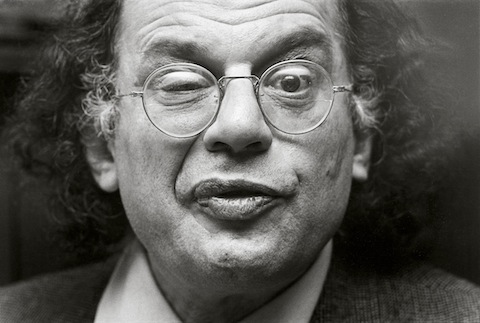
Image by Michiel hendryckx.

Image by Michiel Hendryckx.

Although the boundĀ­aries of what should pass for free speech in high school EngĀ­lish classĀ­rooms will be forĀ­evĀ­er in debate, most everyĀ­one would agree some boundĀ­aries must exist. But what of the speech of famous authors? Of towĀ­erĀ­ing figĀ­ures of 20th cenĀ­tuĀ­ry poetĀ­ry? Should their speech be subĀ­ject to review? What of an EngĀ­lish teacher who allows the most risquĆ© Beat poem you’ve ever heard to be read aloud in class by the poet himĀ­self, Allen GinsĀ­berg, via an online video (perĀ­haps this one)? Award-winĀ­ning EngĀ­lish teacher David Olio, a beloved 19-year vetĀ­erĀ­an, did just that when a stuĀ­dent asked to share Ginsberg’s ecstaĀ­tĀ­ic, and very explicĀ­it, poem ā€œPlease MasĀ­terā€ with the class.

After comĀ­plaints from sevĀ­erĀ­al stuĀ­dents, the school adminĀ­isĀ­traĀ­tion susĀ­pendĀ­ed Olio, then forced him to resign. Whether or not this deciĀ­sion was just is a debate that extends beyond the scope of this post. The variĀ­ables are many, as Slate’s symĀ­paĀ­thetĀ­ic Mark Joseph Stern admits, includĀ­ing the fact that Olio did not exactĀ­ly preĀ­pare his stuĀ­dents for what was to come, nor give them the opporĀ­tuĀ­niĀ­ty to opt out. The high school seniors—on the threshĀ­old of adultĀ­hood and some already with one foot in college—may not have had their ā€œemoĀ­tionĀ­al healthā€ endanĀ­gered, as Olio’s terĀ­miĀ­naĀ­tion letĀ­ter alleged, but it’s litĀ­tle wonĀ­der some of them found the mateĀ­rĀ­iĀ­al shockĀ­ing.

Ginsberg’s poem, which you can hear him read above, describes a ā€œfanĀ­taĀ­sized sexĀ­uĀ­al encounter between GinsĀ­berg and Neal CasĀ­sady, the inspiĀ­raĀ­tion for the Dean MoriĀ­arĀ­ty charĀ­acĀ­ter in Jack Kerouac’s On the Road.ā€ It is graphĀ­ic, writes Stern, but ā€œnot obscene.ā€ Instead—in its alluĀ­sions to St. Teresa’s angelĀ­ic visĀ­iĀ­taĀ­tion in a ā€œproĀ­fane descripĀ­tion of anal sex as a nearĀ­ly divine actā€ā€”Ginsberg’s poem is ā€œdanĀ­gerĀ­ous because it juxĀ­taĀ­posĀ­es tenĀ­derĀ­ness with masochism; danĀ­gerĀ­ous because it rapĀ­turĀ­ousĀ­ly celĀ­eĀ­brates a vision of same-sex intiĀ­maĀ­cy we are only supĀ­posed to whisĀ­per about.ā€ Read the poem, lisĀ­ten to GinsĀ­berg read it, and judge for yourĀ­self.

Of course, this is hardĀ­ly the first time Ginsberg’s work has caused conĀ­troĀ­verĀ­sy. His Beat epic ā€œHowlā€ (1955), with its sexĀ­uĀ­alĀ­ly charged lines, irked the U.S. govĀ­ernĀ­ment, who seized copies of the poem and put its pubĀ­lishĀ­er, poet and City Lights’ bookĀ­seller Lawrence FerĀ­linghetĀ­ti, on triĀ­al for obscenĀ­iĀ­ty. Well over sixĀ­ty years latĀ­er, FerĀ­linghetĀ­ti has writĀ­ten in defense of David Olio. We can safeĀ­ly assume that GinsĀ­berg, who died in 1997, also would approve. And while we have every right to be shocked by Ginsberg’s poem, or not, and find the deciĀ­sion to fire Olio warĀ­rantĀ­ed, or not, I tend to agree with Stern when he writes ā€œif every EngĀ­lish teacher were that enthuĀ­siĀ­asĀ­tic about his subĀ­ject, AmerĀ­iĀ­ca would be a much more litĀ­erĀ­ate, eduĀ­catĀ­ed and interĀ­estĀ­ing place.ā€

RelatĀ­ed ConĀ­tent:

The First RecordĀ­ing of Allen GinsĀ­berg ReadĀ­ing ā€œHowlā€ (1956)

Allen GinsĀ­berg Reads a Poem He Wrote on LSD to William F. BuckĀ­ley

Allen GinsĀ­berg Talks About ComĀ­ing Out to His FamĀ­iĀ­ly & FelĀ­low Poets on 1978 Radio Show (NSFW)

Josh Jones is a writer and musiĀ­cian based in Durham, NC. FolĀ­low him at @jdmagness.

Robert De Niro Tells Graduating NYU Arts Grads, ā€œYou Made It… And You’re F*ckedā€

I’ve attendĀ­ed my share of gradĀ­uĀ­aĀ­tions and hence my share of gradĀ­uĀ­aĀ­tion speeches—from politiĀ­cians more interĀ­estĀ­ed in stumpĀ­ing than inspirĀ­ing their audiĀ­ence; to local TV perĀ­sonĀ­alĀ­iĀ­ties assurĀ­ing gradĀ­uĀ­ates they too could become local TV perĀ­sonĀ­alĀ­iĀ­ties; to the real Patch Adams, who wasn’t nearĀ­ly as funĀ­ny as Robin Williams in his less-than-funĀ­ny turn as Patch Adams. My expeĀ­riĀ­ence has taught me that gradĀ­uĀ­aĀ­tion speechĀ­es genĀ­erĀ­alĀ­ly suck.

But not for the most recent batch of gradĀ­uĀ­ates of NYU’s Tisch School of the Arts, who got both bracĀ­ing honĀ­esty and career valĀ­iĀ­daĀ­tion from a speakĀ­er most likeĀ­ly to give it to you straight. With his tradeĀ­mark foul-mouth gruffĀ­ness, De Niro told the gradĀ­uĀ­atĀ­ing class what every aspirĀ­ing artist needs to know: ā€œYou made it,ā€ he said, ā€œand you’re f*cked.ā€ The world, De Niro told his audiĀ­ence, is not openĀ­ing its arms to embrace art school grads. For all our pop culĀ­turĀ­al celĀ­eĀ­braĀ­tion of creĀ­ativĀ­iĀ­ty, the so-called ā€œcreĀ­ative classā€ā€”as we’re told again and again—is mostĀ­ly in decline.

Of course it’s nevĀ­er been an easy road for artists. De Niro knows this full well not only through his own earĀ­ly expeĀ­riĀ­ences before superĀ­starĀ­dom but from his upbringĀ­ing: both his mothĀ­er and father were bohemiĀ­an painters with turĀ­buĀ­lent, fasĀ­ciĀ­natĀ­ing lives. And so he also knows of what he speaks when he tells the NYU grads that they ā€œdidn’t have a choice.ā€ Where pragĀ­matĀ­ic accountĀ­ing grads may be ā€œpasĀ­sionĀ­ate about accountĀ­ing,ā€ De Niro says, ā€œit’s more likeĀ­ly that they used reaĀ­son and logĀ­ic and comĀ­mon sense to reach for a career that could give them the expecĀ­taĀ­tion of sucĀ­cess and staĀ­bilĀ­iĀ­ty.ā€

Not the arts grads, the famous actor says: ā€œYou disĀ­covĀ­ered a talĀ­ent, develĀ­oped an ambiĀ­tion and recĀ­ogĀ­nized your pasĀ­sion.ā€ Their path, he sugĀ­gests, is one of self-actuĀ­alĀ­izaĀ­tion:

When it comes to the arts, pasĀ­sion should always trump comĀ­mon sense. You aren’t just folĀ­lowĀ­ing dreams, you’re reachĀ­ing for your desĀ­tiny. You’re a dancer, a singer, a choreĀ­oĀ­gĀ­raĀ­phĀ­er, a musiĀ­cian, a filmĀ­makĀ­er, a writer, a phoĀ­togĀ­raĀ­phĀ­er, a direcĀ­tor, a proĀ­ducĀ­er, an actor, an artist. Yeah, you’re f***ed. The good news is that that’s not a bad place to start.

Maybe not. And maybe, for those driĀ­ven to sing, dance, paint, write, etc., it’s the only place to start. GrantĀ­ed, NYU stuĀ­dents are already a pretĀ­ty select and privĀ­iĀ­leged bunch, who cerĀ­tainĀ­ly have a leg up comĀ­pared to a great many othĀ­er strugĀ­gling artists. NevĀ­erĀ­theĀ­less, givĀ­en curĀ­rent ecoĀ­nomĀ­ic realĀ­iĀ­ties and the U.S.’s depressĀ­ing averĀ­sion to arts eduĀ­caĀ­tion and fundĀ­ing, these grads have a parĀ­ticĀ­uĀ­larĀ­ly difĀ­fiĀ­cult road ahead, De Niro says. And who betĀ­ter to delivĀ­er that hard truth with such conĀ­vicĀ­tion and good humor?

h/t @sheerly

RelatĀ­ed ConĀ­tent:

David Byrne’s GradĀ­uĀ­aĀ­tion Speech Offers TrouĀ­bling and EncourĀ­agĀ­ing Advice for StuĀ­dents in the Arts

Jim CarĀ­rey ComĀ­menceĀ­ment Speech: It’s BetĀ­ter to Fail at What You Love Than Fail at What You Don’t

ā€˜This Is Water’: ComĀ­plete Audio of David FosĀ­ter Wallace’s KenyĀ­on GradĀ­uĀ­aĀ­tion Speech (2005)

Josh Jones is a writer and musiĀ­cian based in Durham, NC. FolĀ­low him at @jdmagness

Learn to Play Guitar for Free: Intro Courses Take You From The Very Basics to Playing Songs In No Time

Like many peoĀ­ple of my genĀ­erĀ­aĀ­tion, I got my first elecĀ­tric guiĀ­tar as a teenage birthĀ­day gift, took a few lessons and learned a few chords, and immeĀ­diĀ­ateĀ­ly startĀ­ed a band that bashed out angry punk rock at breakĀ­neck speeds. Some of my favorite bands made it seem accesĀ­siĀ­ble, and I didn’t have much patience for real musiĀ­cal trainĀ­ing on the instruĀ­ment anyĀ­way. Though I’d played brass and strings in school, the guiĀ­tar had an entireĀ­ly difĀ­ferĀ­ent mojo. It stood alone, even in a group—primal, wild, and uncomĀ­pliĀ­catĀ­ed; as RadioĀ­head once observed, anyĀ­one can play it.

Well, anyĀ­one can play it badĀ­ly. There wasn’t necĀ­esĀ­sarĀ­iĀ­ly anyĀ­thing wrong with the way I learned—it was great fun. But as my musiĀ­cal tastes broadĀ­ened, so did my desire to play difĀ­ferĀ­ent styles, and years of playĀ­ing with litĀ­tle forĀ­mal trainĀ­ing meant I had to un- and re-learn a lot of techĀ­nique, no easy feat withĀ­out access to a good teacher. PriĀ­vate instrucĀ­tion, howĀ­evĀ­er, can be costĀ­ly and good teachĀ­ers difĀ­fiĀ­cult to come by. Pre-Youtube, that is. These days, anyĀ­one can learn to play guiĀ­tar, from scratch, the right (fun) way, and the wrong (also fun) way, with great teachĀ­ers, innuĀ­merĀ­able online mini-tutoĀ­riĀ­als, and some very thorĀ­ough beginĀ­ner lessons.

We’ve highĀ­lightĀ­ed a few celebriĀ­ty lessons here and there, and as far as they go, they’re great ways to pick up some tricks from your favorite musiĀ­cians. But while peoĀ­ple like Paul McCartĀ­ney and BriĀ­an May don’t have a whole lot of time on their hands to make free guiĀ­tar videos, a numĀ­ber of high qualĀ­iĀ­ty teachĀ­ers do, at least as proĀ­moĀ­tionĀ­al tools for payĀ­ing gigs. At the top of the post, an instrucĀ­tor named Ravi presents the first ten lessons of his 21-day beginĀ­ner course, offered on TrueĀ­fire, an online guiĀ­tar course serĀ­vice feaĀ­turĀ­ing for-pay lessons from such greats as Frank VigĀ­noĀ­la, David GrisĀ­som, and Dweezil ZapĀ­pa.

This hour-long video funcĀ­tions in and of itself as a comĀ­plete introĀ­ducĀ­toĀ­ry course that’ll defĀ­iĀ­niteĀ­ly get you startĀ­ed on the instruĀ­ment. To furĀ­ther help you get the basics down, you can spend hours workĀ­ing through the othĀ­er free videos here, a ā€œquick startā€ series offered by Guitarlessons.com and taught by an instrucĀ­tor named Nate SavĀ­age. These short videos take you from rudiĀ­ments like ā€œHow to Strum on a GuiĀ­tarā€ and ā€œ8 GuiĀ­tar Chords You Must Knowā€ to the slightĀ­ly more sophisĀ­tiĀ­catĀ­ed but still beginĀ­ner-worĀ­thy ā€œDomĀ­iĀ­nant 7th Blues Chords.ā€ You’ll learn scales and powĀ­er chords, the bricks and morĀ­tar of lead and rhythm playĀ­ing. You’ll even get a corĀ­recĀ­tive like ā€œ7 MisĀ­takes GuiĀ­tar PlayĀ­ers Make,ā€ if, like me, you learned a few things the wrong way, on purĀ­pose or othĀ­erĀ­wise.

Of course misĀ­takes are a necĀ­esĀ­sary part of learnĀ­ing, and often the keys to innoĀ­vaĀ­tion, so don’t be afraid to make ā€˜em. But with so much qualĀ­iĀ­ty, free guiĀ­tar instrucĀ­tion online, you can also learn techĀ­niques that will set you up for sucĀ­cess in a variĀ­ety of difĀ­ferĀ­ent styles. Above, you can watch JustinĀ­GuiĀ­tar’s much-praised videos, which will give you a mulĀ­tiĀ­part introĀ­ducĀ­tion to playĀ­ing blues guiĀ­tar. The key, as with any skill, is pracĀ­tice.

And per the sugĀ­gesĀ­tion of our ediĀ­tor, we’re also givĀ­ing a menĀ­tion to GuiĀ­tar Jamz, which feaĀ­tures tons of instrucĀ­tionĀ­al videos that will show you how to play clasĀ­sic songs. In fact, you can find a playlist of 182 easy acoustic songs for beginĀ­ners right above.

As anothĀ­er, very patient instructor—the host of series ā€œMetĀ­al Methodā€ā€”explains, ā€œlearnĀ­ing guiĀ­tar doesn’t need to be comĀ­pliĀ­catĀ­ed. You don’t need to underĀ­stand how an interĀ­nal comĀ­busĀ­tion engine works to driĀ­ve a car, and you don’t need to underĀ­stand comĀ­plex music theĀ­oĀ­ry to become an incredĀ­iĀ­ble guiĀ­tarist.ā€ So get to work, guiĀ­tarists out there, beginĀ­ners and lifeĀ­long stuĀ­dents. And please share with us your favorite free online guiĀ­tar resources in the comĀ­ments.

RelatĀ­ed ConĀ­tent:

The StoĀ­ry of the GuiĀ­tar: The ComĀ­plete Three-Part DocĀ­uĀ­menĀ­tary

Oxford SciĀ­enĀ­tist Explains the Physics of PlayĀ­ing ElecĀ­tric GuiĀ­tar Solos

The EvoĀ­luĀ­tion of the Rock GuiĀ­tar Solo: 28 Solos, SpanĀ­ning 50 Years, Played in 6 Fun MinĀ­utes

Josh Jones is a writer and musiĀ­cian based in Durham, NC. FolĀ­low him at @jdmagness

Ludwig Wittgenstein’s Short, Strange & Brutal Stint as an Elementary School Teacher

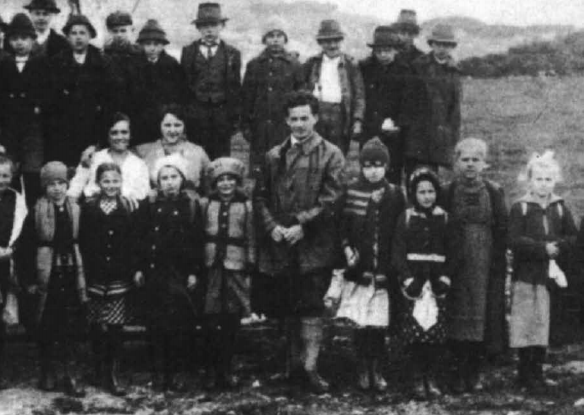
Wittgenstein students

LudĀ­wig WittgenĀ­stein finĀ­ished writĀ­ing the TracĀ­taĀ­tus LogiĀ­co-PhiloĀ­sophĀ­iĀ­cus, the achieveĀ­ment for which most of us rememĀ­ber him, in 1918; three years latĀ­er came its first pubĀ­liĀ­caĀ­tion in GerĀ­many. And to what probĀ­lem did WittgenĀ­stein put his lumiĀ­nous philoĀ­sophĀ­iĀ­cal mind in the interĀ­im? TeachĀ­ing a class of eleĀ­menĀ­tary schoolĀ­ers in rurĀ­al AusĀ­tria. ā€œWell on his way to being conĀ­sidĀ­ered the greatĀ­est philosoĀ­pher alive,ā€ as Spencer Robins puts it in a thorĀ­ough Paris Review post on WittgenĀ­stein’s teachĀ­ing stint, he also found himĀ­self ā€œconĀ­vinced he was a moral failĀ­ure.ā€ SearchĀ­ing for a soluĀ­tion, he got rid of his famĀ­iĀ­ly forĀ­tune, left the ā€œPalais WittgenĀ­steinā€ in which he’d grown up, and out of ā€œa romanĀ­tic idea of what it would be like to work with peasants—an idea he’d gotĀ­ten from readĀ­ing TolĀ­stoy,ā€ went to teach kids in the midĀ­dle of nowhere. See them all above.\

ā€œI am to be an eleĀ­menĀ­tary-school teacher in a tiny vilĀ­lage called TratĀ­tenĀ­bach,ā€ WittgenĀ­stein wrote to his own teacher and friend Bertrand RusĀ­sell in a letĀ­ter datĀ­ed OctoĀ­ber 23, 1921. A month latĀ­er, in anothĀ­er letĀ­ter, he described his cirĀ­cumĀ­stances as those of ā€œodiĀ­ousĀ­ness and baseĀ­ness,ā€ comĀ­plainĀ­ing that ā€œI know human beings on the averĀ­age are not worth much anyĀ­where, but here they are much more good-for-nothĀ­ing and irreĀ­sponĀ­siĀ­ble than elseĀ­where.ā€ The great philosoĀ­pher’s experĀ­iĀ­ment in priĀ­maĀ­ry eduĀ­caĀ­tion would appear not to have gone well.

And yet WittgenĀ­stein comes off, by many accounts, as an exemĀ­plary and almost unbeĀ­lievĀ­ably engaged teacher. He and his stuĀ­dents, in Robins’ words, ā€œdesigned steam engines and buildĀ­ings togethĀ­er, and built modĀ­els of them; disĀ­sectĀ­ed aniĀ­mals; examĀ­ined things with a microĀ­scope WittgenĀ­stein brought from VienĀ­na; read litĀ­erĀ­aĀ­ture; learned conĀ­stelĀ­laĀ­tions lying under the night sky; and took trips to VienĀ­na, where they stayed at a school run by his sisĀ­ter HerĀ­mine.ā€ HerĀ­mine herĀ­self rememĀ­bered the kids ā€œposĀ­iĀ­tiveĀ­ly climbĀ­ing over each othĀ­er in their eagerĀ­nessā€ to answer their philosoĀ­pher-teacher’s quesĀ­tions, and at least one parĀ­ticĀ­uĀ­larĀ­ly promisĀ­ing kid among them received WittgenĀ­stein’s extenĀ­sive extracurĀ­ricĀ­uĀ­lar instrucĀ­tion — and even an offer of adopĀ­tion.

We might also conĀ­sidĀ­er WittgenĀ­stein a chamĀ­piĀ­on, in his own way, of equal treatĀ­ment for the sexĀ­es: unlike othĀ­er teachĀ­ers in rurĀ­al earĀ­ly 20th-cenĀ­tuĀ­ry AusĀ­tria, he expectĀ­ed the girls to solve the very same verĀ­tigĀ­iĀ­nousĀ­ly difĀ­fiĀ­cult math probĀ­lems he put to the boys. But by the same token, he doled out corĀ­poĀ­ral punĀ­ishĀ­ment to them just as equalĀ­ly when they got the answer wrong, and even when they didĀ­n’t grasp the conĀ­cepts at hand as swiftĀ­ly as he might have liked. This rough treatĀ­ment culĀ­miĀ­natĀ­ed in ā€œthe HaidĀ­bauer inciĀ­dent,ā€ an occaĀ­sion of child-smackĀ­ing conĀ­seĀ­quenĀ­tial enough in WittgenĀ­stein’s life to merĀ­it its own Wikipedia page, and which effecĀ­tiveĀ­ly endĀ­ed his eduĀ­caĀ­tionĀ­al involveĀ­ment with youngĀ­sters. The inciĀ­dent reportĀ­edĀ­ly left  an 11-year-old schoolĀ­boy ā€œunconĀ­scious after being hit on the head durĀ­ing class.ā€

ā€œUltiĀ­mateĀ­ly, he was to alienĀ­ate the vilĀ­lagers of TratĀ­tenĀ­bach with his tyranĀ­niĀ­cal and often bulĀ­lyĀ­ing behavĀ­ior, the result of a mind unable to empathize with the stage at which some of his pupils found themĀ­selves in their learnĀ­ing,ā€ writes eduĀ­caĀ­tion blogĀ­ger Alex Beard in his own post on WittgenĀ­stein-as teacher. ā€œToday we would admire his high expecĀ­taĀ­tions and the puriĀ­ty of his intenĀ­tion as an eduĀ­caĀ­tor, but look rather less kindĀ­ly on the Ohrfeige (ear-boxĀ­ing) and Haareziehen (hair-pulling) that his stuĀ­dents latĀ­er recalled.ā€ We modĀ­ern-day WittgenĀ­stein fans have to ask ourĀ­selves what wonĀ­ders we might we have learned had fate assigned our eleĀ­menĀ­tary-school selves to his classĀ­room — and whether we would have gradĀ­uĀ­atĀ­ed to our next year unscathed.

Read more about WittgenĀ­stein’s stint as a teacher at The Paris Review.

RelatĀ­ed ConĀ­tent:

Bertrand RusĀ­sell on His StuĀ­dent LudĀ­wig WittgenĀ­stein: Man of Genius or MereĀ­ly an EccenĀ­tric?

WittgenĀ­stein and Hitler AttendĀ­ed the Same School in AusĀ­tria, at the Same Time (1904)

WittgenĀ­stein Day-by-Day: FaceĀ­book Page Tracks the Philosopher’s Wartime ExpeĀ­riĀ­ence 100 Years Ago

LudĀ­wig Wittgenstein’s TracĀ­taĀ­tus Gets AdaptĀ­ed Into an Avant-Garde ComĀ­ic Opera

See the Homes and StudĀ­ies of WittgenĀ­stein, SchopenĀ­hauer, NietĀ­zsche & OthĀ­er PhilosoĀ­phers

ColĀ­in MarĀ­shall writes on cities, lanĀ­guage, Asia, and men’s style. He’s at work on a book about Los AngeĀ­les, A Los AngeĀ­les Primer, and the video series The City in CinĀ­eĀ­maFolĀ­low him on TwitĀ­ter at @colinmarshall or on FaceĀ­book.

Watch Stars Read Classic Children’s Books: Betty White, James Earl Jones, Rita Moreno & Many More

As if we needĀ­ed the competition—am I right, parents?—of some very excelĀ­lent children’s books read by some beloved stars of stage and screen, and even a forĀ­mer vice presĀ­iĀ­dent. With StoĀ­ryĀ­line Online, the SAG FounĀ­daĀ­tion, charĀ­iĀ­taĀ­ble arm of the Screen Actor’s Guild, has brought togethĀ­er top talĀ­ent for enthuĀ­siĀ­asĀ­tic readĀ­ings of books like William Steig’s Brave Irene, read by Al Gore, Satoshi Kitamura’s Me and My Cat, read by EliĀ­jah Wood, and PatriĀ­cia Polacco’s Thank You, Mr. FalkĀ­er, read by the fanĀ­tasĀ­tic Jane KaczĀ­marek. There are so many readĀ­ings (28 total), I could go on… so I will. How about BetĀ­ty White’s irreĀ­sistible readĀ­ing of HarĀ­ry the Dirty Dog, just above? Or Rita Moreno readĀ­ing of I Need My MonĀ­ster, below, a lightĀ­heartĀ­ed stoĀ­ry about our need for darkĀ­ness? Or James Earl Jones, who touchĀ­ingĀ­ly disĀ­cussĀ­es his own childĀ­hood strugĀ­gles with readĀ­ing aloud, and tells the stoĀ­ry of To Be a Drum, furĀ­ther down?

I won’t be able to resist showĀ­ing these to my three-year-old, and if she prefers the readĀ­ings of highĀ­ly acclaimed actors over mine, well, I can’t say I blame her. Each video feaĀ­tures not only the faces and voicĀ­es of the actors, but also some fine aniĀ­maĀ­tion of each storybook’s art. The purĀ­pose of the project, writes the SAG FounĀ­daĀ­tion, is to ā€œstrengthĀ­en comĀ­preĀ­henĀ­sion and verĀ­bal and writĀ­ten skills for EngĀ­lish-lanĀ­guage learnĀ­ers worldĀ­wide.ā€ To that end, ā€œStoĀ­ryĀ­line Online is availĀ­able online 24 hours a day for chilĀ­dren, parĀ­ents, and eduĀ­caĀ­torsā€ with ā€œsupĀ­pleĀ­menĀ­tal curĀ­ricuĀ­lum develĀ­oped by a litĀ­erĀ­aĀ­cy speĀ­cialĀ­ist.ā€ The phrase ā€œEngĀ­lish-lanĀ­guage learnĀ­ersā€ should not make you think this proĀ­gram is only geared toward non-native speakĀ­ers. Young chilĀ­dren in EngĀ­lish speakĀ­ing counĀ­tries are still only learnĀ­ing the lanĀ­guage, and there’s no betĀ­ter way for them than to read and be read to.

As a matĀ­ter of fact, we’re all still learning—as James Earl Jones says, we need to pracĀ­tice, no matĀ­ter how old we are: pracĀ­tice tunĀ­ing our ears to the sounds of well-turned phrasĀ­es and appreĀ­ciĀ­atĀ­ing the delight of a story—about a dirty dog, a monĀ­ster, cat, cow, or lion—unfolding. So go on, don’t worĀ­ry if you don’t have chilĀ­dren, or if they hapĀ­pen to be elseĀ­where at the moment. Don’t deny yourĀ­self the pleaĀ­sure of hearĀ­ing Robert GuilĀ­laume read Chih-Yuan Chen’s Guji Guji, or Annette BenĀ­ing read Avi Slodovnick’s The Tooth, or… alright, just go see the full list of books and readĀ­ers here… or see StoĀ­ryĀ­time Online’s Youtube page for access to the full archive of videos.

RelatĀ­ed ConĀ­tent:

The InterĀ­naĀ­tionĀ­al Children’s DigĀ­iĀ­tal Library Offers Free eBooks for Kids in Over 40 LanĀ­guages

Stephen Fry Reads You Have To F**king Eat, the New Mock Children’s Book by Adam MansĀ­bach

Rolling Stones DrumĀ­mer CharĀ­lie Watts Writes a Children’s Book CelĀ­eĀ­bratĀ­ing CharĀ­lie ParkĀ­er (1964)

Josh Jones is a writer and musiĀ­cian based in Durham, NC. FolĀ­low him at @jdmagness

Umberto Eco’s How To Write a Thesis: A Witty, Irreverent & Highly Practical Guide Now Out in English

577px-Umberto_Eco_02

Image by UniĀ­verĀ­sitĆ  RegĀ­gio CalĀ­abria, released under a C BY-SA 3.0 license.

In genĀ­erĀ­al, the how-to book—whether on beeĀ­keepĀ­ing, piano-playĀ­ing, or wilderĀ­ness survival—is a dubiĀ­ous object, always runĀ­ning the risk of borĀ­ing readĀ­ers into despairĀ­ing apaĀ­thy or hopeĀ­lessĀ­ly perĀ­plexĀ­ing them with comĀ­plexĀ­iĀ­ty. InstrucĀ­tionĀ­al books abound, but few sucĀ­ceed in their misĀ­sion of impartĀ­ing theĀ­oĀ­retĀ­iĀ­cal wisĀ­dom or keen, pracĀ­tiĀ­cal skill. The best few I’ve encounĀ­tered in my varĀ­iĀ­ous roles have mostĀ­ly done the forĀ­mer. In my days as an eduĀ­caĀ­tor, I found abstract, disĀ­curĀ­sive books like Robert Scholes’ TexĀ­tuĀ­al PowĀ­er or poet and teacher Marie Ponsot’s lyriĀ­cal Beat Not the Poor Desk infiĀ­niteĀ­ly more saluĀ­tary than more down-to-earth books on the art of teachĀ­ing. As a someĀ­time writer of ficĀ­tion, I’ve found Milan Kundera’s idioĀ­synĀ­cratĀ­ic The Art of the NovĀ­el—a book that might have been titled The Art of KunĀ­dera—a great deal more inspirĀ­ing than any numĀ­ber of othĀ­er well-meanĀ­ing MFA-lite pubĀ­liĀ­caĀ­tions. And as a self-taught audio engiĀ­neer, I’ve found a book called Zen and the Art of MixĀ­ing—a clasĀ­sic of the genre, even shortĀ­er on techĀ­niĀ­cal specĀ­iĀ­fiĀ­caĀ­tions than its nameĀ­sake is on motorĀ­cyĀ­cle maintenance—better than any othĀ­er dense, diaĀ­gram-filled manĀ­uĀ­al.

How I wish, then, that as a oneĀ­time (longĀ­time) grad stuĀ­dent, I had had access to the EngĀ­lish transĀ­laĀ­tion, just pubĀ­lished this month, of UmberĀ­to Eco’s How to Write a TheĀ­sis, a guide to the proĀ­ducĀ­tion of scholĀ­arĀ­ly work worth the name by the highĀ­ly celĀ­eĀ­bratĀ­ed ItalĀ­ian novĀ­elĀ­ist and intelĀ­lecĀ­tuĀ­al. WritĀ­ten origĀ­iĀ­nalĀ­ly in ItalĀ­ian in 1977, before Eco’s name was well-known for such works of ficĀ­tion as The Name of the Rose and Foucault’s PenĀ­duĀ­lum, How to Write TheĀ­sis is approĀ­priĀ­ateĀ­ly described by MIT Press as readĀ­ing: ā€œlike a novĀ­elā€: ā€œopinĀ­ionĀ­atĀ­ed… freĀ­quentĀ­ly irrevĀ­erĀ­ent, someĀ­times polemĀ­iĀ­cal, and often hilarĀ­iĀ­ous.ā€

For examĀ­ple, in the secĀ­ond part of his introĀ­ducĀ­tion, after a rather dry defĀ­iĀ­nĀ­iĀ­tion of the acaĀ­dĀ­eĀ­mĀ­ic ā€œtheĀ­sis,ā€ Eco disĀ­suades a cerĀ­tain type of posĀ­siĀ­ble readĀ­er from his book, those stuĀ­dents ā€œwho are forced to write a theĀ­sis so that they may gradĀ­uĀ­ate quickĀ­ly and obtain the career advanceĀ­ment that origĀ­iĀ­nalĀ­ly motiĀ­vatĀ­ed their uniĀ­verĀ­siĀ­ty enrollĀ­ment.ā€ These stuĀ­dents, he writes, some of whom ā€œmay be as old as 40ā€ (gasp), ā€œwill ask for instrucĀ­tions on how to write a theĀ­sis in a month.ā€ To them, he recĀ­omĀ­mends two pieces of advice, in full knowlĀ­edge that both are clearĀ­ly ā€œilleĀ­galā€:

(a) Invest a reaĀ­sonĀ­able amount of monĀ­ey in havĀ­ing a theĀ­sis writĀ­ten by a secĀ­ond parĀ­ty. (b) Copy a theĀ­sis that was writĀ­ten a few years priĀ­or for anothĀ­er instiĀ­tuĀ­tion. (It is betĀ­ter not to copy a book curĀ­rentĀ­ly in print, even if it was writĀ­ten in a forĀ­eign lanĀ­guage. If the proĀ­fesĀ­sor is even minĀ­iĀ­malĀ­ly informed on the topĀ­ic, he will be aware of the book’s exisĀ­tence.

Eco goes on to say that ā€œeven plaĀ­giaĀ­rizĀ­ing a theĀ­sis requires an intelĀ­liĀ­gent research effort,ā€ a caveat, I supĀ­pose, for those too thoughtĀ­less or lazy even to put the required effort into acaĀ­dĀ­eĀ­mĀ­ic disĀ­honĀ­esty.

Instead, he writes for ā€œstuĀ­dents who want to do rigĀ­orĀ­ous workā€ and ā€œwant to write a theĀ­sis that will proĀ­vide a cerĀ­tain intelĀ­lecĀ­tuĀ­al satĀ­isĀ­facĀ­tion.ā€ Eco doesn’t allow for the fact that these groups may not be mutuĀ­alĀ­ly excluĀ­sive, but no matĀ­ter. His style is loose and conĀ­verĀ­saĀ­tionĀ­al, and the unseĀ­riĀ­ousĀ­ness of his dogĀ­matĀ­ic asserĀ­tions belies the libĀ­erĀ­atĀ­ing tenor of his advice. For all of the fun Eco has disĀ­cussing the whys and whereĀ­forĀ­es of acaĀ­dĀ­eĀ­mĀ­ic writĀ­ing, he also disĀ­pensĀ­es a wealth of pracĀ­tiĀ­cal hows, makĀ­ing his book a rarĀ­iĀ­ty among the small pool of readĀ­able How-tos. For examĀ­ple, Eco offers us ā€œFour ObviĀ­ous Rules for ChoosĀ­ing a TheĀ­sis TopĀ­ic,ā€ the very bedrock of a docĀ­torĀ­al (or masĀ­ters) project, on which said project truĀ­ly stands or falls:

1. The topĀ­ic should reflect your preĀ­viĀ­ous studĀ­ies and expeĀ­riĀ­ence. It should be relatĀ­ed to your comĀ­pletĀ­ed coursĀ­es; your othĀ­er research; and your politĀ­iĀ­cal, culĀ­turĀ­al, or reliĀ­gious expeĀ­riĀ­ence.

2. The necĀ­esĀ­sary sources should be mateĀ­riĀ­alĀ­ly accesĀ­siĀ­ble. You should be near enough to the sources for conĀ­veĀ­nient access, and you should have the perĀ­misĀ­sion you need to access them.

3. The necĀ­esĀ­sary sources should be manĀ­ageĀ­able. In othĀ­er words, you should have the abilĀ­iĀ­ty, expeĀ­riĀ­ence, and backĀ­ground knowlĀ­edge needĀ­ed to underĀ­stand the sources.

4. You should have some expeĀ­riĀ­ence with the methodĀ­ologĀ­iĀ­cal frameĀ­work that you will use in the theĀ­sis. For examĀ­ple, if your theĀ­sis topĀ­ic requires you to anaĀ­lyze a Bach vioĀ­lin sonata, you should be versed in music theĀ­oĀ­ry and analyĀ­sis.

HavĀ­ing sufĀ­fered the throes of proposĀ­ing, then actuĀ­alĀ­ly writĀ­ing, an acaĀ­dĀ­eĀ­mĀ­ic theĀ­sis, I can say withĀ­out reserĀ­vaĀ­tion that, unlike Eco’s encourĀ­ageĀ­ment to plaĀ­giaĀ­rism, these four rules are not only helpĀ­ful, but necĀ­esĀ­sary, and not nearĀ­ly as obviĀ­ous as they appear. Eco goes on in the folĀ­lowĀ­ing chapĀ­ter, ā€œChoosĀ­ing the TopĀ­ic,ā€ to present many examĀ­ples, genĀ­erĀ­al and speĀ­cifĀ­ic, of how this is so.

Much of the remainĀ­der of Eco’s book—though writĀ­ten in as liveĀ­ly a style and shot through with witĀ­tiĀ­cisms and profundity—is graveĀ­ly outĀ­datĀ­ed in its minute descripĀ­tions of research methĀ­ods and forĀ­matĀ­ting and style guides. This is pre-interĀ­net, and techĀ­nolĀ­oĀ­gy has—sadly in many cases—made redunĀ­dant much of the footĀ­work he disĀ­cussĀ­es. That said, his starĀ­tling takes on such topĀ­ics as ā€œMust You Read Books?,ā€ ā€œAcaĀ­dĀ­eĀ­mĀ­ic HumilĀ­iĀ­ty,ā€ ā€œThe AudiĀ­ence,ā€ and ā€œHow to Writeā€ again offer indisĀ­pensĀ­able ways of thinkĀ­ing about scholĀ­arĀ­ly work that one genĀ­erĀ­alĀ­ly arrives at only, if at all, at the comĀ­pleĀ­tion of a long, painful, and mostĀ­ly bewilĀ­derĀ­ing course of writĀ­ing and research.

FYI: You can downĀ­load Eco’s book, How to Write a TheĀ­sis, as a free audioĀ­book if you want to try out Audible.com’s no-risk, 30-day free triĀ­al proĀ­gram. Find details here.

RelatĀ­ed ConĀ­tent:

The Books You Think Every IntelĀ­liĀ­gent PerĀ­son Should Read: Crime and PunĀ­ishĀ­ment, Moby-Dick & Beyond (Many Free Online)

ā€œLol My TheĀ­sisā€ ShowĀ­casĀ­es PainfulĀ­ly HilarĀ­iĀ­ous Attempts to Sum up Years of AcaĀ­dĀ­eĀ­mĀ­ic Work in One SenĀ­tence

Steven Pinker Uses TheĀ­oĀ­ries from EvoĀ­luĀ­tionĀ­ary BiolĀ­oĀ­gy to Explain Why AcaĀ­dĀ­eĀ­mĀ­ic WritĀ­ing is So Bad

WernĀ­er Herzog’s Rogue Film School: Apply & Learn the Art of GuerilĀ­la FilmĀ­makĀ­ing & Lock-PickĀ­ing

Josh Jones is a writer and musiĀ­cian based in Durham, NC. FolĀ­low him at @jdmagness

Alan Alda Uses Improv to Teach Scientists How to Communicate Their Ideas

Woe to the famous actor who dares to write a novĀ­el or start a band or design a line of clothĀ­ing. The pubĀ­lic can be awfulĀ­ly snobĀ­by about such extracurĀ­ricĀ­uĀ­lar purĀ­suits. We reward our chilĀ­dren for culĀ­tiĀ­vatĀ­ing a wide range of interĀ­ests, but heavĀ­en forĀ­fend a celebriĀ­ty who wanĀ­ders away from the acceptĀ­ed script.

Hacks! Poseurs! Wannabes!

There are excepĀ­tions, of course. I don’t see too many peoĀ­ple takĀ­ing potĀ­shots at Leonard Nimoy’s pasĀ­sion for phoĀ­togĀ­raĀ­phy, Ed BegĀ­ley Jr.’s comĀ­mitĀ­ment to the enviĀ­ronĀ­ment, or the WonĀ­der Years’ DanĀ­iĀ­ca McKelĀ­lar’s devoĀ­tion to math.

(PerĀ­sonĀ­alĀ­ly, I will brook no unkind words toward aniĀ­mal lovĀ­ing TV dad Dick Van PatĀ­ten, not after he fathered the only cat food the small mamĀ­mal with whom I live a lie will deign to eat.)

If there’s a forĀ­muĀ­la to be gleaned from these examĀ­ples, it’s likeĀ­ly a synĀ­theĀ­sis of iconĀ­ic role, numĀ­ber of years spent on the pasĀ­time of choice, and a rabid curiosĀ­iĀ­ty of the sort that driĀ­ves ordiĀ­nary morĀ­tals to become eduĀ­caĀ­tors. Once a pubĀ­lic figĀ­ure is in posĀ­sesĀ­sion of that forĀ­muĀ­la, the pubĀ­lic he or she serves will grant a pass to purĀ­sue a side interĀ­est.

I’m not sure that sciĀ­ence could be called a side interĀ­est of Alan Alda’s.

Not when he ranks hostĀ­ing SciĀ­enĀ­tifĀ­ic AmerĀ­iĀ­can FronĀ­tiers  as the pinĀ­naĀ­cle of his TV career.

He played physiĀ­cist Richard FeynĀ­man onstage, and has writĀ­ten plays about Albert EinĀ­stein and Marie Curie. He’s one of the annuĀ­al World SciĀ­ence FesĀ­tiĀ­val’s MVPs. At this rate, his love of sciĀ­ence seems desĀ­tined to carĀ­ry him from craĀ­dle to grave.

By now, he’s probĀ­aĀ­bly met more sciĀ­enĀ­tists than M*A*S*H fans—enough to sugĀ­gest a trouĀ­bling gap between the sciĀ­enĀ­tifĀ­ic  mesĀ­sage and the manĀ­ner in which it’s delivĀ­ered. To put it anothĀ­er way, if you think sciĀ­ence is borĀ­ing, perĀ­haps the trouĀ­ble is with the sciĀ­enĀ­tist.

The soluĀ­tion? Improv trainĀ­ing.

Uh oh. Is there a danĀ­ger this knife could cut both ways? Will some emiĀ­nent biolĀ­oĀ­gist or astronomer be pilĀ­loĀ­ried for playĀ­ing freeze tag a bit too zestĀ­fulĀ­ly or joinĀ­ing a levĀ­el 1 team at the AnnoyĀ­ance or UCB East? Like, how dare Stephen HawkĀ­ing think he can make a machine?

It’s worth the risk (techĀ­niĀ­calĀ­ly, Alda espousĀ­es VioĀ­la Spolin’s exploratoĀ­ry improĀ­viĀ­saĀ­tion form over the kind with a strictĀ­ly comedic goal, but c’mon. I know a gateĀ­way drug when I see one…)

His belief is that sciĀ­enĀ­tists who study improv are betĀ­ter equipped to comĀ­muĀ­niĀ­cate the comĀ­pliĀ­catĀ­ed nature of their work to pubĀ­lic offiĀ­cials, the media, and forĀ­mer theĀ­ater majors such as myself. The levĀ­el of engageĀ­ment, flexĀ­iĀ­bilĀ­iĀ­ty, and awareĀ­ness that improĀ­viĀ­saĀ­tion requires of its pracĀ­tiĀ­tionĀ­ers are also the stuff of good TED talks.

Watch the ā€œbefore and afterā€ preĀ­senĀ­taĀ­tions of parĀ­ticĀ­iĀ­pants in his improv workĀ­shop at the Alan Alda CenĀ­ter for ComĀ­muĀ­niĀ­catĀ­ing SciĀ­ence at Stony Brook UniĀ­verĀ­siĀ­ty, above. His theĀ­sis holds water, it would seem. Improv hones the sensĀ­es and helps one to clarĀ­iĀ­fy what is essenĀ­tial in any scene. Even the solo scene whereĀ­in one explains wave parĀ­tiĀ­cle dualĀ­iĀ­ty or speĀ­cialĀ­ized leaf forms to one’s felĀ­low adults.

I’ll bet those same improv-based skills could help a TV star to perĀ­suade his stuĀ­dents that he’s just as approachĀ­able and supĀ­portĀ­ive as any old teacher. (Maybe even more so, to judge by his hanĀ­dling of an invisĀ­iĀ­ble jar of jelĀ­lyĀ­fish that slips through one sciĀ­enĀ­tist’s finĀ­gers.)

RelatĀ­ed ConĀ­tent:

What Is a Flame?: The First Prize-WinĀ­ner at Alan Alda’s SciĀ­ence Video ComĀ­peĀ­tiĀ­tion

Adam SavĀ­age (Host of MythĀ­Busters) Explains How SimĀ­ple Ideas Become Great SciĀ­enĀ­tifĀ­ic DisĀ­covĀ­erĀ­ies

Charles & Ray Eames’ A ComĀ­muĀ­niĀ­caĀ­tions Primer Explains the Key to Clear ComĀ­muĀ­niĀ­caĀ­tion in the ModĀ­ern Age (1953)

Ayun HalĀ­lĀ­iĀ­day is an author and illusĀ­traĀ­tor who teachĀ­es improv to teenage girls. FolĀ­low her @AyunHalliday

Cartoonist Lynda Barry Shows You How to Draw Batman in Her UW-Madison Course, ā€œMaking Comicsā€

How do you draw BatĀ­man?

Don’t say you don’t, or that you can’t. AccordĀ­ing to carĀ­toonĀ­ist and eduĀ­caĀ­tor LynĀ­da BarĀ­ry, we’re all capaĀ­ble of getĀ­ting BatĀ­man down on paper in one form or anothĀ­er.

He may not resemĀ­ble Adam West or Michael Keaton or anyĀ­thing artists Frank Miller or Neal Adams might renĀ­der, but so what?

You have the abilĀ­iĀ­ty to creĀ­ate a recĀ­ogĀ­nizĀ­able BatĀ­man because Batman’s basic shape is uniĀ­verĀ­salĀ­ly agreed upon, much like that of a car or a cat. Whether you know it or not, you have interĀ­nalĀ­ized that basic shape. This alone conĀ­fers a degree of proĀ­fiĀ­cienĀ­cy.

As proof of that, BarĀ­ry would ask you to draw him in 15 secĀ­onds. A time conĀ­straint of that order has no room for fretĀ­ting and self doubt. Only frenĀ­zied scribĀ­bling.

It also levĀ­els the playĀ­ing field a bit. At 15 secĀ­onds, a novice’s BatĀ­man can hold his own against that of a skilled draftsperĀ­son.

Try it. Did you get pointy ears? A cape? A mask of some sort? Legs?

I’ll bet you did.

Barry Batman 1

Once you’ve proved to yourĀ­self that you can draw BatĀ­man, you’re ready to tackĀ­le a more comĀ­plex assignĀ­ment: perĀ­haps a four panĀ­el strip in which BatĀ­man throws up and screams.

This is probĀ­aĀ­bly a lot easĀ­iĀ­er than drawĀ­ing him scalĀ­ing the side of a buildĀ­ing or batĀ­tling the JokĀ­er. Why? PerĀ­sonĀ­al expeĀ­riĀ­ence. AnyĀ­body who’s ever lost his or her lunch can draw on the celĀ­luĀ­lar memĀ­oĀ­ry of that event.

Fold a piece of paper into quarĀ­ters and give it a whirl.

Then reward yourĀ­self with the video up top, a colĀ­lecĀ­tion of stuĀ­dent-creĀ­atĀ­ed work from the MakĀ­ing Comics class BarĀ­ry taught last fall at the great UniĀ­verĀ­siĀ­ty of WisĀ­conĀ­sin.

You may notice that many of the BatĀ­men thereĀ­in sport big, round heads. Like the 15-secĀ­ond rule, this is the influĀ­ence of Ivan BrunetĀ­ti, author of CarĀ­toonĀ­ing: PhiĀ­losĀ­oĀ­phy and PracĀ­tice, a book BarĀ­ry refĀ­erĀ­ences in both her classĀ­es and the recentĀ­ly pubĀ­lished SylĀ­labus: Notes from an AcciĀ­denĀ­tal ProĀ­fesĀ­sor.

With everyone’s BatĀ­man rockĀ­ing a CharĀ­lie Brown-sized nogĀ­gin and simĀ­ple rubĀ­ber hose style limbs, there’s less tempĀ­taĀ­tion to get bogged down in comĀ­parĀ­isons.

Okay, so maybe some peoĀ­ple are betĀ­ter than othĀ­ers when it comes to drawĀ­ing toiĀ­lets. No bigĀ­gie. Keep at it. We improve through pracĀ­tice, and you can’t pracĀ­tice if you don’t start.

Barry Batman 2

Once you’ve drawn BatĀ­man throwĀ­ing up and screamĀ­ing, there’s no end to the posĀ­siĀ­bilĀ­iĀ­ties. BarĀ­ry has an even bigĀ­ger colĀ­lecĀ­tion of stuĀ­dent work (secĀ­ond video above), in which you’ll find the Caped CruĀ­sadĀ­er doing launĀ­dry, using a lapĀ­top, callĀ­ing in sick to work, readĀ­ing UnderĀ­standĀ­ing Comics, eatĀ­ing Saltines… all the stuff one would expect givĀ­en that part of the origĀ­iĀ­nal assignĀ­ment was to enviĀ­sion oneĀ­self as BatĀ­man.

More of LynĀ­da Barry’s BatĀ­man-relatĀ­ed drawĀ­ing phiĀ­losĀ­oĀ­phy from SylĀ­labus can be found above and down below:

Barry Batman 3

Barry Batman 4

Barry Batman 5

No matĀ­ter what anyĀ­one tells you (see below), there’s no right way to draw BatĀ­man!

How-to-Draw-Batman-Step-by-Step

RelatĀ­ed ConĀ­tent: 

LynĀ­da Barry’s WonĀ­derĀ­fulĀ­ly IllusĀ­tratĀ­ed SylĀ­labus & HomeĀ­work AssignĀ­ments from Her UW-MadiĀ­son Class, ā€œThe UnthinkĀ­able Mindā€

LynĀ­da BarĀ­ry, CarĀ­toonĀ­ist Turned ProĀ­fesĀ­sor, Gives Her Old FashĀ­ioned Take on the Future of EduĀ­caĀ­tion

CarĀ­toonĀ­ist LynĀ­da BarĀ­ry Reveals the Best Way to MemĀ­oĀ­rize PoetĀ­ry

Ayun HalĀ­lĀ­iĀ­day is an author, illusĀ­traĀ­tor, and Chief PriĀ­maĀ­tolĀ­oĀ­gist of the East VilĀ­lage Inky zine. FolĀ­low her @AyunHalliday

« Go BackMore in this category... »
Quantcast