Alejandro Jodorowsky’s 82 Commandments For Living

Utopiales_2011_Alejandro_Jodorowsky_16

Cre­ative Com­mons pho­to by Lionel Allorge

If you’re a fan of sci­ence fic­tion or the films of David Lynch, you’ve sure­ly seen the 1984 film adap­ta­tion of Frank Herbert’s cult clas­sic sci-fi nov­el, Dune (though Lynch him­self may pre­fer that you didn’t). And indeed, it’s very like­ly that, by now, you’ve heard the incred­i­ble sto­ry of what Dune might have been, had it been direct­ed ten years ear­li­er by psy­che­del­ic Chilean film­mak­er, writer, com­pos­er, and psy­chother­a­pist Ale­jan­dro Jodor­owsky. Per­haps you even caught Jonathan Crow’s post on this site fea­tur­ing Jodorowsky’s pro­posed storyboards—drawn by French artist Moebius—for what would most cer­tain­ly would have been “a mind-bog­gling­ly grand epic” of a movie. Alas, Jodorowsky’s Dune nev­er came about, though it did lat­er lead to the doc­u­men­tary Jodorowsky’s Dune, which Matt Zoller Seitz pro­nounced “a call to arms for dream­ers every­where.”

That descrip­tion applies not only to the film about a film that could have been, but also to the entire­ty of Jodorowsky’s work, includ­ing his—thoroughly bizarre and captivating—early fea­tures, El Topo and The Holy Moun­tain, and the cre­ation of a com­ic book uni­verse like no oth­er. Called “The Jodoverse,” the world of his com­ic books is, as writer War­ren Ellis says, “aston­ish­ing­ly beau­ti­ful and total­ly mad”—again, a suc­cinct descrip­tion of Jodorowsky’s every artis­tic endeav­or. Wit­ness below, for exam­ple, the stun­ning trail­er for his most recent fea­ture film, 2014’s The Dance of Real­i­ty. You may find the visu­al excess­es so over­whelm­ing that you only half-hear the nar­ra­tion.

Lis­ten (or read) care­ful­ly, how­ev­er. Jodor­owsky has as much to tell us with his cryp­ti­cal­ly poet­ic pro­nounce­ments as he does with his vision­ary imagery. Do you find his epi­grams plat­i­tudi­nous, sen­ten­tious, Pollyan­naish, or naïve? Jodor­owsky doesn’t mind. He calls, remem­ber, to the dream­ers, not the hard-bit­ten, cyn­i­cal real­ists. And if you’re one of the dream­ers who hears that call, you’ll find much to love in the list below of Jodorowsky’s 82 Com­mand­ments for liv­ing. But so too, I think, will the real­ists. These come from Jodorowsky’s mem­oir The Spir­i­tu­al Jour­ney of Ale­jan­dro Jodor­owsky, and the list comes via Dan­ger­ous Minds, who adapt­ed it from “the bet­ter part of three pages” of text.

As Jodor­owsky frames these max­ims in his book, they orig­i­nat­ed with influ­en­tial Russ­ian mys­tic George Gur­d­ji­eff, and were told to him by Gurdjieff’s daugh­ter, Rey­na d’Assia. Per­haps that’s so. But you’ll note, if you know Jodorowsky’s writing—or sim­ply took a cou­ple min­utes time to watch the trail­er above—that they sound enough like the author’s own words to have been brought forth from his per­son­al store­house of accu­mu­lat­ed wis­dom. In any case, Jodor­owsky has always been quick to acknowl­edge his spir­i­tu­al teach­ers, and whether these are his sec­ond-hand accounts of Gur­d­ji­eff or his own inven­tions has no bear­ing on the sub­stance there­in.

Often sound­ing very much like Bib­li­cal proverbs or Bud­dhist pre­cepts, the com­mand­ments are intend­ed, d’Assia says in Jodorowsky’s account, to help us “change [our] habits, con­quer lazi­ness, and become… moral­ly sound human being[s].” As she remarks in the book, before she deliv­ers the below in a lengthy mono­logue, “to be strong in the great things, we must also be strong in the small ones.” There­fore…

  1. Ground your atten­tion on your­self. Be con­scious at every moment of what you are think­ing, sens­ing, feel­ing, desir­ing, and doing.
  2. Always fin­ish what you have begun.
  3. What­ev­er you are doing, do it as well as pos­si­ble.
  4. Do not become attached to any­thing that can destroy you in the course of time.
  5. Devel­op your gen­eros­i­ty ‒ but secret­ly.
  6. Treat every­one as if he or she was a close rel­a­tive.
  7. Orga­nize what you have dis­or­ga­nized.
  8. Learn to receive and give thanks for every gift.
  9. Stop defin­ing your­self.
  10. Do not lie or steal, for you lie to your­self and steal from your­self.
  11. Help your neigh­bor, but do not make him depen­dent.
  12. Do not encour­age oth­ers to imi­tate you.
  13. Make work plans and accom­plish them.
  14. Do not take up too much space.
  15. Make no use­less move­ments or sounds.
  16. If you lack faith, pre­tend to have it.
  17. Do not allow your­self to be impressed by strong per­son­al­i­ties.
  18. Do not regard any­one or any­thing as your pos­ses­sion.
  19. Share fair­ly.
  20. Do not seduce.
  21. Sleep and eat only as much as nec­es­sary.
  22. Do not speak of your per­son­al prob­lems.
  23. Do not express judg­ment or crit­i­cism when you are igno­rant of most of the fac­tors involved.
  24. Do not estab­lish use­less friend­ships.
  25. Do not fol­low fash­ions.
  26. Do not sell your­self.
  27. Respect con­tracts you have signed.
  28. Be on time.
  29. Nev­er envy the luck or suc­cess of any­one.
  30. Say no more than nec­es­sary.
  31. Do not think of the prof­its your work will engen­der.
  32. Nev­er threat­en any­one.
  33. Keep your promis­es.
  34. In any dis­cus­sion, put your­self in the oth­er person’s place.
  35. Admit that some­one else may be supe­ri­or to you.
  36. Do not elim­i­nate, but trans­mute.
  37. Con­quer your fears, for each of them rep­re­sents a cam­ou­flaged desire.
  38. Help oth­ers to help them­selves.
  39. Con­quer your aver­sions and come clos­er to those who inspire rejec­tion in you.
  40. Do not react to what oth­ers say about you, whether praise or blame.
  41. Trans­form your pride into dig­ni­ty.
  42. Trans­form your anger into cre­ativ­i­ty.
  43. Trans­form your greed into respect for beau­ty.
  44. Trans­form your envy into admi­ra­tion for the val­ues of the oth­er.
  45. Trans­form your hate into char­i­ty.
  46. Nei­ther praise nor insult your­self.
  47. Regard what does not belong to you as if it did belong to you.
  48. Do not com­plain.
  49. Devel­op your imag­i­na­tion.
  50. Nev­er give orders to gain the sat­is­fac­tion of being obeyed.
  51. Pay for ser­vices per­formed for you.
  52. Do not pros­e­ly­tize your work or ideas.
  53. Do not try to make oth­ers feel for you emo­tions such as pity, admi­ra­tion, sym­pa­thy, or com­plic­i­ty.
  54. Do not try to dis­tin­guish your­self by your appear­ance.
  55. Nev­er con­tra­dict; instead, be silent.
  56. Do not con­tract debts; acquire and pay imme­di­ate­ly.
  57. If you offend some­one, ask his or her par­don; if you have offend­ed a per­son pub­licly, apol­o­gize pub­licly.
  58. When you real­ize you have said some­thing that is mis­tak­en, do not per­sist in error through pride; instead, imme­di­ate­ly retract it.
  59. Nev­er defend your old ideas sim­ply because you are the one who expressed them.
  60. Do not keep use­less objects.
  61. Do not adorn your­self with exot­ic ideas.
  62. Do not have your pho­to­graph tak­en with famous peo­ple.
  63. Jus­ti­fy your­self to no one, and keep your own coun­sel.
  64. Nev­er define your­self by what you pos­sess.
  65. Nev­er speak of your­self with­out con­sid­er­ing that you might change.
  66. Accept that noth­ing belongs to you.
  67. When some­one asks your opin­ion about some­thing or some­one, speak only of his or her qual­i­ties.
  68. When you become ill, regard your ill­ness as your teacher, not as some­thing to be hat­ed.
  69. Look direct­ly, and do not hide your­self.
  70. Do not for­get your dead, but accord them a lim­it­ed place and do not allow them to invade your life.
  71. Wher­ev­er you live, always find a space that you devote to the sacred.
  72. When you per­form a ser­vice, make your effort incon­spic­u­ous.
  73. If you decide to work to help oth­ers, do it with plea­sure.
  74. If you are hes­i­tat­ing between doing and not doing, take the risk of doing.
  75. Do not try to be every­thing to your spouse; accept that there are things that you can­not give him or her but which oth­ers can.
  76. When some­one is speak­ing to an inter­est­ed audi­ence, do not con­tra­dict that per­son and steal his or her audi­ence.
  77. Live on mon­ey you have earned.
  78. Nev­er brag about amorous adven­tures.
  79. Nev­er glo­ri­fy your weak­ness­es.
  80. Nev­er vis­it some­one only to pass the time.
  81. Obtain things in order to share them.
  82. If you are med­i­tat­ing and a dev­il appears, make the dev­il med­i­tate too.

via Dan­ger­ous Minds

Relat­ed Con­tent:

Moe­bius’ Sto­ry­boards & Con­cept Art for Jodorowsky’s Dune

Mœbius & Jodorowsky’s Sci-Fi Mas­ter­piece, The Incal, Brought to Life in a Tan­ta­liz­ing Ani­ma­tion

Moe­bius Gives 18 Wis­dom-Filled Tips to Aspir­ing Artists (1996)

Josh Jones is a writer and musi­cian based in Durham, NC. Fol­low him at @jdmagness

The Alchemy of Film Editing, Explored in a New Video Essay That Breaks Down Hannah and Her Sisters, The Empire Strikes Back & Other Films

Writ­ing, cast­ing, shoot­ing — all impor­tant parts of the film­mak­ing process, but the real mak­ing of a movie hap­pens, so they say, in the edit­ing room. Though often film edi­tors them­selves, “they” have a point: even movie­go­ers unfa­mil­iar with the mechan­ics of edit­ing can sense that, when some­thing feels right onscreen, and even more so when some­thing feels wrong, it has to do less with the pieces them­selves than how those pieces have been put togeth­er.

“There’s an inbuilt rela­tion­ship between the sto­ry itself, how to tell the sto­ry, and the rhythm with which you tell it,” says famed edi­tor Wal­ter Murch, known for his work with Fran­cis Ford Cop­po­la on the God­fa­ther tril­o­gy and Apoc­a­lypse Now, “and edit­ing is sev­en­ty per­cent about rhythm.” Twen­ty years ago, in his book In the Blink of an Eye, Murch shed light on how an edi­tor works. Now, cin­e­ma video essay­ist Tony Zhou has con­tin­ued that mis­sion with a new episode of his series Every Frame a Paint­ing, “How Does an Edi­tor Think and Feel?”

Zhou’s cho­sen medi­um places him well to address the ques­tion, since each video essay must require at least as much time spent edit­ing as think­ing about film in the first place. Still, asked by a friend how he knows where to cut, he can come up with only this unsat­is­fy­ing answer: “Like a lot of edi­tors, I cut based on instinct.” As to what exact­ly con­sti­tutes that edi­tor’s instinct, Zhou spends the bulk of this ten-minute essay search­ing for answers him­self, exam­in­ing the cuts in pic­tures like Han­nah and Her Sis­tersIn the Mood for LoveThe Empire Strikes BackTam­popoOnly Angels Have WingsPier­rot le Fou, and All That Jazz.

He also turns to the words of edi­tors with decades of expe­ri­ence in the game, includ­ing fre­quent Steven Spiel­berg col­lab­o­ra­tor Michael Kahn, fre­quent Mar­tin Scors­ese col­lab­o­ra­tor Thel­ma Schoon­mak­er, and even Murch him­self. But ulti­mate­ly, no mat­ter how much wis­dom about tim­ing, emo­tions, ten­sion, and rhythm you col­lect, you’ve got to sit down in the edit­ing suite and go it alone. “If you watch any­thing over and over again,” Zhou says, “you even­tu­al­ly feel the moment when the shot wants you to cut.” If this seems like an over­whelm­ing task, espe­cial­ly giv­en hun­dreds of thou­sands of hours of footage an edi­tor will work through in a career, do keep Kah­n’s sim­ple words in mind: “I see all that film up there — it does­n’t mat­ter. I’m doing one piece at a time. One scene at a time. One cut at a time.”

Relat­ed Con­tent:

Every Frame a Paint­ing Explains the Film­mak­ing Tech­niques of Mar­tin Scors­ese, Jack­ie Chan, and Even Michael Bay

Alfred Hitchcock’s 7‑Minute Mas­ter Class on Film Edit­ing

The Dark Knight: Anato­my of a Flawed Action Scene

The Wiz­ard of Oz Bro­ken Apart and Put Back Togeth­er in Alpha­bet­i­cal Order

Based in Seoul, Col­in Mar­shall writes and broad­casts on cities, lan­guage, and style. He’s at work on a book about Los Ange­les, A Los Ange­les Primer, the video series The City in Cin­e­ma, the crowd­fund­ed jour­nal­ism project Where Is the City of the Future?, and the Los Ange­les Review of Books’ Korea Blog. Fol­low him on Twit­ter at @colinmarshall or on Face­book.

Thomas Edison’s Silent Film of the “Fartiste” Who Delighted Crowds at Le Moulin Rouge (1900)

In 1900, Thomas Edi­son trav­eled to Paris to doc­u­ment the many won­ders of the Expo­si­tion Uni­verselle, and the city itself. Among the sights cap­tured with his kine­to­scope cam­eras were the Expo’s mov­ing side­walks, the Champs-Élysées, and the pre­vi­ous Expo­si­tion Uni­verselle’s crown jew­el, the Eif­fel Tow­er, now eleven years old.

It wasn’t all so high-mind­ed. Edi­son and his kine­to­scope also caught a per­for­mance by for­mer Moulin Rouge star, Joseph Pujol, aka Le Pétomane, above. This ele­gant­ly attired gen­tle­men achieved fame and for­tune with a series of impres­sions, car­ried out by a rather eccen­tric ori­fice. He was not so much artiste as fartiste, a title he wore with pride.

Pujol claimed to have dis­cov­ered his unusu­al tal­ent as a child, and soon set about achiev­ing dif­fer­ent effects by using his abdom­i­nal mus­cles to expel not gas, but odor­less air. By vary­ing the pres­sure, he was able to play sim­ple tunes. By the time he turned 30, his act had expand­ed to include imper­son­ations of celebri­ties, musi­cal instru­ments, birds, a thun­der­storm and such stock char­ac­ters as a ner­vous bride. His grand finale includ­ed such feats as blow­ing out can­dles, smok­ing cig­a­rettes and play­ing an oca­ri­na (below), all with the aid of a rub­ber hose insert­ed into his anus via a mod­est trouser slit.

oc-fluted-top

What a tragedy that Edison’s short film is silent! No live piano accom­pa­ni­ment could do jus­tice to this mag­i­cal artis­tic fruit, and if there were oth­er record­ings of Pujol, they’ve been lost to his­to­ry.

He lives on in the imag­i­na­tions of artists who fol­lowed him.

Actor Ugo Tog­nazzi, below, assumed the title role in a 1983 Ital­ian lan­guage fea­ture.

Direc­tor Mel Brooks inject­ed a bit of sub­tle­ty into Blaz­ing Sad­dles’  beans-around-the-camp­fire humor when he appeared as a char­ac­ter named Gov­er­nor William J. LeP­etomane.

Sad­ly, Pujol was left on the cut­ting room floor of direc­tor Baz Luhrmann’s Moulin Rouge, but all is not lost. Report­ed­ly, John­ny Depp has indi­cat­ed inter­est in bring­ing this his­toric fig­ure back to life. (Gen­tle­men, start your screen­plays…)

Fartiste

Then there is the half hour biopic, below, direct­ed by Mon­ty Python alum Ian McNaughton and star­ring Leonard Rossiter as Pujol. Pre­pare to hear the open­ing ses­sion of the Con­gress of Vien­na, a toad, and a four-part har­mo­ny.

via Messy Nessy Chic

Relat­ed Con­tent:

Hear Thomas Edison’s Creepy Talk­ing Dolls: An Inven­tion That Scared Kids & Flopped on the Mar­ket

Thomas Edison’s Box­ing Cats (1894), or Where the LOL­Cats All Began

Thomas Edi­son Recites “Mary Had a Lit­tle Lamb” in Ear­ly Voice Record­ing

Ayun Hal­l­i­day is an author, illus­tra­tor, and Chief Pri­ma­tol­o­gist of the East Vil­lage Inky zine. Fol­low her @AyunHalliday

Watch the First Sherlock Holmes Movie (1900), the Arrival of the Most Popular Character in Cinema

Accord­ing to Guin­ness World Records, the human lit­er­ary char­ac­ter who pops up most often on screens big and small is Sir Arthur Conan Doyle’s best known cre­ation, Sher­lock Holmes. (Ham­let is a dis­tant sec­ond.)

The list of actors who’ve had a go include Bene­dict Cum­ber­batch, Robert Downey, Jr., Ian McK­ellen, Michael Caine, and Basil Rath­bone.

John Cleese spoofed him on Com­e­dy Play­house.

John Giel­gud’s cel­e­brat­ed voice brought Holmes to life oppo­site Ralph Richardson’s Dr. Wat­son in a 1954 radio series.

The fic­tion­al detec­tive time warped onto Fan­ta­sy Island and the holodeck of the Star­ship Enter­prise, in the respec­tive form of Peter Law­ford and Brett “Data” Spin­er.

Although Holmes main­tained that “the fair sex was (Watson’s) depart­ment,” the Sovi­et Union’s My Ten­der­ly Loved Detec­tive fea­tured actress Yeka­te­ri­na Vasi­lye­va as a female Sher­lock named Shirley.

But no one has solved the mys­tery of 1900’s Sher­lock Holmes Baf­fled, above, the very first filmed enter­tain­ment to fea­ture the char­ac­ter. The direc­tor and cin­e­matog­ra­ph­er was Arthur W. Mar­vin, who went on to serve as cam­era­man for D. W. Grif­fith’s ear­ly silent films. The iden­ti­ty of his star­ring actor has unfor­tu­nate­ly been lost to the ages.

The film itself was believed lost, too, until Michael Point­er, a his­to­ri­an spe­cial­iz­ing in Sher­lock Holme­siana, unearthed a paper copy in a Library of Con­gress archive. A series of indi­vid­ual cards, it was intend­ed to be viewed by Muto­scope, a sin­gle view­er, crank-oper­at­ed peep show device, com­mon in turn-of-the-cen­tu­ry arcades.

No doubt audi­ences who paid a pen­ny to watch this fair­ly plot­less 30-sec­ond adven­ture were more impressed by the spe­cial effects than the anony­mous actor play­ing the icon­ic detec­tive.

To see how this mys­tery man’s per­for­mance mea­sures up against oth­er cin­e­mat­ic Sher­locks, check out these Holmes films found on the web. And find oth­er great films in our col­lec­tion, 4,000+ Free Movies Online: Great Clas­sics, Indies, Noir, West­erns, Doc­u­men­taries & More:

  • The Adven­tures of Sher­lock Holmes  – Free – The film is adapt­ed from the 1899 play “Sher­lock Holmes” by William Gillette, and stars Basil Rath­bone, Nigel Bruce, Ida Lupino, George Zuc­co and Alan Mar­shal. (1939)
  • Dressed to Kill – Free – The last of 14 films star­ring Basil Rath­bone as Sher­lock Holmes and Nigel Bruce as Doc­tor Wat­son. (1941)
  • Sher­lock Holmes and the Secret Weapon – Free – Sher­lock Holmes res­cues an inven­tor of a new bomb site before the Nazis can get him. (1943)
  • The Woman in Green – Free – Sher­lock Holmes inves­ti­gates when young women around Lon­don turn up mur­dered, each with a fin­ger sev­ered off. Scot­land Yard sus­pects a mad­man, but Holmes believes the killings to be part of a dia­bol­i­cal plot. Stars Basil Rath­bone as Holmes and Nigel Bruce as Dr. Wat­son. (1945)
  • Ter­ror by Night – Free – Sher­lock Holmes film, the thir­teenth to star Basil Rath­bone and Nigel Bruce and was direct­ed by Roy William Neill. The sto­ry revolves around the theft of a famous dia­mond aboard a train. (1946)

Relat­ed Con­tent:

Read the Lost Sher­lock Holmes Sto­ry That Was Just Dis­cov­ered in an Attic in Scot­land

Hear The New Adven­tures of Sher­lock Holmes, the Vin­tage Radio Dra­ma Star­ring John Giel­gud, Orson Welles & Ralph Richard­son

Arthur Conan Doyle Names His 19 Favorite Sher­lock Holmes Sto­ries

Down­load the Com­plete Sher­lock Holmes, Arthur Conan Doyle’s Mas­ter­piece

Ayun Hal­l­i­day is an author, illus­tra­tor, and Chief Pri­ma­tol­o­gist of the East Vil­lage Inky zine. Fol­low her @AyunHalliday.

Watch the Pioneering Films of Oscar Micheaux, America’s First Great African-American Filmmaker

You may nev­er have heard of Oscar Micheaux, but out of his “impov­er­ished con­scious­ness-rais­ing exploita­tion pot­boil­ers,” writes crit­ic Dave Kehr, “the Amer­i­can black cin­e­ma was born.” Kehr wrote that in a brief review of Micheaux’s Mur­der in Harlem, a “1935 mys­tery tale involv­ing corpses and mys­te­ri­ous let­ters and flash­backs and Byzan­tine plot twists, all of which should undoubt­ed­ly prove tax­ing to Micheaux’s mea­ger tech­ni­cal abil­i­ties. It hard­ly mat­ters though, since Micheaux was his own cin­e­mat­ic insti­tu­tion.”

That movie came in the late-mid­dle peri­od of Micheaux’s career, which pro­duced more than 44 pic­tures and qual­i­fied him as the most pro­lif­ic black inde­pen­dent film­mak­er in Amer­i­can cin­e­ma his­to­ry as well as, in the words of Atlas Obscu­ra’s Stephanie Weber, “a pio­neer in almost every aspect of film.” Hav­ing start­ed out as a writer, he chose for his first motion pic­ture to adapt The Home­stead­er, his own nov­el “about a black home­stead­er in the Dako­tas who falls in love with the daugh­ter of a Scot­tish wid­ow­er. In 1919, Micheaux raised the mon­ey on his own to film and pro­duce The Home­stead­er in Chica­go, becom­ing the first African Amer­i­can to make a fea­ture film.”

Not only did Micheaux take on a con­tro­ver­sial theme right away by hint­ing at the pos­si­bil­i­ty of inter­ra­cial romance (though The Home­stead­er’s love inter­est turns out, in a plot twist that must have made more sense at the time, not to actu­al­ly be white), his­to­ry has remem­bered him as stand­ing against not just the dom­i­nant social phe­nom­e­na but the dom­i­nant cin­e­mat­ic phe­nom­e­na of his day: his sec­ond film With­in Our Gates told the sto­ry of a mixed-race school­teacher whose adop­tive father stood up to the fam­i­ly’s white land­lord, osten­si­bly as a response to post-World War I social insta­bil­i­ty, though some took it as a rebuke to D.W. Grif­fith’s The Birth of a Nation.

“Giv­en the times, his accom­plish­ments in pub­lish­ing and film are extra­or­di­nary,” says NAACP His­to­ry, “includ­ing being the first African-Amer­i­can to pro­duce a film to be shown in ‘white’ movie the­aters. In his motion pic­tures, he moved away from the ‘Negro’ stereo­types being por­trayed in film at the time.” In recent years, crit­ics like Kehr and oth­ers have direct­ed a bit of atten­tion back toward Micheaux’s path-break­ing body of work, and many future lead­ing lights of black Amer­i­can cin­e­ma could no doubt ben­e­fit from dis­cov­er­ing it them­selves. But in his con­fi­dent treat­ment of sen­sa­tion­al mate­r­i­al, his cre­ativ­i­ty-induc­ing tech­ni­cal and eco­nom­ic lim­i­ta­tions, and his learn-on-the-job under­stand­ing of the mechan­ics of cin­e­ma, he also fore­shad­owed the excite­ment of all the waves of indie film to come.

You can watch many of Oscar Micheaux’s films free on Youtube or at the Inter­net Archive. Or find them in our col­lec­tion, 4,000+ Free Movies Online: Great Clas­sics, Indies, Noir, West­erns, Doc­u­men­taries & More.

To learn more about Micheaux, read Patrick McGilli­gan’s book, Oscar Micheaux: The Great and Only: The Life of Amer­i­ca’s First Great Black Film­mak­er

via Atlas Obscu­ra

Relat­ed Con­tent:

101 Free Silent Films: The Great Clas­sics

Duke Ellington’s Sym­pho­ny in Black, Star­ring a 19-Year-old Bil­lie Hol­i­day

Sun Ra’s Full Lec­ture & Read­ing List From His 1971 UC Berke­ley Course, “The Black Man in the Cos­mos”

Based in Seoul, Col­in Mar­shall writes and broad­casts on cities, lan­guage, and style. He’s at work on a book about Los Ange­les, A Los Ange­les Primer, the video series The City in Cin­e­ma, the crowd­fund­ed jour­nal­ism project Where Is the City of the Future?, and the Los Ange­les Review of Books’ Korea Blog. Fol­low him on Twit­ter at @colinmarshall or on Face­book.

The Wizard of Oz Broken Apart and Put Back Together in Alphabetical Order

WARNING: This film con­tains extreme­ly fast edit­ing, flash­es of light, abrupt changes in image and sound.

Back in 2001, Matt Bucy had the inspi­ra­tion to do some­thing tru­ly orig­i­nal — take the entire Wiz­ard of Oz, cut it up, and put it back together–this time in alpha­bet­i­cal order. And that’s pre­cise­ly what he did sev­er­al years lat­er, in 2004. A coder, Bucy cre­at­ed an app that made it easy to decon­struct the beloved 1939 film. He told Vox:

That [app] spit out a big text file with all the words and their loca­tions in the film, which I then import­ed into a spread­sheet, sort­ed in alpha­bet­i­cal and then chrono­log­i­cal order, and fed into anoth­er lit­tle pro­gram that took the sort­ed list and pro­duced the edit. So basi­cal­ly, it was edit­ed in Excel.…

All told, I think it took about sev­en days spread out over a cou­ple of months. Dis­as­sem­bly was mind-bend­ing in itself. It was lit­er­al­ly hard to talk after mov­ing word by word, or syl­la­ble by syl­la­ble, through the film. Eng­lish stopped sound­ing like lan­guage, and at times I had to stop because I could not fig­ure out what a word was — I just could­n’t hear it right.

When final­ly alpha­bet­ized, the film, says Bucy, had a sur­pris­ing ener­gy to it. A cer­tain je ne sais quoi. Yes it’s hard to describe. Maybe you can put your own words to it.

In 2016, Bucy final­ly made the alpha­bet­ized Wiz­ard of Oz avail­able to the rest of world. You can watch it here. And do heed the warn­ing above.

via Vox

Relat­ed Con­tent:

The Com­plete Wiz­ard of Oz Series, Avail­able as Free eBooks and Free Audio Books

Watch the Ear­li­est Sur­viv­ing Filmed Ver­sion of The Wiz­ard of Oz (1910)

Dark Side of the Rain­bow: Pink Floyd Meets The Wiz­ard of Ozin One of the Ear­li­est Mash-Ups

by | Permalink | Make a Comment ( 2 ) |

What Are the Most Beautifully & Creatively Shot Films of All Time? Cinematographers Pick Their Favorites

To deter­mine the all-around great­est films of all time, the well-known Sight and Sound Direc­tors Poll sur­veys film­mak­ers them­selves. By that same log­ic, then, if you want to know which movies most excel in one par­tic­u­lar aspect, you’ll want to poll the peo­ple who work on that aspect of cin­e­ma: the actors will know which have the best act­ing, the edi­tors which have the best edit­ing, the sound design­ers which have the best sound design, the rig­ging grips which have the best-gripped rig­ging. And if you want to know the best-shot films of all time, you have only to ask the cin­e­matog­ra­phers.

In 1998, Amer­i­can Cin­e­matog­ra­ph­er polled the Amer­i­can Soci­ety of Cin­e­matog­ra­phers mem­ber­ship for the best-shot films of all time. Kristo­pher Tap­ley at Hit­flix writes that the “cin­e­matog­ra­phers were asked for their top picks in two eras: films from 1894–1949 (or the dawn of cin­e­ma through the clas­sic era), and then 1950–1997, for a top 50 in each case. Then they fol­lowed up 10 years lat­er with anoth­er poll focused on the films between 1998 and 2008.”

Here are the 1894–1949 top-ten results and their cin­e­matog­ra­phers:

  1. Cit­i­zen Kane (Gregg Toland, 1941)
  2. Gone with the Wind (Ernest Haller, Ray Ren­na­han, 1939)
  3. Sun­rise (Charles Rosh­er, Karl Struss, 1927)
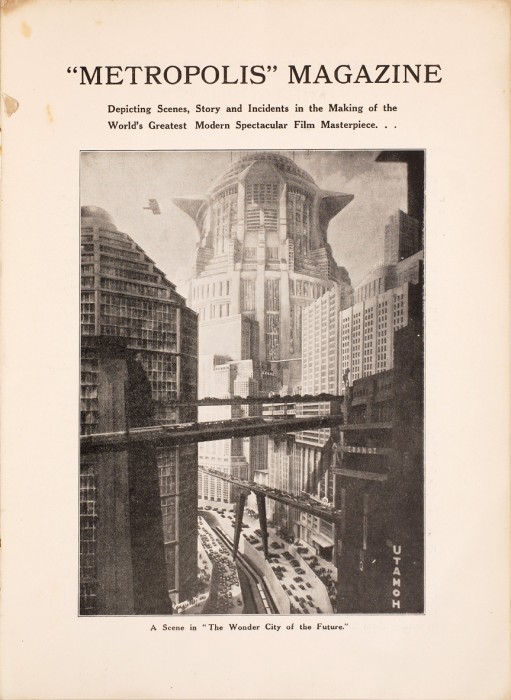
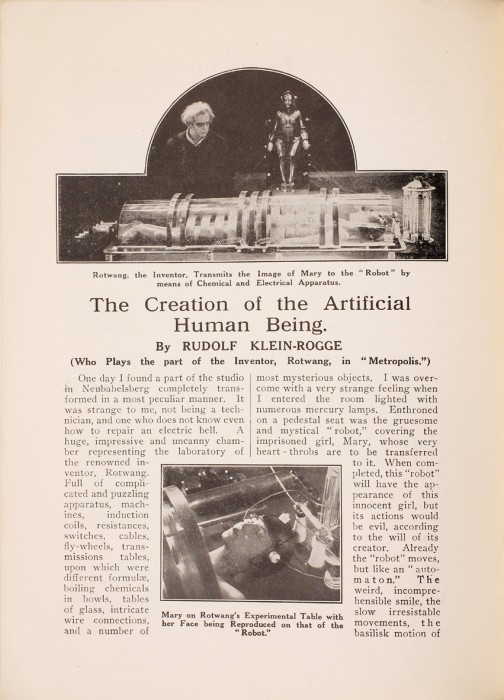
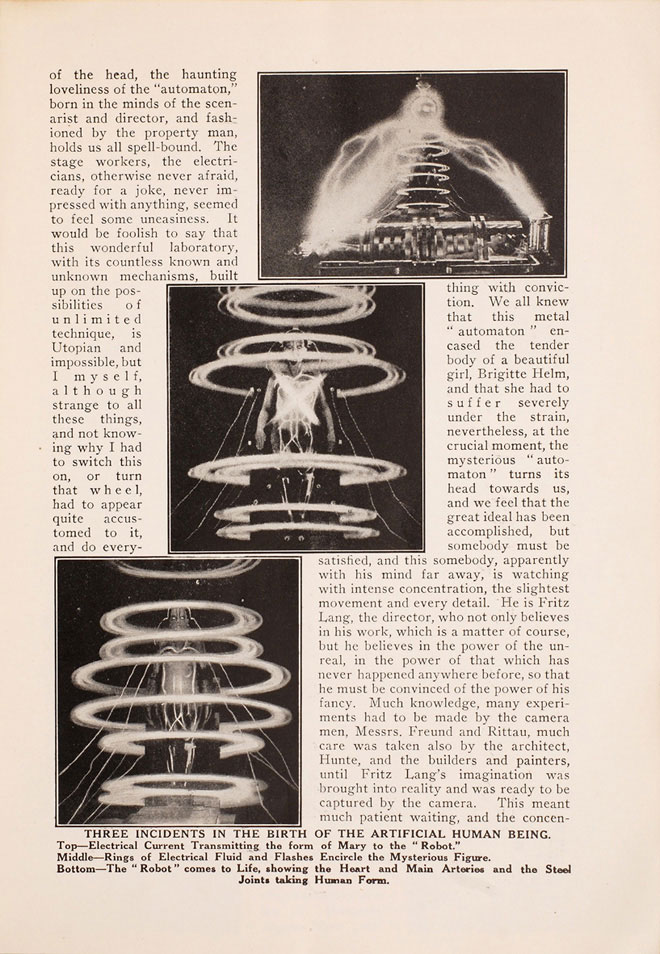
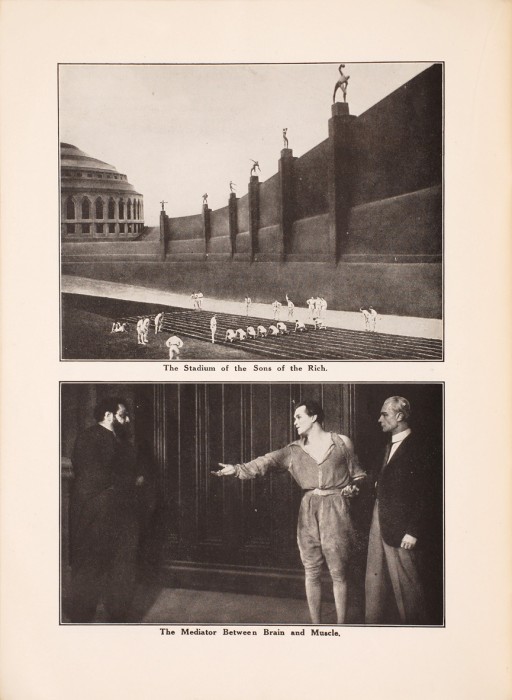
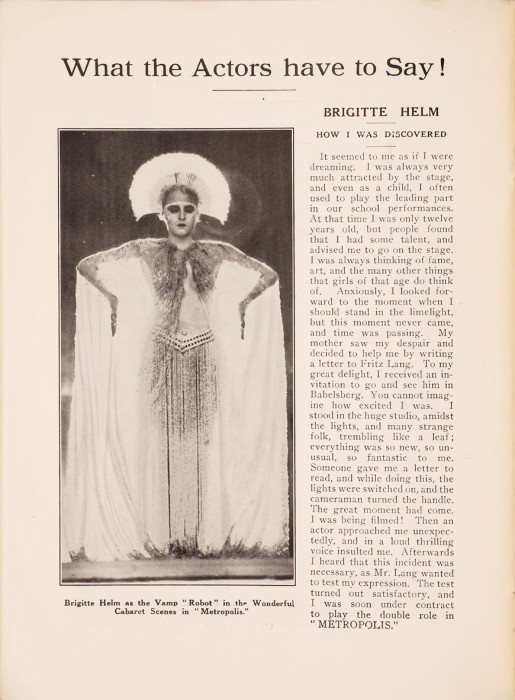
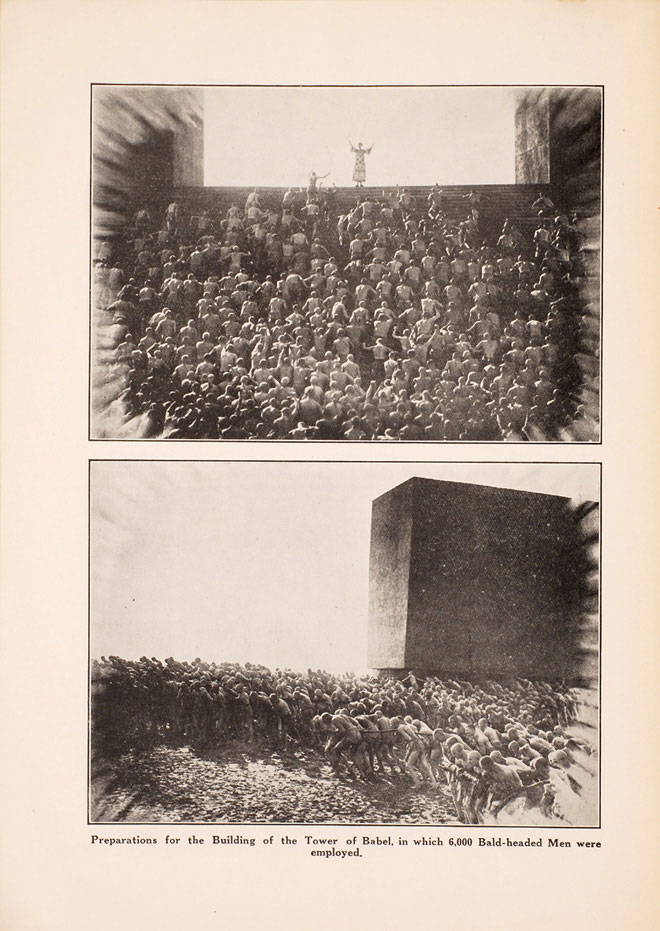
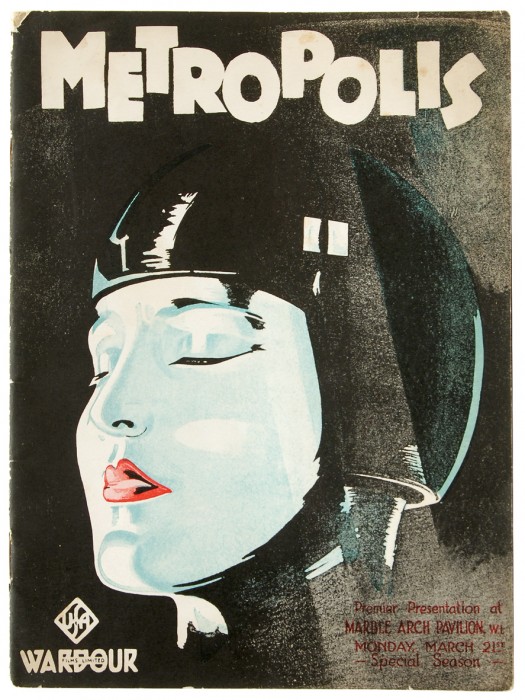
  4. Metrop­o­lis (Karl Fre­und, Gün­ther Rit­tau, 1927)
  5. The Wiz­ard of Oz (Harold Rosson, 1939)
  6. The Mag­nif­i­cent Amber­sons (Stan­ley Cortez, 1942)
  7. Casablan­ca (Arthur Edes­on, 1942)
  8. Bat­tle­ship Potemkin (Eduard Tisse, 1926)
  9. The Third Man (Robert Krasker, 1950)
  10. The Birth of a Nation (G.W. Bitzer, 1915)

“The choice of Gregg Toland’s cin­e­matog­ra­phy for Cit­i­zen Kane as the best in the first 45 years of motion pic­tures comes as no sur­prise,” writes Amer­i­can Cin­e­matog­ra­ph­er’s George Turn­er. “No oth­er movie has been more praised, stud­ied and writ­ten about — or more panned, damned and black­list­ed.” At the time, “audi­ences in gen­er­al were put off by the ‘arty’ pho­tog­ra­phy, over­lap­ping dia­logue, unusu­al cut­ting and Welles’s pen­chant for inject­ing star­tling and often irri­tat­ing sound effects. It was years before the ‘new­ness’ of the Kane style wore off and gained wide­spread accep­tance,” and even absorbed into the main­stream.

And those from 1950–1997:

  1. Lawrence of Ara­bia (Fred­die Young, 1962)
  2. The God­fa­ther (Gor­don Willis, 1971)
  3. 2001: A Space Odyssey (Geof­frey Unworth, 1969)
  4. Days of Heav­en (Nés­tor Almen­dros, 1978)
  5. Schindler’s List (Janusz Kamin­s­ki, 1993)
  6. Apoc­a­lypse Now (Vit­to­rio Storaro, 1979)
  7. The Con­formist (Vit­to­rio Storaro, 1970)
  8. Rag­ing Bull (Michael Chap­man, 1980)
  9. Blade Run­ner (Jor­dan Cro­nen­weth, 1982)
  10. Touch of Evil (Rus­sell Met­ty, 1958)

Turn­er calls Lawrence of Ara­bia “per­haps the crown­ing achieve­ment in the long and illus­tri­ous career of direc­tor of pho­tog­ra­phy Fred­er­ick A. Young,” nam­ing as its most famous sin­gle image “the lin­ger­ing scene in which Omar Sharif, rid­ing a camel, is first seen as a tiny spot in a mirage on the hori­zon. In the fore­ground, Lawrence (Peter O’Toole) and an Arab youth are draw­ing water from a well when they notice the wob­bly, dis­tort­ed shape com­ing toward them. Shim­mer­ing in waves of heat and strange­ly liq­uid col­ors, the rid­er steadi­ly approach­es the well. As he gets clos­er, he is still indis­tinct, but the omi­nous thump­ing of the camel’s feet can be heard. Sharif final­ly emerges from the mirage, rais­es his rifle and shoots the Arab. The long scene car­ries a strong ele­ment of dread and sus­pense.”

Final­ly, here are the results from 1998–2008:

  1. Amélie (Bruno Del­bon­nel, 2001)
  2. Chil­dren of Men (Emmanuel Lubez­ki, 2006)
  3. Sav­ing Pri­vate Ryan (Janusz Kamin­s­ki, 1998)
  4. There Will Be Blood (Robert Elswit, 2007)
  5. No Coun­try for Old Men (Roger Deakins, 2007)
  6. Fight Club (Jeff Cro­nen­weth, 1999)
  7. The Dark Knight (Wal­ly Pfis­ter, 2008)
  8. Road to Perdi­tion (Con­rad L. Hall, 2002)
  9. City of God (Cidade de Deus) (César Char­lone, 2003)
  10. Amer­i­can Beau­ty (Con­rad L. Hall, 1999)

The Amer­i­can Soci­ety of Cin­e­matog­ra­phers quotes Del­bon­nel on Amélie’s visu­al vic­to­ry: “This is real hon­or for me, espe­cial­ly con­sid­er­ing the oth­er movies in this list. These are some of the finest cin­e­matog­ra­phers, and I’m not sure I deserve to be among them, but I am very hap­py to be. They are all explor­ers.” And in that, he sums up why, when we want to know what movies to watch, we should ask the peo­ple who make movies: their real com­pe­ti­tion lies not in sim­ply gen­er­at­ing beau­ty, but in lead­ing the art form into ter­ri­to­ry unknown.

You can watch sev­er­al films on the lists–Bat­tle­ship Potemkin, Sun­rise and Metrop­o­lis–above. Find more great films in our col­lec­tion, 4,000+ Free Movies Online: Great Clas­sics, Indies, Noir, West­erns, Doc­u­men­taries & More.

via Hit­flix

Relat­ed Con­tent:

The 100 Most Mem­o­rable Shots in Cin­e­ma Over the Past 100 Years

A Mes­mer­iz­ing Super­cut of the First and Final Frames of 55 Movies, Played Side by Side

Free: F. W. Murnau’s Sun­rise, the 1927 Mas­ter­piece Vot­ed the 5th Best Movie of All Time

Metrop­o­lis: Watch a Restored Ver­sion of Fritz Lang’s Mas­ter­piece (1927)

Watch Bat­tle­ship Potemkin and Oth­er Free Sergei Eisen­stein Films

The 10 Great­est Films of All Time Accord­ing to 358 Film­mak­ers

Based in Seoul, Col­in Mar­shall writes and broad­casts on cities, lan­guage, and style. He’s at work on a book about Los Ange­les, A Los Ange­les Primer, the video series The City in Cin­e­ma, the crowd­fund­ed jour­nal­ism project Where Is the City of the Future?, and the Los Ange­les Review of Books’ Korea Blog. Fol­low him on Twit­ter at @colinmarshall or on Face­book.

A Clever Supercut of Writers Struggling with Writer’s Block in 53 Films: From Barton Fink to The Royal Tenenbaums

Quite patient­ly, Ben Watts cut apart and stitched togeth­er scenes from 53 films (find a com­plete list here) show­ing char­ac­ters suf­fer­ing through writer’s block. Adap­ta­tion, Bar­ton Fink, Shake­speare in Love, The Roy­al Tenen­baums, and, yes, Throw Mom­ma From the Train–they’re among the films fea­tured in the 4‑minute super­cut above. If you give the clip a lit­tle time, you’ll see that the super­cut has an arc to it. It tells a tale, and has an end­ing that Hol­ly­wood would love.

If you would like to sign up for Open Culture’s free email newslet­ter, please find it here. It’s a great way to see our new posts, all bun­dled in one email, each day.

If you would like to sup­port the mis­sion of Open Cul­ture, con­sid­er mak­ing a dona­tion to our site. It’s hard to rely 100% on ads, and your con­tri­bu­tions will help us con­tin­ue pro­vid­ing the best free cul­tur­al and edu­ca­tion­al mate­ri­als to learn­ers every­where. You can con­tribute through Pay­Pal, Patre­on, and Ven­mo (@openculture). Thanks!

via AV Club

Relat­ed Con­tent:

Watch a 44-Minute Super­cut of Every Woody Allen Stam­mer, From Every Woody Allen Film

A Mes­mer­iz­ing Super­cut of the First and Final Frames of 55 Movies, Played Side by Side

Books in the Films of Wes Ander­son: A Super­cut for Bib­lio­philes

A Great Com­pi­la­tion of “The Lick” Found in Music Every­where: From Coltrane & Stravin­sky, to Christi­na Aguil­era

by | Permalink | Make a Comment ( 1 ) |

« Go BackMore in this category... »
Quantcast