Hear Edgar Allan Poe’s “The Tell Tale Heart” Read by the Great Bela Lugosi (1946)

A cou­ple days ago, we fea­tured some intrigu­ing clips from the new ani­mat­ed Edgar Allan Poe film, Extra­or­di­nary Tales. Direct­ed by ani­ma­tor Raul Gar­cia, the film draws on the voice tal­ents of sev­er­al clas­sic hor­ror actors and direc­tors, includ­ing the late Christo­pher Lee, Roger Cor­man, and—in an archival read­ing of Poe’s “The Tell Tale Heart”—the leg­endary Bela Lugosi. You can hear his read­ing above, a record­ing that seems to date from 1946. The Hun­gar­i­an actor, who strug­gled to find work late in his career, and wres­tled with a mor­phine addic­tion, like­ly “record­ed it for his agent,” writes Ronald L. Smith, “who would have been dep­u­tized to make copies and send them out to any­one inter­est­ed in book­ing Bela’s solo stage act (which includ­ed an enact­ment of the Poe tale).”

All of the great hor­ror stars of the ear­ly twen­ti­eth cen­tu­ry cut their teeth on Poe, and per­formed his macabre sto­ries through­out their careers. Lugosi was no excep­tion. After his type­cast­ing as an exot­ic vil­lain in the stage adap­ta­tion of Bram Stoker’s Drac­u­la in the late 20s, then in Tod Browning’s famous 1931 film, Lugosi would remark, “I am def­i­nite­ly typed, doomed to be an expo­nent of evil.”

He appeared the fol­low­ing year as the mad sci­en­tist in Universal’s adap­ta­tion of Poe’s Mur­ders in the Rue Morgue (watch here). Then, in 1935, Lugosi played yet anoth­er crazed doc­tor, who is obsessed with all things Poe, in The Raven (view here), a film that also fea­tures Universal’s oth­er major hor­ror star of the time, Boris Karloff. The two had teamed up the year pre­vi­ous in Edgar G. Ulmer’s Poe adap­ta­tion, The Black Cat, a huge hit for Uni­ver­sal, in which Lugosi plays yet anoth­er evil doc­tor.

After Lugosi’s suc­cess­es with Poe-inspired films in the thir­ties, his career pre­cip­i­tous­ly declined, and by the for­ties, when he made the “Tell Tale Heart” record­ing at the top of the post, he’d been reduced to play­ing par­o­dies of his Drac­u­la char­ac­ter, notably in 1948’s Abbott and Costel­lo Meet Franken­stein. Lugosi attempt­ed to bank on ear­li­er suc­cess­es with Poe, or Poe-like, char­ac­ters. Before Ed Wood found and res­ur­rect­ed him in now-clas­sic fifties B‑movies like Glen or Glen­da, Bride of the Mon­ster, and—posthumously—Plan 9 from Out­er Space, Lugosi made one final appear­ance onscreen in a Poe adap­ta­tion. Click here and see him in an adap­ta­tion of “The Cask of Amon­til­la­do,” an episode from tele­vi­sion series Sus­pense. Set in Italy dur­ing World War II, this ver­sion of “Amon­til­la­do” casts Lugosi as Nazi offi­cer “Gen­er­al For­tu­na­to,” whom one fan describes as a “ruth­less, amoral rouĂ©, with equal­ly ruth­less storm troop­ers at his beck and call.” It’s not Lugosi’s great­est per­for­mance, but it’s “Bela doing his 1949 best,” and an impor­tant entry in his cat­a­log of Poe per­for­mances, if only because it’s the last of them.

Hap­py Hal­loween!

Relat­ed Con­tent:

New Film Extra­or­di­nary Tales Ani­mates Edgar Poe Sto­ries, with Nar­ra­tions by Guiller­mo Del Toro, Christo­pher Lee & More

Iggy Pop Reads Edgar Allan Poe’s Clas­sic Hor­ror Sto­ry, “The Tell-Tale Heart”

5 Hours of Edgar Allan Poe Sto­ries Read by Vin­cent Price & Basil Rath­bone

Bela Lugosi Dis­cuss­es His Drug Habit as He Leaves the Hos­pi­tal in 1955

Ed Wood’s Plan 9 From Out­er Space: “The Worst Movie Ever Made,” “The Ulti­mate Cult Flick,” or Both?

Josh Jones is a writer and musi­cian based in Durham, NC. Fol­low him at @jdmagness

New Film Extraordinary Tales Animates Edgar Poe Stories, with Narrations by Guillermo Del Toro, Christopher Lee & More

Edgar Allan Poe cre­at­ed a body of work that will seem­ing­ly nev­er go out of style, espe­cial­ly around Hal­loween time. Not only do his sto­ries and poems still inspire dread in the 21st cen­tu­ry, but so also do the many hun­dreds of Poe retellings and adap­ta­tions cre­at­ed in the 166 years since the author’s mys­te­ri­ous death. But, we might ask, after so many film adap­ta­tions from so many clas­sic hor­ror actors and direc­tors, whether we need yet anoth­er one? You’ll have to make up your own mind, but if you’re any­thing like me, you’ll watch the trail­er above for Lion King and Aladdin ani­ma­tor Raul Garcia’s Poe anthol­o­gy Extra­or­di­nary Tales and answer “Yes!” and “More please!” And you can see more, in the clips below from Garcia’s incred­i­ble-look­ing film, hit­ting the­aters on Octo­ber 23rd.

One rea­son the new treat­ment of the five sto­ries Gar­cia ani­mates seems to work so well is that they draw on the tal­ents of actors and direc­tors who have pre­vi­ous­ly deliv­ered clas­sic Poe retellings. For exam­ple, “The Fall of the House of Ush­er,” above, is nar­rat­ed by the late, great Christo­pher Lee, who joins hor­ror leg­end Vin­cent Price as one of the great­est read­ers of Poe’s “The Raven.” The voice-over is Lee’s last role, and it’s hard to think of a more fit­ting final act for the ven­er­a­ble hor­ror maven. (Lee was also at the time record­ing “a heavy-met­al-rock-opera based on Charlemagne’s life”—one of many met­al albums he record­ed.)

Gar­cia has cre­at­ed a unique look for each fea­turette. For “Ush­er,” he tells Car­los Aguilar at Indiewire, “the idea was for the char­ac­ters to look as if they were carved out of wood, like if they were fig­ures that belonged to Czech ani­ma­tor Jirí Trn­ka.” Just hear­ing Lee above intone the phrase “an unex­pect­ed sense of insuf­fer­able gloom” is enough to con­vince me I need to see the rest of this film.

Just above, we have a clip from a much less famous Poe sto­ry, “The Facts in the Case of M. Valde­mar,” a chill­ing detec­tive tale about a man mes­mer­ized in artic­u­lo mor­tis—at the moment of death. Nar­rat­ed by Eng­lish actor Julian Sands, who has made his own appear­ances in sev­er­al hor­ror films, the ani­ma­tion style comes direct­ly out of clas­sic E.C. hor­ror comics like Tales From the Crypt, which drew many an idea from Poe, bas­ing one sto­ry “The Liv­ing Death!” on “M. Valde­mar.” The “mauve, yel­low and mossy green com­ic-book pan­els,” writes a New York Times review, “prove that you don’t need fan­cy tech­nol­o­gy to achieve a third dimen­sion.”

You’ll notice the unmis­tak­able vis­age of Vin­cent Price in the char­ac­ter of the mes­merist, and you’ll like­ly know of Price’s own turn as Poe him­self in An Evening with Edgar Allan Poe. Price also starred in Roger Cor­man’s many Poe adap­ta­tions—begin­ning with House of Ush­er—and Gar­cia has tapped the leg­endary Cor­man’s voice for Extra­or­di­nary Tales, as well as con­tem­po­rary hor­ror direc­tor extra­or­di­naire Guiller­mo Del Toro. And if this weren’t hor­ror roy­al­ty enough, Garcia’s ani­mat­ed take on “The Tell-Tale Heart” fea­tures none oth­er than Bela Lugosi, in an archival read­ing of the sto­ry the Drac­u­la actor made some­time before his death in 1956. Read more about how Gar­cia found the Lugosi audio and con­ceived of Extra­or­di­nary Tales in his inter­view here.

Relat­ed Con­tent:

Watch Vin­cent Price Turn Into Edgar Allan Poe & Read Four Clas­sic Poe Sto­ries (1970)

Down­load The Com­plete Works of Edgar Allan Poe: Macabre Sto­ries as Free eBooks & Audio Books

Clas­sics Sto­ries by Edgar Allan Poe Nar­rat­ed by James Mason in a 1953 Oscar-Nom­i­nat­ed Ani­ma­tion & 1958 Dec­ca Album

The Mys­tery of Edgar Allan Poe’s Death: 19 The­o­ries on What Caused the Poet’s Demise 166 Years Ago Today

Josh Jones is a writer and musi­cian based in Durham, NC. Fol­low him at @jdmagness

Free Documentary View from the Overlook: Crafting The Shining Looks at How Kubrick Made “the World’s Scariest Movie”

Only three days remain until Hal­loween, the evening on which every­one loves a scary movie. If you watch one your­self this Hal­loween, why set­tle for a scary movie when you could watch the world’s scari­est movie? Or rather, when you could watch what result­ed when one of the most vision­ary auteurs in cin­e­ma his­to­ry put his mind to craft­ing the world’s scari­est movie: The Shin­ing. Whether or not you think it holds that par­tic­u­lar title, Stan­ley Kubrick­’s adap­ta­tion — or, more accu­rate­ly, total cin­e­mat­ic re-envi­sion­ing — of Stephen King’s nov­el has, since its ini­tial release in 1980, tran­scend­ed the realm of the “scary movie” and tak­en a place in the zeit­geist as some­thing more com­plex, more icon­ic, and more per­sis­tent­ly haunt­ing.

Undead twin girls want­i­ng to play, blood flow­ing from ele­va­tors, a man­u­script con­sist­ing of a sin­gle phrase cease­less­ly repeat­ed, “REDRUM” scrawled on a door, a dog-cos­tumed Jazz Age deca­dent, Jack Nichol­son wield­ing an axe: how did Kubrick and com­pa­ny man­age to lodge so per­ma­nent­ly into our sub­con­scious these deeply trou­bling images? Gary Lev­a’s half-hour doc­u­men­tary View from the Over­look: Craft­ing the Shin­ing tries to answer that ques­tion, bring­ing in a group of inter­vie­wees includ­ing Kubrick­’s biog­ra­phers, his col­leagues in film­mak­ing like Syd­ney Pol­lack and William Fried­kin, and his col­lab­o­ra­tors like The Shin­ing’s exec­u­tive pro­duc­er Jan Har­lan, pro­duc­tion design­er Roy Walk­er, and screen­writer Diane John­son. (Jack Nichol­son also makes an insight­ful and non-scary — or at least less scary — appear­ance as him­self.)

View from the Over­look reveals that the vis­cer­al impact of The Shin­ing, a form­less unease that trans­forms into sharp-edged hor­ror as the film goes on, came as a result of (and this will sur­prise no fan of Kubrick­’s) hard, delib­er­ate work, from the dis­man­tling and rebuild­ing of King’s orig­i­nal sto­ry, to the con­struc­tion of the Over­look Hotel out of a mix­ture of real loca­tions and elab­o­rate sets mod­eled on real loca­tions, to the use of new kinds of cam­era rigs (cam­era oper­a­tor Gar­rett Brown hav­ing invent­ed the Steadicam, a device this pro­duc­tion more than put through its paces), and Kubrick­’s infa­mous, actor-break­ing take after take after take. I did­n’t know about any of this, of course, when I first saw The Shin­ing, pop­ping in a VHS copy late at night dur­ing a junior-high Hal­loween par­ty. But now I won’t for­get it — or any­thing else about this (quite pos­si­bly) scari­est movie ever made.

via Devour

Relat­ed Con­tent:

The Mak­ing of The Shin­ing

The Shin­ing and Oth­er Com­plex Stan­ley Kubrick Films Recut as Sim­ple Hol­ly­wood Movies

Stan­ley Kubrick’s The Shin­ing Reimag­ined as Wes Ander­son and David Lynch Movies

Stan­ley Kubrick’s Anno­tat­ed Copy of Stephen King’s The Shin­ing

Saul Bass’ Reject­ed Poster Con­cepts for The Shin­ing (and His Pret­ty Excel­lent Sig­na­ture)

The Hedge Maze from The Shin­ing Gets Recre­at­ed by Mythbuster’s Adam Sav­age

Room 237: New Doc­u­men­tary Explores Stan­ley Kubrick’s The Shin­ing and Those It Obsess­es

Down­load & Play The Shin­ing Board Game

Col­in Mar­shall writes else­where on cities, lan­guage, Asia, and men’s style. He’s at work on a book about Los Ange­les, A Los Ange­les Primer, the video series The City in Cin­e­ma, and the crowd­fund­ed jour­nal­ism project Where Is the City of the Future? Fol­low him on Twit­ter at @colinmarshall or on Face­book.

The First Horror Film, Georges Méliès’ The Haunted Castle (1896)

In lit­er­a­ture, graph­ic descrip­tions of men­ace and dis­mem­ber­ment by mon­sters are as old as Beowulf and much, much old­er still, though it wasn’t until Horace Walpole’s 18th cen­tu­ry nov­el The Cas­tle of Otran­to inspired the goth­ic romance nov­el that hor­ror-qua-hor­ror came into fash­ion. With­out Wal­pole, and bet­ter-known goth­ic inno­va­tors like Mary Shel­ley and Bram Stok­er, we’d like­ly nev­er have had Edgar Allan Poe, H.P. Love­craft, or Stephen King. But nowa­days when we think of hor­ror, we usu­al­ly think of film—and all of its var­i­ous con­tem­po­rary sub­gen­res, includ­ing creepy psy­cho­log­i­cal twists on good-old-fash­ion mon­ster movies, like The Babadook.

But from whence came the hor­ror film? Was it 1931, a ban­ner hor­ror year in which audi­ences saw both Boris Karloff in James Whale’s Franken­stein and Bela Lugosi in Tod Browning’s Drac­u­la? Cer­tain­ly clas­sic films by mas­ters of the genre, but they did not orig­i­nate the hor­ror movie. There is, of course, F.W. Murnau’s ter­ri­fy­ing silent Nos­fer­atu from 1922 (and the real life hor­ror of its deceased director’s miss­ing head).

And what about Ger­man expres­sion­ism? “A case can be made,” argued Roger Ebert, that Robert Weine’s 1920 The Cab­i­net of Dr. Cali­gari “was the first true hor­ror film”—a “sub­jec­tive psy­cho­log­i­cal fan­ta­sy” in which “unspeak­able hor­ror becomes pos­si­ble.” Per­haps. But even before Weine’s still-effec­tive­ly-dis­ori­ent­ing cin­e­mat­ic work dis­turbed audi­ences world­wide, there was Paul Wegener’s first, 1915 ver­sion of The Golem, a char­ac­ter, writes Penn State’s Kevin Jack Hagopi­an, that served as “one of the most sig­nif­i­cant ances­tors to the cin­e­mat­ic Franken­stein of James Whale and Boris Karloff.“ Even ear­li­er, in 1910, Thomas Edi­son pro­duced an adap­ta­tion of Mary Shelley’s mon­ster sto­ry.

So how far back do we have to go to find the first hor­ror movie? Almost as far back as the very ori­gins of film, it seems—to 1896, when French spe­cial-effects genius Georges Méliès made the three plus minute short above, Le Manoir du Dia­ble (The Haunt­ed Cas­tle, or the Manor of the Dev­il). Méliès, known for his silent sci-fi fan­ta­sy A Trip to the Moon—and for the trib­ute paid to him in Mar­tin Scorsese’s Hugo—used his inno­v­a­tive meth­ods to tell a sto­ry, writes Mau­rice Bab­bis at Emer­son Uni­ver­si­ty jour­nal Latent Image, of “a large bat that flies into a room and trans­forms into Mephistophe­les. He then stands over a caul­dron and con­jures up a girl along with some phan­toms and skele­tons and witch­es, but then one of them pulls out a cru­ci­fix and the demon dis­ap­pears.” Not much of a sto­ry, grant­ed, and it’s not par­tic­u­lar­ly scary, but it is an excel­lent exam­ple of a tech­nique Méliès sup­pos­ed­ly dis­cov­ered that very year. Accord­ing to Earlycinema.com,

In the Autumn of 1896, an event occurred which has since passed into film folk­lore and changed the way Méliès looked at film­mak­ing. Whilst film­ing a sim­ple street scene, Méliès cam­era jammed and it took him a few sec­onds to rec­ti­fy the prob­lem. Think­ing no more about the inci­dent, Méliès processed the film and was struck by the effect such a inci­dent had on the scene — objects sud­den­ly appeared, dis­ap­peared or were trans­formed into oth­er objects.

Thus was born The Haunt­ed Cas­tle, tech­ni­cal­ly the first hor­ror film, and one of the first movies—likely the very first—to delib­er­ate­ly use spe­cial effects to fright­en its view­ers.

The Haunt­ed Cas­tle has been added to our col­lec­tion, 4,000+ Free Movies Online: Great Clas­sics, Indies, Noir, West­erns, Doc­u­men­taries & More.

Relat­ed Con­tent:

Mar­tin Scors­ese Names the 11 Scari­est Hor­ror Films: Kubrick, Hitch­cock, Tourneur & More

Watch 8 Clas­sic Cult Films for Free: Night of the Liv­ing Dead, Plan 9 from Out­er Space & More

Time Out Lon­don Presents The 100 Best Hor­ror Films: Start by Watch­ing Four Hor­ror Clas­sics Free Online

Watch 10 Clas­sic Ger­man Expres­sion­ist Films: From Fritz Lang’s M to The Cab­i­net of Dr. Cali­gari

Josh Jones is a writer and musi­cian based in Durham, NC. Fol­low him at @jdmagness

Stream 61 Hours of Orson Welles’ Classic 1930s Radio Plays: War of the Worlds, Heart of Darkness & More

oson welles spotify

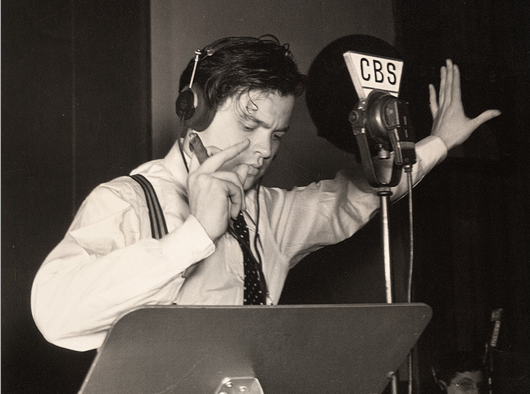
There has rarely ever been an artist more ful­ly in com­mand of as many dif­fer­ent art forms as Orson Welles dur­ing his height — the late 1930s and ear­ly 40s. He rev­o­lu­tion­ized the stage, radio and cin­e­ma before the age of 26 and became a house­hold name in the process.

Welles’s first brush with nation­al fame came at the age of 20 when he staged an all-black pro­duc­tion of Mac­beth in Harlem. The 1936 play was ground­break­ing both for its strik­ing sets and its dar­ling inter­pre­ta­tion that set Shakespeare’s bloody trag­ic in Haiti. But per­haps the most remark­able aspect of this pro­duc­tion was that it was done entire­ly with non-actors. Through sheer charis­ma and force of will, Welles coaxed and cajoled ter­rif­ic per­for­mances out of day labor­ers and fac­to­ry work­ers.

Two years lat­er, in 1938, Welles end­ed up on the cov­er of TIME Mag­a­zine for his stag­ing of Julius Cae­sar. He set the play in con­tem­po­rary fas­cist Italy. It was a bold choice that turned a 340 year-old play into a work of great polit­i­cal urgency.

That same year, Welles also man­aged to freak out the nation with his bril­liant, wild­ly irre­spon­si­ble adap­ta­tion of War of the Worlds. Welles staged the beloved sci-fi nov­el as if it were a news report. The broad­cast cap­tured the dra­ma and ter­ror of an emerg­ing calami­ty all too well; it caused a pub­lic pan­ic.

Now you can lis­ten to that infa­mous radio play along with 61 hours of oth­er radio plays, all cre­at­ed by Welles for his 1930s radio show, The Mer­cury The­atre on the Air. The Spo­ti­fy playlist, embed­ded below, includes A Christ­mas Car­ol, Heart of Dark­ness and even a rehearsal for Julius Cae­sar. Check it out. And if you need Spo­ti­fy’s free soft­ware, down­load it here.

Or if Spo­ti­fy isn’t your thing, you can lis­ten to anoth­er big col­lec­tion of Welles’s radio dra­mas below at archive.org. Start stream­ing that col­lec­tion here:

The noto­ri­ety of Welles’ radio work land­ed him one of the most gen­er­ous movie con­tracts in Hol­ly­wood stu­dio his­to­ry. This is dou­bly impres­sive because, at this stage in his life, Welles had no idea how to actu­al­ly make a film. The result­ing movie was a barbed, thin­ly veiled film Ă  clef of one of the most pow­er­ful men in Amer­i­ca – William Ran­dolph Hearst. This proved to be a ter­ri­ble career move; Hearst’s wrath derailed Welles’s career for years but it did pro­duce a pret­ty good movie – Cit­i­zen Kane.

Via Cri­te­ri­on

Relat­ed Con­tent:

Young Orson Welles Directs “Voodoo Mac­beth,” the First Shake­speare Pro­duc­tion With An All-Black Cast: Footage from 1936

Orson Welles’ Icon­ic War of the Worlds­Broad­cast (1938)

Lis­ten to Eight Inter­views of Orson Welles by Film­mak­er Peter Bog­danovich (1969–1972)

Watch Orson Welles’ The Stranger Free Online, Where 1940s Film Noir Meets Real Hor­rors of WWII

The Hearts of Age: Orson Welles’ Sur­re­al­ist First Film (1934)

Orson Welles Explains Why Igno­rance Was His Major “Gift” to Cit­i­zen Kane

Jonathan Crow is a Los Ange­les-based writer and film­mak­er whose work has appeared in Yahoo!, The Hol­ly­wood Reporter, and oth­er pub­li­ca­tions. You can fol­low him at @jonccrow. And check out his blog Veep­to­pus, fea­tur­ing lots of pic­tures of vice pres­i­dents with octo­pus­es on their heads.  The Veep­to­pus store is here.

Watch Vincent Price Turn Into Edgar Allan Poe & Read Four Classic Poe Stories (1970)

Can you have a Hal­loween with­out Edgar Allan Poe? Sure you can — but here at Open Cul­ture, we don’t rec­om­mend it. So that you need not go Poe-less on this, or any, Hal­loween night, we’ve fea­tured not just his com­plete works free to down­load, but oth­er mate­r­i­al like the ani­mat­ed adap­ta­tion of “The Tell-Tale Heart” as well as ani­ma­tions of his oth­er sto­ries; Poe read­ings by the likes of Christo­pher Lee, James Earl Jones, and Iggy Pop; and Orson Welles’ inter­pre­ta­tion of his work on an Alan Par­sons Project album.

We also believe that you should­n’t have to endure a Price­less Hal­loween — that is to say, a Hal­loween with­out Vin­cent Price. Though he proved his ver­sa­til­i­ty in a wide vari­ety of gen­res through­out his long act­ing career, his­to­ry has remem­bered Price first and fore­most for his work in hor­ror, no doubt thanks in large part to his pos­ses­sion of a voice per­fect­ly suit­ed to the ele­gant­ly sin­is­ter. It also made him an ide­al teller of Poe’s inge­nious­ly macabre tales, which you can expe­ri­ence for your­self in the record­ings we’ve post­ed of Price read­ing Poe, a playlist which also includes read­ings by Price’s equal­ly ver­sa­tile Basil Rath­bone.

Rath­bone may also have got to read Poe, the work, but despite his huge num­ber of roles on stage and screen, he nev­er actu­al­ly played Poe, the man. But Price did, in the spe­cial An Evening of Edgar Allan Poe, the clos­est any of us will get to an audi­ence with the trou­bled, bril­liant, and ter­ri­fy­ing­ly inven­tive writer him­self. In it, Price-as-Poe takes the stage and, over the course of an hour, weaves into his per­for­mance four of his most endur­ing sto­ries: â€śThe Tell-Tale Heart,” “The Sphinx,” “The Cask of Amon­til­la­do,” and “The Pit and the Pen­du­lum.” Go on, join Edgar Allan Poe in his draw­ing room this Hal­loween by hav­ing Price bring him to life on your screen — it will guar­an­tee you a mem­o­rable hol­i­day evening.

Relat­ed Con­tent:

Down­load The Com­plete Works of Edgar Allan Poe on His Birth­day

Watch the 1953 Ani­ma­tion of Edgar Allan Poe’s “The Tell-Tale Heart,” Nar­rat­ed by James Mason

Edgar Allan Poe’s “The Raven,” Read by Christo­pher Walken, Vin­cent Price, and Christo­pher Lee

Christo­pher Lee (R.I.P.) Reads Edgar Allan Poe’s “The Raven,” and From “The Fall of the House of Ush­er”

Iggy Pop Reads Edgar Allan Poe’s Clas­sic Hor­ror Sto­ry, “The Tell-Tale Heart”

5 Hours of Edgar Allan Poe Sto­ries Read by Vin­cent Price & Basil Rath­bone

James Earl Jones Reads Edgar Allan Poe’s “The Raven” and Walt Whitman’s “Song of Myself”

Hear Orson Welles Read Edgar Allan Poe on a Cult Clas­sic Album by The Alan Par­sons Project

Edgar Allan Poe Ani­mat­ed: Watch Four Ani­ma­tions of Clas­sic Poe Sto­ries

The Fall of the House of Ush­er: Poe’s Clas­sic Tale Turned Into 1928 Avant Garde Film, Script­ed by e.e. cum­mings

Col­in Mar­shall writes else­where on cities, lan­guage, Asia, and men’s style. He’s at work on a book about Los Ange­les, A Los Ange­les Primer, the video series The City in Cin­e­ma, and the crowd­fund­ed jour­nal­ism project Where Is the City of the Future? Fol­low him on Twit­ter at @colinmarshall or on Face­book.

Free Today: Watch Online the Pioneering Films of the Late Chantal Akerman

Those who watch and dis­like Chan­tal Aker­man’s best-known film, Jeanne Diel­man, 23 quai du Com­merce, 1080 Brux­elles, often com­plain that “noth­ing hap­pens” in it. But in my expe­ri­ence of intro­duc­ing it — nay, evan­ge­liz­ing for it — to friends, it usu­al­ly only takes a sol­id view­ing or two of that 1975 three-hour-and-twen­ty-minute tale of a Bel­gian sin­gle moth­er’s days and nights spent cook­ing (a short clip of which you can see above), clean­ing, and pos­si­bly engag­ing in pros­ti­tu­tion to feel — or at least in the imme­di­ate after­math of view­ing, feel — that in no movie but Jeanne Diel­man, 23 quai du Com­merce, 1080 Brux­elles does any­thing tru­ly hap­pen. Every oth­er movie plays, by com­par­i­son, as if on fast-for­ward, or like a set of filmed Clif­f’s Notes.

Clear­ly, Aker­man saw, and real­ized, a wider sto­ry­telling poten­tial in cin­e­ma than do most film­mak­ers. So much worse the loss, then, when she died ear­li­er this month, leav­ing behind a fil­mog­ra­phy con­sist­ing of not just her ear­ly mas­ter­piece Jeanne Diel­man, which she direct­ed at just 25 years of age, but a vari­ety of fea­ture films and shorts made between 1968 and this year. As a trib­ute, the cinephile-beloved home video com­pa­ny The Cri­te­ri­on Col­lec­tion has, for a very lim­it­ed time, made all of their Aker­man films free to view on Hulu (unfor­tu­nate­ly, for view­ers in cer­tain ter­ri­to­ries only), includ­ing 1978’s Les ren­dezvous d’An­na, embed­ded just above, 1972’s Hotel Mon­terey and La cham­bre, 1975’s Je tu il elle, 1976’s News from Home…

… and of course, Jeanne Diel­man. If you plan to enjoy a free Aker­man marathon on Hulu thanks to Criteron, you’d bet­ter do it soon, since they’ll only remain free to view through the next day. And do invite all your most cin­e­mat­i­cal­ly adven­tur­ous friends to join your side, as with most auteur films, the inter­est that does­n’t lie in watch­ing them lies in argu­ing about their mer­its after­ward. You can hear one such fun con­ver­sa­tion on a 2011 episode of The Cri­te­ri­on­cast, a pod­cast ded­i­cat­ed to films released by the Cri­te­ri­on Col­lec­tion, just above. It actu­al­ly fea­tures yours tru­ly as the spe­cial guest, dis­cussing Jeanne Diel­man with the reg­u­lar pan­elists. Do you side with the likes of an Aker­man par­ti­san like me, or does your opin­ion most close­ly resem­ble one of the oth­ers who does­n’t take quite such a rich expe­ri­ence from their every view­ing? Today, you can find out where you stand on this and oth­er of Aker­man’s fas­ci­nat­ing works for free. And you can always find many more free films in our col­lec­tion, 4,000+ Free Movies Online: Great Clas­sics, Indies, Noir, West­erns, Doc­u­men­taries & More.

Relat­ed Con­tent:

An Ambi­tious List of 1400 Films Made by Female Film­mak­ers

120 Artists Pick Their Top 10 Films in the Cri­te­ri­on Col­lec­tion

Slavoj Žižek Names His Favorite Films from The Cri­te­ri­on Col­lec­tion

What Films Should Get Into The Cri­te­ri­on Col­lec­tion? Video Series “Three Rea­sons” Makes the Case

Col­in Mar­shall writes else­where on cities, lan­guage, Asia, and men’s style. He’s at work on a book about Los Ange­les, A Los Ange­les Primer, the video series The City in Cin­e­ma, and the crowd­fund­ed jour­nal­ism project Where Is the City of the Future? Fol­low him on Twit­ter at @colinmarshall or on Face­book.

Apply to the New David Lynch Masters in Film Program, Where You’ll Meditate & Create

david lynch film program

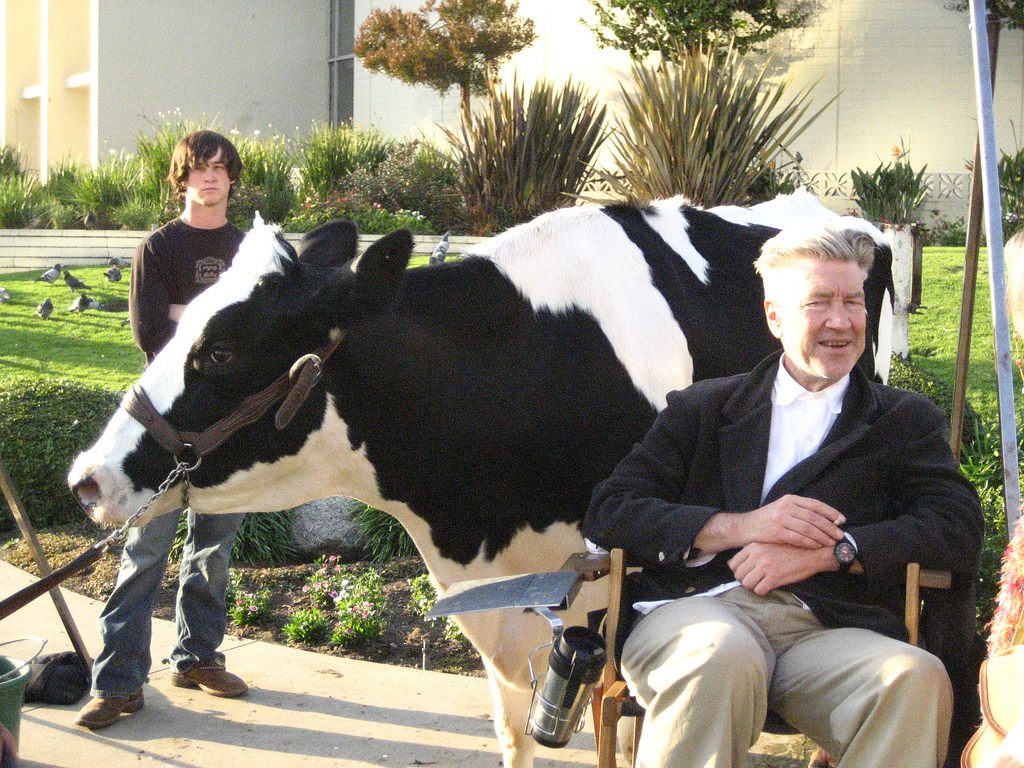
Image by amoe­bafin­ger on Flickr Com­mons.

When the Amer­i­can Film Insti­tute set up its con­ser­va­to­ry for Advanced Film Stud­ies in 1969, its first round of stu­dents includ­ed Ter­rence Mal­ick, Caleb Deschanel, Paul Schrad­er, and the Mas­ter of Absurd him­self, David Lynch. (Now that’s a class reunion worth going to!) Now some 40 years on, the Mahar­ishi Uni­ver­si­ty of Man­age­ment, in Fair­field, Iowa, is accept­ing appli­ca­tions for its David Lynch MA in Film pro­gram.

Lynch has been prac­tic­ing Tran­scen­den­tal Med­i­ta­tion for as long as he’s been a film­mak­er, and in inter­views and in books like Catch­ing the Big Fish, he espous­es the won­ders of med­i­ta­tion for cre­ativ­i­ty. (See him talk more about that here.) Stu­dents enrolled in the David Lynch Film pro­gram will fol­low Lynch’s exam­ple by com­bin­ing med­i­ta­tion with film­mak­ing. You might not cre­ate the next Eraser­head (Lynch’s AFI project that turned into his career-defin­ing debut), but, accord­ing to Lynch, stu­dents are promised to dis­cov­er

the abil­i­ty to dive within—to tran­scend and expe­ri­ence that unbound­ed ocean of pure con­scious­ness which is unbound­ed intel­li­gence, cre­ativ­i­ty, hap­pi­ness, love, ener­gy, pow­er, and peace.

Before one gets too excit­ed and thinks that the direc­tor him­self will be teach­ing every class and that you’ll get to hang out with him dur­ing office hours, that’s not the way the pro­gram works.

Class­es are taught by director/cinematographer Michael W. Barnard (and once the head of the Maharishi’s film depart­ment), screen­writer Dorothy Rompalske, and David Lynch Foun­da­tion Tele­vi­sion founder Amine Kouider. Guest speak­ers have includ­ed Jim Car­rey, Peter Far­rel­ly, script doc­tor Dara Marks, Twin Peaks alum Duwayne Dun­ham, and many oth­er Hol­ly­wood insid­ers.

How­ev­er, stu­dents do get a field trip to Los Ange­les to meet Lynch and spend time with the film­mak­er. The aspir­ing film­mak­ers should con­sid­er them­selves lucky, see­ing that the direc­tor is busy work­ing on Twin Peaks’ new sea­son and appar­ent­ly writ­ing an auto­bi­og­ra­phy.

There are two schol­ar­ships up for grabs for appli­cants who have a film or script to sub­mit, but the dead­line is fast approach­ing on Nov. 1.

via Cri­te­ri­on

Relat­ed Con­tent:

David Lynch Explains Where His Ideas Come From

Pat­ti Smith and David Lynch Talk About the Source of Their Ideas & Cre­ative Inspi­ra­tion

David Lynch Explains How Med­i­ta­tion Enhances Our Cre­ativ­i­ty

David Lynch Cre­ates a Very Sur­re­al Plug for Tran­scen­den­tal Med­i­ta­tion

David Lynch Talks Med­i­ta­tion with Paul McCart­ney

Ted Mills is a free­lance writer on the arts who cur­rent­ly hosts the artist inter­view-based FunkZone Pod­cast. You can also fol­low him on Twit­ter at @tedmills, read his oth­er arts writ­ing at tedmills.com and/or watch his films here.

« Go Back — More in this category... »
Quantcast