The Aesthetic of Evil: A Video Essay Explores Evil in the Films of Bergman, Hitchcock, Kubrick, Scorsese & Beyond

Movies have heroes and vil­lains. Or at least chil­dren’s movies do; the more sophis­ti­cat­ed the audi­ence, the hazier the line between good and evil becomes, until it final­ly seems to van­ish alto­geth­er. Not that cin­e­ma direct­ed toward gen­uine­ly mature audi­ences dis­pens­es with those con­cepts entire­ly: rather, it makes art out of the ambi­gu­i­ty and inter­pen­e­tra­tion between them. This is true, to an extent, even in some of the recent wave of big-bud­get super­hero movies, in the main exer­cis­es in rolling an “adult” tex­ture onto sto­ries essen­tial­ly geared toward ado­les­cents. Hence the appear­ance of the Jok­er, Bat­man’s grin­ning arch-neme­sis, in “The Aes­thet­ic of Evil,” the Cin­e­ma Car­tog­ra­phy video essay above.

In the Jok­er of Christo­pher Nolan’s The Dark Knight, “we see an evil that’s relent­less, pri­mar­i­ly because the core func­tion is com­plete and total anar­chy. What­ev­er order is estab­lished, who­ev­er it’s under ‚must be destroyed. As a result, an epoch is cre­at­ed where any rules or codes of con­duct are bro­ken. Any­thing that you antic­i­pate will hap­pen, will result in the oppo­site.”

This Jok­er made an out­sized cul­tur­al impact with not just the explic­it­ness of his dis­or­der-ori­ent­ed moral­i­ty, but also a mate­r­i­al-tran­scend­ing per­for­mance by Heath Ledger. In that same era, Jamie Hec­tor took a com­par­a­tive­ly min­i­mal­ist but equal­ly mem­o­rable turn in David Simon’s series The Wire as Mar­lo Stan­field, a drug king­pin “too vil­lain­ous for the vil­lains.” Like the Jok­er, Mar­lo is a law unto him­self, “will­ing to destroy the equi­lib­ri­um of any facet of the world there is, on a whim.”

These two rep­re­sent just one of the forms evil has tak­en in recent decades. The essay’s oth­er exam­ples range from Psy­cho’s Nor­man Bates and 2001’s HAL 9000 to The King of Com­e­dy’s Rupert Pup­kin and Fan­ny and Alexan­der’s step­fa­ther Edvard — or rather, the unwel­come trans­for­ma­tion of the fam­i­ly Edvard rep­re­sents. The most dia­bol­i­cal evil does not con­fine itself with­in the per­son of the antag­o­nist, espe­cial­ly not in the work of Michael Haneke, which twice appears in “The Aes­thet­ic of Evil.” Ben­ny’s Video is on one lev­el about a mur­der­ous ado­les­cent; on anoth­er, it’s about the “eva­sion of the real” that seduces us all. The White Rib­bon is on one lev­el about ran­dom acts of vio­lence in a small vil­lage; on anoth­er, it’s about how evil reflects “the col­lec­tive con­scious­ness of a soci­ety.” Haneke’s films have often been described as dif­fi­cult to watch, and that may well have less to do with what they show than what they know: even if we aren’t all vil­lains, we’re cer­tain­ly not heroes.

Relat­ed Con­tent:

Orson Welles on the Art of Act­ing: ‘There is a Vil­lain in Each of Us’

Rare Video: Georges Bataille Talks About Lit­er­a­ture & Evil in His Only TV Inter­view (1958)

“The only thing nec­es­sary for the tri­umph of evil is for good men to do noth­ing,” a Quote False­ly Attrib­uted to Edmund Burke

Why Do Tech Bil­lion­aires Make for Good TV Vil­lains? Pret­ty Much Pop #93 Con­sid­ers “Made for Love,” et al.

The Aes­thet­ic of Ani­me: A New Video Essay Explores a Rich Tra­di­tion of Japan­ese Ani­ma­tion

The Dark Knight: Anato­my of a Flawed Action Scene

Based in Seoul, Col­in Mar­shall writes and broad­casts on cities, lan­guage, and cul­ture. His projects include the Sub­stack newslet­ter Books on Cities, the book The State­less City: a Walk through 21st-Cen­tu­ry Los Ange­les and the video series The City in Cin­e­ma. Fol­low him on Twit­ter at @colinmarshall or on Face­book.

Neil Young Plays “Hey, Hey, My, My” with Devo: Watch a Classic Scene from the Improvised Movie Human Highway (1980)

For Neil Young fans, the words “Human High­way” can mean one of three dif­fer­ent things, two of which are so unlike the third, it’s as if they came from dif­fer­ent artists. First, there’s “Human High­way,” the song, one of Young’s gen­tle acoustic rags, with Nico­lette Lar­son­’s soft vocal har­monies and lots of ban­jo and fid­dle. It land­ed on 1978’s Comes a Time but debuted five years ear­li­er, near­ly becom­ing the title track for a CSNY album that nev­er mate­ri­al­ized, a leg­endary fol­low-up to Déjà Vu.

None of this has any­thing to do with Human High­way, the 1980 film direct­ed by Neil Young (as “Bernard Shakey”) and Dean Stock­well, which tells the “sto­ry,” if it can be called, of a crooked din­er own­er in a small town next to a nuclear pow­er plant staffed by the mem­bers of Devo as “nuclear garbageper­sons.” The cast is cult film roy­al­ty: “Den­nis Hop­per is a psy­chot­ic cook named Crack­ers,” notes crit­ic Steven Puchal­s­ki, “Sal­ly Kirk­land is a belea­guered wait­ress; [Stock­well] is the new own­er, Young Otto (son of the late Old Otto); plus Neil Young and Russ Tam­blyn are fright­en­ing­ly con­vinc­ing as two noo­dle-head­ed gas pump oper­a­tors, Lionel and Fred.”

The film is set on the last day before a nuclear apoc­a­lypse, a slap­stick take on the time’s nuclear anx­i­ety and Young’s stance against nuclear pow­er. His nerdy Lionel idol­izes rock star Frankie Fontaine (also Young), then becomes him in a dream sequence full of “wood­en Indi­ans” — his back­ing band. He then jams out with Devo for ten min­utes (top) one of the high­lights of the film, a per­for­mance of “Hey, Hey, My, My” with Mark Moth­ers­baugh tak­ing lead vocals as Devo char­ac­ter “Boo­ji Boy” (pro­nounced “boo­gie boy”).

“By nor­mal stan­dards,” Puchal­s­ki writes, “the movie sucks, but it’s a Mutant Must-See for Rock-‘N’-Schlock Com­pletists.” It could also be one of the most influ­en­tial indie films of the eight­ies, argues Den of Geek’s Jim Knipfel, leav­ing its mark on every­thing from Alex Cox’s Repo Man to David Lynch’s Blue Vel­vet (in which Hop­per and Stock­well play some­what sim­i­lar char­ac­ters) and Twin Peaks (in which Russ Tam­blyn appears), to Tim Bur­ton’s Pee Wee Her­man’s Big Adven­ture.

Or maybe Young “was sim­ply cursed to be ten min­utes ahead of his time,” giv­en that hard­ly any­one saw Human High­way in 1982. Shot over four years, and most­ly financed by Young him­self, Human High­way saw a lim­it­ed release in L.A. then dis­ap­peared until a 1996 VHS edit of the film brought it some renown and crit­i­cal reap­praisal. (Its cov­er quot­ed an agent at William Mor­ris say­ing, “It’s so bad, it’s going to be huge.”) The film has since become a cult clas­sic, war­rant­i­ng spe­cial screen­ings like a reunion in 2016 at L.A.‘s Regal The­ater fea­tur­ing Young, Tam­blyn, Devo’s Ger­ald Casale, actress Char­lotte Stew­art, and Cameron Crowe. (See a trail­er for the DVD direc­tor’s cut release just above.)

At one point dur­ing the Q&A, Young turned to Crowe and asked, “Do you think we could get this movie made today?”. The film was made under unique con­di­tions: “no script, impro­vised dia­logue and a dai­ly rou­tine that began with some­one ask­ing him ‘What’s the plan today, Neil?’ to which he always replied ‘The plan today is no plan!’ ” It could get made, if Neil want­ed to finance it (and a younger cast could han­dle the amount of drugs that clear­ly went into mak­ing the film). Giv­en the num­ber of dig­i­tal dis­tri­b­u­tion chan­nels and Young’s fame, it could also very like­ly find a wide audi­ence.

But in 1982, releas­ing a self-financed film, even if you were Neil Young, proved much more chal­leng­ing. And in the late sev­en­ties and ear­ly eight­ies, one of the few ways for inno­v­a­tive New Wave bands like Devo to get wider notice was to catch the ear of stars like Young, who dis­cov­ered them on stage in 1977 and knew he had to get them on film — before “Whip It” and their first defin­ing hits came out — and show the rest of us what we were miss­ing.

Relat­ed Con­tent:

Neil Young Releas­es a Nev­er-Before-Heard Ver­sion of His 1979 Clas­sic, “Pow­derfin­ger”: Stream It Online

The Mas­ter­mind of Devo, Mark Moth­ers­baugh, Presents His Per­son­al Syn­the­siz­er Col­lec­tion

Who Is Neil Young?: A Video Essay Explores the Two Sides of the Ver­sa­tile Musician–Folk Icon and Father of Grunge

When Neil Young & Rick “Super Freak” James Formed the 60’s Motown Band, The Mynah Birds

The Phi­los­o­phy & Music of Devo, the Avant-Garde Art Project Ded­i­cat­ed to Reveal­ing the Truth About De-Evo­lu­tion

Josh Jones is a writer and musi­cian based in Durham, NC. Fol­low him at @jdmagness

Watch 15 Hours of The Pink Panther for Free

Remem­ber Sat­ur­day morn­ings?

If you’re an Amer­i­can of a cer­tain age, you prob­a­bly spent a good chunk of them sprawled in front of the TV, absorb­ing a steady stream of net­work car­toons pep­pered with ads for toys and sug­ared cere­al.

One of Sat­ur­day morn­ing’s ani­mat­ed stars stood out from the crowd, a lanky, bipedal feline of a dis­tinct­ly rosy hue.

He shared Bugs Bunny’s anar­chic streak, with­out the hopped-up, motor­mouthed inten­si­ty.

In fact, he bare­ly spoke, and soon went entire­ly mute, rely­ing instead on Hen­ry Mancini’s famous theme, which fol­lowed him every­where he went.

Above all, he was sophis­ti­cat­ed, with a min­i­mal­ist aes­thet­ic and a long cig­a­rette hold­er.

Direc­tor Blake Edwards attrib­ut­es his last­ing appeal to his “promis­cu­ous, fun-lov­ing, dev­il­ish” nature.

John Cork’s short doc­u­men­tary Behind the Feline: The Car­toon Phe­nom­e­non, below, details how Edwards charged com­mer­cial ani­ma­tors David DePatie and Friz Fre­leng with cre­at­ing a car­toon per­sona for the Pink Pan­ther Dia­mond in his upcom­ing jew­el heist caper.

DePatie, Fre­leng and their team draft­ed over a hun­dred ren­der­ings in response to the char­ac­ter notes Edwards bom­bard­ed them with via telegram.

Edward’s favorite, designed by direc­tor Haw­ley Pratt, fea­tured the icon­ic cig­a­rette hold­er and appeared in the fea­ture film’s trail­er and title sequence, ulti­mate­ly upstag­ing a star stud­ded cast includ­ing David Niv­en, Clau­dia Car­di­nale, Robert Wag­n­er, and Peter Sell­ers as Inspec­tor Clouse­au.

The car­toon panther’s sen­sa­tion­al debut prompt­ed Unit­ed Artists to order up anoth­er 156 shorts, to be released over a four to five year peri­od. The first of these, The Pink Phink, not only estab­lished the tone, it also nabbed the Acad­e­my Award for 1964’s best ani­mat­ed short.

Although he was cre­at­ed with an adult audi­ence in mind — the nar­ra­tor of the orig­i­nal the­atri­cal trail­er asks him about bed­room scenes — his word­less tor­ment of the sim­pli­fied car­toon Inspec­tor proved to be mon­ey in the bank on Sat­ur­day morn­ings.

The Pink Pan­ther Show ran from 1969 to 1980, weath­er­ing var­i­ous title tweaks and a jump from NBC to ABC.

Syn­di­ca­tion and cable TV ensured a vibrant after­life, here and in oth­er coun­tries, where the character’s sophis­ti­ca­tion and reliance on body lan­guage con­tin­ues to be a plus.

The plots unfold­ed along pre­dictable lines — the groovy pan­ther spends 6 min­utes thwart­ing and bedev­il­ing a less cool, less pink-ori­ent­ed char­ac­ter, usu­al­ly the Inspec­tor.

Every episode’s title includes a ref­er­ence to the star’s sig­na­ture col­or, often to groan­ing degree — Pink of the Lit­terPink-A-BooThe Hand Is Pinker Than the EyePinkcome TaxThe Scar­let Pinker­nel.…

We won’t ask you to guess the col­or of Pink Pan­ther Flakes, man­u­fac­tured under the aus­pices of Post, a Pink Pan­ther Show co-spon­sor.

“I thought it was just fine for the film,” Edwards says of the ani­mat­ed Pink Pan­ther in Cork’s 2003 doc­u­men­tary, “But I had no idea that it would take off like that, that it would have that kind of a life of its own… that kind of a mer­chan­dis­ing life of its own. Thank god it did!”

Stay cool this sum­mer with an 11-hour Pink Pan­ther marathon, com­prised of the fol­low­ing free com­pi­la­tions of Sea­sons 1, 2, 3 and 4.

Sea­son 1

Sea­son 2

Sea­son 3

Sea­son 4

Relat­ed Con­tent: 

How Looney Tunes & Oth­er Clas­sic Car­toons Helped Amer­i­cans Become Musi­cal­ly Lit­er­ate

The Ani­ma­tions That Changed Cin­e­ma: The Ground­break­ing Lega­cies of Prince Achmed, Aki­ra, The Iron Giant & More

Peter Sell­ers Per­forms The Bea­t­les “A Hard Day’s Night” in Shake­speare­an Voice

Ayun Hal­l­i­day is an author, illus­tra­tor, the­ater mak­er and Chief Pri­ma­tol­o­gist of the East Vil­lage Inky zine. Fol­low her @AyunHalliday.

An Introduction to Japanese Kabuki Theatre, Featuring 20th-Century Masters of the Form (1964)

The Eng­lish lan­guage has adopt­ed kabu­ki as an adjec­tive, applied to sit­u­a­tions where exag­ger­at­ed appear­ances and per­for­mances are every­thing. Busi­ness, pol­i­tics, media: name any realm of moder­ni­ty, and the myr­i­ad ways in which its affairs can turn kabu­ki will spring to mind. A high­ly styl­ized form of dance-dra­ma orig­i­nat­ing in the sev­en­teenth cen­tu­ry, it con­tin­ues to stand today as a pil­lar of clas­si­cal Japan­ese cul­ture — and indeed, accord­ing to UNESCO, one piece of the Intan­gi­ble Cul­tur­al Her­itage of Human­i­ty. The world­wide regard for kabu­ki owes in part to self-pro­mo­tion­al efforts on the part of Japan, whose Min­istry of For­eign Affairs com­mis­sioned the half-hour intro­duc­to­ry film above.

Pro­duced in 1964, Kabu­ki: The Clas­sic The­atre of Japan holds up as a rep­re­sen­ta­tion of the art, as well as a view of some of the mid-20th cen­tu­ry’s mas­ter prac­ti­tion­ers. These actors include Jit­sukawa Enjaku III, Naka­mu­ra Utae­mon VI, and Ichikawa Dan­jūrō XI, whose stage names reflect their place in an unbro­ken pro­fes­sion­al lin­eage.

In fact, Ichikawa Dan­jūrō XI is a pre­de­ces­sor of Ichikawa Ebizō XI, pre­vi­ous­ly fea­tured here on Open Cul­ture for his work in kabu­ki Star Wars adap­ta­tions. The gen­er­a­tions shown here did­n’t go in for such pop-cul­tur­al hybridiza­tion, but rather plays from the tra­di­tion­al kabu­ki reper­toire like ShibarakuMusume Dōjōji, and Sukeroku, scenes from all three of which appear in the film.

“Through elab­o­rate cos­tumes and vivid make­up, through beau­ti­ful­ly styl­ized act­ing and exag­ger­at­ed vocal­iza­tion, and high­light­ed with pic­turesque set­tings and col­or­ful music, the kabu­ki actors cre­ate dra­mat­ic effects of extra­or­di­nary inten­si­ty with­in a frame­work of pure enter­tain­ment,” explains the nar­ra­tor. And as in the ear­ly per­for­mances of Shake­speare, all the roles are played by males, spe­cial­ists known as onna­ga­ta. “Because the empha­sis in kabu­ki is on artis­tic per­for­mance, not real­ism, the onna­ga­ta is con­sid­ered more capa­ble of express­ing true fem­i­nin­i­ty than is pos­si­ble for an actress.” This may have struck West­ern view­ers in the 1960s as an odd notion, but the sheer for­eign­ness of kabu­ki — cul­tur­al, geo­graph­i­cal, and tem­po­ral — must have been as cap­ti­vat­ing back then as it remains today, no mat­ter how long we’ve been throw­ing its name around.

Relat­ed Con­tent:

Japan­ese Kabu­ki Actors Cap­tured in 18th-Cen­tu­ry Wood­block Prints by the Mys­te­ri­ous & Mas­ter­ful Artist Sharaku

Kabu­ki Star Wars: Watch The Force Awak­ens and The Last Jedi Rein­ter­pret­ed by Japan’s Most Famous Kabu­ki Actor

World Shake­speare Fes­ti­val Presents 37 Plays by the Bard in 37 Lan­guages: Watch Them Online

A Page of Mad­ness: The Lost, Avant Garde Mas­ter­piece from the Ear­ly Days of Japan­ese Cin­e­ma (1926)

Based in Seoul, Col­in Mar­shall writes and broad­casts on cities, lan­guage, and cul­ture. His projects include the Sub­stack newslet­ter Books on Cities, the book The State­less City: a Walk through 21st-Cen­tu­ry Los Ange­les and the video series The City in Cin­e­ma. Fol­low him on Twit­ter at @colinmarshall or on Face­book.

Hear Isabella Rossellini Sing “Blue Velvet” in Its Entirety

Blue had a big moment in 1990’s Euro­pean art­house cin­e­ma, in films like Krzysztof Kieślowski’s Three Colours: Blue and Derek Jarman’s auto-ele­giac Blue, the last film the direc­tor made before his death in 1995; blue as a col­or of impos­si­ble love, loss, and death — moods and themes deeply inter­twined with music in both films and both direc­tors’ oeu­vres. But where would the col­or blue in art house cin­e­ma be with­out David Lynch’s 1986 Blue Vel­vet, the sur­re­al neo-noir that intro­duced Lynch to Brook­lyn-born com­pos­er Ange­lo Badala­men­ti, and thus began one of most cre­ative of art house rela­tion­ships between cin­e­ma and music?

Badala­men­ti first joined the film’s pro­duc­tion not as a com­pos­er but as a voice coach for star Isabel­la Rosselli­ni, who played a risky role not only because of Blue Vel­vet’s sado­masochism and nudi­ty, but also because she was cast as a lounge singer, even though, as Rosselli­ni admits, she could­n’t sing. “My friend Peter Run­flo said Lynch was shoot­ing in North Car­oli­na and Isabel­la Rosselli­ni wasn’t hap­py with the peo­ple teach­ing her to sing,” Badala­men­ti tells Spir­it and Flesh mag­a­zine.

“I said, ‘You can get any­body for that. I got­ta wash my car.’ [laughs] I was more into arrang­ing and orches­trat­ing and didn’t know who David Lynch was. But he con­vinced me by say­ing it’s a Dino De Lau­ren­ti­is movie – I knew that name. I met with Isabel­la and after a cou­ple of hours with a piano and a lit­tle cas­sette recorder, we got a decent vocal.”

Lynch want­ed Badala­men­ti to stick around and write a theme that sound­ed like the Cocteau Twins’ “Song of the Siren,” his favorite song at the time, which he could­n’t afford to license. The result was “Mys­ter­ies of Love,” sung by anoth­er stal­wart Lynch musi­cal col­lab­o­ra­tor, Julee Cruise. But it was the vocal stylings of Dorothy Val­lens that gave the film its title and its pre­vail­ing mood. “Adorned in blue eye­shad­ow, carmine lip­stick and a cheap wig, Dorothy sings in a joint called ‘The Slow Club,’ ” writes The New York Times’ Lau­rie Win­er, “Per­form­ing only bal­lads with the word ‘blue’ in the title, she man­ages to put togeth­er a tat­tered glam­our, like a rem­nant from a 40’s movie, that is pal­pa­bly dis­tress­ing when her stare floats out into the smoke-filled club.”

Lit in lurid blue light, Rosselli­ni sings the film’s “Blue Velvet/Blue Star” med­ley in a smoky con­tral­to, recall­ing Wass­i­ly Kandin­sky’s obser­va­tion, “the col­or blue can even cause a tem­po­rary paral­y­sis.” In the video at the top, a YouTube user has recon­struct­ed Rossellini’s full ren­di­tion of the tit­u­lar song, a Num­ber One hit in 1963 for Bob­by Vin­ton and a break­out hit in 1951 for Tony Ben­nett. “Par­don the huge qual­i­ty dip (and total mono for aur­al con­sis­ten­cy),” the video’s cre­ator notes, “but short of a new sound­track release using the mas­ter, this is the most com­plete ver­sion of this we’ll be get­ting.”

The images and audio were cob­bled togeth­er from the orig­i­nal 1990 sound­track, Ger­man Film­mak­er Peter Braatz’s 2016 doc­u­men­tary, Blue Vel­vet Revis­it­ed, a VHS copy of the film, and the orig­i­nal film audio. Like Nico, anoth­er heav­i­ly-Euro­pean-accent­ed for­mer mod­el whose monot­o­ne defined a new art move­ment, Rossellini’s tune­less lounge act announced a new sur­re­al­ist aes­thet­ic that would reach the main­stream with Blue Vel­vet’s promi­nence upon its release. The last­ing impact of Lynch’s love of blue on the fol­low­ing decade’s cin­e­ma deserves a study all its own, and we should always mark Blue Vel­vet as the first meet­ing of two artists (two “broth­ers,”  Badala­men­ti says) who did more to mar­ry cin­e­mat­ic col­or and musi­cal mood than per­haps any two col­lab­o­ra­tors in the art form.

Relat­ed Con­tent: 

David Fos­ter Wal­lace Explains How David Lynch’s Blue Vel­vet Taught Him the True Mean­ing of Avant Garde Art

The Sur­re­al Film­mak­ing of David Lynch Explained in 9 Video Essays

David Lynch Posts His Night­mar­ish Sit­com Rab­bits Online–the Show That Psy­chol­o­gists Use to Induce a Sense of Exis­ten­tial Cri­sis in Research Sub­jects

Josh Jones is a writer and musi­cian based in Durham, NC. Fol­low him at @jdmagness

Carl Sagan Tells Johnny Carson What’s Wrong with Star Wars: “They’re All White” & There’s a “Large Amount of Human Chauvinism in It” (1978)

Is Star Wars sci­ence fic­tion or fan­ta­sy? Dif­fer­ent fans make dif­fer­ent argu­ments, some even opt­ing for a third way, claim­ing that the ever-mul­ti­ply­ing sto­ries of its ever-expand­ing fic­tion­al uni­verse belong to nei­ther genre. Back in 1978, the year after the release of the orig­i­nal Star Wars film (which no one then called “A New Hope,” let alone “Episode Four”), the ques­tion was approached by no less a pop­u­lar sci­en­tif­ic per­son­al­i­ty than Carl Sagan. It hap­pened on nation­al tele­vi­sion, as the astronomer, cos­mol­o­gist, writer, and tele­vi­sion host in his own right sat oppo­site John­ny Car­son. “The eleven-year-old in me loved them,” Sagan says in the clip above of Star WarsClose Encoun­ters of the Third Kind, and oth­er then-recent space-themed block­busters. “But they could’ve made a bet­ter effort to do things right.”

Every­one remem­bers how Star Wars sets its stage: “A long time ago in a galaxy far, far away.” But right there, Sagan has a prob­lem. Despite its remote­ness from us, this galaxy hap­pens also to be pop­u­lat­ed by human beings, “the result of a unique evo­lu­tion­ary sequence, based upon so many indi­vid­u­al­ly unlike­ly, ran­dom events on the Earth.”

So Homo sapi­ens could­n’t have evolved on any oth­er plan­et, Car­son asks, let alone one in anoth­er galaxy? “It’s extreme­ly unlike­ly that there would be crea­tures as sim­i­lar to us as the dom­i­nant ones in Star Wars.” He goes on to make a more spe­cif­ic cri­tique, one pub­li­cized again in recent years as ahead of its time: “They’re all white.” That is, in the skins of most of the movie’s char­ac­ters, “not even the oth­er col­ors rep­re­sent­ed on the Earth are present, much less greens and blues and pur­ples and oranges.”

Car­son responds, as any­one would, by bring­ing up Star Warscan­ti­na scene, with its rogue’s gallery of var­i­ous­ly non-humanoid habitués. “But none of them seemed to be in charge of the galaxy,” Sagan points out. “Every­body in charge of the galaxy seemed to look like us. I thought there was a large amount of human chau­vin­ism in it.” That no medal is bestowed upon Chew­bac­ca, despite his hero­ics, Sagan declares an exam­ple of “anti-Wook­iee dis­crim­i­na­tion” — with tongue in cheek, grant­ed, but point­ing up how much more inter­est­ing sci­ence fic­tion could be if it relied a lit­tle less on human con­ven­tions and drew a lit­tle more from sci­en­tif­ic dis­cov­er­ies. Not that Star Wars is nec­es­sar­i­ly sci­ence fic­tion. “It was a shootout, was­n’t it?” Car­son asks. “A West­ern in out­er space.” John­ny nev­er did hes­i­tate to call ’em as he saw ’em.

Relat­ed Con­tent:

Fans Recon­struct Authen­tic Ver­sion of Star Wars, As It Was Shown in The­aters in 1977

The Com­plete Star Wars “Fil­mu­men­tary”: A 6‑Hour, Fan-Made Star Wars Doc­u­men­tary, with Behind-the-Scenes Footage & Com­men­tary

Carl Sagan Pre­dicts the Decline of Amer­i­ca: Unable to Know “What’s True,” We Will Slide, “With­out Notic­ing, Back into Super­sti­tion & Dark­ness” (1995)

Carl Sagan on the Impor­tance of Choos­ing Wise­ly What You Read (Even If You Read a Book a Week)

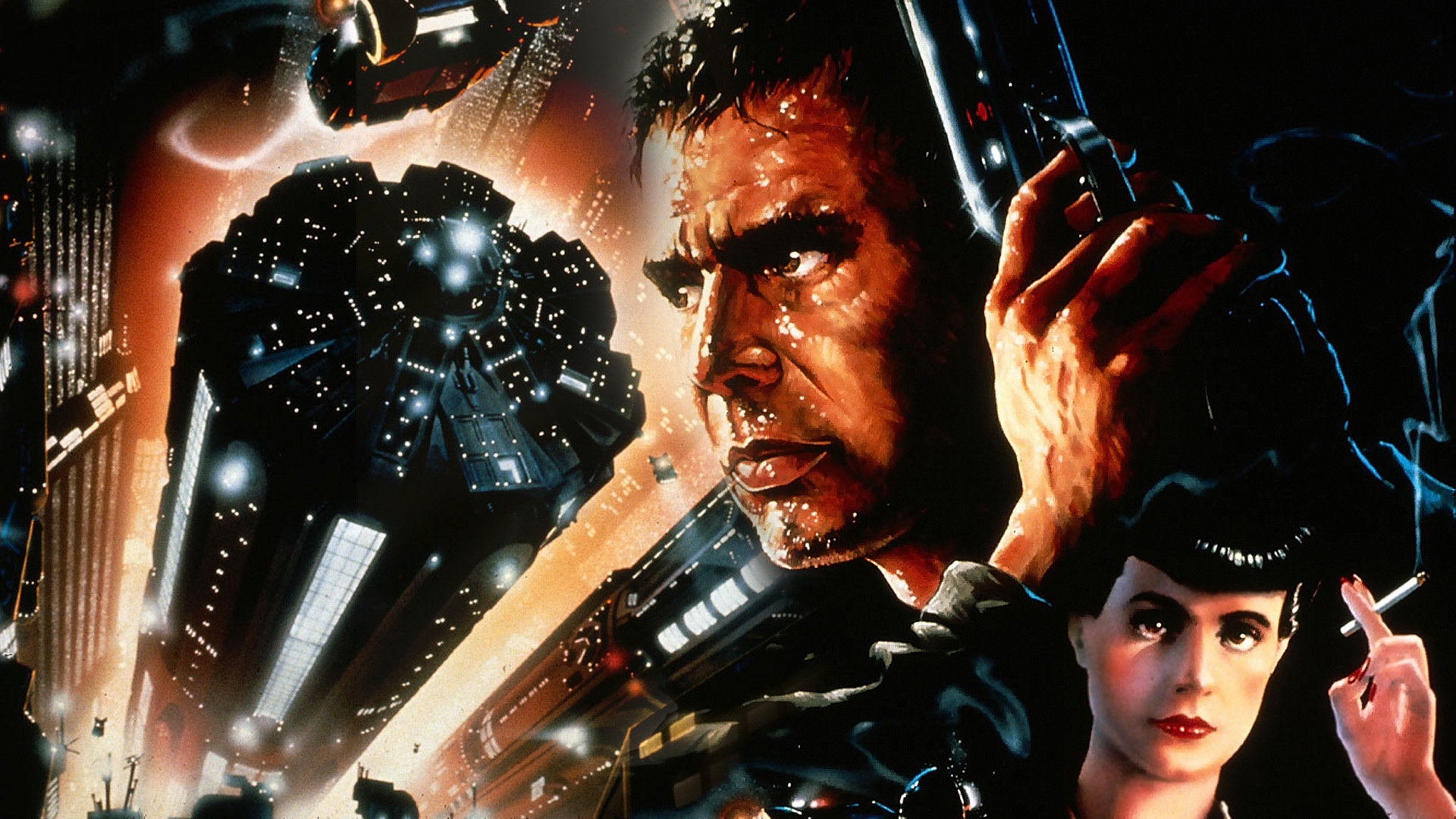
Blade Run­ner: The Pil­lar of Sci-Fi Cin­e­ma that Siskel, Ebert, and Stu­dio Execs Orig­i­nal­ly Hat­ed

Based in Seoul, Col­in Mar­shall writes and broad­casts on cities, lan­guage, and cul­ture. His projects include the Sub­stack newslet­ter Books on Cities, the book The State­less City: a Walk through 21st-Cen­tu­ry Los Ange­les and the video series The City in Cin­e­ma. Fol­low him on Twit­ter at @colinmarshall or on Face­book.

Watch L’Inferno (1911), Italy’s First Feature Film and Perhaps the Finest Adaptation of Dante’s Classic

In its sec­ond decade, cin­e­ma strug­gled to evolve. The first films by the Lumière Broth­ers and Thomas Edi­son were short and gim­micky — shots of trains rac­ing towards the screen, cou­ples kiss­ing and cute kit­tens get­ting fed. A quick rush. A bit of fun. Its cre­ators didn’t see much past the nov­el­ty of cin­e­ma but then oth­er film­mak­ers like Georges Méliès, Edwin S Porter, Alice Guy-Blaché and D.W. Grif­fith start­ed inject­ing this new medi­um with ele­ments of sto­ry. It start­ed aspir­ing towards art.

To this end, film­mak­ers start­ed to expand the can­vas on which they cre­at­ed. Films that were just two to eight min­utes length­ened in dura­tion as their sto­ries grew in com­plex­i­ty. The first fea­ture-length movie came in 1906 with the Aus­tralian movie The Sto­ry of the Kel­ly Gang.

In 1915, D.W. Grif­fith pre­miered his racist dra­ma The Birth of a Nation, which crys­tal­lized film lan­guage and proved that longer movies could be finan­cial­ly suc­cess­ful. In between those two movies came L’Inferno (1911) – per­haps the finest cin­e­mat­ic adap­ta­tion of Dan­te’s Infer­no out there and the first fea­ture-length Ital­ian movie ever.

LInferno-1024x505

Like Grif­fith, the mak­ers of L’InfernoFrancesco Bertoli­ni, Adol­fo Padovan and Giuseppe de Liguoro – sought to raise cin­e­ma to the ranks of lit­er­a­ture and the­ater. Unlike Grif­fith, they didn’t real­ly do much to for­ward the lan­guage of cin­e­ma. Through­out L’Inferno, the cam­era remains wide and locked down like the prosce­ni­um of a stage. Instead, they focused their efforts on cre­at­ing glo­ri­ous­ly baroque sets and cos­tumes. Much of the film looks like it was pulled straight from Gus­tave Dorè’s famed illus­tra­tions of The Divine Com­e­dy. Yet see­ing a pic­ture in a book of a demon is one thing. See­ing it leap around lash­ing the naked backs of the damned is some­thing else entire­ly. If you were ever tempt­ed by the sin of simo­ny, you’ll think twice after see­ing this film.

L’Inferno — now added to our col­lec­tion of 1,000+ Free Movies Online — became both a crit­i­cal and com­mer­cial hit world­wide, rak­ing in over $2 mil­lion (rough­ly $48 mil­lion in today’s mon­ey) in the US alone. “We have nev­er seen any­thing more pre­cious and fine than those pic­tures. Images of hell appear in all their great­ness and pow­er,” gushed famed Ital­ian nov­el­ist and reporter Matilde Serao when the film came out.

Amer­i­can film crit­ic for The Mov­ing Pic­ture World, W. Stephen Bush, was even more effu­sive:

“I know no high­er com­men­da­tion of the work than men­tion of the fact that the film-mak­ers have been exceed­ing­ly faith­ful to the words of the poet. They have fol­lowed, in let­ter and in spir­it, his con­cep­tions. They have sat like docile schol­ars at the feet of the mas­ter, con­sci­en­tious­ly and to the best of their abil­i­ty obey­ing every sug­ges­tion for his genius, know­ing no inspi­ra­tion, except such as came from the foun­tain­head. Great indeed has been their reward. They have made Dante intel­li­gi­ble to the mass­es. The immor­tal work, whose beau­ties until now were acces­si­ble only to a small band of schol­ars, has now after a sleep of more than six cen­turies become the prop­er­ty of mankind.”

Of course, the film’s com­bi­na­tion of ghoul­ish­ness and nudi­ty made it ripe to be co-opt­ed by shady pro­duc­ers who had less that lofty motives. Scenes from L’Inferno were cut into such exploita­tion flicks as Hell-O-Vision (1936) and Go Down, Death! (1944).

You can watch the full movie above. Be sure to watch to the end where Satan him­self can be seen devour­ing Bru­tus and Cas­sius.

Relat­ed Con­tent:

Gus­tave Doré’s Haunt­ing Illus­tra­tions of Dante’s Divine Com­e­dy

A Free Course on Dante’s Divine Com­e­dy from Yale Uni­ver­si­ty

Why Should We Read Dante’s Divine Com­e­dy? An Ani­mat­ed Video Makes the Case

What David Lynch Can Do With a 100-Year-Old Cam­era and 52 Sec­onds of Film

Jonathan Crow is a Los Ange­les-based writer and film­mak­er whose work has appeared in Yahoo!, The Hol­ly­wood Reporter, and oth­er pub­li­ca­tions. You can fol­low him at @jonccrow

Quentin Tarantino Releases His First Novel: A Pulpy Novelization of Once Upon a Time in Hollywood

There’s no busi­ness like show busi­ness. Or maybe — as Bart Simp­son once wrote on the black­board — “there are plen­ty of busi­ness­es like show busi­ness.”

Quentin Tarantino’s ninth film, 2019’s Once Upon a Time in Hol­ly­wood, fol­lows aging TV star, Rick Dal­ton, being pushed into play­ing vil­lain­ous char­ac­ter roles. Drunk and depressed, Dal­ton and his side­kick­/hang­er-on/s­tunt dou­ble Cliff Booth watch reruns of his show and get into a series of increas­ing­ly seri­ous scrapes as the actor search­es for a role that will redeem him. The film’s outline–shorn of his­tor­i­cal ref­er­ences that made crit­ics lion­ize it as “a love let­ter to old Hollywood”–sounds sus­pi­cious­ly like anoth­er media prop­er­ty in the mid­dle of its final sea­son that sum­mer.

Called a Mad Men replace­ment, Netflix’s satir­i­cal adult car­toon series Bojack Horse­man also fol­lows an aging for­mer TV star and his sidekicks/hanger(s)-on through their mis­ad­ven­tures in Hol­ly­wood (“Hol­ly­woo”). Along the way they con­front issues that fall under the rubric of “tox­ic mas­culin­i­ty,” such as work­place harass­ment, emo­tion­al imma­tu­ri­ty, and the abuse of pow­er in an indus­try with wild­ly unequal pow­er dynam­ics. The show makes clear that nei­ther old, nor new, Hol­ly­wood deserves a love let­ter — no more than oth­er indus­tries that allow such behav­ior. (It also fea­tures a car­i­ca­ture of Taran­ti­no.)

Once Upon a Time in Hol­ly­wood, by con­trast, cel­e­brates the old star sys­tem and its priv­i­leges — or so Richard Brody argues at The New York­er — in an “obscene­ly regres­sive vision of the 60s” that scrubs the decade of its protests and bru­tal crack­downs. The premise under­ly­ing Tarantino’s alter­nate-his­to­ry dram­e­dy seems to be: “If only the old-line Hol­ly­wood peo­ple of the fifties and six­ties had main­tained their pride of place—if only the times hadn’t changed, if only the keys to the king­dom hadn’t been hand­ed over to the free­thinkers and deca­dents of the sixties—then both Hol­ly­wood and the world would be a bet­ter, safer, hap­pi­er place.”

Taran­ti­no sets up “hip­pies,” a favorite pejo­ra­tive of his char­ac­ters, as fall guys for the Man­son Fam­i­ly mur­ders, rather than Manson’s own white suprema­cist beliefs. As many crit­ics not­ed at the time, “the only sub­stan­tial char­ac­ter of col­or, Bruce Lee (Mike Moh), is played… as a haughty par­o­dy” who gets “dra­mat­i­cal­ly humil­i­at­ed” by Pitt’s swash­buck­ling stunt­man — who is rumored to have mur­dered his wife and who dis­patch­es the film’s female Man­son cult vil­lains with the sadis­tic glee of a true psy­chopath, a scene, Brody writes, “that only ham­mers [Tarantino’s] doc­trine home.”

Cel­e­bra­tion there may be in the film, but there is also mourn­ing. Christo­pher Hooten at Lit­tle White Lies scoffs at the “love let­ter” idea and sees the film instead as a lament for the end of cinema’s “free­thinkers”:

This is Tarantino’s pas­sion project – poten­tial­ly his last film – and it comes across as him try­ing to sneak out a movie with a ’70s sen­si­bil­i­ty and tone before it’s no longer pos­si­ble. Once the likes of Taran­ti­no and Mar­tin Scors­ese have bowed out, that might well be it for auteur-dri­ven film­mak­ing on a block­buster scale. We’ve reached a polar­i­sa­tion in the indus­try where a direc­tor either works as a hired (and fre­quent­ly fired) gun for a Dis­ney or a Warn­er Bros, or else goes cap in hand in the hope of scrap­ing togeth­er a few mil­lion dol­lars to make some­thing more per­son­al and unique.

The Taran­ti­nos of the world might be a dying breed, but Taran­ti­no isn’t leav­ing his art behind so much as turn­ing his hand to “more per­son­al and unique” projects – in this case a nov­el, and more specif­i­cal­ly, “the pulpi­est of pulp fic­tion — the nov­el­iza­tion,” writes Peter Brad­shaw at The Guardian. Once Upon a Time in Hol­ly­wood: A Nov­el finds him “crank­ing up the back­sto­ries, mulching up real­i­ty and alt.reality pas­tiche, ladling in new episodes,” and flex­ing his for­mi­da­ble strengths as a writer of crack­ling dia­logue and action. The book also promis­es an end­ing view­ers of the film won’t see com­ing.

The nov­el explores the inner lives of its female char­ac­ters, includ­ing, of course, Sharon Tate “and the fic­tion­al child actor Tru­di Fras­er,” and adds an even dark­er edge to Cliff Booth, who is said to admire a cer­tain char­ac­ter despite or because he is “uncon­scious­ly racist, con­scious­ly misog­y­nis­tic.” This is Taran­ti­no, after all, none of whose char­ac­ters are ever shin­ing exam­ples of virtue. But in the post-auteur, post-Wein­stein future, he seems to sug­gest, maybe old-Hol­ly­wood anti-heroes like Cliff Booth and Leonar­do DiCaprio’s washed-up star Rick Dal­ton will only shine on stream­ing TV shows and in the pages of throw­back pulp nov­els, “pack­aged like those New Eng­lish Library paper­backs that used to be on carousel dis­plays in super­mar­kets and drug­stores.” You can pick up a copy of Once Upon a Time in Hol­ly­wood: A Nov­el here.

Relat­ed Con­tent: 

Quentin Taran­ti­no Explains How to Write & Direct Movies

Quentin Tarantino’s Copy­cat Cin­e­ma: How the Post­mod­ern Film­mak­er Per­fect­ed the Art of the Steal

An Analy­sis of Quentin Tarantino’s Films Nar­rat­ed (Most­ly) by Quentin Taran­ti­no

Josh Jones is a writer and musi­cian based in Durham, NC. Fol­low him at @jdmagness

« Go BackMore in this category... »
Quantcast