Mister Rogers Accepts a Lifetime Achievement Award, and Helps You Thank Everyone Who Has Made a Difference in Your Life

Tele­vi­sion host and children’s advo­cate Fred Rogers was also an ordained Pres­by­ter­ian min­is­ter, for whom spir­i­tu­al reflec­tion was as nat­ur­al and nec­es­sary a part of dai­ly life as his veg­e­tar­i­an­ism and morn­ing swims.

His qui­et per­son­al prac­tice could take a turn for the pub­lic and inter­ac­tive, as he demon­strat­ed from the podi­um at the Day­time Emmy Awards in 1997, above.

Accept­ing a Life­time Achieve­ment Award, he refrained from run­ning through the stan­dard laun­dry list of thanks. Instead he invit­ed the audi­ence to join him in spend­ing 10 sec­onds think­ing of the peo­ple who “have loved us into being.”

He then turned his atten­tion to his wrist­watch as hun­dreds of glam­orous­ly attired talk show hosts and soap stars thought of the teach­ers, rel­a­tives, and oth­er influ­en­tial adults whose ten­der care, and per­haps rig­or­ous expec­ta­tions, helped shape them.

(Play along from home at the 2:15 mark.)

Ten sec­onds may not seem like much, but con­sid­er how often we deploy emo­jis and “likes” in place of sit­ting with oth­ers’ feel­ings and our own.

Of all the things Fred Rogers was cel­e­brat­ed for, the time he allot­ted to mak­ing oth­ers feel heard and appre­ci­at­ed may be the great­est.

Fif­teen years after his death, the Inter­net ensures that he will con­tin­ue to inspire us to be kinder, try hard­er, lis­ten bet­ter.

That effect should quadru­ple when Mor­gan Neville’s Mis­ter Rogers doc­u­men­tary, Won’t You Be My Neigh­bor? is released next month.

Anoth­er sweet Emmy moment comes at the top, when the hon­oree smooches his wife, Joanne Rogers, before head­ing off to join pre­sen­ter Tim Rob­bins at the podi­um. Described in Esquire as “hearty and almost whoop­ing in (her) forth­right­ness,” the stal­wart Mrs. Rogers appeared in a hand­ful of episodes, but nev­er played the sort of high­ly vis­i­ble role Mrs. Claus inhab­it­ed with­in her husband’s pub­lic realm.

The full text of Mis­ter Rogers’ Life­time Achieve­ment Award award speech is below:

So many peo­ple have helped me to come here to this night.  Some of you are here, some are far away and some are even in Heav­en.  All of us have spe­cial ones who loved us into being.  Would you just take, along with me, 10 sec­onds to think of the peo­ple who have helped you become who you are, those who cared about you and want­ed what was best for you in life.  10 sec­onds, I’ll watch the time. Whomev­er you’ve been think­ing about, how pleased they must be to know the dif­fer­ence you feel they have made.  You know they’re kind of peo­ple tele­vi­sion does well to offer our world.  Spe­cial thanks to my fam­i­ly, my friends, and my co-work­ers in Pub­lic Broad­cast­ing and Fam­i­ly Com­mu­ni­ca­tions, and to this Acad­e­my for encour­ag­ing me, allow­ing me, all these years to be your neigh­bor.  May God be with you.  Thank you very much.

via Men­tal Floss

Relat­ed Con­tent:

Watch a Marathon Stream­ing of All 856 Episodes of Mis­ter Rogers Neigh­bor­hood, and the Mov­ing Trail­er for the New Doc­u­men­tary, Won’t You Be My Neigh­bor?

Mis­ter Rogers Turns Kids On to Jazz with Help of a Young Wyn­ton Marsalis and Oth­er Jazz Leg­ends (1986)

Mis­ter Rogers, Sesame Street & Jim Hen­son Intro­duce Kids to the Syn­the­siz­er with the Help of Her­bie Han­cock, Thomas Dol­by & Bruce Haack

Ayun Hal­l­i­day is an author, illus­tra­tor, the­ater mak­er and Chief Pri­ma­tol­o­gist of the East Vil­lage Inky zine.  Join her in NYC this Wednes­day, May 16, for anoth­er month­ly install­ment of her book-based vari­ety show, Necro­mancers of the Pub­lic Domain. Fol­low her @AyunHalliday.

Watch Choirs Around the World Simulate the Rainstorm in Toto’s “Africa” Using Only Their Hands

The Los Ange­les-based choir, Angel City Chorale, above, cap­tured the Internet’s imag­i­na­tion in a big way with their 2013 cov­er of Toto’s 1982 hit, “Africa,” in which the group’s 160 per­form­ers cre­at­ed a real­is­tic-sound­ing thun­der­storm using only their hands.

Delight­ful! And more com­mon than you may at first think.

The Chorale acknowl­edges that they owe a great debt to Sloven­ian vocal group Per­petu­um Jazz­ile’s thun­der­ous 2008 ren­di­tion. Stage­hands accus­tomed to cre­at­ing cred­i­ble thun­der­claps by wav­ing wig­gly sheets of alu­minum back­stage may want to switch to hun­dreds of feet hop­ping up and down in uni­son, as heard at the 1‑minute mark, below.

Go a bit fur­ther back to find an actu­al African choir’s fin­ger-snap­ping, thigh-smack­ing “Africa.”

The Kearsney Col­lege Choir is based near Dur­ban, South Africa, and they appear to have been the first to open this num­ber with the now-famous rain­storm effect. Its mem­bers are school boys rang­ing in age from 13 to 18. The video below shows them per­form­ing the tune in the 2008 World Choir Games, an annu­al com­pe­ti­tion that will be tak­ing place on their home turf this year.

Inter­est­ing­ly, there’s not that much rain in the orig­i­nal. Over the years Toto’s song­writ­ers, David Paich and Jeff Por­caro have made var­i­ous state­ments about its origins—a guy trans­fixed by images of suf­fer­ing Africans on TV, a lone­ly mis­sion­ary, a vis­it to the 1964 World’s Fair’s Africa pavil­ion …

There’s a bit of rain to be seen in the very 80’s offi­cial music video, but noth­ing that rivals the choirs’ spec­tac­u­lar down­pours.

If you’re moved to whip up a tem­pest of your own, Jbrary’s chil­dren’s librar­i­ans, Dana Hor­rocks and Lind­sey Krabben­hoft, have cre­at­ed an instruc­tion­al video that shows just how sim­ple the effect is to mas­ter. The real trick is enlist­ing 100s of friends to do it at the same time.

Buy Per­petu­um Jazz­ile’s “Africa” CD and vocal arrange­ments here.

Down­load Angel City Chorale’s “Africa” sin­gle on iTunes or CDBa­by.

Relat­ed Con­tent:

Pak­istani Musi­cians Play a Delight­ful Ver­sion of Dave Brubeck’s Jazz Clas­sic, “Take Five”

Feel Strange­ly Nos­tal­gic as You Hear Clas­sic Songs Reworked to Sound as If They’re Play­ing in an Emp­ty Shop­ping Mall: David Bowie, Toto, Ah-ha & More

What Makes This Song Great?: Pro­duc­er Rick Beato Breaks Down the Great­ness of Clas­sic Rock Songs in His New Video Series

Ayun Hal­l­i­day is an author, illus­tra­tor, the­ater mak­er and Chief Pri­ma­tol­o­gist of the East Vil­lage Inky zine.  Join her in NYC on Mon­day, April 23 for the third install­ment of her lit­er­ary-themed vari­ety show, Necro­mancers of the Pub­lic Domain. Fol­low her @AyunHalliday.

A Shazam for Nature: A New Free App Helps You Identify Plants, Animals & Other Denizens of the Natural World

Do you ever long for those not-so-long-ago days when you skipped through the world, breath­less with the antic­i­pa­tion of catch­ing Poké­mon on your phone screen?

If so, you might enjoy bag­ging some of the Pokeverse’s real world coun­ter­parts using Seek, iNaturalist’s new pho­to-iden­ti­fi­ca­tion app. It does for the nat­ur­al world what Shaz­am does for music.

Aim your phone’s cam­era at a non­de­script leaf or the grasshop­per-ish-look­ing crea­ture who’s camped on your porch light. With a bit of luck, Seek will pull up the rel­e­vant Wikipedia entry to help the two of you get bet­ter acquaint­ed.

Reg­is­tered users can pin their finds to their per­son­al col­lec­tions, pro­vid­ed the app’s recog­ni­tion tech­nol­o­gy pro­duces a match.

(Sev­er­al ear­ly adopters sug­gest it’s still a few house­plants shy of true func­tion­al­i­ty…)

Seek’s pro­tec­tive stance with regard to pri­va­cy set­tings is well suit­ed to junior spec­i­men col­lec­tors, as are the vir­tu­al badges with which it rewards ener­getic upload­ers.

While it doesn’t hang onto user data, Seek is build­ing a pho­to library, com­posed in part of user sub­mis­sions.

(Your cat is ready for her close up, Mr. DeMille…)

(Dit­to your Por­to­bel­lo Mush­room burg­er…)

Down­load Seek for free on iTunes or Google Play.

via Earth­er/My Mod­ern Met

Relat­ed Con­tent:

Two Mil­lion Won­drous Nature Illus­tra­tions Put Online by The Bio­di­ver­si­ty Her­itage Library

Watch 50 Hours of Nature Sound­scapes from the BBC: Sci­en­tif­i­cal­ly Proven to Ease Stress and Pro­mote Hap­pi­ness & Awe

How Walk­ing Fos­ters Cre­ativ­i­ty: Stan­ford Researchers Con­firm What Philoso­phers and Writ­ers Have Always Known

Ayun Hal­l­i­day is an author, illus­tra­tor, the­ater mak­er and Chief Pri­ma­tol­o­gist of the East Vil­lage Inky zine.  Fol­low her @AyunHalliday.

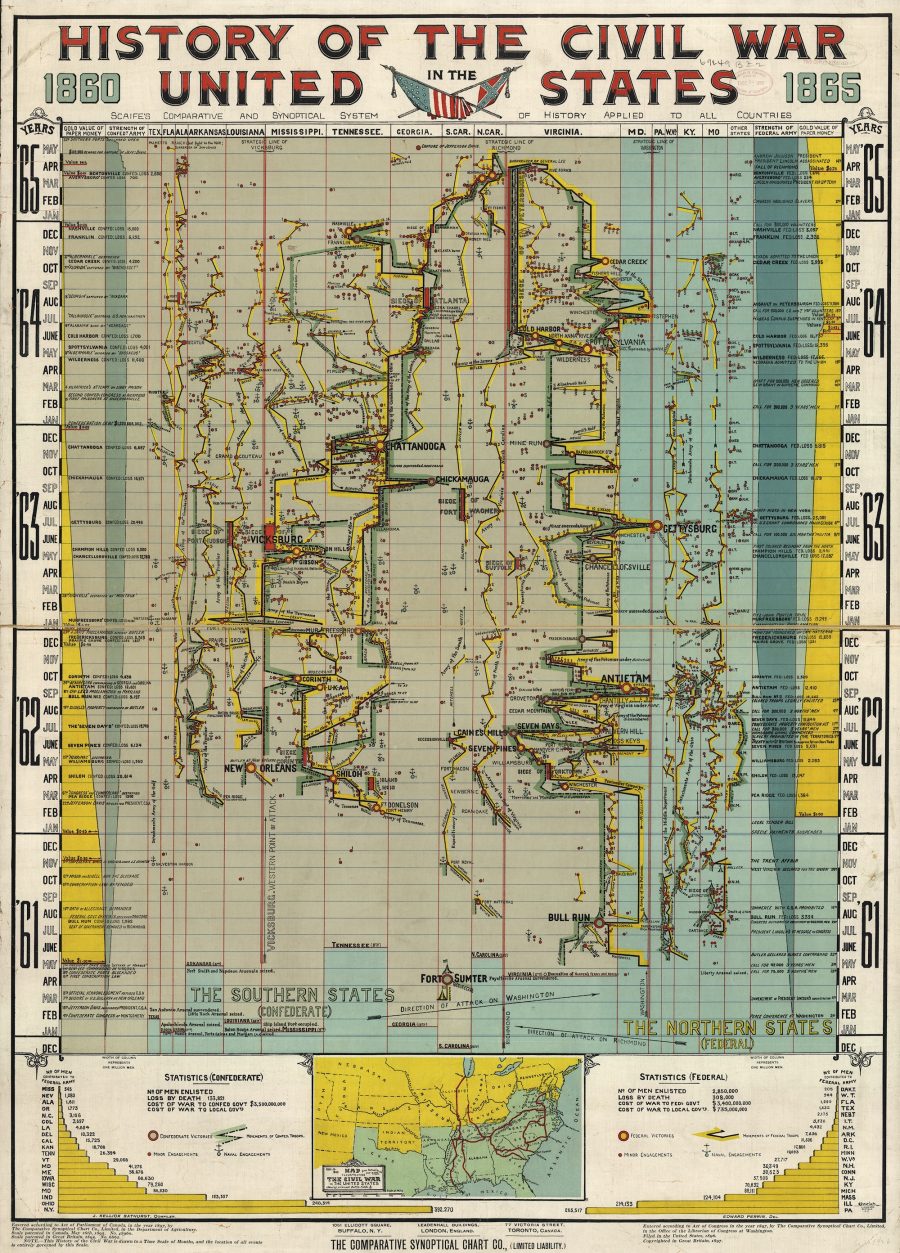
The History of the U.S. Civil War Visualized Month by Month and State by State, in an Infographic from 1897

There’s been a lot of hand­wring­ing over the i‑Generation’s lack of map read­ing skills.

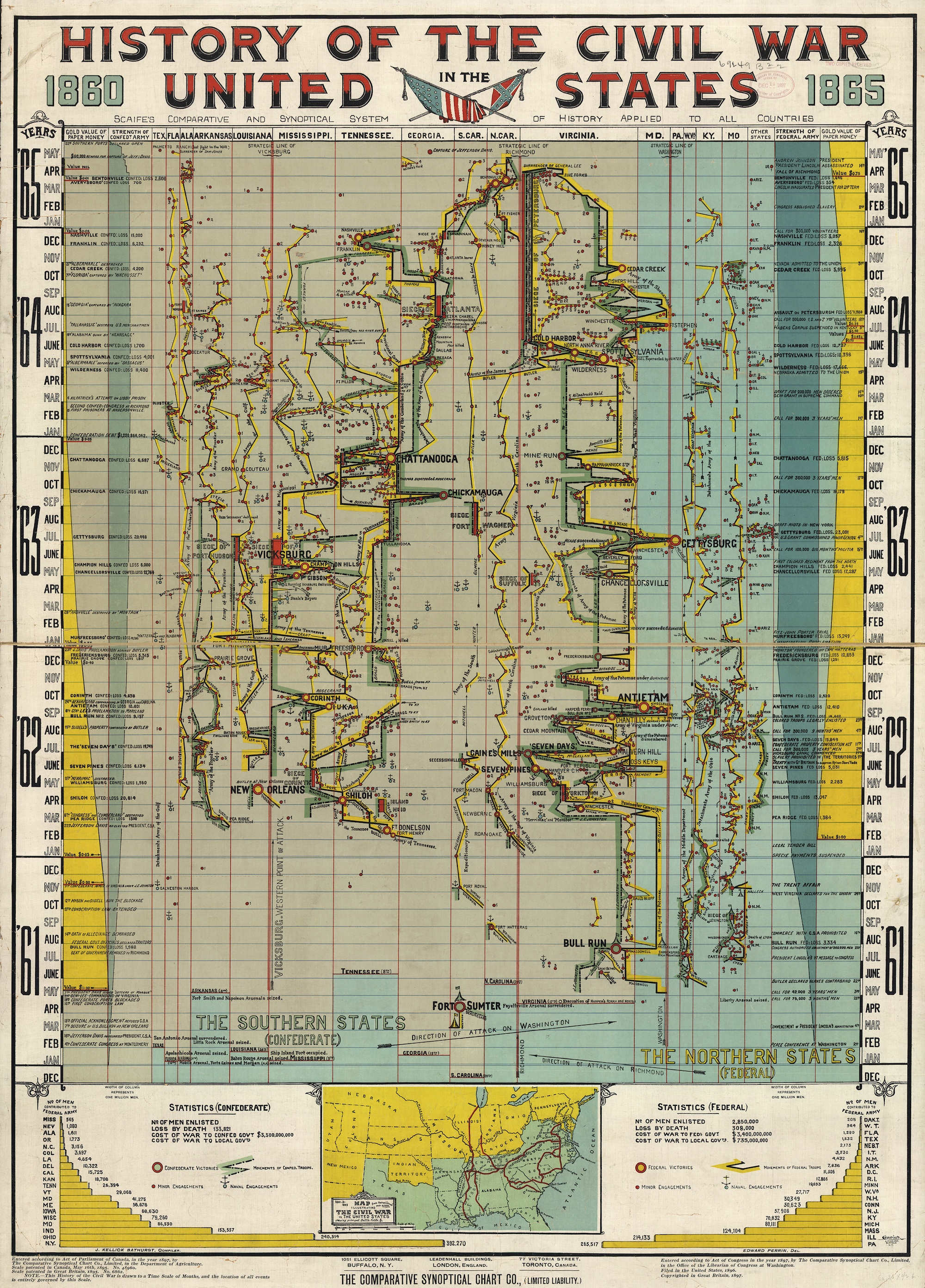
While we’re at it, let’s take a cold, hard look at the Gild­ed Age info­graph­ic, above.…

… and con­clude that peo­ple who live in glass hous­es should stop reach­ing for stones.

Pub­lished in 1897 by the Com­par­a­tive Syn­op­ti­cal Chart Com­pa­ny, this now unfath­omable doc­u­ment–His­to­ry of the Civ­il War in the Unit­ed States: 1860–1865–achieved its goal of squeez­ing the max­i­mum amount of con­tent onto a sin­gle sheet.

This is in direct oppo­si­tion to today’s gen­er­al­ly accept­ed rules for cre­at­ing suc­cess­ful info­graph­ics, one of which is to sim­pli­fy.

Anoth­er holds that text should be used spar­ing­ly, lest it clut­ter up strong visu­als. Con­sumers have a lim­it­ed atten­tion span, and for con­tent to be con­sid­ered share­able, they should be able to take it in at a glance.

Mod­ern eyes may be for­giv­en for mis­tak­ing this chart for the world’s most con­vo­lut­ed sub­way map. But those aren’t stops, friend. They’re minor engage­ments. Blood­i­er and bet­ter-known bat­tles are delin­eat­ed with larg­er circles—yellow cen­ters for a Union vic­to­ry, pale green for Con­fed­er­ate.

The fastest way to begin mak­ing heads or tails of the chart is to note that each col­umn is assigned to a dif­fer­ent state.

The ver­ti­cal axis is divid­ed into months. Notice all the neg­a­tive space around Fort Sumter.

And the con­stant entries in Vir­gini­a’s col­umn.

The pub­lish­er not­ed that the loca­tion of events was “entire­ly gov­erned” by this time scale.

You’ll have to look hard for Lincoln’s assas­si­na­tion.

Con­sumers who pur­chased the His­to­ry of the Civ­il War in the Unit­ed States 1860–1865 pre­sum­ably pored over it by can­dle­light, sup­ple­ment­ing it with maps and books.

It would still make a superb addi­tion to any his­to­ry teacher’s class­room, both as dec­o­ra­tion and the tin­der that could ignite dis­cus­sion as to how we receive infor­ma­tion, and how much infor­ma­tion is in fact received.

Explore a larg­er, zoomable ver­sion of the map here.

via Slate

Relat­ed Con­tent:

A Free Course from Yale on the U.S. Civ­il War

Watch Vet­er­ans of The US Civ­il War Demon­strate the Dread­ed Rebel Yell (1930)

Visu­al­iz­ing Slav­ery: The Map Abra­ham Lin­coln Spent Hours Study­ing Dur­ing the Civ­il War

Ayun Hal­l­i­day is an author, illus­tra­tor, the­ater mak­er and Chief Pri­ma­tol­o­gist of the East Vil­lage Inky zine. Fol­low her @AyunHalliday.

Mister Rogers, Sesame Street & Jim Henson Introduce Kids to the Synthesizer with the Help of Herbie Hancock, Thomas Dolby & Bruce Haack

Does your child have a musi­cal instru­ment? That’s good. Tak­en a few music lessons? Even bet­ter. If they’re so inclined, learn­ing music is one of the best things kids can do for their devel­op­ing brains, whether or not they make a career of the endeav­or. But one doesn’t need clas­si­cal train­ing or jazz chops to make music, or even to become a musi­cian. Those skills have served many an elec­tron­ic musi­cian, sure, but many oth­ers have cre­at­ed mov­ing, com­plex music with inge­nu­ity, fine­ly-tuned ears, tech smarts, and wild­ly exper­i­men­tal atti­tudes.

Then there are elec­tron­ic artists, like Bruce Haack, Her­bie Han­cock, and Thomas Dol­by, who com­bined fine musi­cian­ship with all of the above qual­i­ties and made peo­ple stop and won­der, peo­ple who were not nec­es­sar­i­ly fans of elec­tron­ic music, and who did­n’t know very much about it.

None of these artists felt it beneath them to bring their art fur­ther down to earth, to the lev­el of the kids who watched Mis­ter Rogers’ Neigh­bor­hood or Sesame Street. On the con­trary, they’re nat­ur­al edu­ca­tors, with a performer’s instinct for tim­ing and audi­ence and a geek’s instinct for high­light­ing the coolest tech­ni­cal bits. But leave it to Mis­ter Rogers him­self, above, to cel­e­brate the music and the play­ful­ness of syn­the­sized sound in his mild-man­nered Cole Porter-ish way, to the accom­pa­ni­ment of a good-old fash­ioned piano and one of his mother’s sig­na­ture hand­knit sweaters, in green.

Above, we have the weird wonky Haack, a musi­cal prodi­gy who stud­ied at Juil­liard, and who loved noth­ing more than mak­ing children’s records with his part­ner, children’s dancer Esther Nel­son, and cre­at­ing musi­cal instru­ments from house­hold objects and hand­wired cir­cuit­ry that was acti­vat­ed by human touch. Fred Rogers was so tak­en with Haack’s play­ful­ness that he had the com­pos­er and Nel­son on a long seg­ment of his show. You may or may not know that Haack’s work was inspired by pey­ote and that he record­ed a rock opera called The Elec­tric Lucifer about a war between heav­en and hell, but you’ll prob­a­bly sense there’s more to him than meets the eye. Rogers and the kids are mes­mer­ized (see Part 2 of the seg­ment here.)

Her­bie Hancock’s appear­ance on Sesame Street oper­ates much more on a get to know you lev­el than the gestalt dance ther­a­py per­for­mance art of Haack and Nel­son. He jams out; charms future Fresh Prince of Bel-Air star Tatyana Ali by turn­ing her name into high-pitched cho­rus of voic­es; and explains the many func­tions of his Fairlight CMI, a dig­i­tal syn­the­siz­er born in the same year as the young actress. The tech­nol­o­gy isn’t near­ly as inter­est­ing as Haack’s home­made curios, giv­en that every one of the Fairlight func­tions can be fit into an app these days. The joy lies in watch­ing the kids warm to Han­cock and the then-new tech­nol­o­gy.

When it comes to Thomas Dolby’s appear­ance on the Jim Hen­son Company’s The Ghost of Faffn­er Hall pro­gram, we are in the posi­tion of the child audi­ence. Dol­by, with his pecu­liar Eng­lish inten­si­ty, plays a mad sci­en­tist char­ac­ter who stares into the cam­era as he demon­strates his col­lec­tion of syn­the­siz­ers, ana­log and dig­i­tal, for view­ers. Dolby’s per­for­mance might have been aid­ed by some real kids to play off of, but his “fly in a match­box” exam­ple will eas­i­ly help you and your young ones under­stand the basic prin­ci­ples at work in syn­the­siz­ing sound. These play­ful tuto­ri­als were made for kids in 1968, 83, and 89 respec­tive­ly, and maybe they can still work mag­ic on young 21st cen­tu­ry minds. But, as Fred Rogers says, “grownups like to play too, sure. And if you look and lis­ten care­ful­ly through this world, you’ll find lots of things that are play­ful.” Few grownups have been bet­ter author­i­ties on the sub­ject.

Relat­ed Con­tent:

Dis­cov­er­ing Elec­tron­ic Music: 1983 Doc­u­men­tary Offers a Fun & Edu­ca­tion­al Intro­duc­tion to Elec­tron­ic Music

How the Moog Syn­the­siz­er Changed the Sound of Music

The His­to­ry of Elec­tron­ic Music in 476 Tracks (1937–2001)

Two Doc­u­men­taries Intro­duce Delia Der­byshire, the Pio­neer in Elec­tron­ic Music


Josh Jones is a writer and musi­cian based in Durham, NC. Fol­low him at @jdmagness.

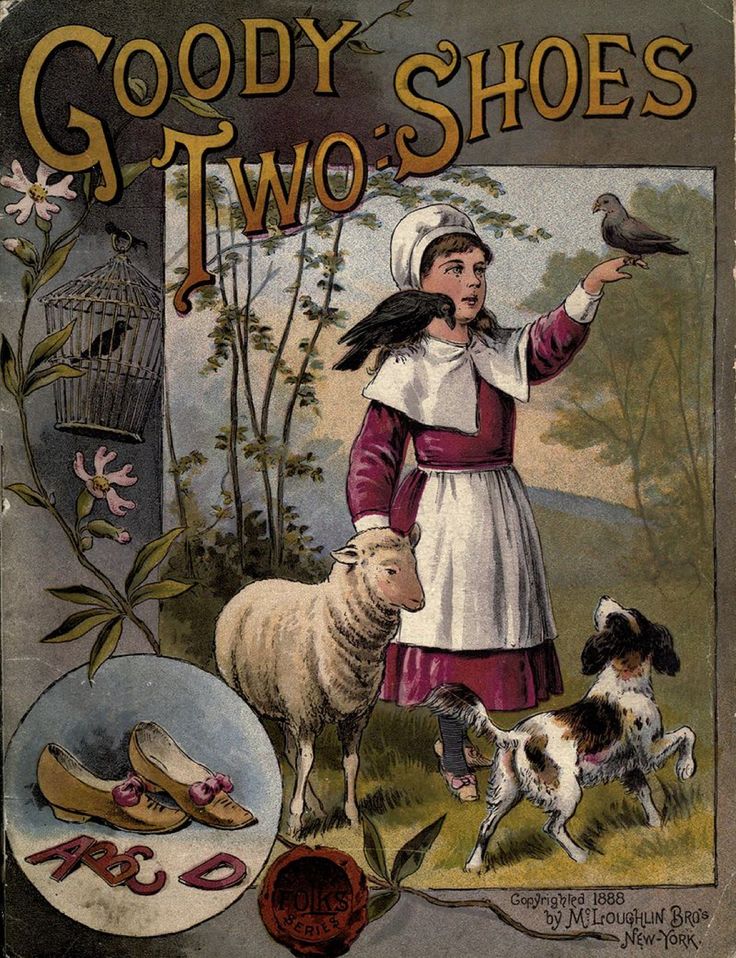
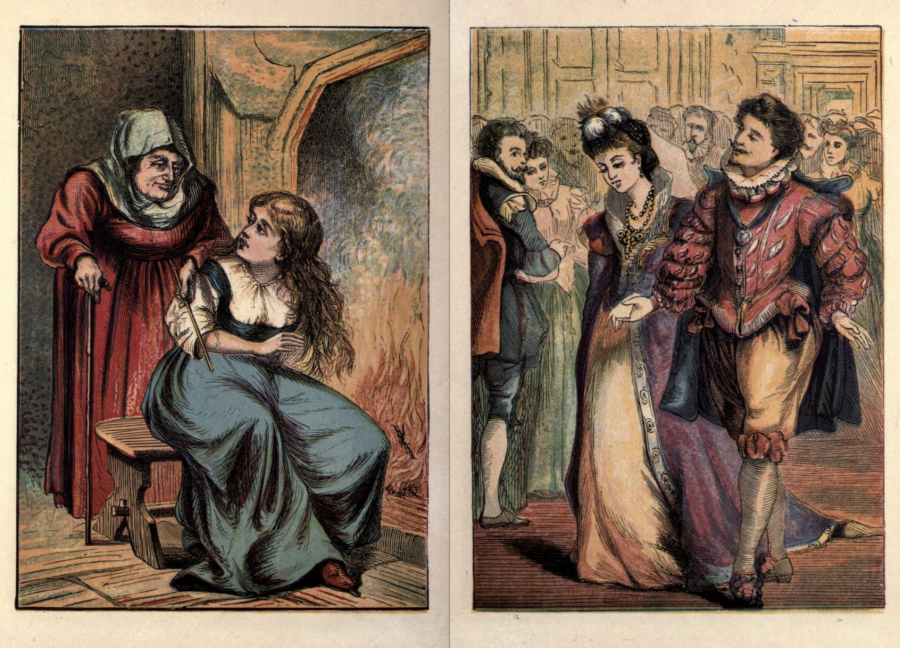
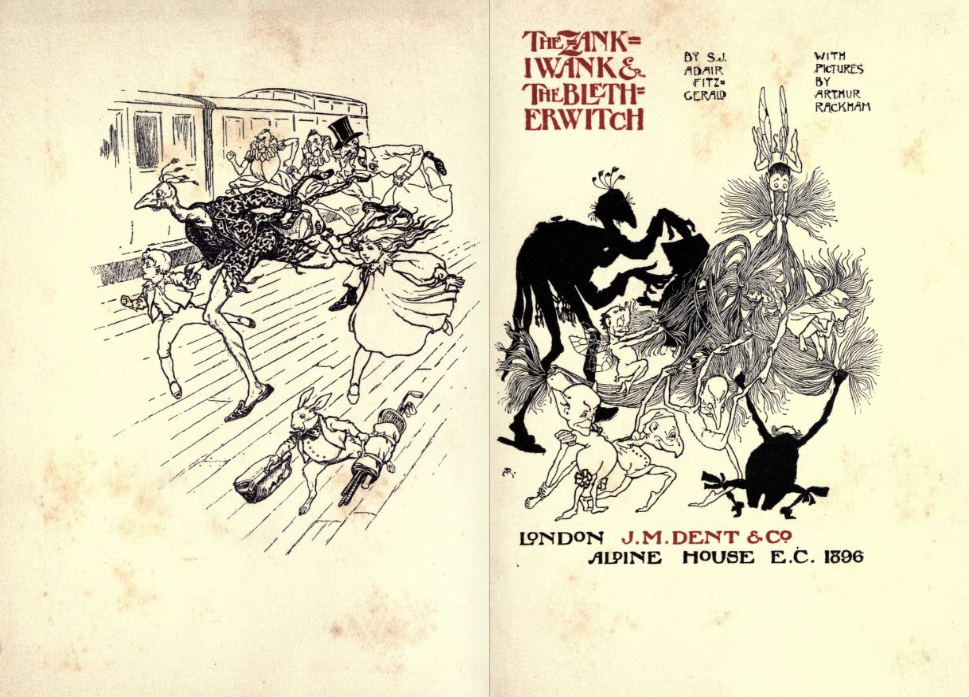
A Digital Archive of 1,800+ Children’s Books from UCLA

In the ear­ly 18th cen­tu­ry, the nov­el was seen as a friv­o­lous and triv­ial form at best, a moral­ly cor­rupt­ing one at worst. Giv­en that the pri­ma­ry read­ers of nov­els were women, the belief smacks of patri­ar­chal con­de­scen­sion and a kind of thought con­trol. Fic­tion is a place where read­ers can imag­i­na­tive­ly live out fan­tasies and tragedies through the eyes of an imag­ined oth­er. Respectable mid­dle-class women were expect­ed instead to read con­duct man­u­als and devo­tion­als.

Eng­lish nov­el­ist Samuel Richard­son sought to bring respectabil­i­ty to his art in the form of Pamela in 1740, a nov­el which began as a con­duct man­u­al and whose sub­ti­tle rather blunt­ly states the moral of the sto­ry: “Virtue Reward­ed.”

This mor­al­iz­ing expressed itself in anoth­er lit­er­ary form as well. Children’s books, such as there were, also tend­ed toward the moral­is­tic and didac­tic, in attempts to steer their read­ers away from the dan­gers of what was then called “enthu­si­asm.”

“Pri­or to the mid-eigh­teenth cen­tu­ry,” notes the UCLA Children’s Book Col­lec­tion—a dig­i­tal repos­i­to­ry of over 1800 children’s books dat­ing from 1728 to 1999—“books were rarely cre­at­ed specif­i­cal­ly for chil­dren, and children’s read­ing was gen­er­al­ly con­fined to lit­er­a­ture intend­ed for their edu­ca­tion and moral edi­fi­ca­tion rather than for their amuse­ment. Reli­gious works, gram­mar books, and ‘cour­tesy books’ (which offered instruc­tion on prop­er behav­ior) were vir­tu­al­ly the only ear­ly books direct­ed at chil­dren.” But a change was in the mak­ing in the mid­dle of the cen­tu­ry.

Pamela attract­ed a rib­ald, even porno­graph­ic, response—most notably in Hen­ry Fielding’s satire An Apol­o­gy for the Life of Mrs. Shamela Andrews and the Mar­quis de Sade’s Jus­tine Mean­while, the world of children’s lit­er­a­ture also under­went a rad­i­cal shift. “The notion of plea­sure in learn­ing was becom­ing more wide­ly accept­ed.” Illus­tra­tions, pre­vi­ous­ly “con­sist­ing of small wood­cut vignettes,” slow­ly began to move to the fore, and “inno­va­tions in typog­ra­phy and print­ing allowed greater free­dom in repro­duc­ing art.”

That’s not to say that the didac­tic atti­tude was dispelled—we see codes of con­duct and overt reli­gious themes embed­ded in children’s lit­er­a­ture through­out the 19th cen­tu­ry. But as we point­ed out in a post on anoth­er children’s book archive from the Uni­ver­si­ty of Flori­da, the more staid and tra­di­tion­al books increas­ing­ly com­pet­ed with adven­ture sto­ries, works of fan­ta­sy, and what we call today Young Adult lit­er­a­ture like that of Mark Twain and Louisa May Alcott. You can see this ten­sion in the UCLA col­lec­tion, between plea­sure and duty, leisure and work, and edu­ca­tion as moral and social train­ing and as a means of achiev­ing per­son­al free­dom.

Of the adult lit­er­ary imag­i­na­tion of the time, Leo Bersani writes in A Future for Astyanax that “the con­fronta­tion in nine­teenth-cen­tu­ry works between a struc­tured, social­ly viable and ver­bal­ly ana­lyz­able self and the wish to shat­ter psy­chic and social struc­tures pro­duces con­sid­er­able stress and con­flict.” I think we can see a sim­i­lar con­flict, expressed much more play­ful­ly, in books for chil­dren of the past two hun­dred years or so. Enter the UCLA col­lec­tion, which includes not only his­toric chil­dren’s books but present-day exhib­it cat­a­logs and more, here.

Relat­ed Con­tent:

Enter an Archive of 6,000 His­tor­i­cal Children’s Books, All Dig­i­tized and Free to Read Online

The First Children’s Pic­ture Book, 1658’s Orbis Sen­su­al­i­um Pic­tus

The Anti-Slav­ery Alpha­bet: 1846 Book Teach­es Kids the ABCs of Slavery’s Evils

Josh Jones is a writer and musi­cian based in Durham, NC. Fol­low him at @jdmagness

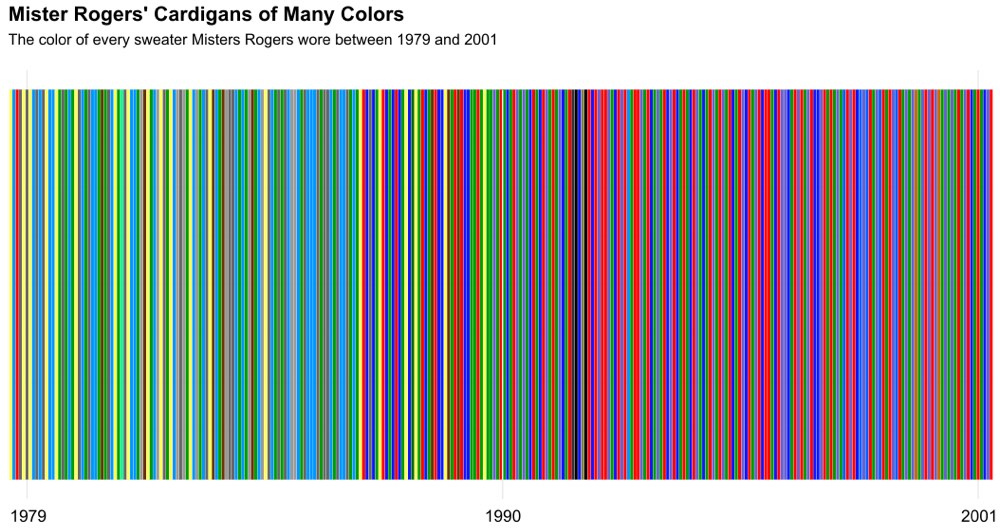
The Colors of Mister Rogers’ Hand-Knit Sweaters from 1979 to 2001: A Visual Graph Created with Data Science

Writer Owen Phillips may be a sol­id data ana­lyst, but I sus­pect he’s not much of a knit­ter.

The soft­ware he used to run a sci­en­tif­ic analy­sis of 22 years worth of Fred Rogers’ sweaters ulti­mate­ly reduces the beloved children’s tele­vi­sion host’s homey zip-front cardi­gans to a slick graph­ic of col­or­ful bars.

A knit­ter would no doubt pri­or­i­tize oth­er types of pat­terns — stitch num­bers, wool weight, cable variations…the sort of infor­ma­tion Mis­ter Rogers’ moth­er, Nan­cy, would have had at her fin­ger­tips.

As Mis­ter Rogers reveals in the sto­ry of his sweaters, his mom was the knit­ter behind many of the on-air sweaters Phillips crunched with R code. Whether their sub­tly shift­ing palette reflects an adven­tur­ous spir­it on the part of the mak­er or the recipient’s evolv­ing taste is not for us to know.

After Mrs. Rogers’ death, pro­duc­ers had to resort to buy­ing sim­i­lar mod­els. Many of her orig­i­nals had worn through or been donat­ed to char­i­ty events.

“Not an easy chal­lenge in the 80’s and 90s,” Mar­gy Whit­mer, a pro­duc­er of Mis­ter Rogers’ Neigh­bor­hood told Rewire. “It cer­tain­ly wasn’t in style! But we found a com­pa­ny who made cot­ton ones that were sim­i­lar, so we bought a bunch and dyed them.”

(A moment of silent grat­i­tude that no one tried to shoe­horn Fred Rogers into a Cos­by Show sweater…)

It would be inter­est­ing to see what Phillips’ code could do with faulty view­er mem­o­ries.

His input for the Mis­ter Rogers’ Cardi­gans of Many Col­ors project was a chart on super fan Tim Lybarger’s Neigh­bor­hood Archive detail­ing the hue of every sweater Mis­ter Rogers changed into on-cam­era from 1979 to 2001.

With­out sam­ples of the actu­al sweaters, Lybarger’s col­or chart could only be approx­i­mate, but unlike view­ers’ fad­ing mem­o­ries, it’s root­ed in his own visu­al obser­va­tions of dis­tinct episodes. Aging fans tend to jet­ti­son Rogers’ spec­tral real­i­ty in favor of a sin­gle shade, the bright red in which he greet­ed Wicked Witch of the West Mar­garet Hamil­ton in 1975, say, or the pleas­ant mouse-col­ored num­ber he sport­ed for a 1985 break­danc­ing ses­sion with a vis­it­ing 12-year-old.

For those who’d rather code than purl, Phillips shares MrRogers.R, the pro­gram he used to scrape the Neigh­bor­hood Archive for Mis­ter Rogers dai­ly sweater col­ors.

Then have a look at Rogers’ sweaters as ren­dered by Phillips’ fel­low data geek, Alan Joyce, who tin­kered with Phillips’ code to pro­duce a gra­di­ent image.

via Kot­tke

Relat­ed Con­tent:

Mr. Rogers Takes Break­danc­ing Lessons from a 12-Year-Old (1985)

Mr. Rogers Intro­duces Kids to Exper­i­men­tal Elec­tron­ic Music by Bruce Haack & Esther Nel­son (1968)

Mis­ter Rogers Turns Kids On to Jazz with Help of a Young Wyn­ton Marsalis and Oth­er Jazz Leg­ends (1986)

Ayun Hal­l­i­day is an author, illus­tra­tor, the­ater mak­er and Chief Pri­ma­tol­o­gist of the East Vil­lage Inky zine.  Her cur­rent project is The­ater of the Apes Sub-Adult Division’s fast approach­ing pro­duc­tion of Ani­mal Farm at the Tank in New York City.  Fol­low her @AyunHalliday.

The Art of Explaining Hard Ideas: Scientists Try to Explain Gene Editing & Brain Mapping to Young Kids & Students

If you’ve seen Bong Joon-ho’s film Okja, about an Agribusi­ness-engi­neered gar­gan­tu­an mutant pig and her young Kore­an girl side­kick, you may have some very spe­cif­ic ideas about CRISPR, the sci­ence used to edit and manip­u­late genes. In fact, the mad­cap fic­tion­al adventure’s world may not be too far off, though the sci­ence seems to be mov­ing in the oth­er direc­tion. Just recent­ly, Chi­nese sci­en­tists have report­ed the cre­ation of 12 pigs with 24 per­cent less body fat than the ordi­nary vari­ety. It may not be front-page news yet, but the achieve­ment is “a big issue for the pig indus­try,” says the lead researcher.

There’s much more to CRISPR than bio­engi­neer­ing lean bacon. But what is it and how does it work? I couldn’t begin to tell you. Let biol­o­gist Neville San­jana explain. In the Wired video above, he under­takes the ulti­mate chal­lenge for sci­ence communicators—explaining the most cut­ting-edge sci­ence to five dif­fer­ent peo­ple: a 7‑year-old, 14-year-old, col­lege stu­dent, grad stu­dent, and—to real­ly put him on the spot—a CRISPR expert. CRISPR is “a new area of bio­med­ical sci­ence that enables gene edit­ing,” San­jana begins in his short intro for view­ers, “and it’s help­ing us under­stand the basis of many genet­ic dis­eases like autism and can­cer.”

That’s all well and good, but does he have any­thing to say about the pig busi­ness? Watch and find out, begin­ning with the adorable 7‑year-old Teigen Riv­er, who may or may not have been primed with per­fect respons­es. Play it for your own kids and let us know how well the expla­na­tion works. San­jara runs quick­ly through his oth­er stu­dents to arrive, halfway through the video, at Dr. Matthew Can­ver, CRISPR expert.

From there on out you may wish to refer to oth­er quick ref­er­ences, such as the Har­vard and MIT Broad Institute’s short guide and video intro above from mol­e­c­u­lar biol­o­gist Feng Zhang, who explains that CRISPR, or “Clus­tered Reg­u­lar­ly Inter­sperced Short Palin­dromic Repeats,” is actu­al­ly the name of DNA sequences in bac­te­ria. The gene edit­ing tech­nol­o­gy itself is called CRISPR-Cas9. Just so you know how the sausage is made.

Enough of pig puns. Let’s talk about brains, with neu­ro­sci­en­tist Dr. Bob­by Kasthuri of the Argonne Nation­al Lab­o­ra­to­ry. He faces a sim­i­lar chal­lenge above—this time explain­ing high con­cept sci­ence to a 5‑year-old, 13-year-old, col­lege stu­dent, grad stu­dent, and a “Con­nec­tome entre­pre­neur.” A what? Con­nec­tome is the prod­uct of the NIH’s Human Con­nec­tome Project, which set out to “pro­vide an unpar­al­leled com­pi­la­tion of neur­al data” and “achieve nev­er before real­ized con­clu­sions about the liv­ing human brain.” This brain-map­ping sci­ence has many objec­tives, one of which, in the 5‑year-old ver­sion, is “to know where every cell in your brain is, and how it can talk to every oth­er cell.”

To this aston­ish­ing expla­na­tion you may reply like Daniel Dod­son, 5‑year-old, with a stunned “Oh.” And then you may think of Philip K. Dick, or Black Mir­ror’s “San Junipero” episode. Espe­cial­ly after hear­ing from “Con­nec­tome Entre­pre­neur” Rus­sell Han­son, founder and CEO of a com­pa­ny called Brain Back­ups, or after lis­ten­ing to Sebas­t­ian Seung—“leader in the field of connectomics”—give his TED talk, “I am my con­nec­tome.” Want anoth­er short, but grown-up focused, expla­na­tion of the total­ly sci­ence-fic­tion but also com­plete­ly real Con­nec­tome? See Kasthuri’s 2‑minute ani­mat­ed video above from Boston Uni­ver­si­ty.

Relat­ed Video:

Real­i­ty Is Noth­ing But a Hal­lu­ci­na­tion: A Mind-Bend­ing Crash Course on the Neu­ro­science of Con­scious­ness

Richard Feyn­man Cre­ates a Sim­ple Method for Telling Sci­ence From Pseu­do­science (1966)

125 Great Sci­ence Videos: From Astron­o­my to Physics & Psy­chol­o­gy 

Josh Jones is a writer and musi­cian based in Durham, NC. Fol­low him at @jdmagness

« Go BackMore in this category... »
Quantcast